








There are relatively few aquarium fish for which a really common popular name has developed. Andinoacara pulcher (formerly: Aequidens pulcher) is one of them. It is regularly found in aquarium books under the name “Blue Acara”. The year of first introduction is given as 1906.
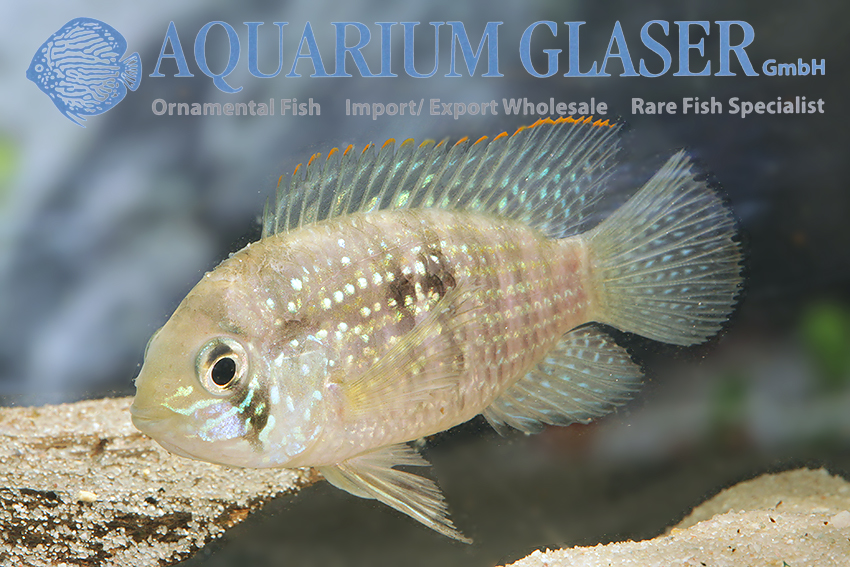
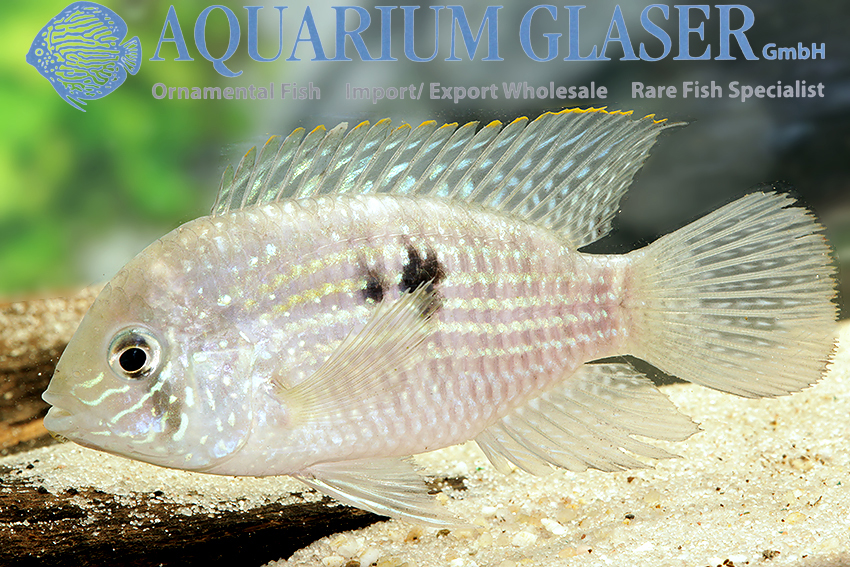
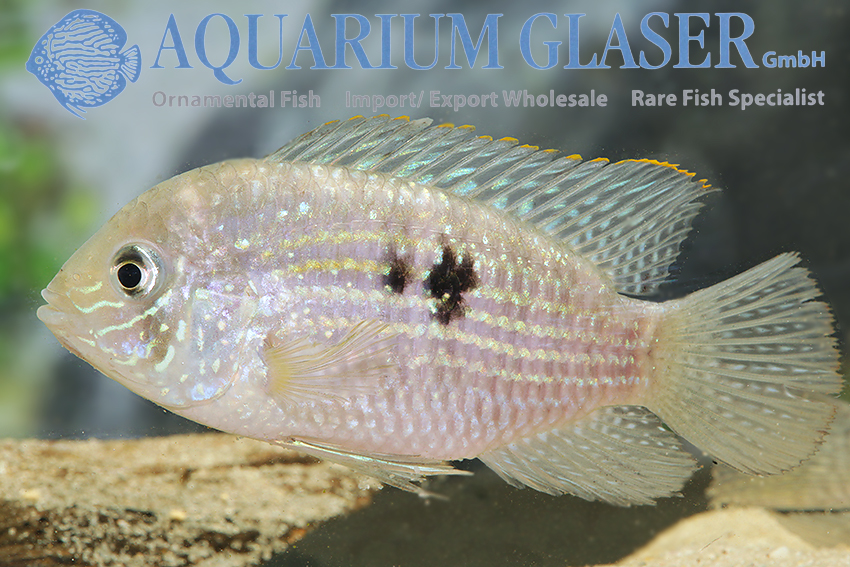
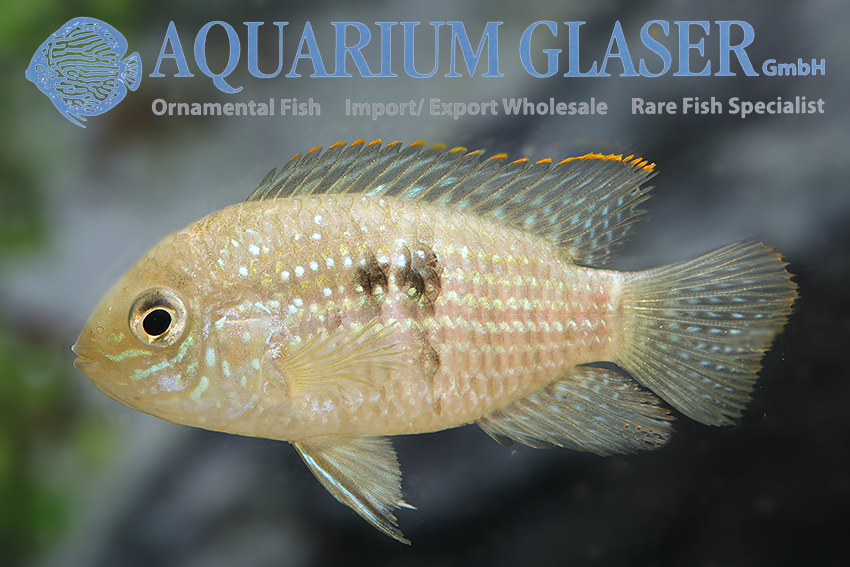
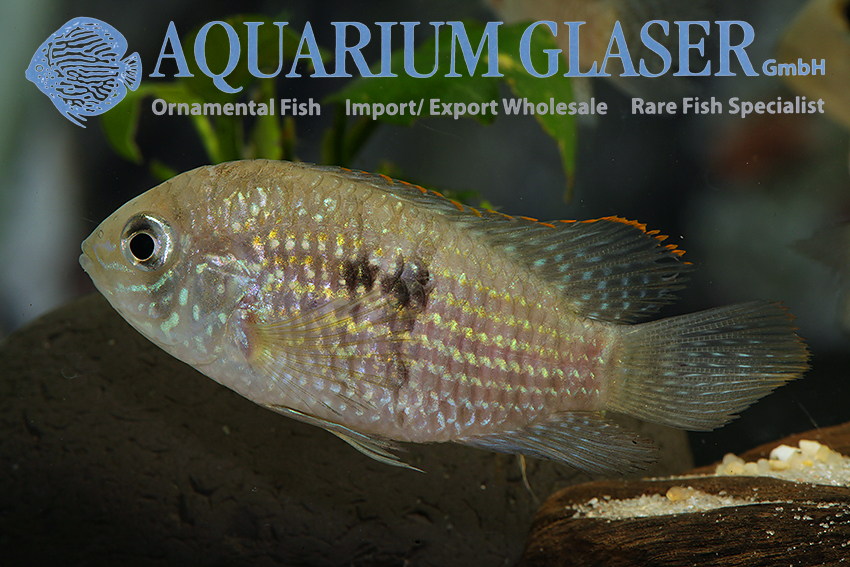
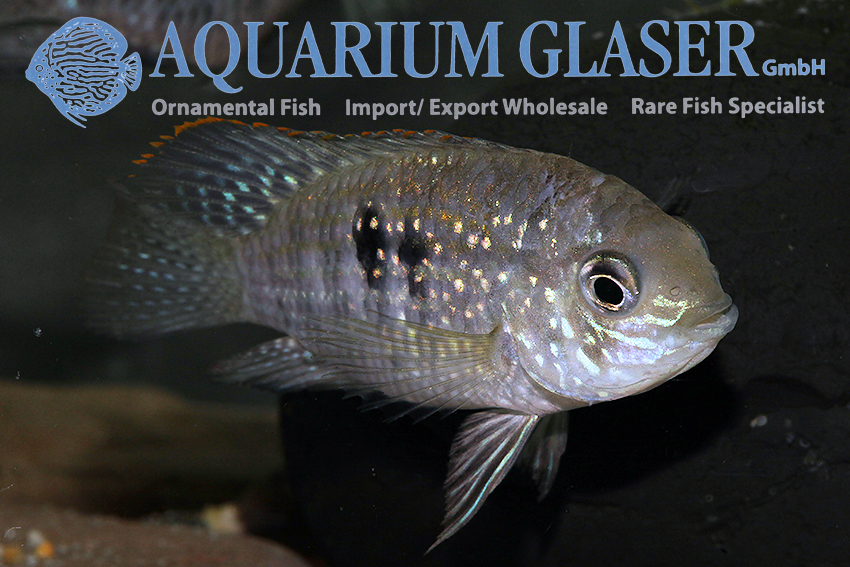
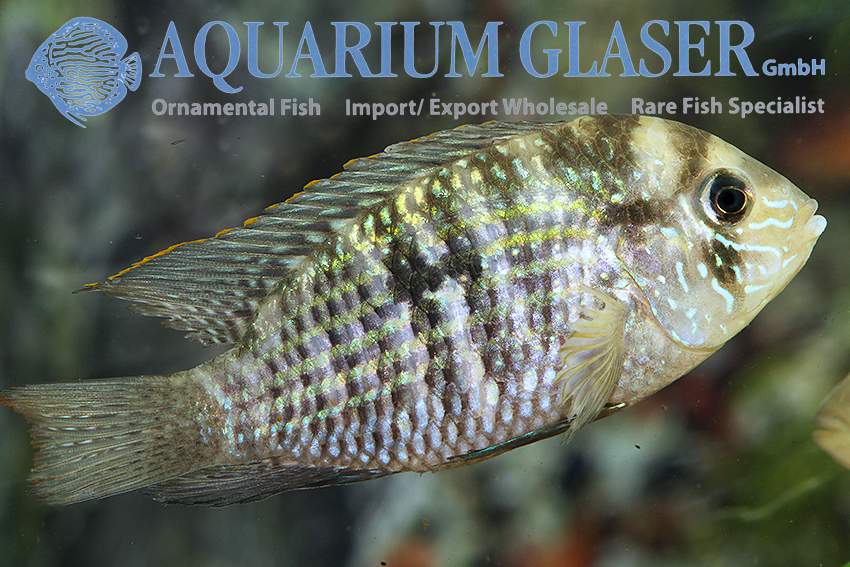
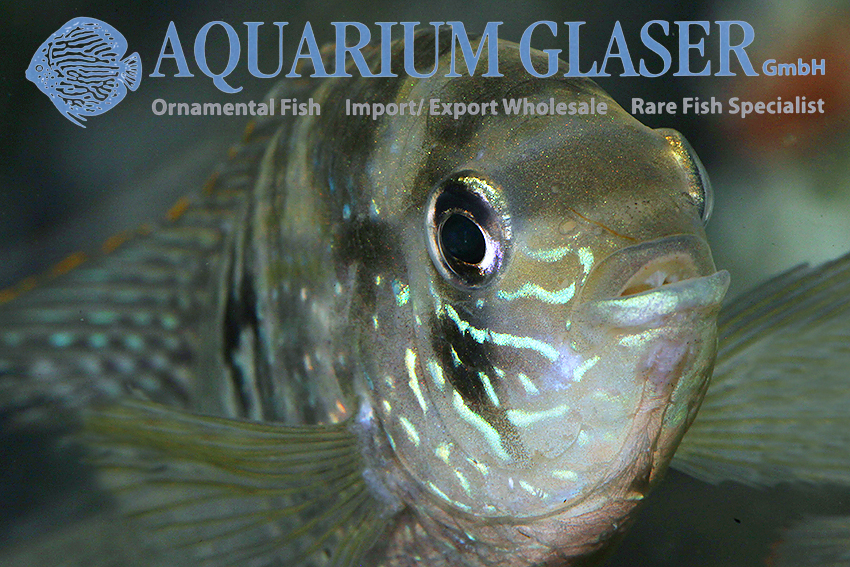
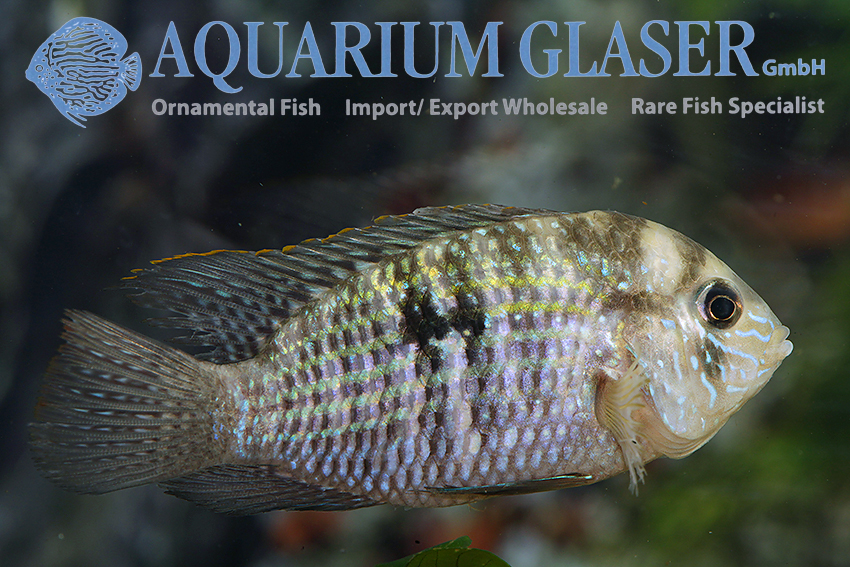
As with most well-known aquarium fish, it is no longer as easy to identify a species as it was almost 120 years ago. Trips to the areas of occurrence (in this case: Trinidad and Venezuela) have brought new insights. Many very similar, but in direct comparison certainly different forms were discovered. And so we cannot be one hundred percent sure that the Blue Acaras that we have been able to offer in their natural form again for a long time (nowadays the “Neon Blue” breeding form is usually kept, see https://www.aquariumglaser.de/en/fisharchive/andinoacara-pulcher-neon-blue-2/) are really Andinoacara pulcher or perhaps belong to another closely related species. These are German offspring, the origin of the ancestors, which were probably imported decades ago, can no longer be reconstructed.
Regardless, if you are looking for beautifully colored, rather big cichlids that neither reshape the entire aquarium to their taste nor regard every aquarium inhabitant as fair game for personal amusement, Blue Acaras are a good choice. The animals reach sexual maturity at 6-8 cm in length. The sexes are hardly distinguishable externally, which is why it is best to buy a group of 6-10 animals and give away any surplus once a pair has been found. The maximum length given in the literature is up to 18 cm. Of course, nobody knows how much aquarist’s fiction is hidden here. But you should reckon with 15 cm.
Andinoacara pulcher is an open brooder with a biparental family, i.e. both partners take care of spawn and fry. If possible, they prefer a transportable breeding substrate (e.g. a rough dead leaf or similar) to another solid substrate for spawning, but they are flexible. Any drinking water is suitable for maintenance and breeding. The water temperature for this fish can be in the range 22-28°C, it will also tolerate slightly higher or lower temperatures from time to time, but this should not become a permanent condition. They will eat any standard ornamental fish food of a suitable size.
For our customers: the animals have code 609501 on our stock list. Please note that we only supply the wholesale trade.
Text & photos: Frank Schäfer
