








There are three species of Apistogramma that even a very experienced Apistogramma enthusiast cannot reliably distinguish from one another: A. uaupesi (scientifically described in 1980 from the Rio Uaupes in Brazil, previously given the common name “segelflossen ( = sailfin) apistogramma” by Schmettkamp, later referred to by various authors as “red-wedge ( = rotkeil)” or “blood-throated ( = blutkehl) apistogramma”), A. flabellicauda and A. lineata; the latter two were described in 2011 from the upper Orinoco basin in Colombia. It has been known for decades that A. uaupesi is extremely polychromatic, i.e., at least the males can look very different. Aquarists repeatedly report that different color forms always occur within the same brood. This corresponds to the situation in nature, where males with different colors and markings are found at the same location. Since A. flabellicauda and A. lineata have been described solely on the basis of color characteristics, which have not proven to be consistent in breeding stock, the validity of these two species is repeatedly questioned.
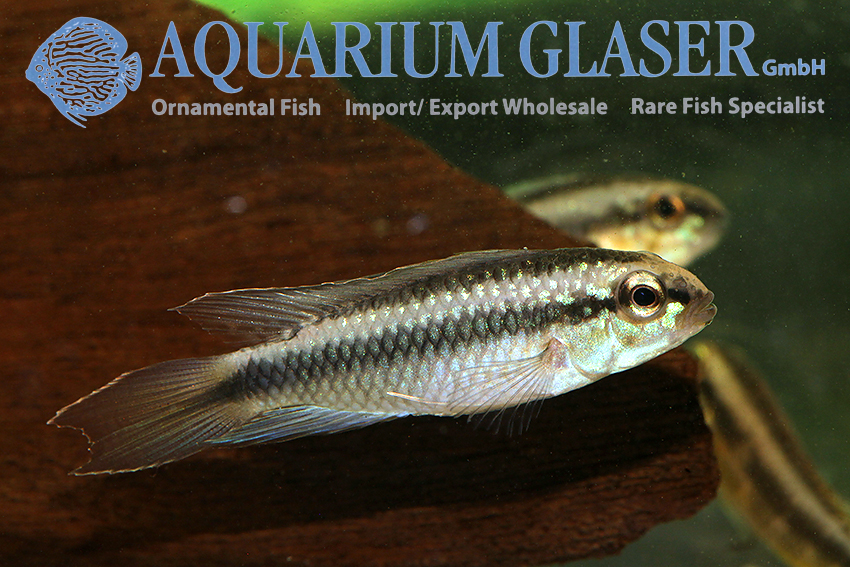
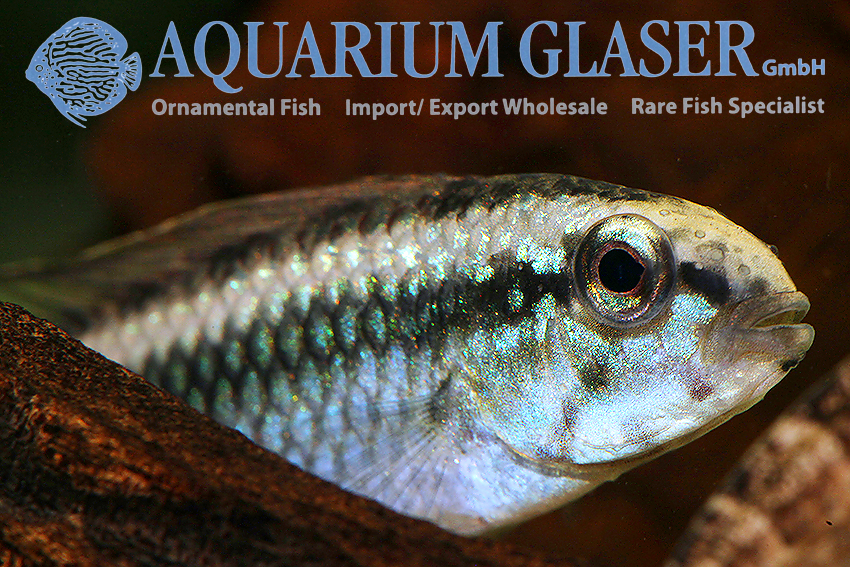
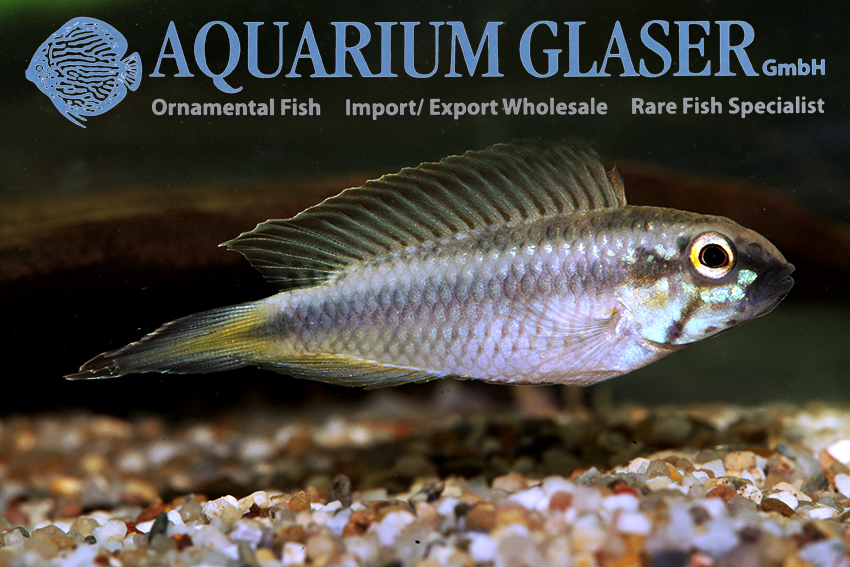
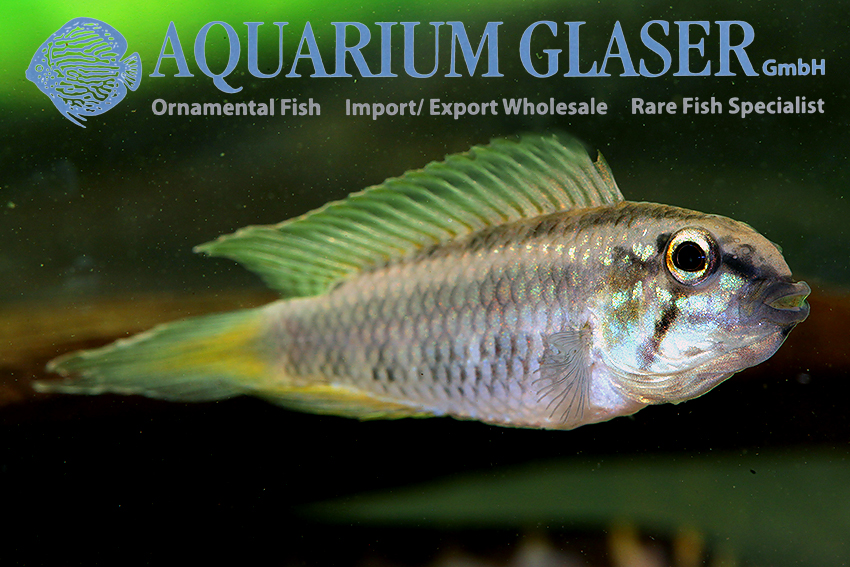
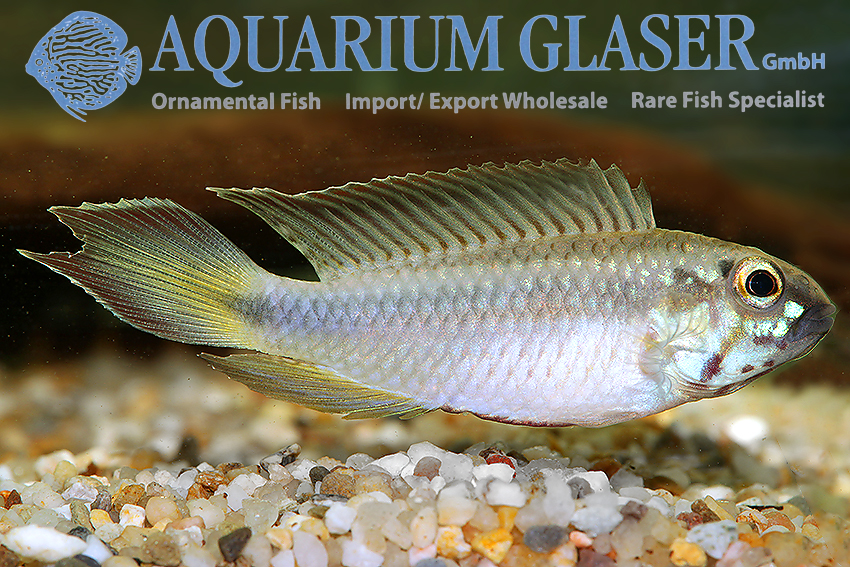
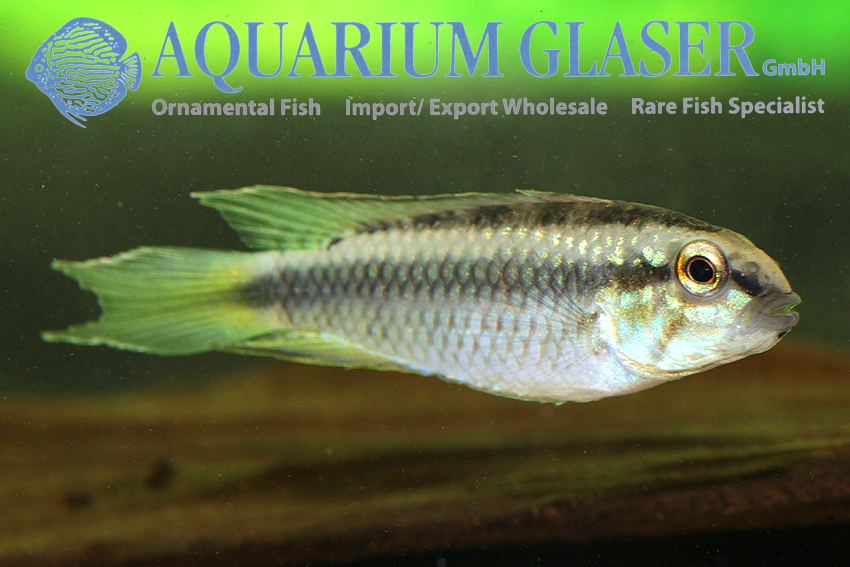
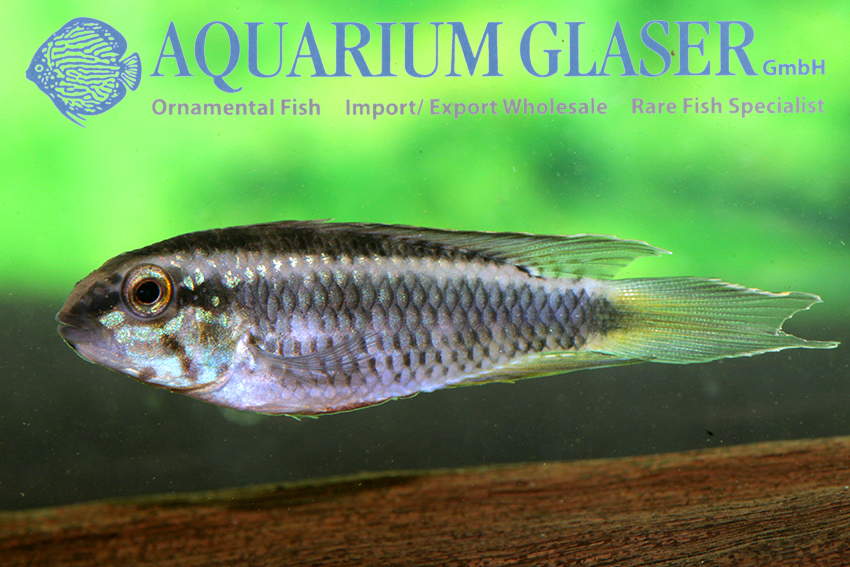
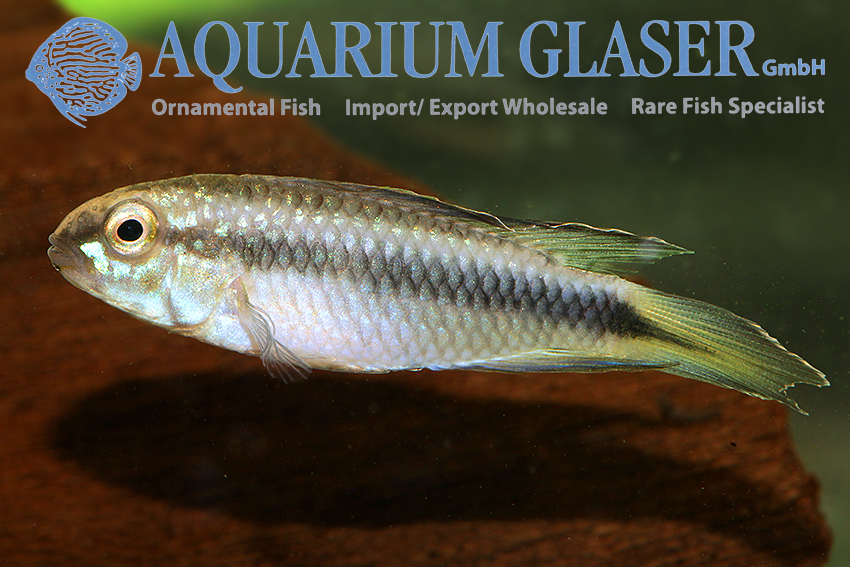
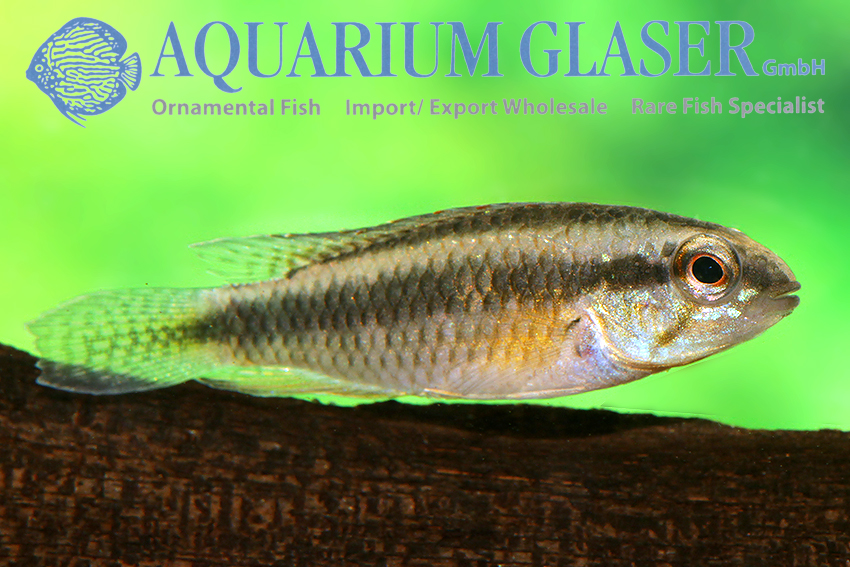
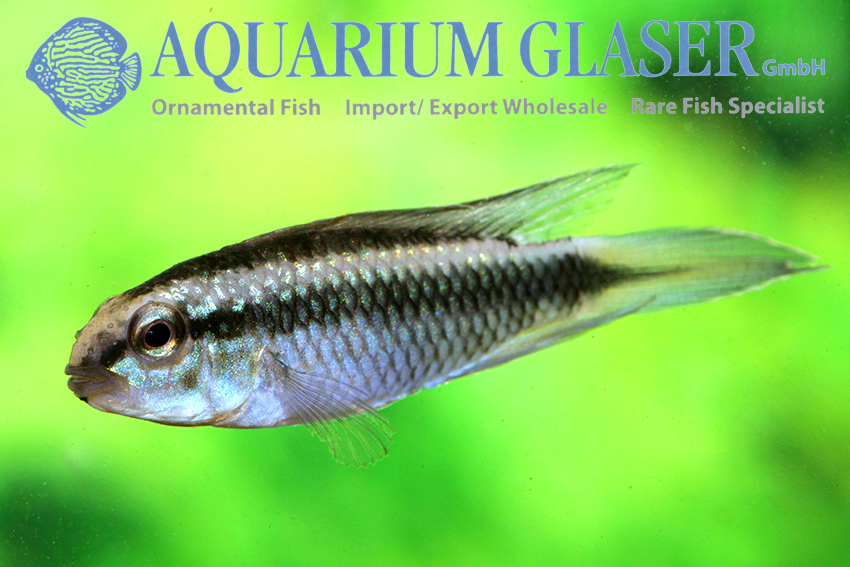
There is no “final” decision on this issue, nor is one to be expected. Basically, it doesn’t matter whether an Apistogramma is referred to as A. flabellicauda or A. uaupesi “upper Orinoco.” On the other hand, there is always the risk that the important location data will be lost when specimens are passed on to other enthusiasts. In such cases, it therefore makes sense to use a different scientific name, if one is available, regardless of whether it is considered valid or a synonym. Even if A. uaupesi, A. flabellicauda, and A. lineata are most likely synonyms according to the majority of existing species concepts, this is irrelevant for breeding practice. In breeding, it is important to preserve the genetic identity of populations, i.e., members of the same species that have no contact with each other under natural conditions. Only such animals are worth preserving from the point of view of species conservation and systematics, while crossbreeding of different local forms leads to a domesticated animal. Domesticated animals are certainly suitable for community aquariums, but have no value beyond that.
Apistogramma flabellicauda, like the other two “species,” are adapted to fairly specific biotopes. It is widely reported that the substrate in their natural habitat consists of fine white sand. Within the biotope, it is primarily dead wood and dead leaf accumulations that structure the underwater landscape. The water is clear and clean, with a very low pH of around 4.5 and hardly any detectable hardness. These factors are important for care insofar as their effects on the fish must be imitated. Fine sand is needed for chewing, otherwise there is a risk of disease in the mouth and throat. Low pH and hardly any hardness ensure low germ pressure in the water. If this can be guaranteed in another way, both values can be neglected. Only for breeding is it necessary to ensure near-natural water values, otherwise the spawn will not develop. The water temperature should be in the range of 24-28°C, at the upper end for breeding and at the lower end for normal care. They will eat pretty much any standard ornamental fish food of a suitable size, but Tubifex and red mosquito larvae (bloodworm) should be avoided if they come from waters with high levels of organic pollution. However, well-rinsed and clean Tubifex and red mosquito larvae, which are low in bacteria, are considered safe, at least in our wholesale business.
For our customers: the animals have code 619152 on our stock list. Please note that we only supply wholesale customers.
Text & photos: Frank Schäfer
