








Years—sometimes even decades—can pass between the discovery of a species in aquariums and its scientific description. There are various reasons for this, but it is mostly because nowadays it is strictly avoided to describe a new species whose exact location is unknown. In the past, it was usually sufficient to ask the supplier of the species for this information. Unfortunately, it was often not noticed when such information was (consciously or unconsciously) incorrect or at least not sufficiently accurate. That is why nowadays a species is only processed once the opportunity has been taken to fish in the biotope personally and to be able to verify the animals there.
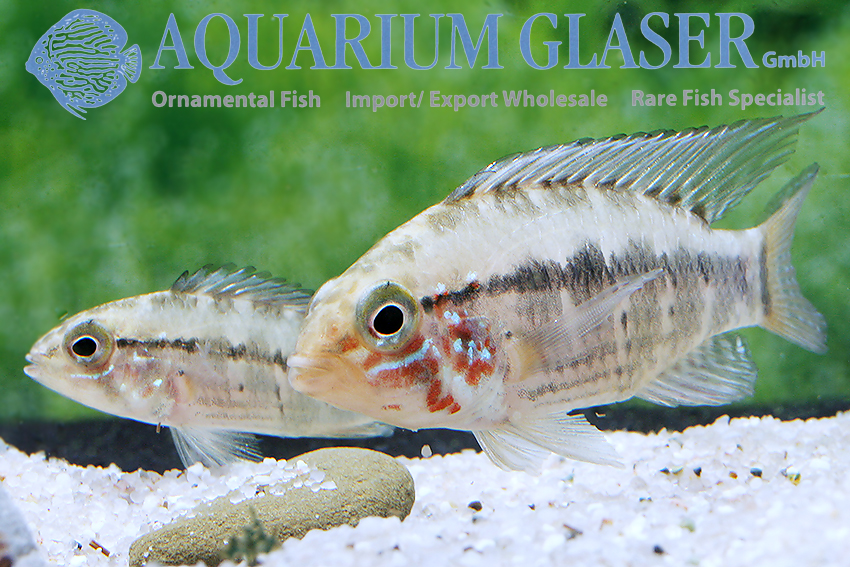
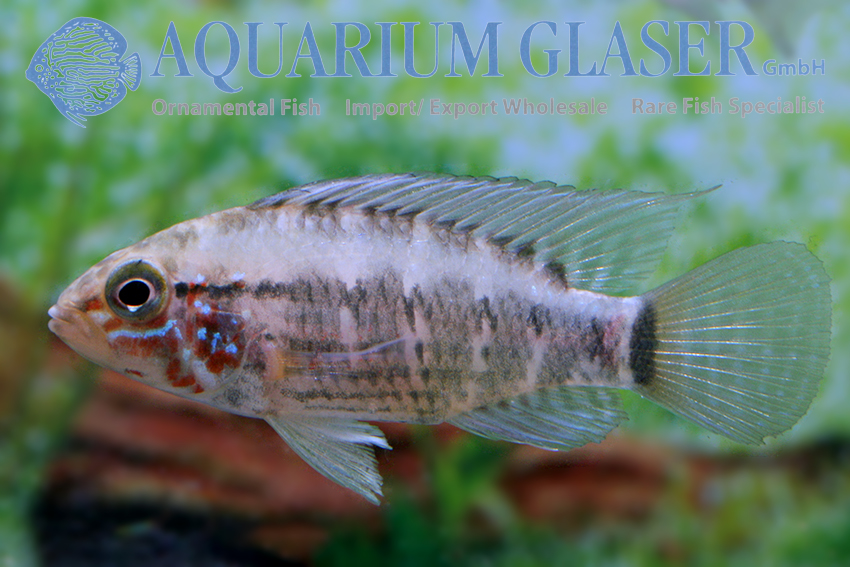
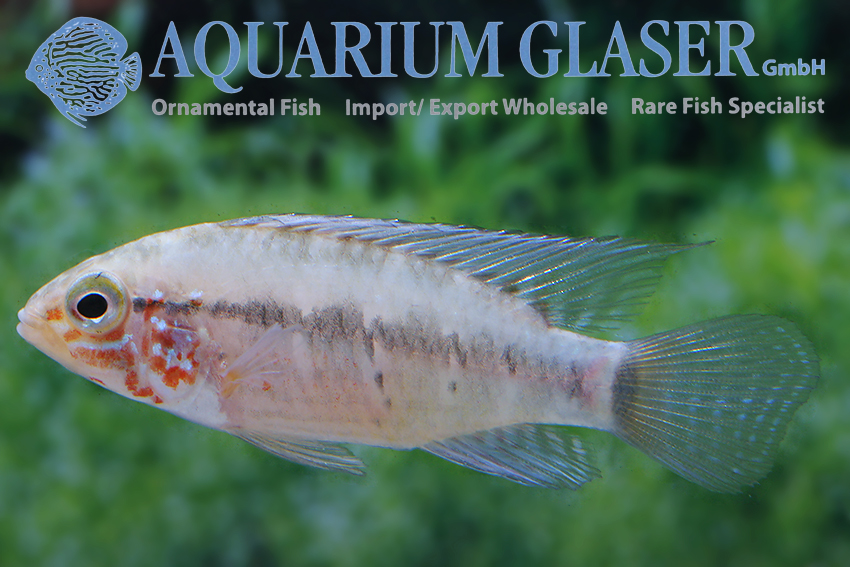
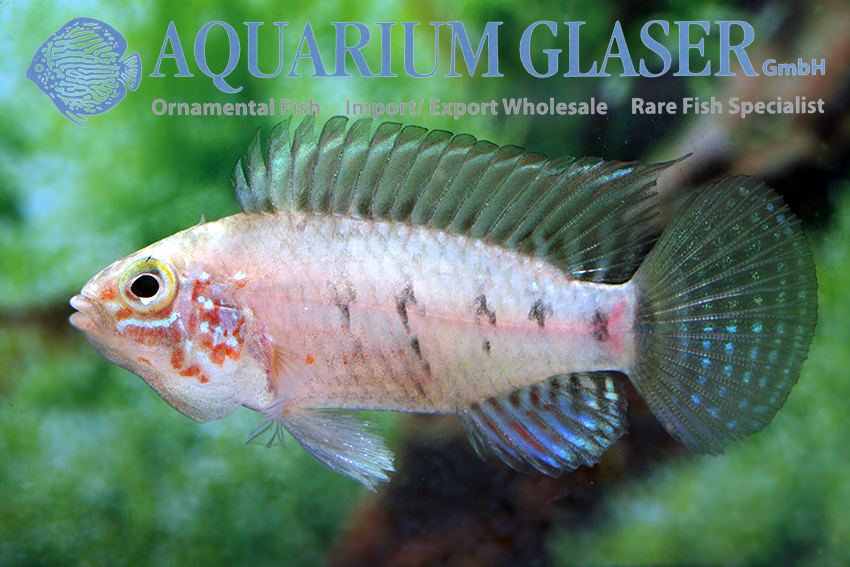
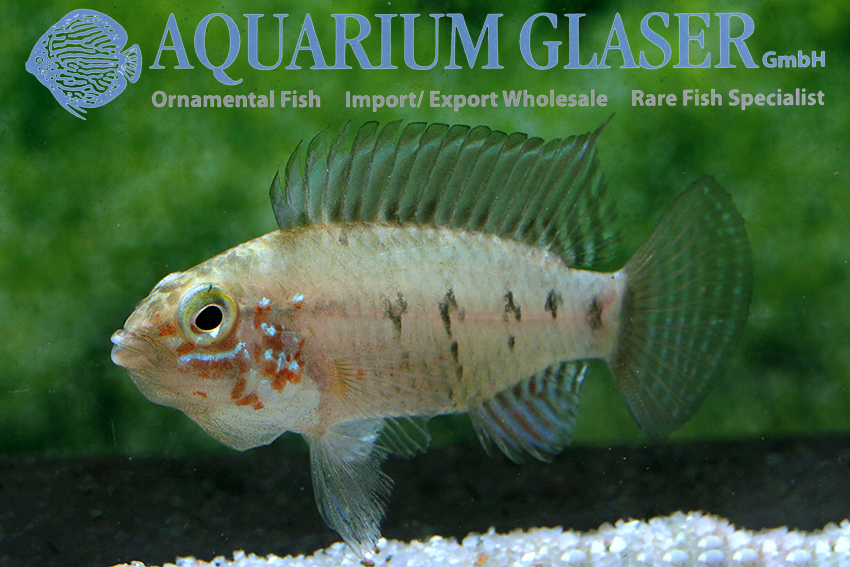
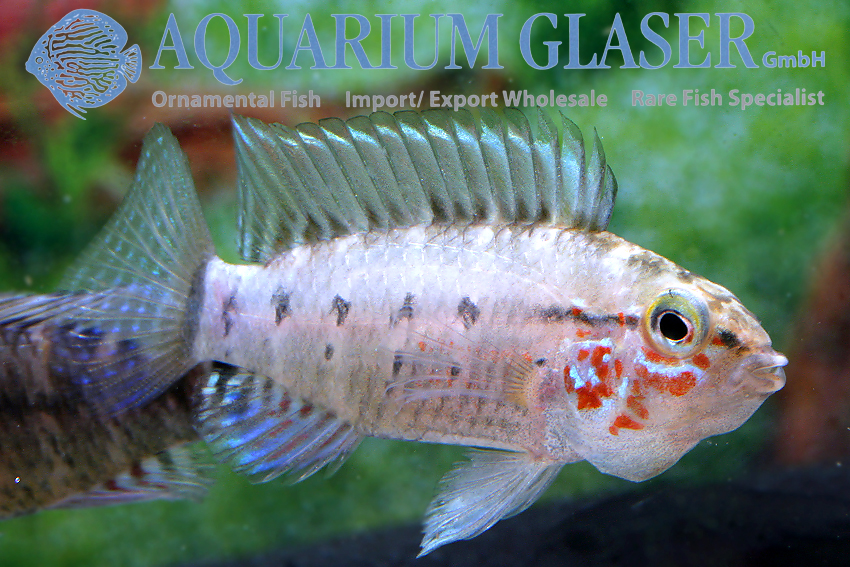
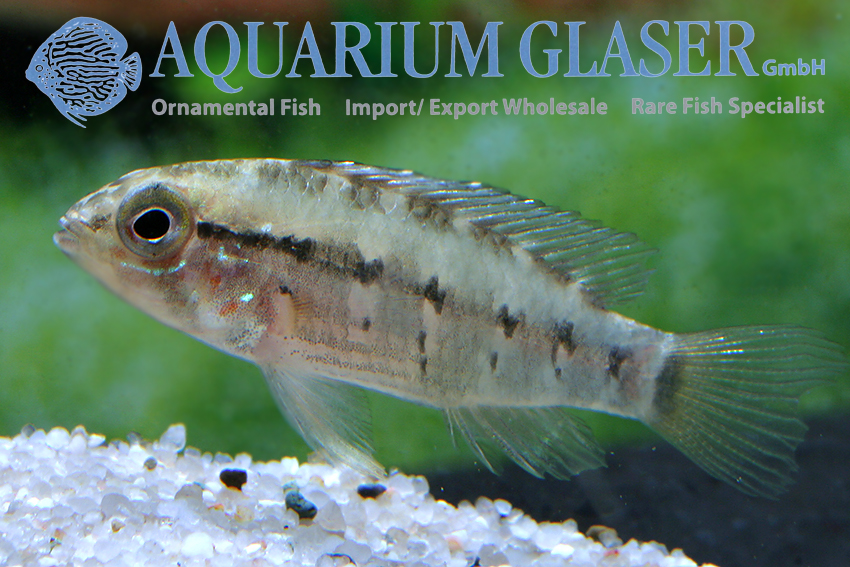
The “Apistogramma sp. Masken” was probably first given its common name by Ingo Koslowski around 2003. The same author referred to it as “sp. Rotwangen” in 1985, and exporters later sometimes referred to it as A. sp. “Apache”; but it had been known for much longer, with the species being referred to as “Peru Apistogramma” and identified as Apistogramma caeti. The first pictures appeared in the hobby press around 1982. Nowadays, given the large number of Apistogramma species from Peru (29 accepted species), hardly anyone would choose the common name “Peru Apistogramma”; but it is all too easy to forget that until the 1980s, only a handful of Apistogramma species were known to aquarists. In the first modern revision of Apistogramma by Kullander in 1980, only 36 species were formally considered valid (18 of which were from the Amazon basin of Peru and Brazil); today, we have 94 plus several species that have not yet been processed. Humanity owes this knowledge largely to aquarium science.
In any case, Apistogramma paulmuelleri originates from small forest streams in the Loreto Department in Peru, as we now know, and was scientifically described in 2013, around 30 years after it was first introduced to the aquarium trade. It may not be one of the most colorful species, but it is interesting due to its strong ability to change color. In addition, it is considered relatively hardy and the ideal “beginner’s Apistogramma,” which can withstand many beginner mistakes without being affected. The water values are secondary for this species (pH above 5 and below 8); essentially, the water should be clean. As with all Apistogramma species, the substrate should consist at least partly of sand. It will eat any standard ornamental fish food of a suitable size. The water temperature can be between 20 and 30°C (but 22-25°C is probably best). Males of A. paulmuelleri grow to about 8 cm, females to about 5 cm. They are peaceful fish that are well suited to appropriate community aquariums.
For our customers: the animals have codes 628733 (md-lg) and 628734 (lg-xlg) on our stock list. Please note that we only supply wholesale customers.
Text & photos: Frank Schäfer
