








The fishing season for the beautiful Golden Nugget catfish of the genus Baryancistrus lasts from around the end of May to the end of September. Due to the varying sizes of the spots on their bodies and the varying widths of the fin edges on their dorsal and caudal fins, as well as the varying intensity of the yellow coloration of the spots, several L numbers have been assigned to these animals for aquarium purposes: L18, L81, L85, and L177. In addition, there are other local variants, which are given a letter in addition to the L number, such as L81b (https://www.aquariumglaser.de/en/10-catfishes/10b-catfishes-suckermouths-plecos-and-l-numbers/a_new_golden_nugget_en/), L81c (https://www.aquariumglaser.de/en/10-catfishes/baryancistrus-xanthellus-l81c-sao-felix-2/) or L81n (https://www.aquariumglaser.de/en/10-catfishes/10b-catfishes-suckermouths-plecos-and-l-numbers/baryancistrus_sp_l81n_en/). From a scientific point of view, however, they all belong to a single species, namely Baryancistrus xanthellus, which is widespread in the Rio Xingu and its tributaries in Brazil. All differences can only be seen in young animals (up to approx. 15 cm in length). When adult (from approx. 20 cm), they all look the same (at least as far as we know); the maximum length given in scientific literature is 30 cm (total length, i.e. including the tail fin). The spots are then very small and the yellow fin edges have almost disappeared. For adult animals, see https://www.aquariumglaser.de/en/10-catfishes/10b-catfishes-suckermouths-plecos-and-l-numbers/baryancistrus_xanthellus_l18_adult_en/.
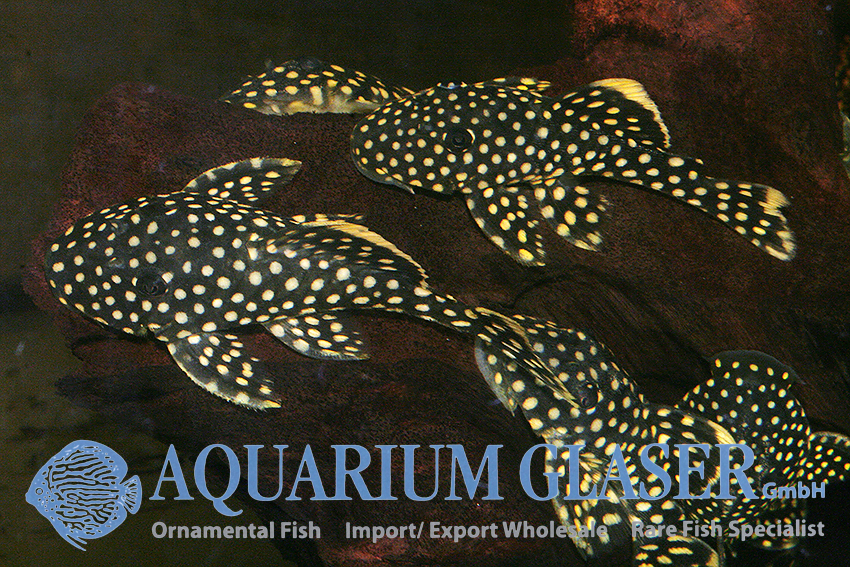
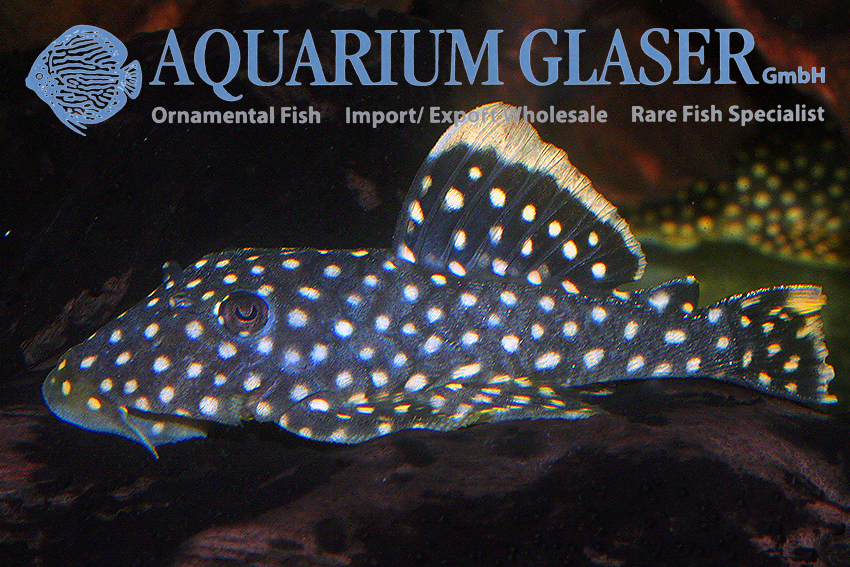
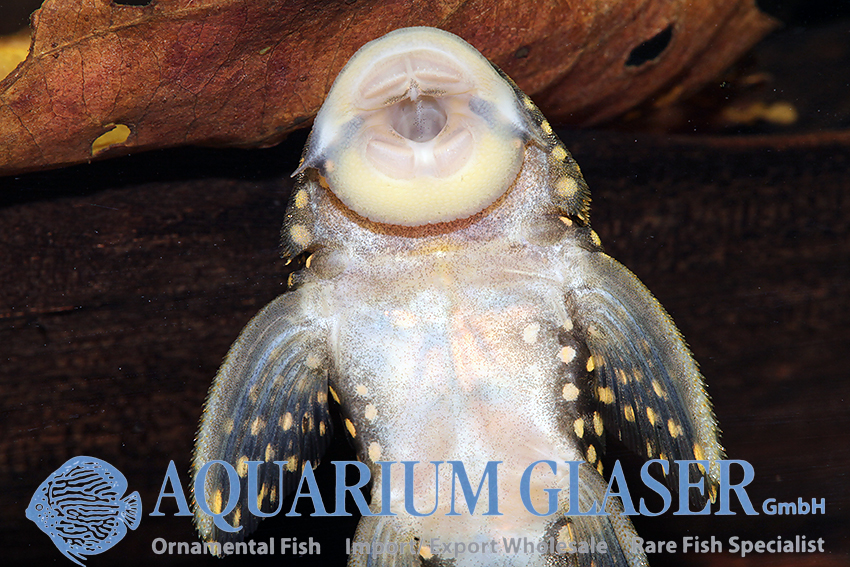
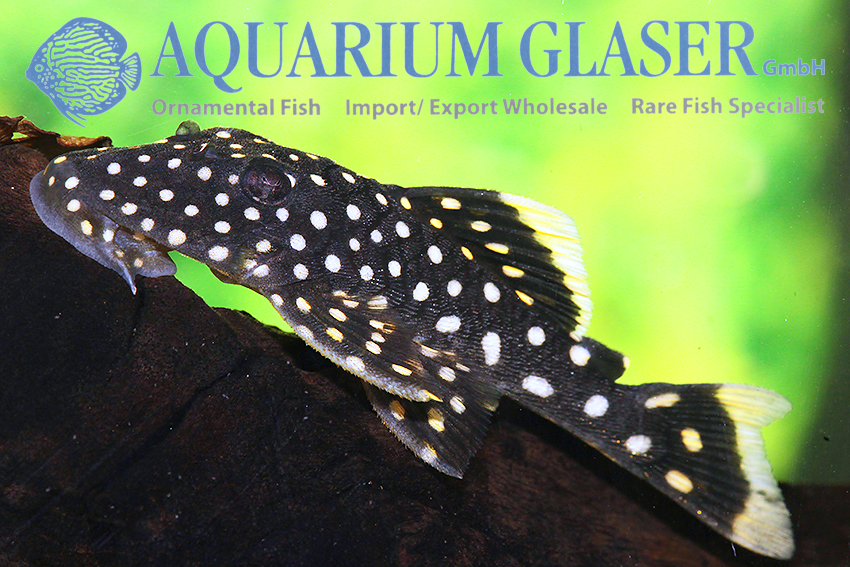
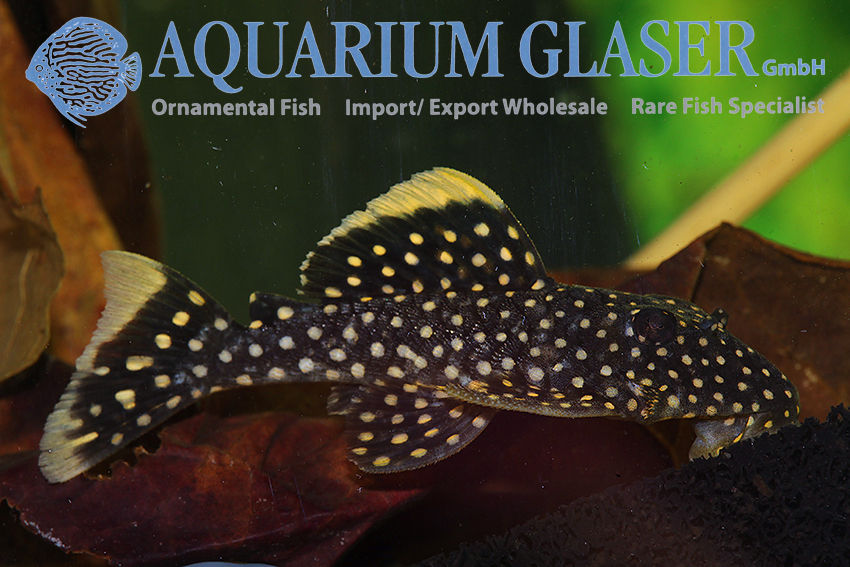
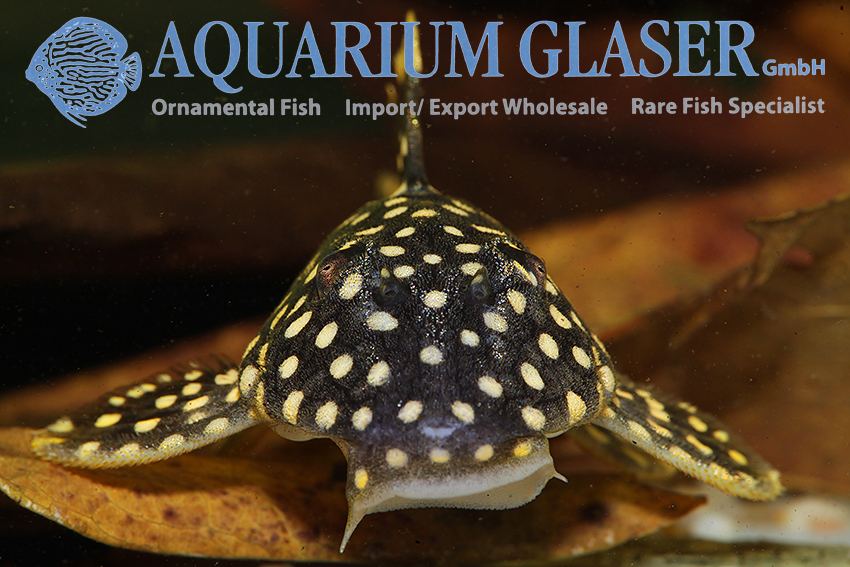
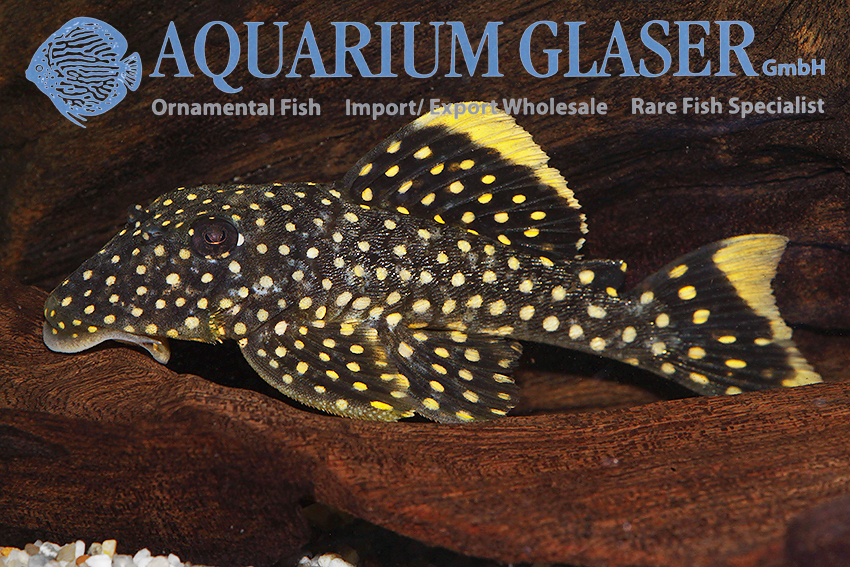
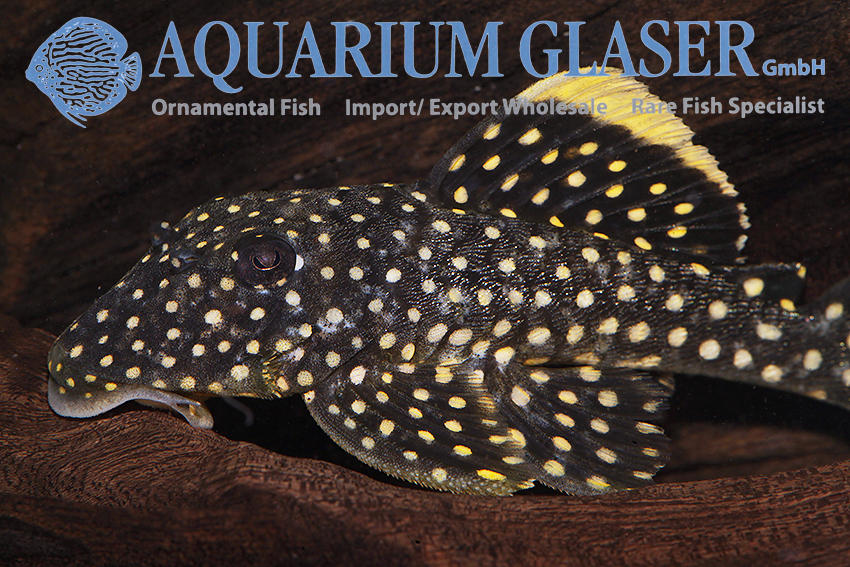
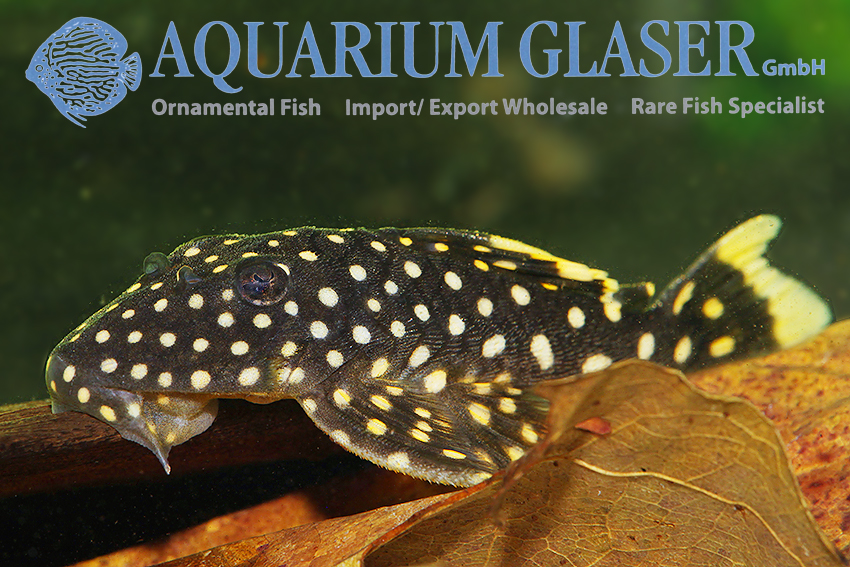
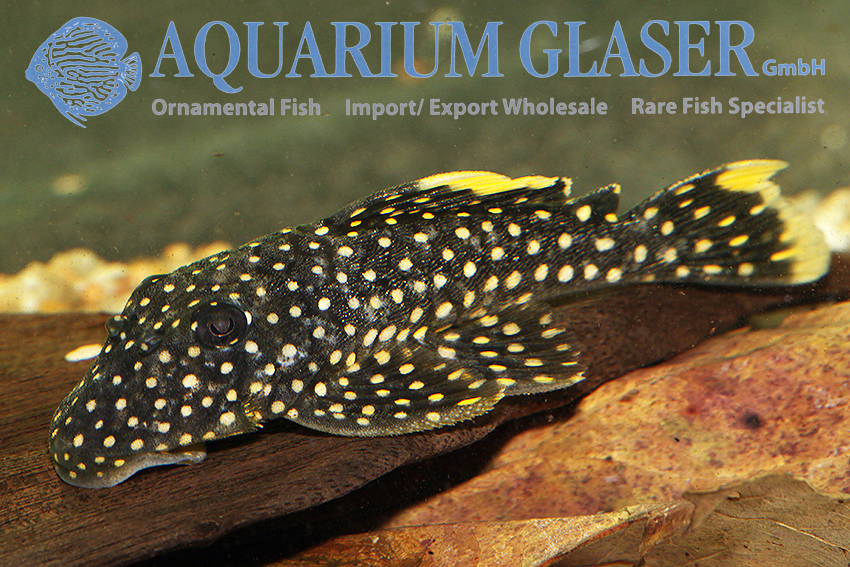
The classic among the Golden Nuggets is still L18. Unlike other armored catfish from the Rio Xingu, this species is not directly threatened by the construction of the Belo Monte dam, as they are inhabitants of calmly flowing water. These biotopes will continue to exist despite the dam. From an aquaristic point of view, all Baryancistrus are a challenge for experts, as they need vast amounts of food, high water temperatures (28-32°C), large aquariums, and optimal water care in order to grow into large, breedable specimens. B. xanthellus are generally peaceful towards each other and towards fish of other species; as long as they have their striking juvenile coloration, they are even quite sociable and like to stay in groups with their own kind. Later, they become more and more solitary.
For our customers: L18 have – depending on size – code 26480-L 018-0 (3-4 cm) to 26480-L 018-8 (25-30 cm) on our stock list. Please note that we only supply wholesale customers.
Text & photos: Frank Schäfer
