








We received four larger (10-15 cm) banjo catfish from Colombia, which turned out to be four different species. The two Xyliphius specimens were identified relatively quickly; one is a specimen of X. lepturus and the other is an almost entirely black specimen of X. melanurus (see https://www.aquariumglaser.de/fischarchiv/xyliphius-cf-lepturus-und-x-cf-melanurus/). The two “real” Bunocephalus were more difficult to identify. One animal looks very similar to a “normal” B. coracoideus, but has significantly shorter coracoid processes (see https://www.aquariumglaser.de/en/fisharchive/bunocephalus-coracoideus-4/ for what these are). This is probably B. aleuropsis, a species described from Peru as early as 1870, which is widespread in the Amazon region and apparently also in the Orinoco.
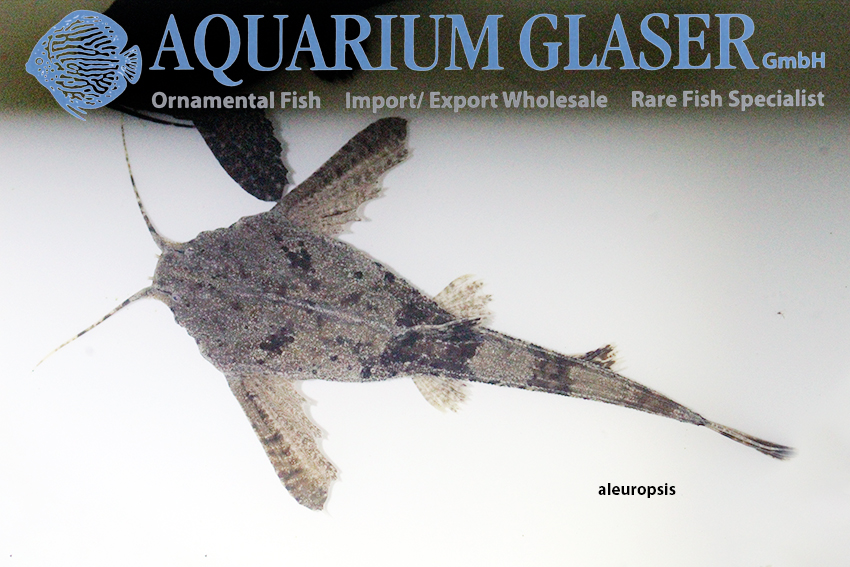
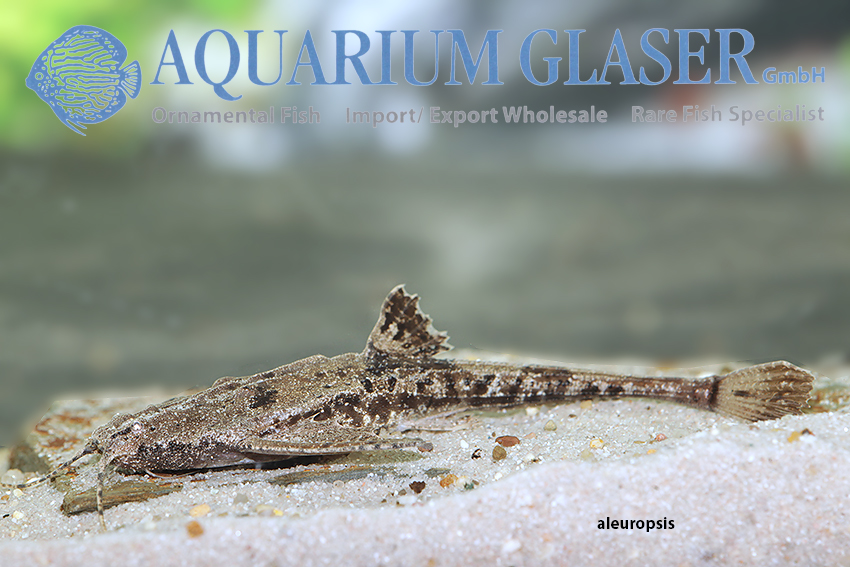
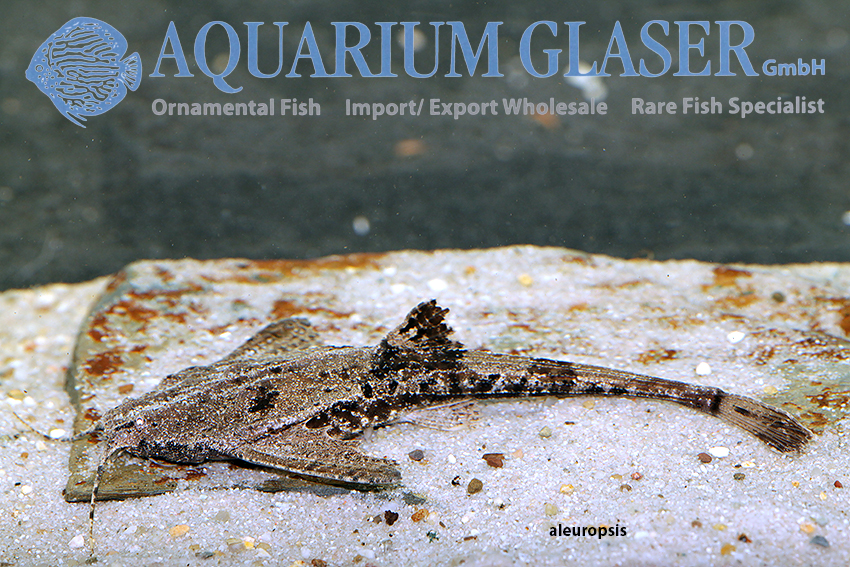
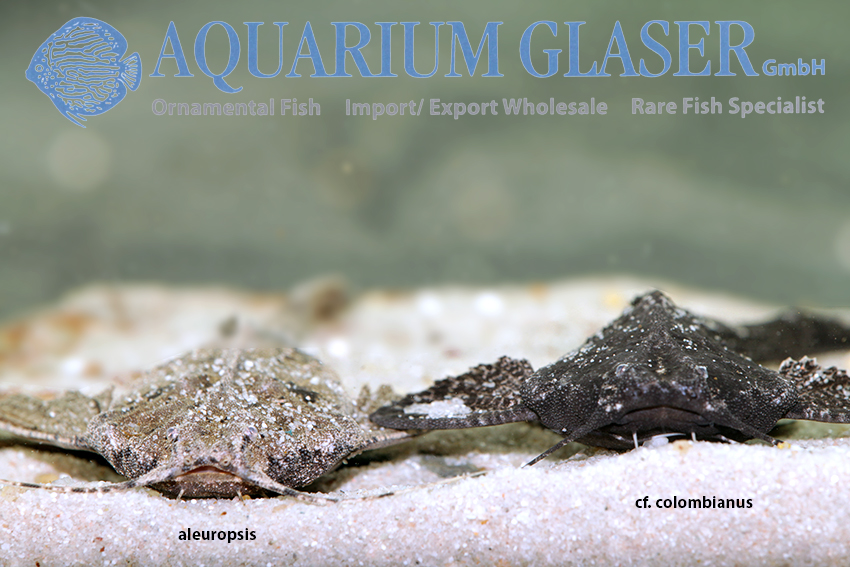
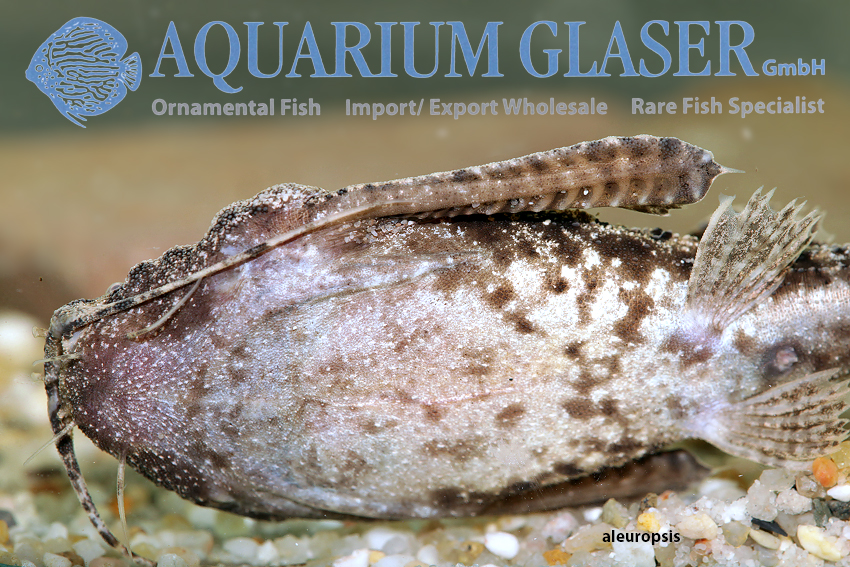
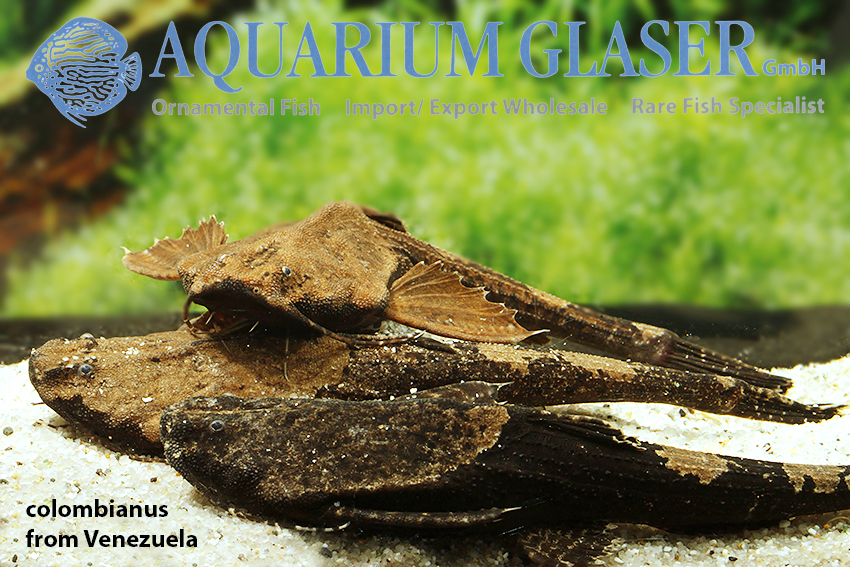
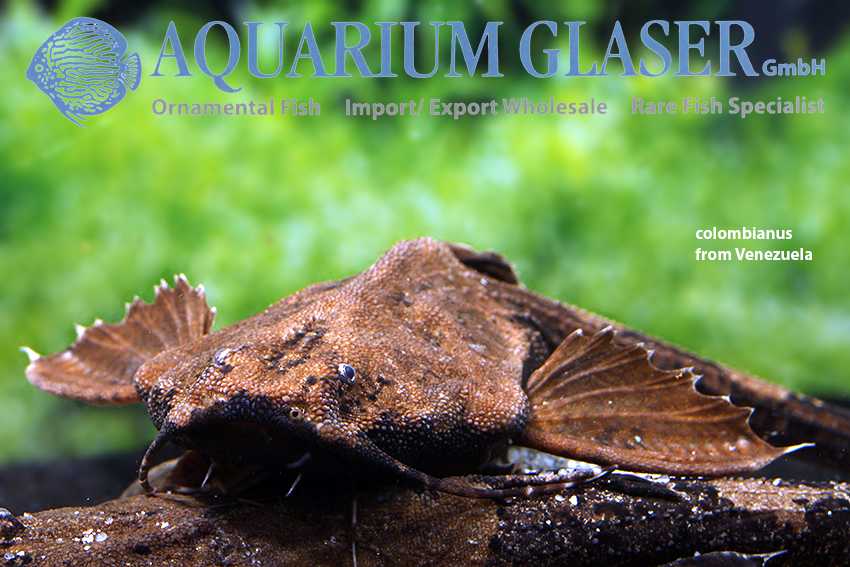
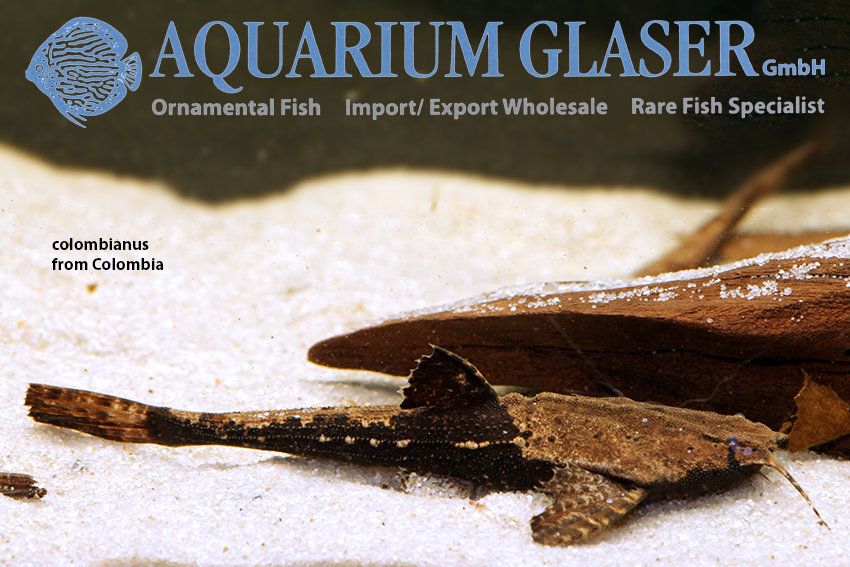
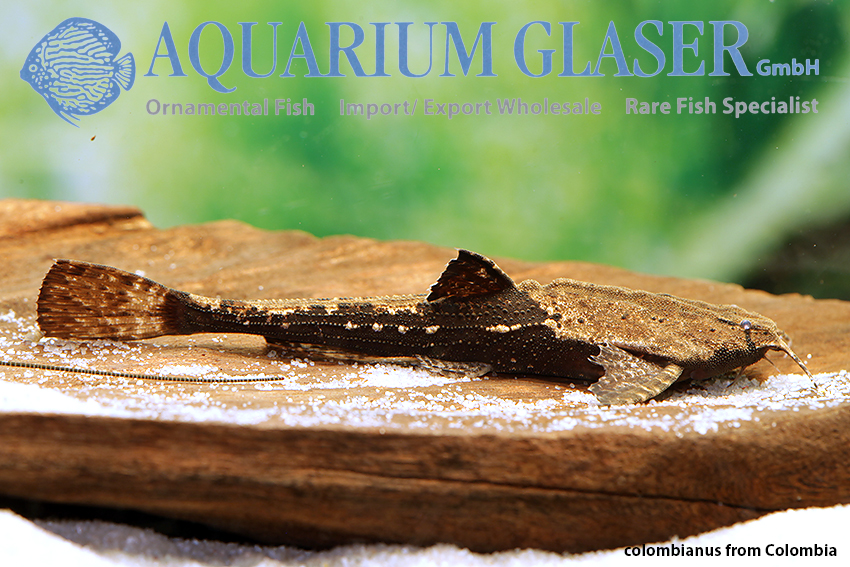
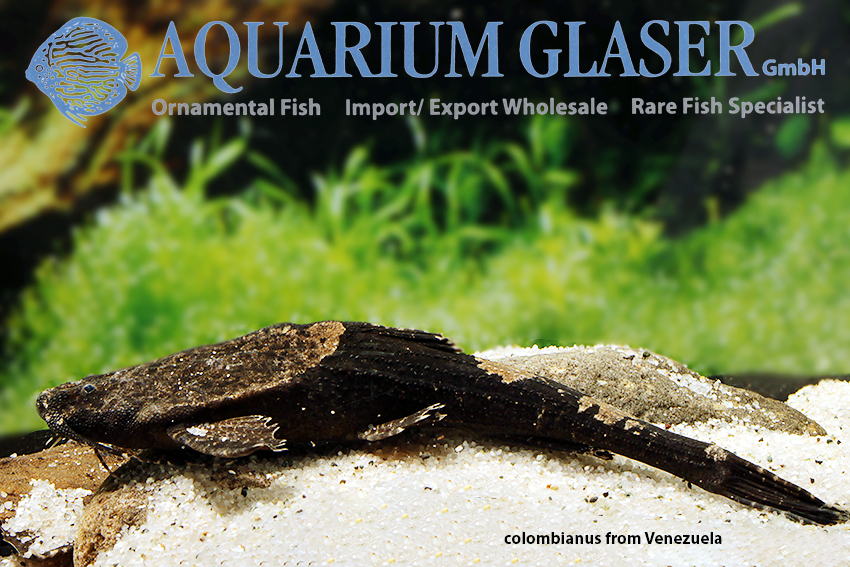
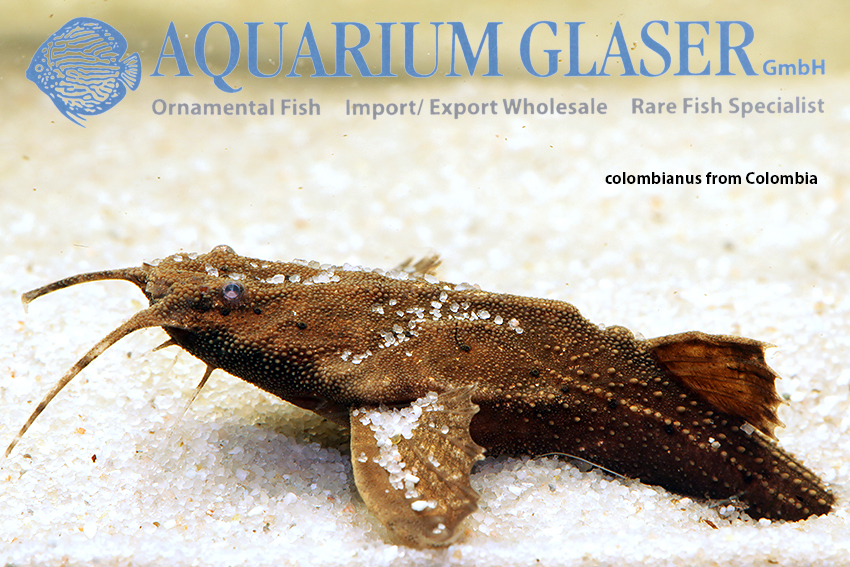
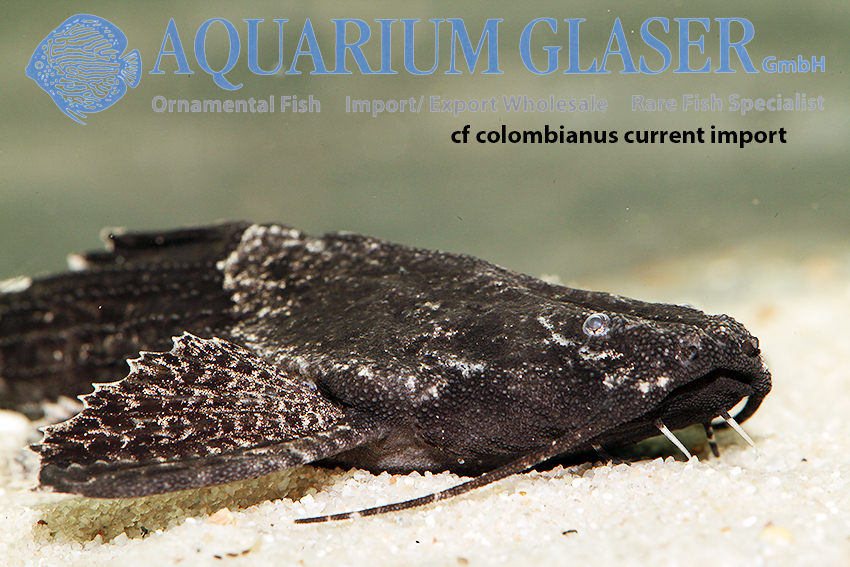
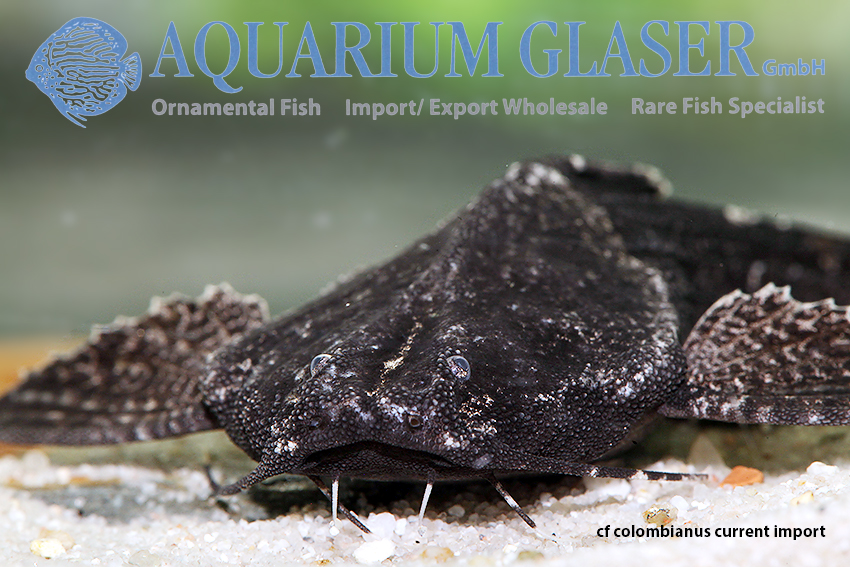
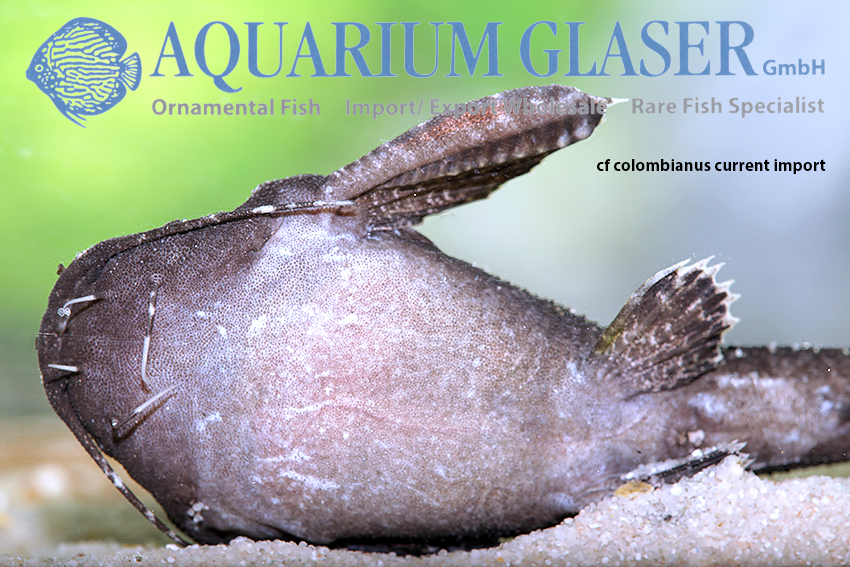
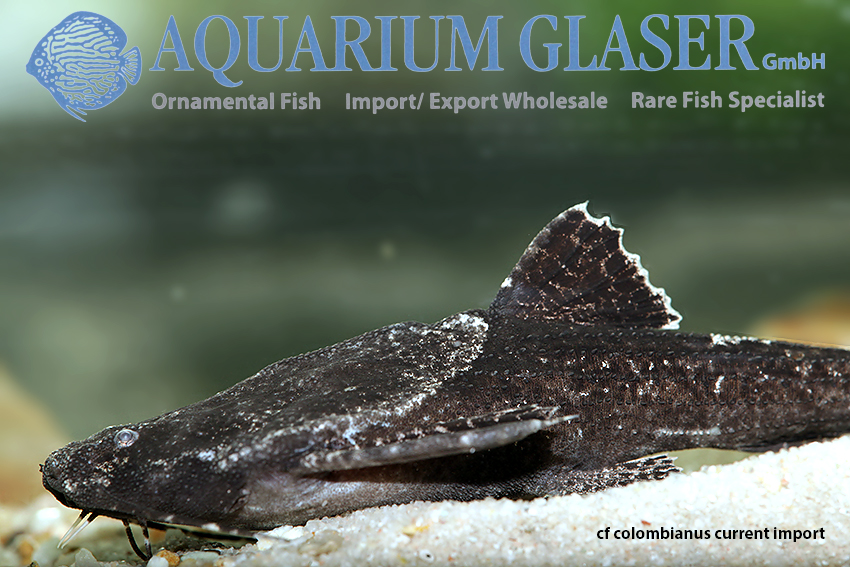
The second species has still not been identified with certainty; all characteristics strongly suggest B. colombianus, but our specimen has no recognizable coracoid processes, whereas the specimen on which the first description was based, the holotype, has very clearly pronounced processes. However, since our specimen has a very high back and is well-fed, it may also be that the coracoid processes are simply too far inside the body to be visible. However, a comparison of this animal with previous imports of B. colombianus (of which we unfortunately have no photographs of the abdomen) shows a great deal of similarity in appearance.
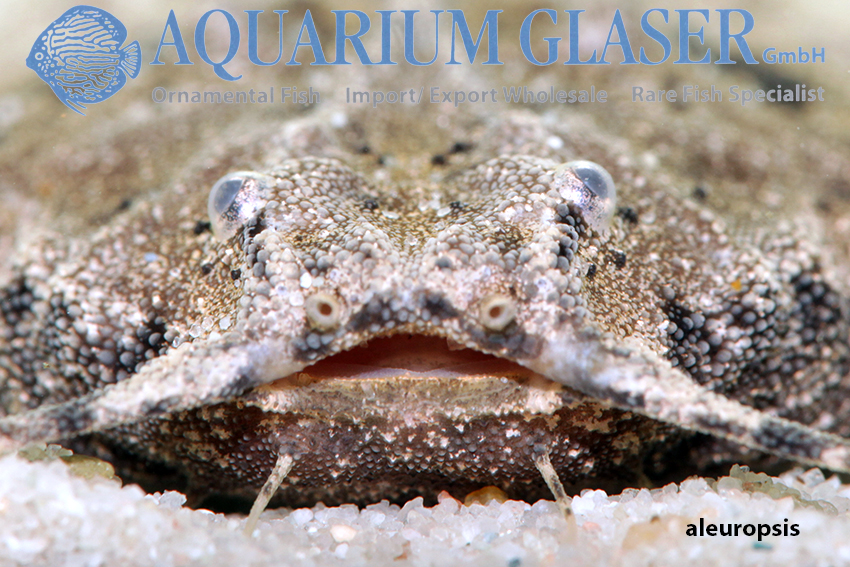
What is particularly striking about these two fish is how differently shaped their mouths are. While B. aleuropsis has a comparatively narrow mouth opening, that of B. colombianus is strikingly wide.
For our customers: B. aleuropsis has code 212863 and B. colombianus has code 212913 on our stock list. Please note that we only supply wholesale customers.
Text & photos: Frank Schäfer
