








Celestichthys erythromicron, which is endemic to Inle Lake in Burma, i.e. only found there, is a tiny aquarium fish. It reaches a maximum length of 3 cm when fully grown. The only complicated thing about this species is actually its name. It was originally described as Microrasbora erythromicron. However, it then became apparent that it does not belong to the Rasbora-like carp fish (Rasborinae), but to the Danio-like carp fish (Danioninae). Anatomical similarities led to its classification in the genus Danio. Molecular biological studies finally showed that it and Celestichthys margaritatus form a monophyletic (i.e., based on common ancestry) natural unit within the small cyprinids. In aquarium and scientific literature, C. erythromicron can be found under all three of the above name combinations, but it is always the same species.
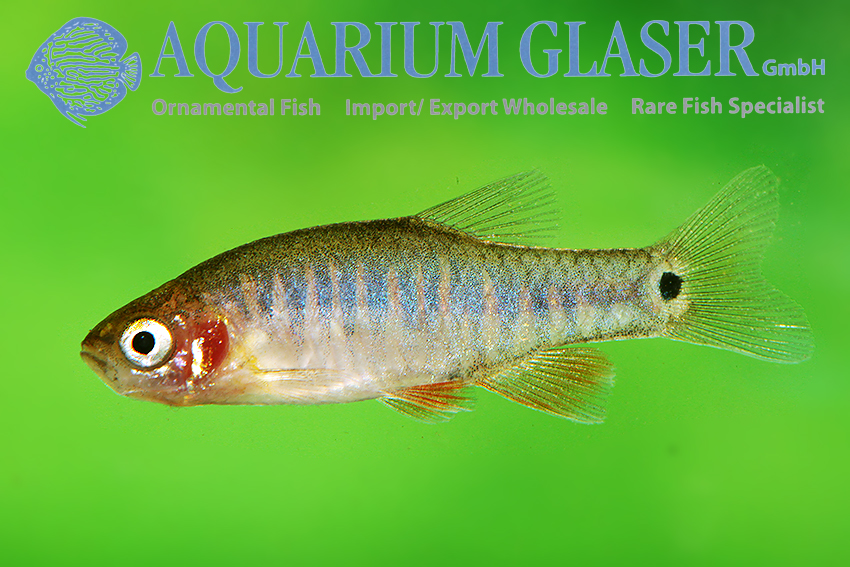
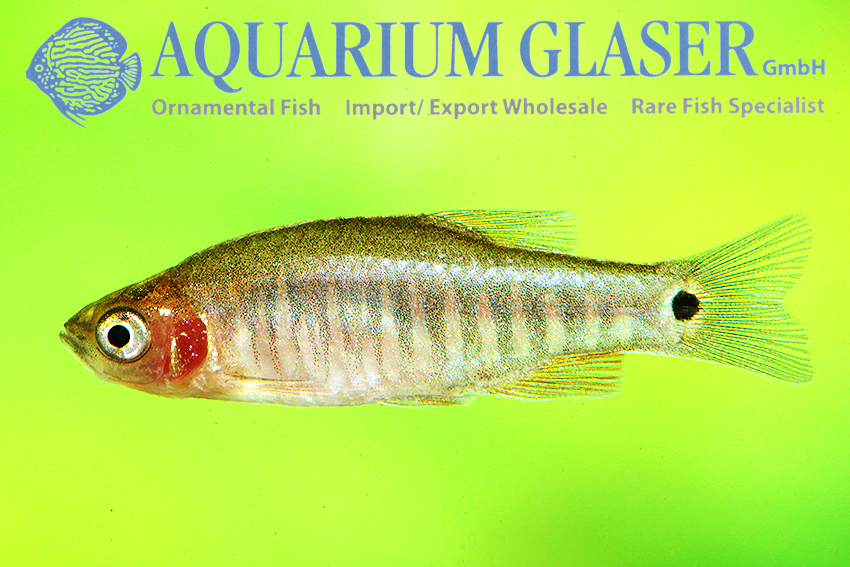
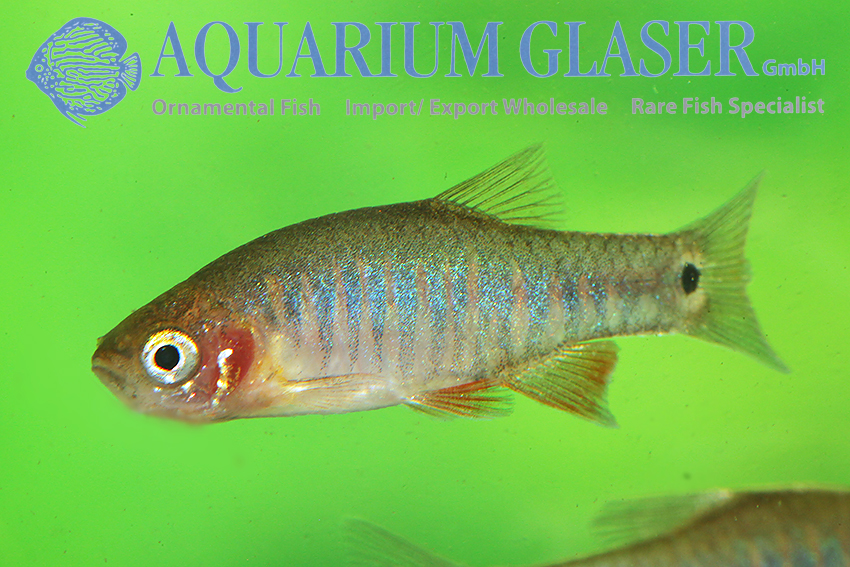
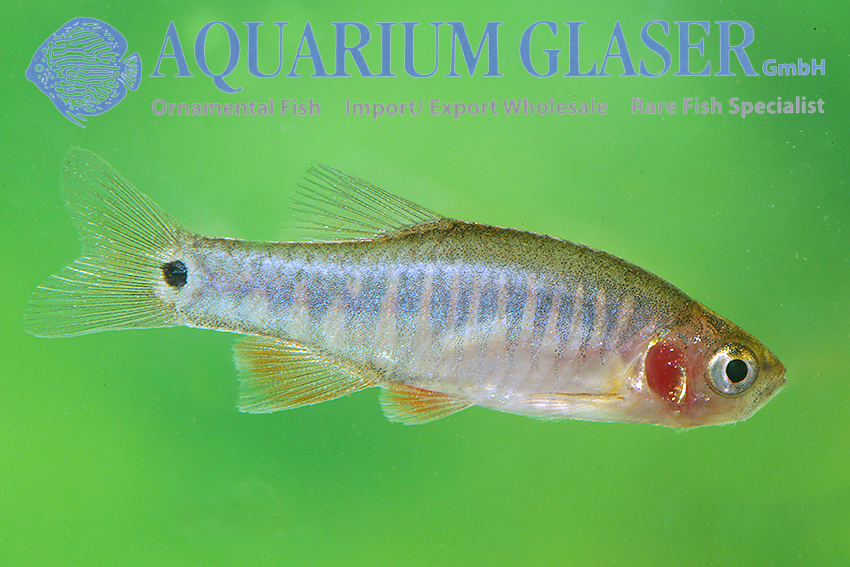
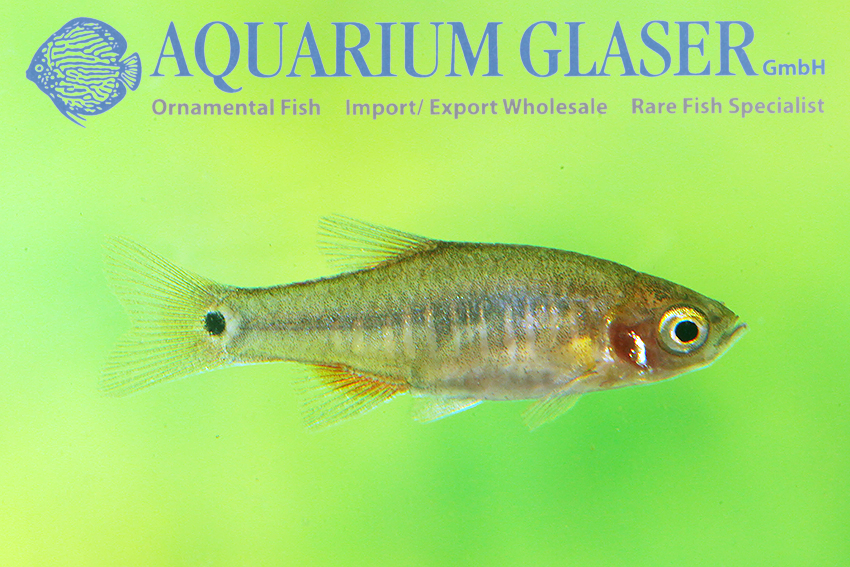
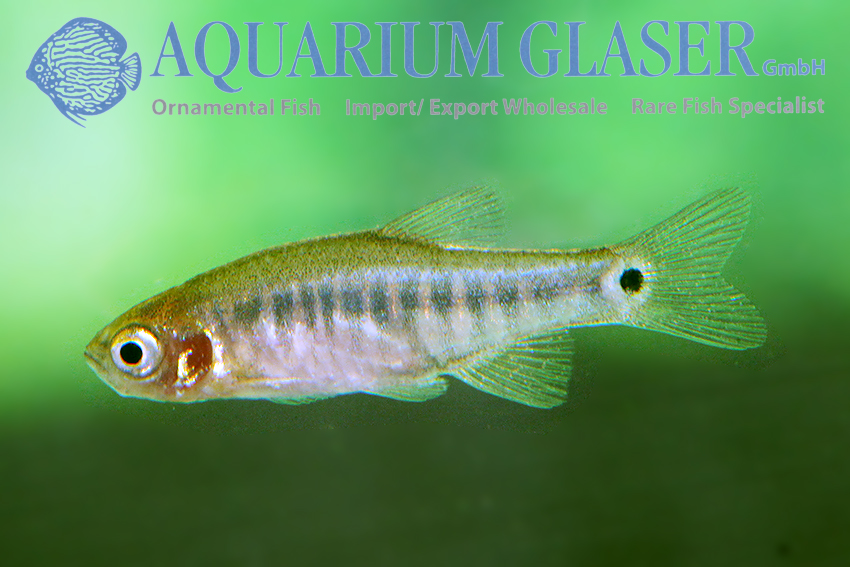
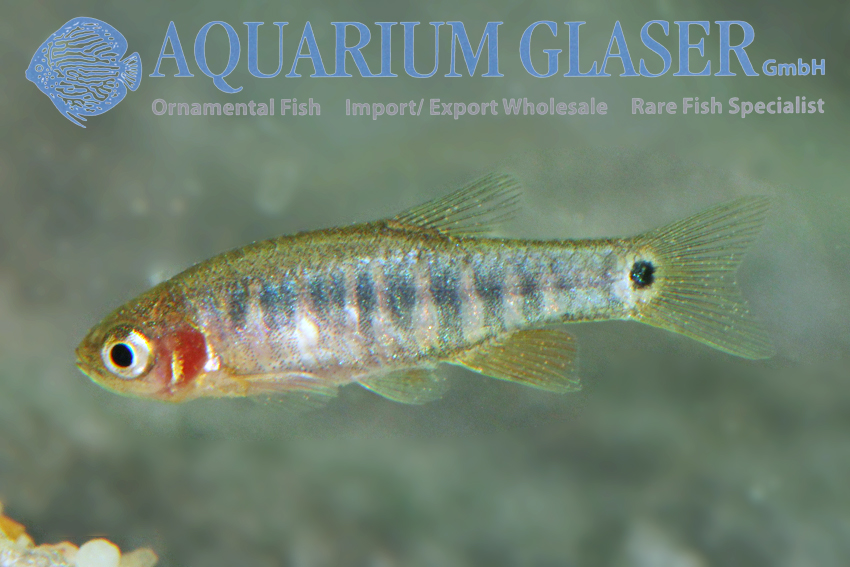
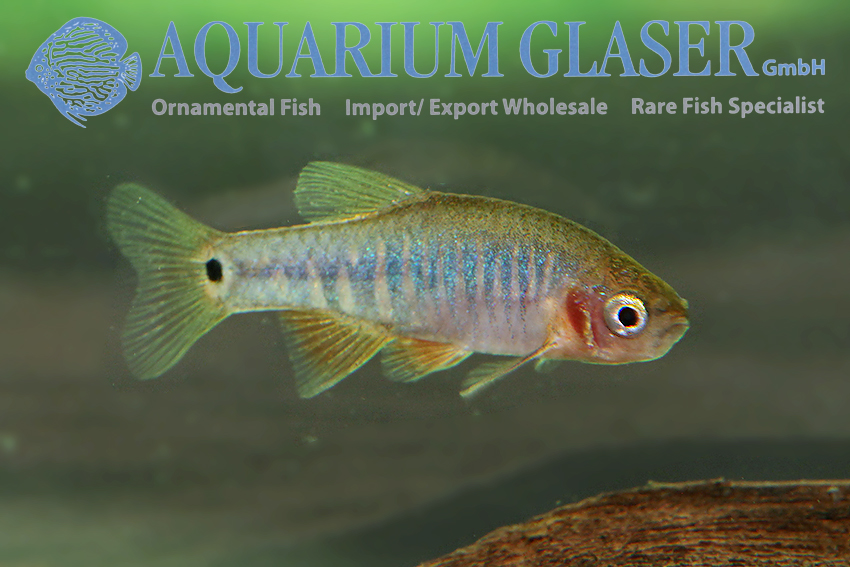
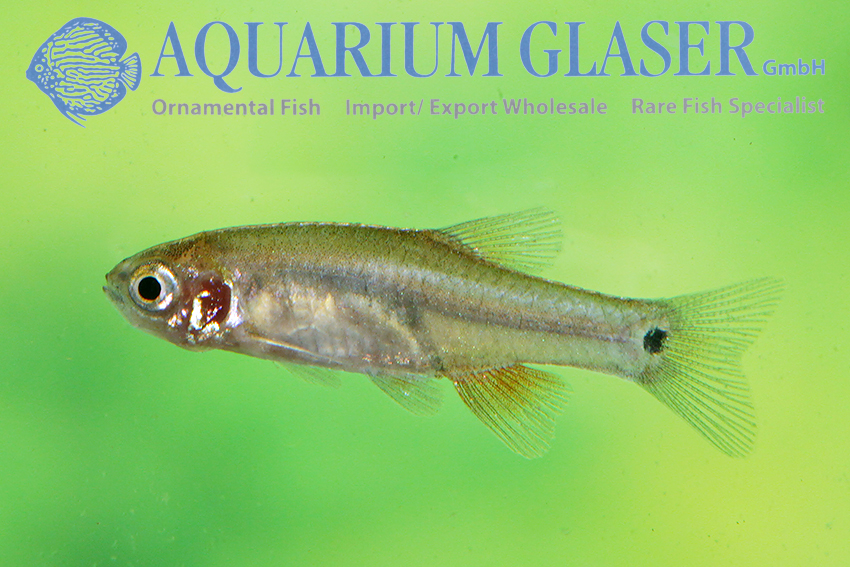
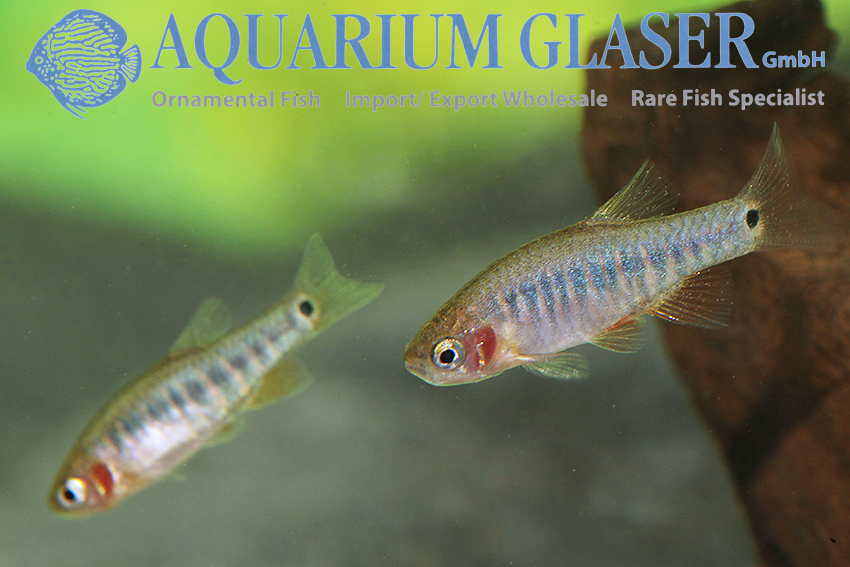
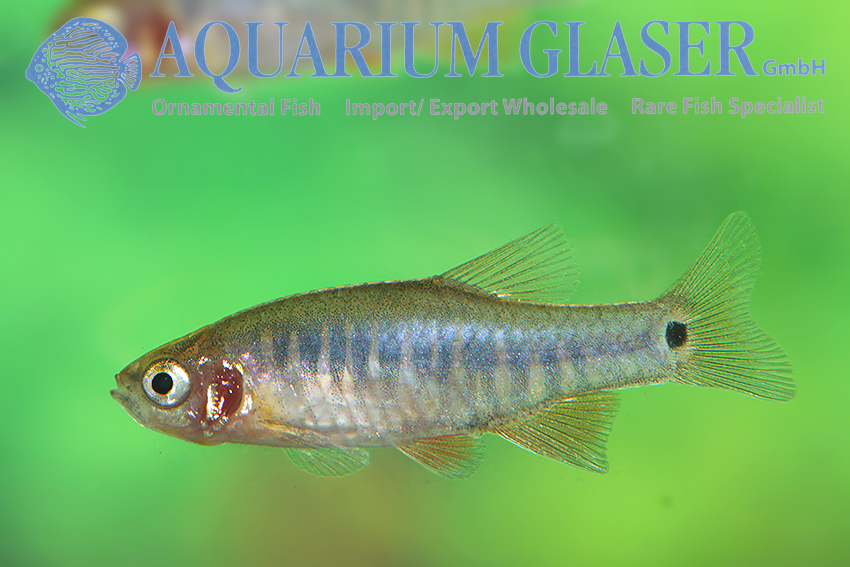
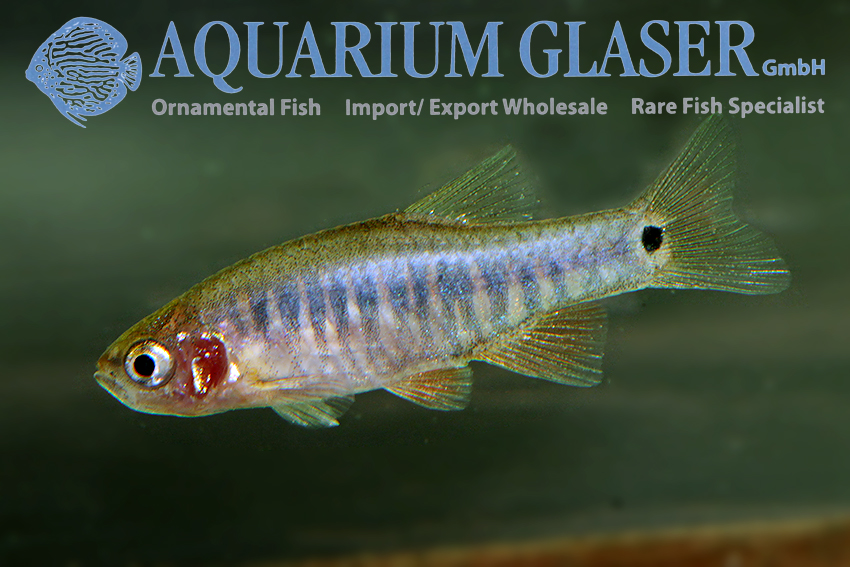
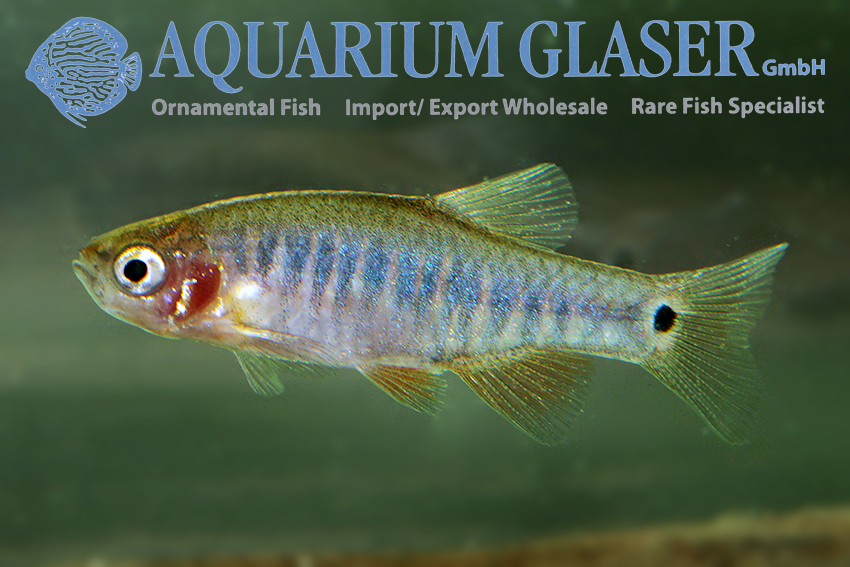
This cute dwarf fish was first introduced in 1978, but it wasn’t until the 2000s that a larger number of aquarists took notice of it. In a 2011 assessment by the IUCN (International Union for Conservation of Nature), the species was classified as “endangered.” The fact that C. erythromicron is found exclusively in Inle Lake naturally makes it very vulnerable to environmental influences. Water quality in Inle Lake is constantly deteriorating, and non-native fish introduced for food purposes pose an additional threat to the native species. There are also warnings against excessive harvesting of C. erythromicron as an ornamental fish, but there is no scientific evidence that this could actually happen, as international demand is far too low.
The water in Inle Lake is hard, with a slightly alkaline pH value (central part of the lake: pH 7.6–8.8, inflow to the lake: pH 7.1–7.2). The water temperature during the day ranges from 21.3 to 28.8°C, while the air temperature can fluctuate between 5°C (minimum temperature) and 38°C (maximum temperature) (all data according to: Khaung et al., 2021). C. erythromicron can and should be kept in normal tap water; for many species from Inle Lake, it has also proven beneficial to temporarily not heat the aquarium, i.e., to keep the animals at room temperature (18-22°C). This has a positive effect on the immune system.
Breeding these dwarf fish is easy. The sexes differ only slightly: females are slightly paler and stronger. Java moss is a popular spawning substrate, and these animals do not care for their young. The main difficulty lies in raising the small fry in the best possible way. However, there are breeders who have mastered this well, and C. erythromicron is therefore regularly available in stores, both as captive-bred and wild-caught specimens.
Celestichthys erythromicron is a completely peaceful, somewhat shy schooling fish that readily accepts any commercially available ornamental fish food of a suitable size. Plants are not damaged.
For our customers: the animals have codes 430902 (md, wild), 430903 (lg, wild) and 430913 (md, captive bred) on our stock list. Please note that we only supply wholesale customers.
Literature:
Khaung, T., Iwai, C. B. & T. Chuasavathi (2021): Water Quality Monitoring in Inle Lake, Myanmar from the floating Garden Activity. Malaysian Journal of Fundamental and Applied Sciences, Vol. 17: 593-608
Text & photos: Frank Schäfer
