








At the beginning of 2024, this snakehead species, which had long been known in the hobby as Channa sp. Fire & Ice, was scientifically described as Channa pyrophthalmus. So far, it is only known from the extreme southern border area between Burma and Thailand. We are currently able to offer this small and colorful Channa again. In nature, this species only reaches a length of 12-15 cm, but according to Niemeier, aquarium specimens can reach up to 25 cm.
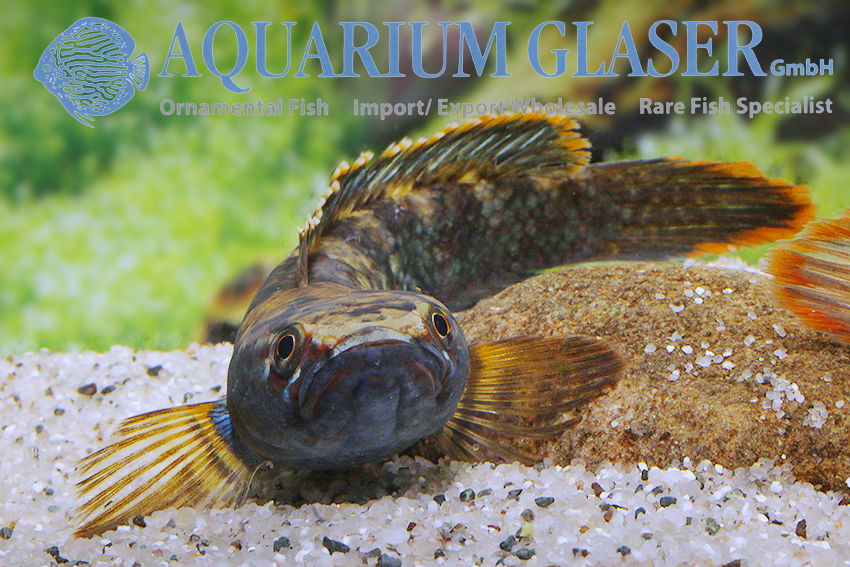
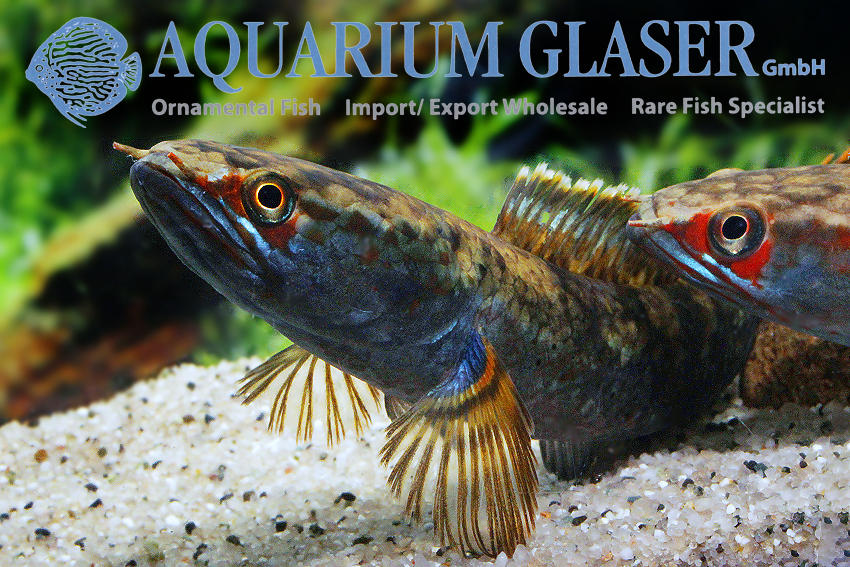
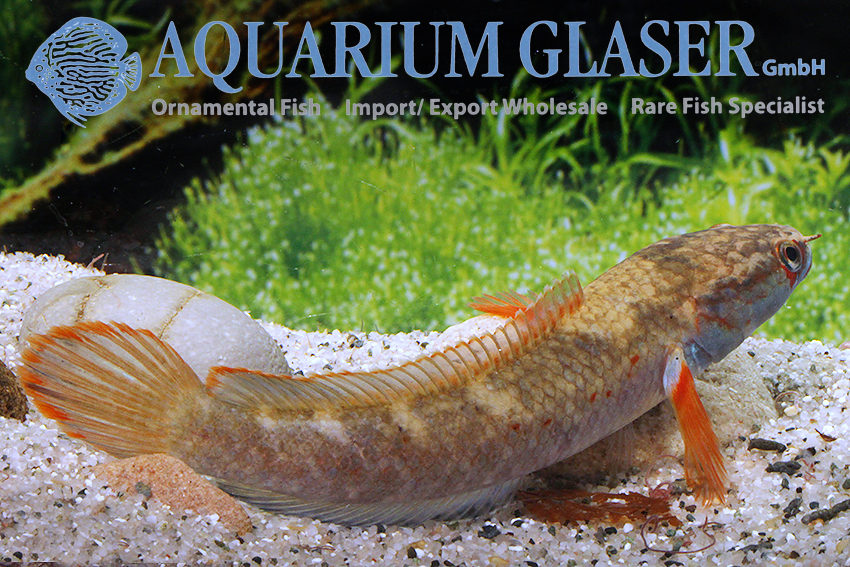
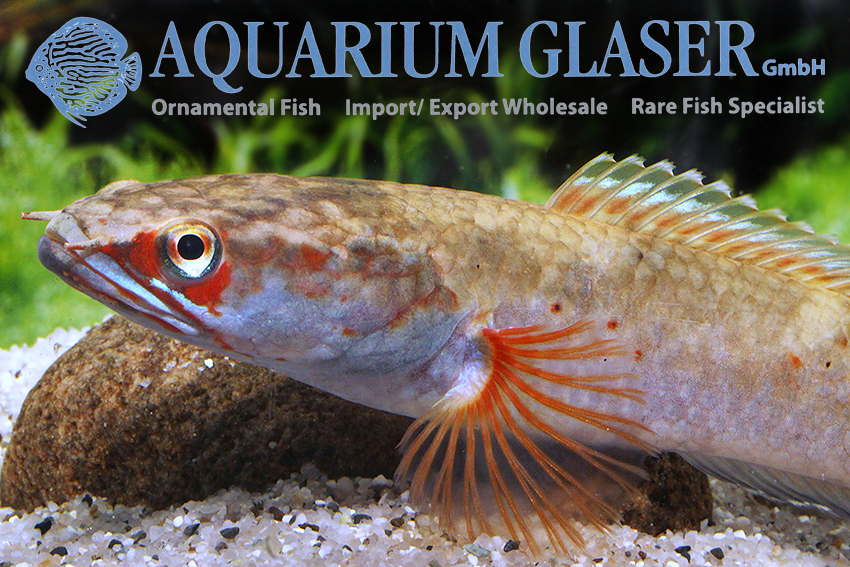
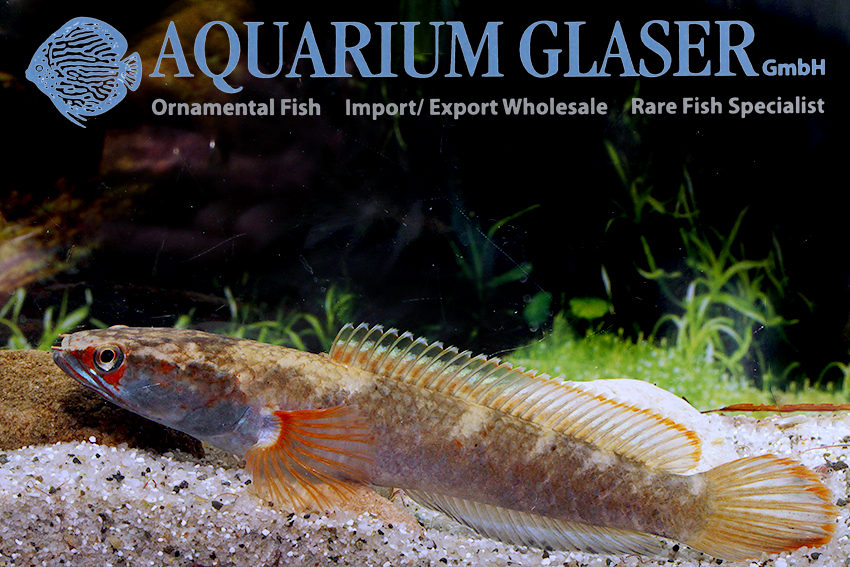
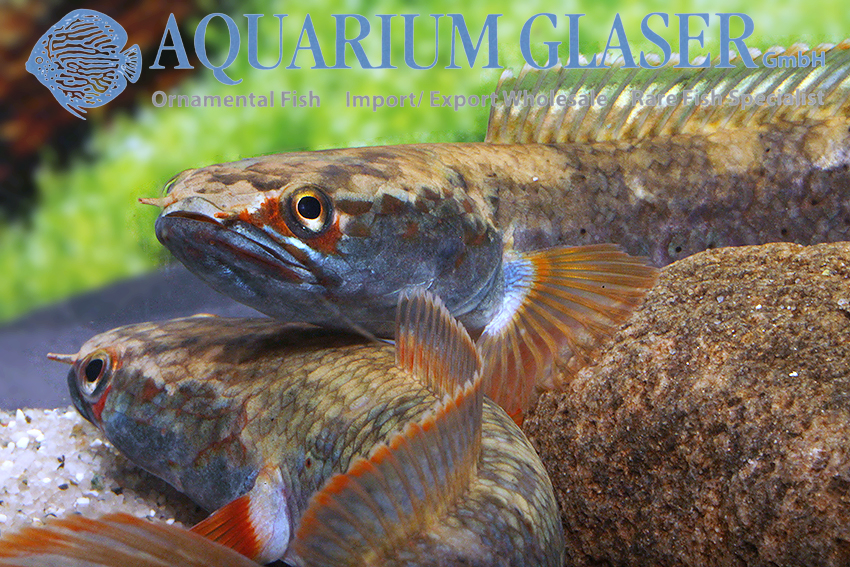
This beautiful species belongs to the close relatives of Channa gachua and, like the latter, is a mouthbrooder. It has also been bred in aquariums. Since the small Channa, which can always be recognized by its characteristic facial markings, is one of the most aggressive members of its genus, it is best kept alone, for which a relatively small aquarium is sufficient. Pairs are only kept together for breeding. This corresponds to their behavior in nature, where the fish also live alone outside of the mating season. If kept in groups, large to very large aquariums with plenty of hiding places for subordinate animals are required.
The best food to give them is insects, e.g., crickets of the appropriate size, which are also readily accepted frozen. However, the fish will accept a wide range of foods: any coarse frozen and live food and, once accustomed, also granules or cichlid sticks; however, they do tend to become overweight, hence the recommendation to feed them insects. The chemical composition of the water is irrelevant for care and breeding; any drinking water is suitable. The temperature requirements are moderate; it is best to keep the species at room temperature (18-22°C) and only increase the temperature by 2-3°C for breeding.
For our customers: the fish have code 409363 on our stock list. Please note that we only supply wholesale.
Literature:
Britz, R., H. H. Tan & L. Rüber (2024): Four new species of Channa from Myanmar (Teleostei, Labyrinthici, Channidae). Raffles Bulletin of Zoology v. 72: 1-25.
Niemeier, D. (2024): Schlangenkopffische. Neustadt am Rübenberge, 552 pp
Text & photos: Frank Schäfer
