








We often find that the fish species that are most commonly found in stores are not yet posted on our website. This is, of course, because there are always so many new and exciting species to introduce, but admittedly, even the supposedly old ones still have a lot to offer!
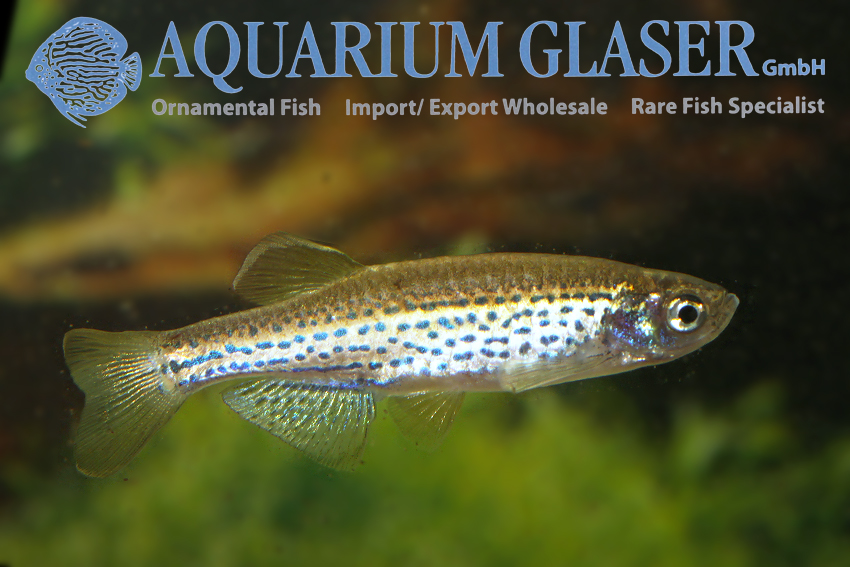
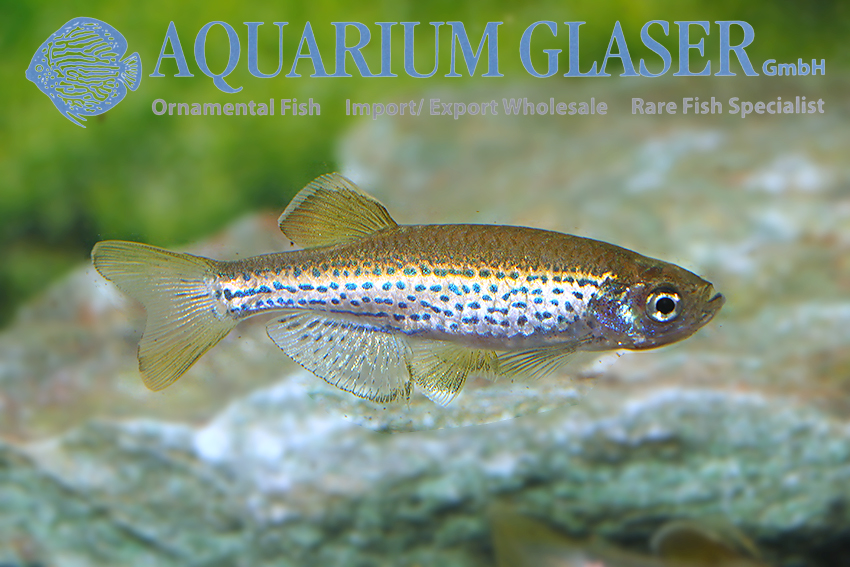
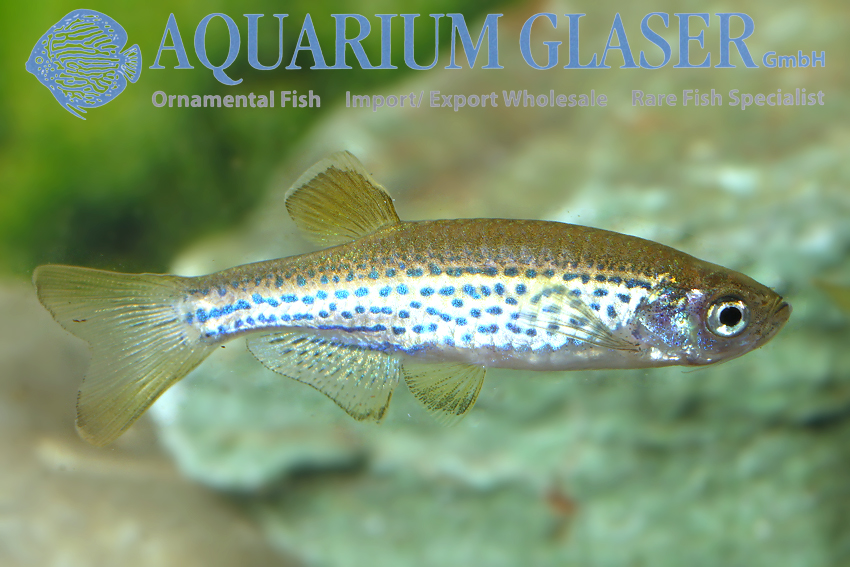
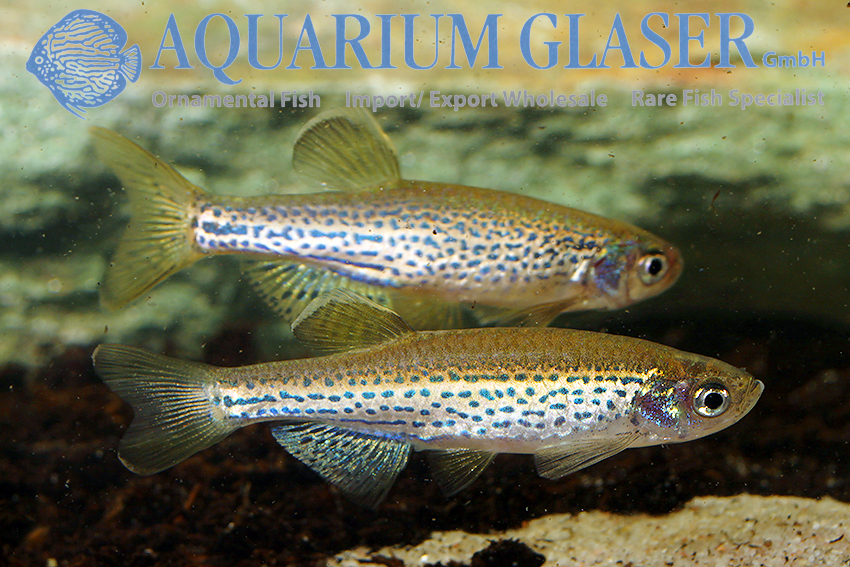
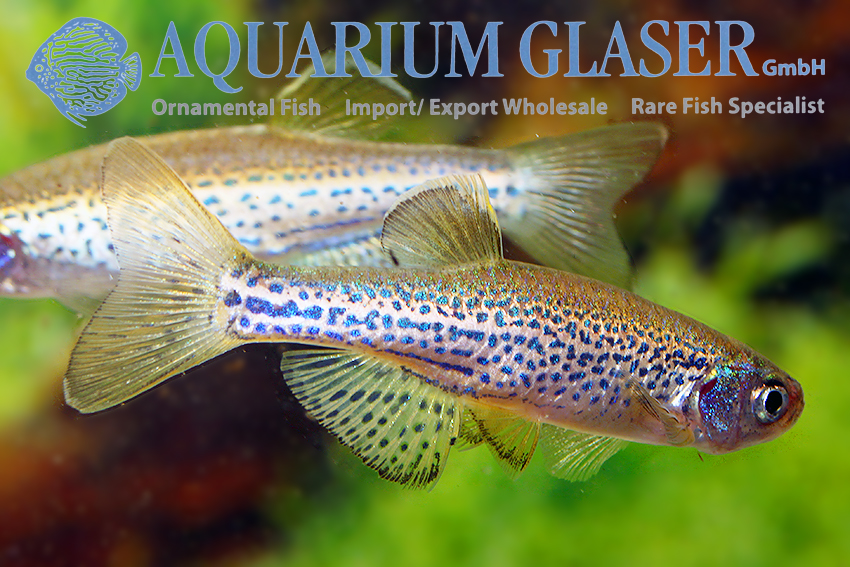
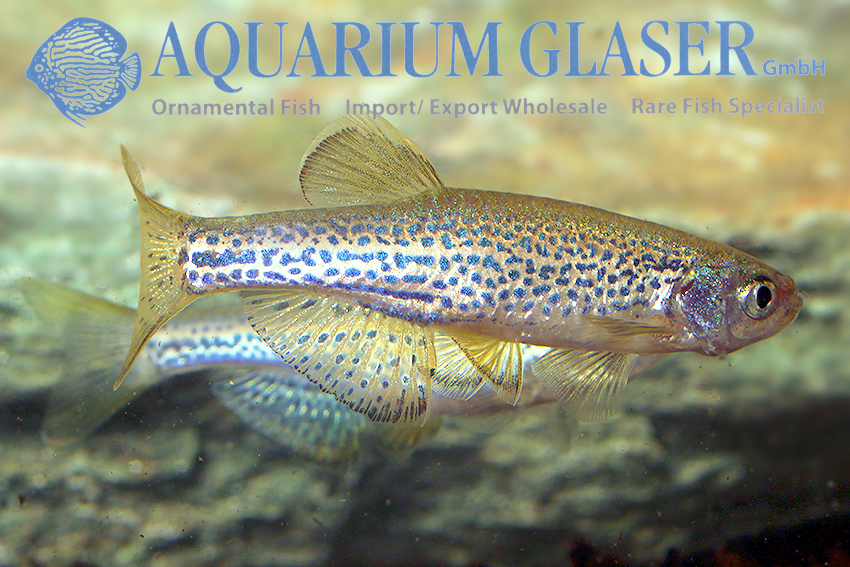
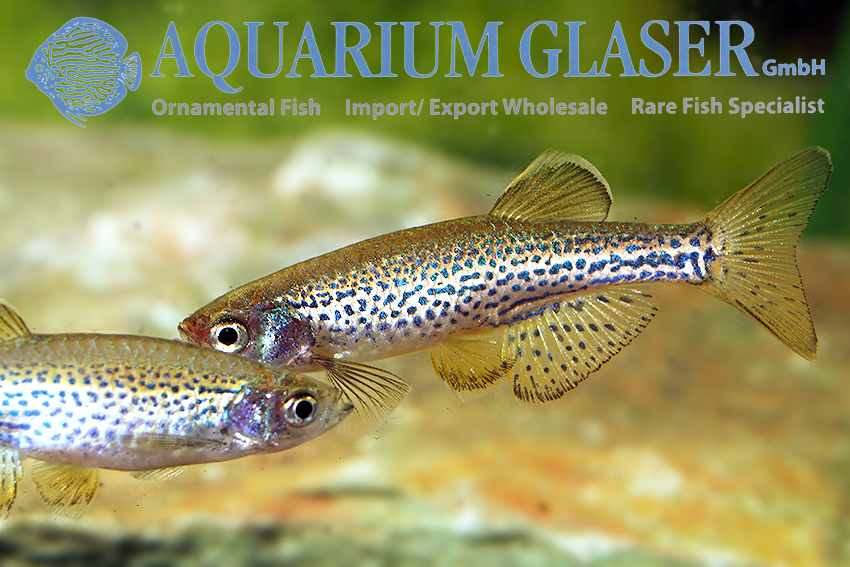
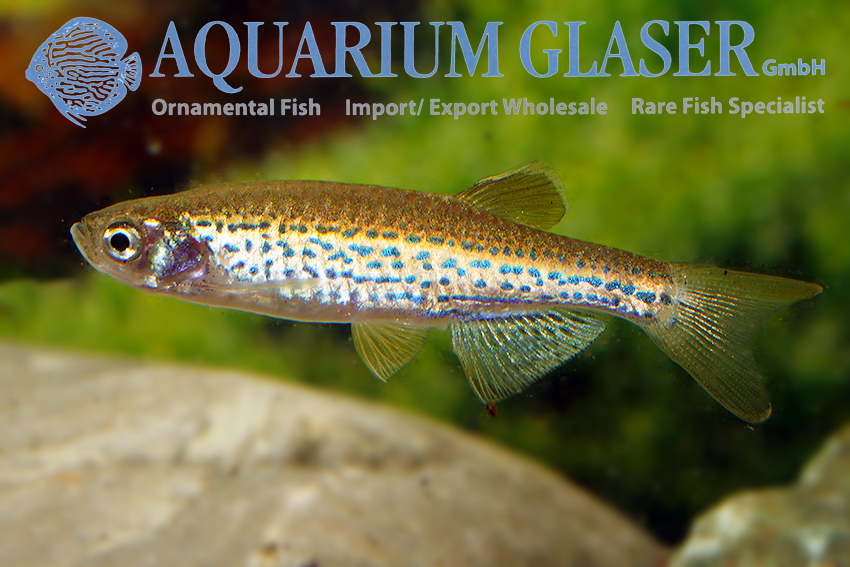
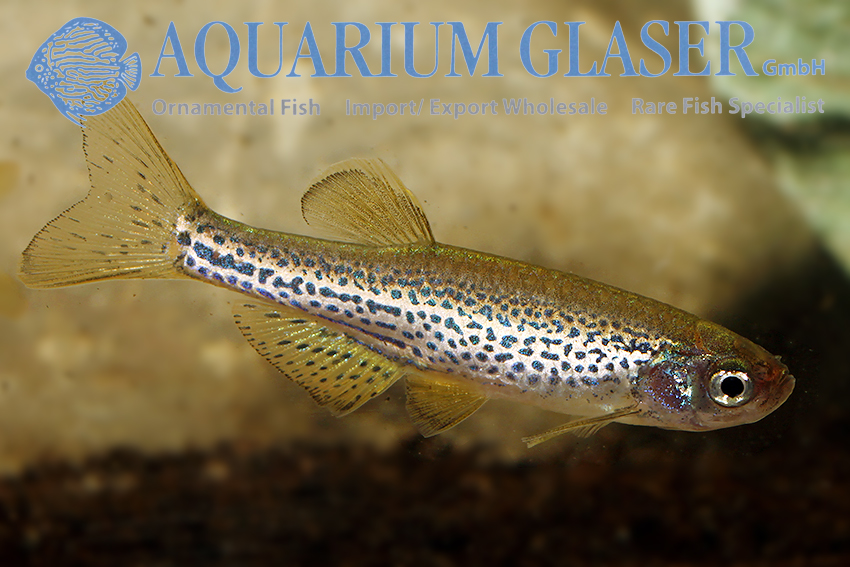
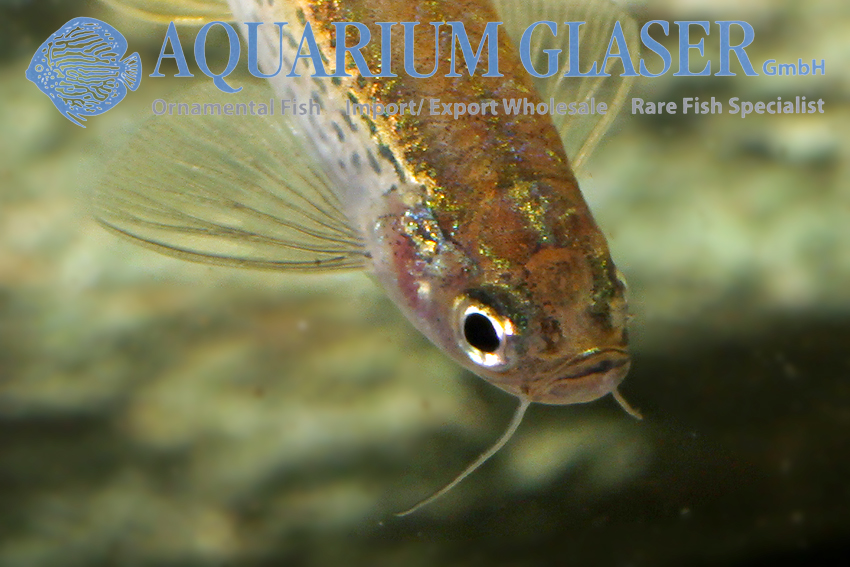
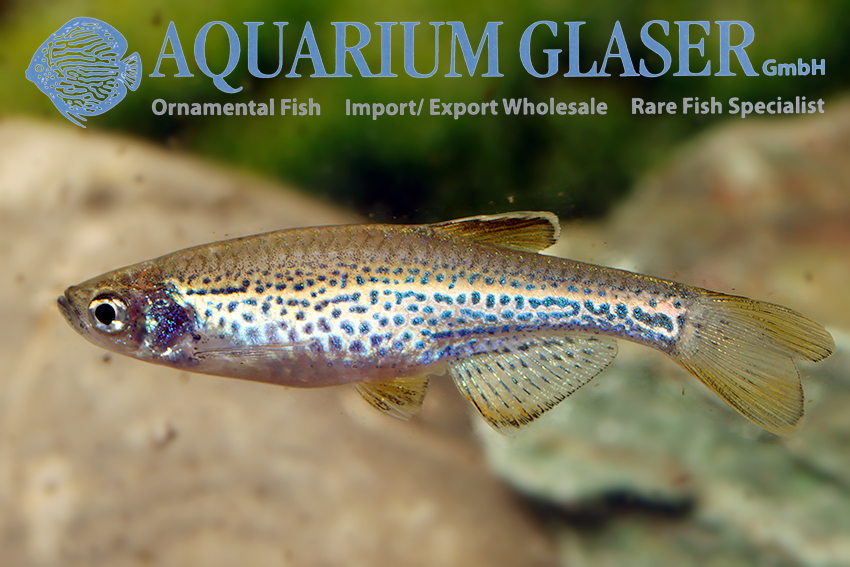
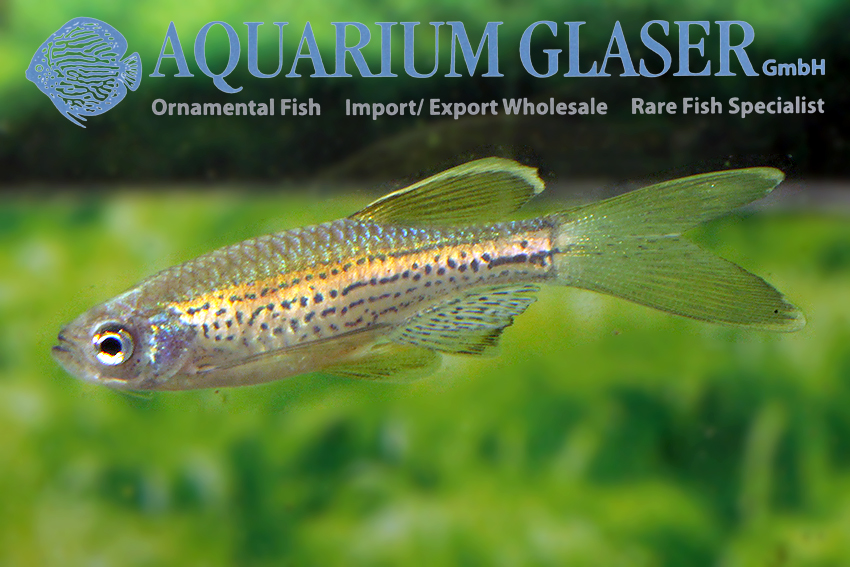
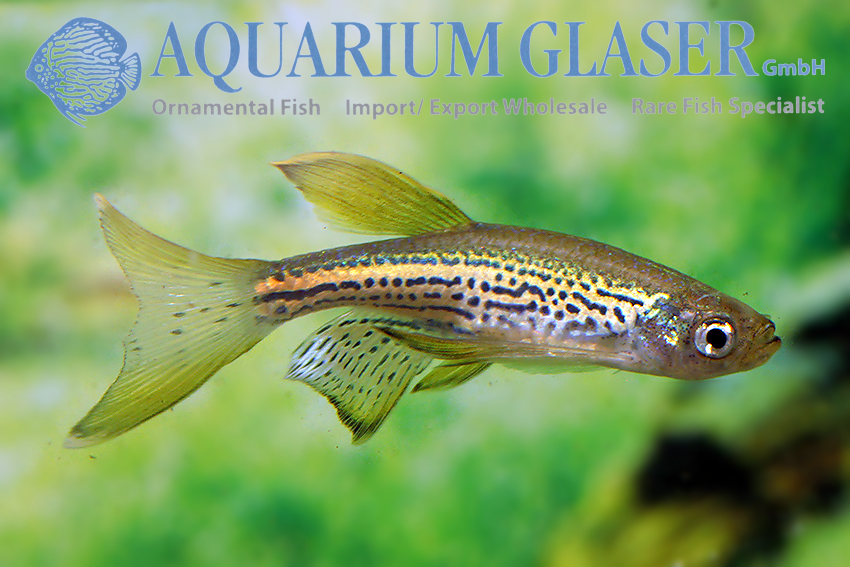
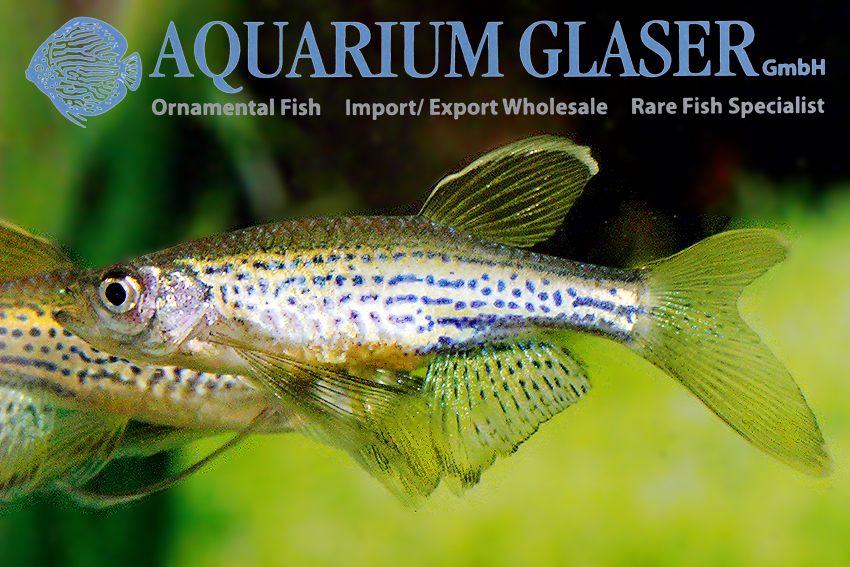
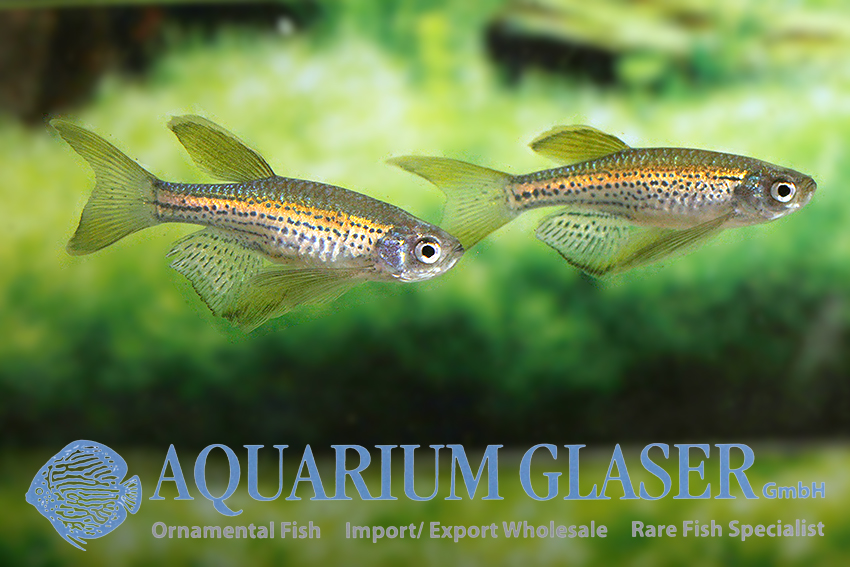
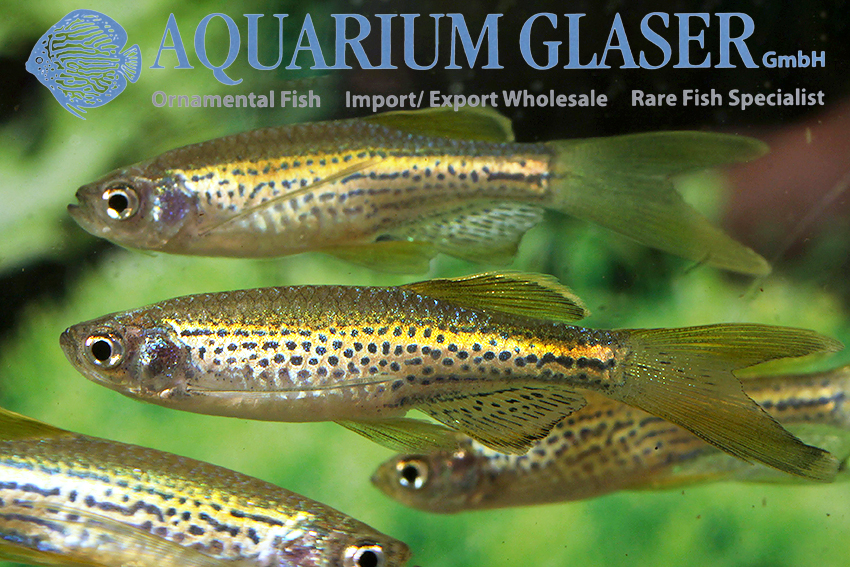
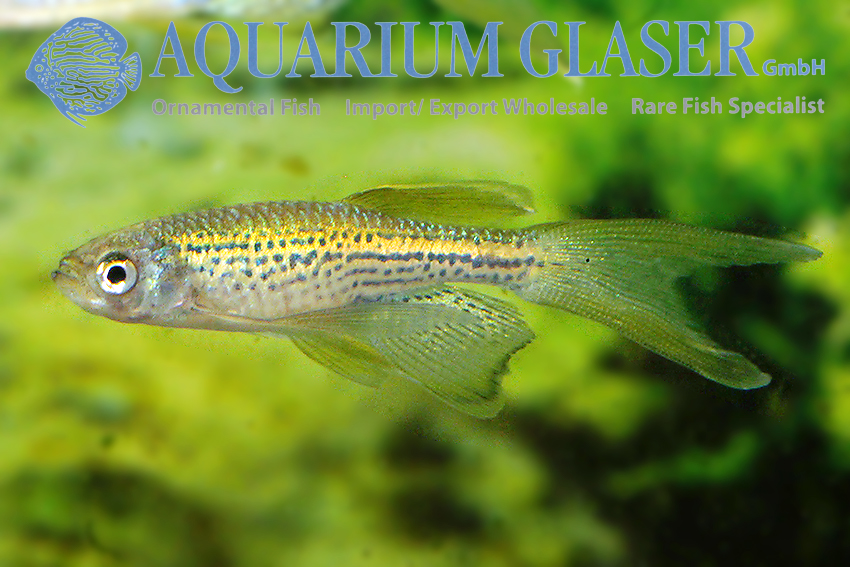
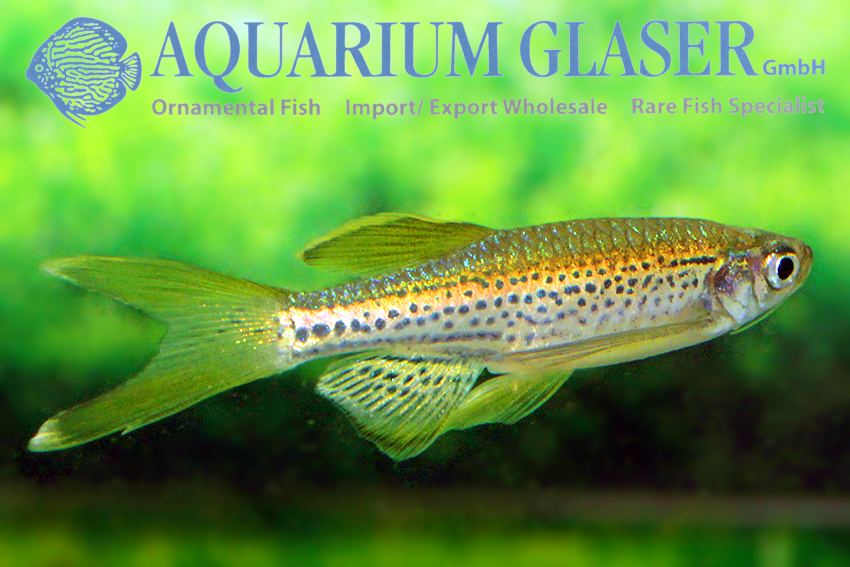
Danio frankei appeared on the ornamental fish market in 1962, seemingly out of nowhere, and was described as a new species by Hermann Meinken based on aquarium specimens. Since then, there has been intense (and ultimately inconclusive) speculation in aquaristic and scientific literature to this day as to whether D. frankei is merely a mutation of D. rerio, the zebrafish, or whether it is a separate species. Only two things are certain: Firstly, D. rerio and D. frankei can easily be crossed, and the hybrids are fully fertile. Second: Danio frankei has never been found in the wild. Neither of these facts says anything about the species status of D. frankei. With many livebearing toothcarps, it is possible to breed hybrids, and here too there is no restriction on fertility. Nevertheless, no one would seriously doubt that platies and swordtails are different species. And for many other species, their natural origin remained unknown for decades. Famous examples include the Odessa barb (Pethia padamya) and the black paradise fish (Macropodus spechti). The aquarium rosy barb (Pethia conchonius), whose appearance has been very well documented since it was first imported in 1903, is also still unknown in the wild. Wild-caught rosy barbs from Bengal (from where the species was described) look completely different. If Danio frankei is a naturally occurring species, its occurrence can be assumed to be in northeastern India, an area where many regions remain inaccessible to this day.
Although Danio frankei (leopard danio) and D. rerio (zebra danio) have been crossed so often that purebred animals are now virtually extinct in the breeder´s farms, the phenotype* of the leopard danio has remained unchanged to this day – more than 70 years since its arrival in the hobby. There are breeding forms – golden, veil-finned, genetically modified (glowfish), etc. – but the original type still exists. It differs from the zebrafish not only in that it has spots instead of longitudinal stripes on its body (the genes responsible for this have been identified, by the way), but also in its intense golden body color. Very small, 5 mm long leopard danios look like golden neon tetras. A zebra danio never has this coloration. Until proven otherwise, it should therefore be assumed that B. frankei is a valid species.
Leopard danios are a pure joy in the aquarium. They are completely undemanding, absolutely peaceful schooling fish that are happy in any drinking water habitat and will eat any standard ornamental fish food of a suitable size. The water temperature can be between 16 and 30°C; keeping them in permanently warm water shortens their life expectancy, while keeping them in permanently cool water causes their colors to fade. It is therefore best to allow the fish to follow a certain seasonal rhythm, such as that found in the subtropics of India – the original home of the Zebra danio and probably also the leopard danio.
For our customers: Danio frankei has – depending on size – code 407602 (md) to 407604 (xlg) in the wild form, 407611 (sm) to 407615 (sh) as veiltail, 407623 (md-lg) as gold form, 407634 (lg-xlg) and 407635 (sh) as veil-tailed gold form on our stock list. Please note that we only supply wholesale customers.
*In biology, phenotype refers to external appearance, regardless of genetic identity. The opposite of this is referred to as genotype.
Text & photos: Frank Schäfer
