








With a maximum length of 270 cm and a weight of 400 kg, the giant grouper Epinephelus lanceolatus is one of the largest reef-dwelling bony fish on earth. Unfortunately, this impressive giant is terribly overfished. Since this predatory fish is a highly intolerant loner outside of the breeding season, there are not many individuals at all. After all, this colossus needs to be fed. Its diet consists mainly of crustaceans (preferably spiny lobsters), but also cephalopods and fish. It is not picky, and rumor has it that very large specimens have even attacked and devoured humans. This species has the largest distribution area of all groupers: it can be found (if you can find it) throughout the Indo-Pacific, i.e., in the Indian Ocean, the Red Sea, as far south as South Africa and as far west as Hawaii, and then in the western Pacific from southern Japan to Australia and the Oceanic Islands. Even though the International Red List of Threatened Species lists Epinephelus lanceolatus as “dd” (meaning data deficient), there is no doubt that more giant groupers are being eaten than are naturally regenerating. The giant grouper is therefore the subject of aquaculture and is intensively farmed as a food fish. The beautiful young fish that we import from time to time also come from such aquaculture.
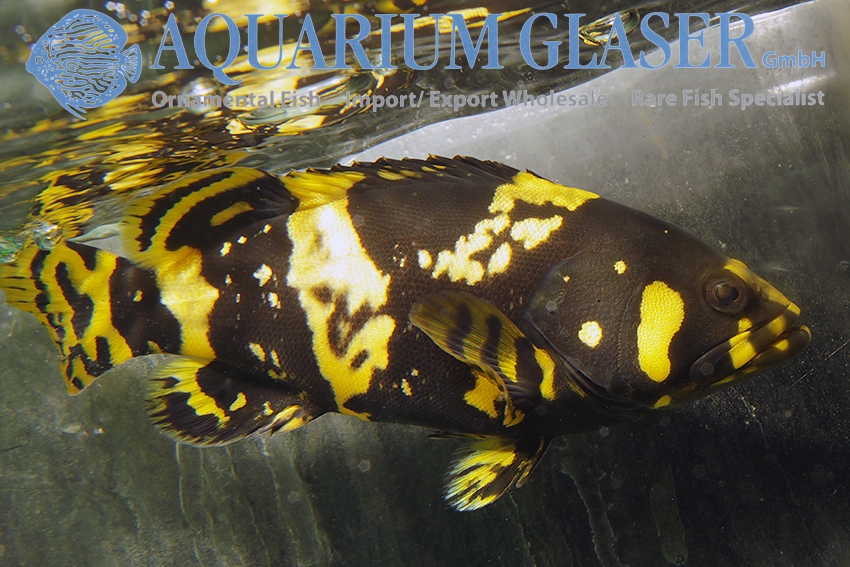
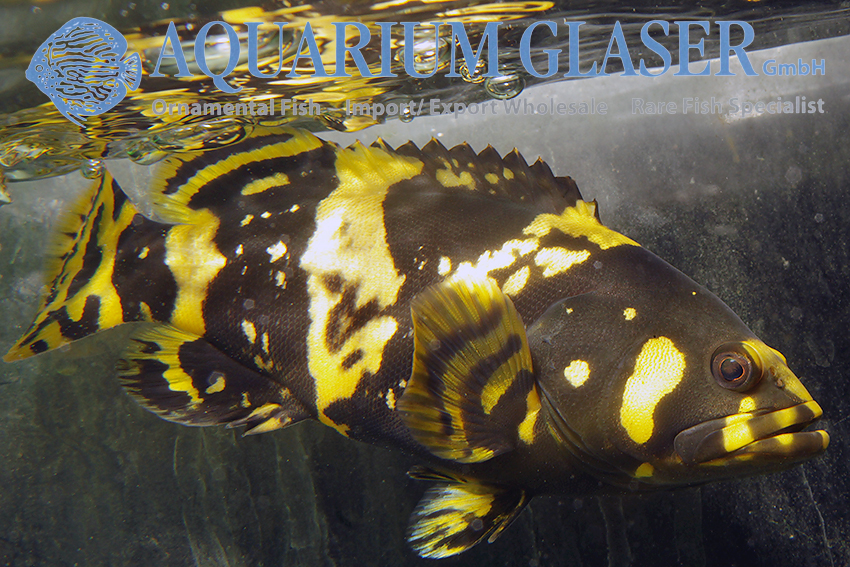
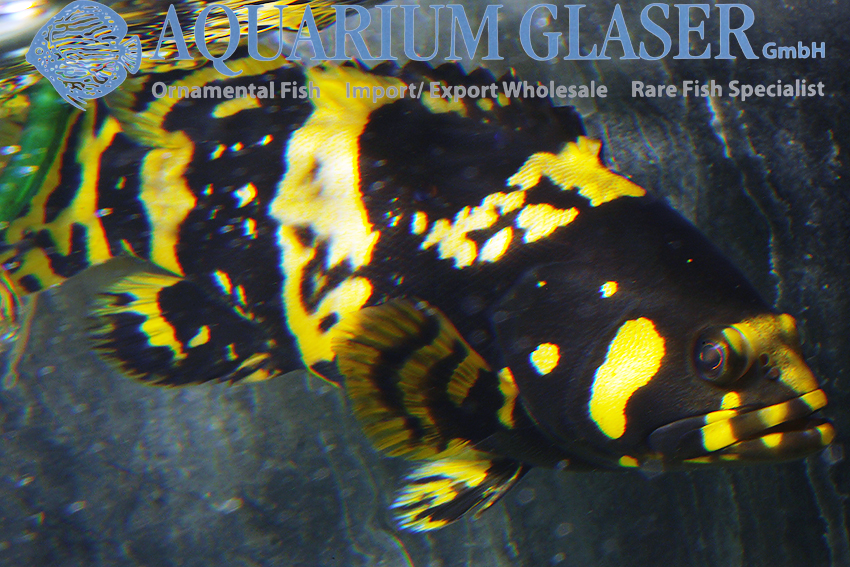
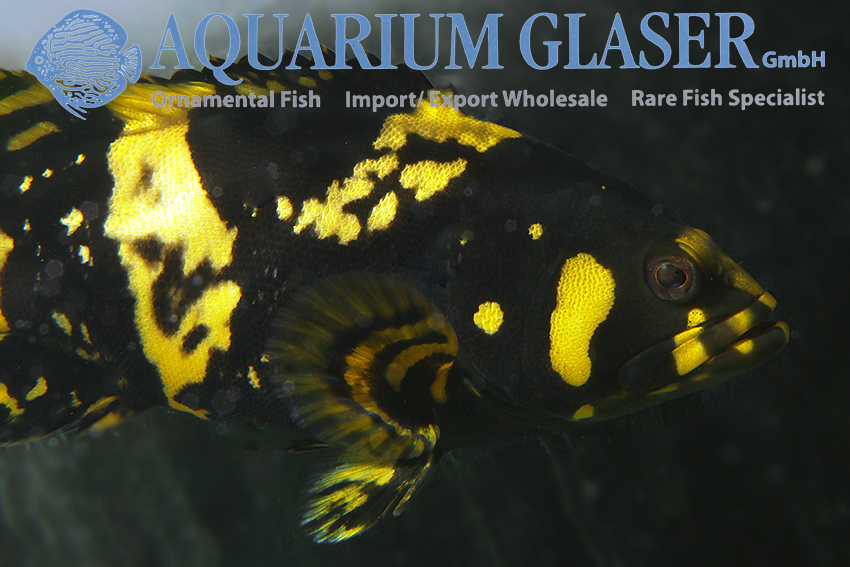
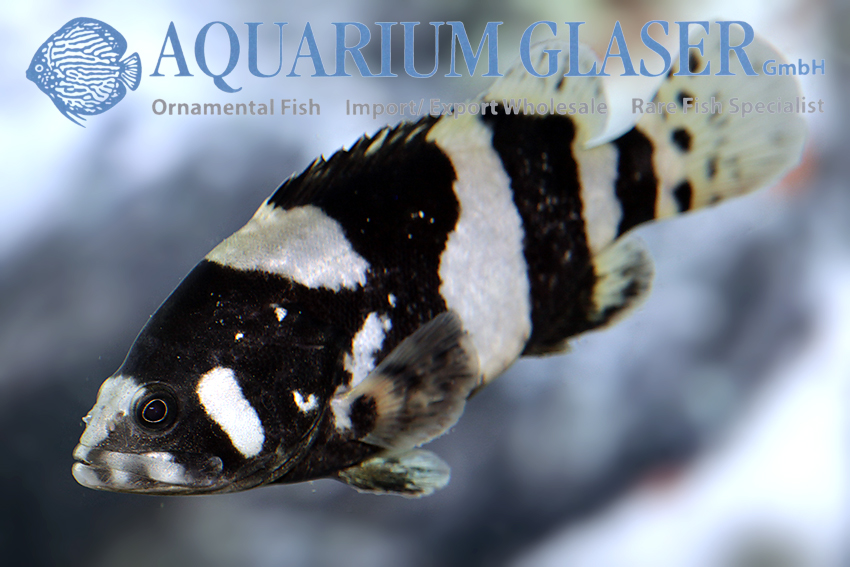
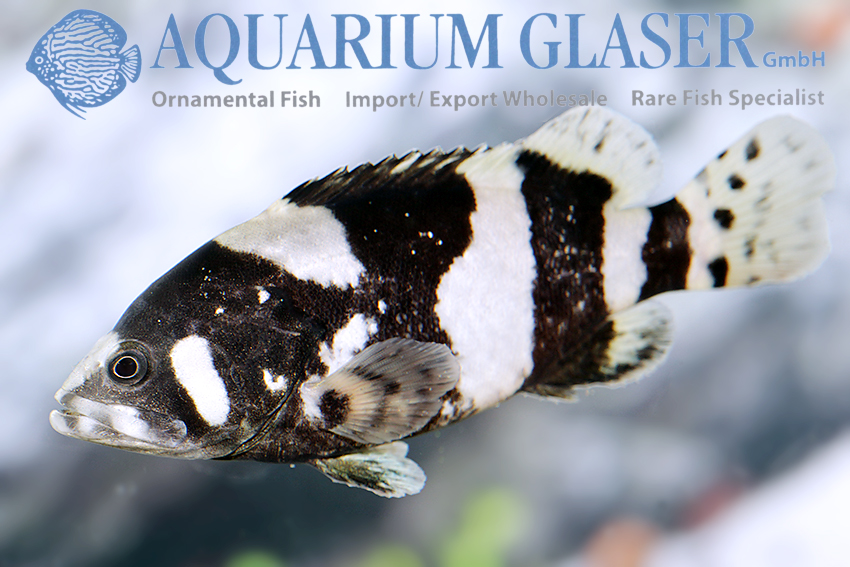
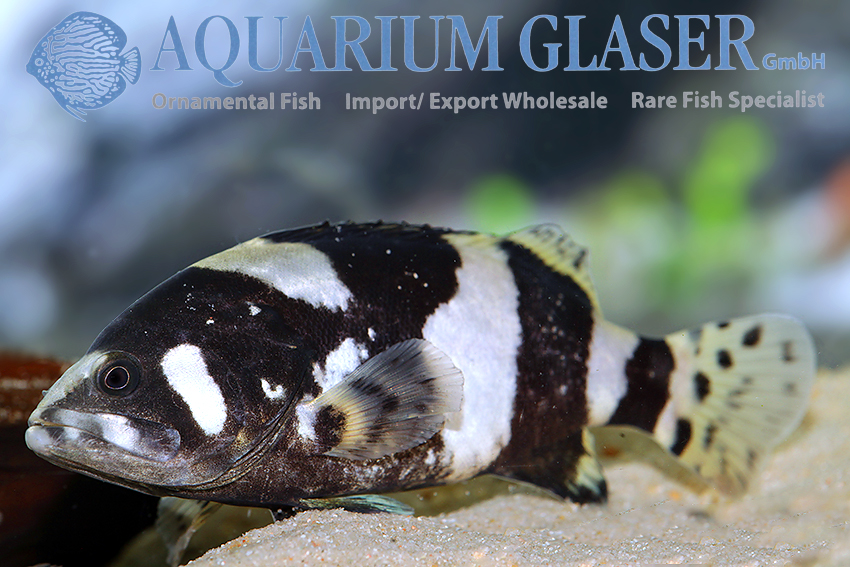
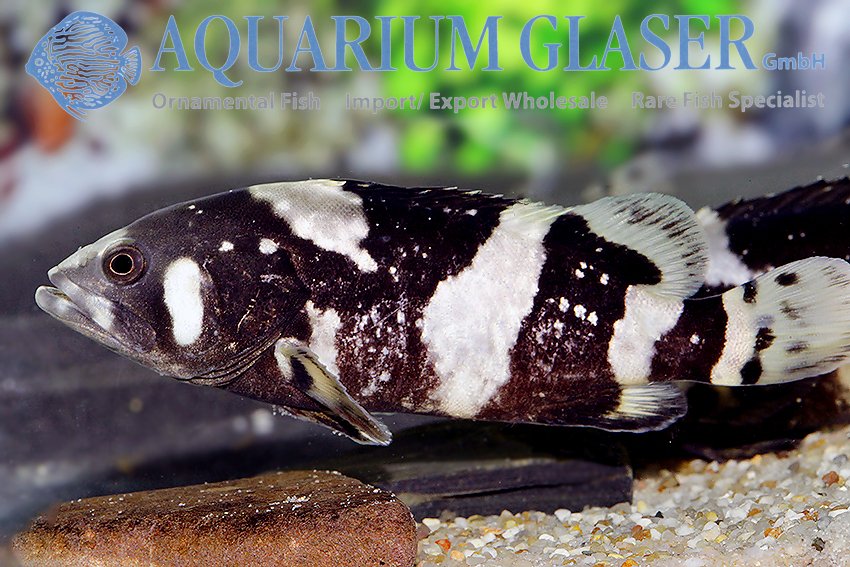
A special feature of this species is that it is regularly found in river mouths and can also be kept temporarily in pure freshwater. However, this is not possible in the long term. Similar to brackish water pufferfish, the problem is less about whether there is enough salt and more about the fact that these groupers are voracious eaters. They eat until their stomachs are about to burst. Their metabolic rate reflects this. Waste products produced during protein digestion are excreted by all fish in the form of ammonium via the gills. At pH values above 8 (and brackish water fish and marine fish should always have such pH values in the aquarium), this ammonium is converted into highly toxic ammonia, which is converted by the filter bacteria via still very toxic nitrite into harmless nitrate. If you also know that salt significantly reduces the toxic effect of nitrite on fish, you will understand why the long-term care of brackish water fish in freshwater is very problematic.
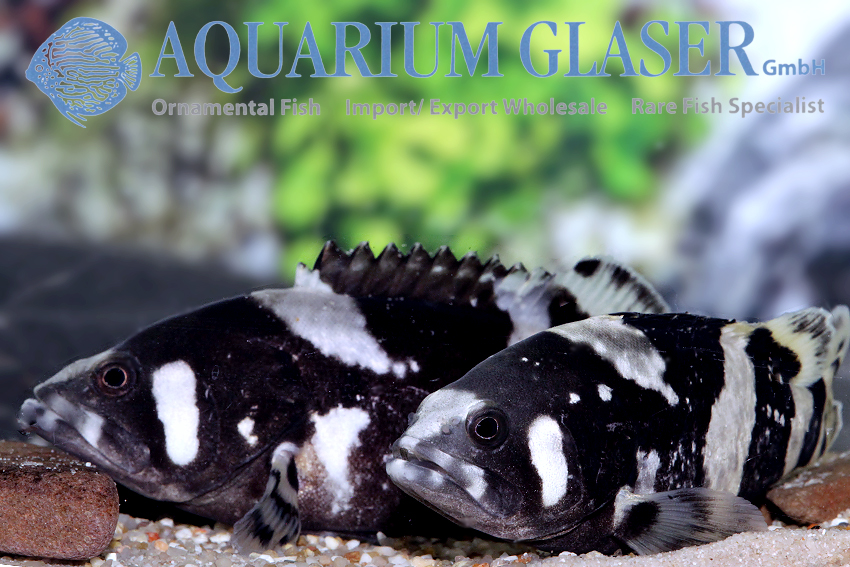
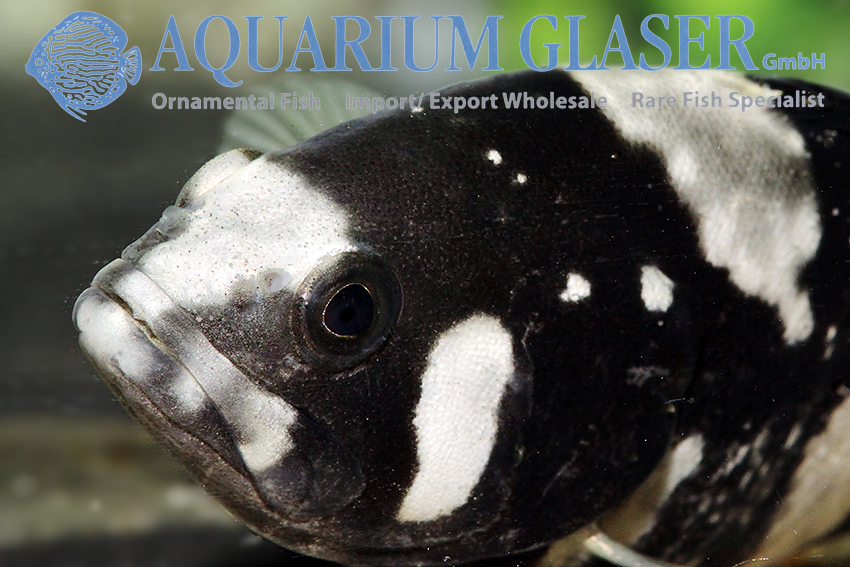
Like many groupers, Epinephelus lanceolatus is a protogynous hermaphrodite, meaning that all individuals are initially functional females and only older individuals transform into functional males. As they grow, these fish undergo significant anatomical and color changes, which explains the large number of synonyms. Only juveniles up to about 20 cm in length have such beautiful contrasting black and white or black and yellow coloring. Young adults 20 to 50 cm long develop more and more white or yellow spots in the dark areas of their bodies. At 80-150 cm in length, giant groupers are dark brown with indistinct markings and numerous black spots on their fins. Large adult fish (160 to 230 cm) are only dark brown with darker fins.
From the above, it is clear that the giant grouper is only suitable for really large saltwater aquariums, such as those found primarily in zoos and display aquariums.
For our customers: the animals have codes 415531 (6-8 cm), 415532 (8-10 cm) and 415534 (15 cm) on our stock list. Please note that we only supply wholesale customers.
Text & photos: Frank Schäfer
