








The global loss of biodiversity, i.e., species diversity, is terrible. People who are particularly interested in nature, and this includes aquarists in particular, feel the extinction of species almost as physical pain. Small fish species are among the few organisms that are very well suited for conservation breeding over a very long period of time and many generations. This is a proven fact, and several fish species that have become extinct in the wild continue to live in aquariums. This means that future generations of humans may be able to reverse the mistakes made by our generation and return species that were once extinct from the aquarium back to a renaturalized habitat.
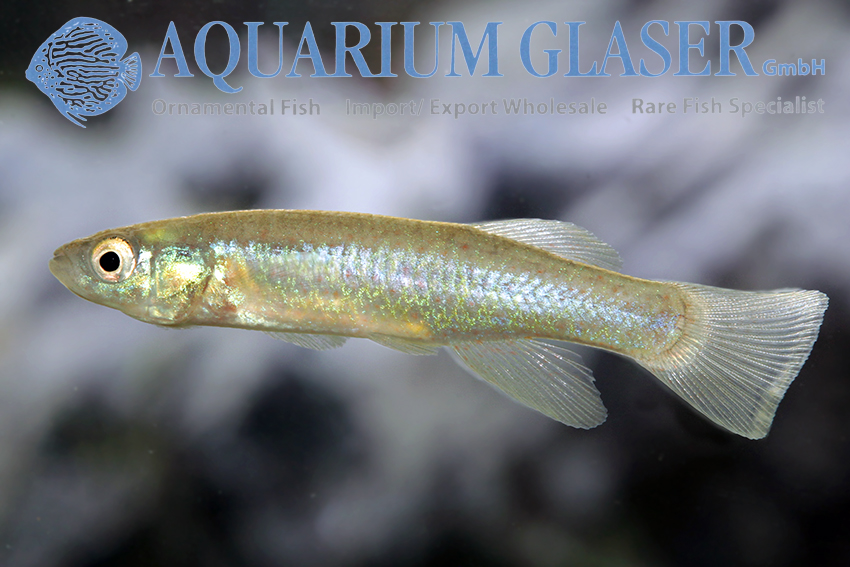
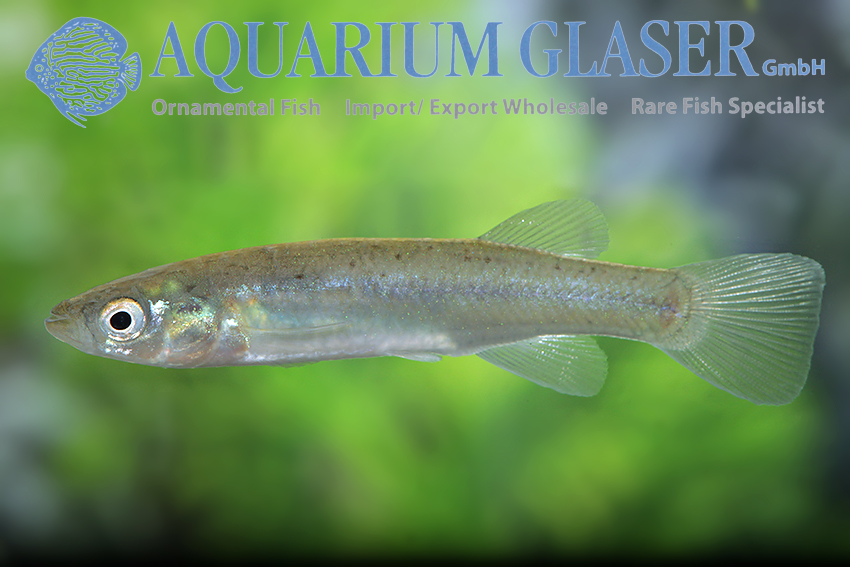
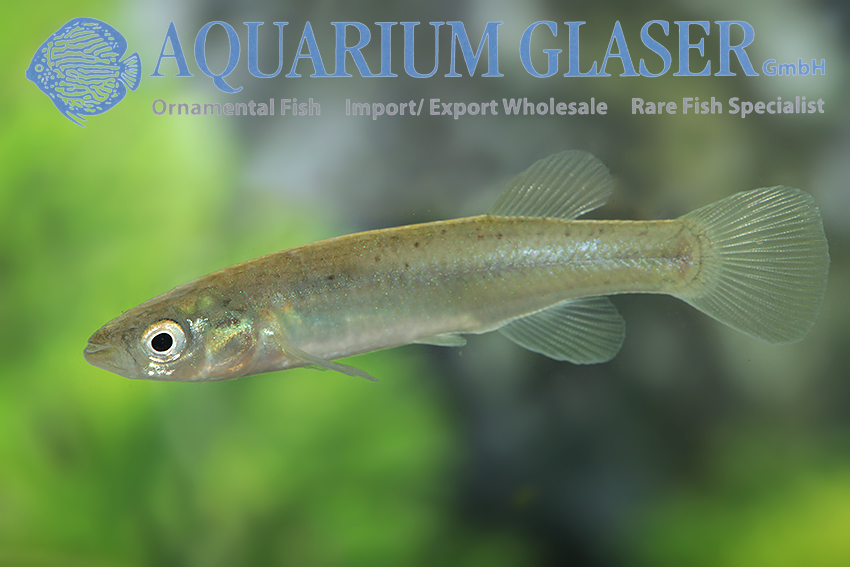
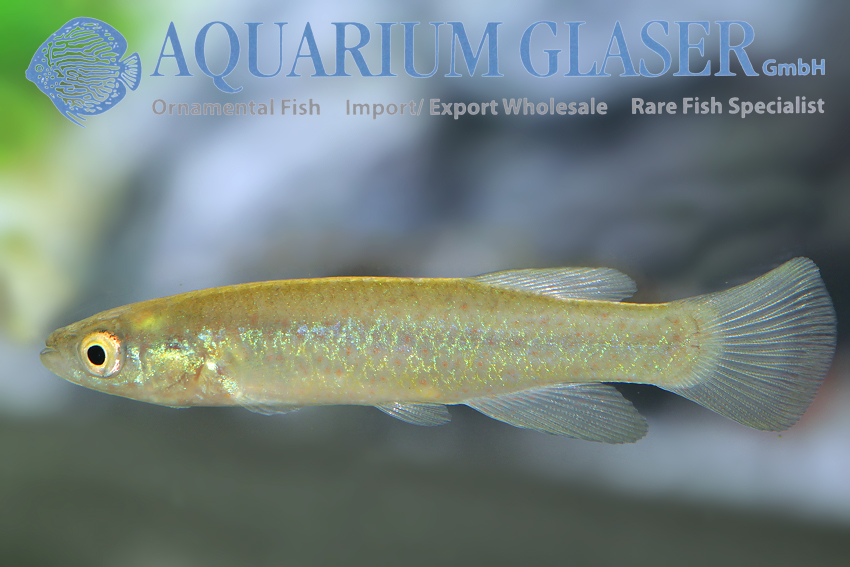
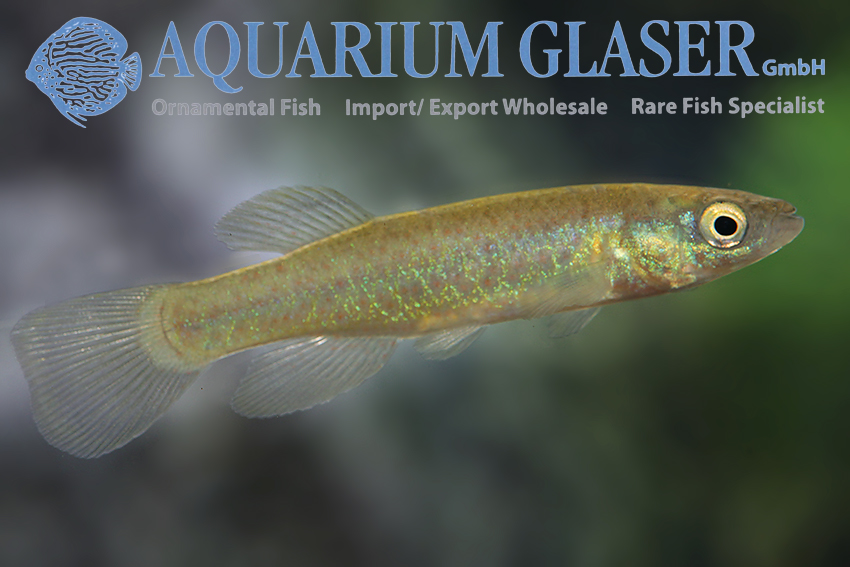
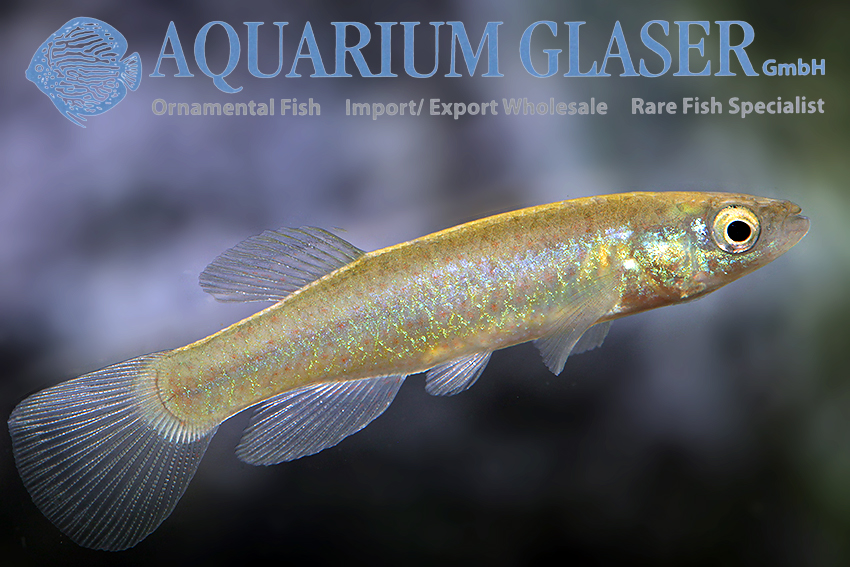
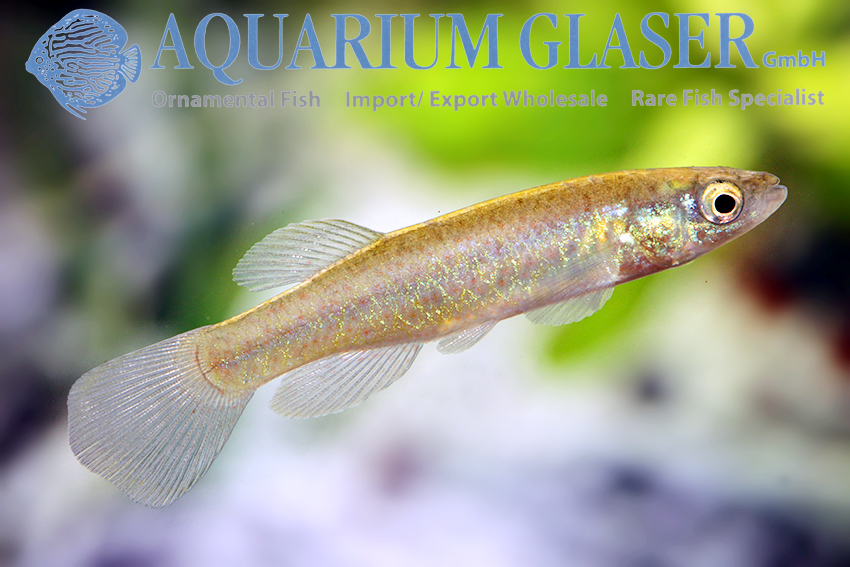
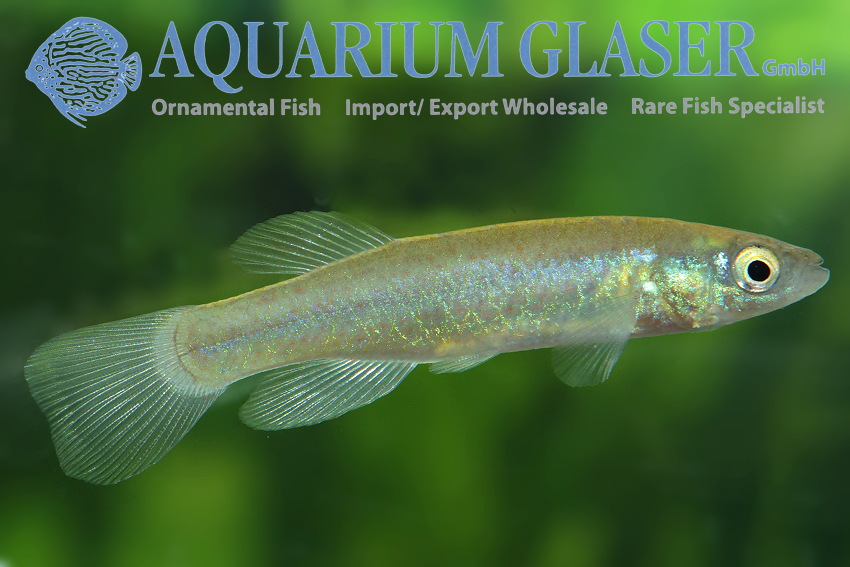
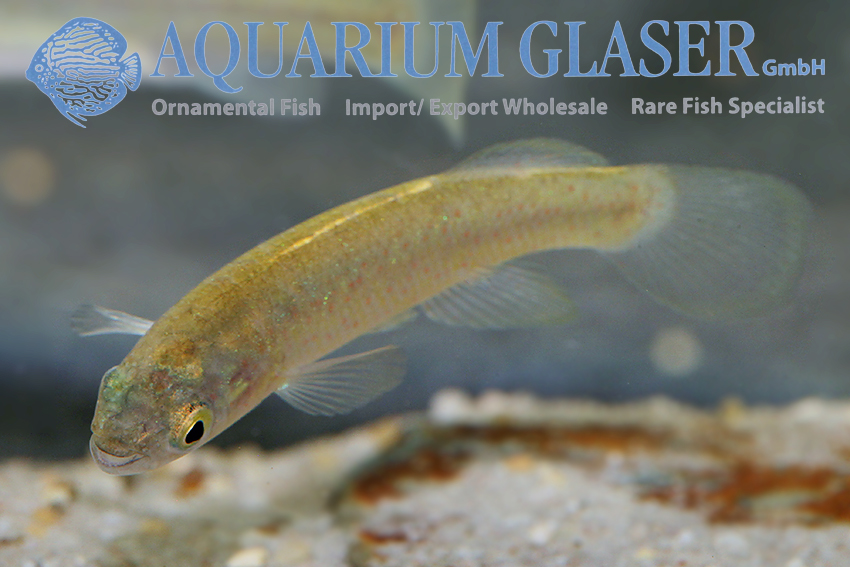
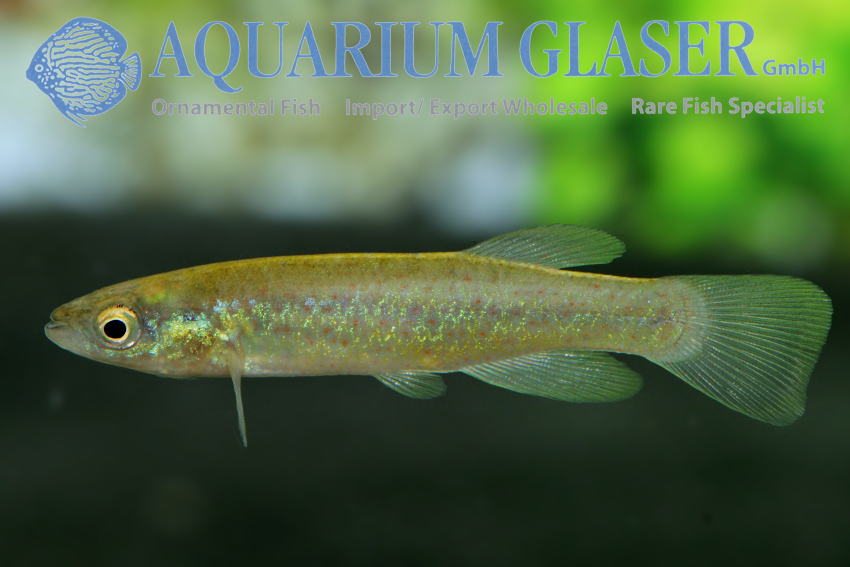
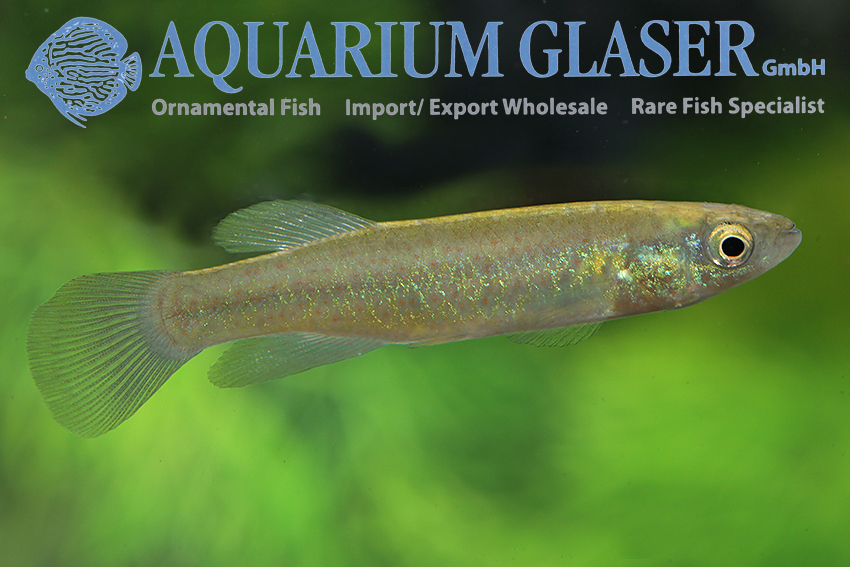
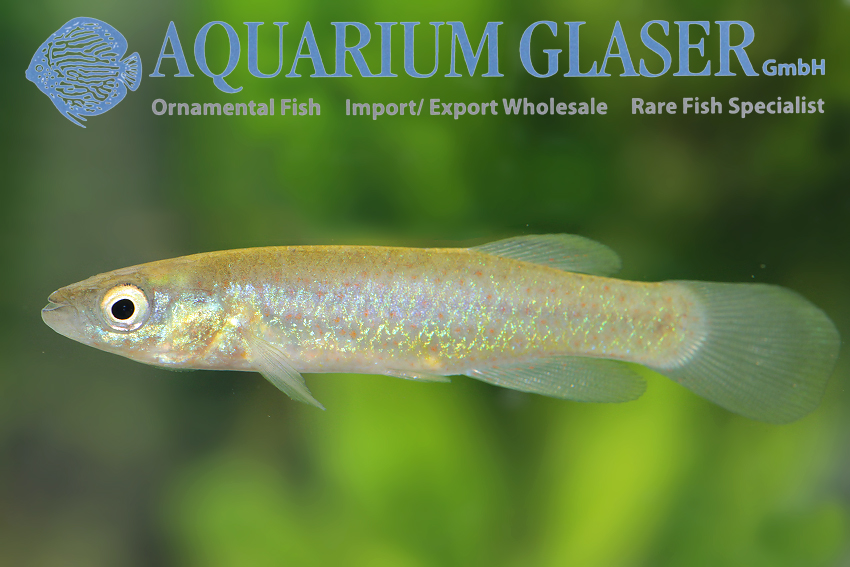
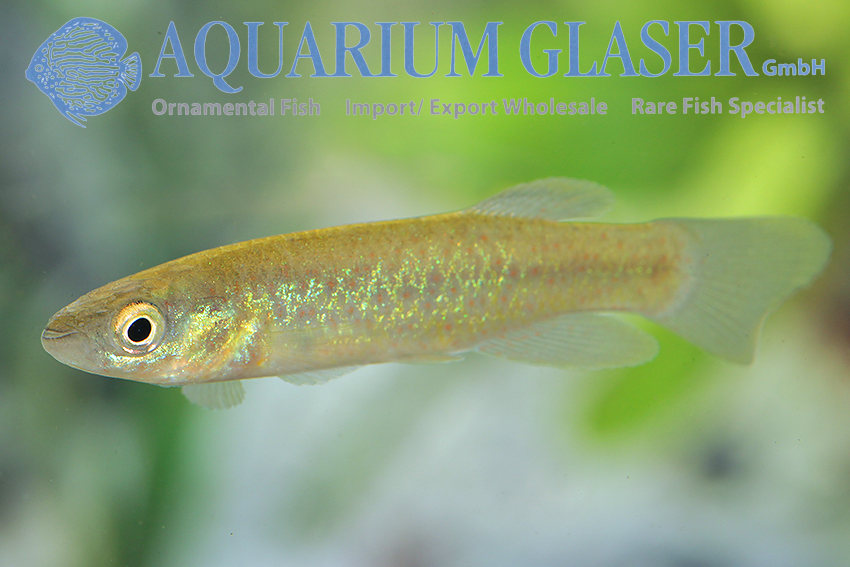
Unfortunately, species that are critically endangered are usually not very attractive at first glance. This is a shame, because the best life insurance for an animal species is still the highest possible demand in the trade. Then many breeders are interested in satisfying this demand and conservation breeding is on a firm footing – even if not necessarily for idealistic reasons.
Fundulus julisia is an example of a highly endangered species that is only cared for and bred by a very small number of specialists. Due to large-scale changes to the environment in its original habitat in the US state of Tennessee caused by water engineering and agriculture, this once widespread species has been pushed back to the headwaters of a few small streams. There, during the spawning season, the magnificently colorful males are very easy prey for fish-eating birds (e.g., herons). In addition, invasive gambusia fish deliberately released into the wild prey on the young of Fundulus. The survival of Fundulus julisia in the wild is therefore like dancing on a razor’s edge: something can go wrong at any time.
For several years now, we have been offering F. julisia from German hobby breeders. These animals are kept by the breeders in natural conditions in the open air. In the fall, when the fish go into hibernation, we receive the surplus offspring. Unfortunately, the animals then only show a hint of their true colors. This stands in the way of widespread marketing. Only connoisseurs and experts know what a treasure they are getting when they give Fundulus julisia a habitat (and a chance to survive) in an aquarium.
Here are the care details in bullet points: Water: not too soft and slightly alkaline; tap water is usually very suitable. Temperature: varies depending on the season. Hibernation at 10-15°C under short-day conditions (less than 10 hours of light per day) is necessary, otherwise the animals will not be in the mood to mate the following spring. The rest of the year 18-26°C. Food: all common dry, frozen, and live foods are readily accepted. Social behavior: peaceful fish that likes to swim in groups with conspecifics. Sexual differences: males are more colorful, with a much larger anal fin and a light band at the edge of the dorsal and caudal fins (difficult to see outside the breeding season). Size: 6-8 cm.
For our customers: the animals have codes 326602 (sm) and 326603 (lg) on our stock list. Please note that we only supply wholesale customers.
Text & photos: Frank Schäfer
