








The Brazilian state of Amapá is located in the far northeast of Brazil on the Atlantic Ocean. It is particularly interesting from a zoogeographical point of view because its rivers – such as the large Rio Araguari river system – are home to fish species that are otherwise only found in neighboring French Guiana in the Rio Oyapock. Due to the high price level in French Guiana, ornamental fish exports from there are hardly possible: the animals are simply too expensive.
SONY DSC
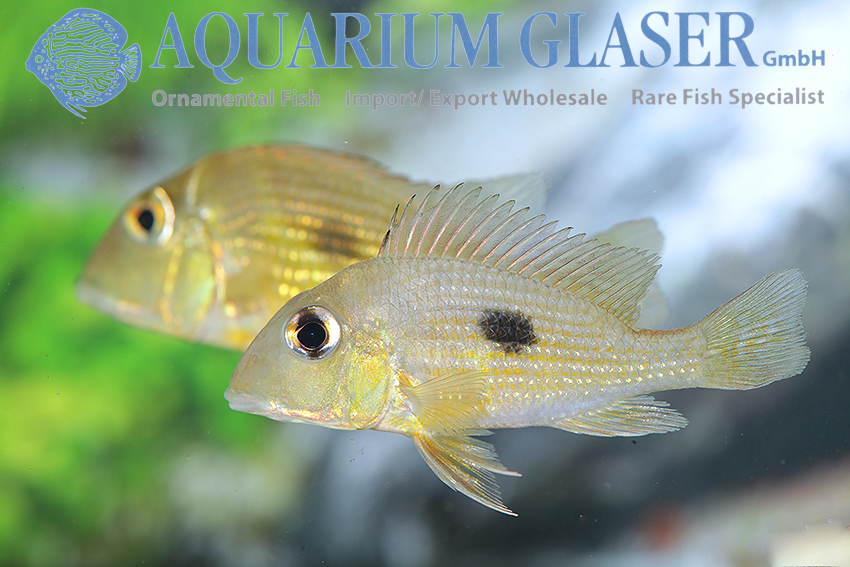
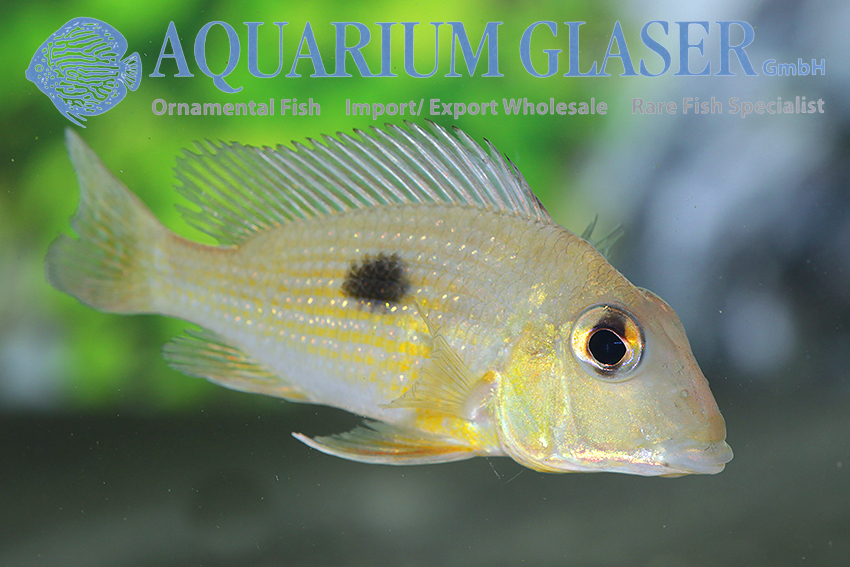
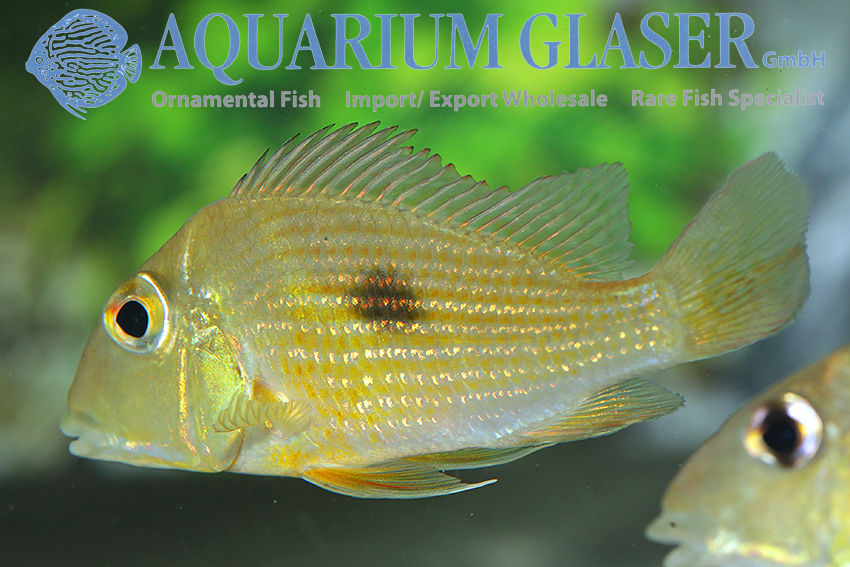
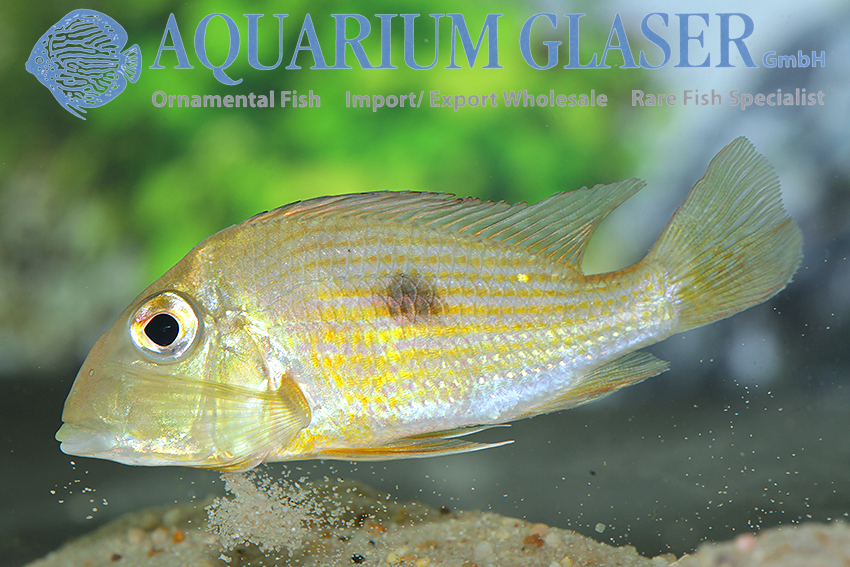
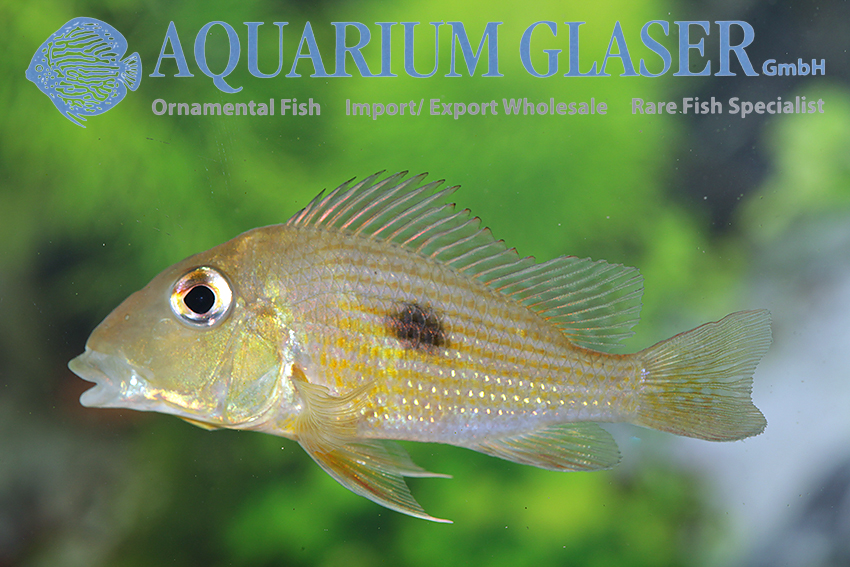
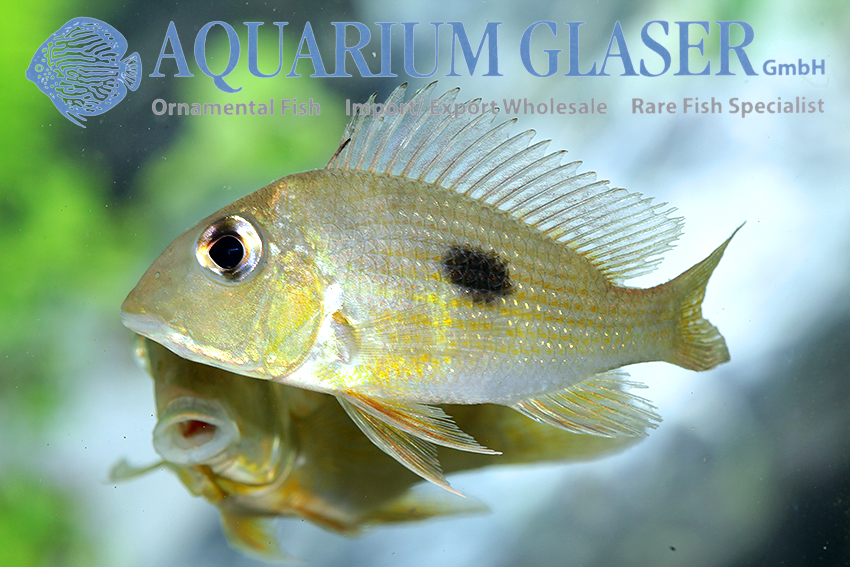
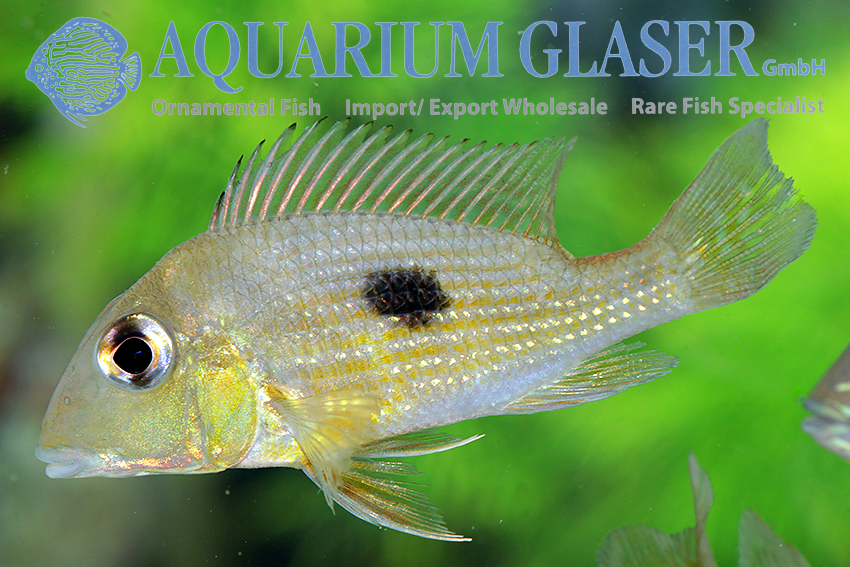
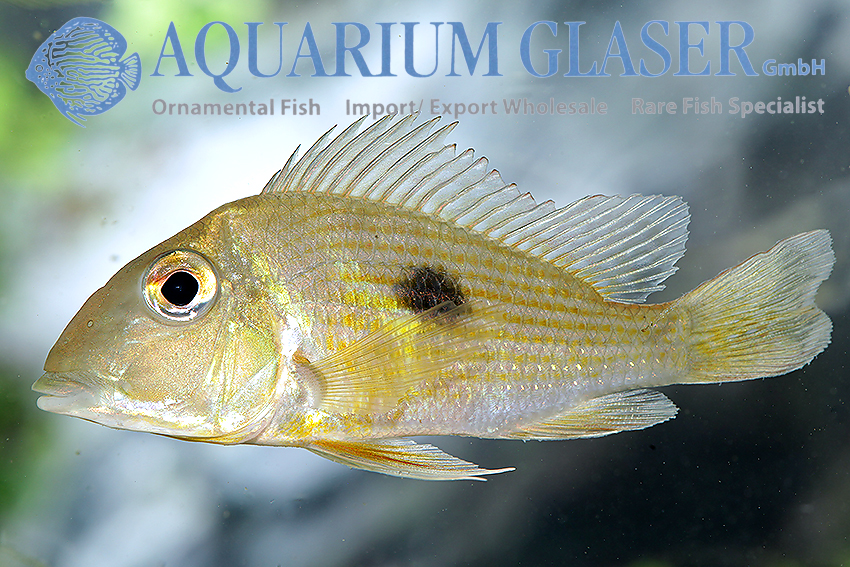
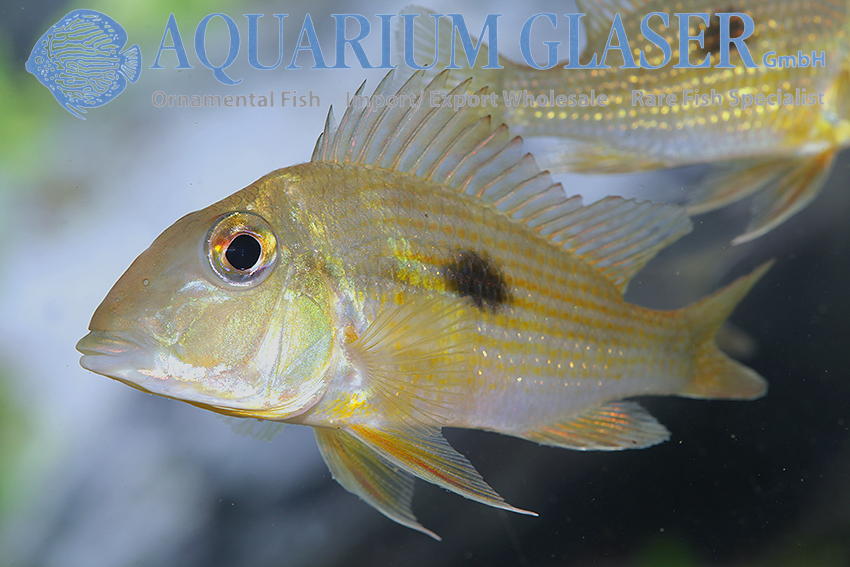
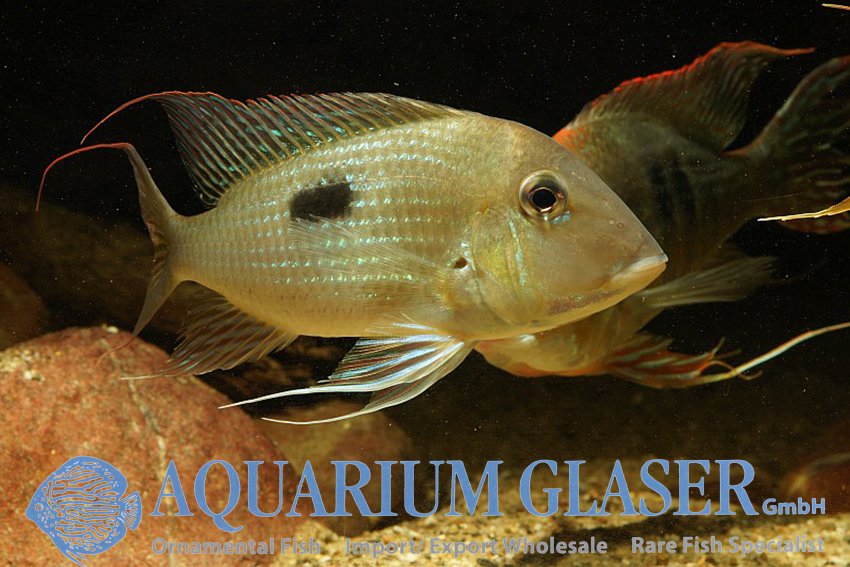
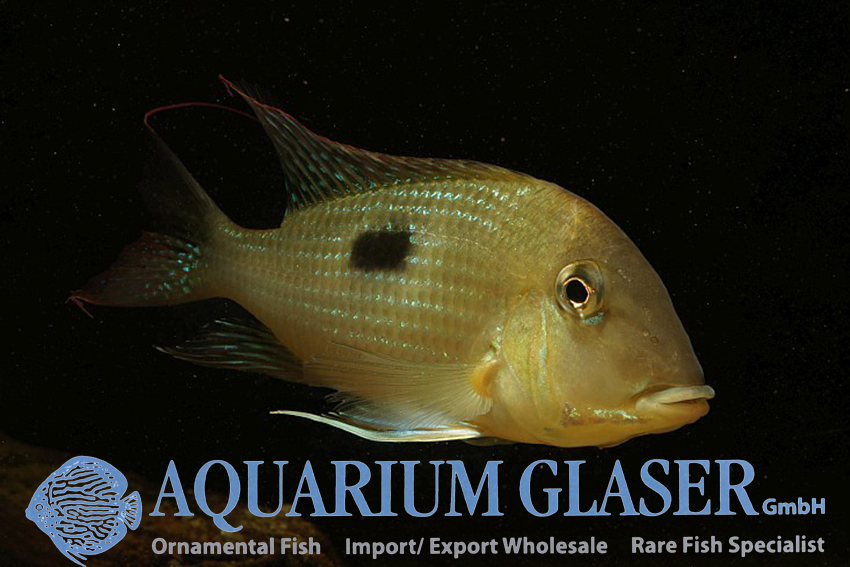
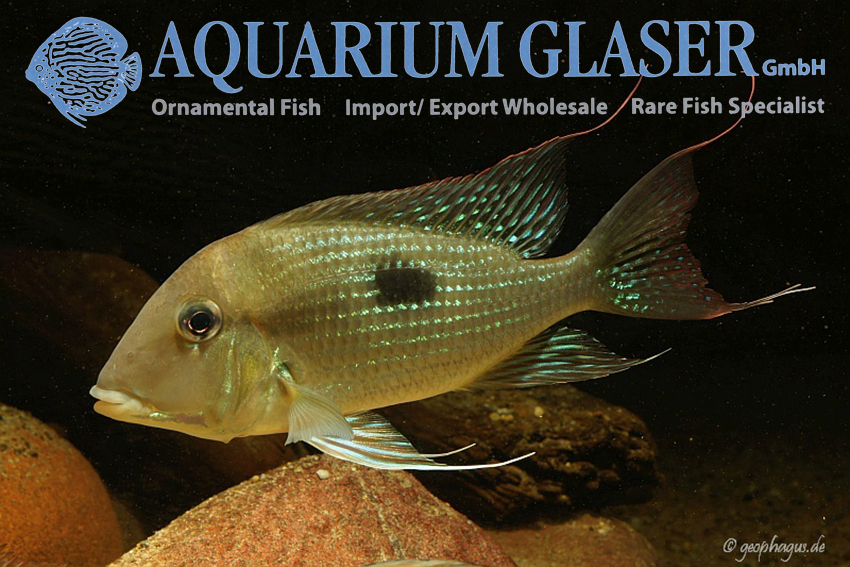
We are therefore delighted to be able to offer at least two of the coveted Oyapock fish species from Brazilian Amapá populations (Rio Araguari basin): Retroculus septentrionalis (perhaps more on this later, once the animals have settled in better and their colors have become more attractive) and Geophagus cf. camopiensis.
Geophagus experts, with whom we are in constant correspondence, are fairly certain that this is Geophagus camopiensis, a species that was described as early as 1903 by Pellegrin from the Rio Camopi, a northern tributary of the Rio Oyapock in French Guiana. Collections made by aquarists in French Guiana have made it possible for us to know what this species looks like. A very large flank spot is particularly striking. The Amapá Geophagus that we were able to import were sent under the erroneous identification “Geophagus proximus.” The exporter was apparently misled by the large flank spot of adult animals. G. proximus is known to be the Geophagus species with the largest flank spot of all. In the Amapá population of G. cf. camopiensis, the flank spot is slightly smaller and often (not always!) very rectangular. Since it cannot be completely ruled out that our fish are an extremely similar but different species, we write the species name with cf. (which means “compare with”). We assume that Geophagus cf. camopiensis “Araguari” is identical to G. sp. “Araguari,” which was first imported in 1988.
Incidentally, there is at least one other Geopagus species in Amapá, which we were able to import for the first time in 2013. This was undoubtedly a form from the G. altifrons group with a very small flank spot.
Geophagus cf. camopiensis “Araguari” is a colorful, hardy eartheater. The water temperature should be kept on the higher side (26-28°C, 30-32°C for breeding), but otherwise the fish are highly adaptable. They are openspawners, but the young are incubated in the mouth after hatching. Both parents participate in broodcaring. In technical terms, they are biparental, larvophilic mouthbrooders. The maximum length of these fish is 18-20 cm. In nature, they are often found in groups, similar to other Geophagus species. They are therefore comparatively peaceful large cichlids, although it must always be borne in mind that the behavior of cichlids is strongly influenced by the size and layout of the tank. As with all Geophagus species, a large area with sand for chewing is essential in the long term. A few larger, flat stones should be provided for spawning.
Many thanks to Andreas Jekel for the discussion and the pictures of adult animals!
For our customers: the animals have code 675322 (6-8 cm) and 675323 (8-10 cm) on our stock list. Please note that we only supply wholesale.
Text: Frank Schäfer, photos: Frank Schäfer & Andreas Jekel
