








The genus Gymnogeophagus comprises medium-sized earth-eaters from the southern part of South America. Most species grow to a length of 10-15 cm, some up to 20 cm. Almost all of them are beautiful animals. Of the 20 currently accepted species, only 8 were scientifically described before 2000, which clearly shows that distinguishing between the species is a rather complex matter. Within the genus, two types of reproduction can be distinguished: open brooders and mouthbrooders. The mouthbrooders are so-called larvophilic mouthbrooders, i.e. they spawn in the same way as open brooders on a stone or similar surface, and only the larvae or eggs that are ready to hatch are taken into the mouth after two to several days (the time of egg development depends on the temperature); This is not the place to go into the complex and subtle differences in mouthbrooding behavior among the individual species; we only mention this here because studying these processes makes the care and breeding of Gymnogeophagus so particularly interesting.
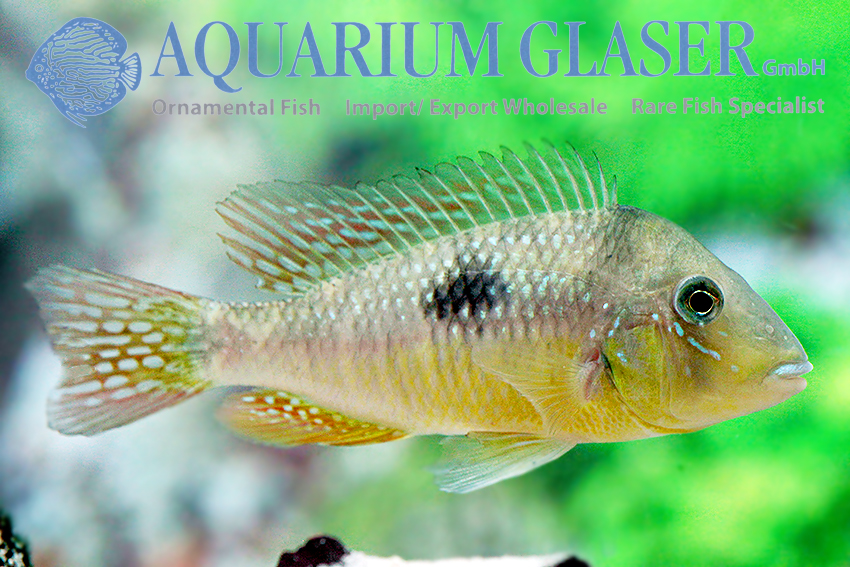
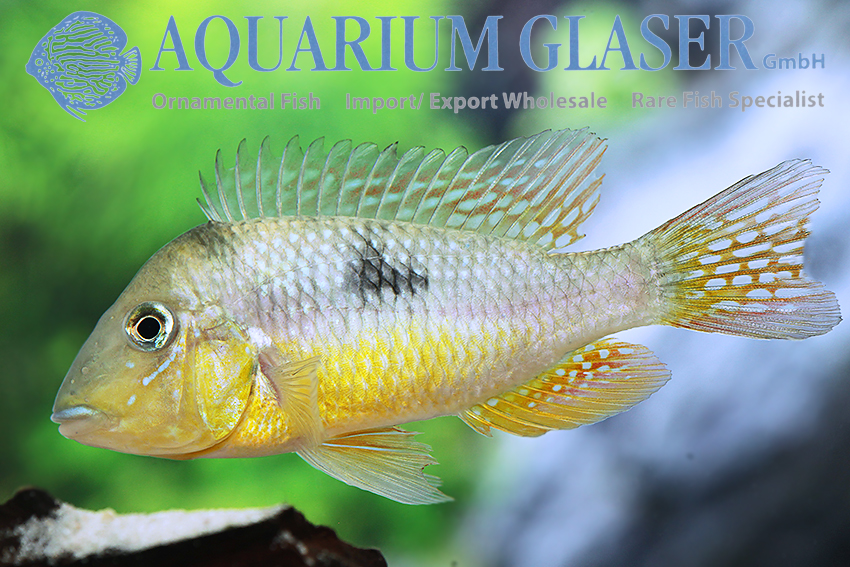
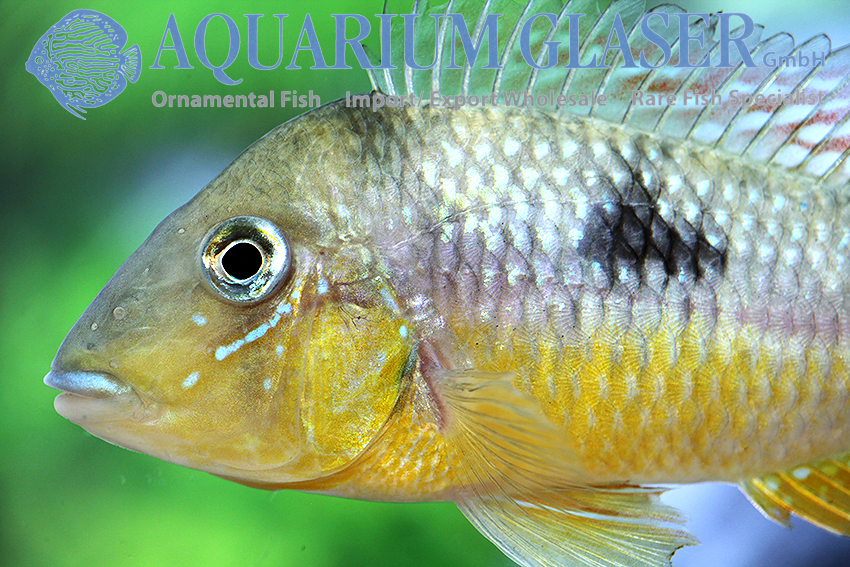
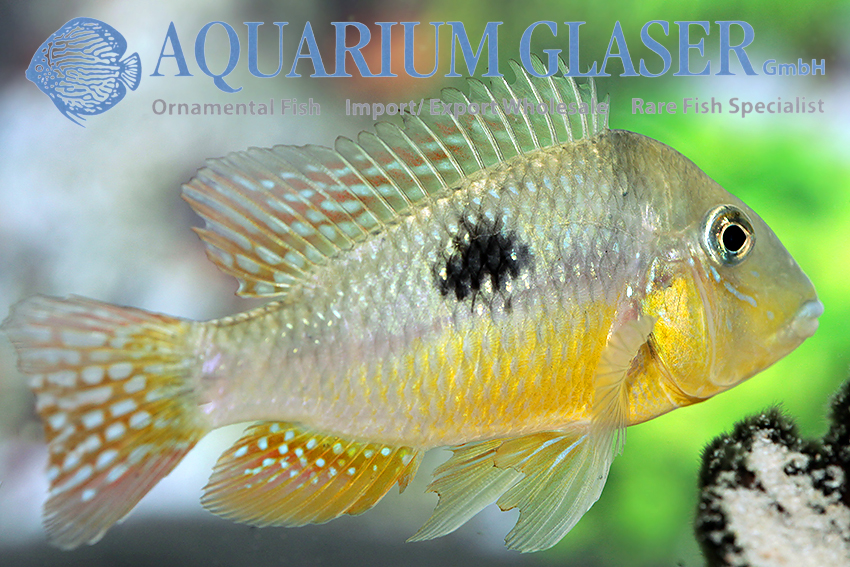
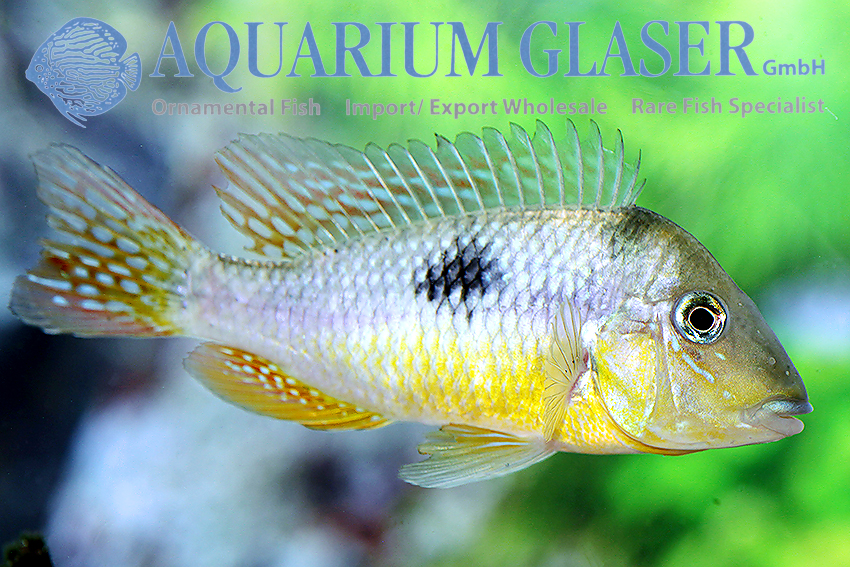
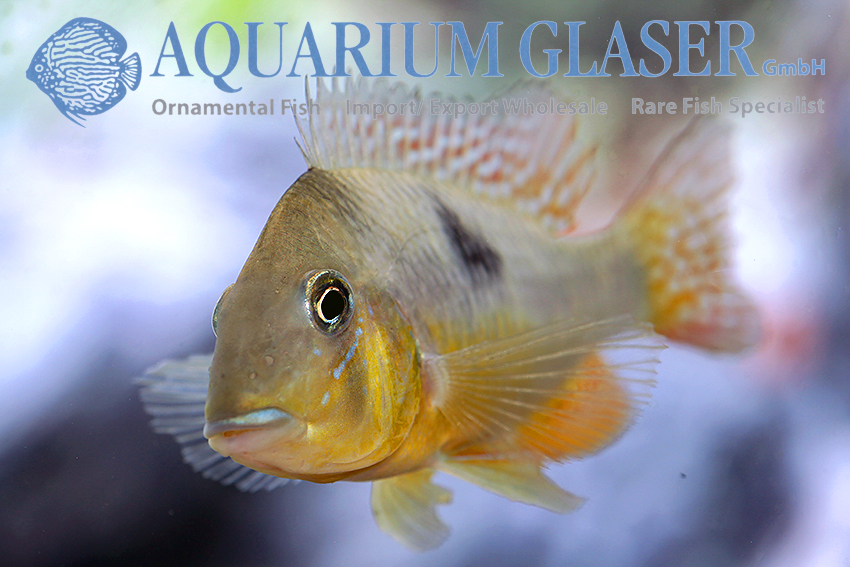
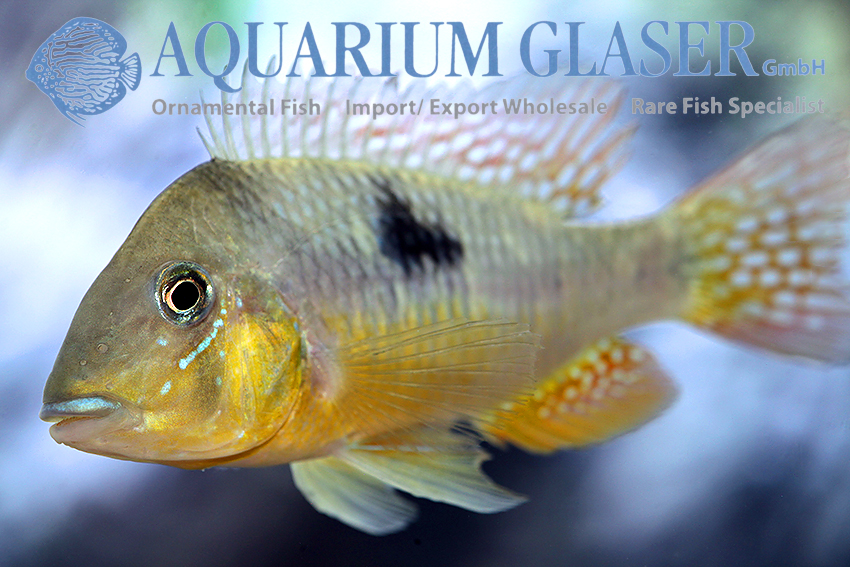
Most Gymnogeophagus species are endemic to individual river systems, meaning they are found exclusively there. Gymnogeophagus constellatus is one of the species that has only recently (2015) been scientifically described. This species is found in the Rio Ijuí and its tributaries in the middle basin of the Rio Uruguay. This is located in the eastern part of the state of Rio Grande do Sul, Brazil. It has also been found in Argentina at the same geographical latitude in the Chimiray-Miní and Itacaruaré rivers. The animals we import come from Argentina, but we do not have any more detailed information. This species, which grows to around 15 cm (standard length without tail fin) in the wild, belongs to the mouthbrooding group. A characteristic feature of this species is its relatively large lateral spot.
In aquariums, Gymnogeophagus are desirable and sometimes sought-after pets, but they are not easy to keep, because as subtropical fish, they cannot be kept and bred all year round in a tropical aquarium with more or less constant conditions – at least not in the long term. These animals need seasonal rhythms, just like in nature. Those who do not take this into account usually lose their stock very quickly (after a few years) after initial breeding successes that were easy to achieve. It should also be noted that Gymnogeophagus species have generally proven to be sensitive to high nitrate levels. Levels as low as 90 mg/l can cause physical damage to young fish, and from 110 mg/l even adult specimens can become susceptible to disease. Otherwise, the water values are irrelevant; any drinking water is suitable for care and breeding. The water temperature can drop below 14°C during the cool season, and reproductive behavior begins at 16°C. The males can be very aggressive, which is why larger aquariums are needed; harem keeping is recommended (one male for every three or more females). They will eat any standard ornamental fish food of a suitable size.
For our customers: the animals have code 678023 on our stock list. Please note that we only supply wholesale customers.
Text & photos: Frank Schäfer
