








From the species-rich genus Harttia—currently divided into 28 species—hardly any ever find their way into our aquariums. The fish are relatively close relatives of the popular royal farlowellas (Sturisoma and Sturisomatichthys) and resemble them in many behaviors, but are considerably more demanding. Harttia need very clean, oxygen-rich, and warm water to thrive; in addition, fine food, such as the fish’s natural diet (algae and the microorganisms living in it), should make up the majority of their diet. Even minor care mistakes can be fatal for such fish. It is obvious that even catching and transporting them poses particular challenges. On the other hand, healthy animals have even been bred in aquariums.
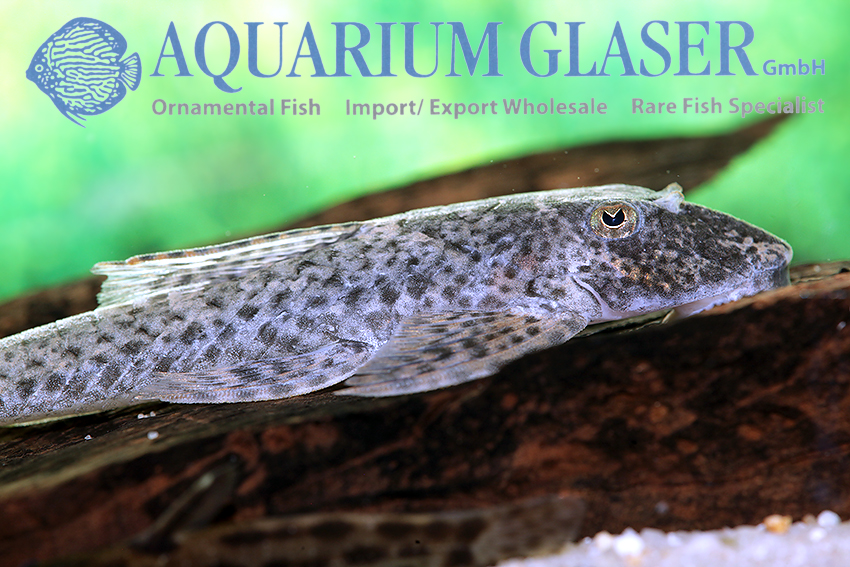
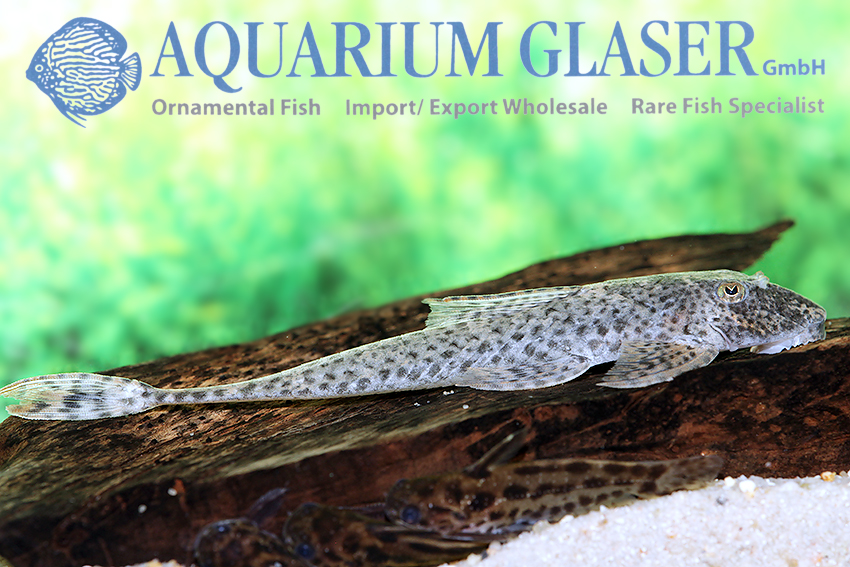
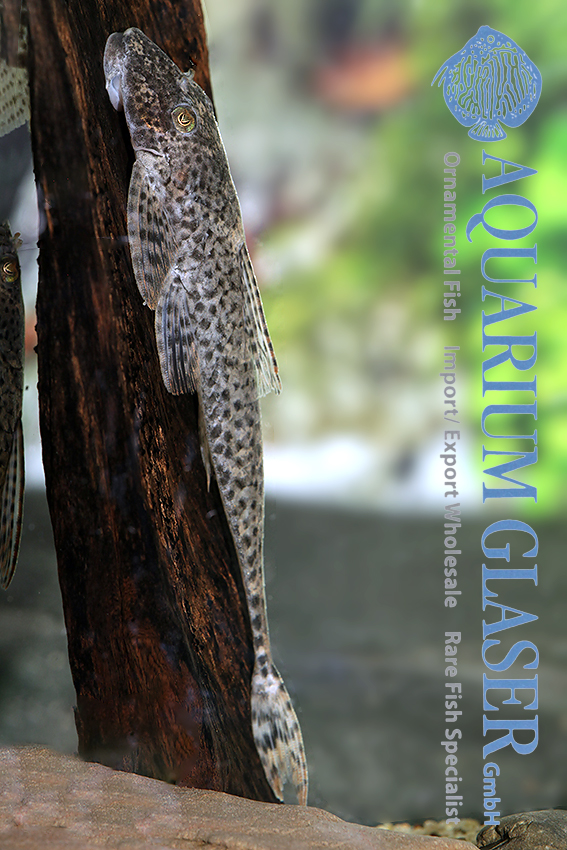
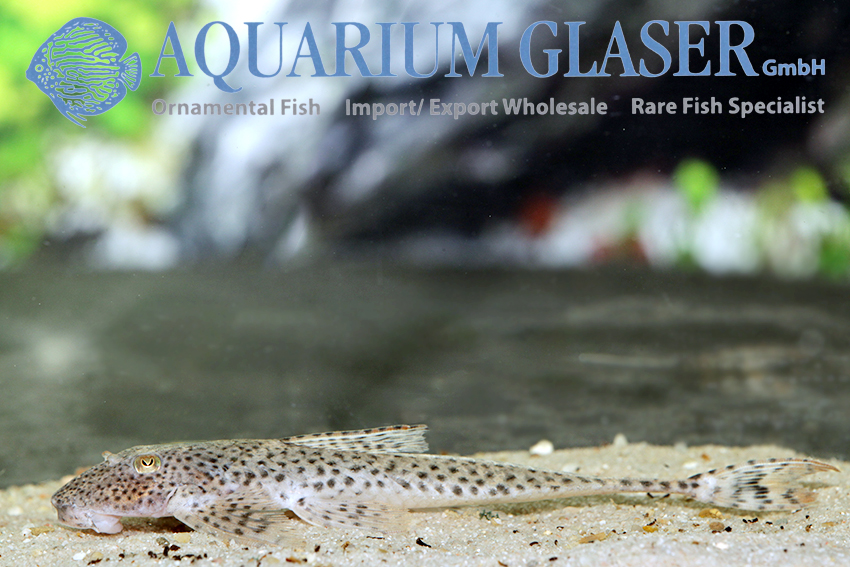
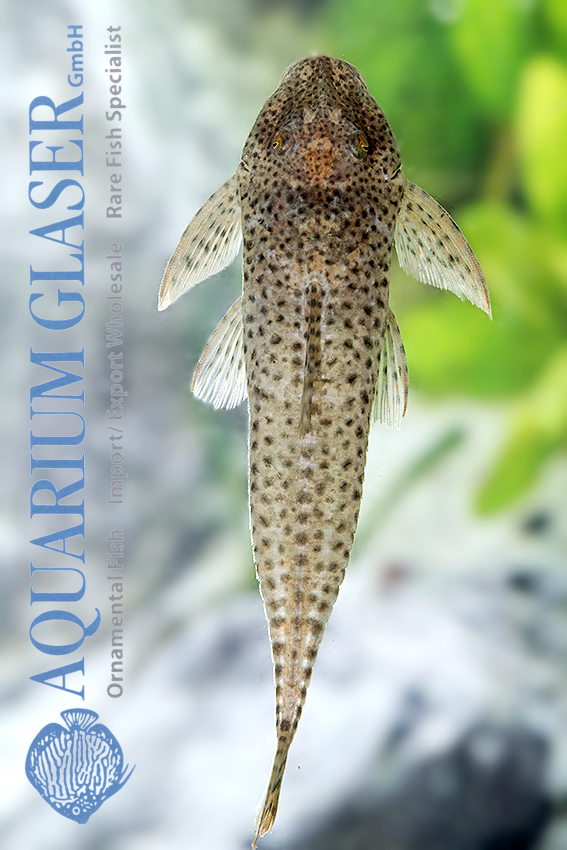
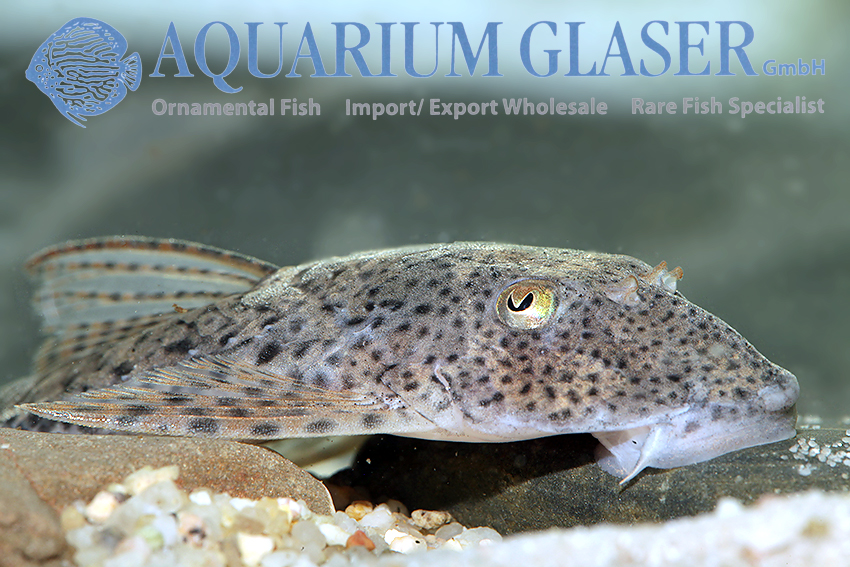
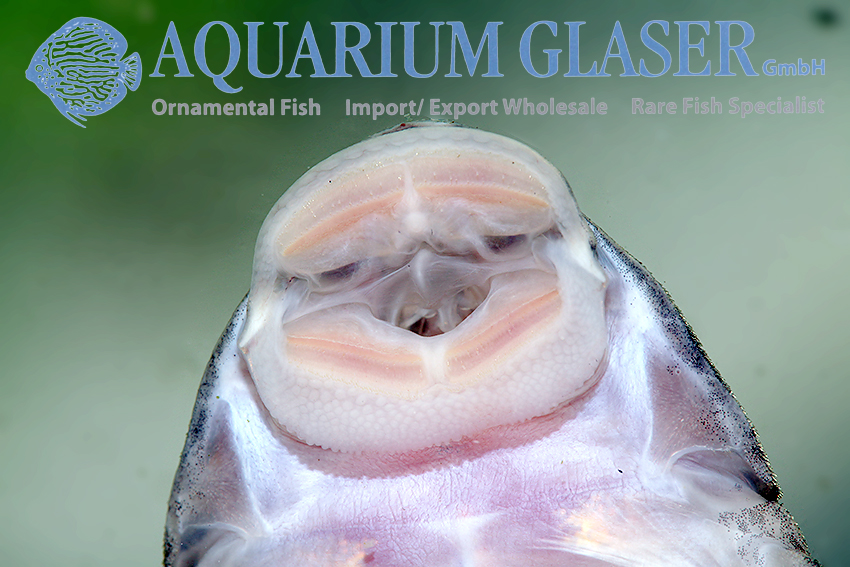
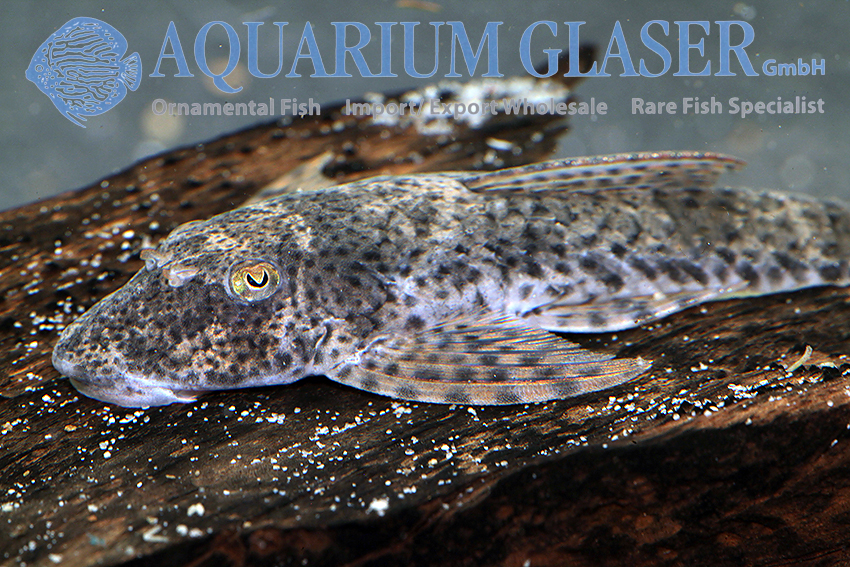
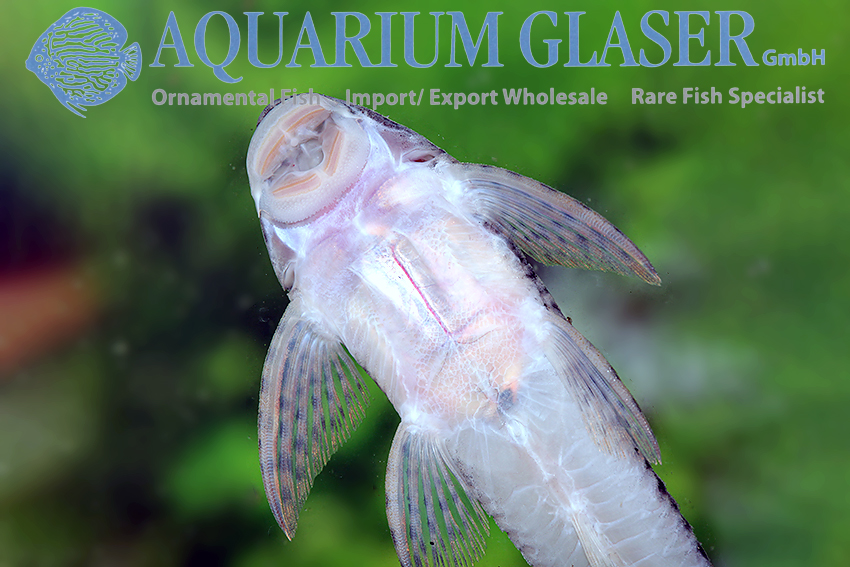
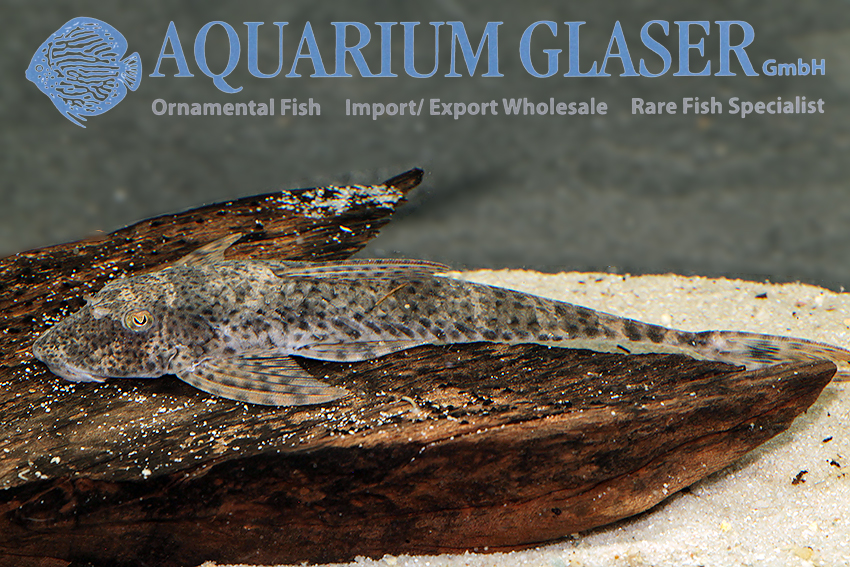
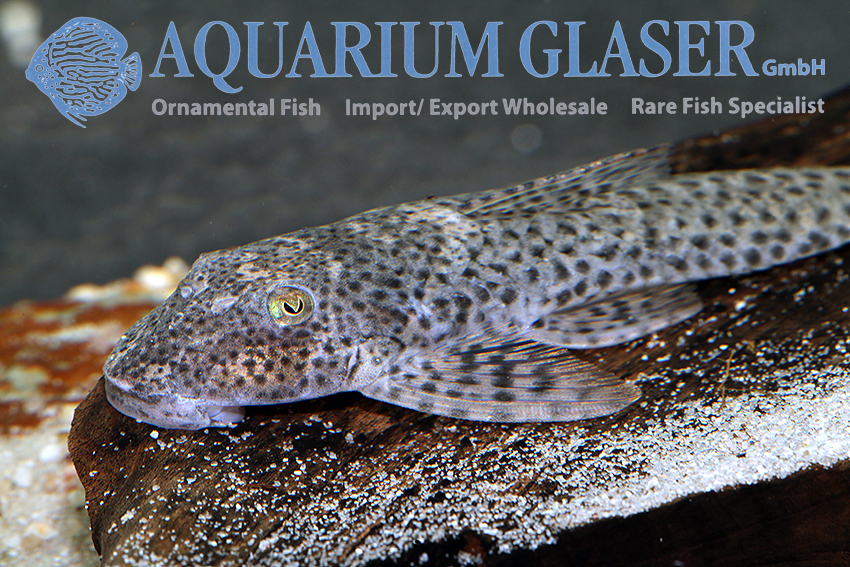
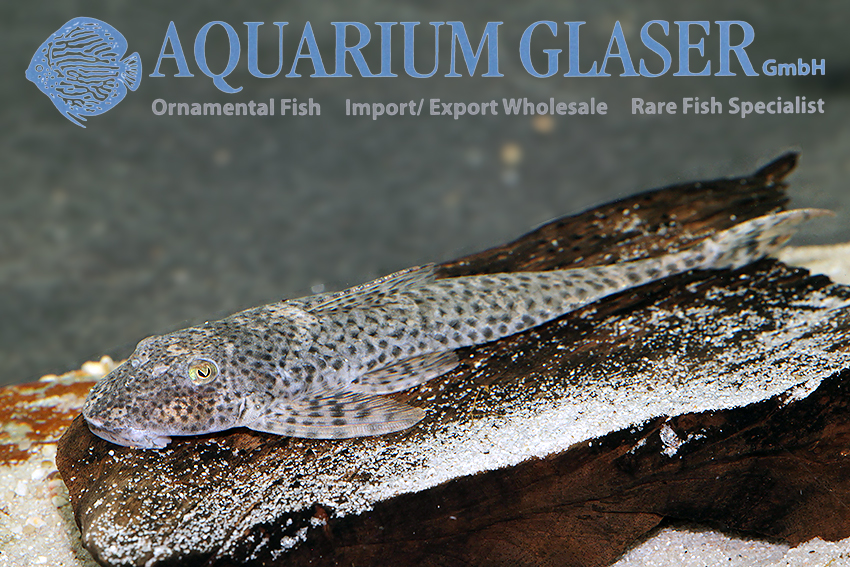
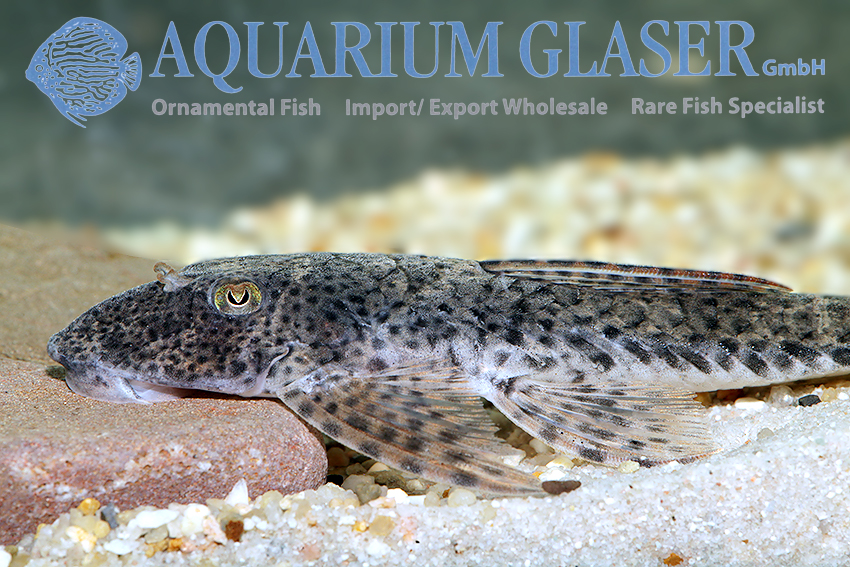
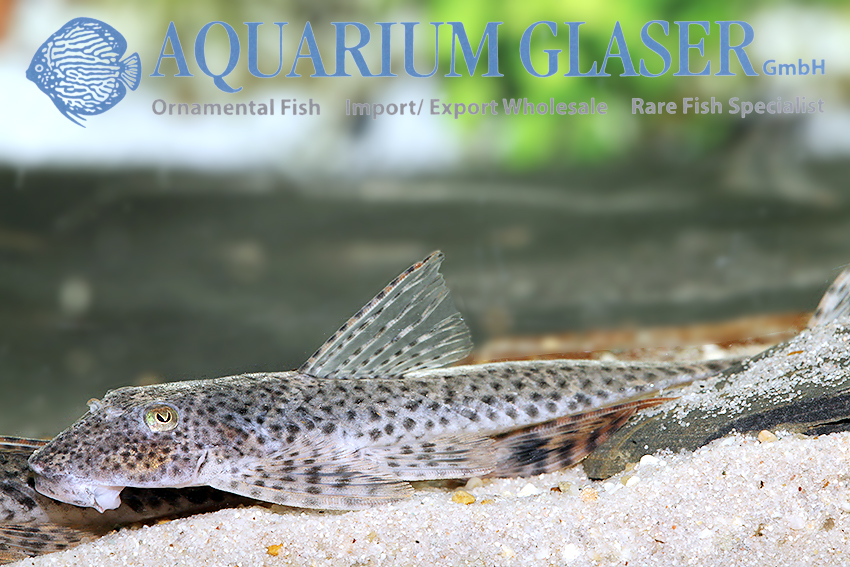
Harttia punctata is one of two species found together in the Rio Tocantins in Brazil. The most important difference between the two species – the other being H. duriventris – lies in the shields on the abdomen. In H. duriventris, the entire belly is covered with bone plates, while in H. punctata, large parts of the belly are bare. Overall, however, it has been found that the pattern on the belly is quite variable within the species. H. punctata and H. duriventris hardly differ in color, but H. punctata has more numerous, more contrasting spots. In two randomly selected animals from our current import, the abdominal shields correspond to H. punctata. Since all the fish are very similar in color, we think that they all belong to the same species. However, we cannot rule out the possibility that some H. duriventris may be hiding among them.
Just like Sturisoma and Sturisomatichthys, Harttia are not cave breeders, but open breeders. The eggs are preferably laid on stones with a strong current flowing over the surface and guarded by the male until they hatch. Sexual differences seem to be limited to the fact that the males have a slightly wider head and a wider, spiked first pectoral fin ray. Rearing is broadly similar to that of royal farlowella.
All in all, Harttia punctata are fish for truly experienced aquarists looking for a challenge.
For our customers: the animals have code 255384 on our stock list. Please note that we only supply wholesale.
Literature:
Seidel, I. (2010): Ingos Harnischwelszucht. Tetra Verlag, Berlin-Velten, 272 pp
Text & photos: Frank Schäfer
