








On the Guiana Shield of South America – a very old geological formation that covers large parts of Venezuela, Guyana, French Guiana, Suriname, and parts of Brazil and Colombia – there is a group of small, closely related species of armored catfish that look so similar that they were sometimes considered synonymous with each other: Hoplisoma bondi, H. coppenamense, and H. sipaliwini.
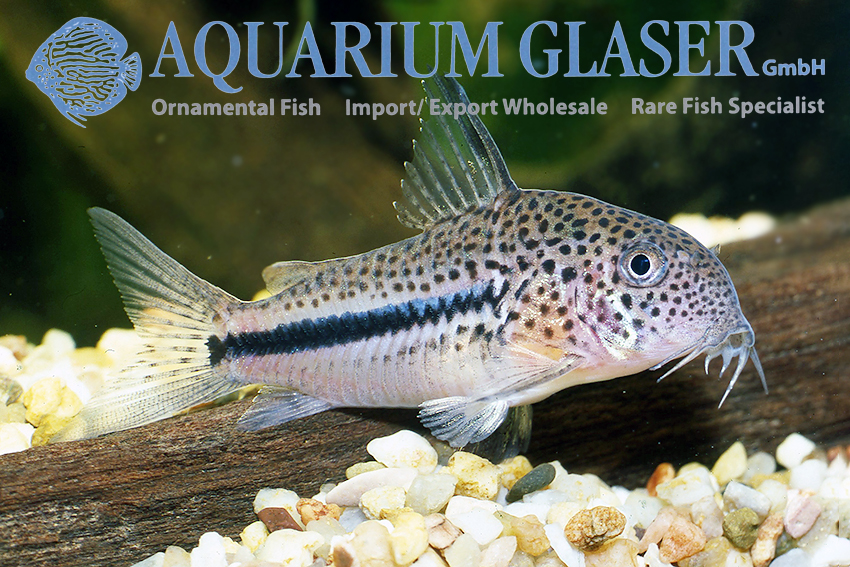
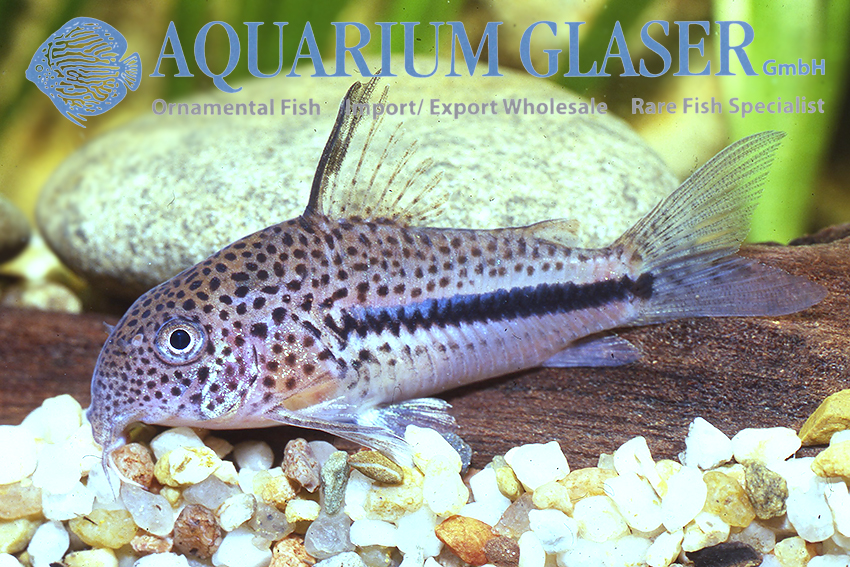
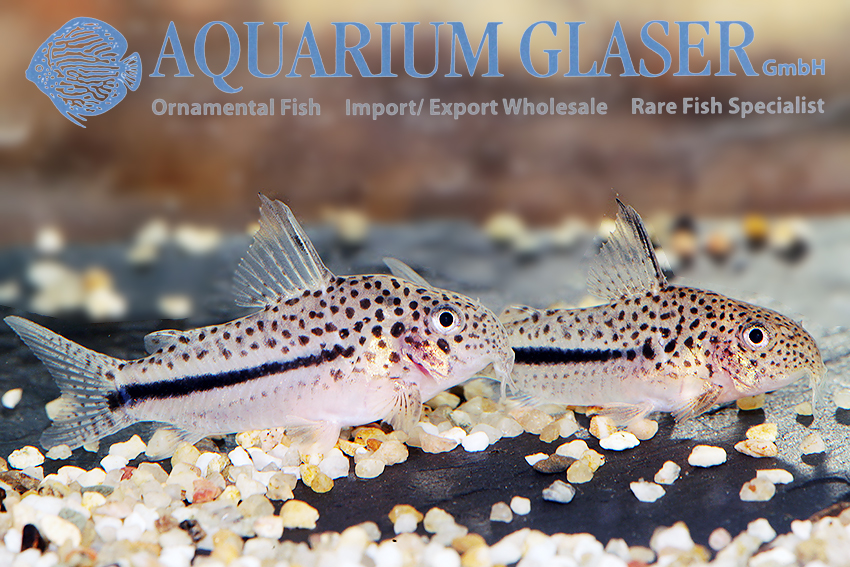


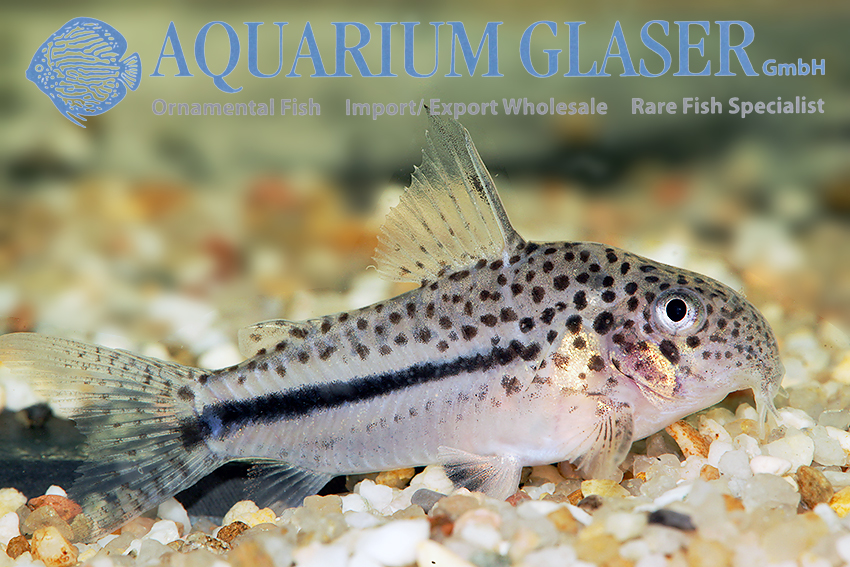
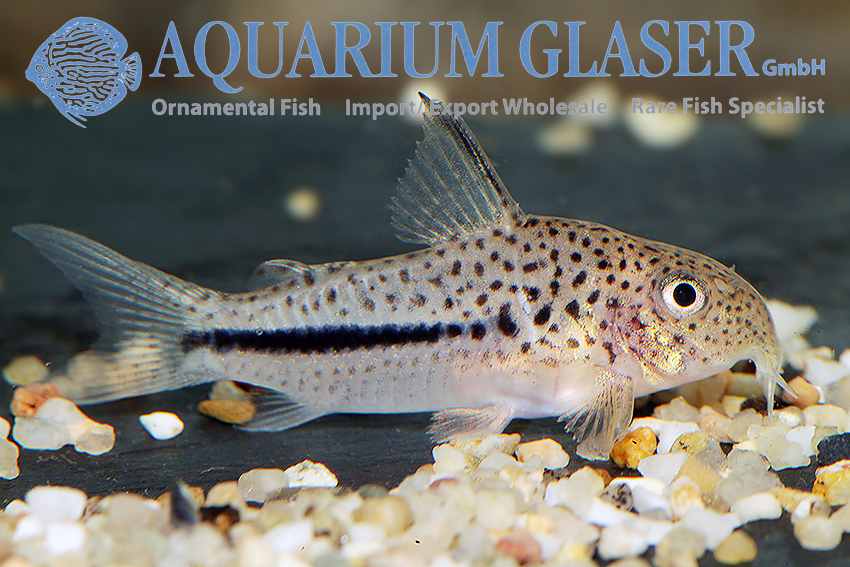
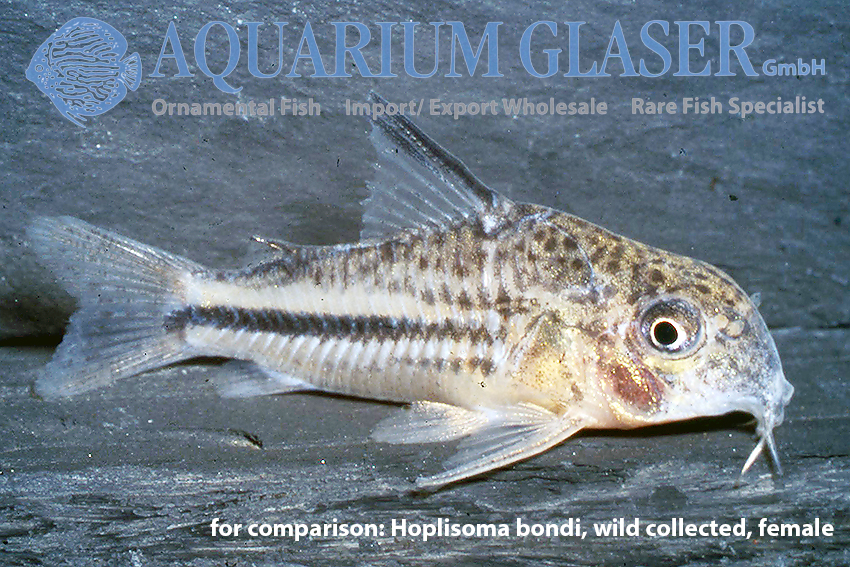
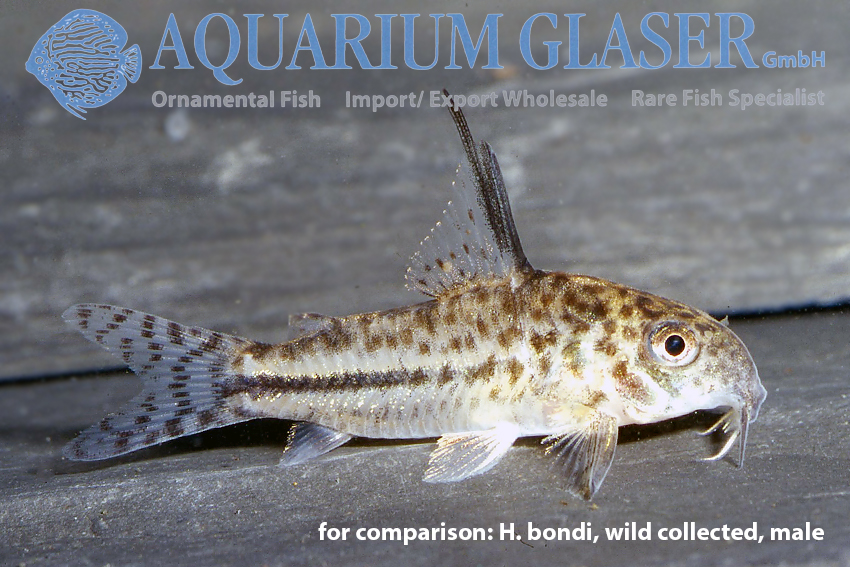
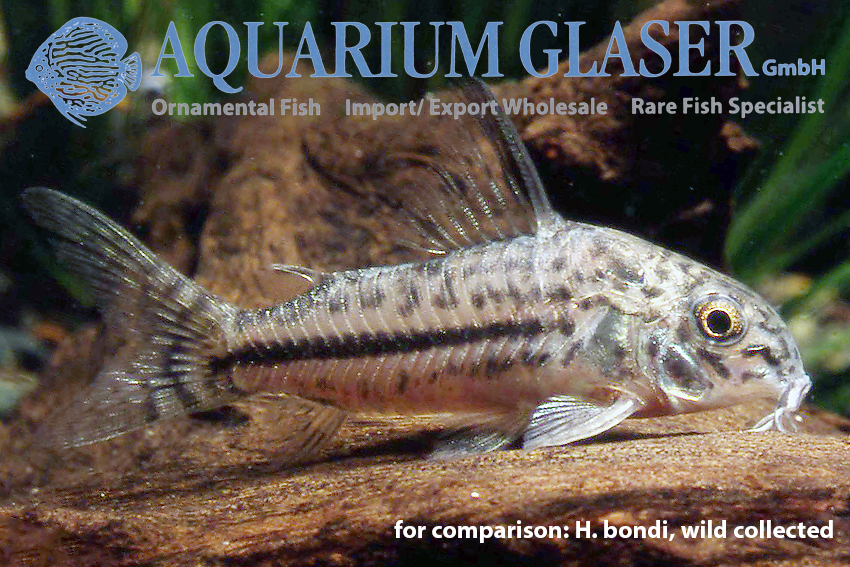
Probably the most attractive of the three is H. coppenamense, which was originally (in 1970) described as a subspecies of H. bondi, which was described from Venezuela. Most ichthyologists today no longer follow the somewhat vague concept of subspecies. They argue that either a fish is clearly recognizable in terms of its identity, in which case it is a species, or it is not, in which case there is no need for a subspecies name. This is a somewhat simplified representation, but it gets to the heart of the matter. After all, as far as we know, there are no hybrids (so-called intergrades) between H. bondi and H. coppenamense in the wild. Therefore, the division into two species is probably justified.
However, there is little difference in color between the two species. The markings of H. coppenamense are clearer and less blurred; the spots on the head are particularly prominent (only indistinct in H. bondi). In addition, H. coppenamense is slightly more elongated and has a rounder head than H. bondi. H. sipaliwini looks very similar to H. coppenamense, but has a dark stripe that runs diagonally forward from the base of the dorsal fin to the gill cover (see https://www.aquariumglaser.de/en/10-catfishes/corydoras-sipaliwini-2/). It is quite important to know the differences, because there have been no commercial exports from the Guyana countries for many years, and even C. bondi from Venezuela was last in stock in 2009. We are therefore dependent on aquarium breeding, and it is essential that these are kept pure.
The care of all three species is simple and typical for armored catfish. These 4.5 to 5 cm long animals have no special requirements in terms of water or nutrition. Breeding is also quite successful, but not particularly productive. Since only hobby breeders are involved in breeding these animals, they will probably remain a top rarity on the ornamental fish market for the foreseeable future.
For our customers: the offspring of H. coppenamense that we currently have available for sale have code 226302 on our stock list. Please note that we only supply wholesale customers.
Text & photos: Frank Schäfer & Erwin Schraml
