








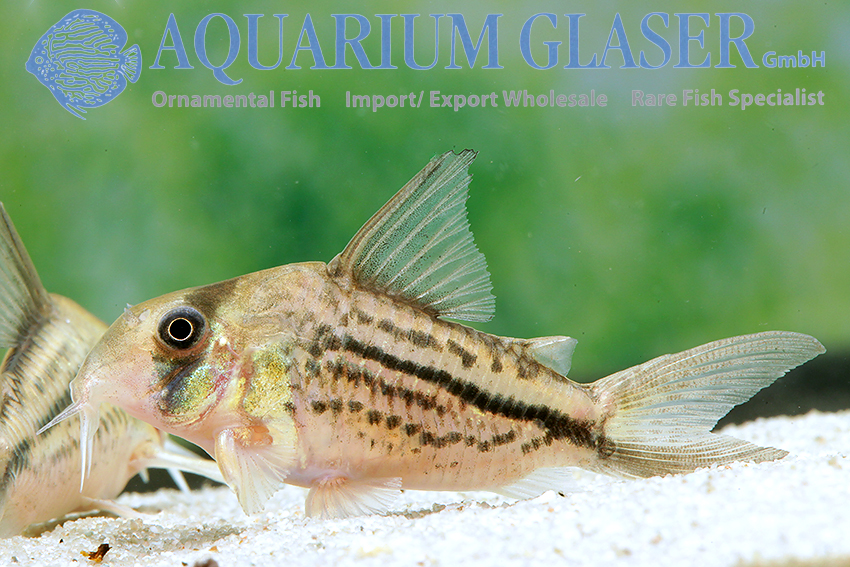
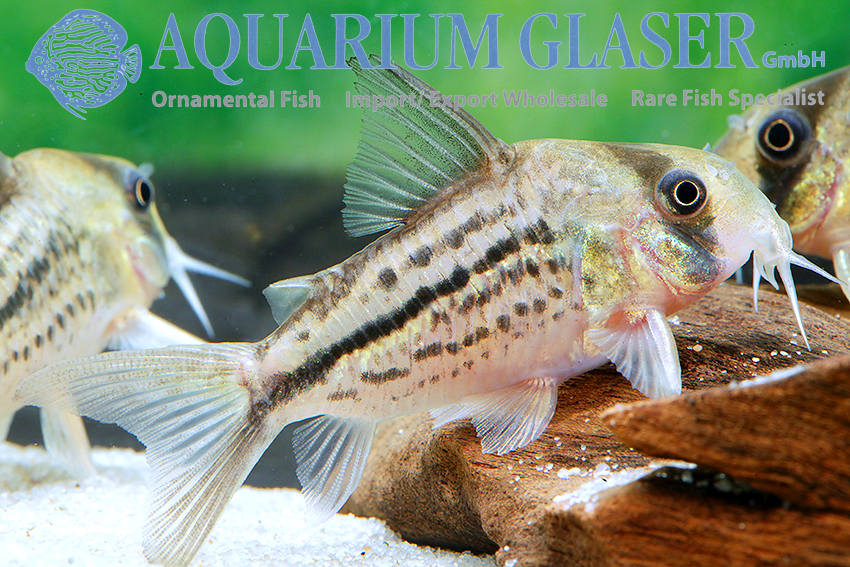
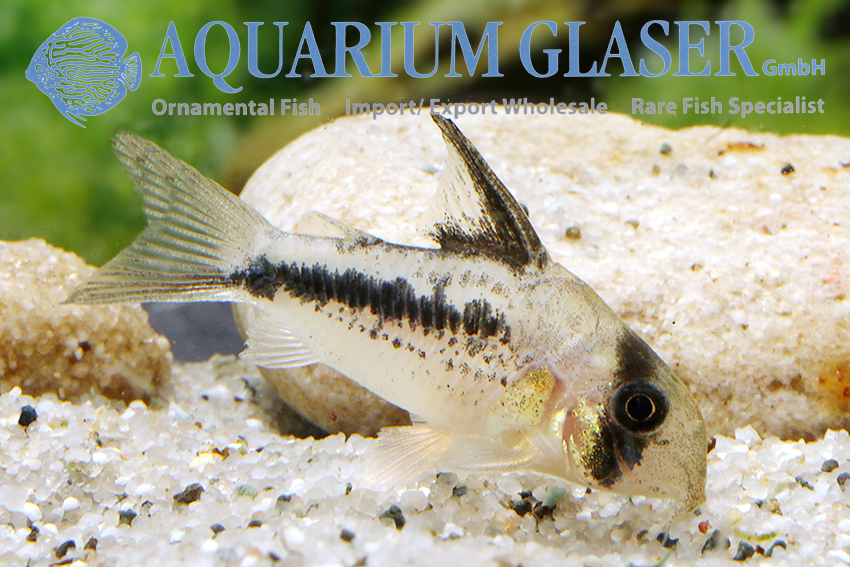
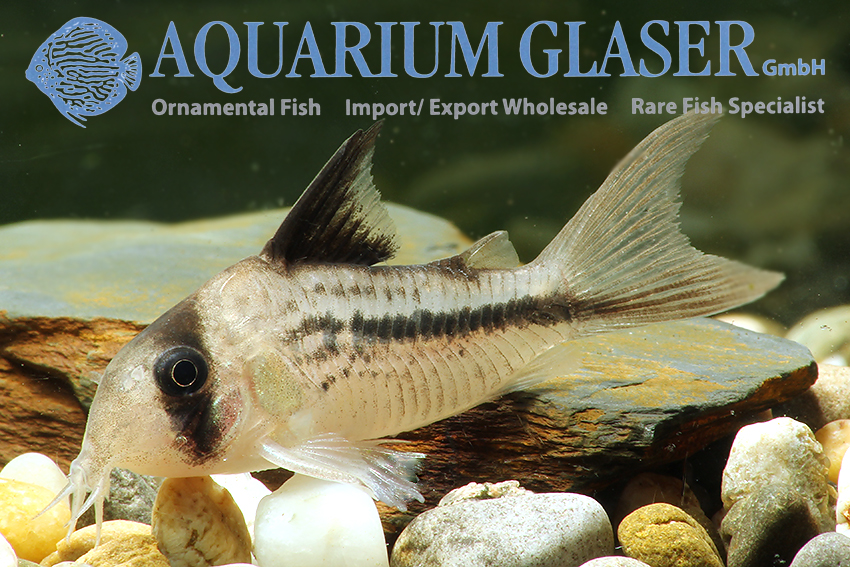
Hoplisoma sp. C3 (previously classified in the collective genus Corydoras) is a very beautiful armored catfish, especially adolescent specimens, because they often develop high dorsal fins at this age. However, this is a temporary phenomenon that can sometimes also be observed in Hoplisoma metae. Only fully adult males of C3 – the animals grow to a length of approximately 5-6 cm – develop such long fins again. H. sp. C3 are imported from Colombia and Venezuela and originate from the Rio Meta basin. They are shipped either as “Corydoras deckeri” or as “C. bondi.” Deliveries of “Corydoras bondi” (which is a different species found only in the Guiana countries) or “Corydoras deckeri” (which is a fantasy name that sounds scientific but is not scientific) are always a surprise. Sometimes they are Hoplisoma axelrodi, sometimes H. loxozonus, and sometimes the scientifically undescribed species C3.
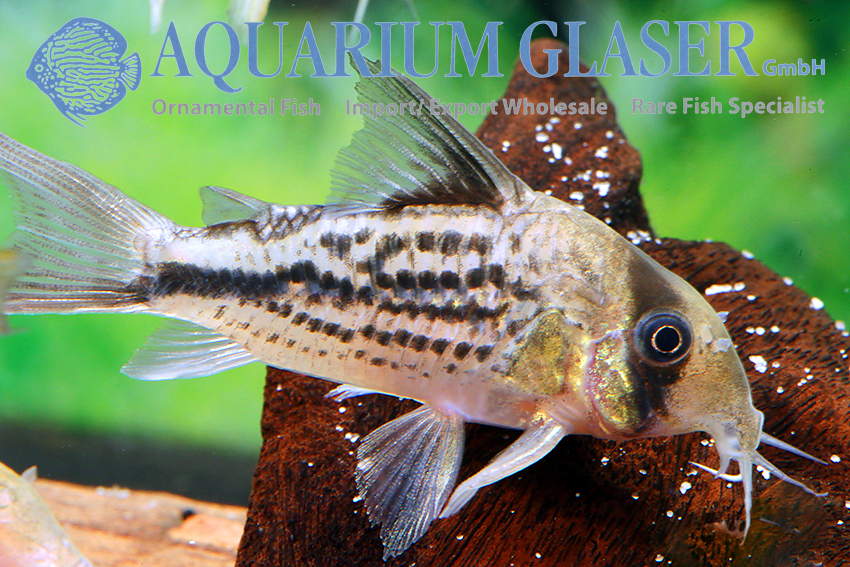
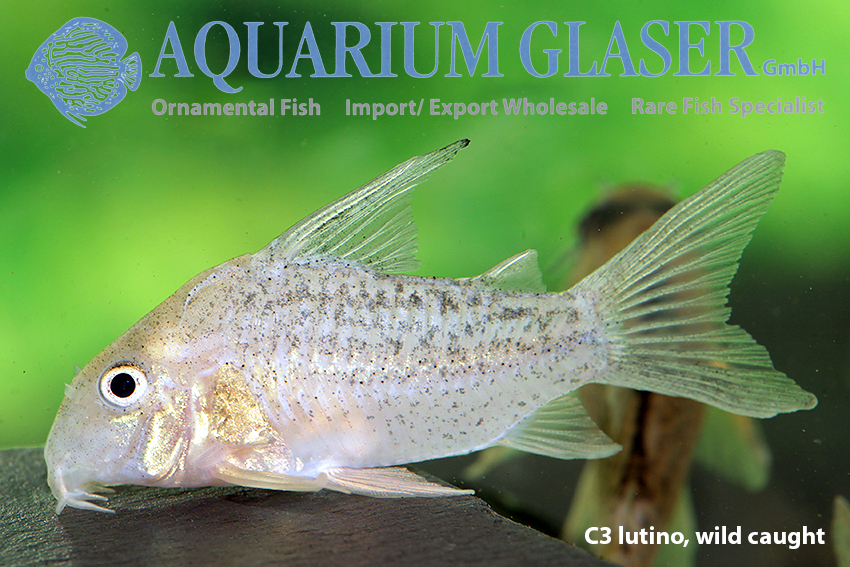
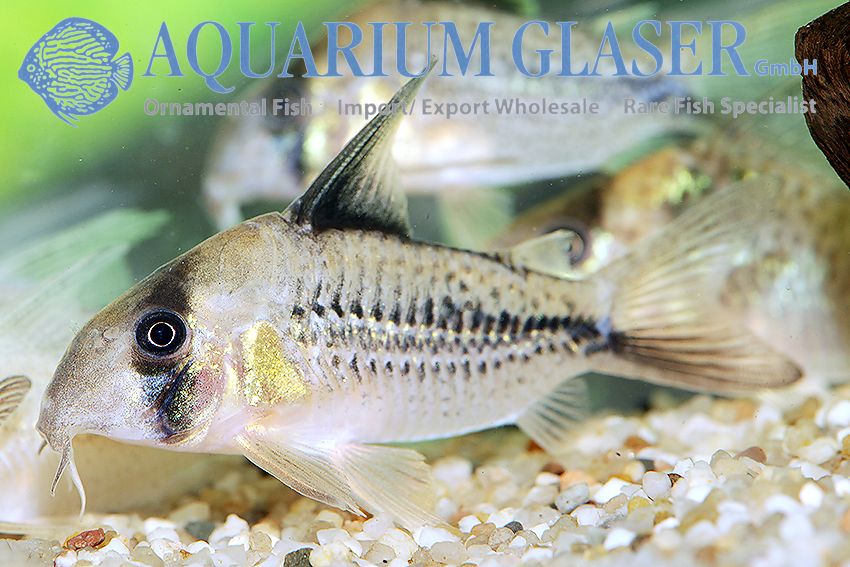
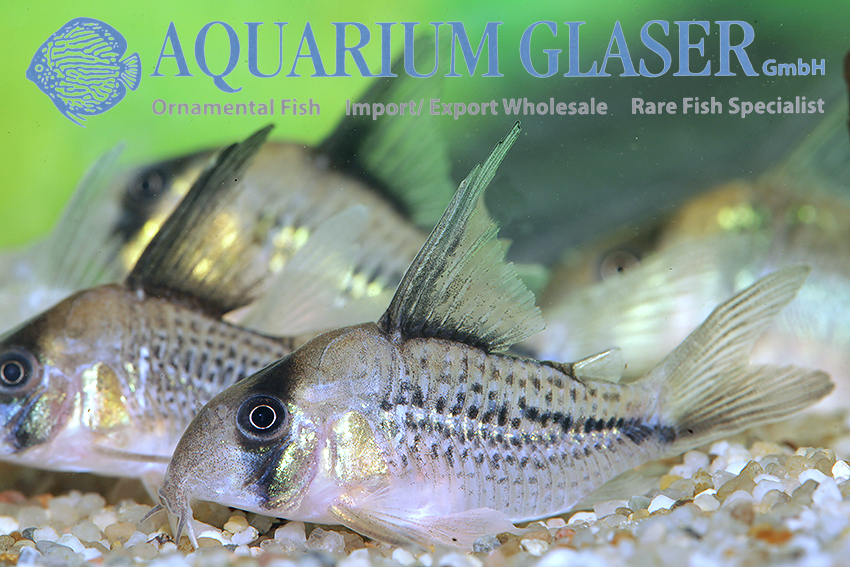
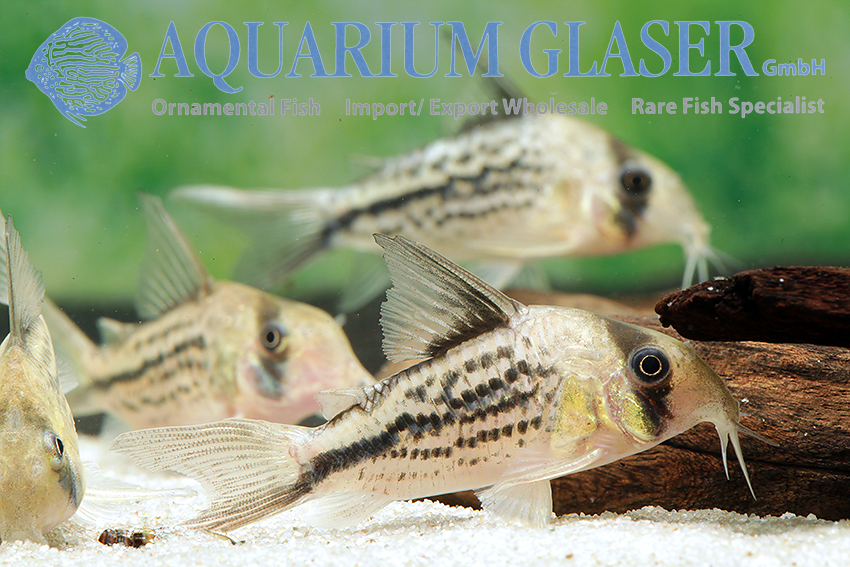
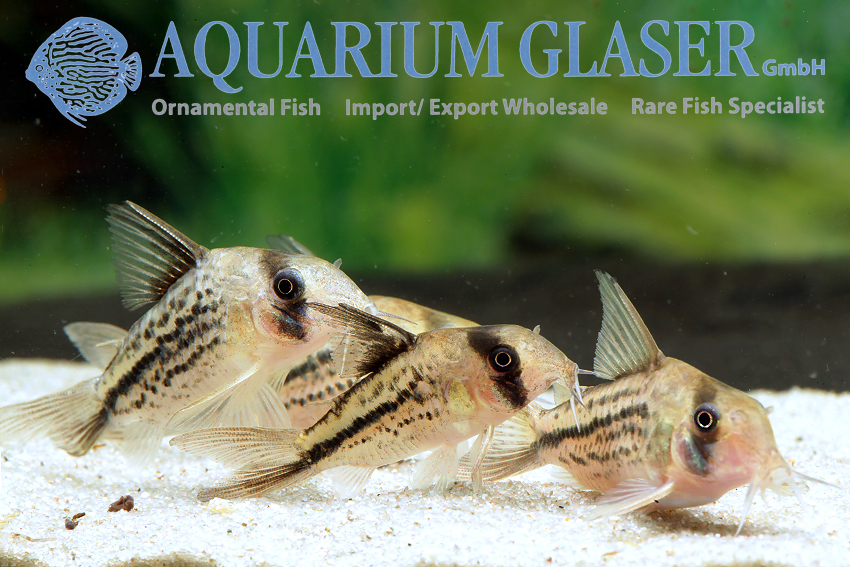
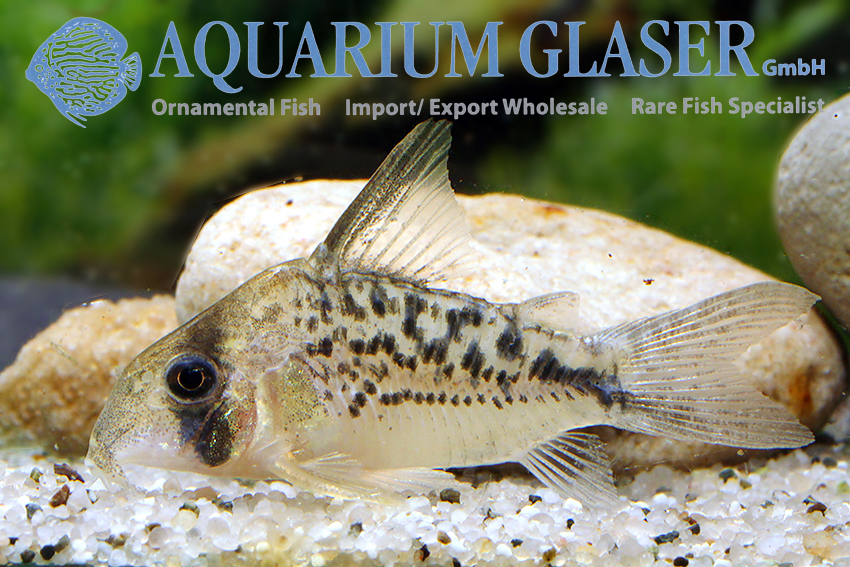
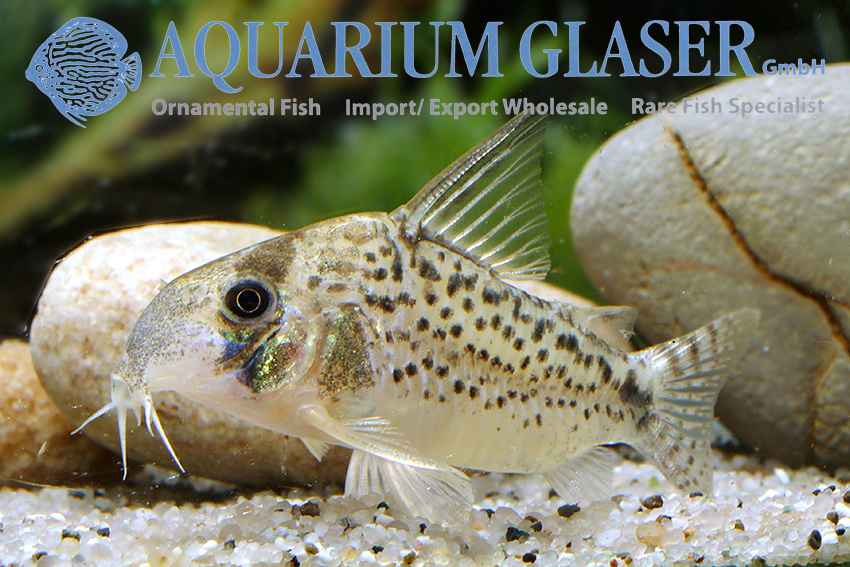
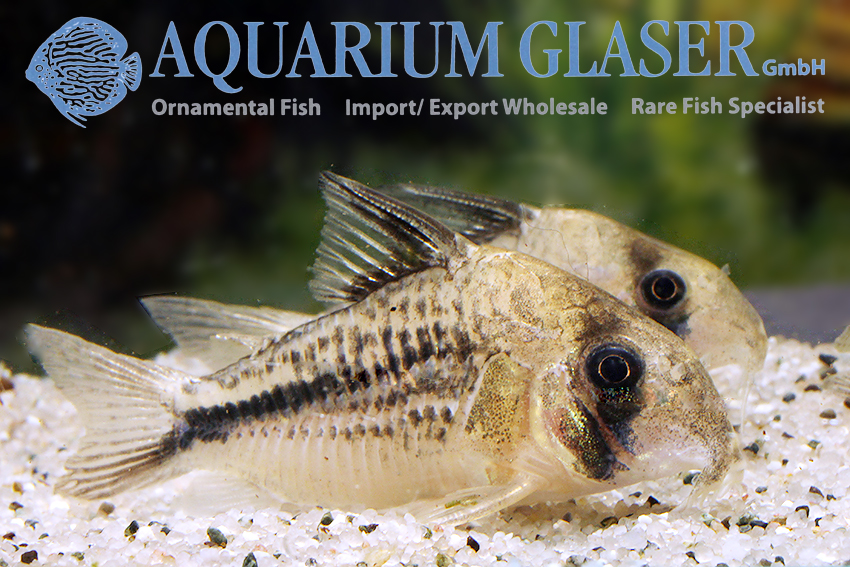
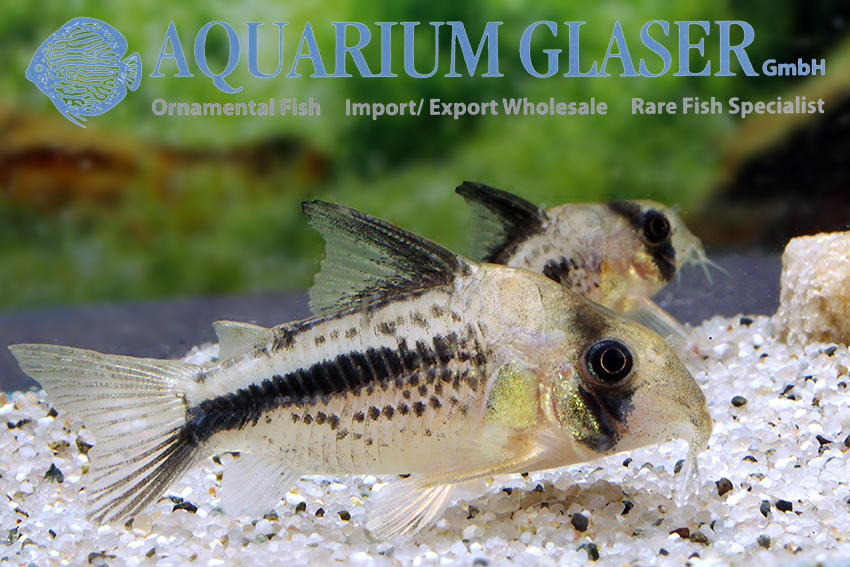
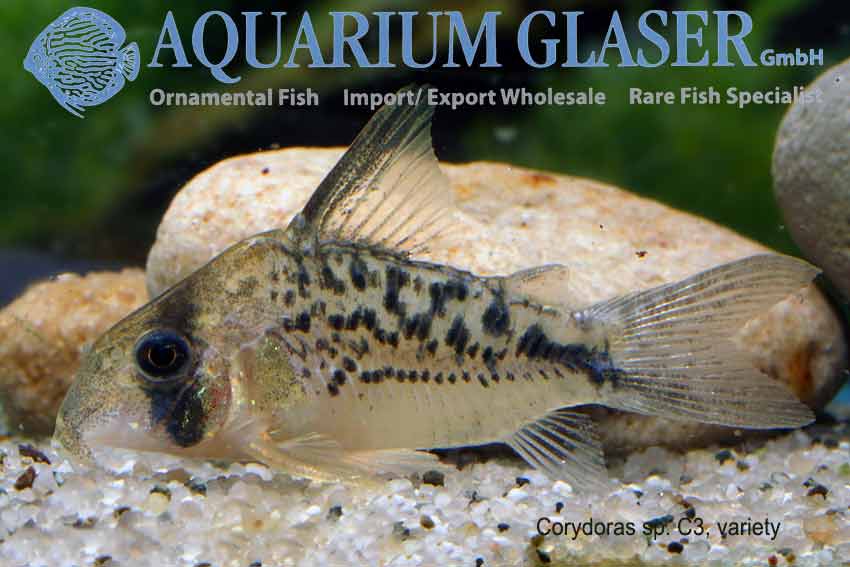
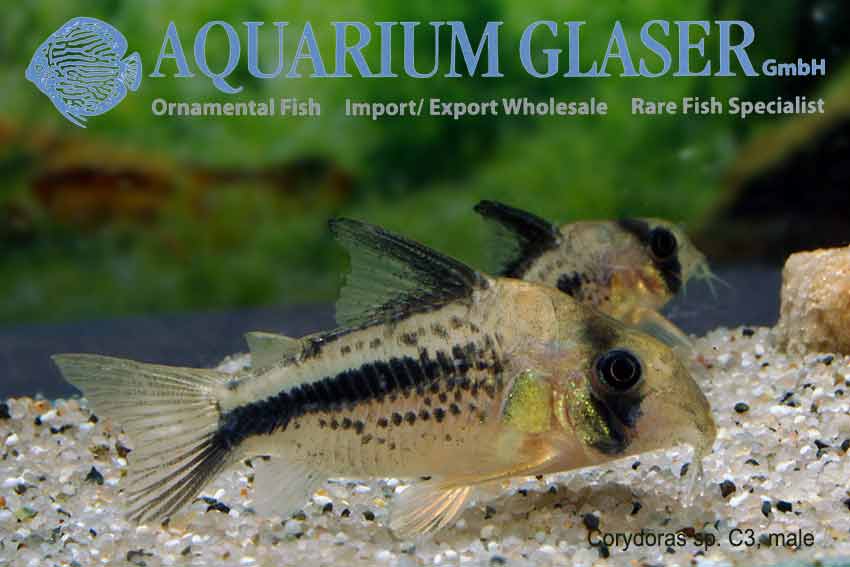
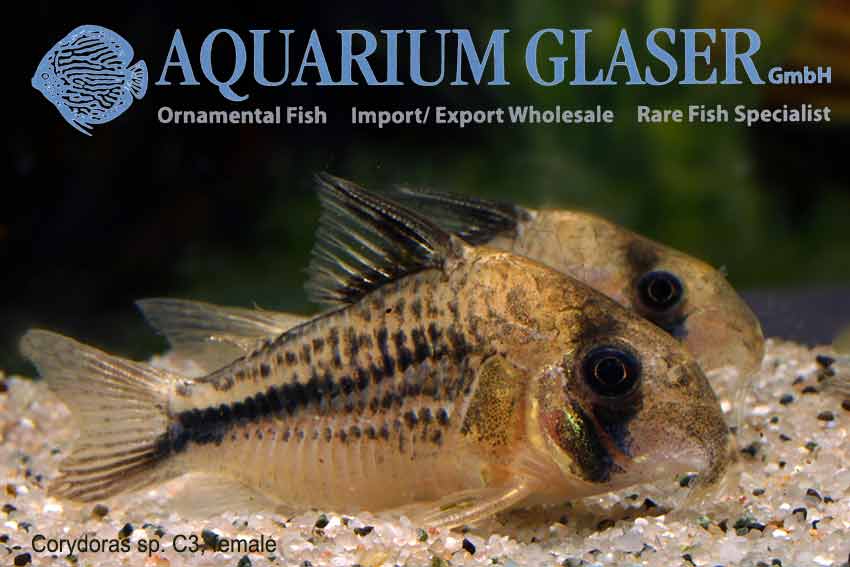
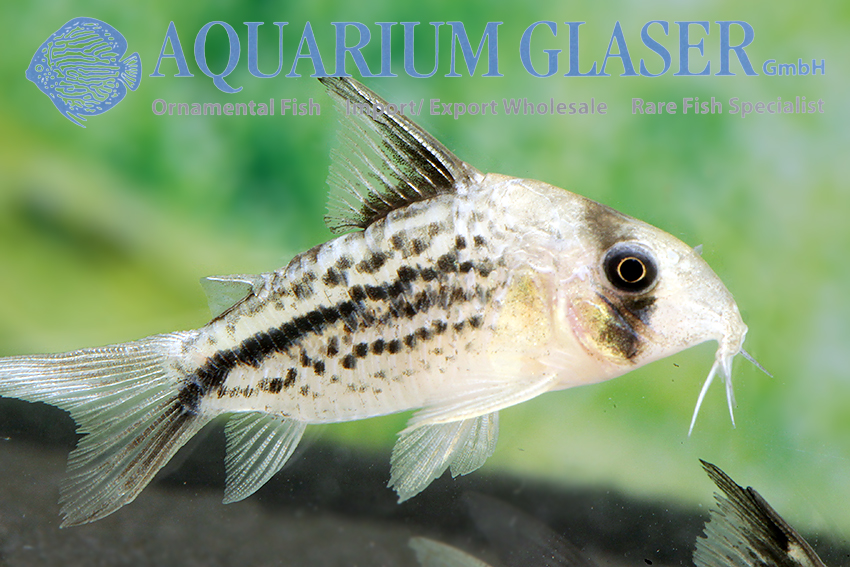
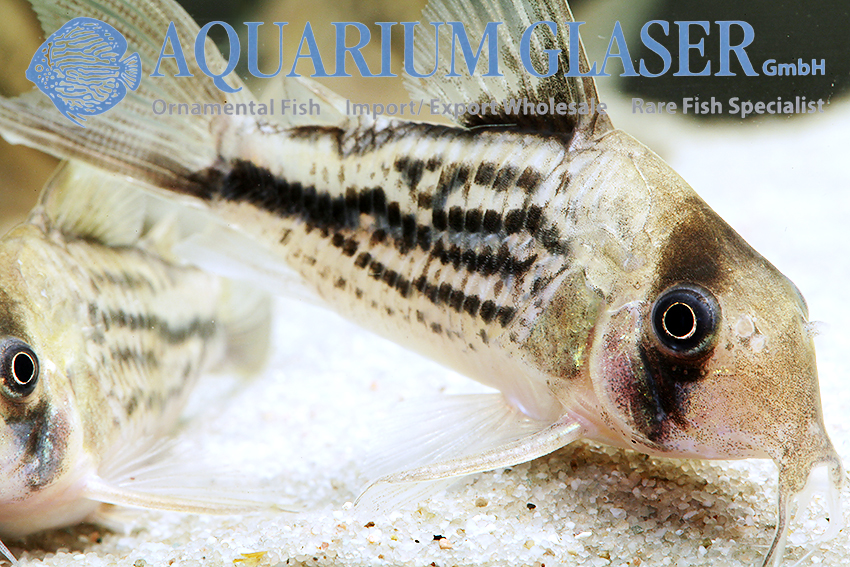
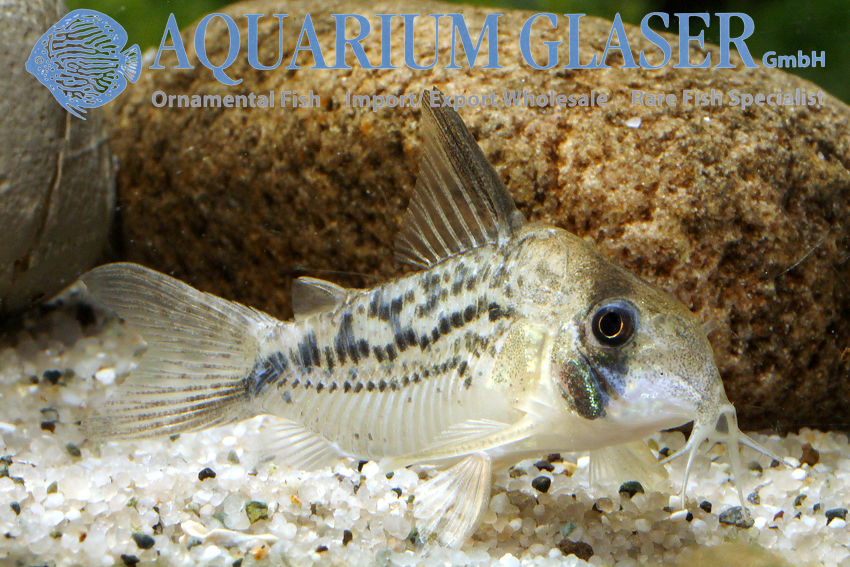
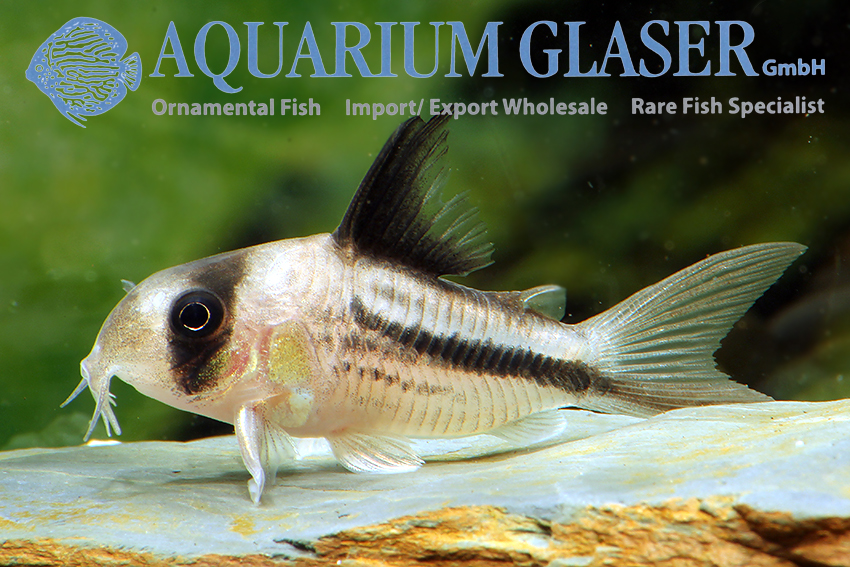
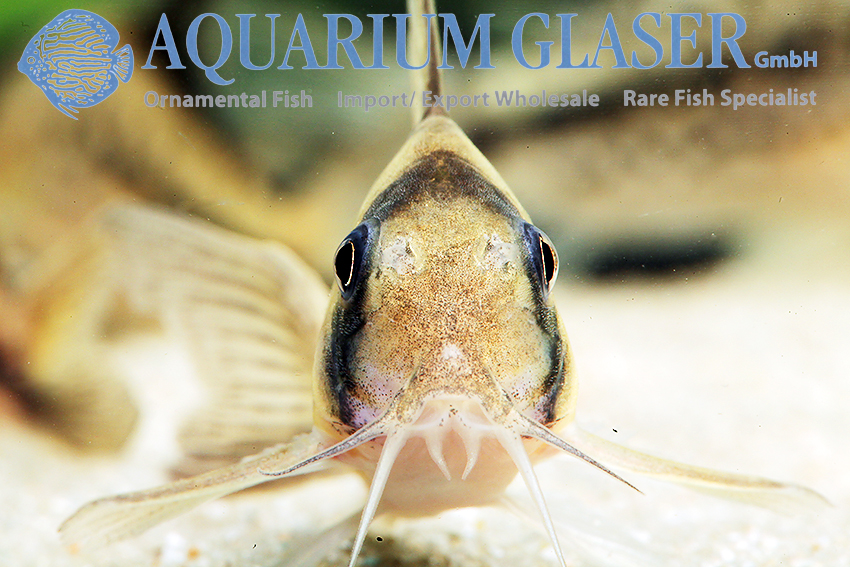
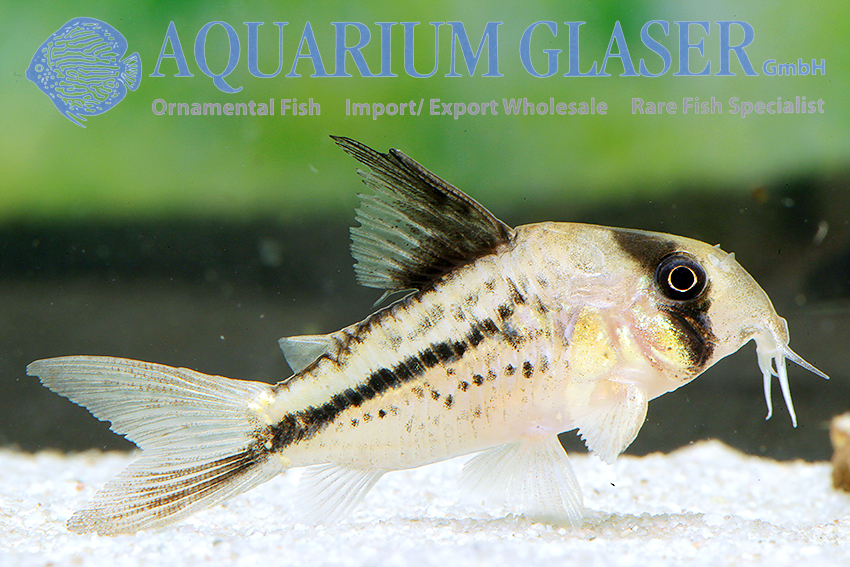
All three species mentioned are very diverse. It therefore seems questionable whether they are actually three different species (apart from the coloration of typical specimens, there are no known differences) or perhaps rather a species swarm of occasionally hybridizing forms that do not quite fit into our concept of “species.”
C3 is typically colored like Hoplisoma loxozonus, but the black horizontal band runs down the middle of the body like in H. axelrodi, not along the back like in H. loxozonus. However, some of the color variants of C3 look so completely different that one might think they were different species, were it not for the fact that all these color variants are connected by intermediate stages. It is quite interesting that usually about 80%–90% of such Hoplisoma imports correspond in color to one of the three main forms mentioned (i.e., H. axelrodi, H. loxozonus, and H. sp. C3), and the rest are variants that differ significantly. What does not occur, or hardly ever occurs, is that the other two species are found among H. axelrodi, for example, or H. axelrodi as bycatch with the other species. This suggests that the three main forms normally occur spatially separated from each other in nature.
Apart from the problematic identification or species delimitation, C3 is an easy-to-care-for armored catfish that has no special requirements and is also easy to breed. When breeding, it is advisable to select the males based on the shape of their pelvic fins (larger and pointed in males, smaller and rounded in females). The long dorsal fin membranes are only present in some animals, not all.
For our customers: depending on their size, the animals have codes 223601 (small) to 223604 (medium-large) on our stock list. Please note that we only supply wholesale customers.
Text & photos: Frank Schäfer
