








According to Ian Fuller (www.corydorasworld.com), Hoplisoma sp. CW219, like Brochis sp. CW220, which has already been presented, originates from lagoons in the upper source regions of the Rio Vaupes near the city of Calamar in Colombia; both species are often exported together as a typical long-snouted/round-snouted species pair.
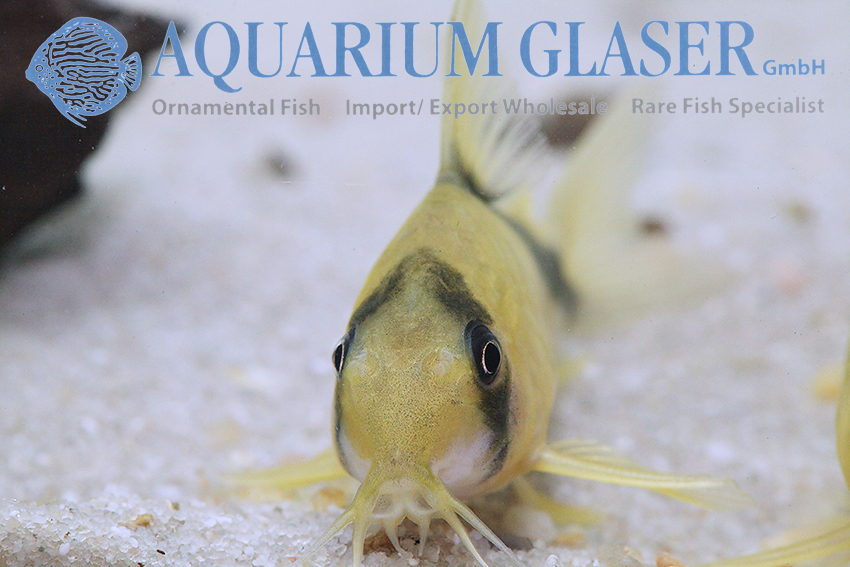
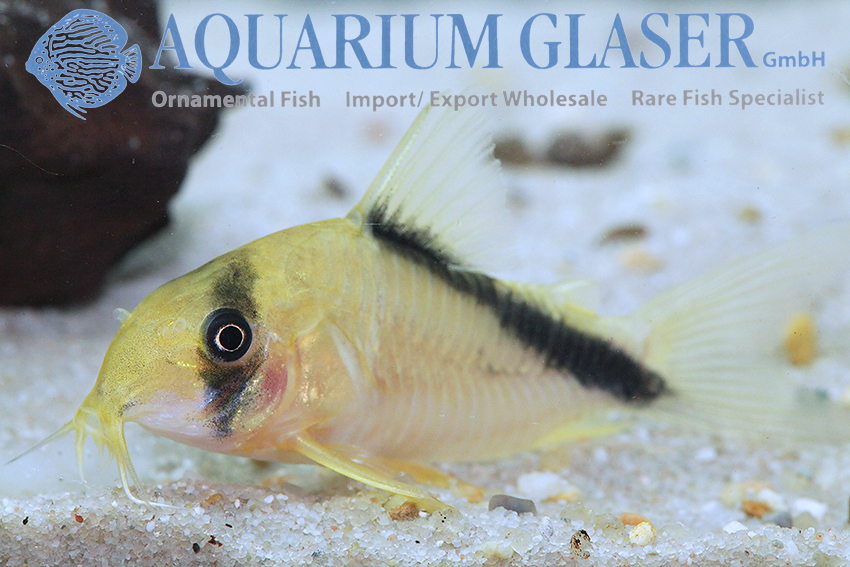
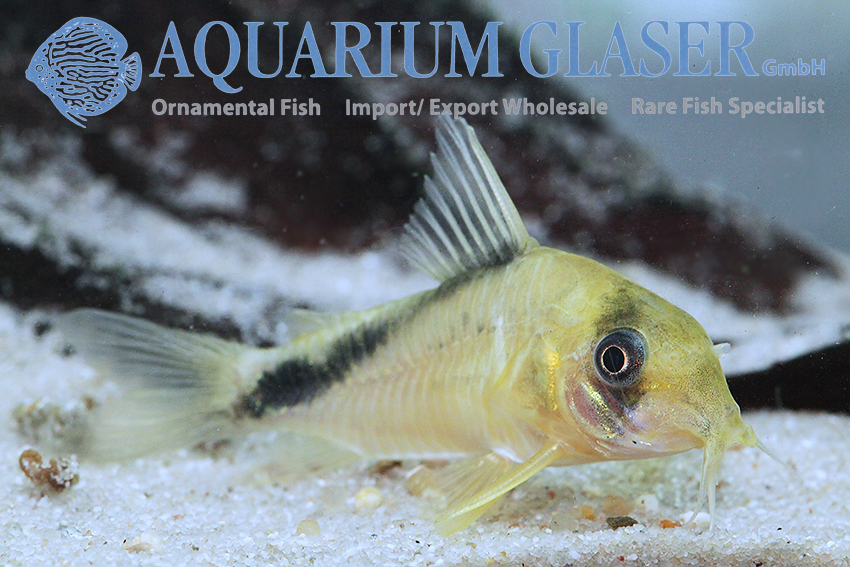
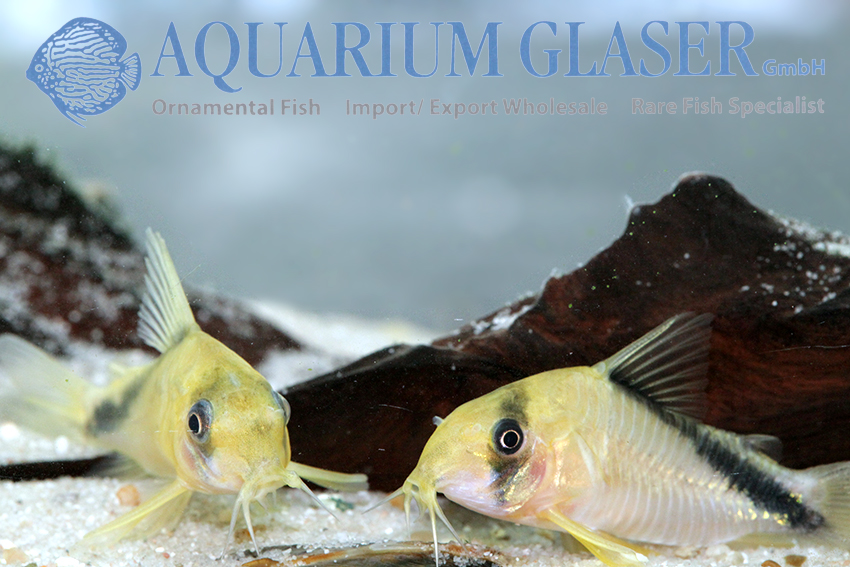
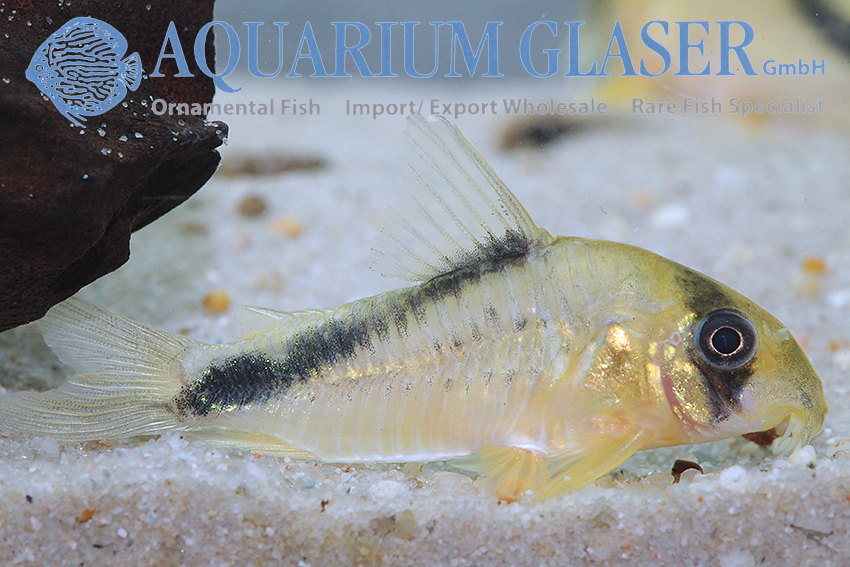
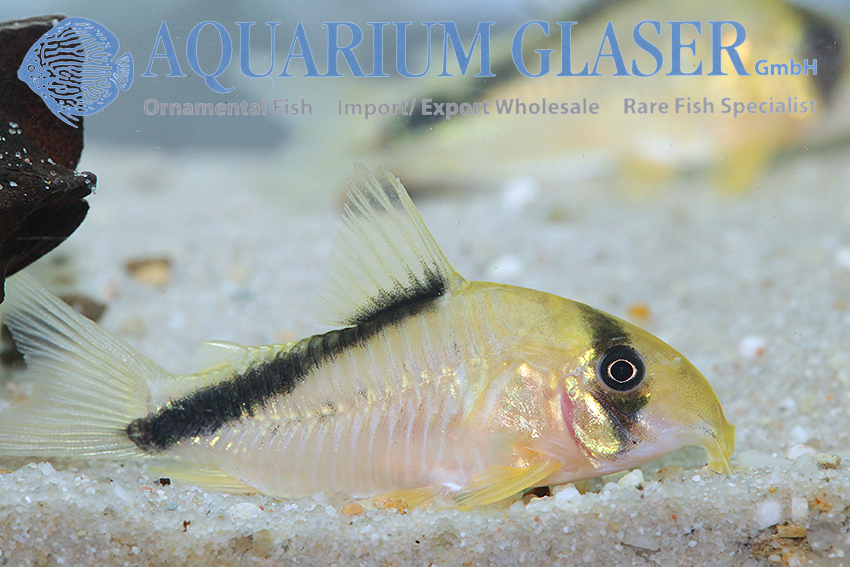
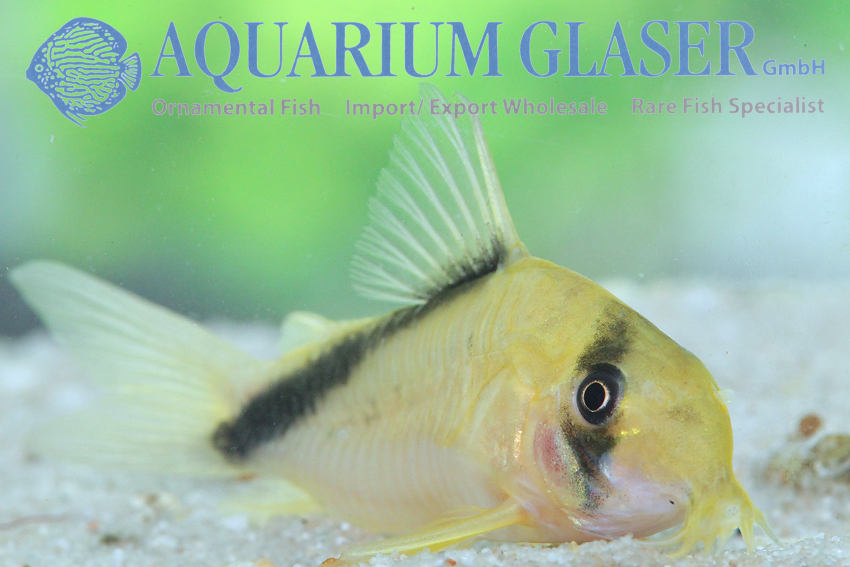
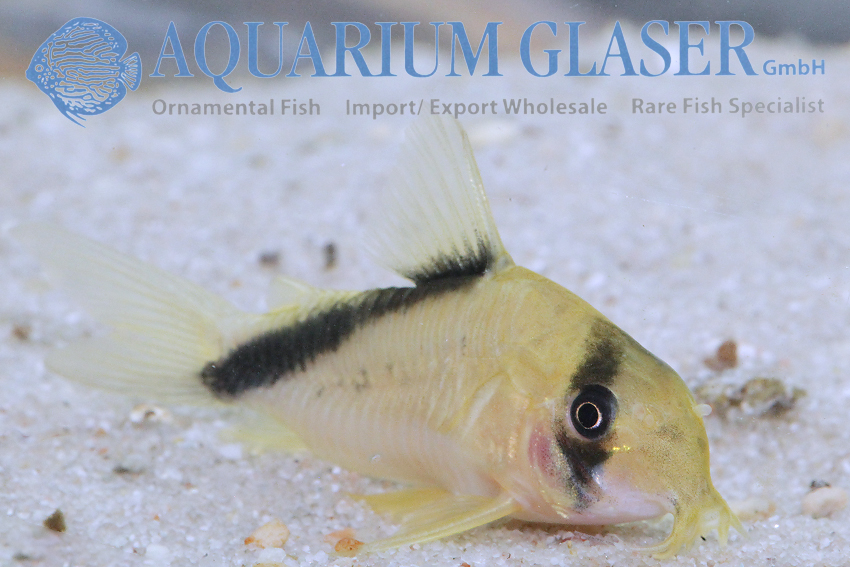
From the Hoplisoma ( = round-snouted) group of species, which are similar in color to H. davidsandsi (meaning: eye band present and clearly pronounced, a distinct gap between the eye band and the beginning of the dorsal band, dorsal band begins below the base of the dorsal fin at the edge of the back and runs diagonally downwards from here to the base of the caudal fin at the edge of the belly; all fins without black markings), the following forms are known to date: C84 (Brazil, Rio Tiquie); CW88 (Brazil, Rio Jurua); CW91 (Colombia, Rio Vaupes) and CW107 (Colombia, Rio Cuduyaria, a tributary of the Rio Vaupes). They are all very similar to each other and differ mainly in the width of the dorsal band and details in the body shape. Whether all C and CW numbers actually represent different species cannot be said at present, but that is not the purpose of this numbering system.
Hoplisoma sp. CW219, just like its relative Brochis sp. CW220, also has much more yellowish fins and body coloration compared to the clay-colored other armored catfish of this appearance. They are very pretty animals. Let’s hope that the yellow coloration remains in the long term with aquarium care and is passed on to the offspring. Sometimes such color variations are only temporary and occur in the wild. We’ll see…
For our customers: Hoplisoma sp. CW219 has code 226663 in our stock list. Please note that we only supply wholesale.
Text & photos: Frank Schäfer
