








The genus Hypoptopoma comprises small to medium-sized (the largest species is just over 10 cm long) armored catfish, which at first glance look like an enlarged version of Otocinclus. A characteristic feature of this genus is that the eyes are located on the sides of the head, giving a Hypoptopoma sitting on a plant stem an almost 360° field of vision. This feature is also found in the genus Oxyropsis, which, however, has a compressed, flattened caudal peduncle, while the caudal peduncle of all members of the genus Hypoptopoma is highly oval in cross-section. Furthermore, members of the genus Nannoptopoma have a similar eye position. With a maximum length of 3-4 cm, they remain significantly smaller than Hypoptopoma.
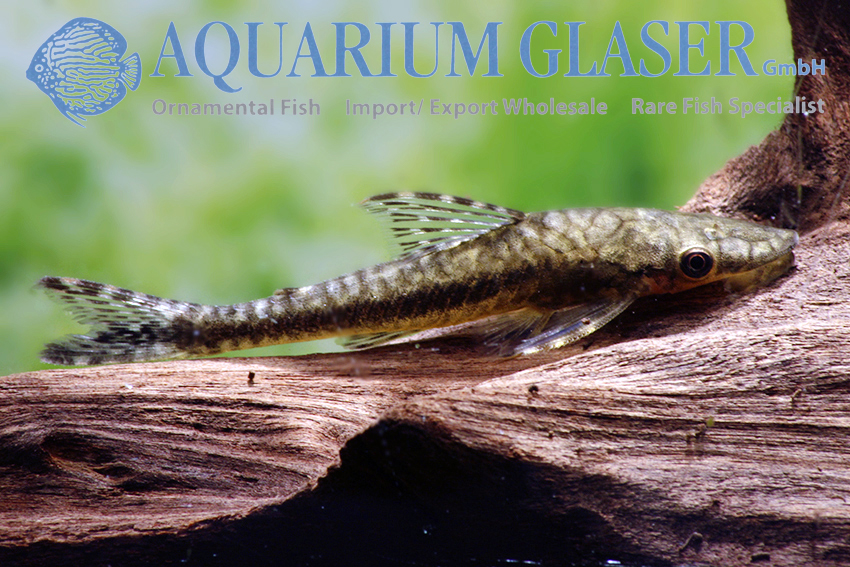
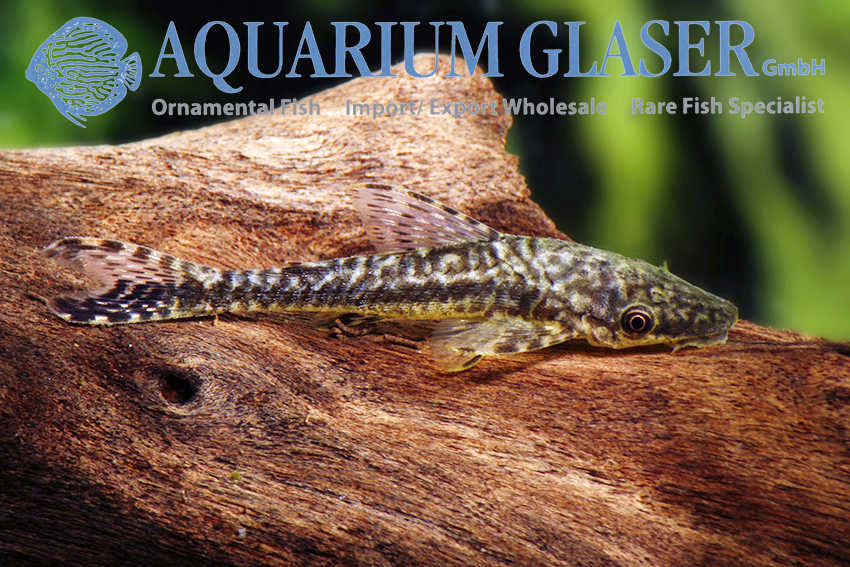
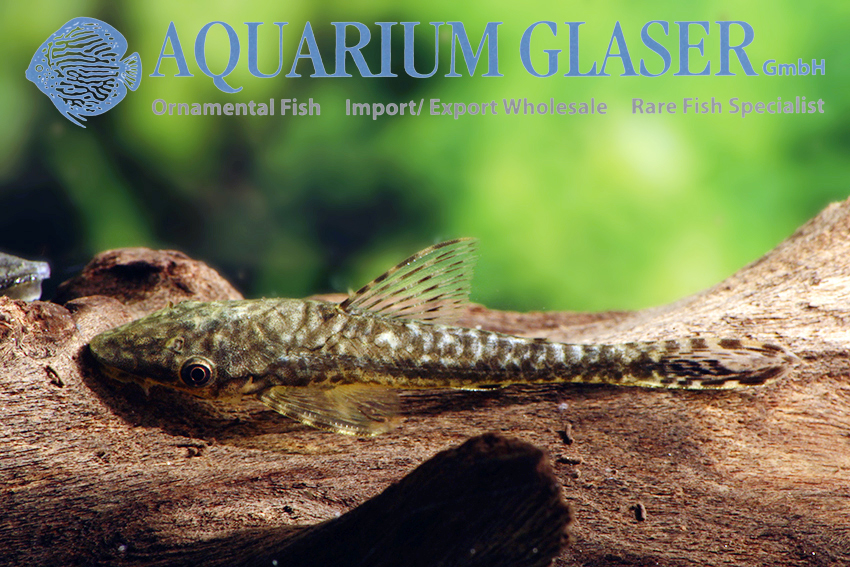
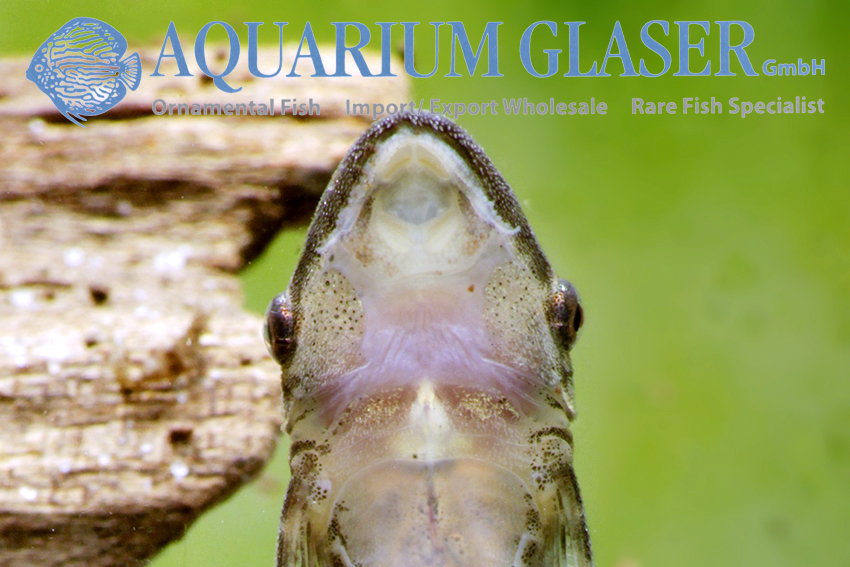
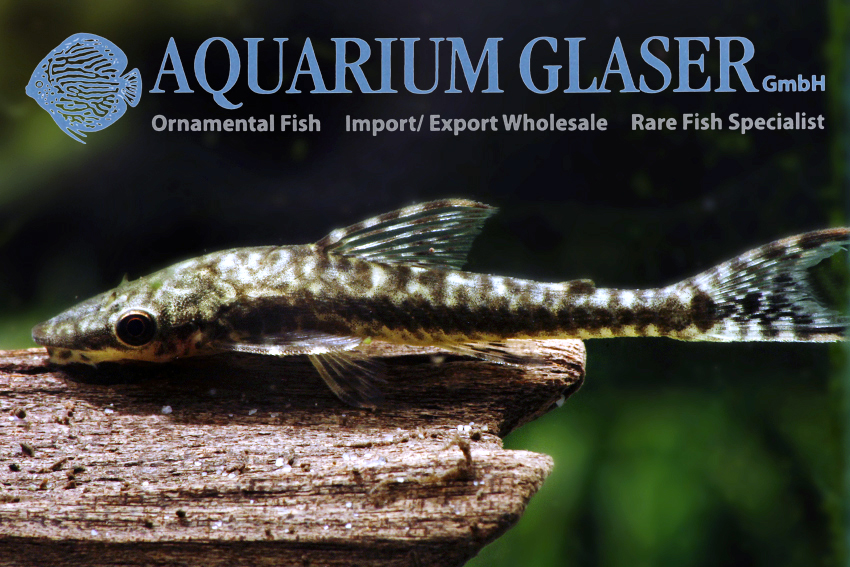
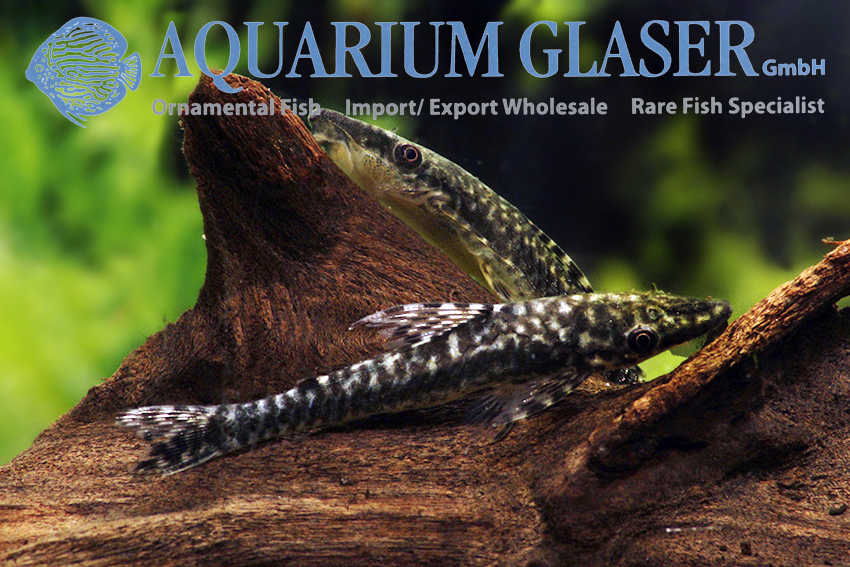
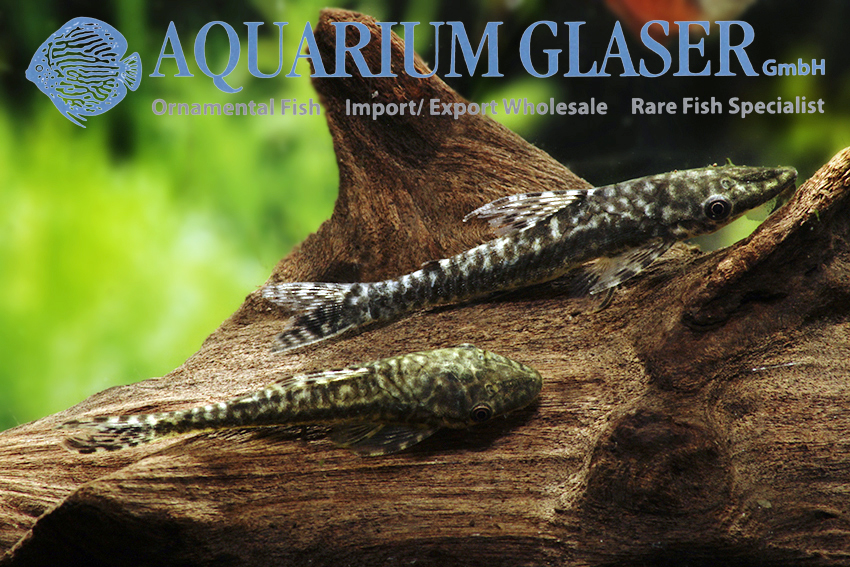
Unfortunately, species identification is a tricky business, even though a comprehensive revision of the genus was published in 2010. Once again, we received a beautiful Hypoptopoma species from Peru. The tail fin pattern is very striking, which led to its identification as Hypoptopoma psilogaster. In addition, the distribution area specified for H. psilogaster in the aforementioned revision fits: the Ampiyacu, Itaya, Nanay, Napo, and Yaguas rivers in the western Amazon basin. It is possible that we may also receive a mix of very similar species; we can never completely rule this out.
The maximum final size of H. psilogaster is given as 7 cm standard length, i.e. without the tail fin. The animals are peaceful both among themselves and towards fish of other species. Water temperatures can range from 22 to 28°C, with average values being most favorable. The hardness and pH value are hardly significant for care; any tap water suitable for drinking is also suitable for keeping these fish. In addition to algae and other growths, you should always offer these fish some vegetables (potatoes, zucchini, carrots, etc.) as food. It will be difficult to feed them solely on the algae growth in the aquarium. These catfish also like to snack on any standard ornamental fish food, with food tablets being particularly popular.
In any case, they are pretty animals and a different kind of algae eater than usual!
For our customers: the animals have code 262262 on our stock list. Please note that we only supply wholesale.
Text & photos: Frank Schäfer
