








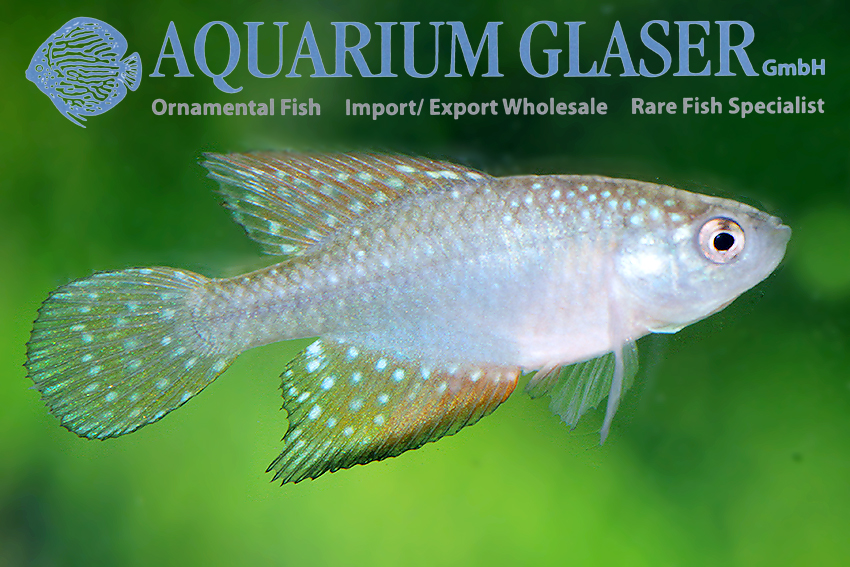
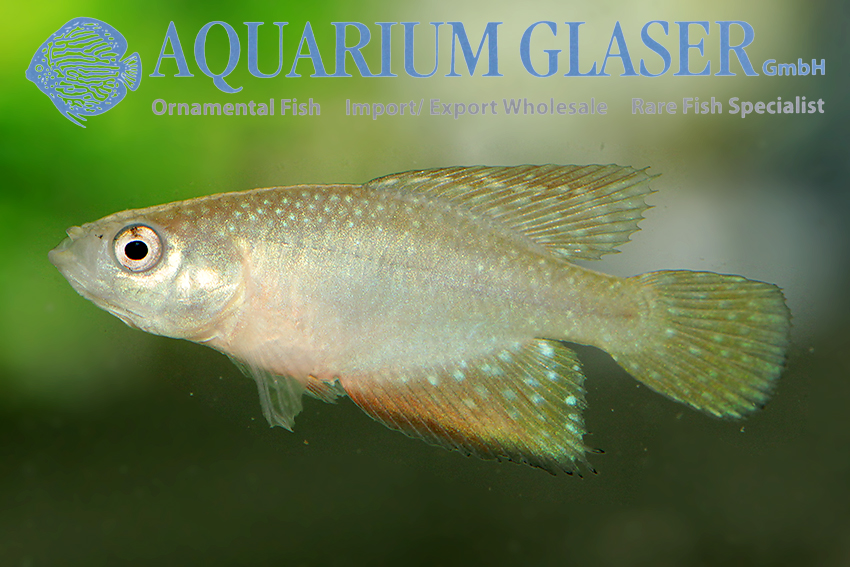
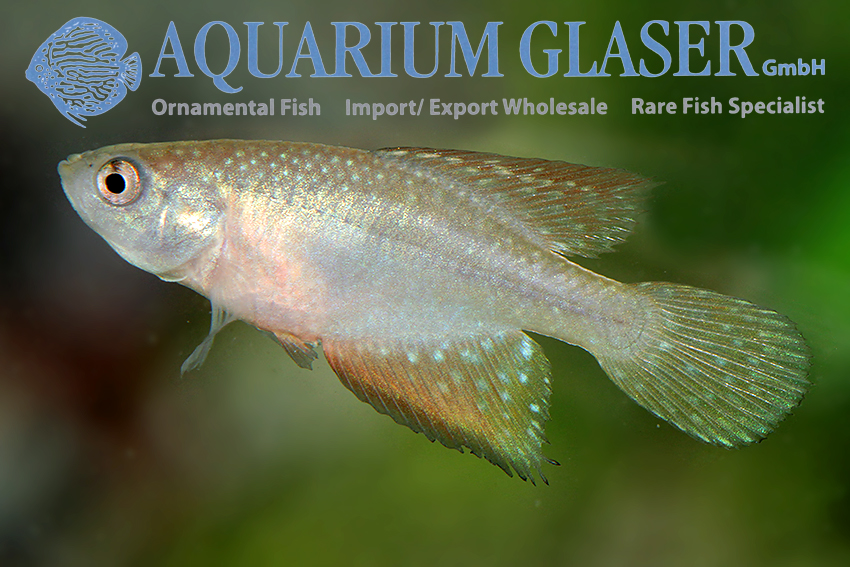
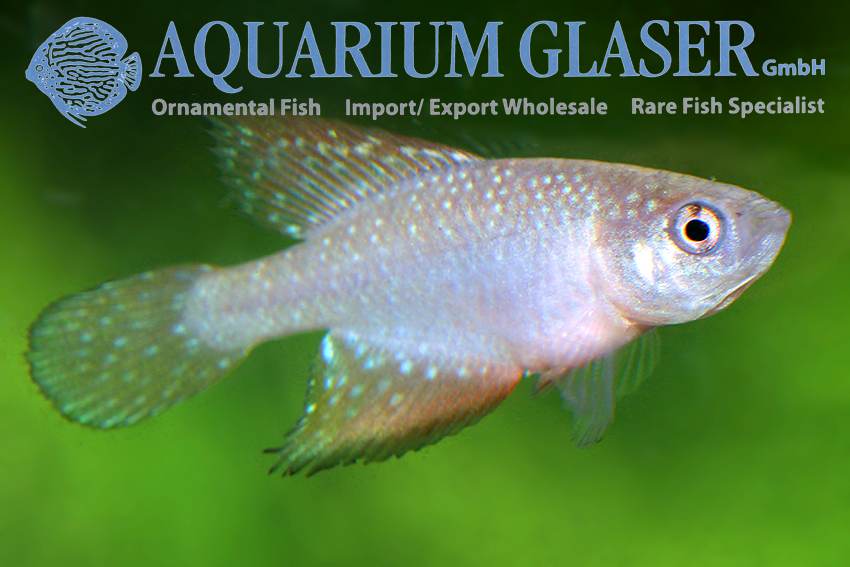
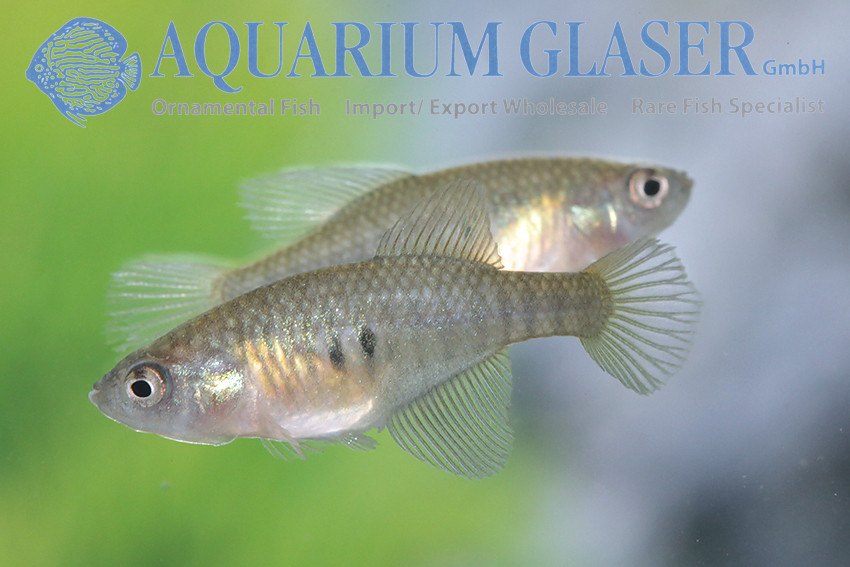
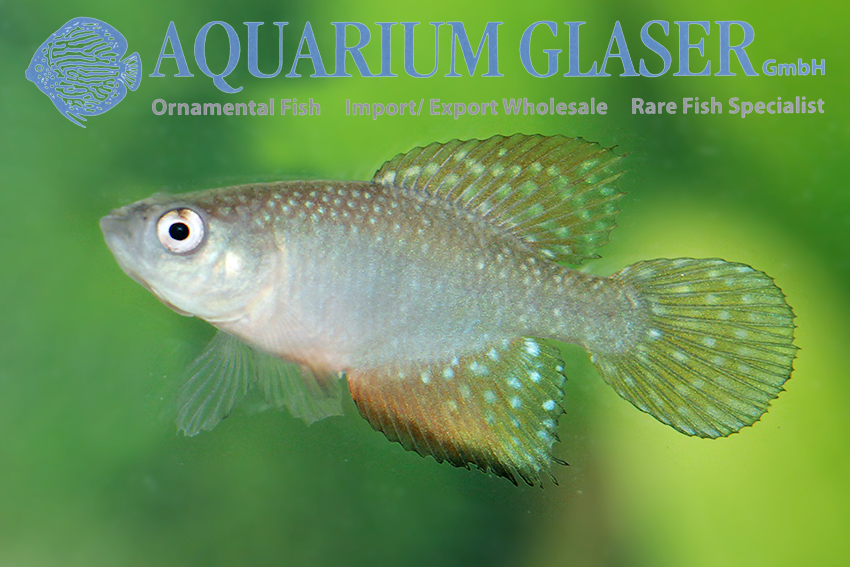
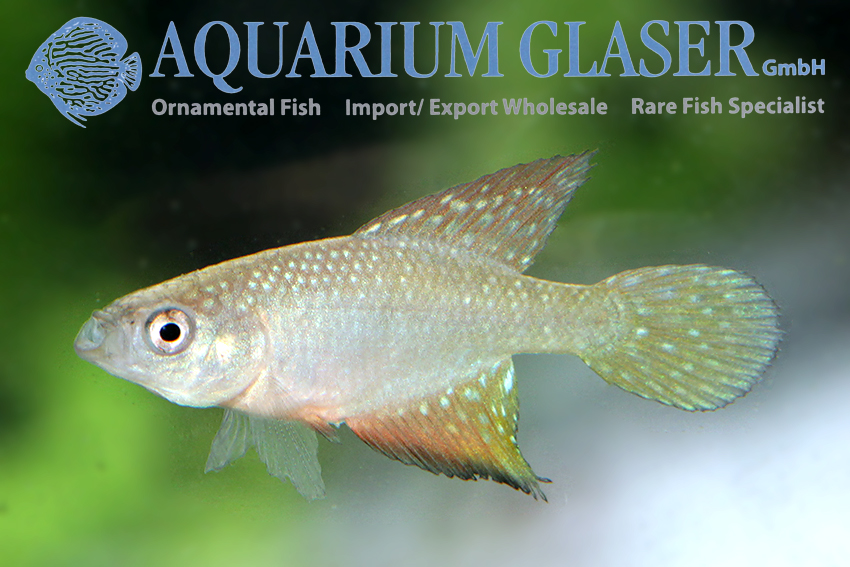
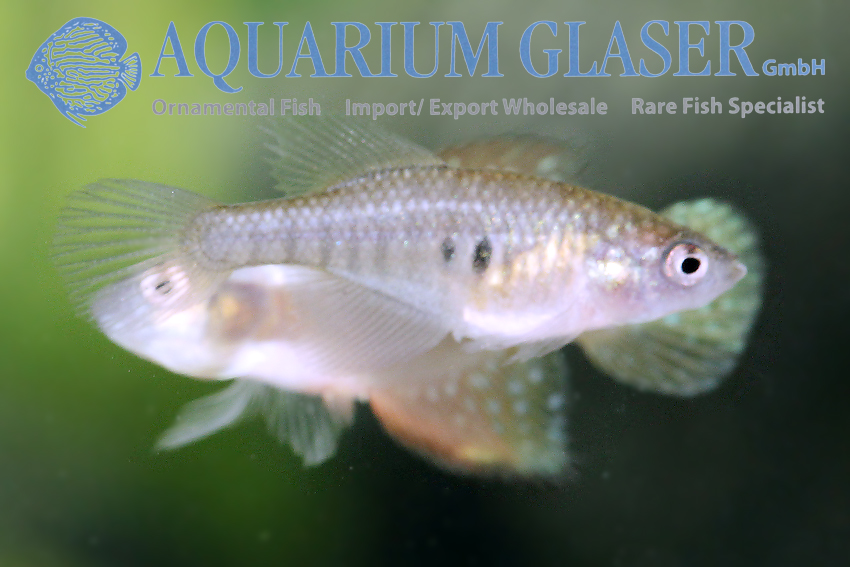
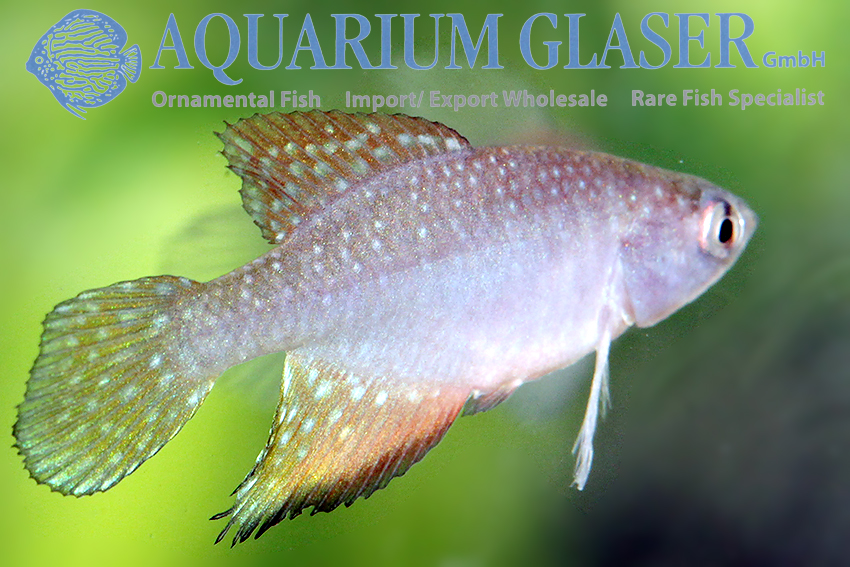
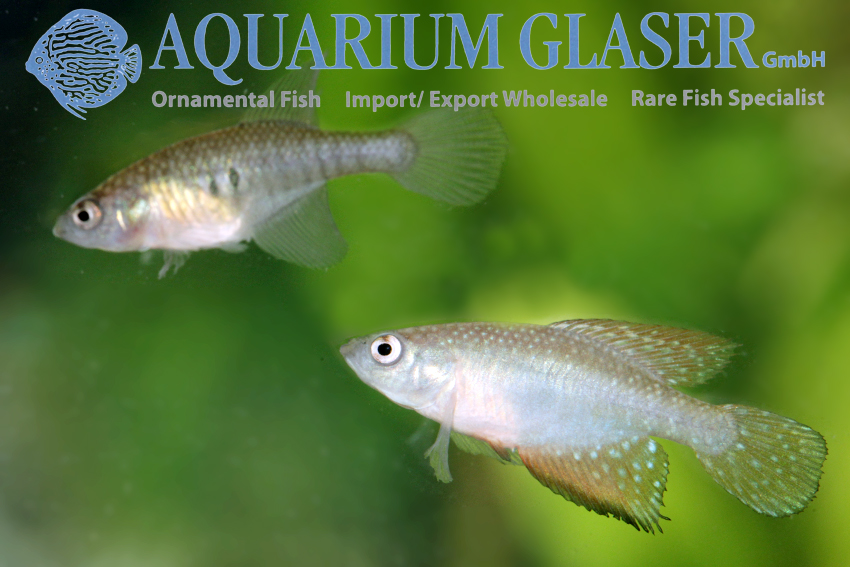
We can offer a very small number of Hypsolebias faouri, which was only scientifically described in 2016. It is one of the rarest fish in the world. Of course, all animals on the market in this case are captive-bred specimens.
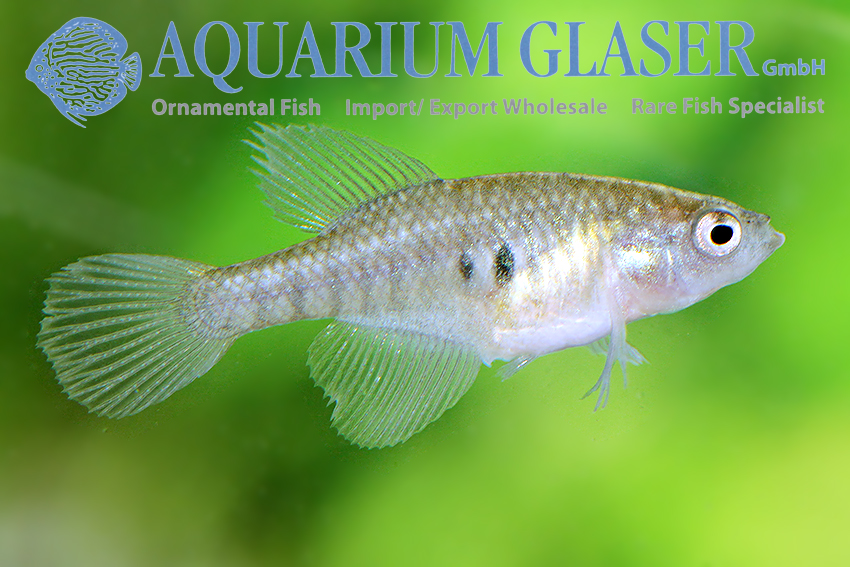
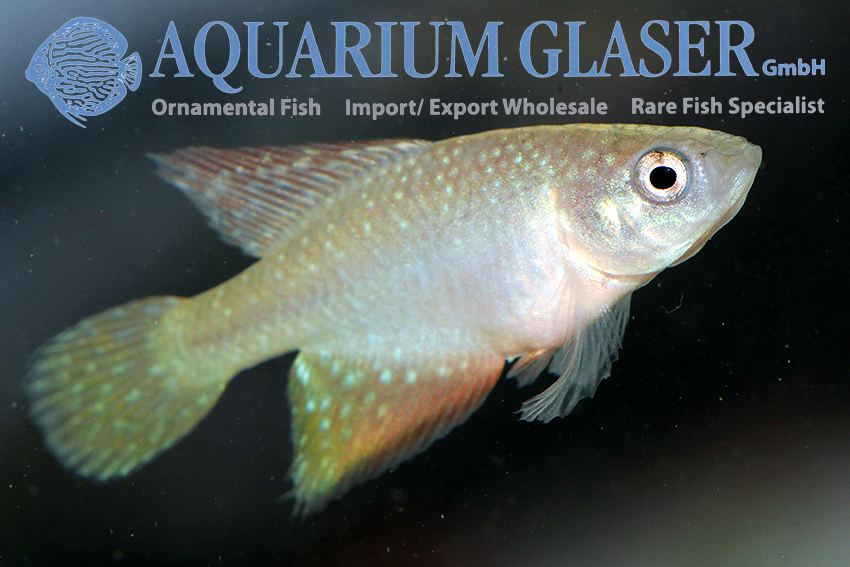
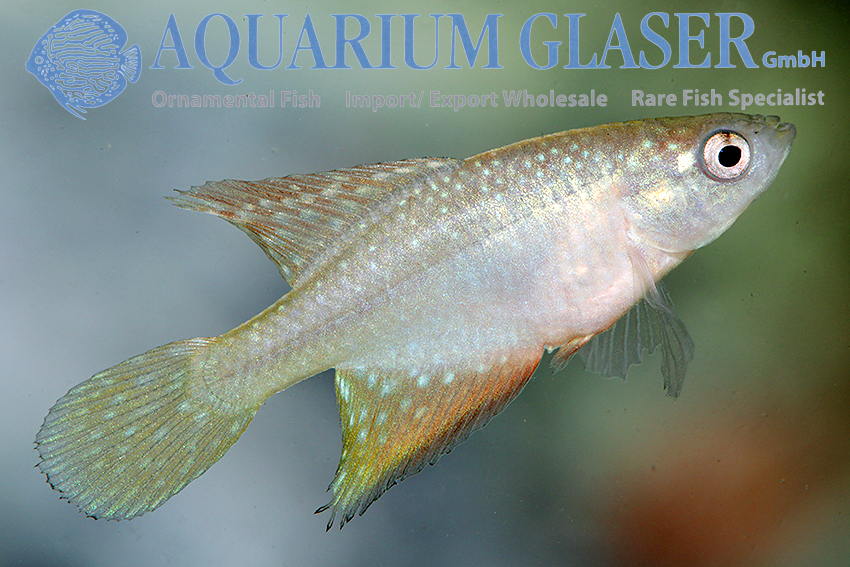
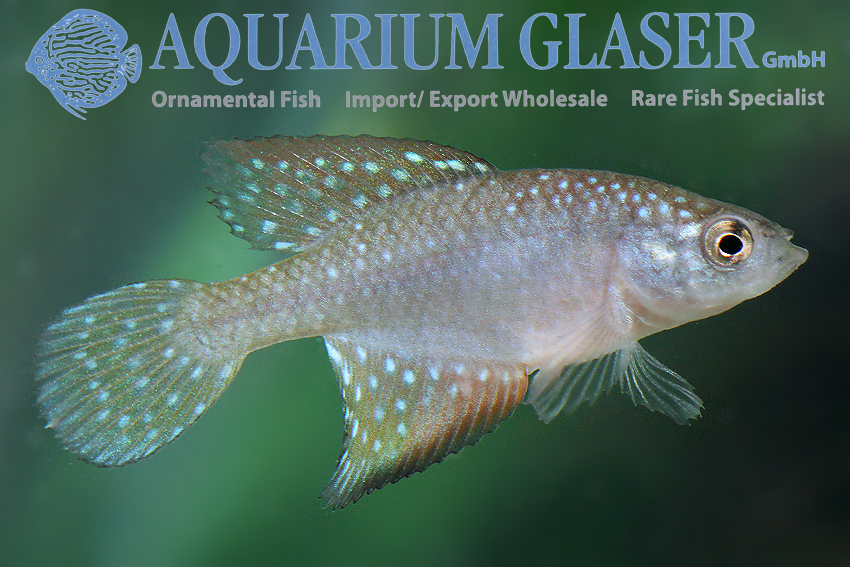
What makes a fish rare? The adjective “rare” can mean many things. Rare on the market does not necessarily mean rare in nature. Rare in nature hardly ever means that there are only a few individuals. A fish species is considered rare in nature if it is found in only a few places within its zoogeographical range, e.g., the catchment area of a large river or along the coast of a sea. However, it can be extremely common in those places. Small fish are always prey animals in nature. Accordingly, they must be able to compensate for losses. That is why there are usually no small fish populations with low numbers of individuals.
Hypsolebias faouri is a typical annual killifish. This means that the species lives in waters that dry up completely over the course of the seasons. When this happens, all the fish must die. The species survives only in the form of its eggs, which it has laid in the bottom mud. So far, Hypsolebias faouri has only been found in a single pond in Brazil. This pond is located about 100 km north of the city of Barreiras; the watershed in which the pond is located belongs to the Rio Sao Francisco. This pond is a maximum of 130 cm deep (average 100 cm), has a sandy-loamy bottom and relatively rich vegetation (water lilies and Echinodorus). The rainy season normally lasts from December to March, after which the pool gradually begins to dry up. Unfortunately, residents of a settlement near the pool have dug the ground so deep in one spot that it holds water all year round. They have introduced cichlids (Astronotus and Tilapia) as food fish. Although it is no problem for Hypsolebias faouri to survive the complete annual extinction of all individuals, the cichlids pose a serious threat. This is because they immediately migrate to the pond when the rains begin and eat the killifish.
Unfortunately, Hypsolebias faouri must therefore be considered not only one of the rarest fish in the world, but also one of the most endangered. Fortunately, there are no trade restrictions on the species; such restrictions would unnecessarily complicate conservation breeding in aquariums and would not benefit wild populations at all.
Hypsolebias faouri can be easily bred in aquarium conditions. The species is extremely peaceful among itself, which cannot often be said of its genus companions. Of course, these specialist fish belong in specialist aquariums. These do not need to be large. The water in its natural habitat is soft and slightly acidic (pH 6.5). The water temperature is 25-28°C. Like all Hypsolebias, Hypsolebias faouri burrow deep into the substrate to spawn. Well-boiled peat (in this case, even ecologically minded people can justify the use of small amounts of peat) has proven to be effective for this purpose. Simply place a suitably large bowl filled with spawning substrate in the otherwise bare aquarium and you can easily collect the spawn. This is not the place for detailed breeding instructions; there is plenty of specialist literature available for this.
The short-lived killifish have a high metabolic rate. Frequent and vigorous feeding is therefore important.
For our customers: the animals have codes 326802 on our stock list. Please note that we only supply wholesale customers.
Text & photos: Frank Schäfer
