








One of the most unusual cichlids in Central America in terms of behavior and one of the most beautiful in terms of coloration is Hypsophrys nicaraguensis, which many aquarists still remember from the time when pretty much all cichlids from Central America were classified as belonging to the genus Cichlasoma. However, H. nicaraguensis differed from Cichlasoma, as it was understood at the time, in that its eggs do not stick. All these “Cichlasoma” cichlids are otherwise open breeders, attaching their eggs to a stone, a root, or one of the aquarium panes and guarding them there until they hatch. This is not the case with the Nicaragua cichlid. Its eggs do not stick; they are freely movable, like mouthbrooder´s eggs. This is why H. nicaraguensis prefers to spawn in shelters (caves or sand pits) where the spawn is not easily swept away.
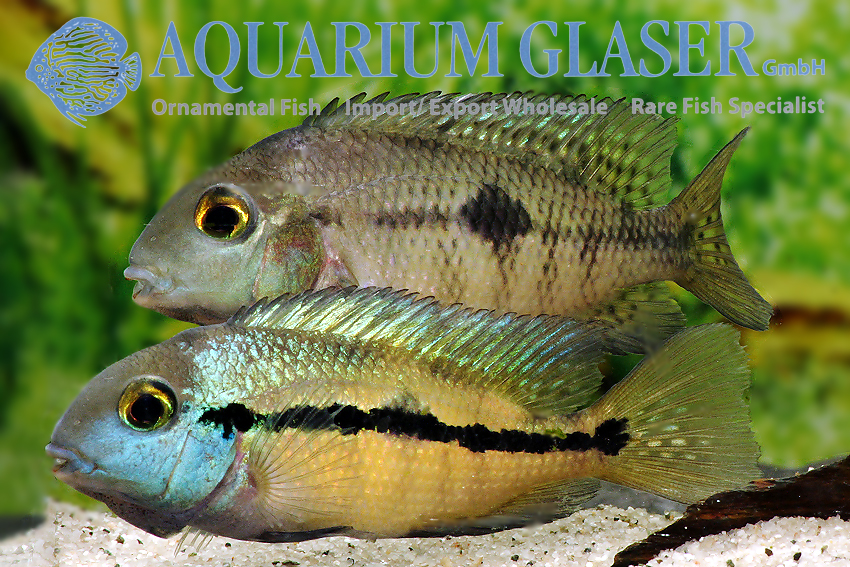
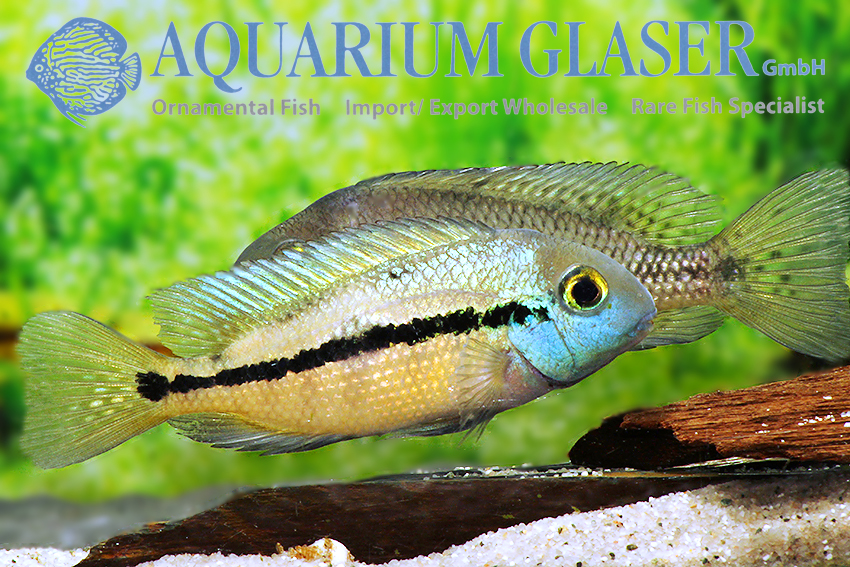
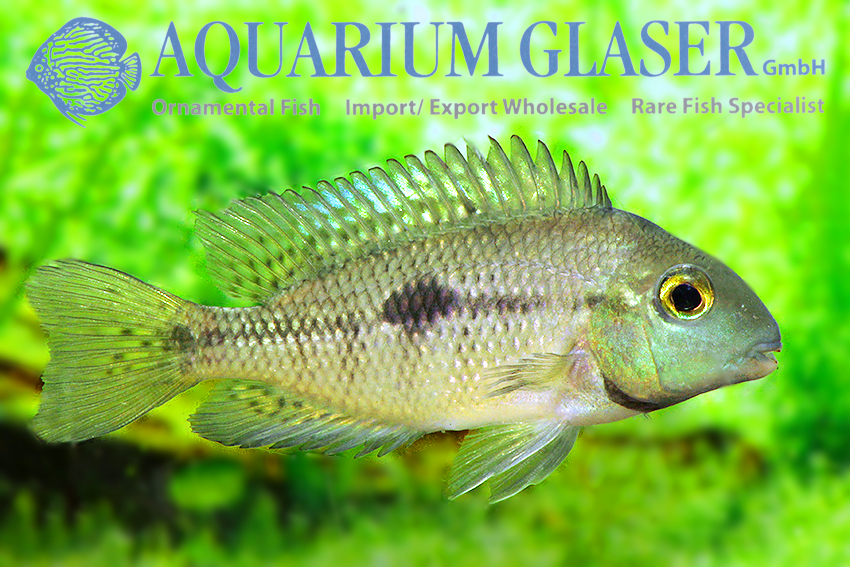
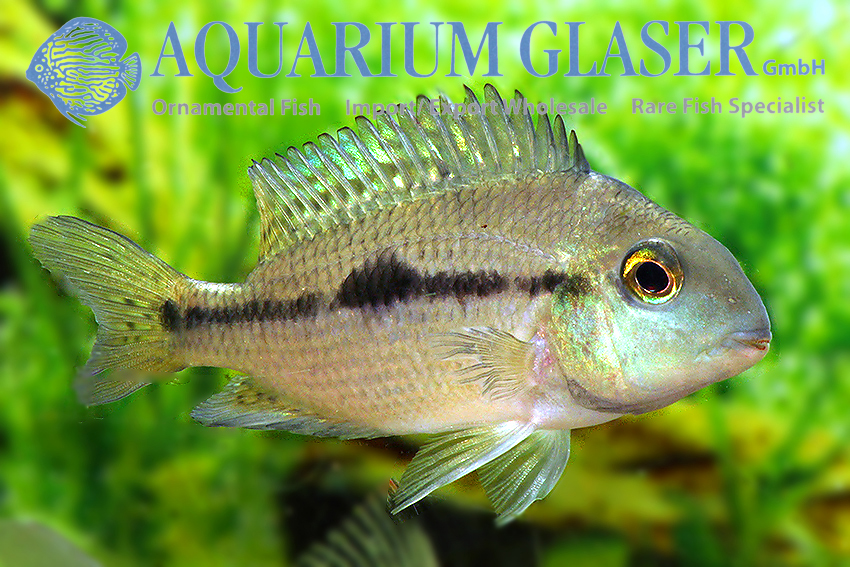
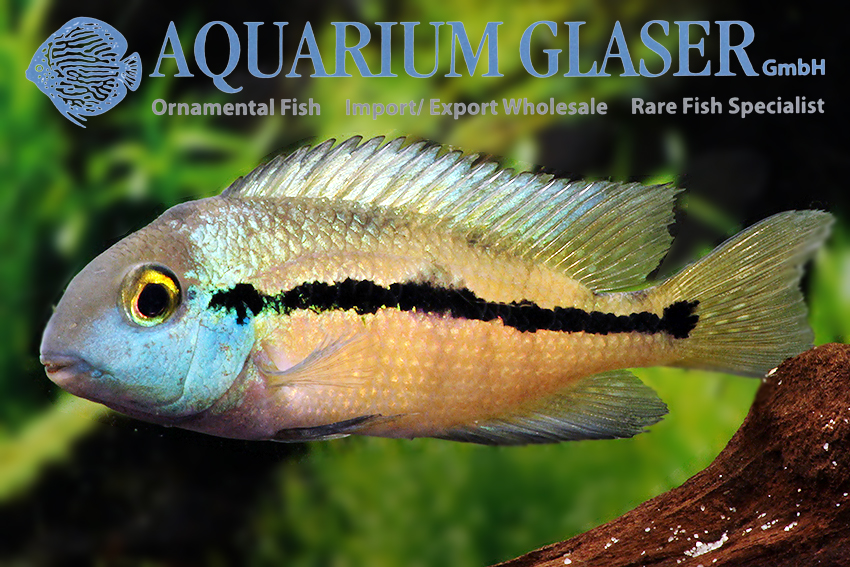
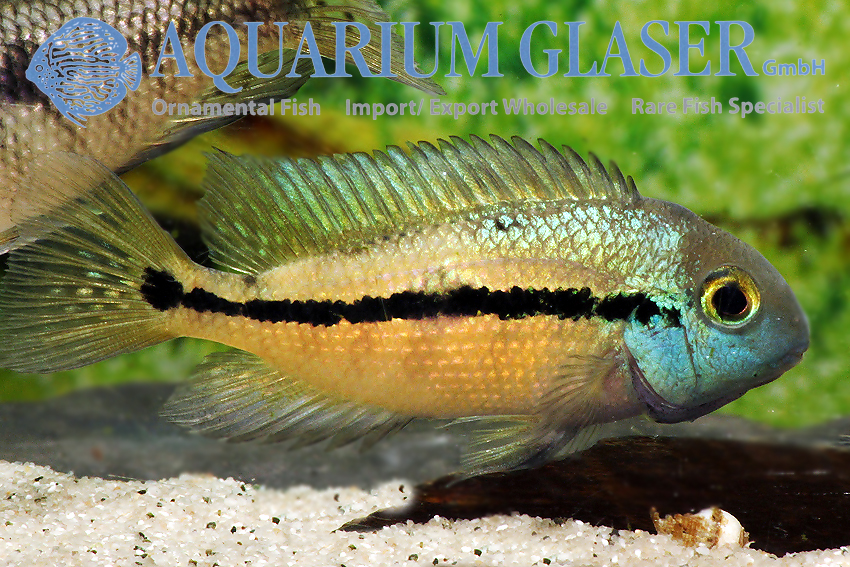
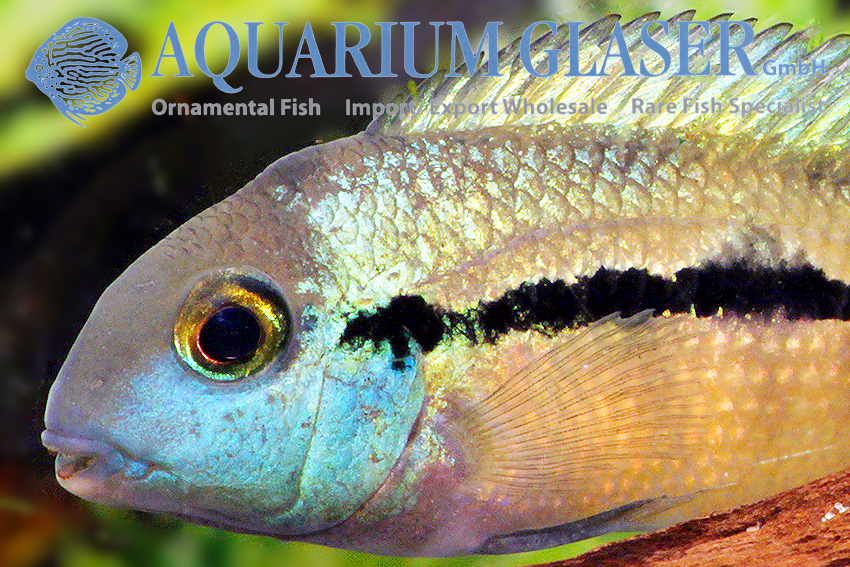
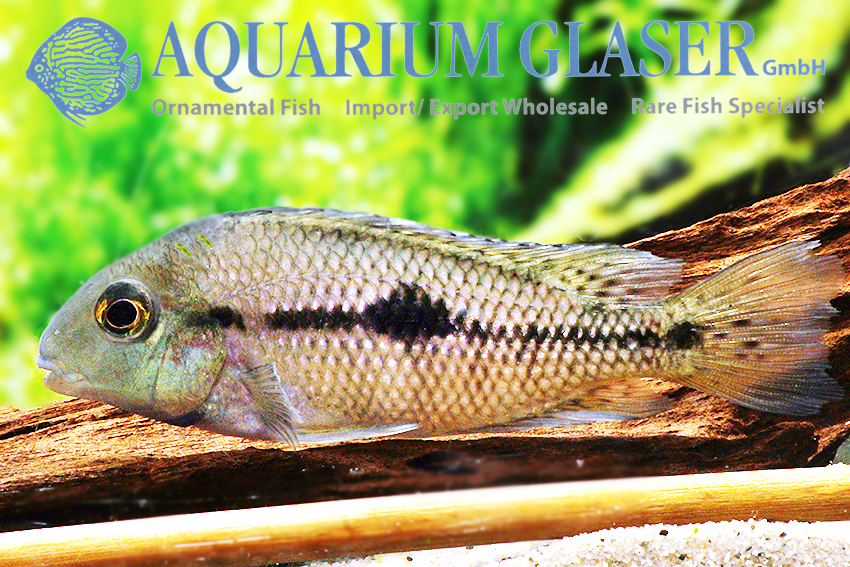
The Nicaragua cichlid is not only found in Nicaragua, but also in Costa Rica. In fact, the latter variant—recognizable by the blue head of both sexes—is much more common in the hobby. Animals from Nicaragua have a copper-red head. The coloration makes the cichlid unmistakable as a species. The females usually have a longitudinal stripe and no pattern on their fins, while the males usually have a diamond-shaped spot on their flank and clearly patterned fins. Males grow to a maximum length of 25 cm, which is significantly larger than females, which are usually only 10-12 cm (maximum 18 cm) long. Sexual maturity is reached at lengths of around 12 cm (males) and 9 cm (females). The females in a clutch initially grow faster than their brothers, but the males more than catch up later on.
Despite its maximum size, H. nicaraguensis has been a popular aquarium fish since the 1970s, as it is considered to be exceptionally peaceful for a cichlid. However, the animals should still be provided with aquariums that are as large as possible, in which they can grow into magnificent specimens. The chemical composition of the water is irrelevant, but it should not be very soft or acidic. The temperature can range between 22 and 28°C, and it does not matter if it is slightly lower or higher at times. They eat all standard ornamental fish food.
For our customers: depending on their size, the animals have codes 655501 (3-4 cm) to 655509 (12-15 cm) in our stock list. Only captive-bred specimens are available in stores. Please note that we only supply wholesale customers.
Text & photos: Frank Schäfer
