








A pretty new tetra is Inpaichthys luizae, a species that was only formally described in January 2025. It occurs in areas that are hardly accessible to scientists and commercial fishermen because they are privately owned. What is known, however, is that these locations are tributaries of the Rio dos Peixes in Brazil, which in turn is a tributary of the Rio Juruena. The entire area belongs to the Rio Tapajós basin.
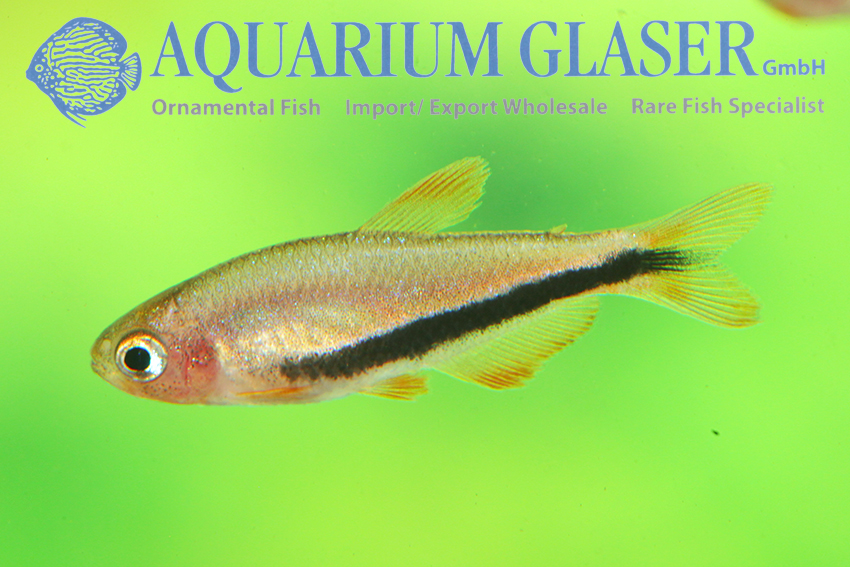
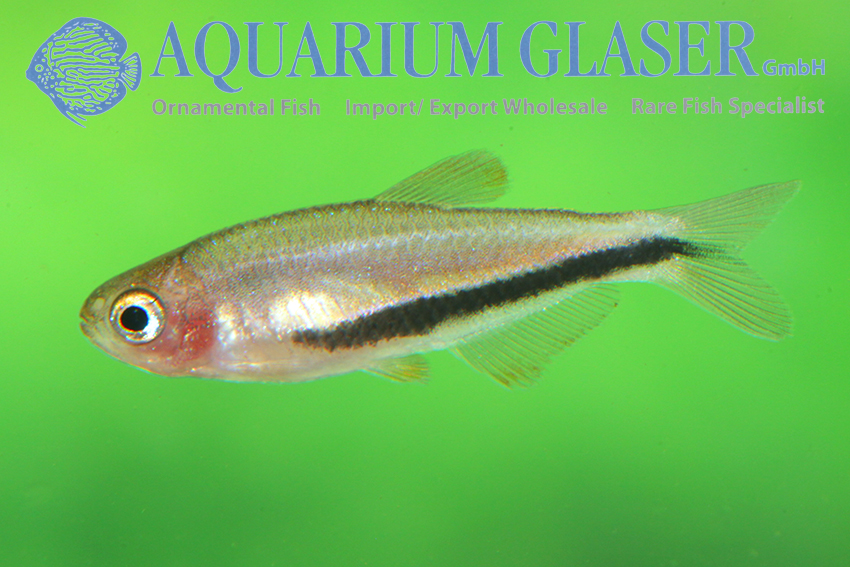
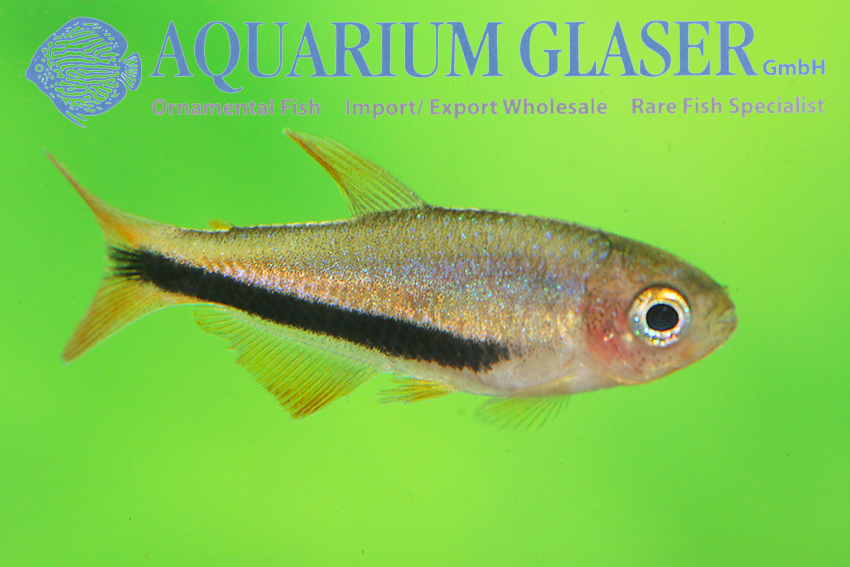
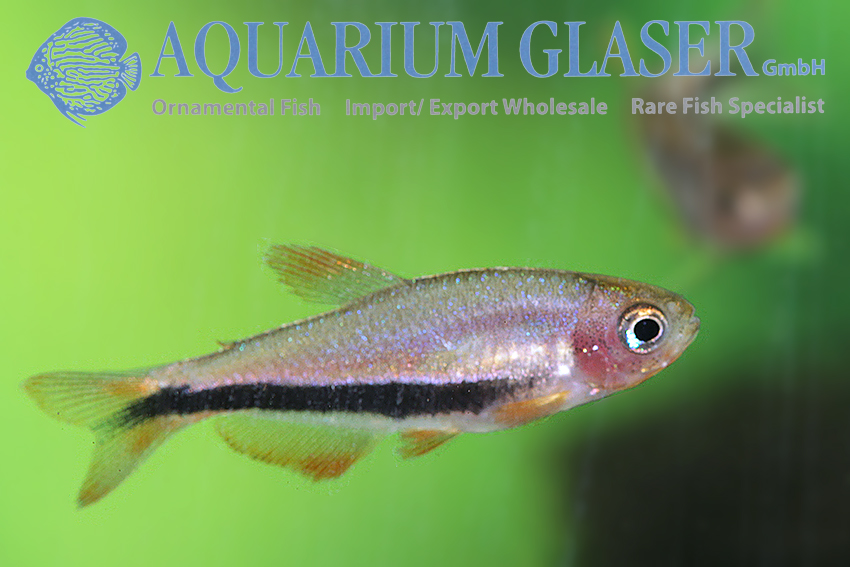
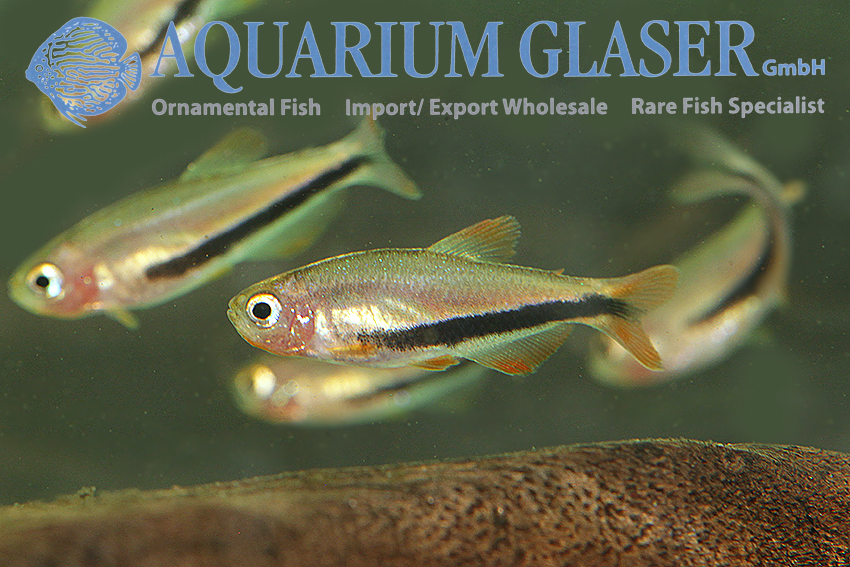
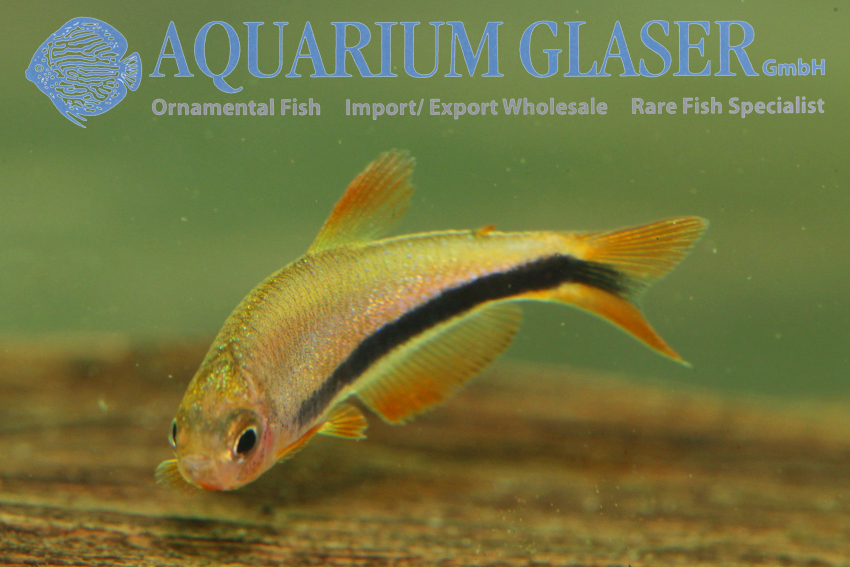
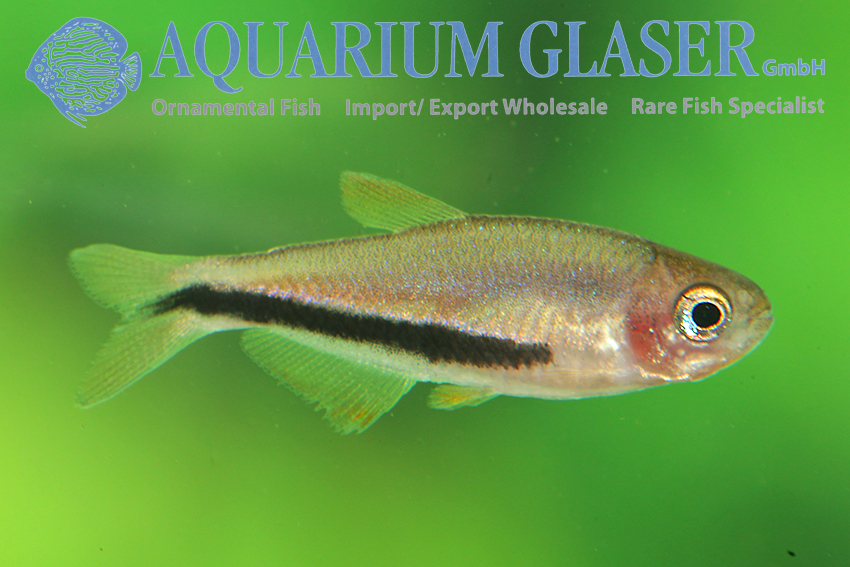
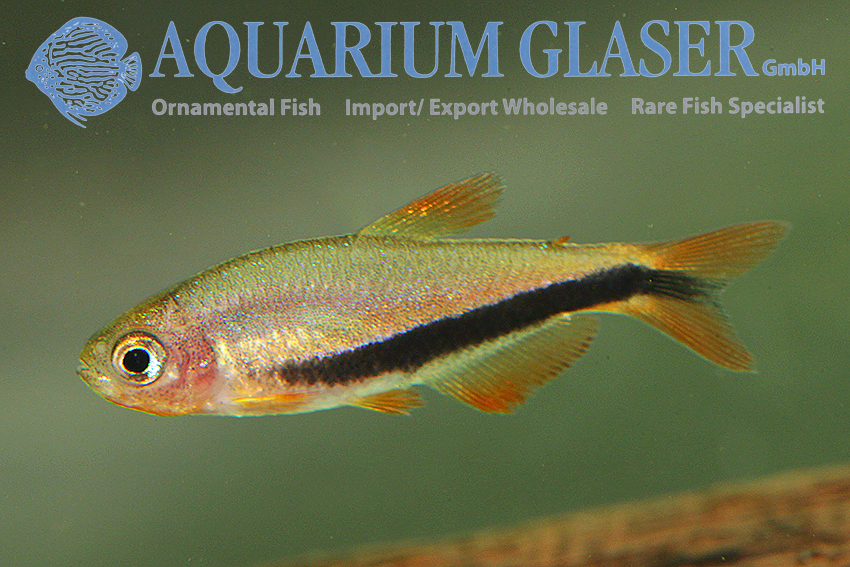
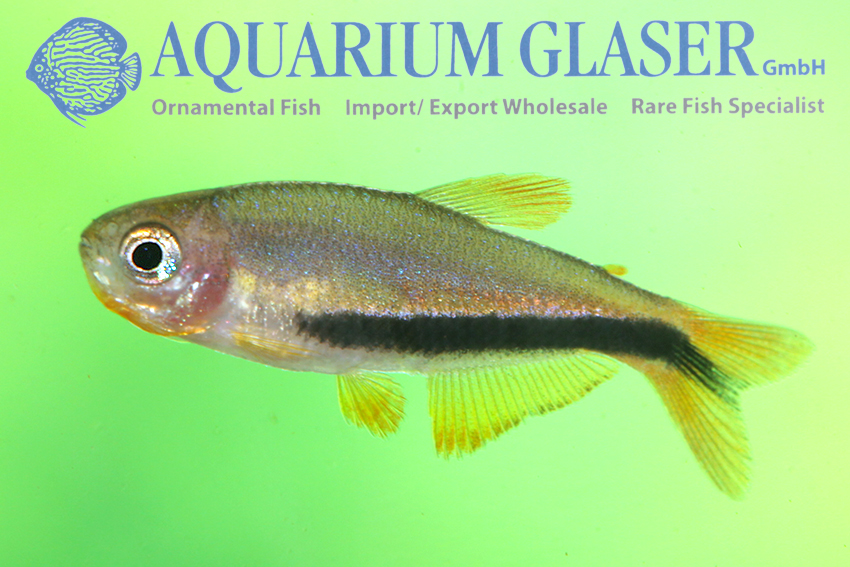
This fish first became known in the hobby at the end of 2023. At that time, it was referred to as Inpaichthys sp. “Black Arrow”. As with many new species, only a few specimens initially came onto the market at comparatively high prices; low three-digit euro amounts per specimen were demanded. However, it quickly became apparent that this species is just as productive and easy to breed as its well-known cousin Inpaichthys kerri, the royal tetra. At present (January 2026), the fish are still not cheap, but they are not unaffordable either. We source them as offspring from East Asia.
The sexes of these cute animals, which according to scientific descriptions reach a standard length of about 4 cm (i.e., without the tail fin), are quite easy to distinguish due to the stronger red coloration of the fins in males. This color is already clearly visible in adolescent animals. It can be assumed that aquarium specimens grow 1-2 cm larger than wild-caught fish, a phenomenon that can be attributed to the much better food supply for aquarium fish and, of course, the considerably higher age that fish in aquariums reach compared to wild specimens.
So far, the animals have proven to be absolutely typical small tetras, which do not differ from the royal tetra, Inpaichthys kerri, in terms of aquarium requirements. A very interesting phenomenon with I. luizae is the fact that most specimens have an adipose fin, but some do not. The absence of an adipose fin is very unusual in tetras; at the time, the presence of an adipose fin was one of the reasons for establishing the genus Inpaichthys, as otherwise it is very similar to the genus Nematobrycon (emperor tetras). All Nematobrycon species, without exception, lack the adipose fin. However, there are also specimens of I. luizae without adipose fins, but they are in the minority.
For our customers: the animals have code 264792 on our stock list. Please note that we only supply wholesale customers.
Text & photos: Frank Schäfer
