








L-numbers were never intended as a substitute for scientific species designations, but rather to illustrate the diversity of imported loricariids and simplify communication. This is why it happened more frequently that the same zoological species was given several L-numbers, e.g. L18, L81 and L177. They look different, but belong to the same species, namely Baryancistrus xanthellus. The reverse case – i.e. two different species being given the same L number – has hardly ever occurred. One exception is L200. Behind the L number 200 are two species that imitate each other and even belong to different genera. One L200 has been described as Hemiancistrus subviridis. It has a clear gap between the end of the dorsal fin and the beginning of the adipose fin. The second species, on the other hand, known commercially as “L200 Highfin” or “L200a”, has been described as Baryancistrus demantoides. Here the dorsal fin is connected to the adipose fin. The height of the dorsal fin is variable in both species and is not a species criterion. The two L200s are often imported together, as they occur in the same biotope at least in some places and are also caught together. Export countries for both L200s are Colombia and Venezuela, where they are found in the Orinoco, Ventuari and Casiquiare. Both species can interbreed, at least in the aquarium, and even in wildcaughts it is not always easy to classify them.
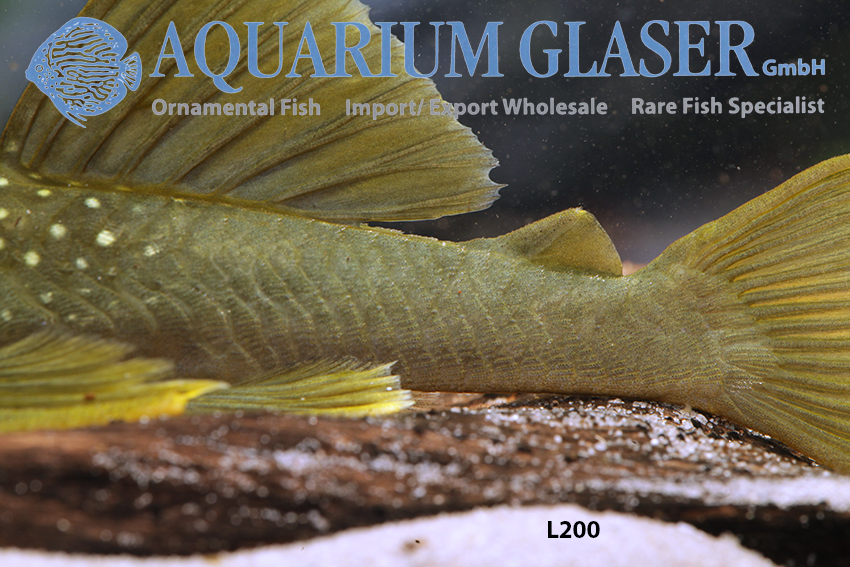
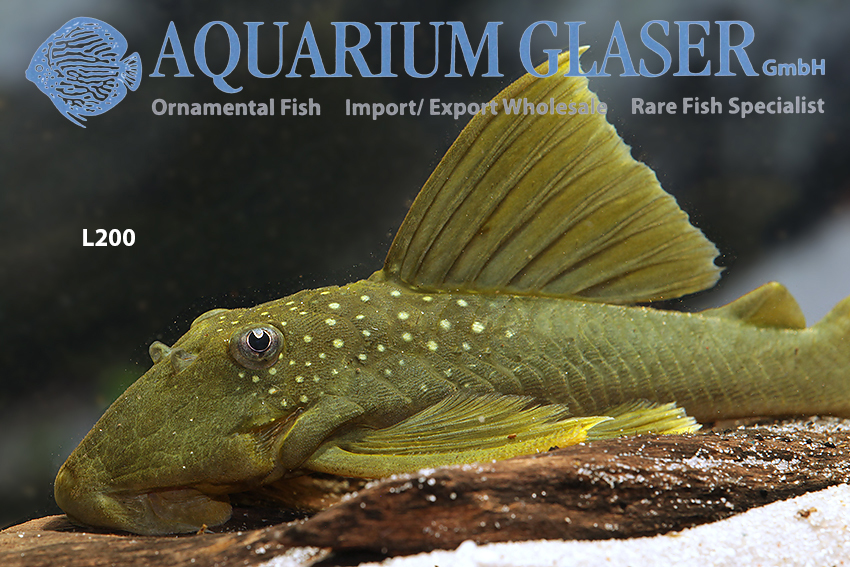
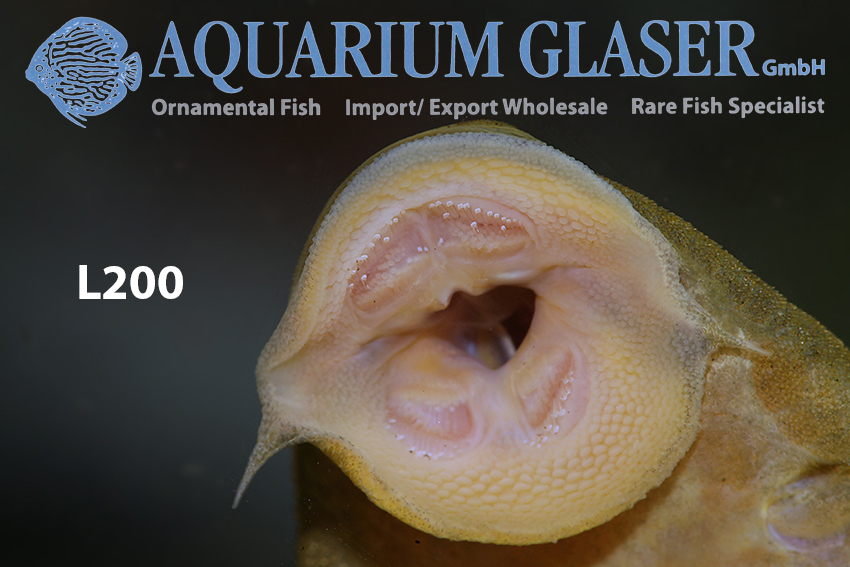
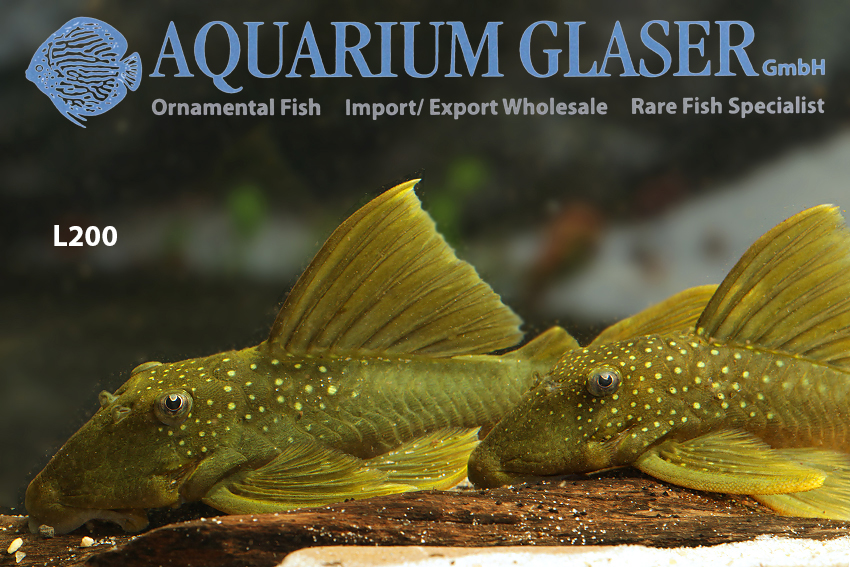
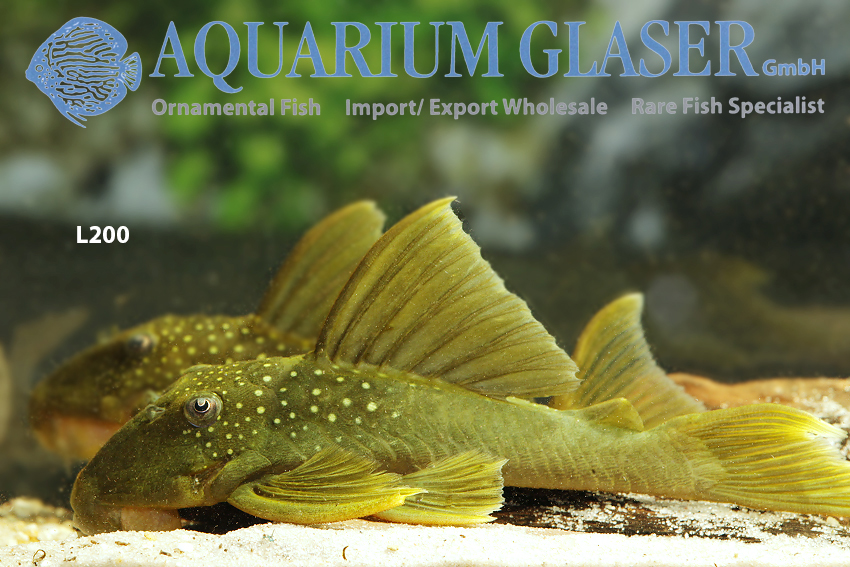
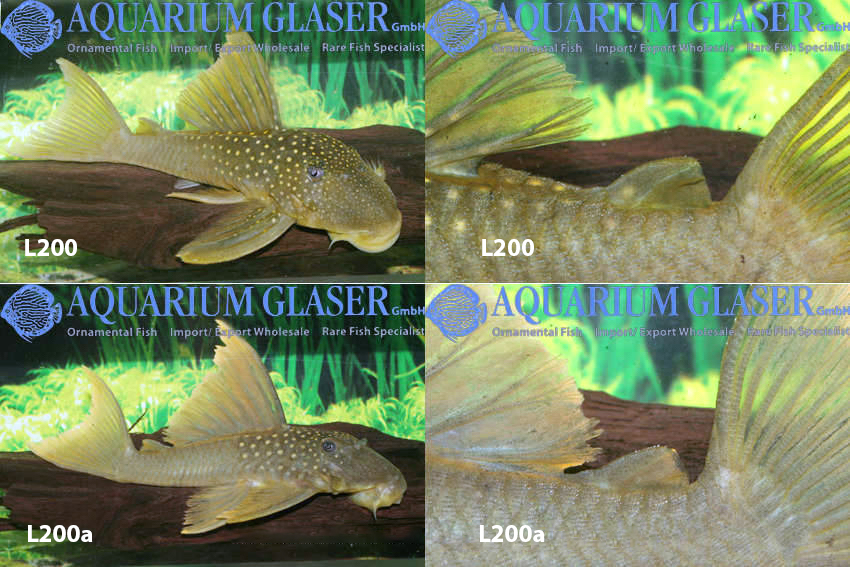
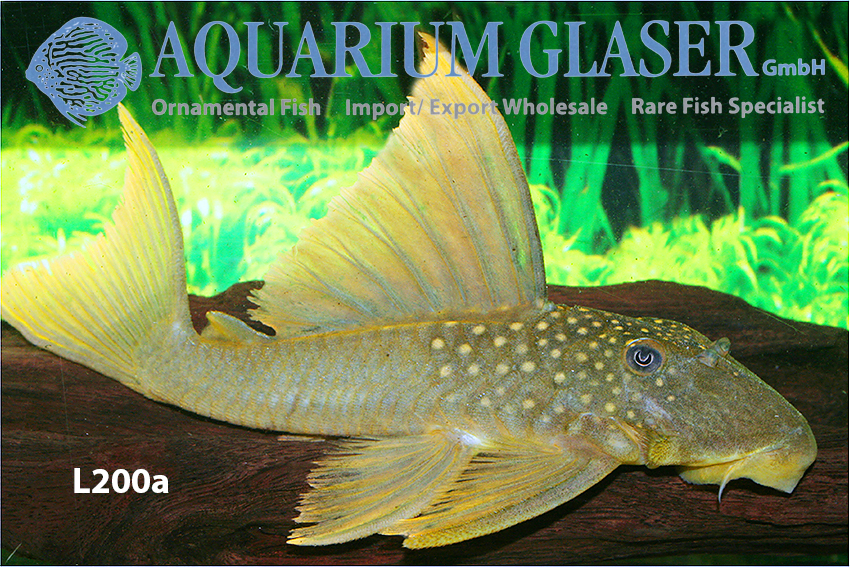
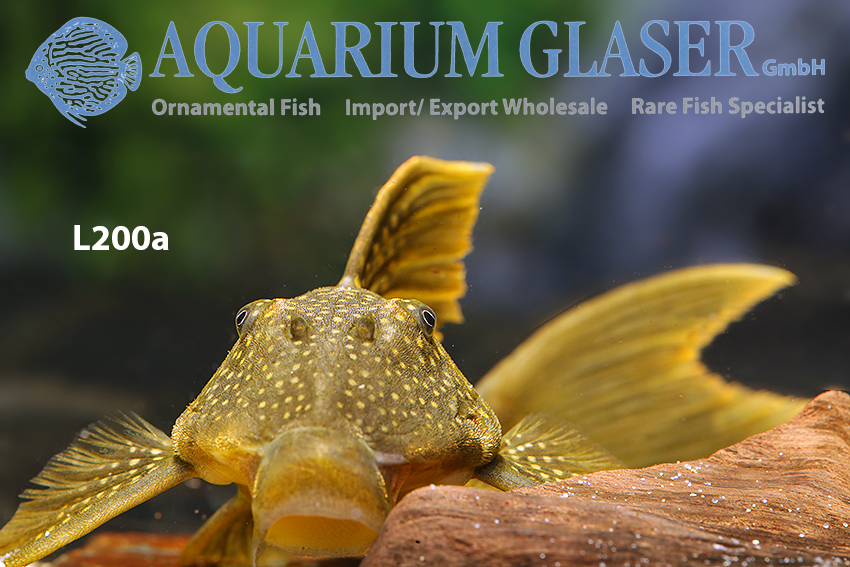
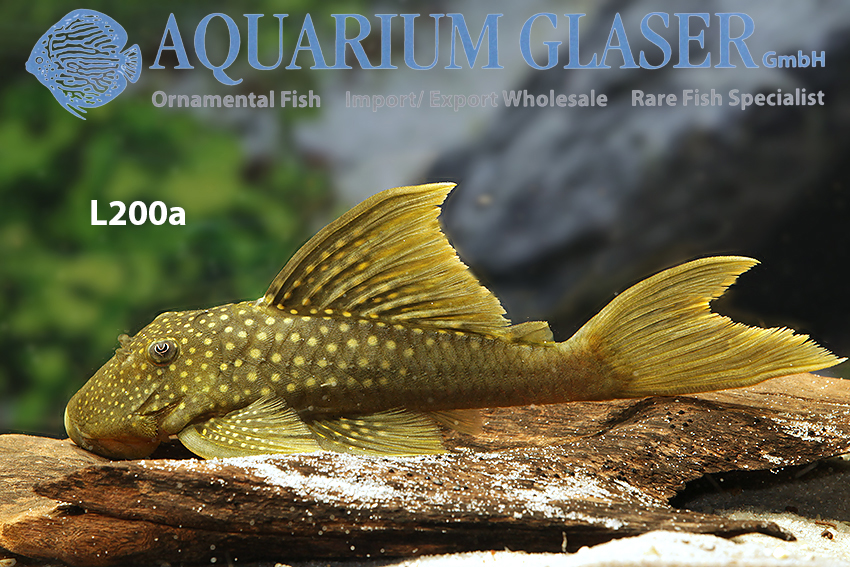
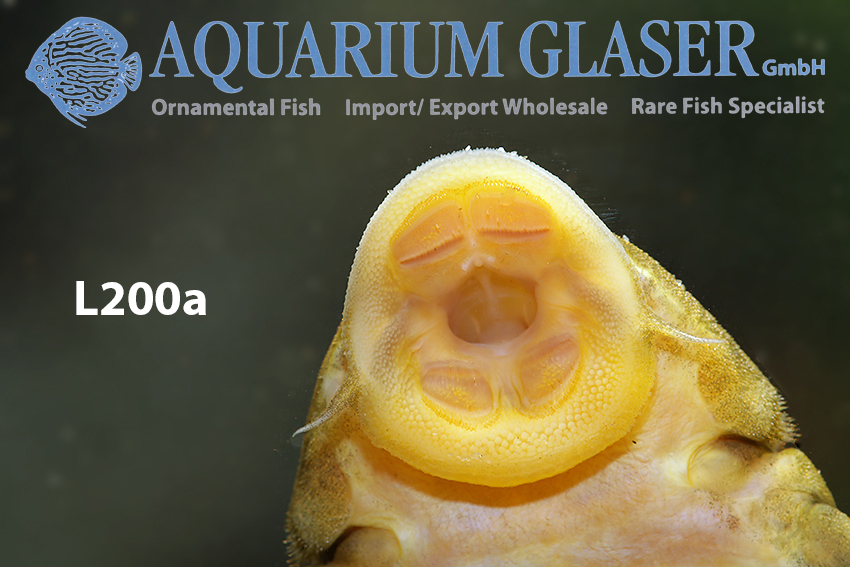
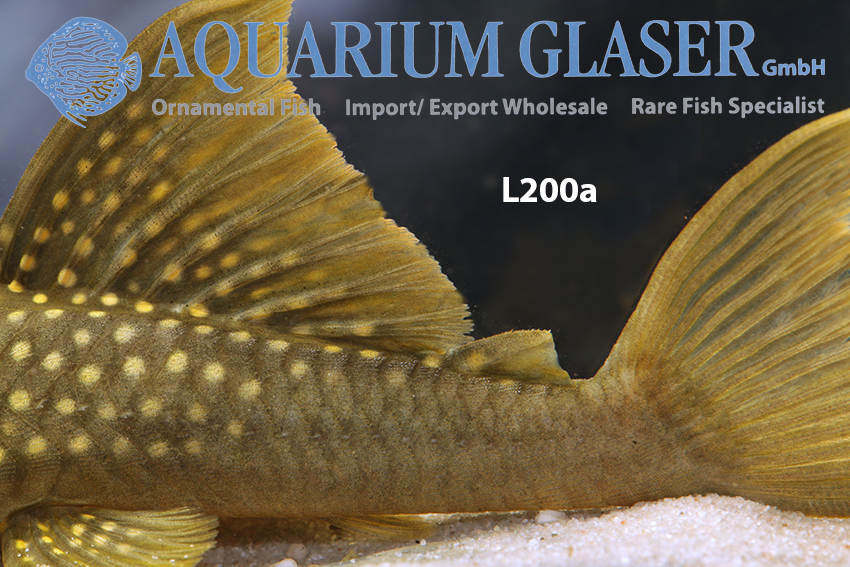
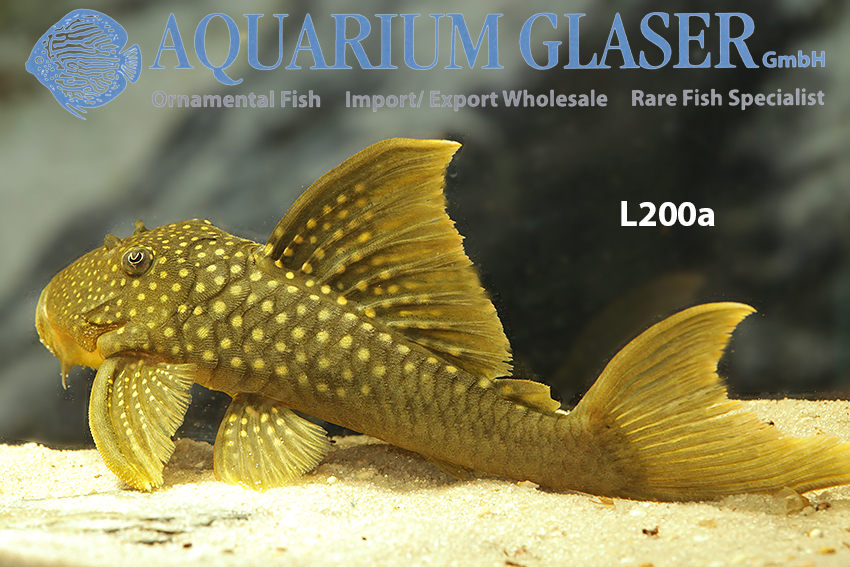
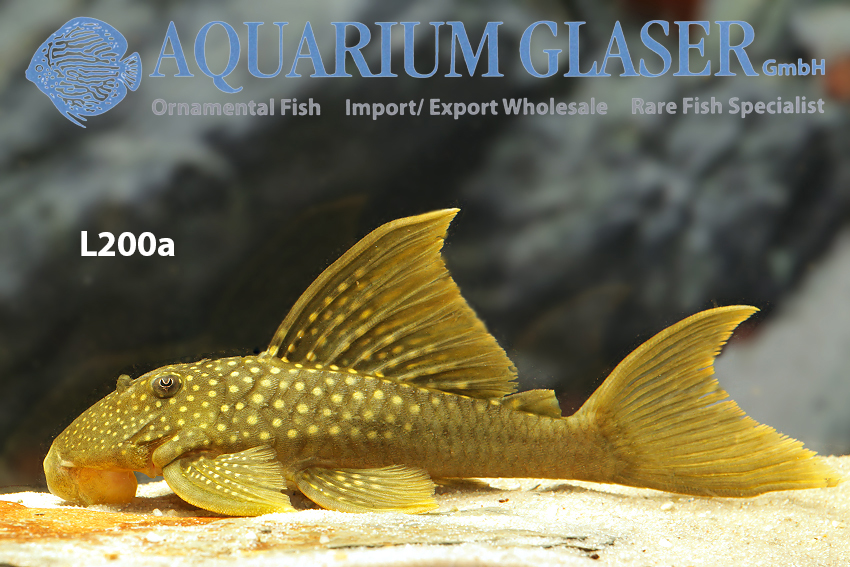
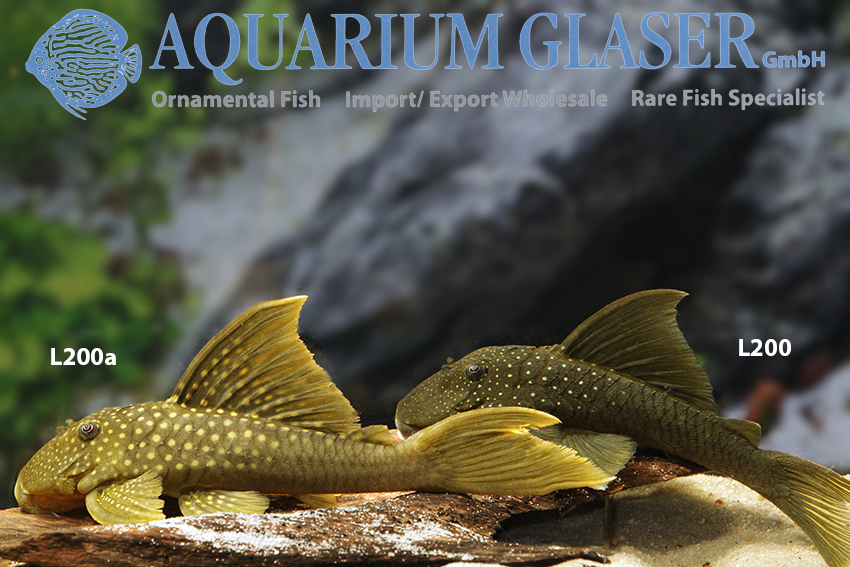
In individual cases, it is therefore not easy to decide which of the two catfishes is present. There are many L200 Hemiancistrus subviridis with high and long dorsal fins, so it’s easy to get it wrong. If you want to know exactly, you have to look at the mouth. In L200 Hemiancistrus subviridis the mouth appears horizontal-oval, the number of teeth is reduced and the tips of the teeth are wider. The latter makes the tips of the teeth look like bright dots in flashed images. The mouth of L200a Baryancistrus demantoides is vertically oval, the teeth are small and numerous, without widened tips. The coloration of the dorsal fin, which is usually (!) without markings in L200 Hemiancistrus subviridis, but usually (!) shows bright dots in L200a Baryancistrus demantoides, also often provides an indication. However, there are also L200 with dots and L200a without dots in the dorsal fin. It will probably never be possible to completely avoid having some L200a between L200 and vice versa.
Except for breeding experiments (they are typical cave breeders with a father family), it is not really important which of the two L200s you have. Both are very beautiful fish and good algae eaters, both have the same life requirements and grow to a similar size (20-25 cm). The hardness and pH value are of secondary importance for keeping them, although soft and slightly acidic water is usually less contaminated with bacteria, which is pleasant for the catfish. The temperature should be in the range of 26-30°C, so they are warm water fish. Both have a high food requirement, which must be taken into account, and the food should mainly be vegetarian. It appears that L200a Baryancistrus demantoides is somewhat more territorial towards conspecifics than L200 Hemiancistrus subviridis, but that is the whole difference from a maintenance point of view.
For our customers: the animals have code 26480-L 200 (Hemiancistrus subviridis) and 26480-L 200A (Baryancistrus demantoides) on our stock list. Please note that we only supply the wholesale trade.
Text & photos: Frank Schäfer
