








There is no consensus on the systematic position of the livebearing toothcarps living on the Caribbean islands. Based on anatomical characteristics, the genus Limia was long considered synonymous with Poecilia, but they have so many unique characteristics that Limia was almost always referred to as a subgenus. However, more recent studies, particularly those based on DNA, consider Limia to be a separate genus (Spikes et al, 2021). It is therefore considered to be a sister group to Poecilia.
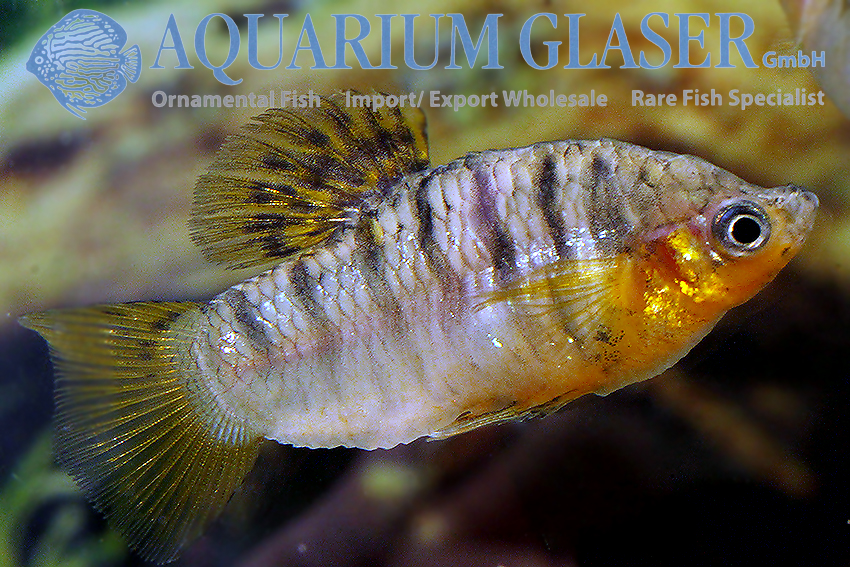

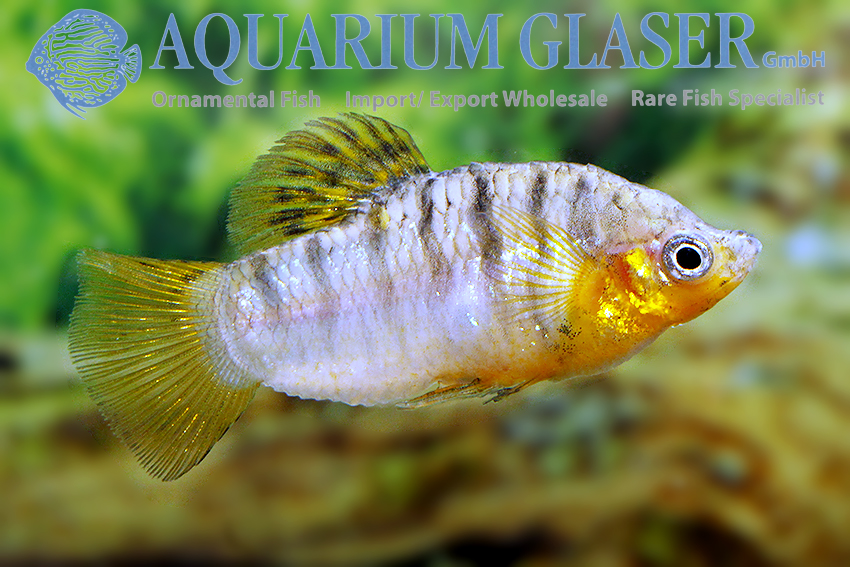
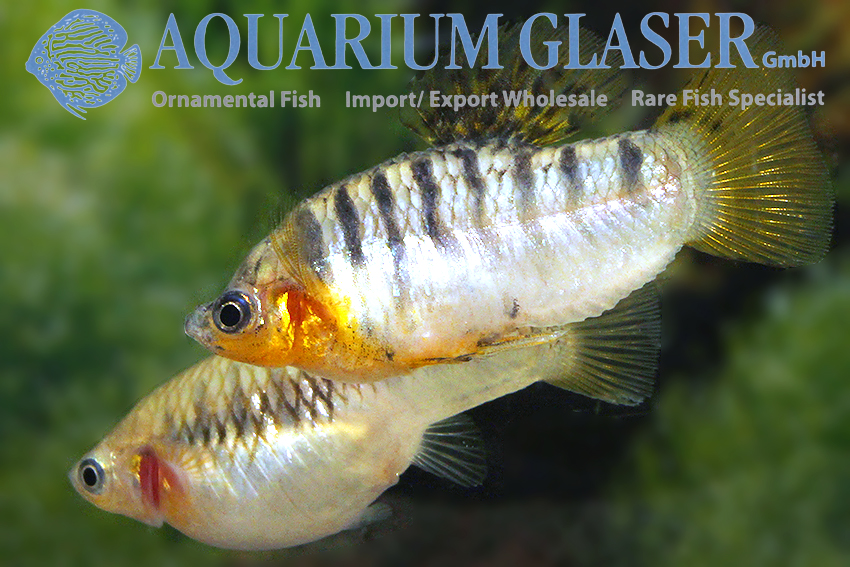
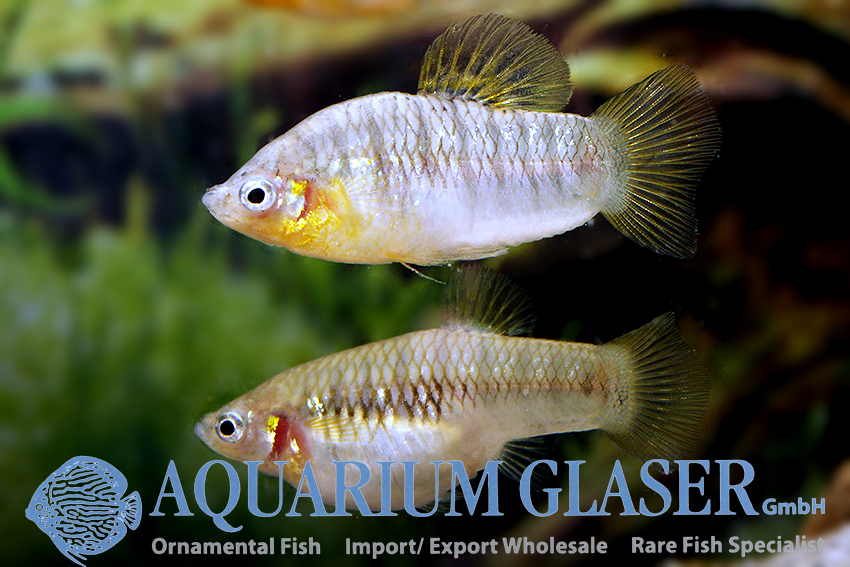
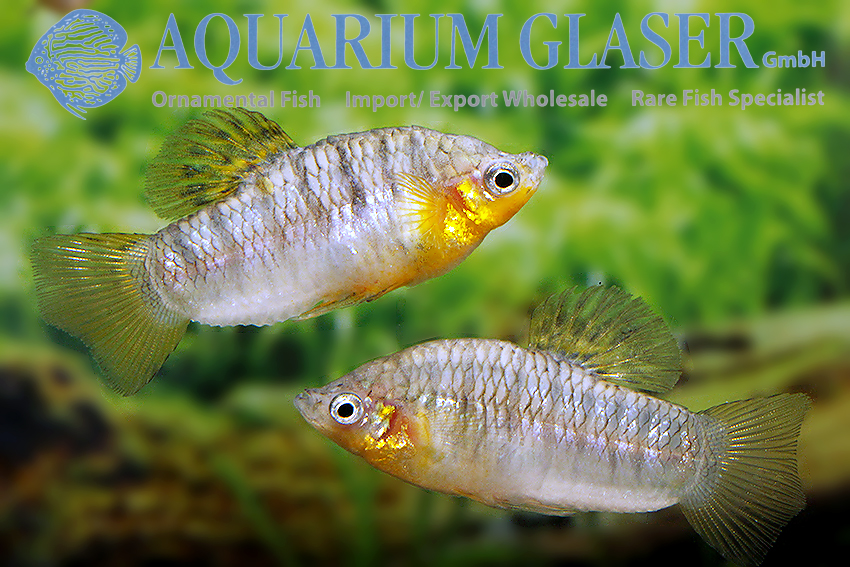
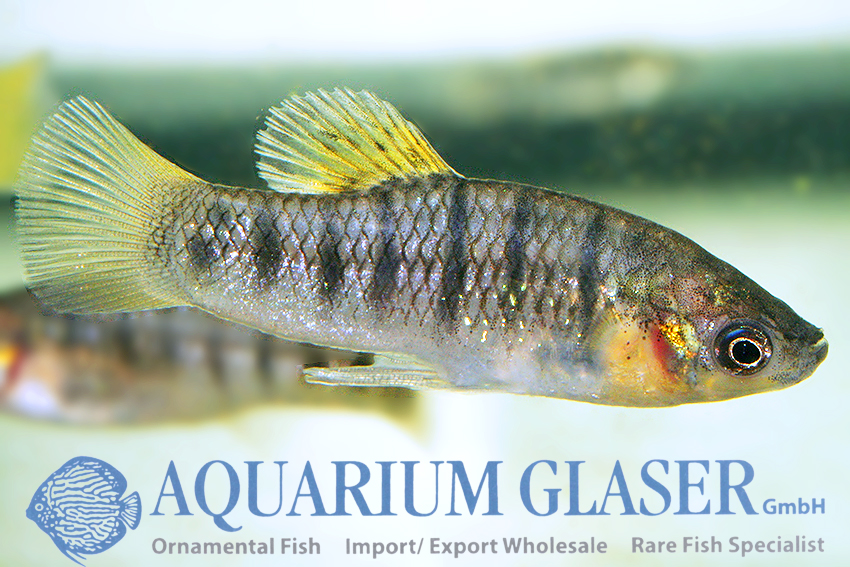
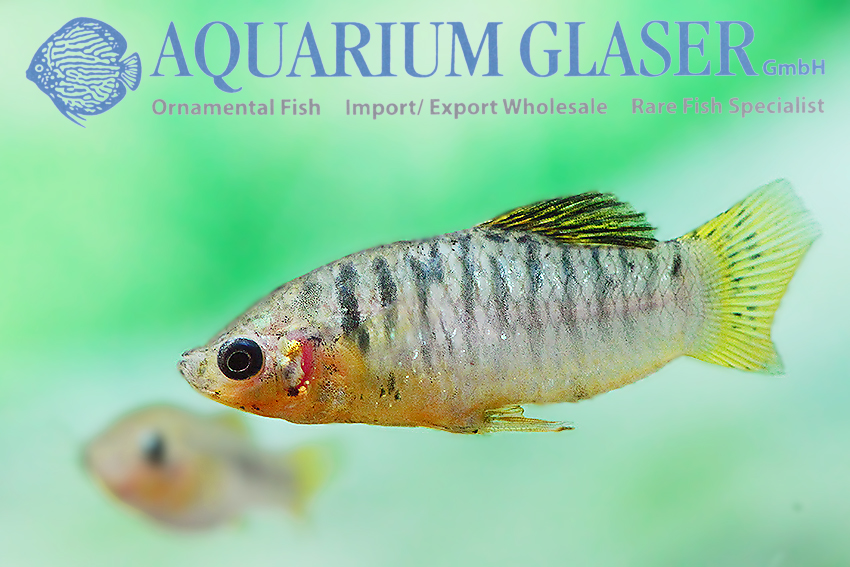
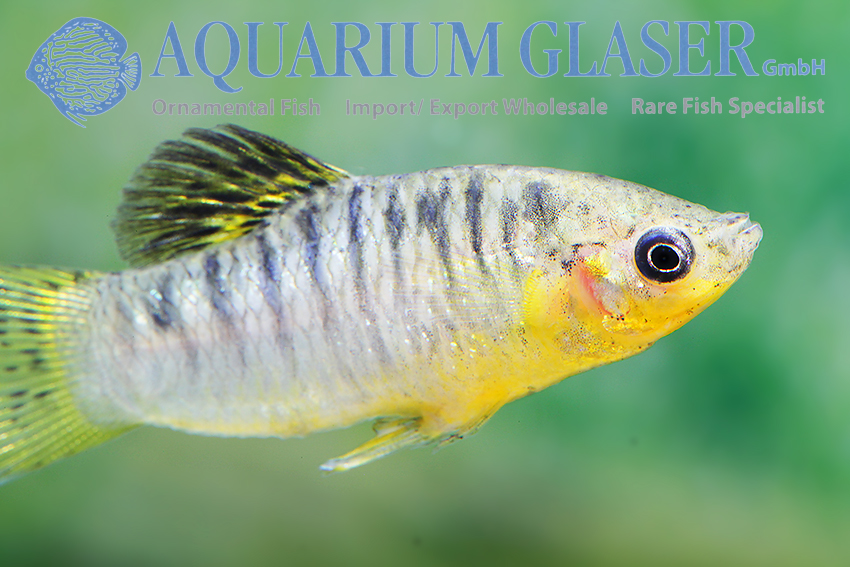
The humpback livebearer Limia nigrofasciata is one of the most striking species among livebearing toothcarps. It originates from Lake Miragoane on Hispaniola (Haiti). With a length of 12 km and an area of around 25 km2, Lake Miragoane is one of the largest natural freshwater lakes in the Caribbean. In terms of its fish fauna, it is exciting for aquarists. Similar to the cichlids in the large African lakes, the livebearing toothcarps of the genus Limia have developed a special abundance of species in Lake Miragoane. Nine species can be found there, two of which were only scientifically described in 2020. In addition, there is an interesting Gambusia species (G. beebei) in Lake Miragoane. Limia nigrofasciata has been kept and bred in aquariums since 1912. The popularity of the species is also evident in the fact that enthusiasts have preserved it through two world wars.
All Limia species are very peaceful fish and are well suited for keeping in community aquariums. If you want to breed them, you should keep the species separate, as they hybridize very easily and the hybrids are not attractive. You should always have several males in the aquarium, as the fish’s display fights, which are completely harmless, are magnificent to watch. The fish develop their most colorful plumage when some algae growth is allowed on the side panes, as the fish enjoy grazing on it and it obviously contains nutrients that are very good for them.
Here are the key care details: the water should be rather hard for these fish, and the pH value should always be above 7. Values between pH 7.5 and 8.5 are favorable. Limia species are considered to be heat-loving. They are best kept at temperatures between 26 and 30°C. They will eat any commercially available food of a suitable size. Plant-based flake food is particularly suitable for Limia species.
For our customers: depending on their size, the animals have codes 424801 (sm) to 424804 (lg-xlg) on our stock list; only captive-bred animals are available in stores. Please note that we only supply wholesale customers.
Literature
Spikes, M., Rodríguez‑Silva, R., Bennett, K.-A. Bräger, S., Josaphat, J., Torres‑Pineda, P., Ernst, A., Habenstein, K., Schlupp, I. & R. Tiedemann (2021): A phylogeny of the genus Limia (Teleostei: Poeciliidae) suggests a single‑lake radiation nested in a Caribbean‑wide allopatric speciation scenario. BMC Research Notes v. 14 (art. 425): 1-8.
Text & photos: Frank Schäfer
