








The colorful rock cichlids (Mbuna) of Lake Malawi are mainly kept for their bright colors, but they actually have more to offer in terms of behavior than just looking good. Maylandia sp. Daktari—a species not yet scientifically described—occurs only in a relatively small area in four populations; two of these populations are indistinguishable in appearance. In the population from Undu and Hai Reef in Tanzania, the dominant males are bright yellow, while in the Chiwindi and Liutche populations in Mozambique, the dominant males have a blue tinge over their backs. Almost all specimens available in the trade are offspring of the yellow morph.

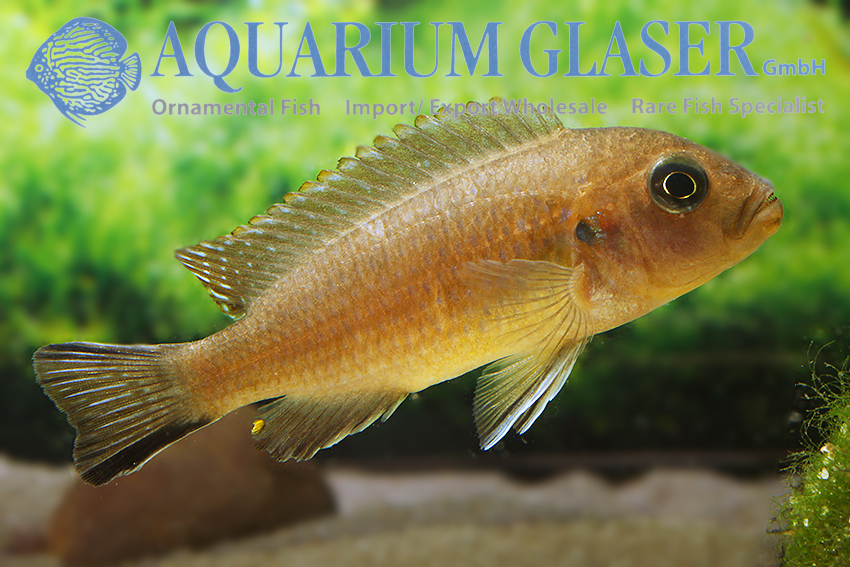
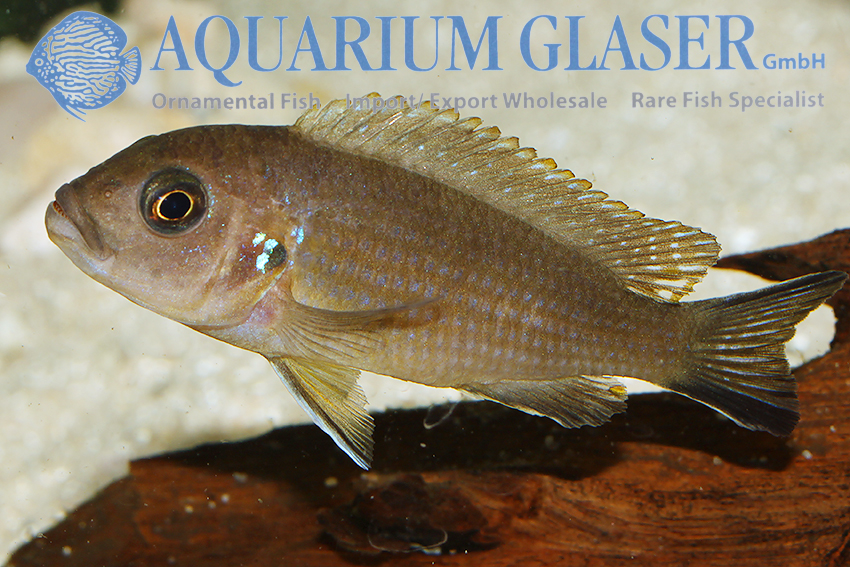
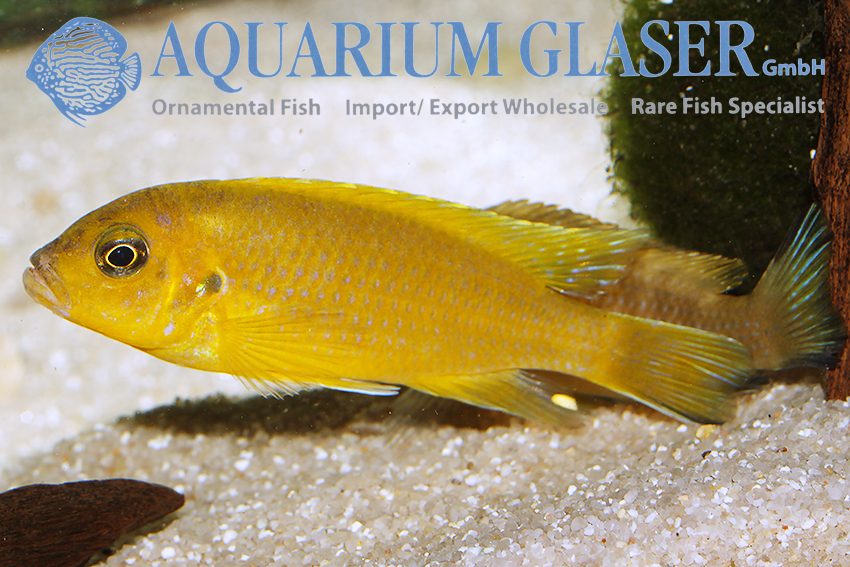
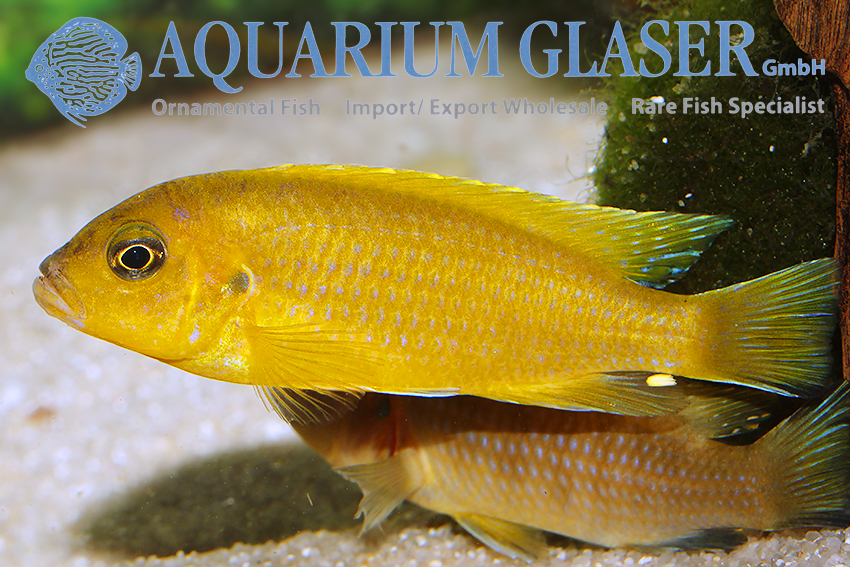
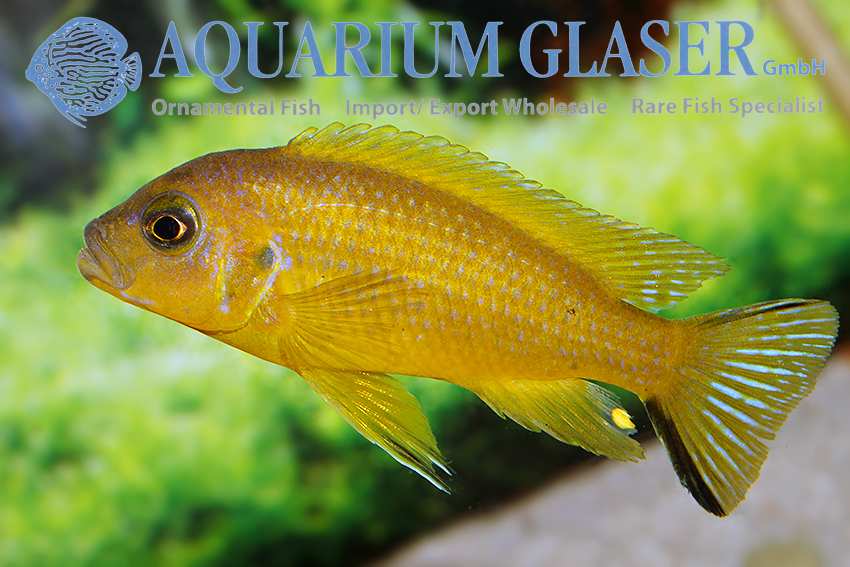
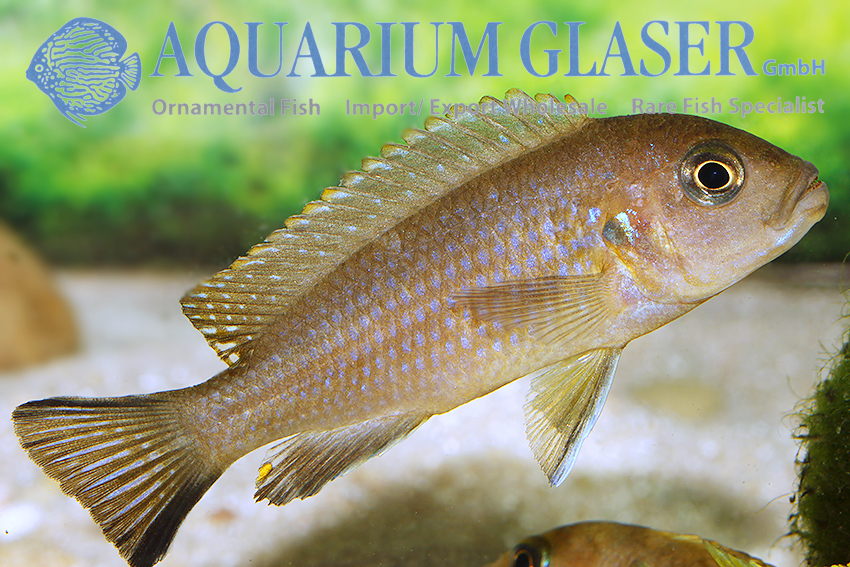
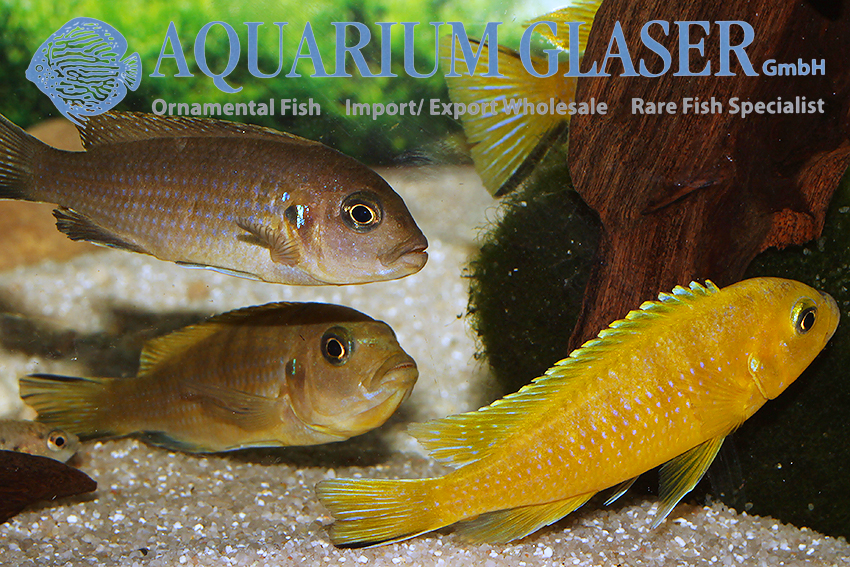
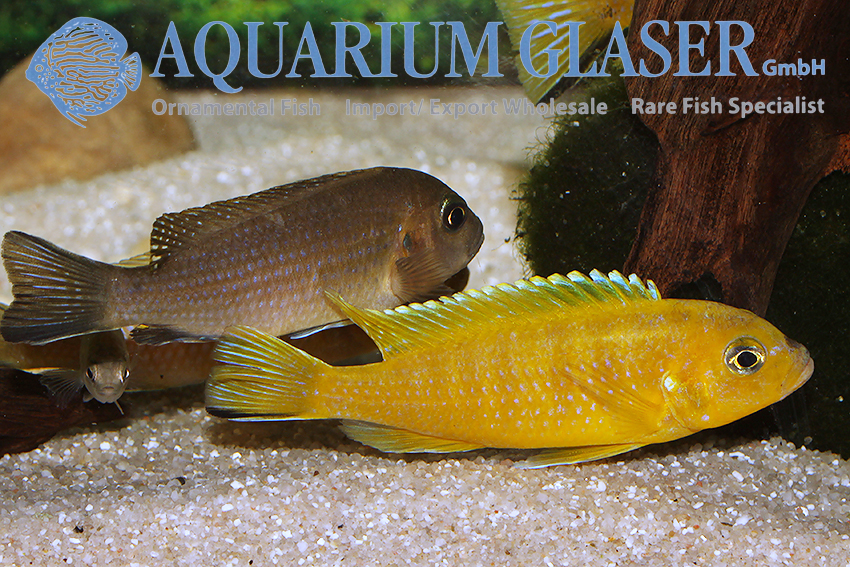
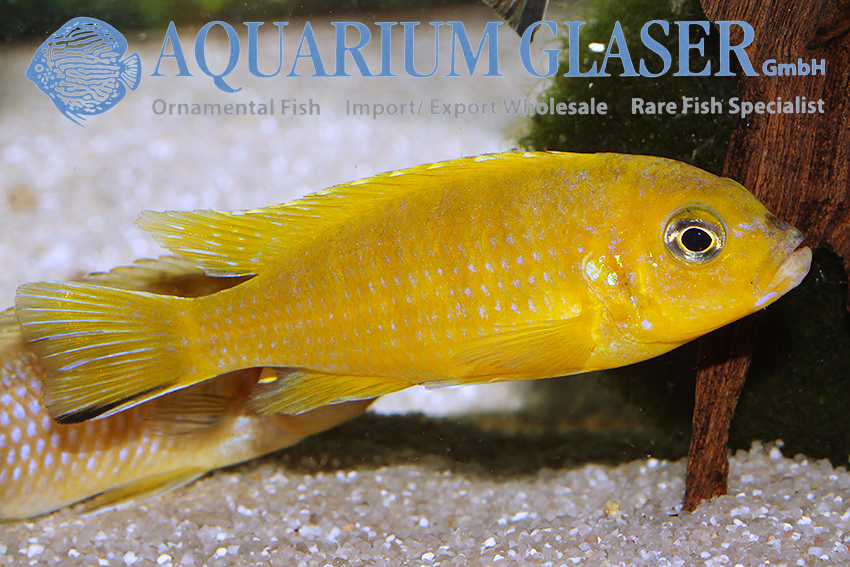
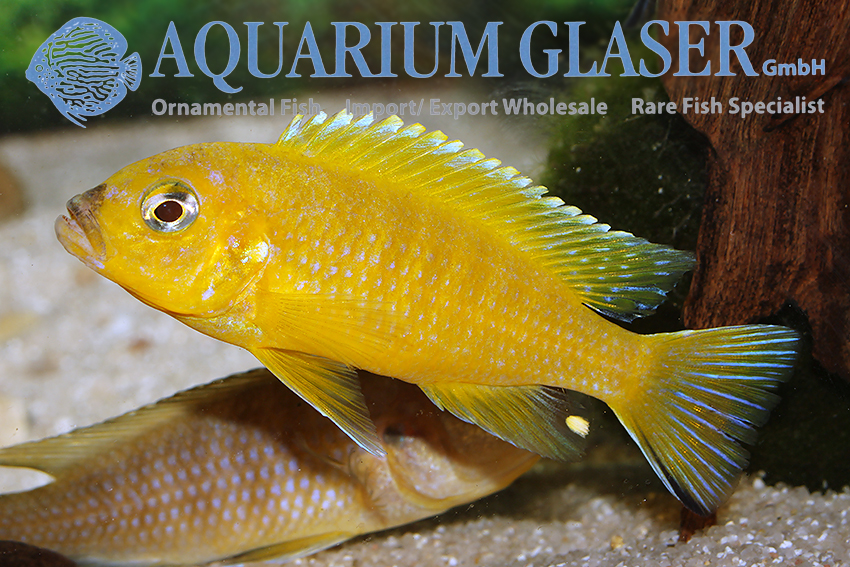
By Mbuna standards, this species is considered peaceful and is also one of the smallest Mbunas, growing to only about 10 cm in length. However, males can be very aggressive towards each other. It is usually recommended to keep one male with several females per aquarium. However, there are now also many aquarists who successfully keep several males and several females. Non-dominant males take on the coloration of females and are then safe from persecution by the alpha male; the “real” females are relieved of the constant pursuit of the alpha male, as he puts just as much energy into courting the “false” females. Overall, this creates a relatively low-stress community.
Maylandia sp. Daktari (this species is also referred to in the literature under the synonyms Metriaclima sp. Daktari and Pseudotropheus sp. Daktari) lives in the transition zone between rock and sand. At the foot of a rock, a territorial, dominant male (called an alpha male) digs a tunnel that serves as a spawning ground. M. sp. Daktari is actually a planktivorous fish that picks small food organisms (plankton) from the open water column. Only the territorial male switches to an aufwuchs-eating lifestyle. Since this is a very nutrient-poor food source, a territorial male defends his territory very aggressively against unwanted competitors. It is assumed that alpha males cannot afford to leave their spawning territory to search for food, as the sparse aufwuchs growth would be eaten by other fish during this time.
Like all Mbuna, Maylandia sp. “Daktari” is an agamous mouthbrooder in the female sex, i.e., the two sexes do not form a bond beyond spawning, and the female is solely responsible for incubating the eggs in her mouth cavity.
For our customers: the animals have code 568263 on our stock list. Please note that we only supply wholesale customers.
Text & photos: Frank Schäfer
