








The Doradidae are a small family of South American catfish. Currently, there are 31 genera with 96 species, but new species are constantly being discovered and described. The largest thorny catfish grow to over 100 cm in length: Opsodoras niger, whose record is 120 cm and 20 kg in weight, and the smallest species only 3.5 cm (Physopyxis lyra). Most species reach a length of 10-20 cm.
The genus Megalodoras comprises large species. Its representatives can grow to over 50 cm in length. According to current knowledge, there are 2-3 species, two of which are generally accepted: M. uranoscopus (a well-known synonym is M. irwinei) from the Amazon region and M. guayoensis from the Orinoco basin. The species from the Rio Tocantins, described in 1911 under the name Oxydoras huberi, is still being discussed among experts. There is relative agreement that this is a Megalodoras. It is also known that the Megalodoras from the Rio Tocantins differ from the known Megalodoras from the Amazon region and probably represent a separate species, which could then be called M. huberi. But, as mentioned, this is still under discussion.
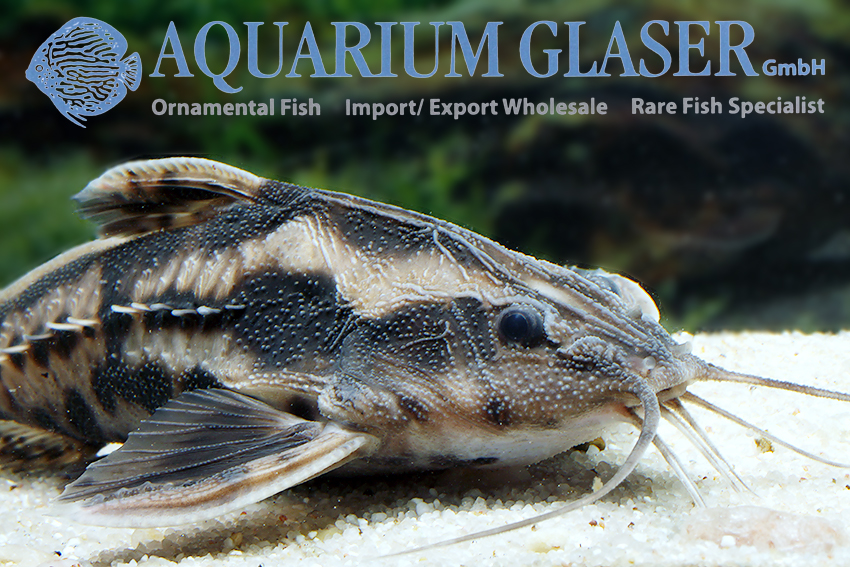
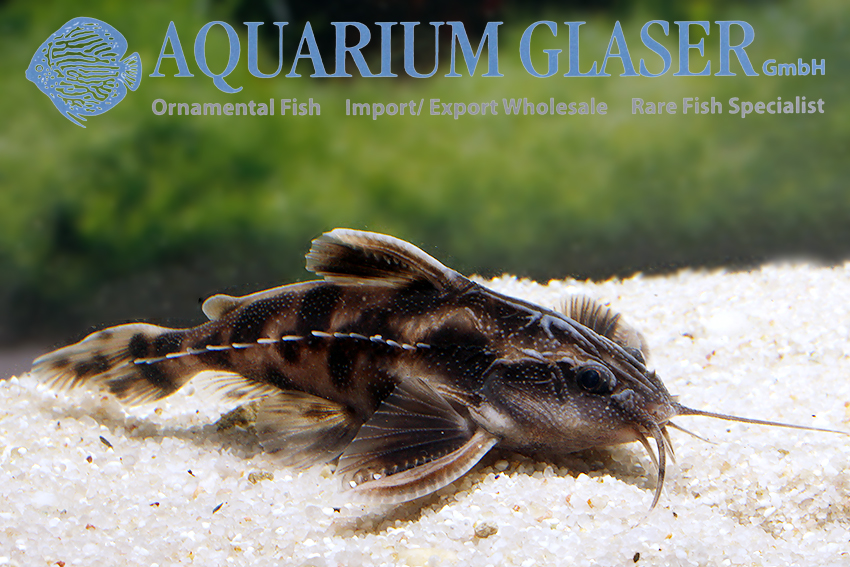
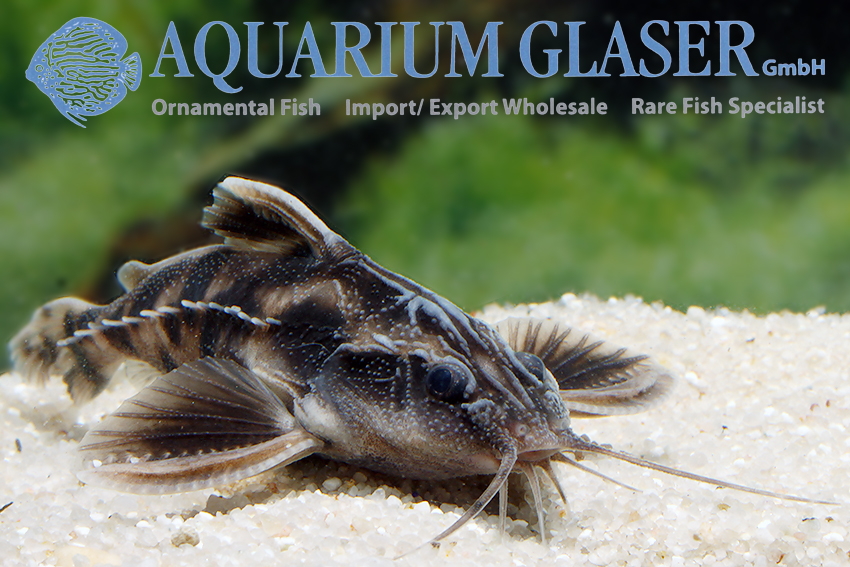
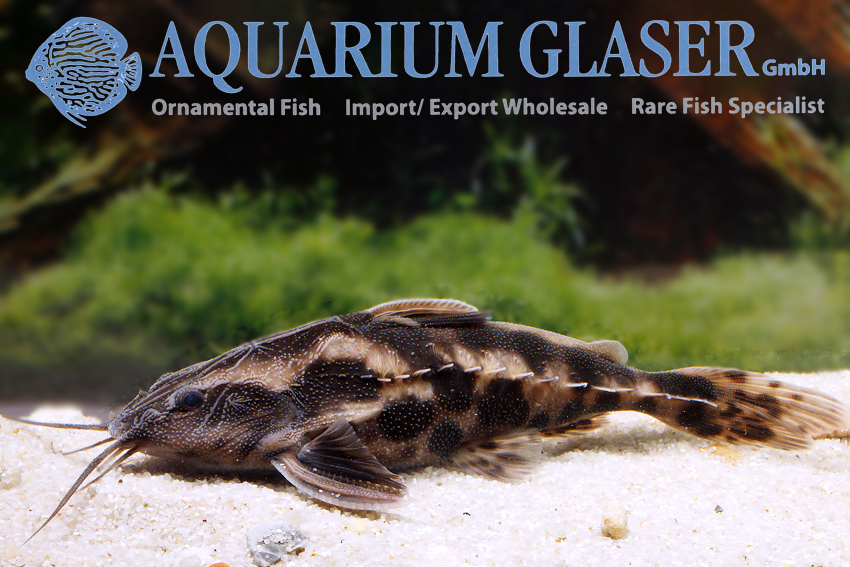
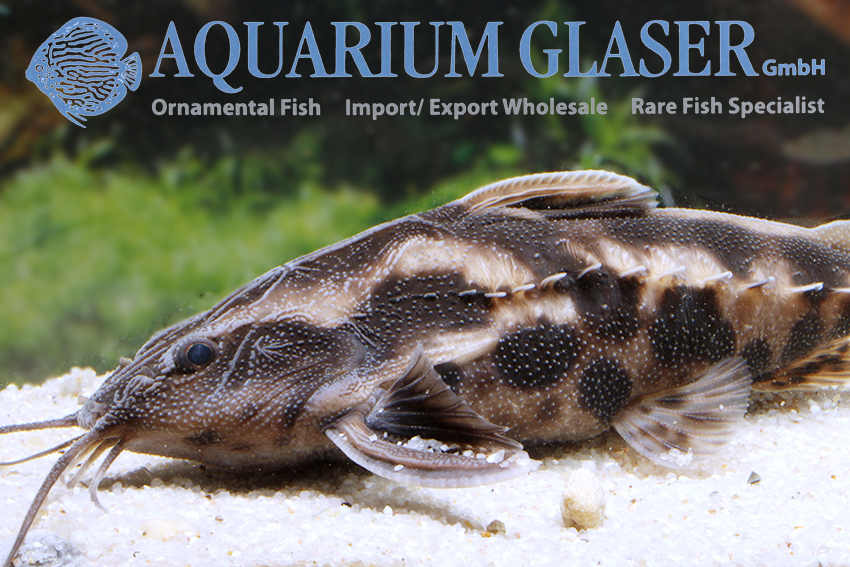
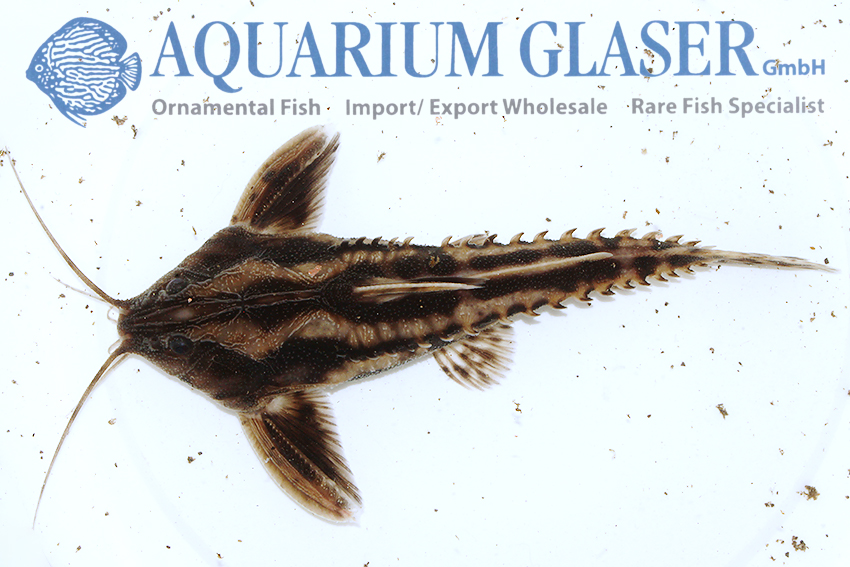
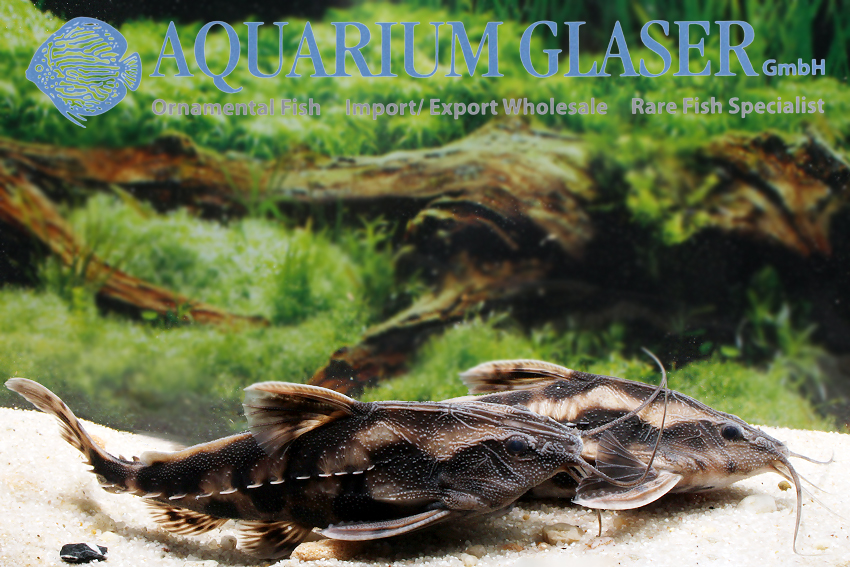
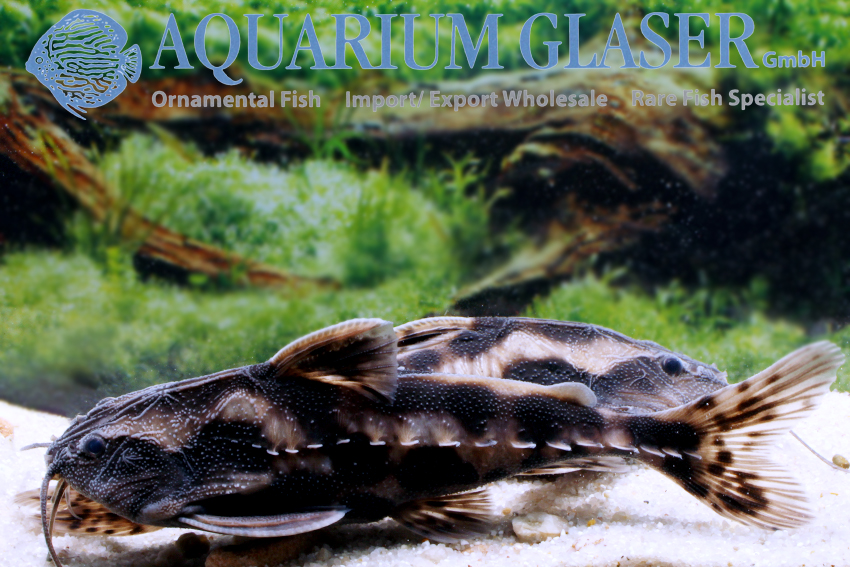
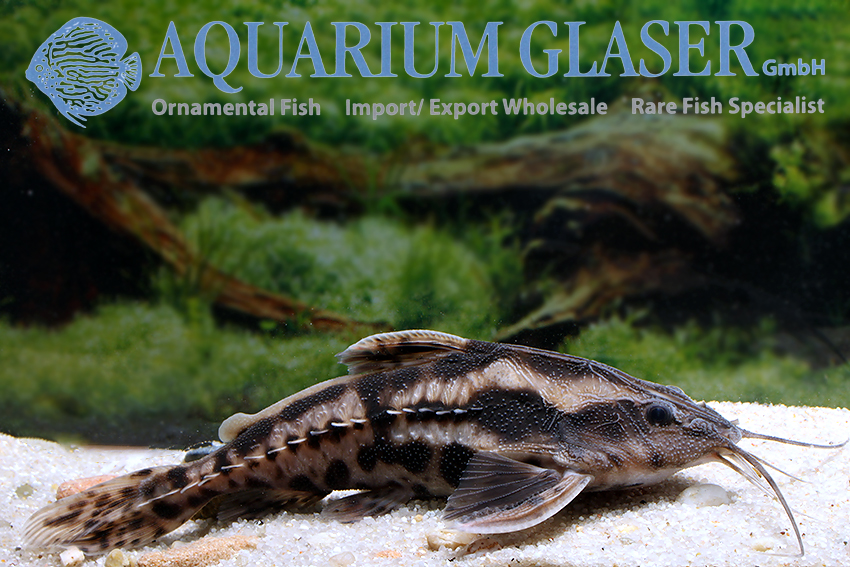
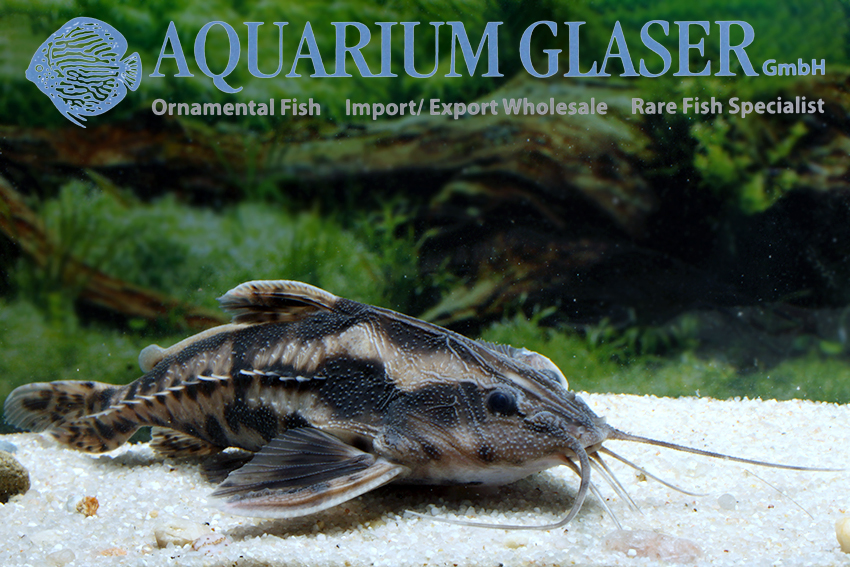
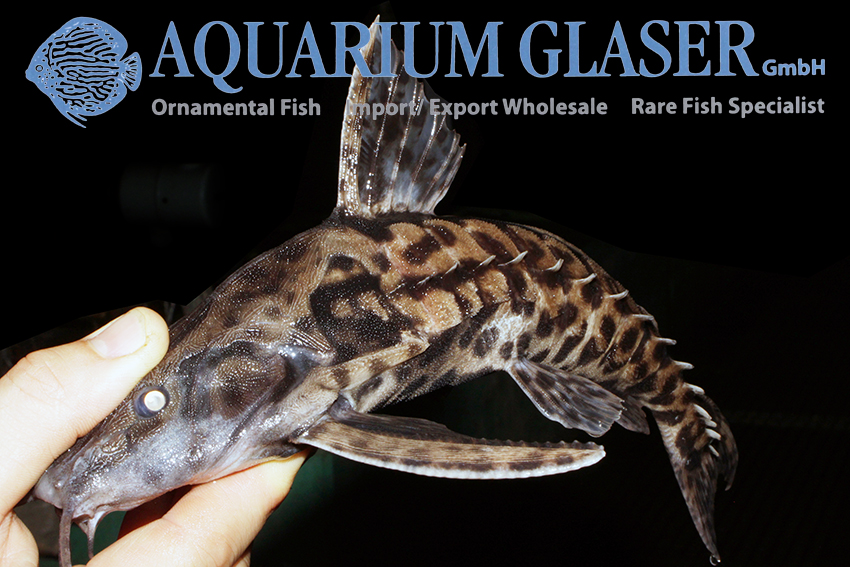
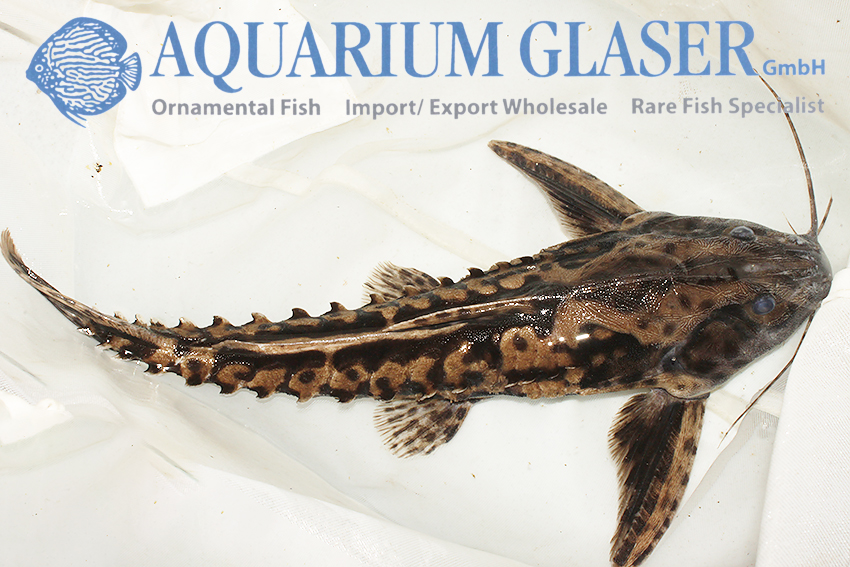
The Megalodoras uranoscopus available in stores usually come from Peru, as do all the animals illustrated in this post. A special feature of these animals are the 15-18 bony plates on the sides of their bodies, which are equipped with powerful defensive hooks. This is particularly impressive when viewed from above. Little is known about the lifestyle of these fish in the wild. However, stomach examinations regularly reveal mussels and snails, which are eaten with their shells, in the spiny catfish. They are not food specialists, however, and in the aquarium they willingly eat any food of animal origin that is offered to them. They are peaceful among themselves and towards fish of other species, but we assume that small fish that fit into their mouths are also considered food. The water values are irrelevant; the water temperature can be between 22 and 28°C. As nocturnal and crepuscular animals, these catfish need sufficient hiding places during the day. However, once they have settled in, they can often be seen during the day, especially when being fed.
For our customers: depending on their size, these catfish have codes 267522 (6-9 cm) to 267528 (40-50 cm) on our stock list. Please note that we only supply wholesale customers.
Text & photos: Frank Schäfer
