








In 1982, Gerald R. Allen and Norbert J. Cross published the first modern comprehensive overview of the rainbowfish known at that time. By that time, Allen had already described 12 new species since 1978. When he began systematically studying rainbowfish, only 19 Melanotaenia species had been described between 1843 and 1978, a period of 135 years. In 1982, 8 species were known from Australia, 14 from southern New Guinea, and 5 from northern New Guinea, for a total of 27 species. Today, 89 species are generally accepted! That is a tripling of the number of species in less than 45 years, and there is no end in sight. Almost every expedition to New Guinea still brings back new forms. The very first species ever described was Melanotaenia nigrans, which was described as Atherina nigrans in 1843. If you look at older aquarium literature up to the early 1980s, you will read that M. nigrans was imported in 1927 as the very first Australian ornamental fish species.
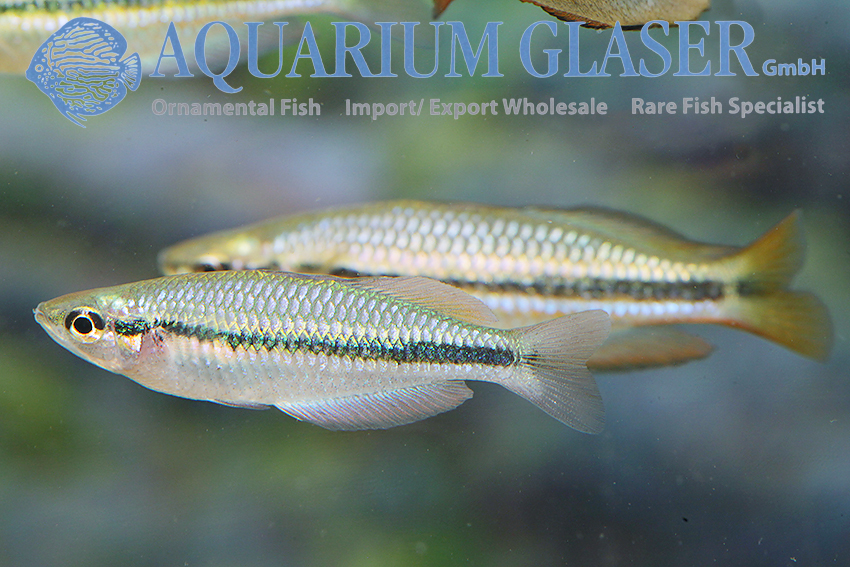
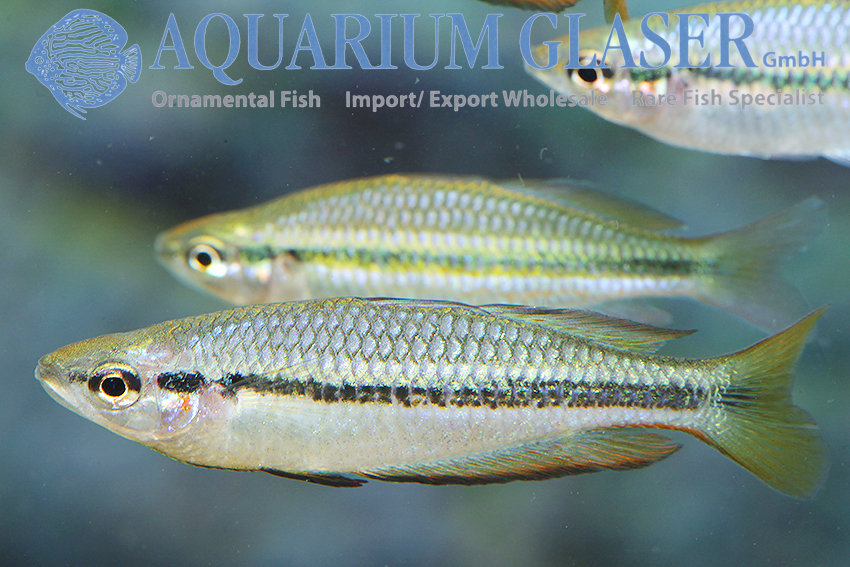
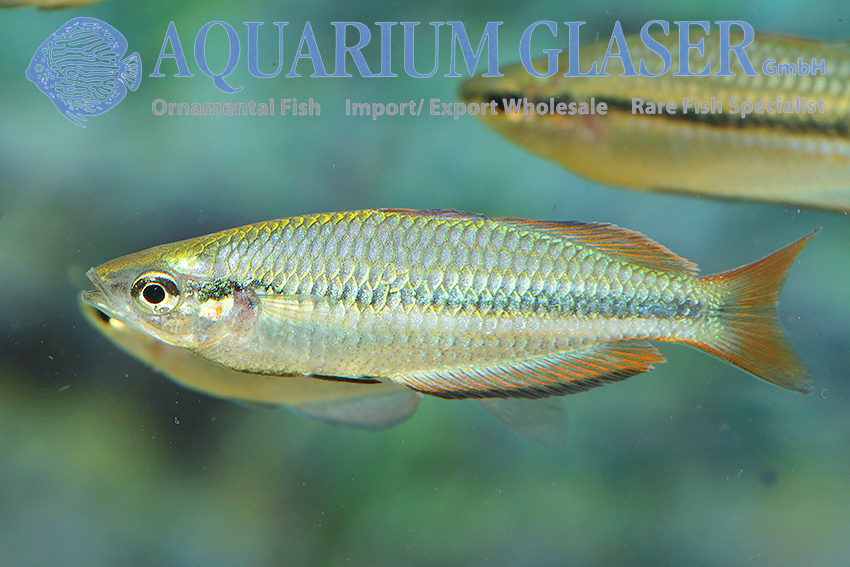
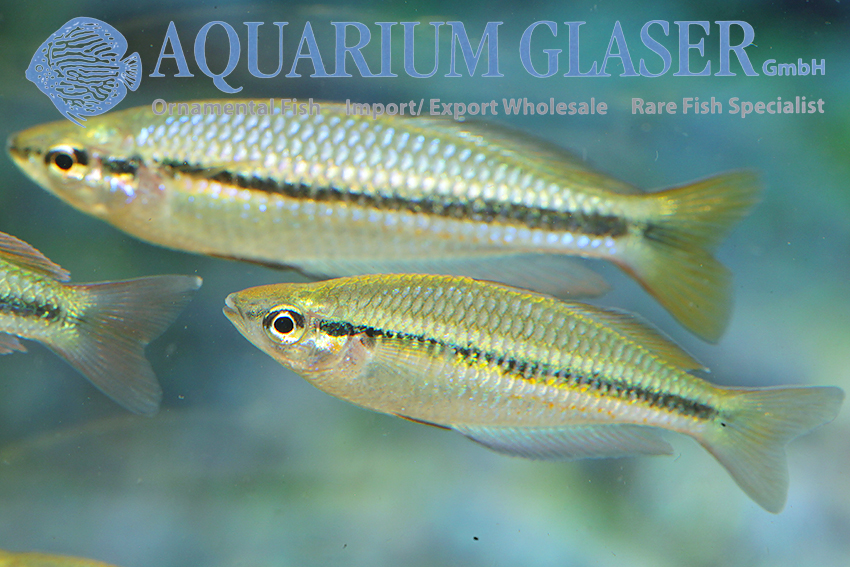
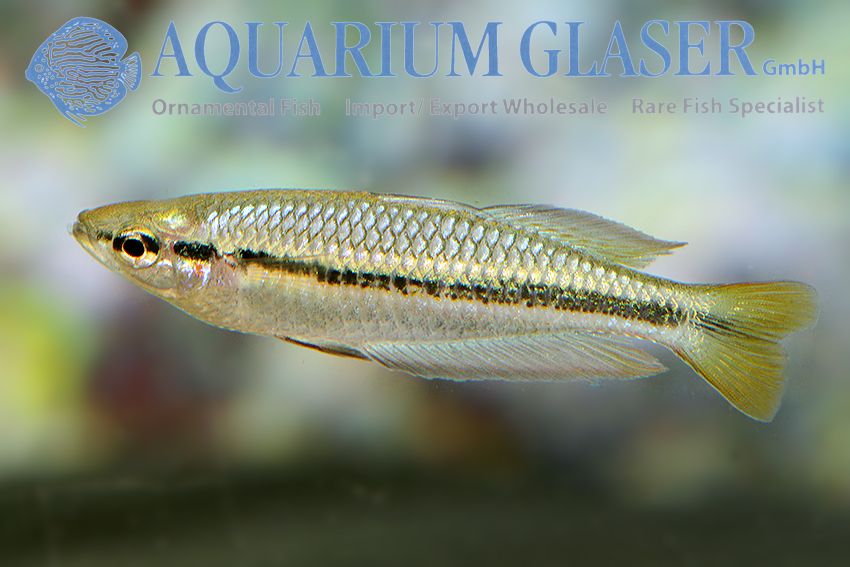
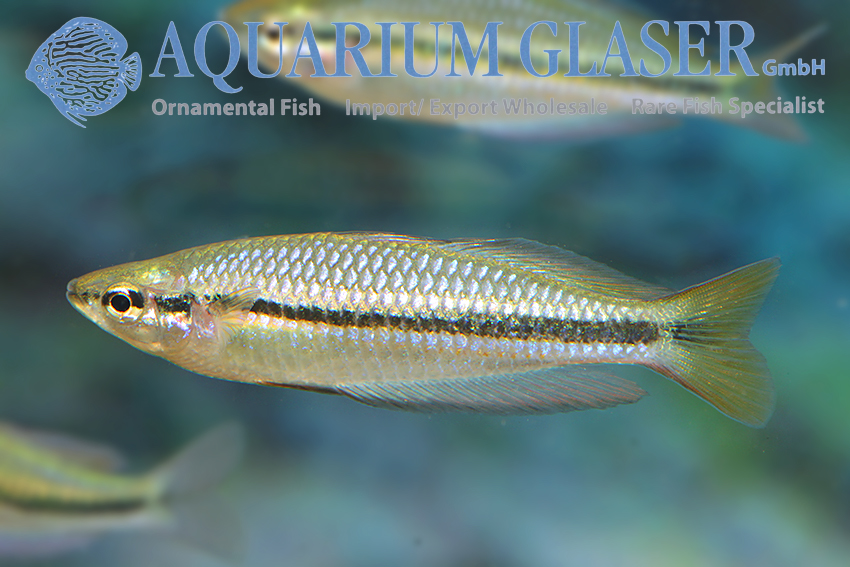
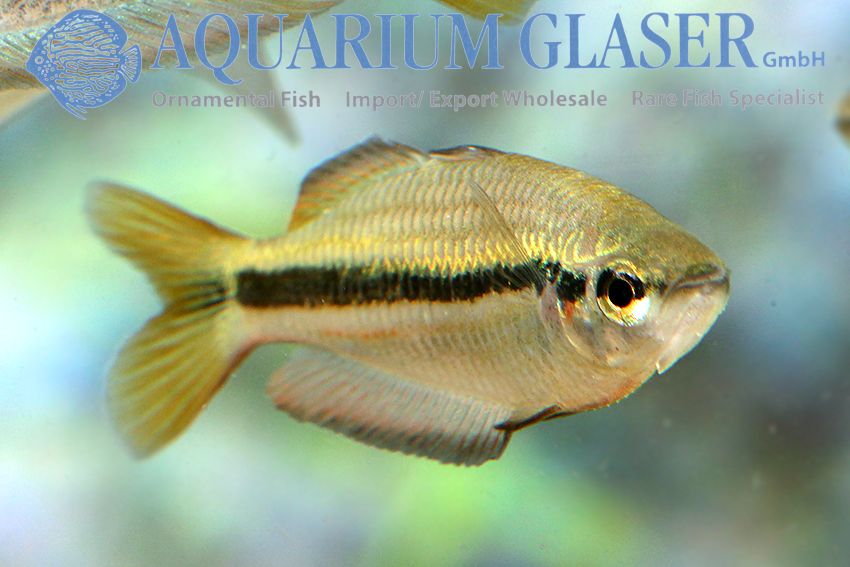
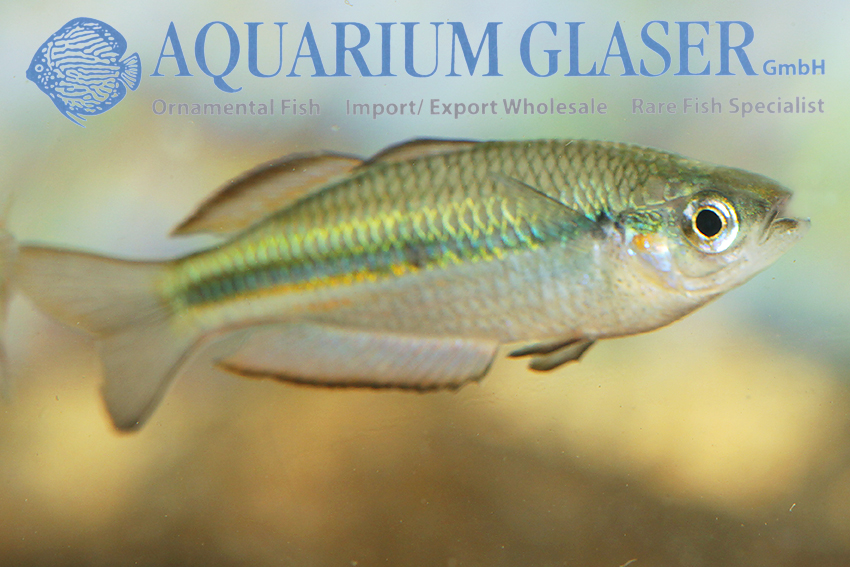
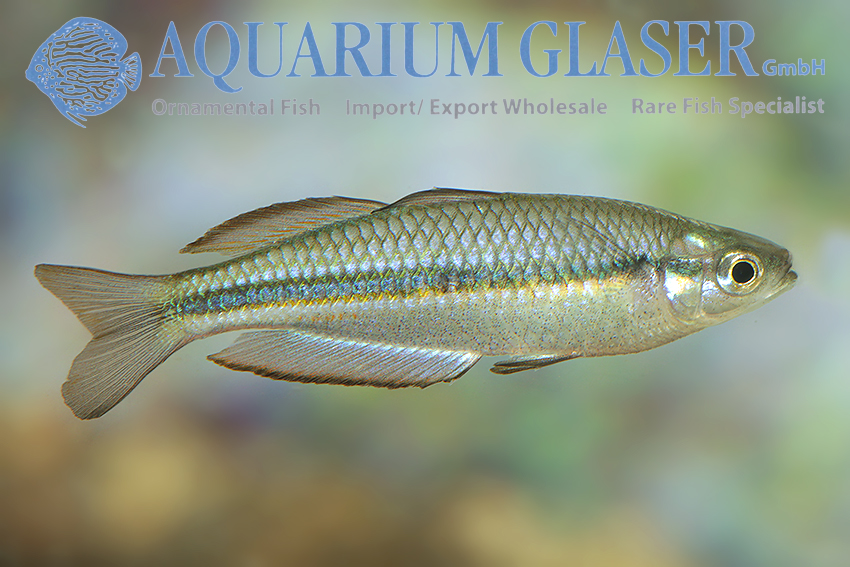
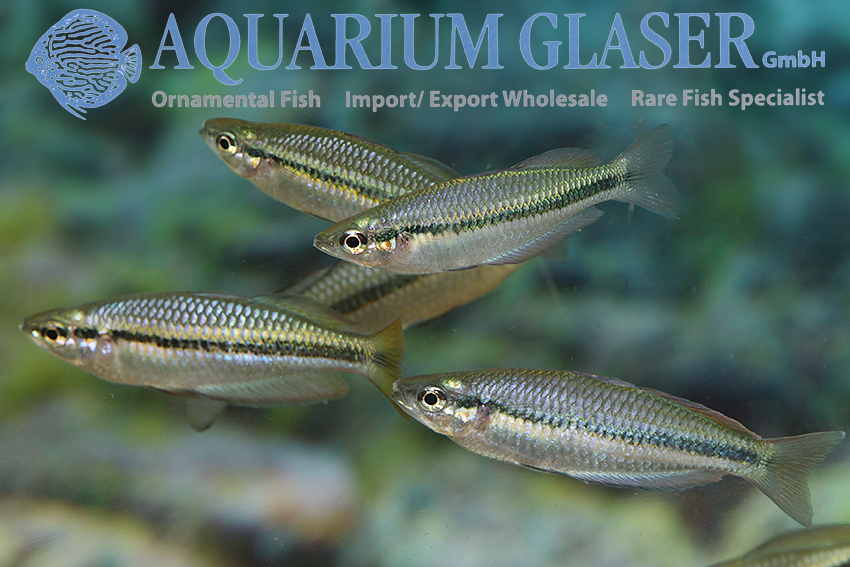
Given the figures listed above, it should come as no surprise that this identification of the fish at the time was incorrect. In reality, it was the similar species M. duboulayi. The first genuine imports of M. nigrans did not take place until around 1976. Melanotaenia nigrans comes from northern Australia, where it is irregularly distributed: from the Kimberley region in Western Australia through the northern part of the Northern Territory to the Cape York Peninsula in northern Queensland, including a number of offshore islands such as Groote Eylandt in the Gulf of Carpentaria and some islands in the Torres Strait. There are persistent rumors that the species also occurs in New Guinea, but it has never been scientifically proven there. Since there are no exports from Australia, all animals in the trade are captive-bred specimens. The species is said to be naturalized in the Philippines.
This slender rainbowfish usually grows to around 7 cm in length, but older aquarium specimens can reach lengths of around 12 cm. Like so many rainbowfish, this species is also very variable in color. Its slender body shape and unusually strong shoaling behavior make it a beautiful contrast to other rainbowfish species. In nature, the species occurs together with M. trifasciata, M. australis, and M. inornata.
M. nigrans has no special requirements in terms of water parameters and nutrition. In nature, it is found in relatively soft water (maximum 135 µS/cm) with pH values between 5 and 8 and temperatures between 19 and 35°C. It is therefore generally highly adaptable, but this should not tempt you to expose the animals to sudden changes in their environment. They cannot tolerate this at all! In our experience, the species is not entirely insensitive and is more suitable for advanced enthusiasts.
For our customers: the animals have code 428352 on our stock list. Please note that we only supply wholesale customers.
Text & photos: Frank Schäfer
