








For the first time we succeeded in importing a highly interesting, apparently small half-beak species from Sulawesi (formerly Celebes), which is most probably N. kolonodalensis. This species was scientifically described in 2000. It is named after the Kolonodale region. The Black Sulawesi Halfbeaks Nomorhamphus celebensis and N. towoetii, which were imported together with this species, also come from this region.
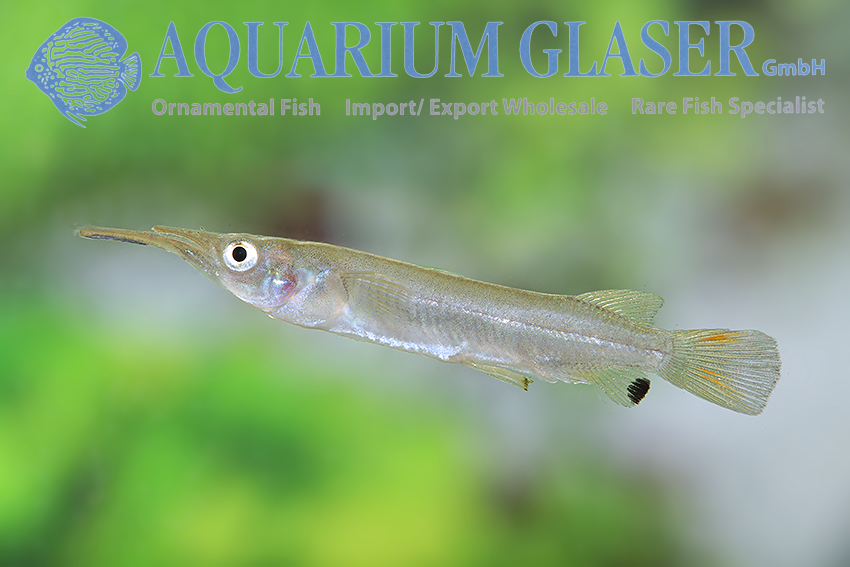
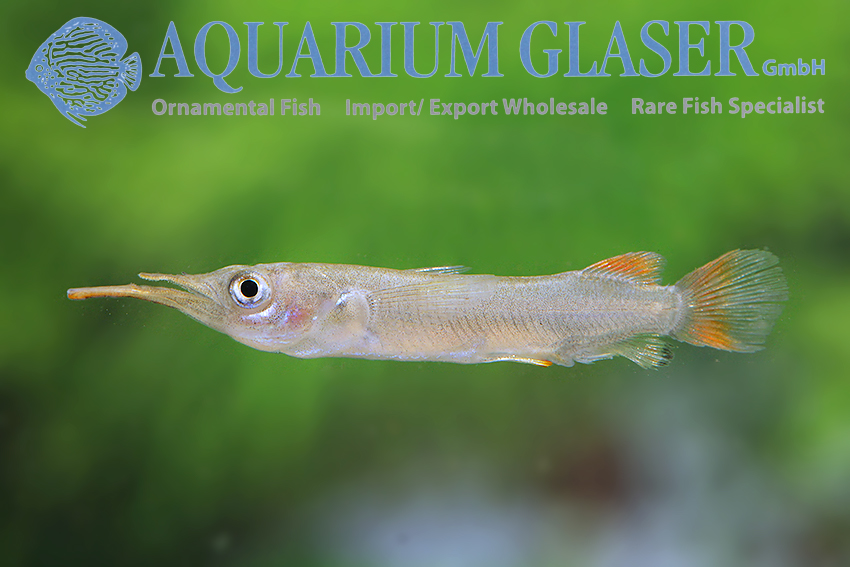
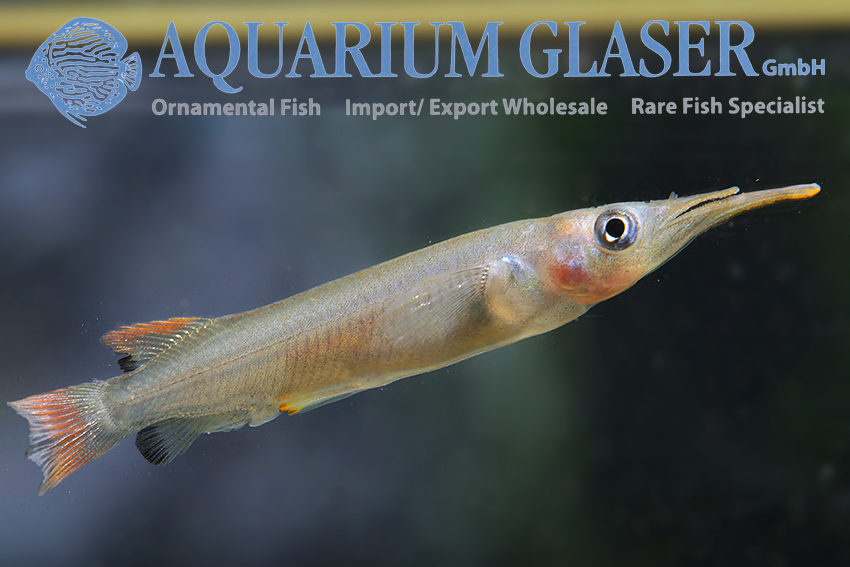
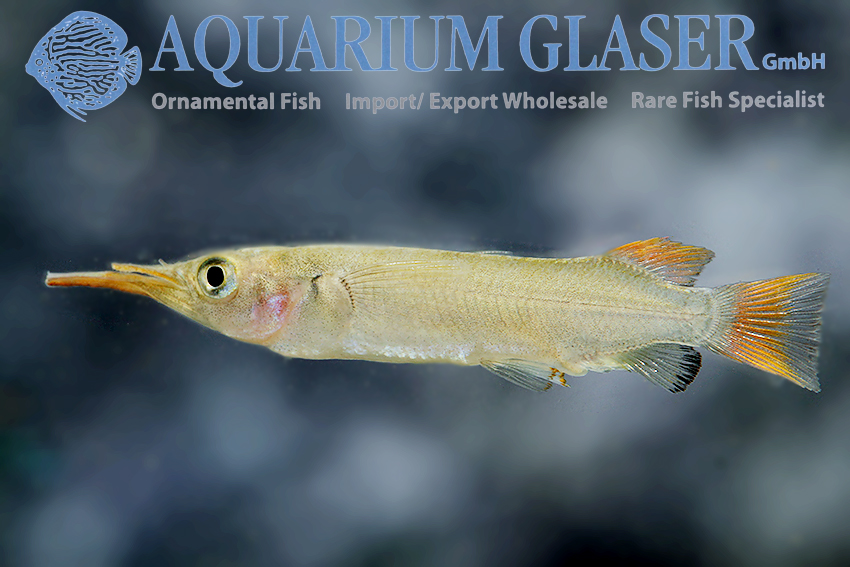
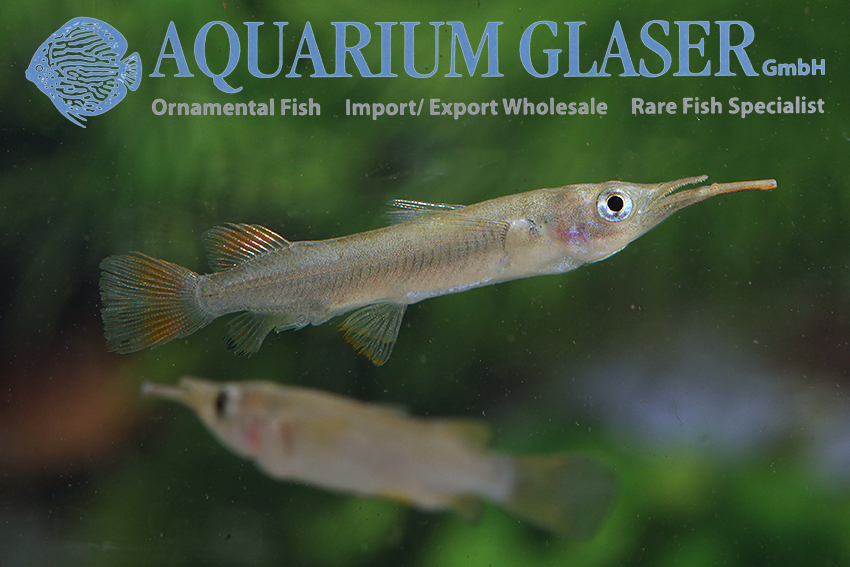
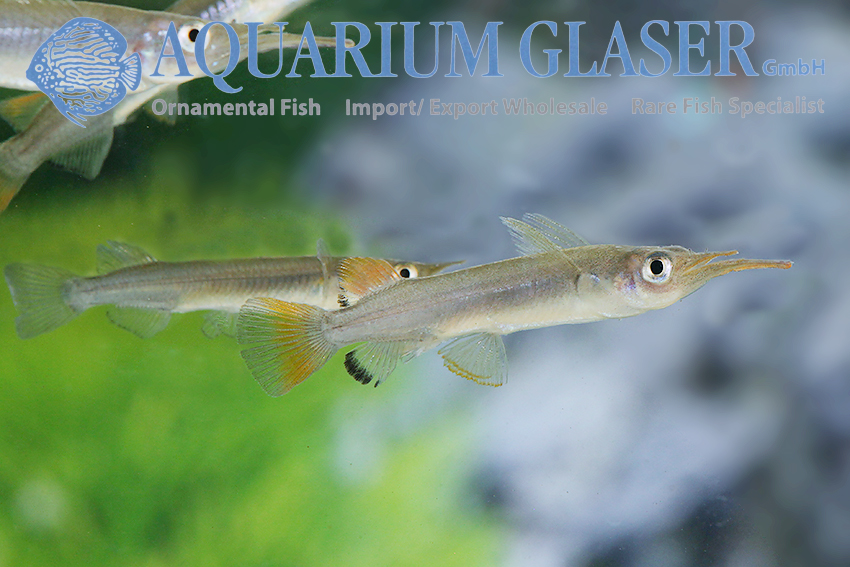
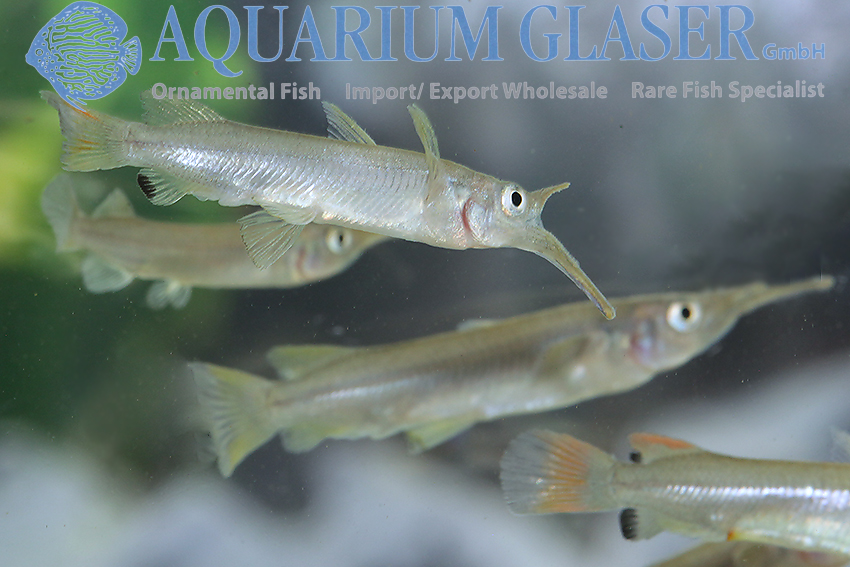
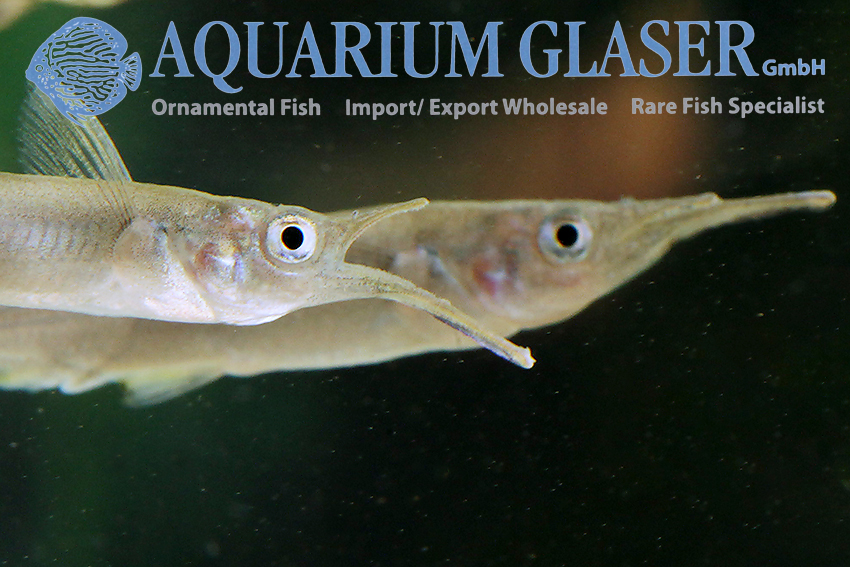
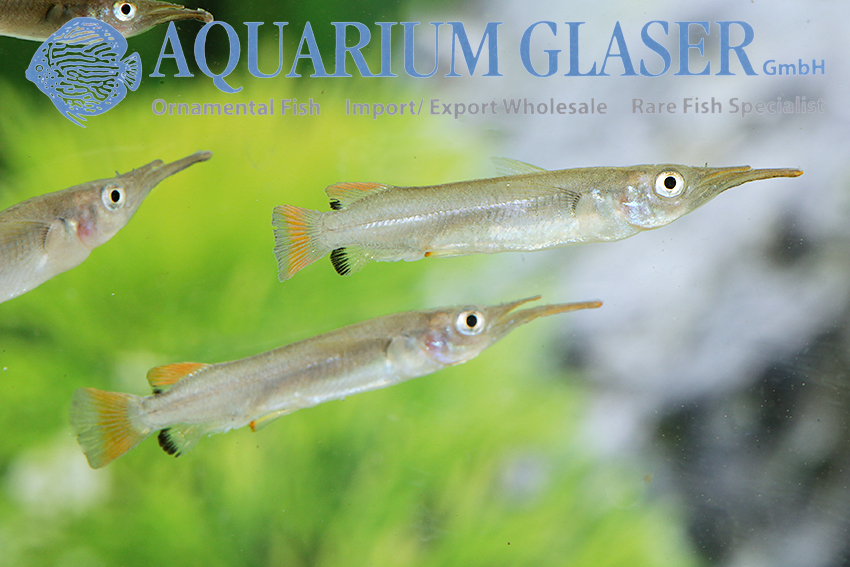
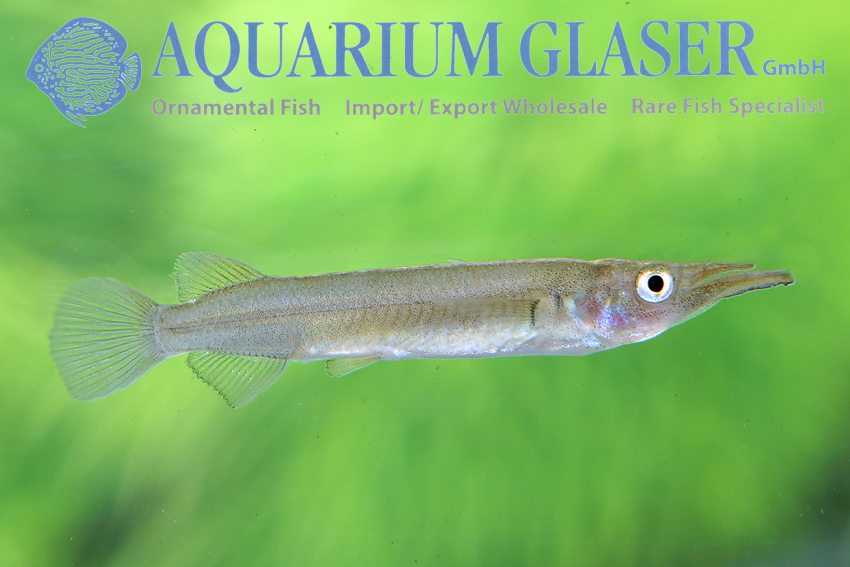
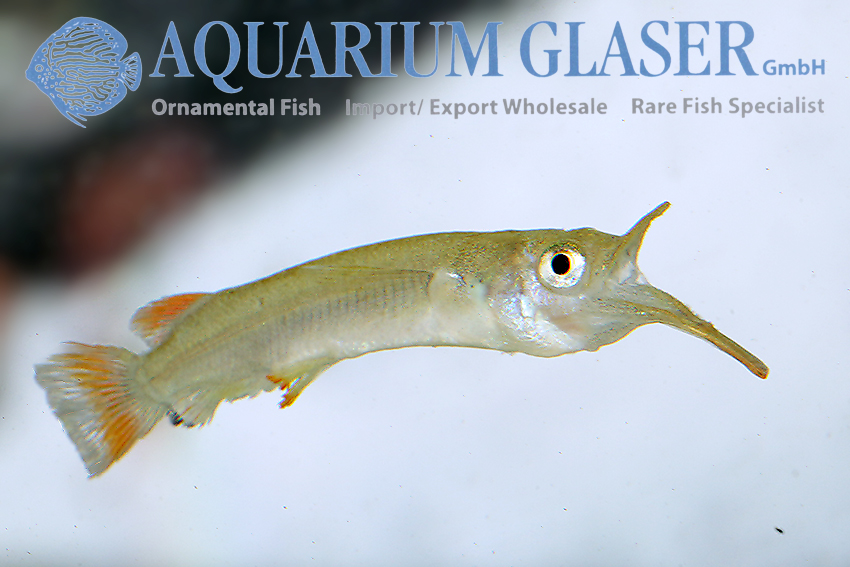
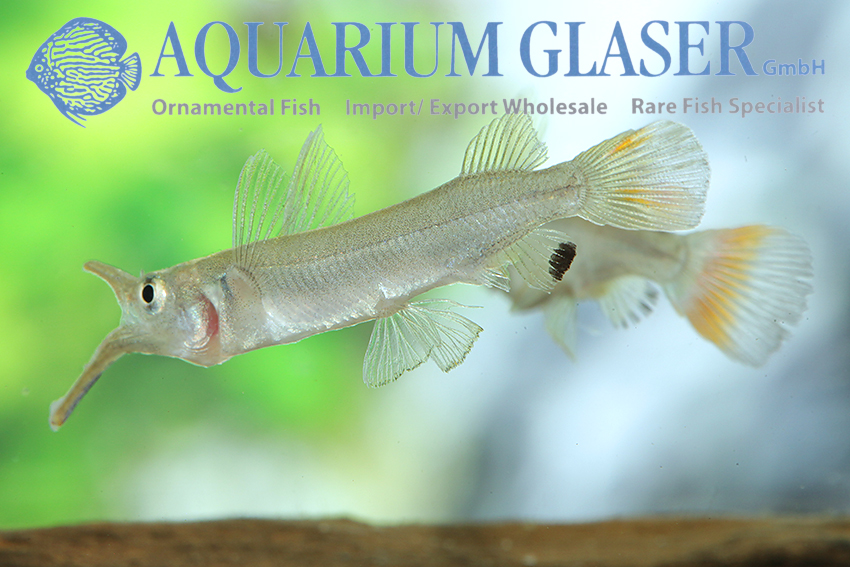
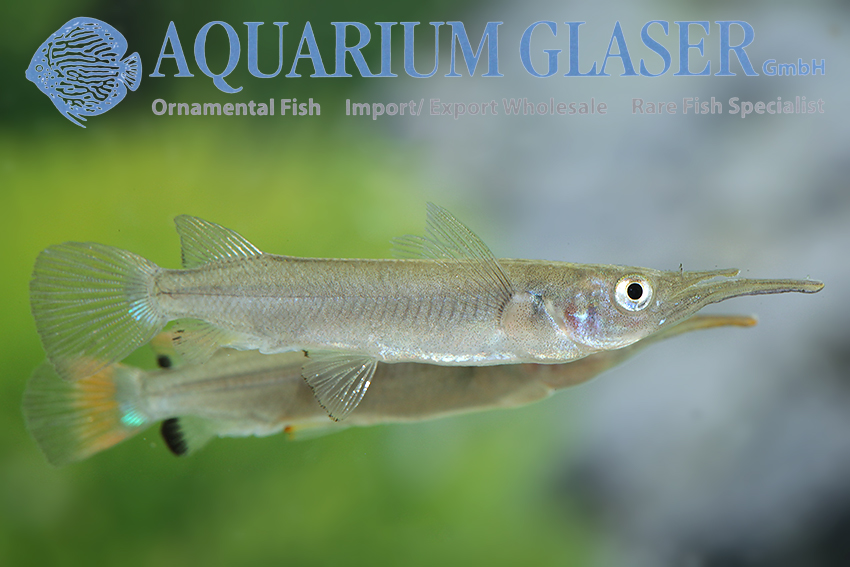
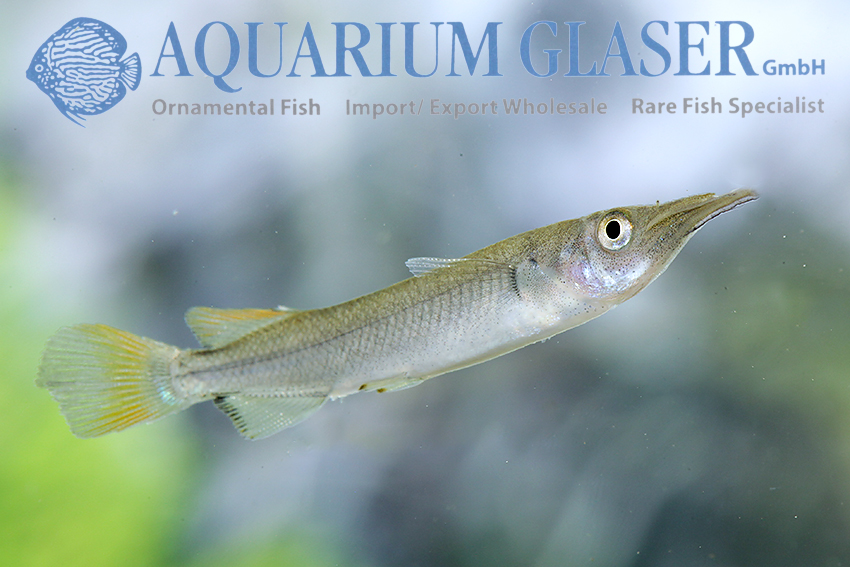
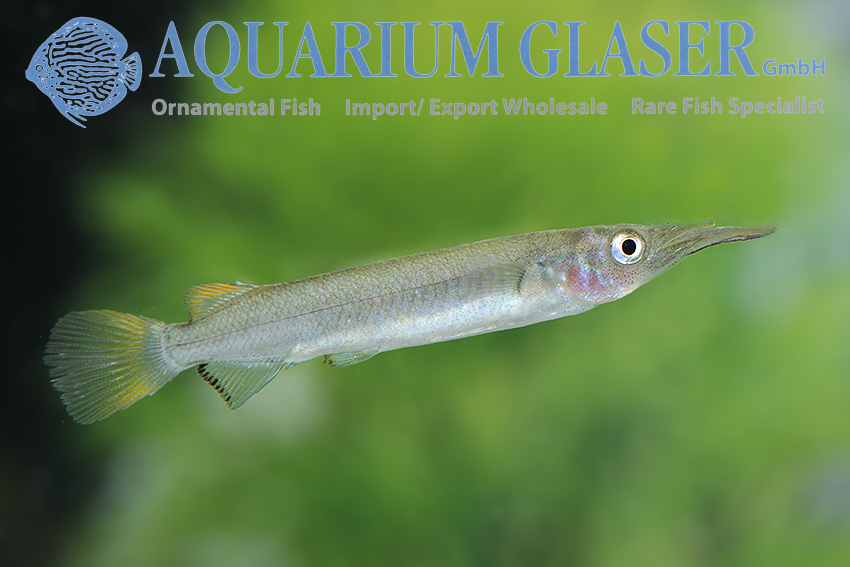
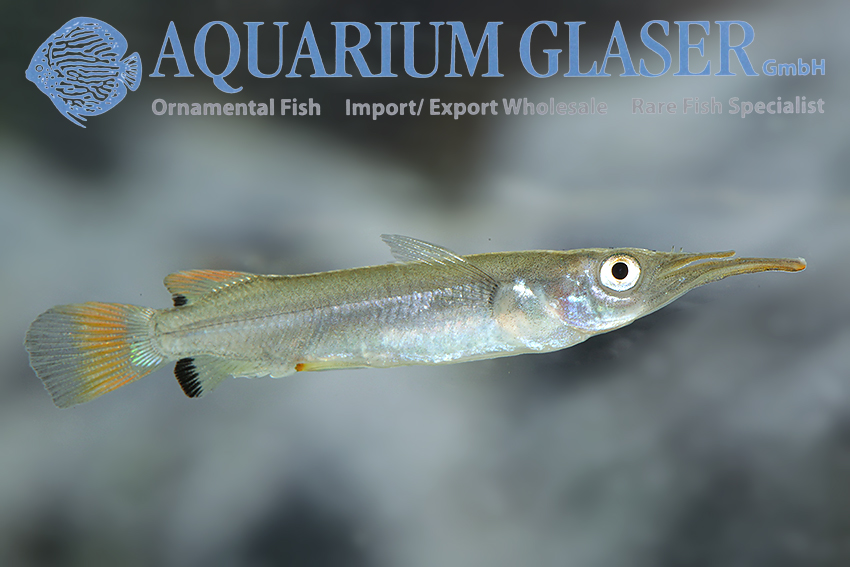
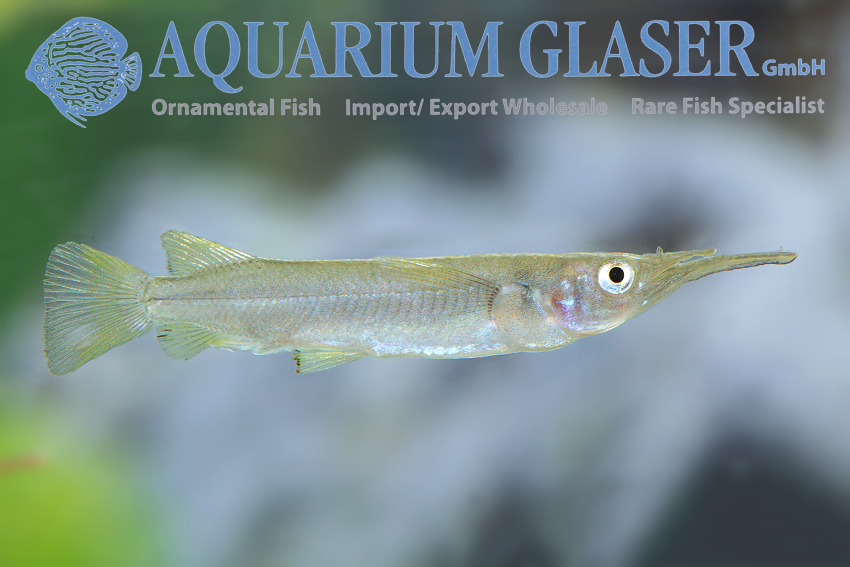
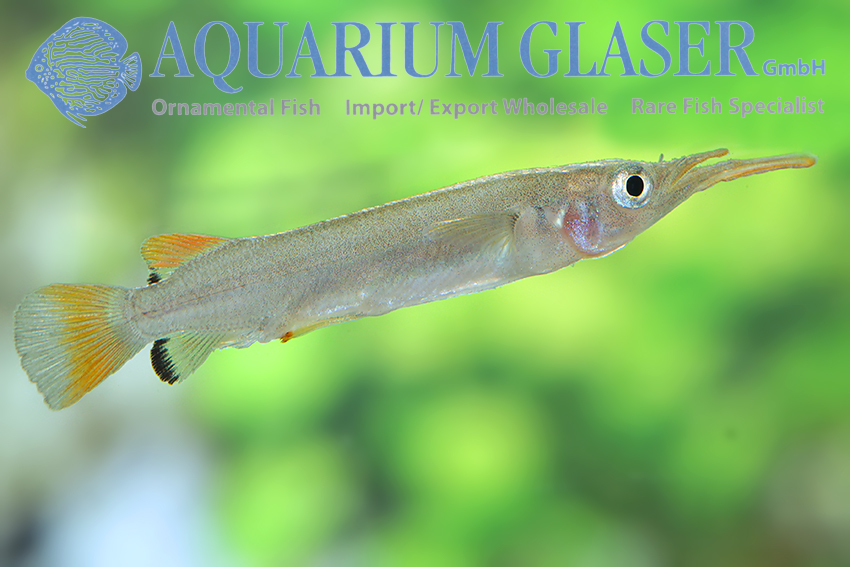
As far as we know, only images of live females of N. kolonodalensis have been published so far. These correspond very well with our animals. The males are polychromatic; some match well with the color description in the original scientific description, others do not. As some doubts therefore remain, we have decided to insert a “cf.” between the genus and species names to make it clear that we do not consider the identification to be entirely certain.
Our specimens are 4-5 cm long in both sexes (total length with caudal fin). The largest specimen mentioned in the first description was 67.9 mm long (without caudal fin). Presumably the fish will still grow a little. But they are already highly sexually active. Particularly striking is the frequent beak-opening displayed by the males as an act of display and courtship. It is therefore displayed against both males and females. We were unable to establish any correlation between coloration and beak-tearing activity. A male with completely colorless fins was just as active as one with orange fins. Only the particularly striking males with red-orange fins and strong black markings in the dorsal and anal fins showed restraint.
Because of this strongly pronounced imposing behavior, the small fish should be kept in large aquaria with plenty of current and cover in the surface area (tall plants such as Vallisneria, whose leaves float on the surface of the water). Suppressed specimens could otherwise be harmed by distress. However, we have not observed any physical injuries caused by bites. Nomorhamphus species require cool water between 18 and 23°C. Apart from that, care is not difficult. The water should be slightly alkaline. Flake food is readily accepted, but feeding fruit flies (Drosophila) and live midge larvae will certainly have a positive effect on their well-being and the number of offspring. All Nomorhamphus species are viviparous.
For our customers: the namils have code 438873 on our stocklist. Please note that we exclusively supply the wholesale trade.
Text & photos: Frank Schäfer
