








Rice fish, or medakas, have a long tradition in aquariums. As early as the 19th century, so-called “gold haplochilus” – nothing more than a yellow breed of the Japanese rice fish, Oryzias latipes – were exported to Europe as ornamental fish, making them one of the very first imported exotic ornamental fish species. However, they led a shadowy existence here and were considered sensitive and difficult. Therefore, they were mainly kept and bred by specialists until the early 2000s, a good 200 years later, when hype surrounding these fish began in Japan and spilled over to Europe.
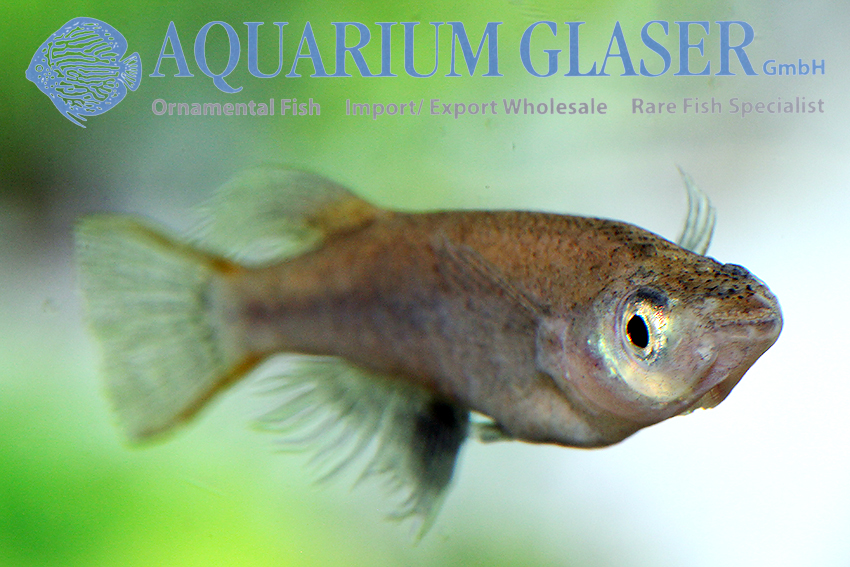
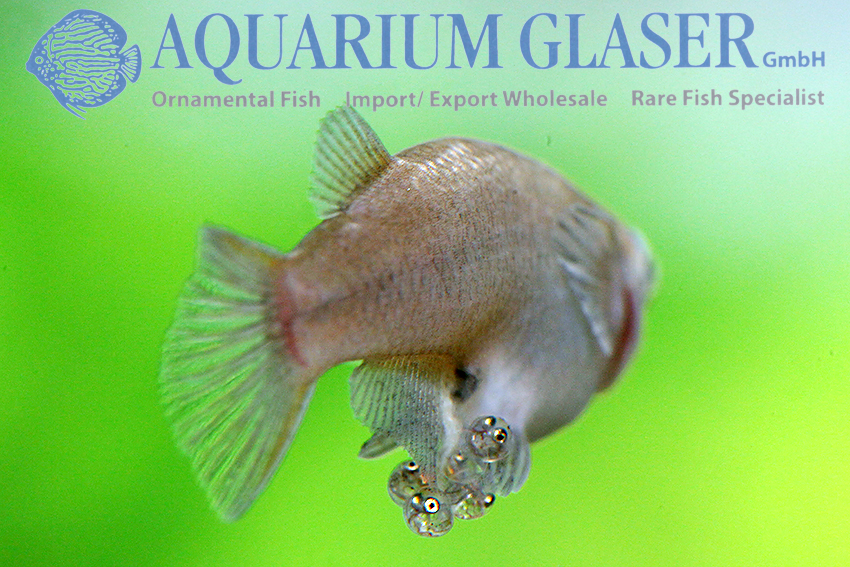
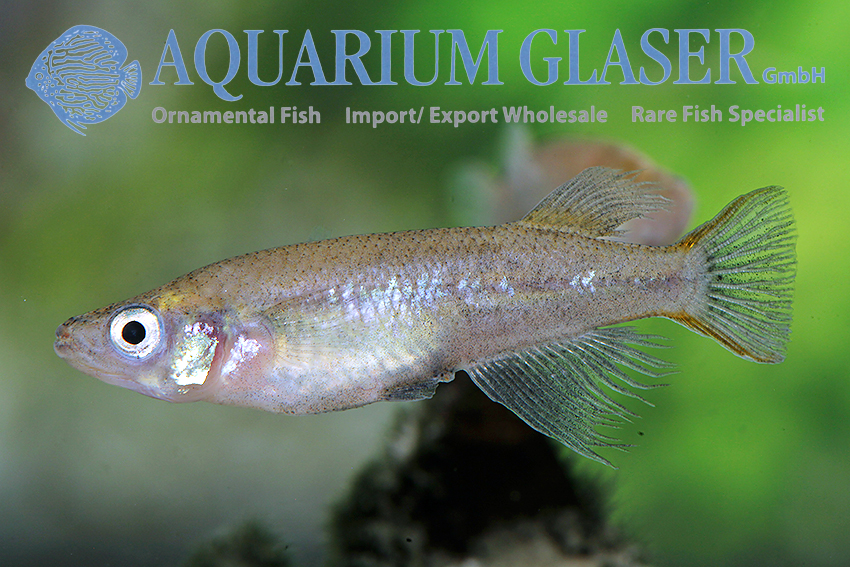
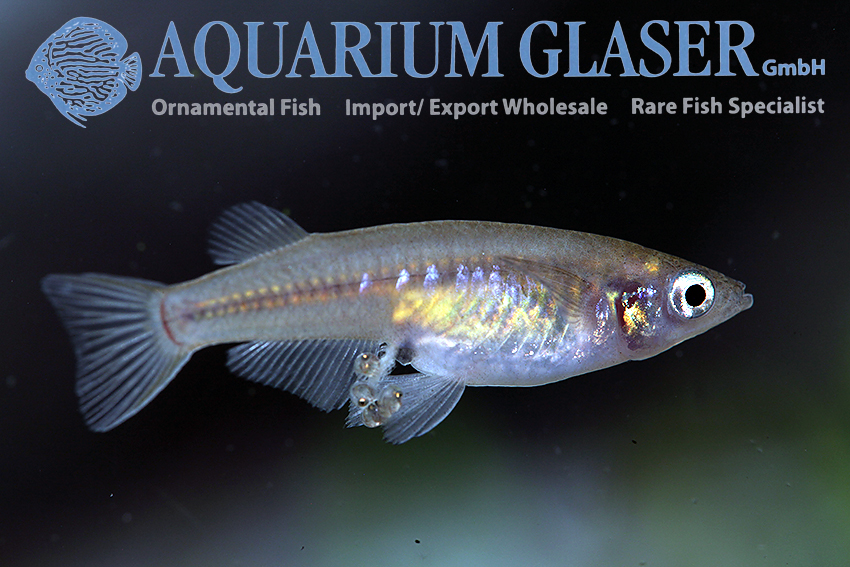
Scientific research into these animals has also developed rapidly in recent times. Only a few “variable” species were distinguished until around 1980, then scientific studies followed in quick succession and currently more than 40 species are generally accepted, 25 of which were only described after 1990. The island of Sulawesi is a hotspot of biodiversity for rice fish. More than half of all known rice fish species live on this relatively small island.
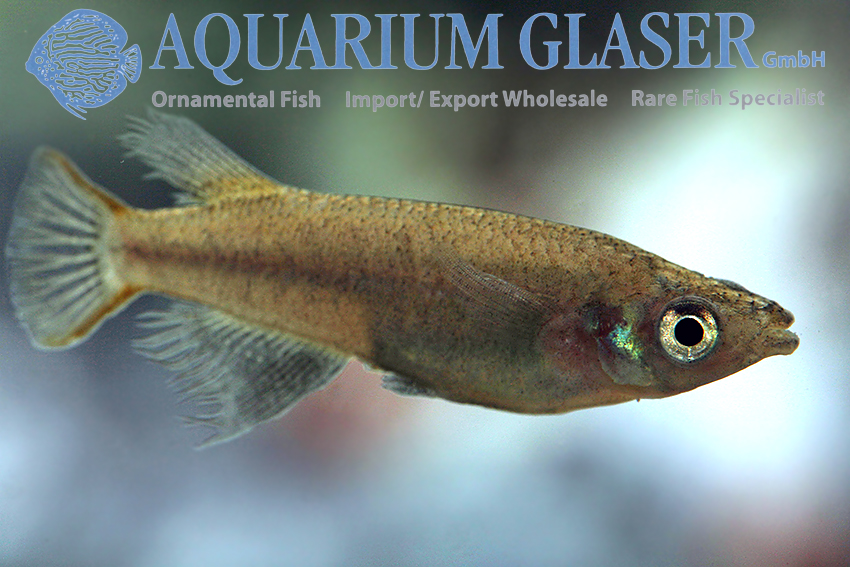
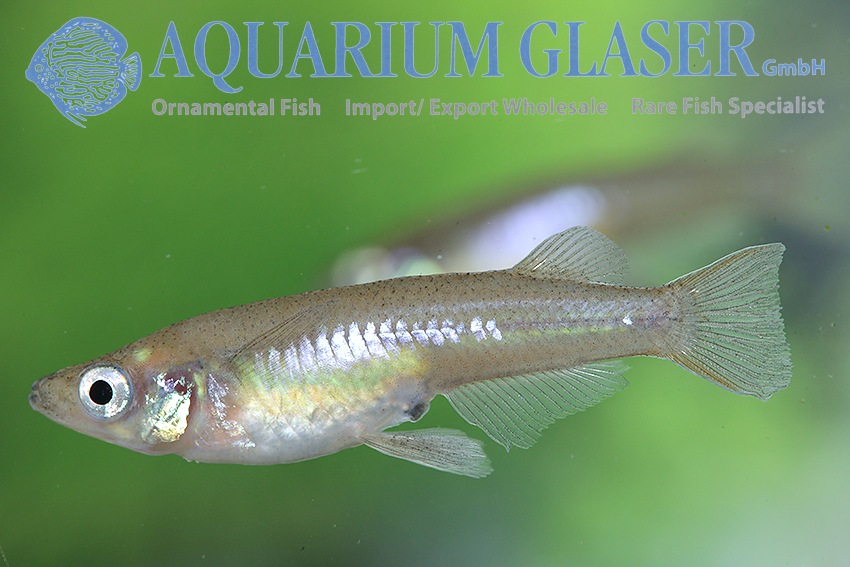
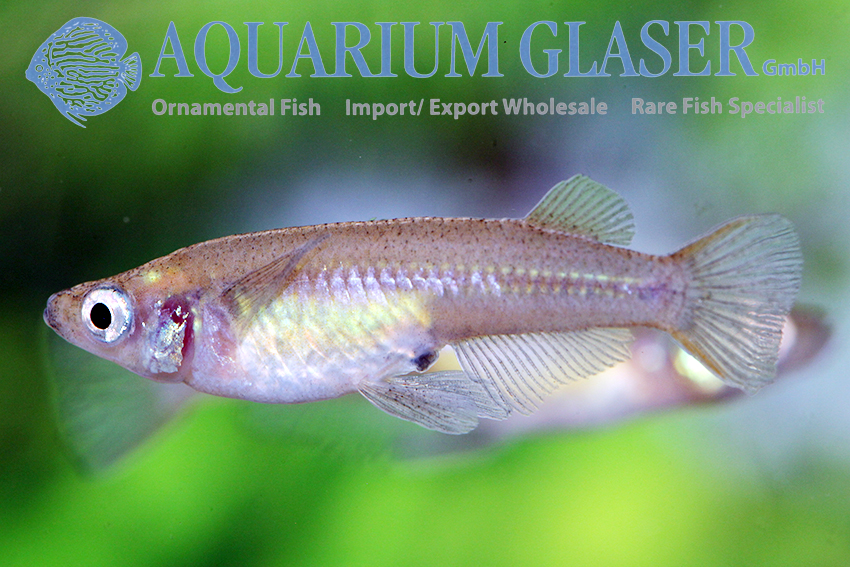
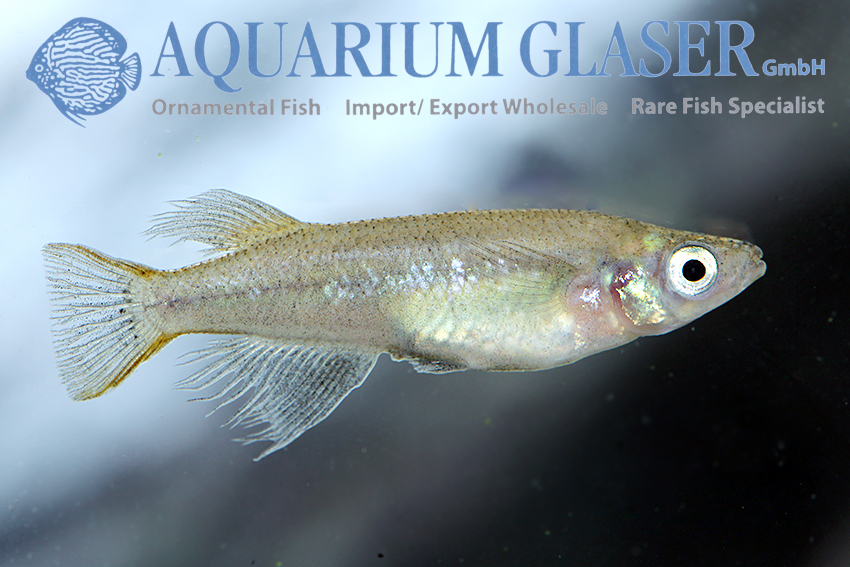
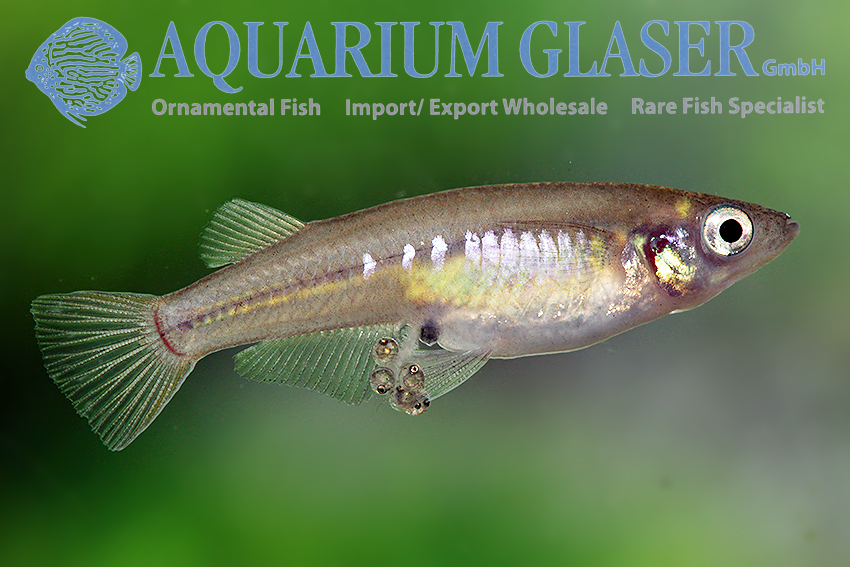
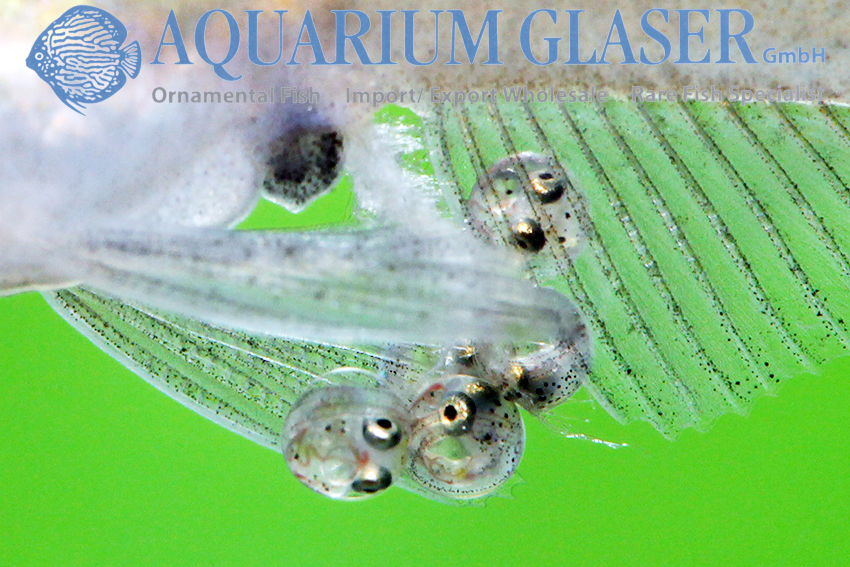
The Sulawesi species include Oryzias eversi, which was scientifically described in 2012. There are two types of reproduction in rice fish. One group brushes the clusters of eggs off plants, etc., and leaves them there to fend for themselves. The other group is known as “belly fin breeders.” In this group, the females have elongated ventral ( = belly) fins and a special notch on their belly. The eggs, which are attached to threads, are carried around by the female in this area until the young hatch (18-19 days at 24°C). These belly-fin breeders used to be classified in their own genus, Xenopoecilus, but are now considered to belong to Oryzias.
Unfortunately, O. eversi is critically endangered, as the species is currently only known to exist in a single body of water. This is a pond located in karst terrain, which is used by the local population as a natural swimming pool. This naturally brings with it incalculable risks of pollution. A single dose of a chemical introduced accidentally or intentionally could wipe out the global population of this interesting fish species in the wild. Fortunately, various aquarists and institutions have dedicated themselves to the conservation breeding of Oryzias eversi. In order for this conservation breeding to work in the long term, the sale of the offspring must be guaranteed. And so we have just taken over a greater number of them from a zoo. By purchasing this interesting fish species, you, dear aquarists, are making a valuable contribution to species conservation.
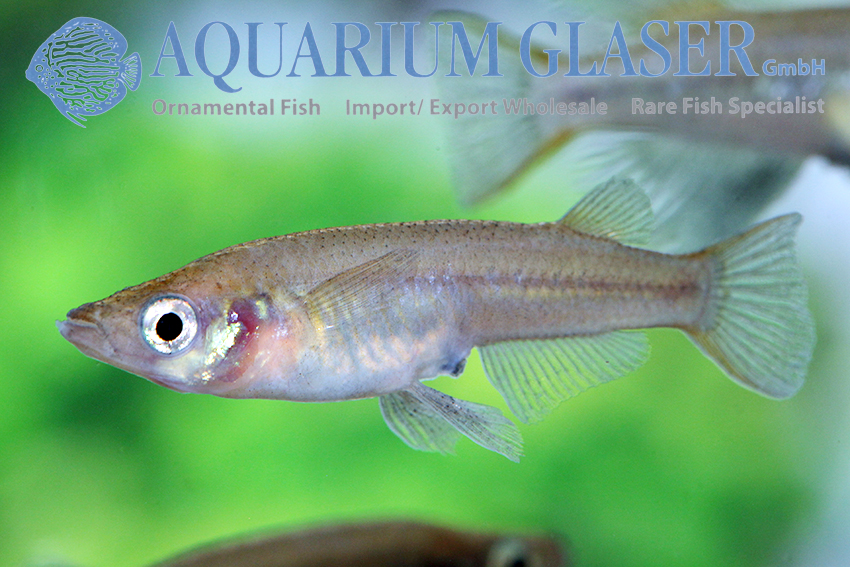
This species is easy to care for and breed. It prefers harder water with a slightly alkaline pH value, and water temperatures can range between 20 and 26°C (preferably at the lower end of the scale). It will eat any commercially available ornamental fish food of a suitable size. The sexes of this species, which grows to a maximum length of 4-4.5 cm, can be recognized early on by the differently shaped anal fins. The females are schooling fish that like to swim in small schools, which may also include immature males. Sexually mature males turn sooty black and are somewhat more solitary. Overall, this is a peaceful species that is easy to care for and breed.
For our customers: the animals have code 339653 on our stock list. Please note that we only supply wholesale customers.
Text & photos: Frank Schäfer
