








One of the most unusual species of coolie loach is Pangio shelfordii. These animals, which grow to a maximum length of 8 cm but are very thin, have markings reminiscent of leopard skin. Some color morphs of Pangio alternans (https://www.aquariumglaser.de/en/07-carp-like-fishes-1-loaches/pangio-alternans-2/) are similarly colored, but those loaches are significantly more stocky in build.
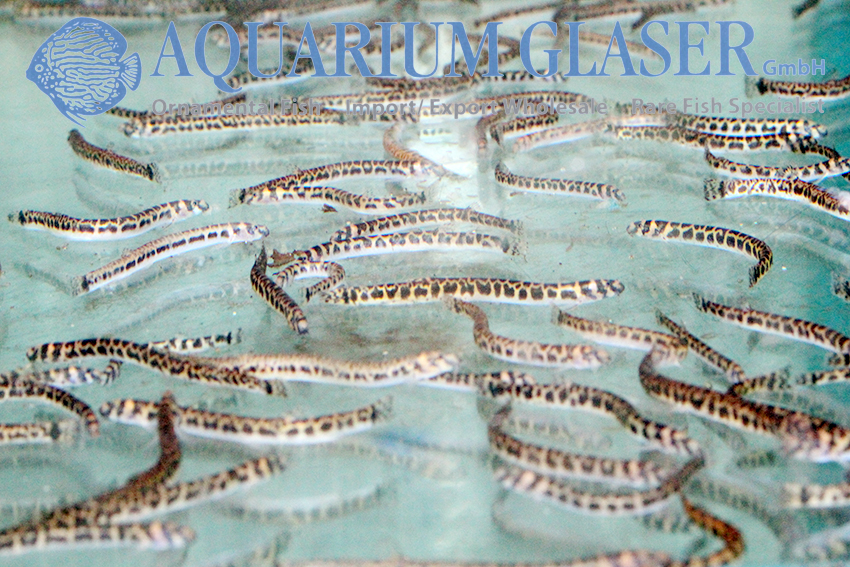
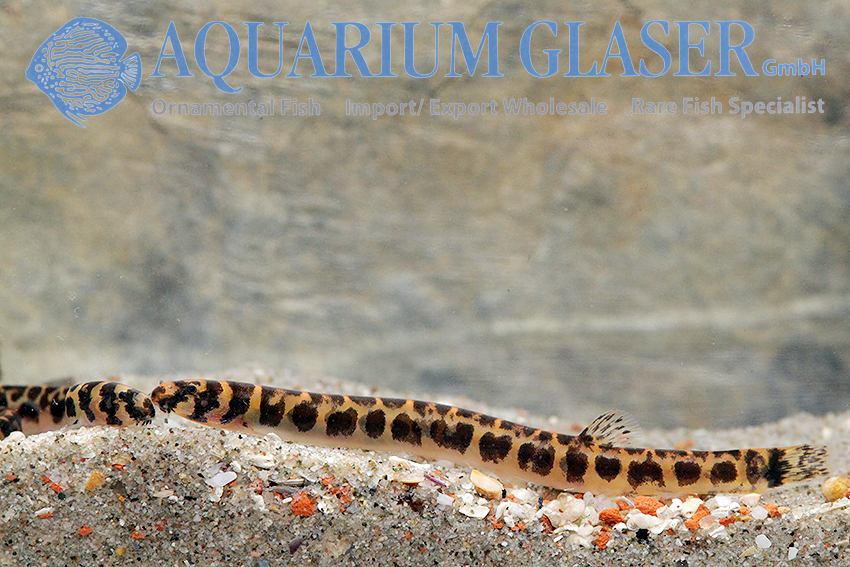
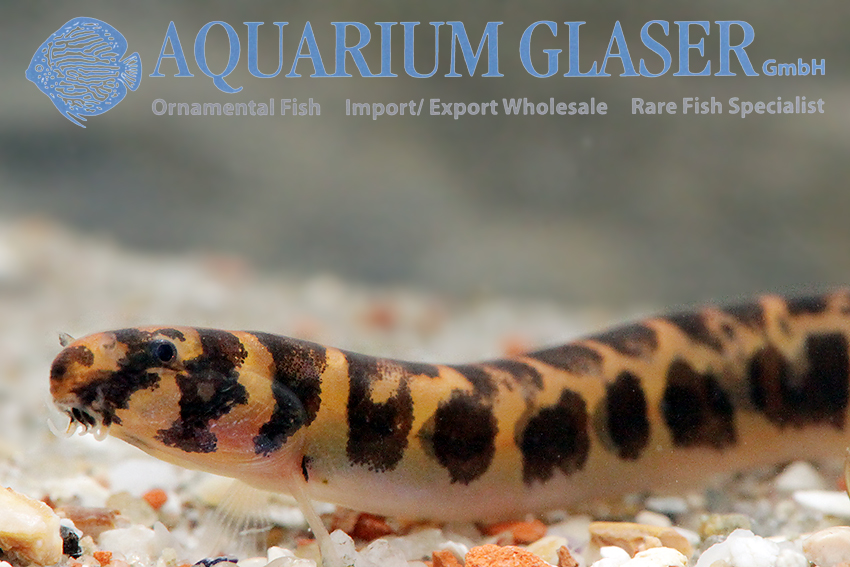
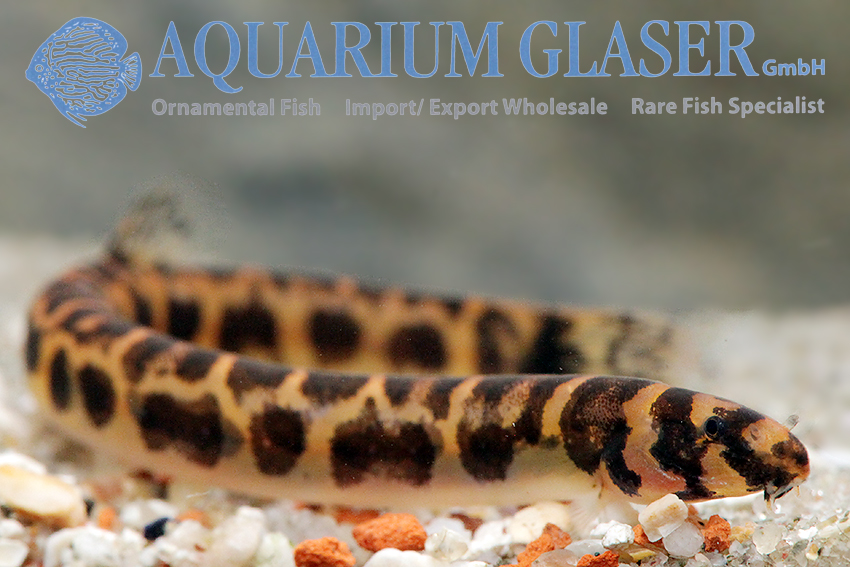
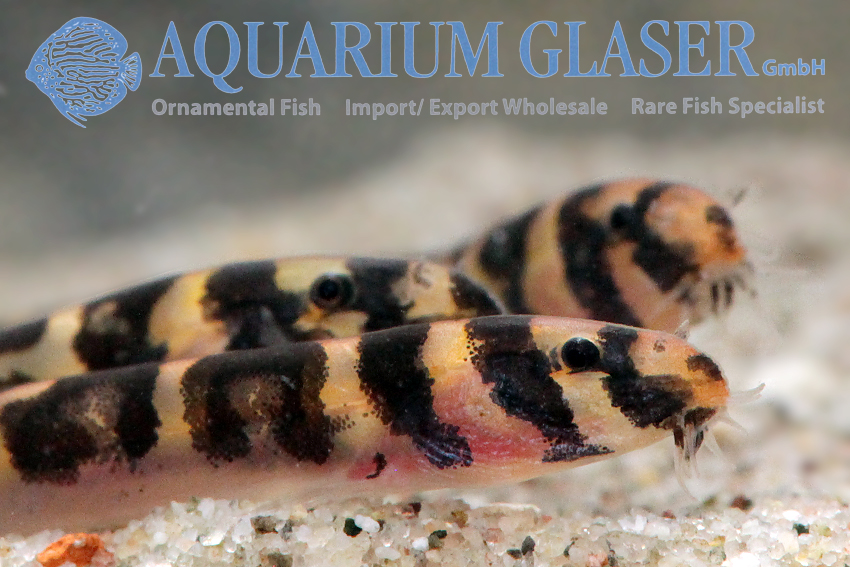
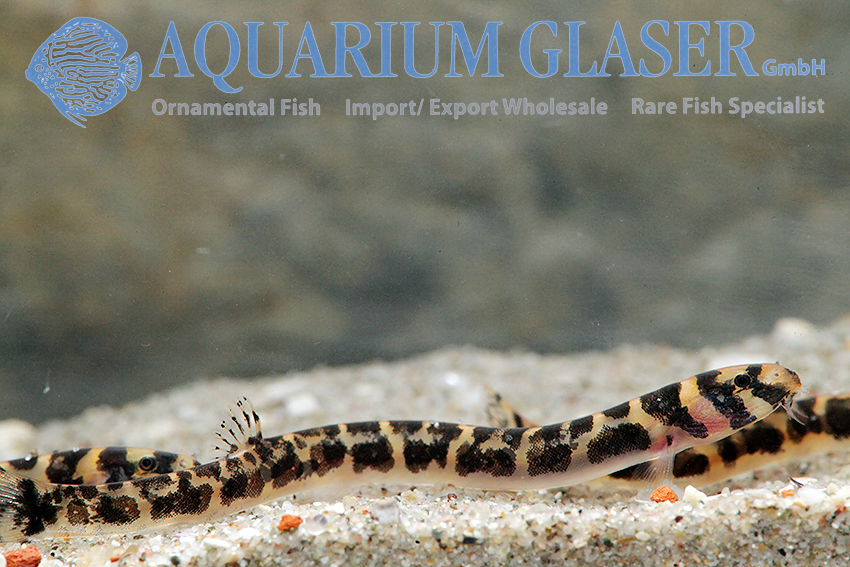
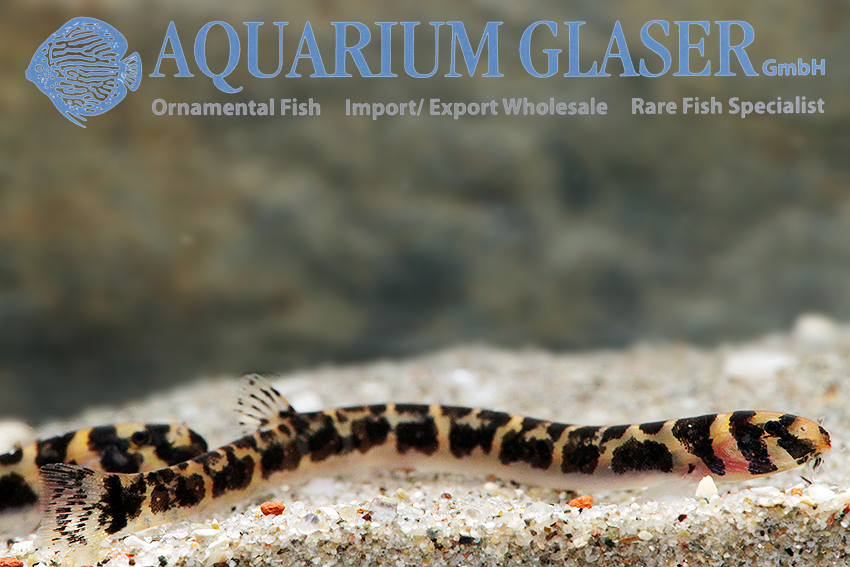
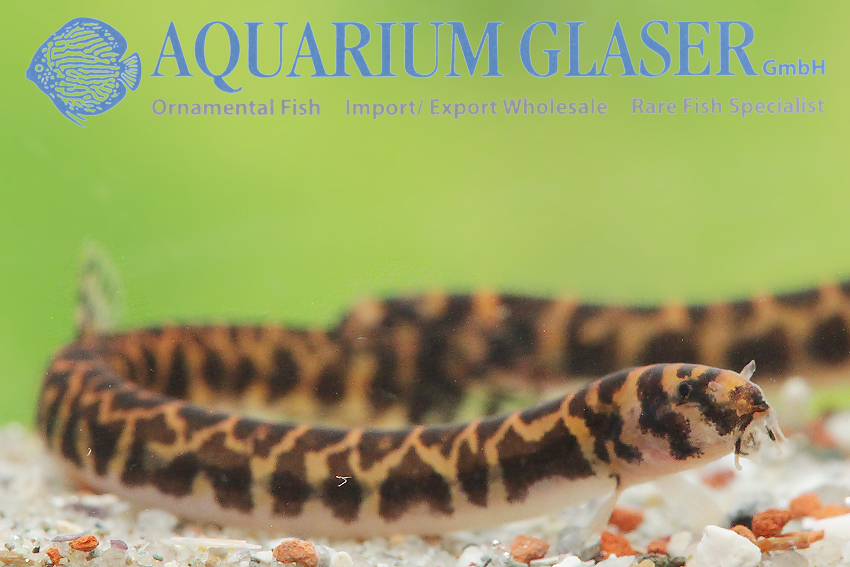
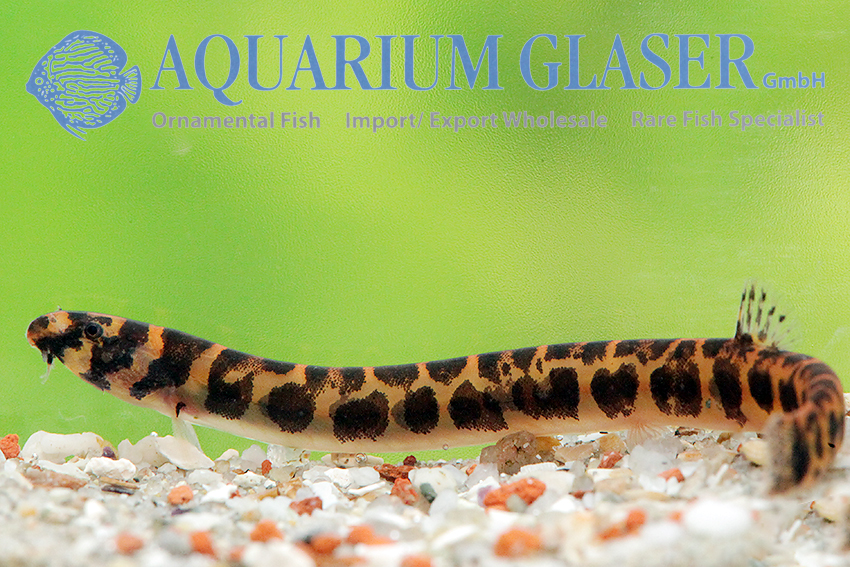
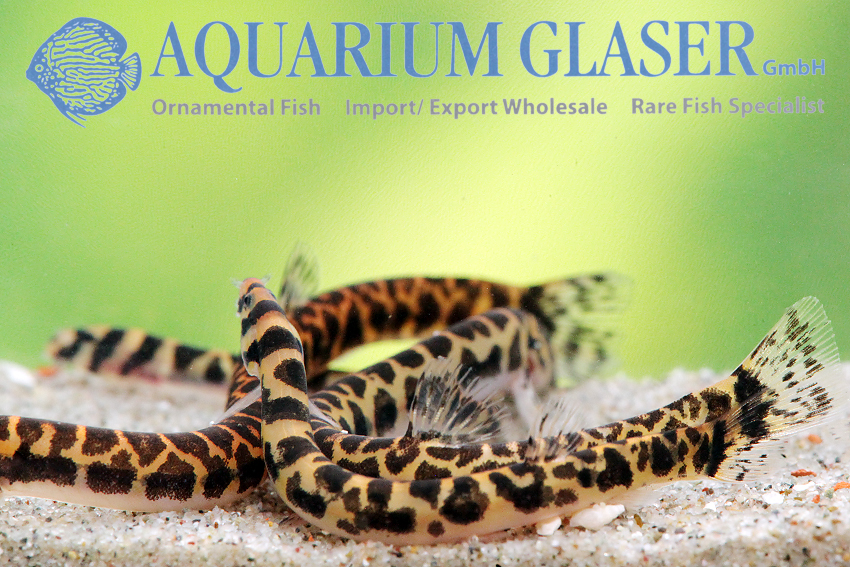
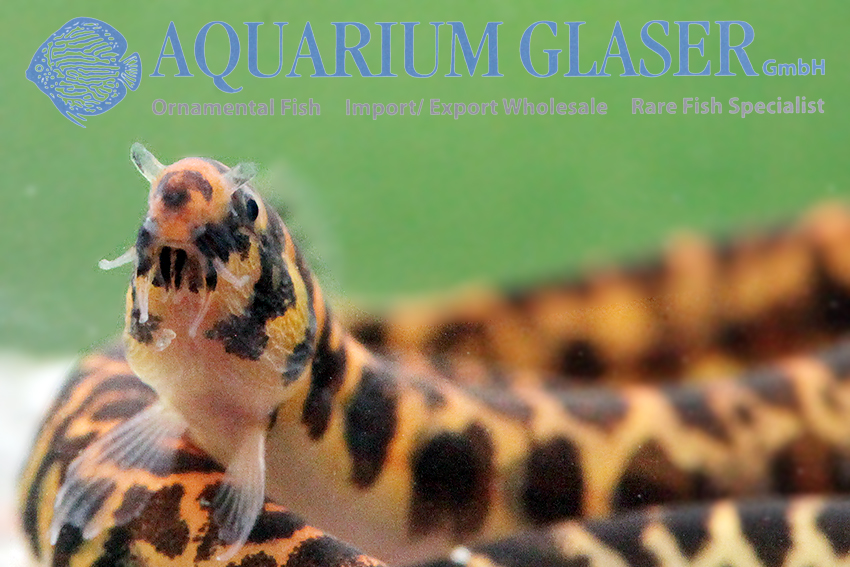
As far as known, Pangio shelfordii is distributed across parts of the Malay Peninsula, Sumatra (including some small offshore islands), and Borneo. However, this coolie loach is not found throughout the entire area, but rather in localized locations. This explains why these pretty animals are found in the trade from time to time, but not regularly. Incidentally, they are often exported under the name “Pangio muraeniformis”. This species does exist and also has a similarly slender build. The two species P. shelfordii and P. muraeniformis were temporarily synonymized with each other (in which case P. shelfordii is the valid name because it is significantly older). However, it is now believed again that they are separate species, with P. muraeniformis typically having a longitudinal band along the middle of its body (in reality, it is many dots that visually merge into a longitudinal band) and inhabiting Johore and Singapore. Overall, as with so many Pangio species, the great variety of markings makes it very difficult to distinguish between species.
But that doesn’t really matter when it comes to aquarium maintenance. For decades, all kinds of Pangio have proven themselves to be attractive and harmless scavengers for Asian aquariums with peaceful species. The only disadvantage these animals have is that you often don’t see them for weeks. And usually, the only way to catch them again is to completely empty the aquarium. You should give these loaches a spot with soft sandy soil where they can burrow. They prefer soft and slightly acidic water, but practical experience has shown that they can live happily for many years even in “rock-hard” water with a pH above 8. They will eat anything that fits in their mouths. However, it is important to provide the animals with a mulm corner. Mulm – the brown sludge consisting of feces, food and plant residues that appears in every aquarium at some point – is not a bad thing. In nature, it is an important food source for many small fish. Without mulm, the intestinal flora of such fish suffers and they become increasingly emaciated, despite otherwise good food supply. The water temperature for coolie loaches can be between 22 and 28°C, and it does not matter if it is slightly higher or lower at times.
For our customers: P. shelfordii has code 441074 on our stock list. Please note that we only supply wholesale customers.
Text & photos: Frank Schäfer
