








The rummynose tetras are a beautiful eye-catcher for any aquarium with peaceful fish. A shoal of these animals, and there should always be 15 – 20 specimens if possible, delights every observer because these animals really do swim permanently in a shoal; the vast majority of so-called shoal fish among aquarium fish do not do this. They tend to swim around the aquarium in scattered pools and only swim close together when danger threatens. Rummynose tetras are not difficult to care for and so they swim in many aquaria. Only the correct naming of the species is not easy. We know of three species that have been confused again and again. They used to be divided into two genera (Hemigrammus and Petitella), but nowadays all three are classified as Petitella: P. rhodostoma (formerly: Hemigrammus rhodostomus), P. bleheri (formerly: Hemigrammus b.) and Petitella georgiae.
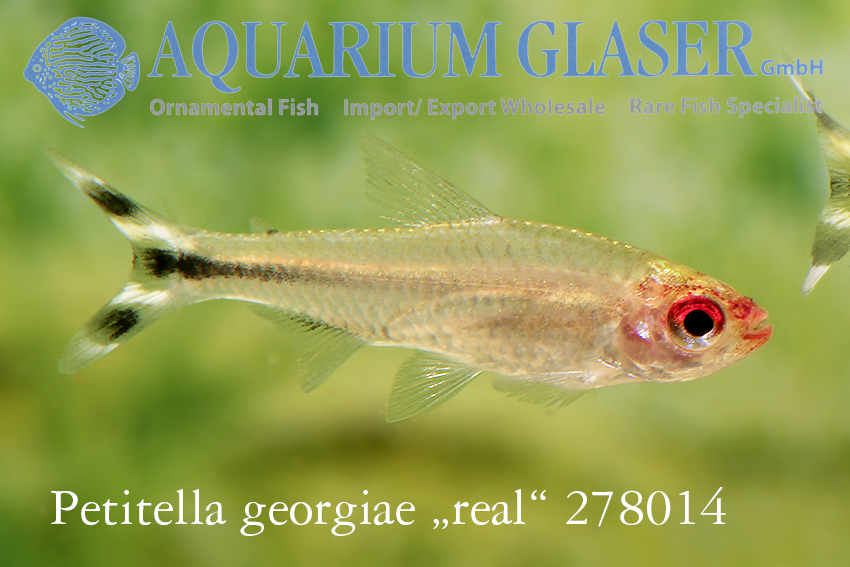
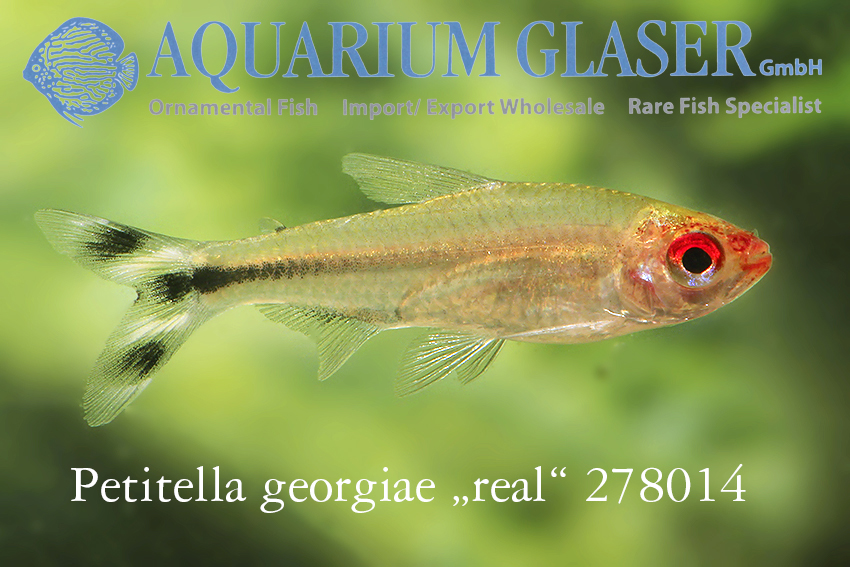
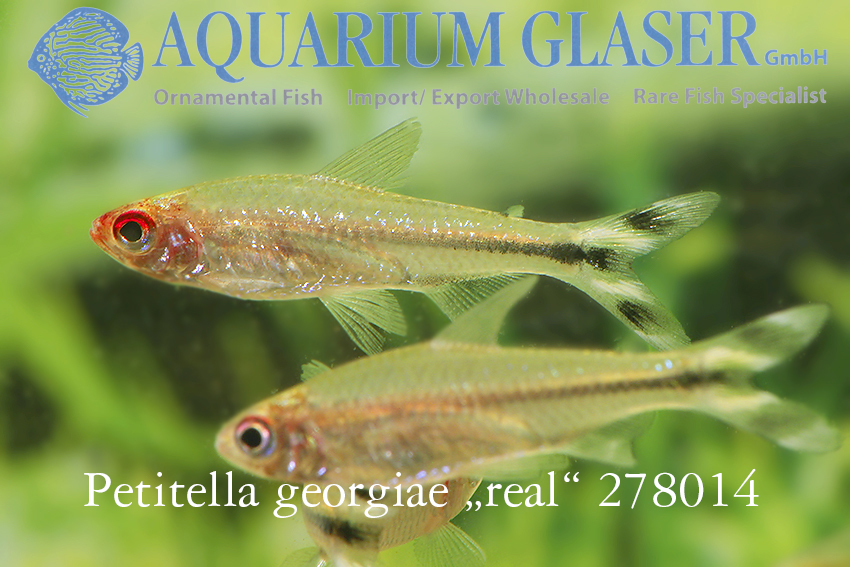
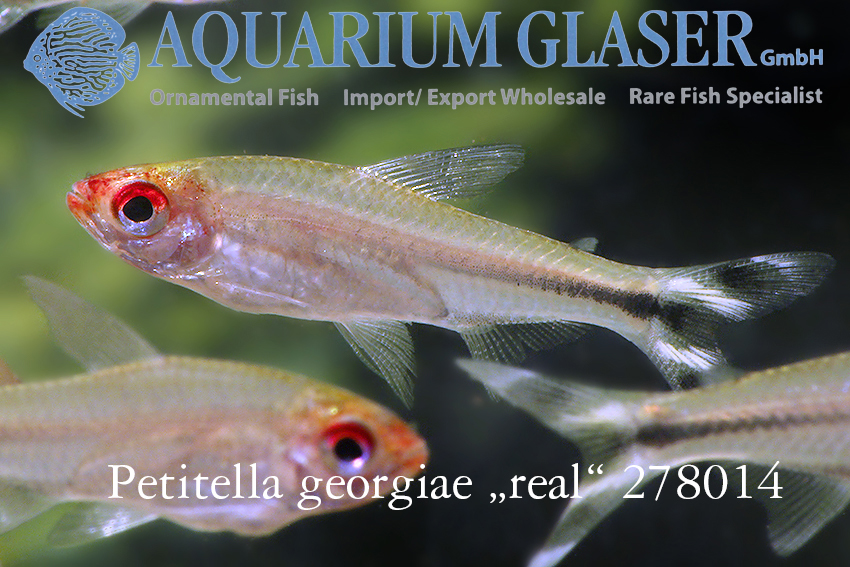
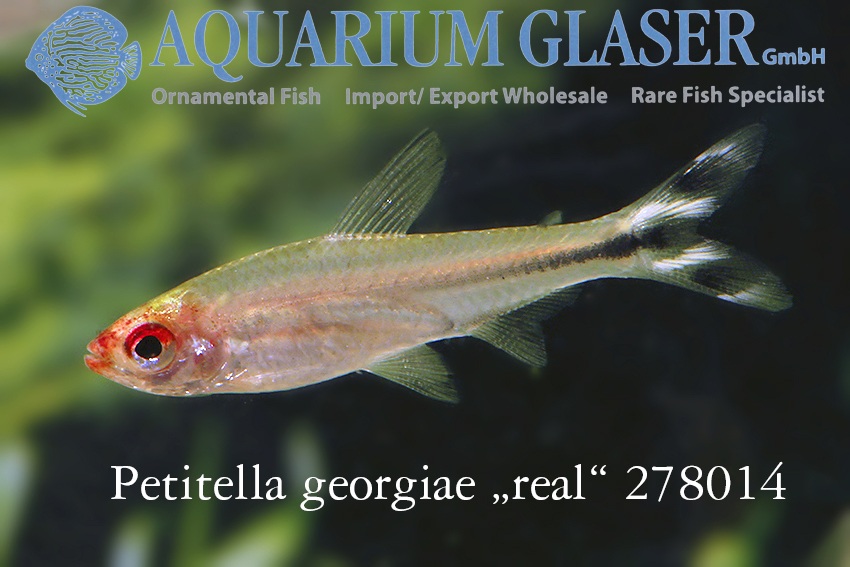
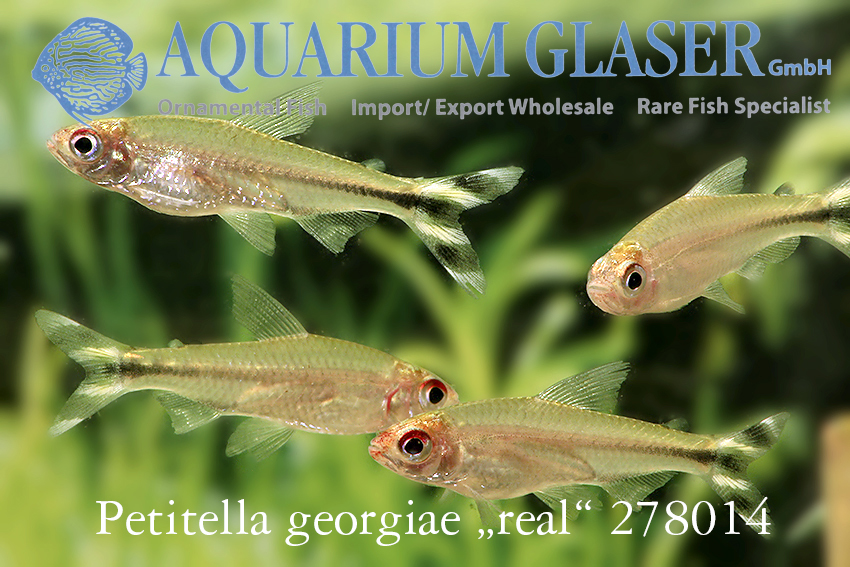
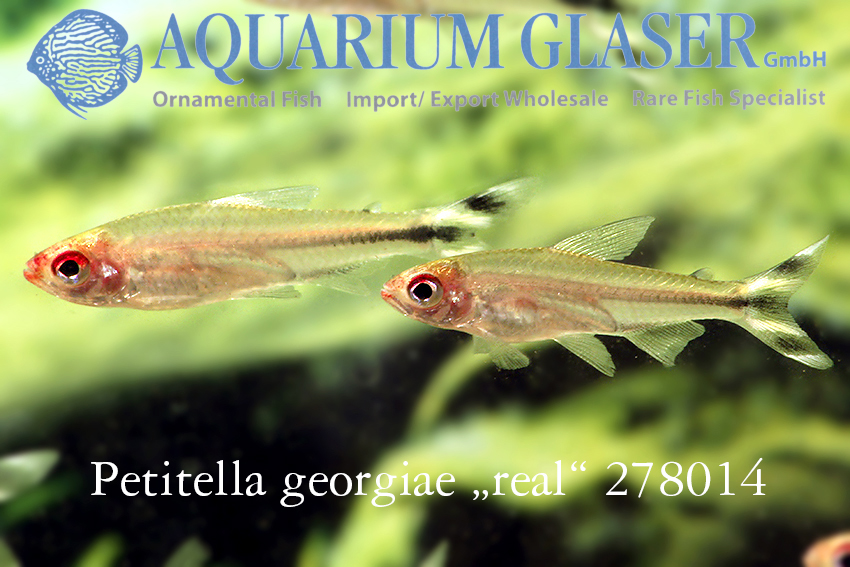
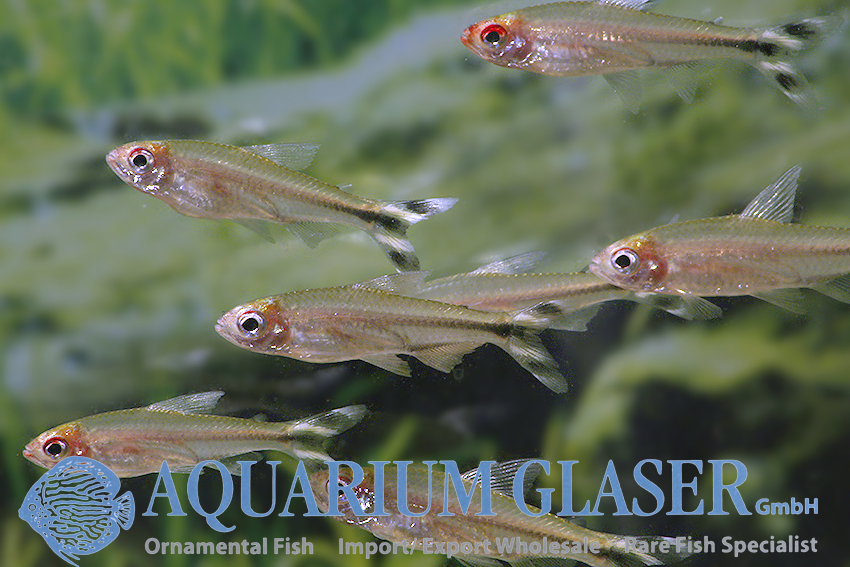
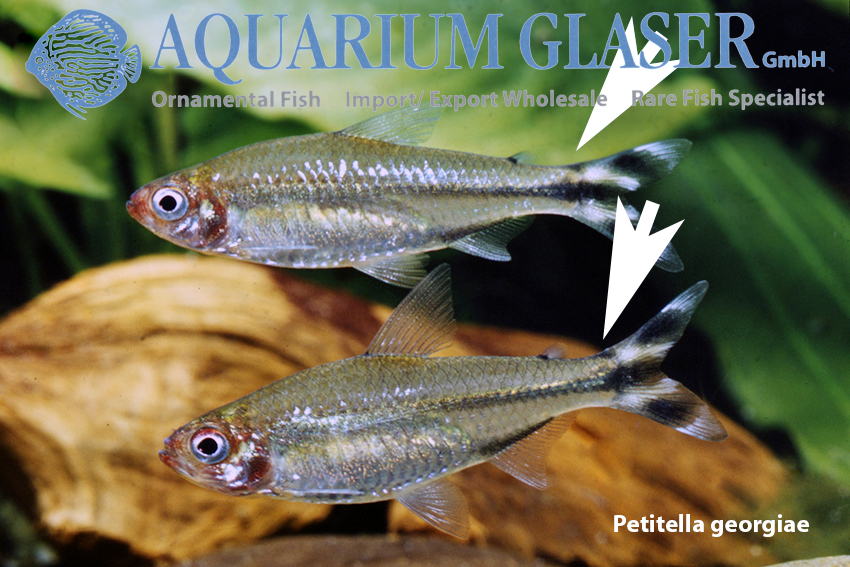
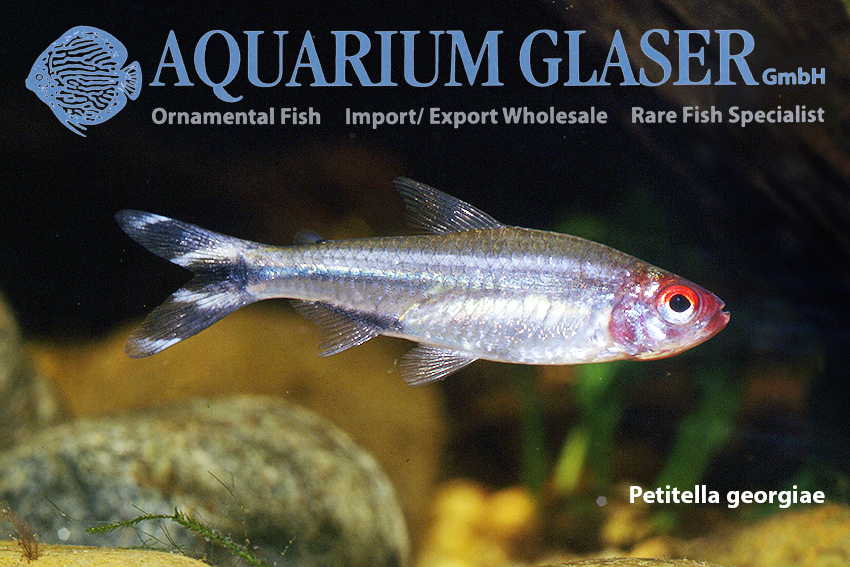
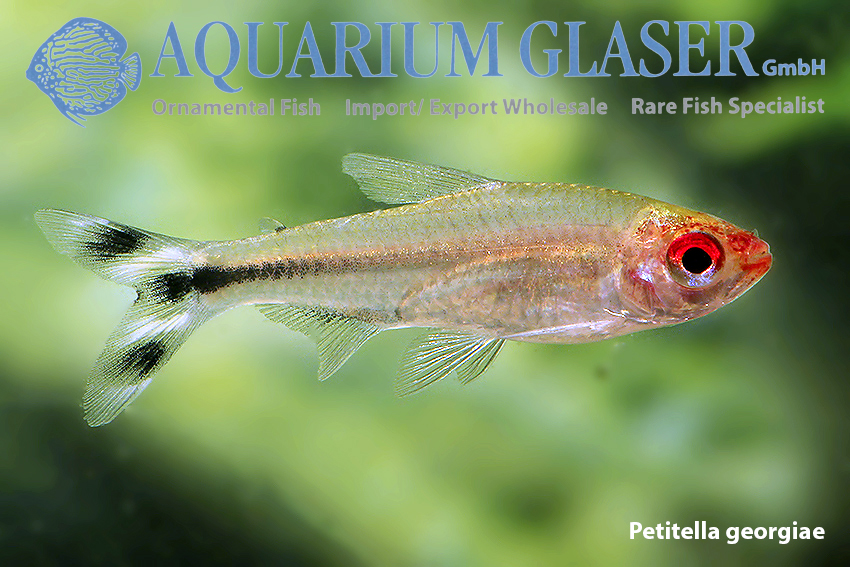
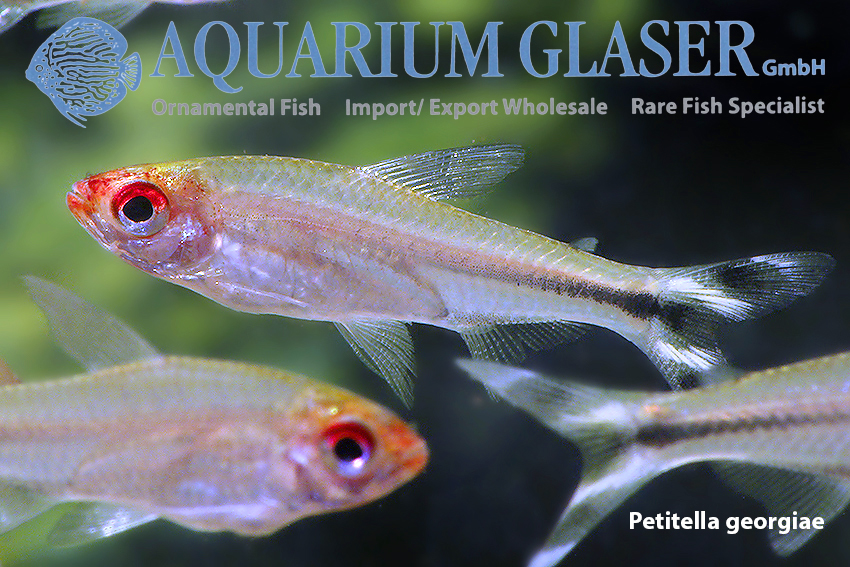
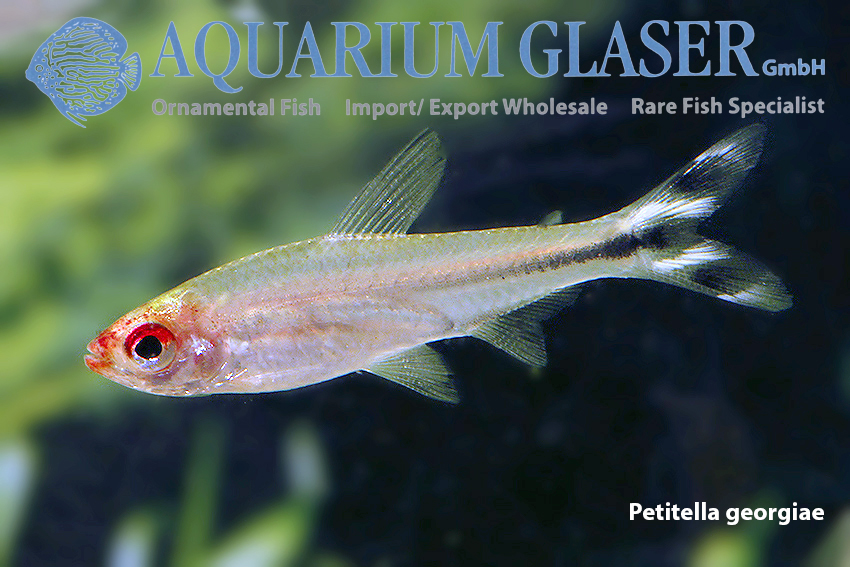
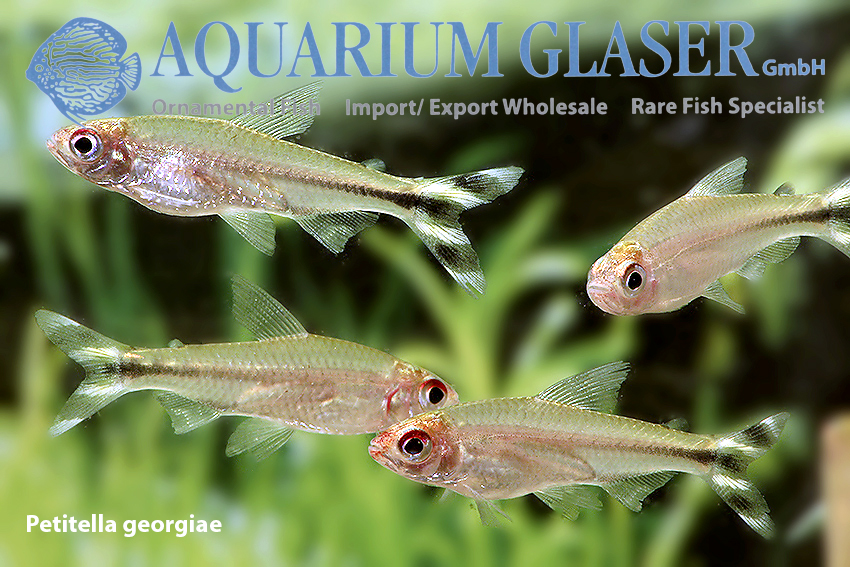
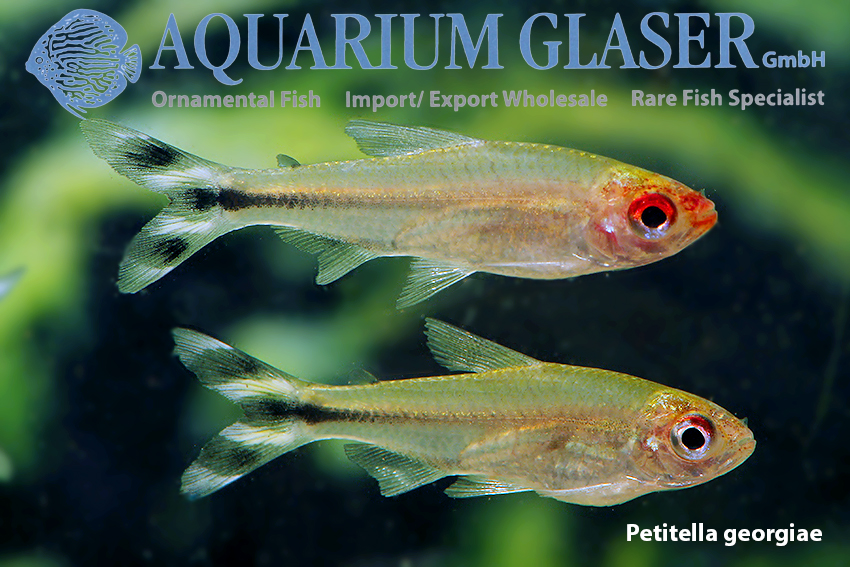
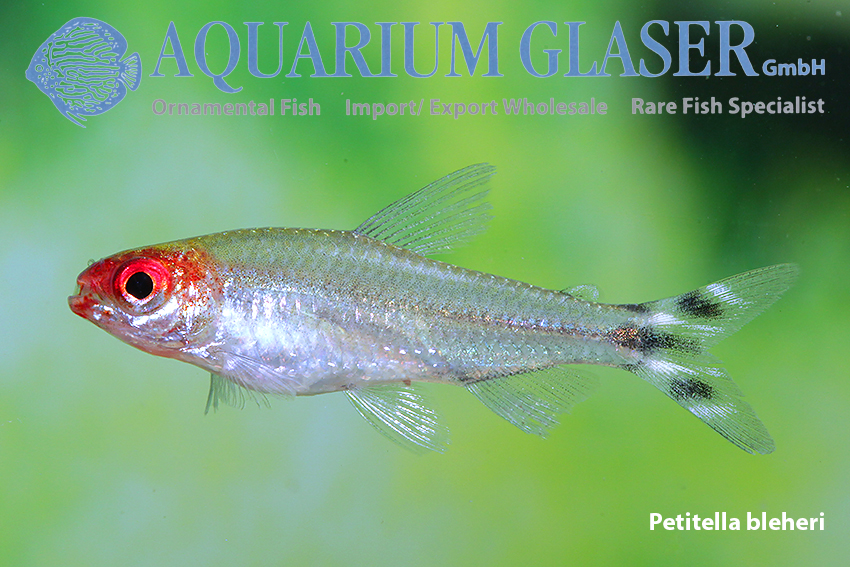
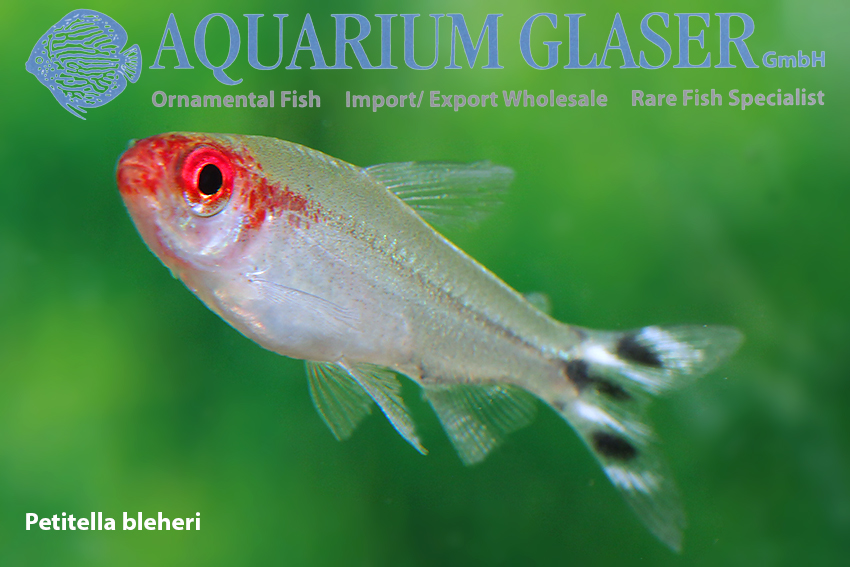
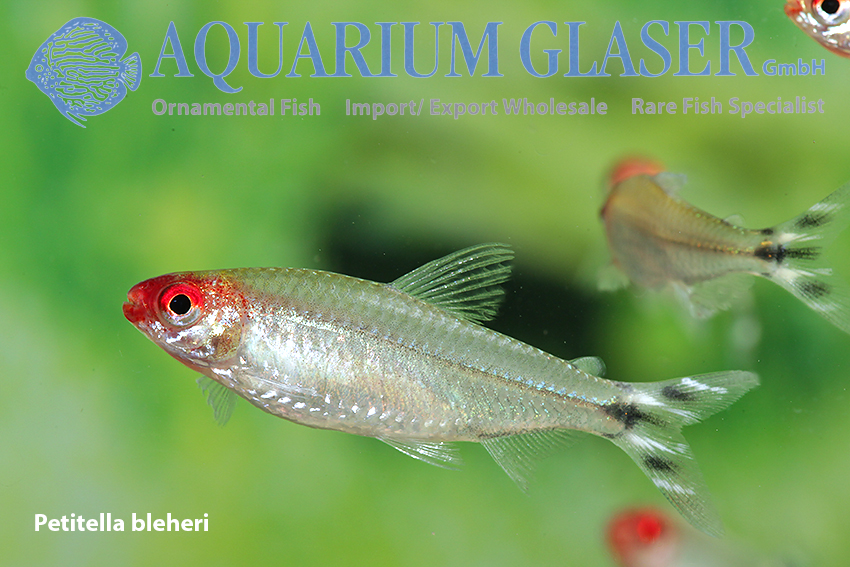
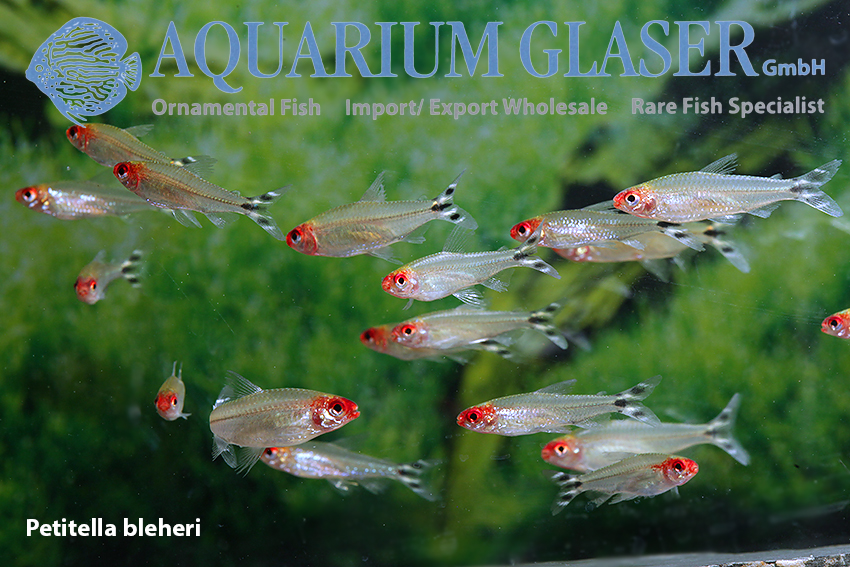
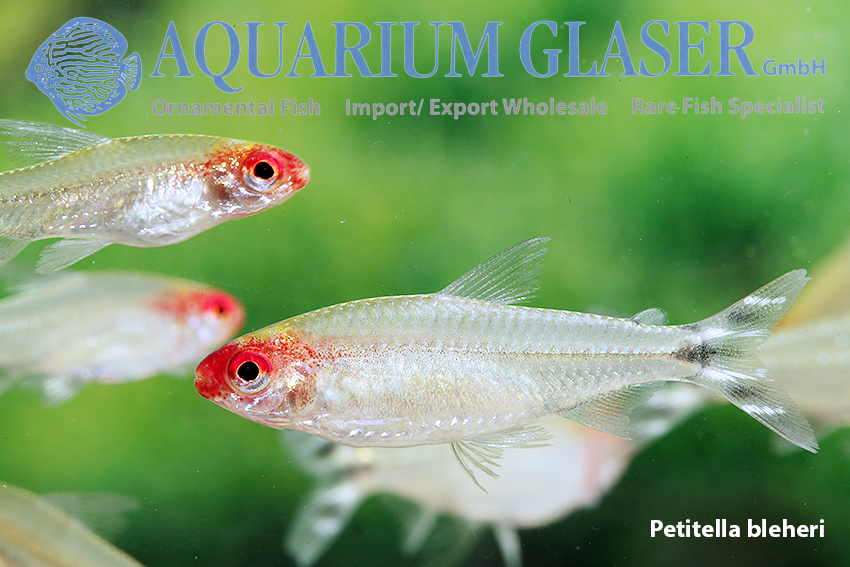
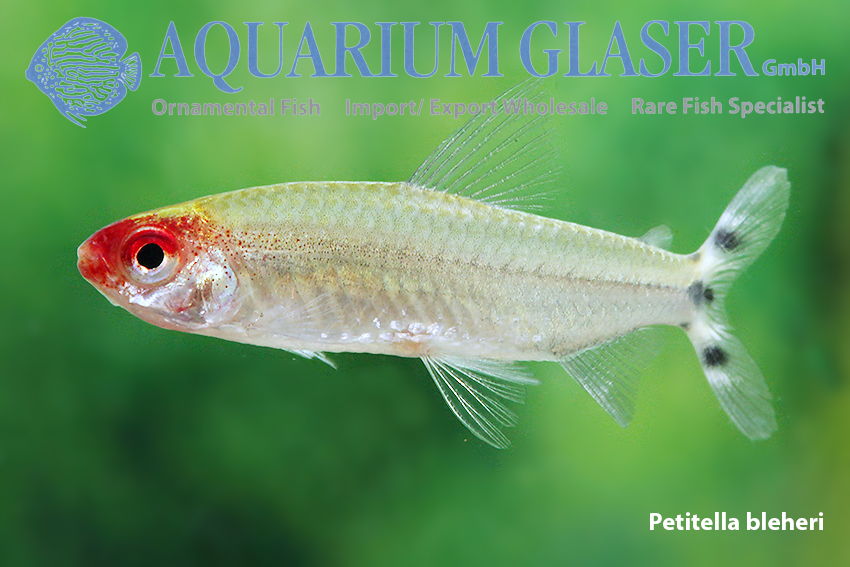
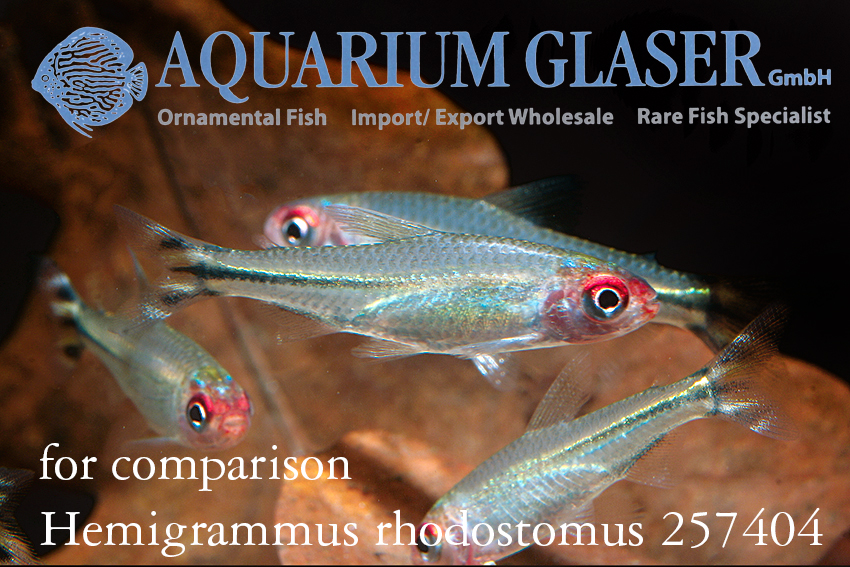
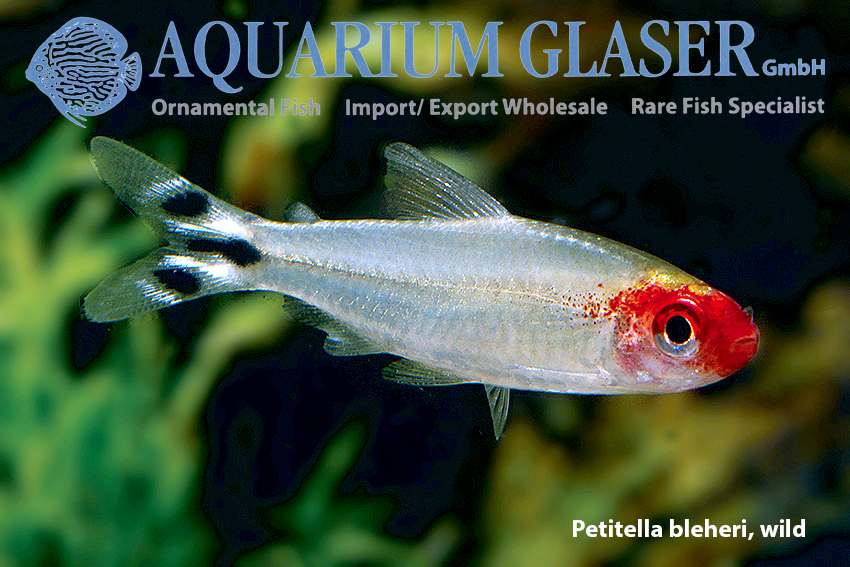
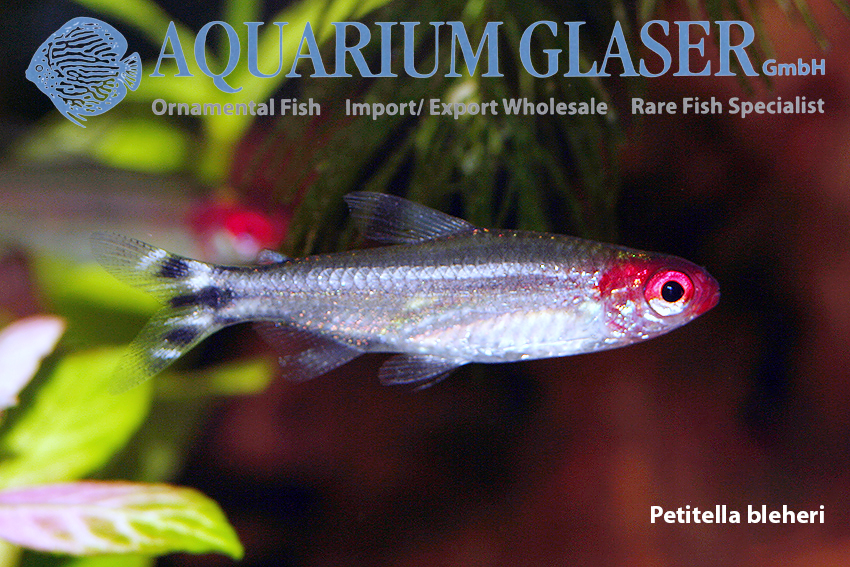
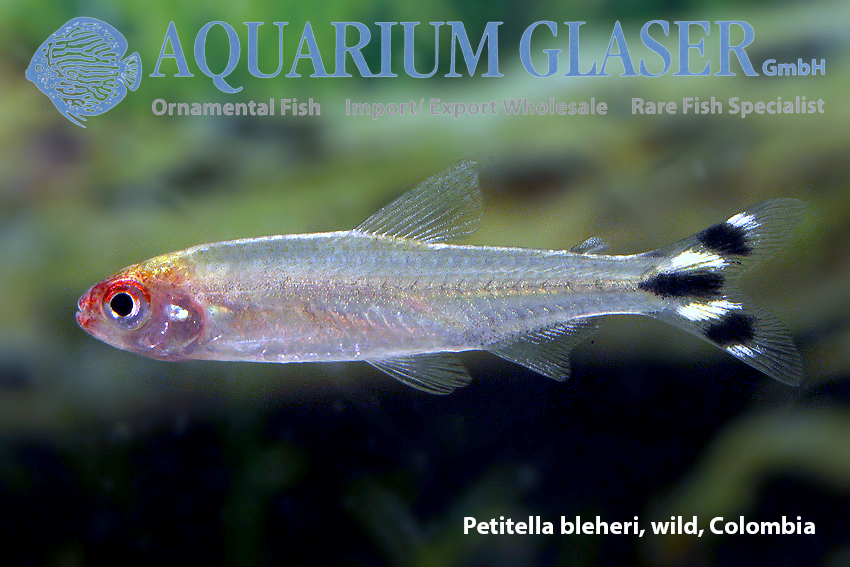
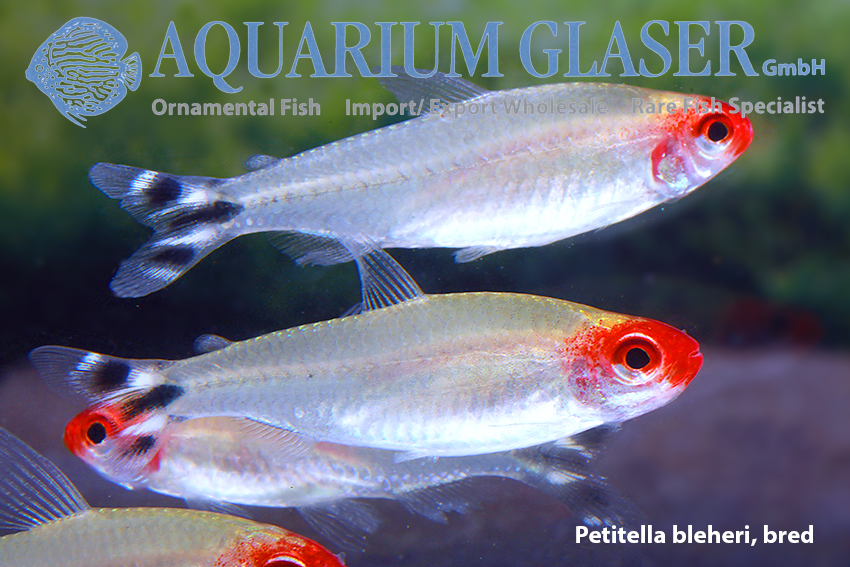
These three species have been and are so often confused that you can get really confused. In fact, it’s relatively simple: the fish on the market are almost always Petitella bleheri, but they are almost always referred to as Petitella georgiae. Basically, it doesn’t matter which of the three species you buy, as they don’t differ in their requirements. Nevertheless, we will list the differences here for those who want to know exactly.
E. Ahl described a rummynose tetra as Hemigrammus rhodostomus a long time ago, in 1924. It was found near Belem in Brazil. And so, namely as Hemigrammus rhodostomus, every rummynose tetra in the aquarium hobby was subsequently named. It was certainly noticed that the fish looked slightly different depending on where they were found, but this was thought to be an intraspecific variation.
In 1964, the tetra specialist J. Gery and H. Boutiere described a species very similar to the already known rummynose tetra as Petitella georgiae. The differences in the coloration of the two species are insignificant, the reason for the species separation was due to differences in the dentition. This new species originates mainly from the upper reaches of the Amazon in Peru. It was not particularly widespread in the hobby because it is somewhat less colorful than the rummynose tetra, which was already known.
However, the most beautiful rummynose tetras came and still come from the Rio Negro. They have a magnificent red head coloration that extends far beyond the gill covers. Coveted fish need their own trade name and so the new name Petitella georgiae was used for this tetra without checking the accuracy of this undertaking.
In 1986, J. Gery together with V. Mahnert described this reddest of all rummynose tetras as a new species, Hemigrammus bleheri, and the chaos was perfect because each of the three species had already been illustrated in the literature under an incorrect name.
P. bleheri can always be easily recognized by the fact that, unlike the other two species, it does not have a black longitudinal band on the caudal peduncle, but only a pale grey line. Petitella georgiae and P. rhodostoma have a distinct, clearly visible dark longitudinal band and can hardly be distinguished visually. In acclimatized animals it is best to look at the end of the caudal peduncle. Petitella has only one spot at the top in front of the caudal fin, P. rhodostoma has a spot at the top and bottom.
We mostly import P. bleheri from Brazil, but for reasons of our in-house merchandise management analysis it sails under the name “Petitella georgiae”, but from time to time we also have wild-caught “real” P. georgiae from Peru in stock. P. rhodostoma is hardly ever sold under its real name. The pictures we show here are of so-called by-catches, which we sorted out from imports of other fish species. P. bleheri is not only offered as a wild catch, but also as offspring. There are also cultivated forms of P. bleheri: Gold, albino and platinum forms show the large scale on which this species is bred.
In terms of care, it can be said that the adaptability to different water conditions is so good that it can be said that rummynose tetras of all kinds can be kept well for years in any tap water suitable for drinking. Their coloration is optimal in water to which humic substances have been added. Soft and acidic water is required for breeding. The sexes differ in shape (females are larger and rounder in the belly area) and the males have small hooks on the anal fin with which they get entangled in the net. The water temperature should be between 24 and 28°C, a little higher for breeding, sometimes a little lower won’t do any harm either. They will eat any common ornamental fish food of a suitable size, plants remain undisturbed. Petitella are very peaceful towards all fish species.
For our customers: unfortunately, for accounting reasons, it is very difficult to change the names in our stock list. For this reason, P. bleheri cultivated forms (Gold 257301-257303, Albino 257352 and Platinum 257362-257363) and captive-bred specimens (code 257201-257205) can be found under Hemigrammus rhodostomus, wild-caught P. bleheri from the Rio Negro under Petitella georgiae (code 278001-278005) and the “real” P. georgiae from the upper Amazon (Peru) under P. georgiae/real wild PERU (code 278014). Please note that we only supply the wholesale trade.
Text & photos. Frank Schäfer
