








Since 2018, a relatively small species of tetra from the central Congo Basin has been causing quite a stir: Phenacogrammus sp. “Fantastique.” However, very little literature has been published on these animals to date, which is somewhat surprising given their small size (for an African alestid) and the beautiful coloration of the males, at least at certain times. To our knowledge, these animals have not yet been scientifically studied. Even their classification in the genus Phenacogrammus is questionable, as the generic classification of African small tetras has always been the subject of controversial debate among ichthyologists.
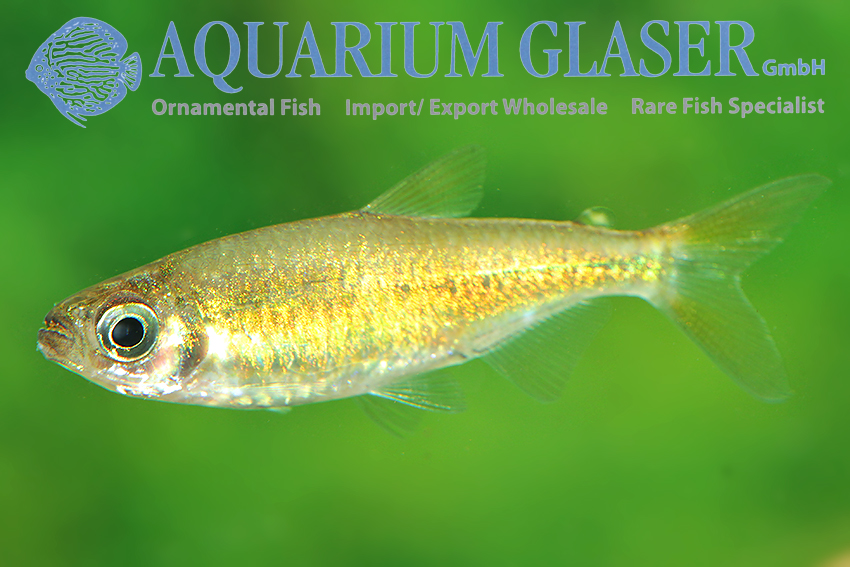
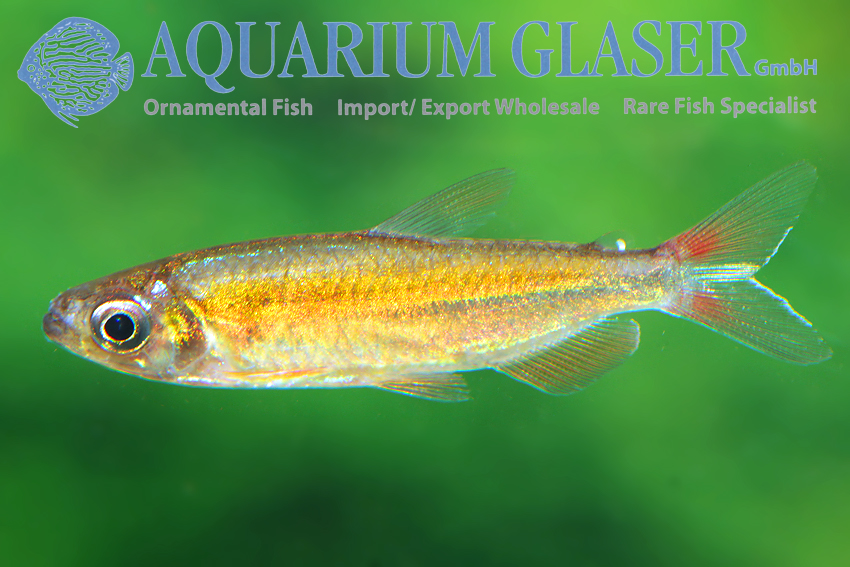
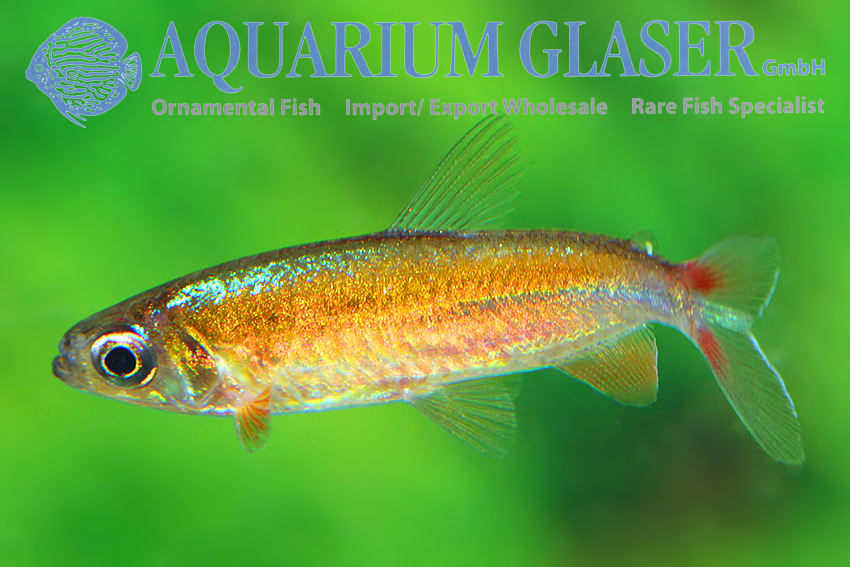
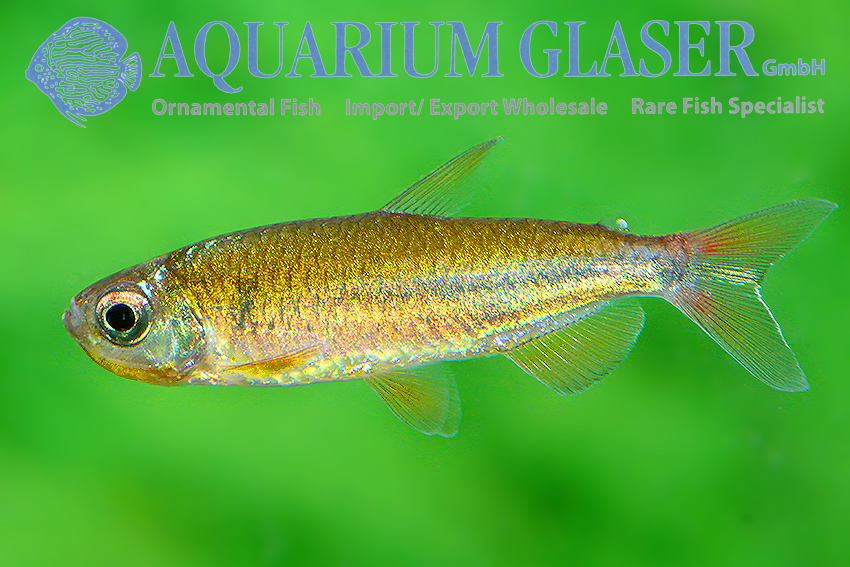
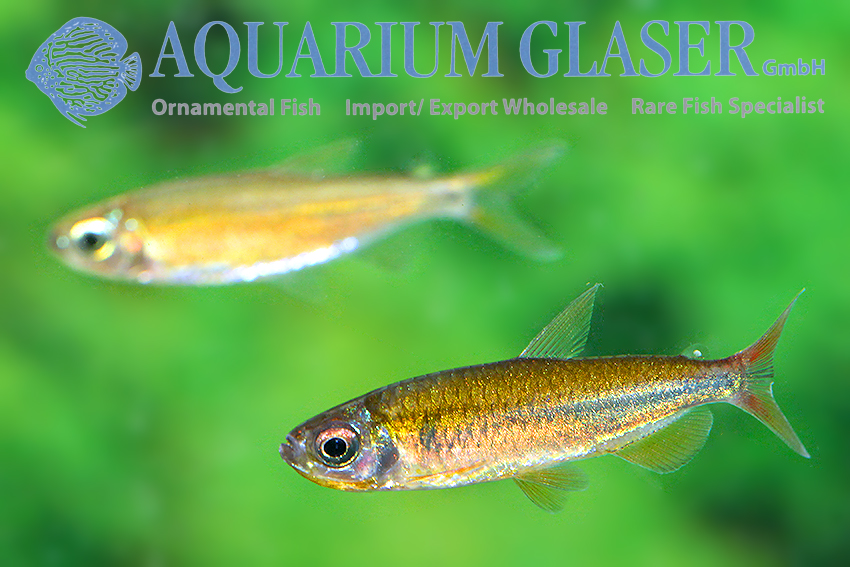
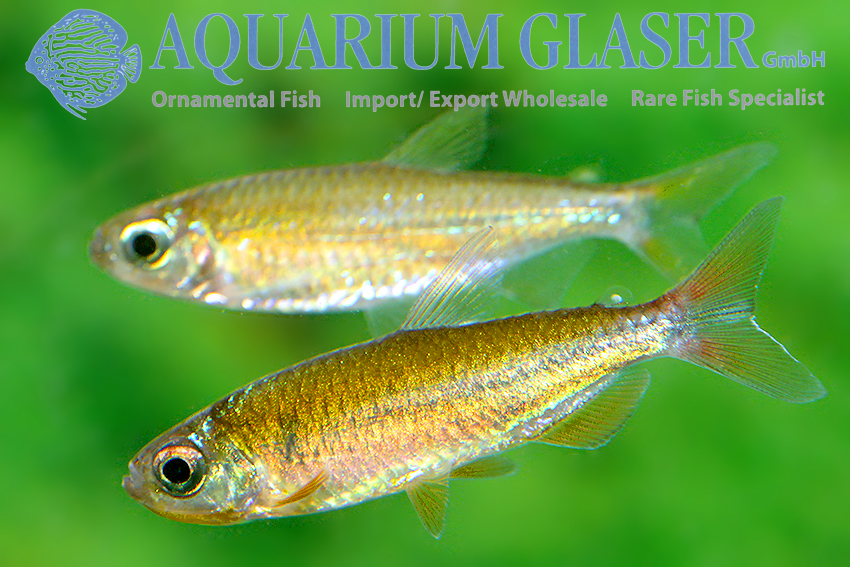
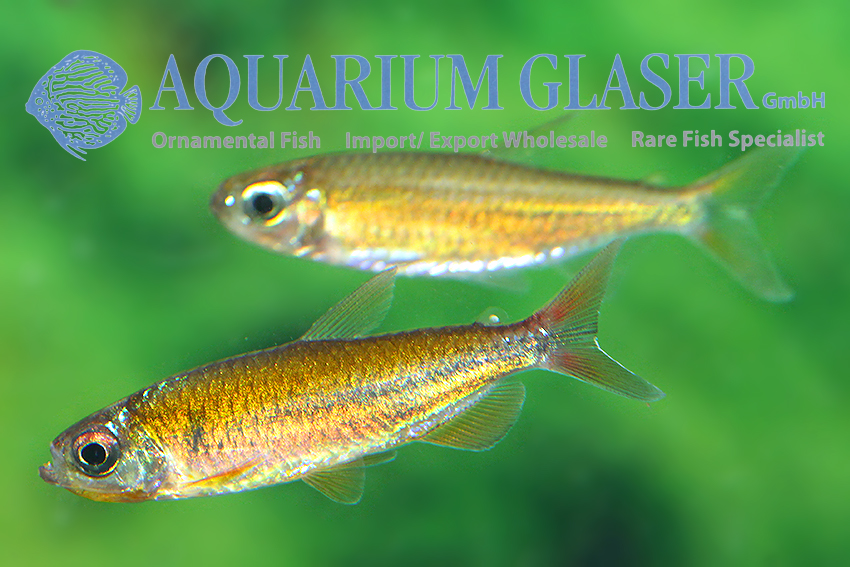
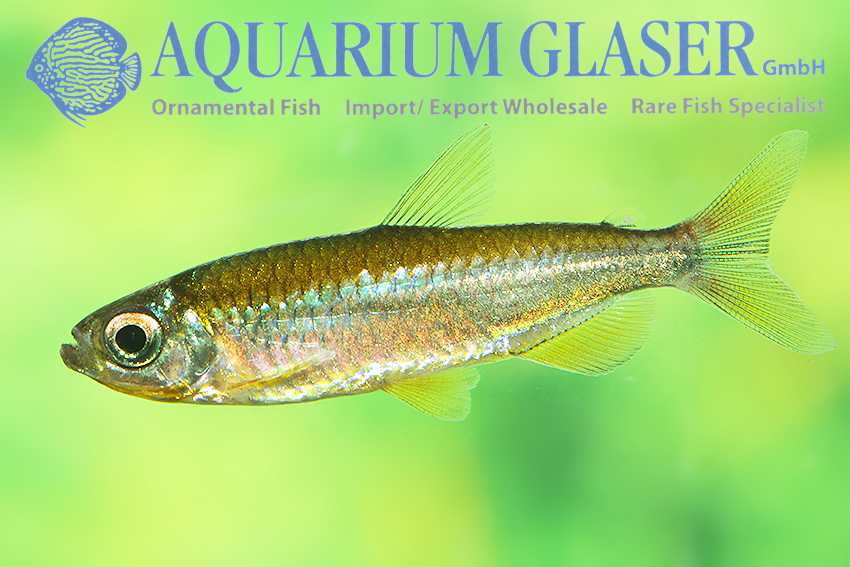
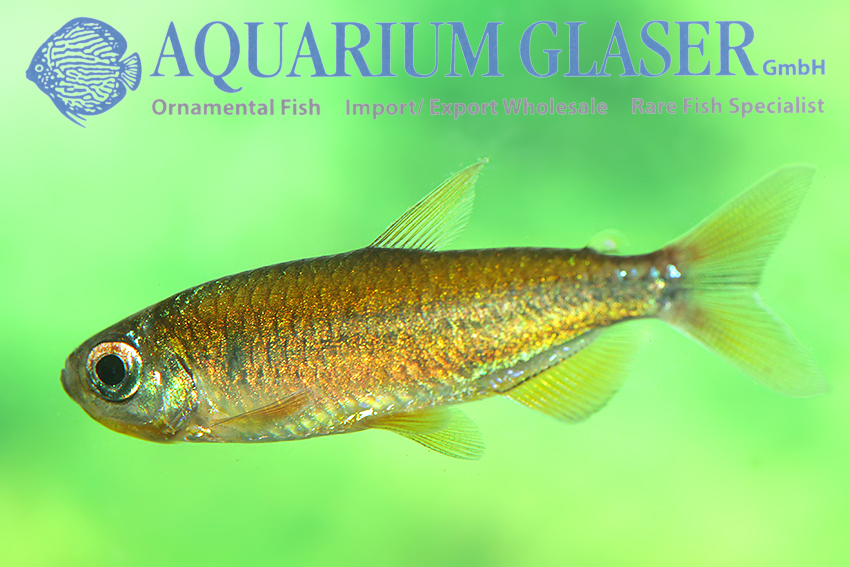
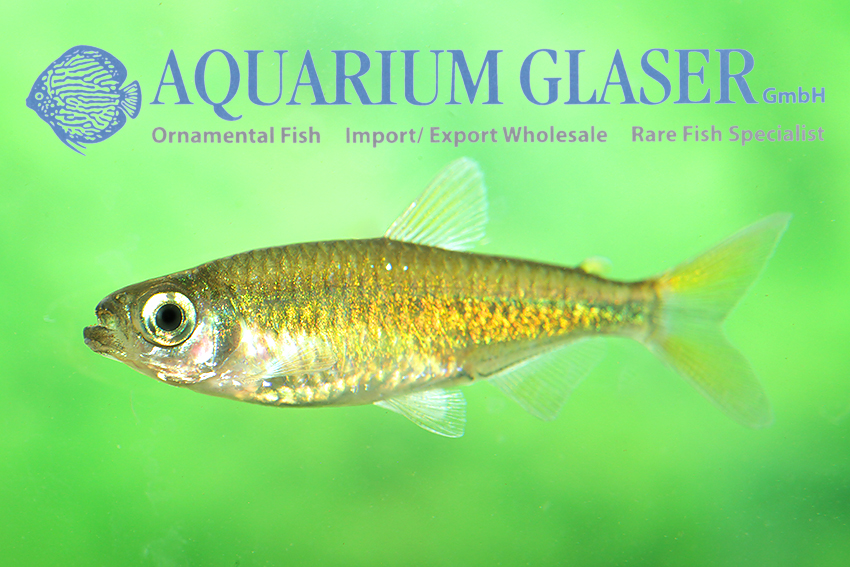
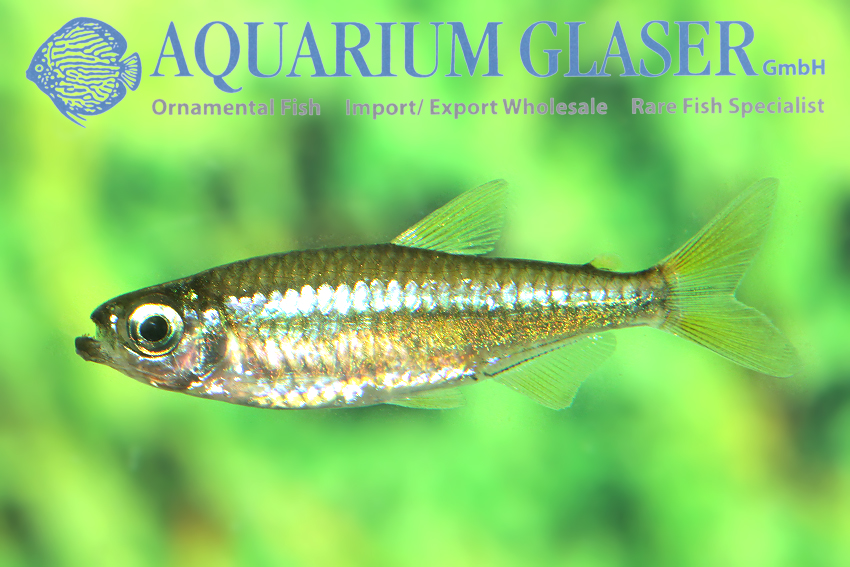
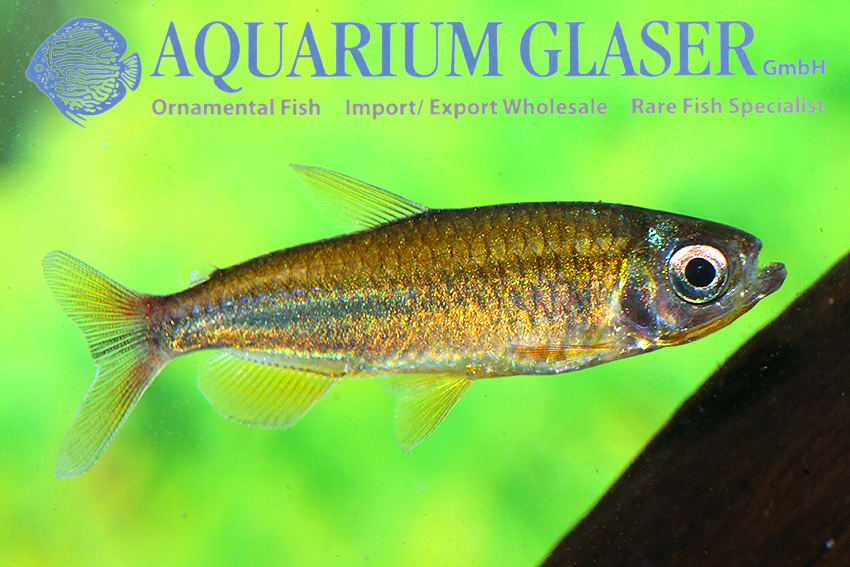
The externally recognizable species-specific characteristics of Phenacogrammus sp. “Fantastique” are—apart from the magnificent coloring of males during courtship, which they only display after a long period of acclimatization—a slender build, a clearly pronounced shoulder spot ( = humeral spot), black-colored middle rays of the caudal fin in males, in large males these black-colored middle caudal fin rays protrude beyond the rear edge of the caudal fin in the form of a thread-like extension, and, as an important, albeit inconspicuous feature at first glance, a clearly visible white spot on the adipose fin. Taking all these characteristics and the origin (central Congo Basin) together and assuming that this is a species that has already been scientifically recorded, there is much to suggest that Phenacogrammus sp. “Fantastique” is identical to P. deheyni. Just recently (2021), two similar Congo tetras from the central Congo Basin were newly described, namely Phenacogrammus flexus and P. concolor. In the course of distinguishing these two new species from the already known species, the four other species known from the central Congo Basin (P. polli, P. deheyni, P. aurantiacus, and P. interruptus) were also reviewed; Based on this work, it can be ruled out that Phenacogrammus sp. “Fantastique” is identical to any species other than P. deheyni and P. concolor. Unfortunately, the live coloration of P. concolor is unknown. Therefore, it is better to stick with Phenacogrammus sp. “Fantastique” as the name for aquarium imports for the time being.
Due to the complex political situation in Congo and major logistical problems there, Phenacogrammus sp. “Fantastique” is a very rarely imported fish that is also expensive. Like so many Alestidae, the species is also sensitive to transport. Any transfer should be carefully considered. The animals always take quite a long time to acclimatize and are naturally susceptible to disease during this period. The location where it was found is described as follows: a cola-colored, shallow forest stream that flows into the Likouala. Very soft, acidic water (pH 4.5, conductivity 15 µS/cm), water temperature around 24°C at 11.30 in February (dry season), light sandy bottom, wood deposits and dead leaves, no underwater plants. During the dry season, the animals swim in schools of 30-50 specimens (Numrich, 2018).
According to information on the internet, which we cannot verify, the maximum length of Phenacogrammus sp. “Fantastique” is said to be around 8 cm (this probably refers to the total length, i.e. including the tail fin), while Numrich (2018) gives a length of 6 cm. The maximum length of P. deheyni is given as almost 10 cm in aquarium literature, but the adult specimens described in scientific literature were only 5-6 cm long (including the tail fin), and both P. flexus and P. concolor have a standard length (without tail fin) of less than 5 cm. The animals photographed for this post are about 5 cm long, including the tail fin, and have just reached sexual maturity. “Fantastique” is therefore a small fish.
Unfortunately, we have not yet been able to observe the bright red coloration that the males display during the mating season. But this is well known in tetras, just think of Hemigrammus coeruleus (https://www.aquariumglaser.de/en/09-characoids-tetra-relationship/hemigrammus-coeruleus-4/). In their normal coloration, males appear orange-copper with reddish fins and two deep red spots on the caudal fin; females are more plainly colored. In terms of social behavior, feeding habits, etc., we have not yet noticed any differences from the well-known Congo tetra (P. interruptus). We therefore refer you to the extensive literature on this fish.
All in all, Phenacogrammus sp. “Fantastique” is an exciting new addition that we hope will become widely distributed!
For our customers: the animals have code 159102 on our stock list. Please note that we only supply wholesale customers.
Literature:
Numrich, R. (2018): Kongosalmler aus dem Herzen Afrikas. Amazonas Heft 75 (14) 1: 20-27
Poll, M. (1945): Descriptions de Mormyridae et de Characidae nouveaux du Congo belge avec une étude du genre Stomatorhinus et des genres de Characidae nains africains. Revue de Zoologie et de Botanique Africaines v. 39 (no. 1): 36-77
Stiassny, M. L. J., Alter, S. E., Monsembula Iyaba, R. J. C. and T. L. D. Liyandja (2021): Two new Phenacogrammus (Characoidei; Alestidae) from the Ndzaa River (Mfimi-Lukenie basin) of Central Africa, Democratic Republic of Congo. American Museum Novitates No. 3980: 1-22
Text & photos: Frank Schäfer
