








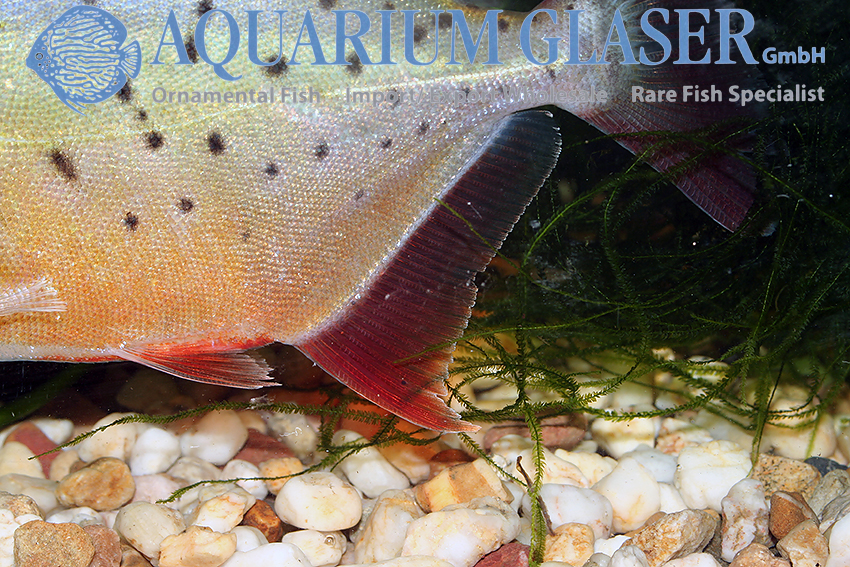
In 1992, W. L. Fink and A. Machado-Allison described two piranha species of the genus Pristobrycon from locations in the Rio Atabapo basin (Venezuela): P. careospinus and P. maculipinnis. The two species differ in color. While P. maculipinnis has small dots on its body and spots on its vertical fins, the fins of P. careospinus are unmarked and the spots on its body are large. Unfortunately, the scientists only had a few specimens at their disposal. They had six specimens of P. maculipinnis and only one of P. careospinus. This is naturally problematic given the well-known color variability of piranhas and the equally notorious color changes these fish undergo during their growth (scientifically known as ontogenetic color change).
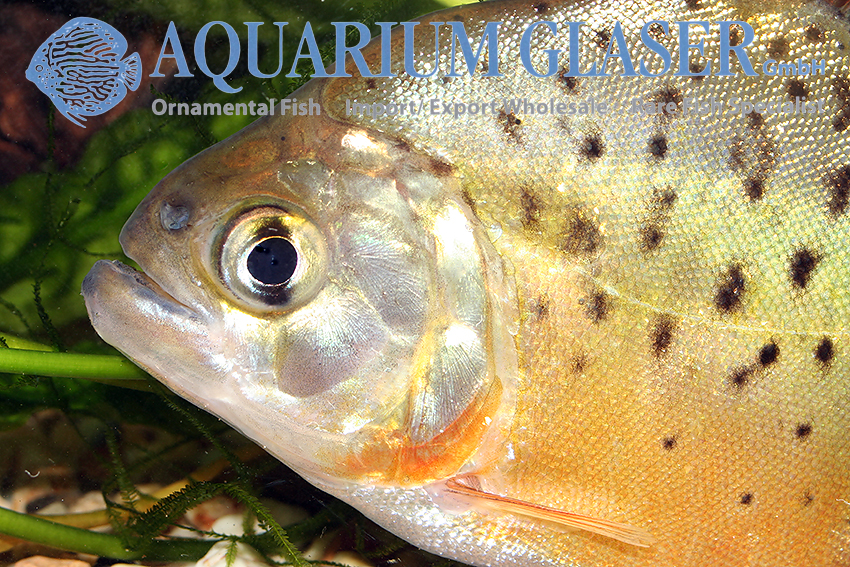
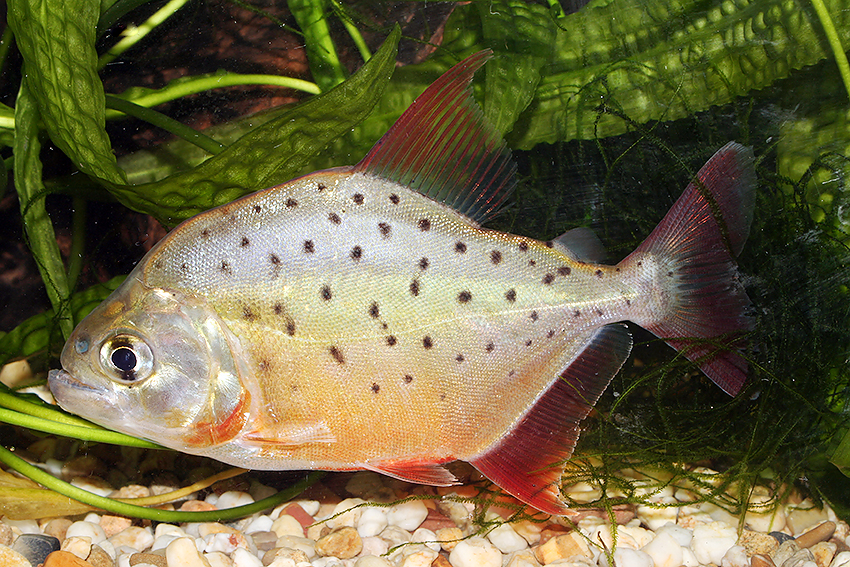
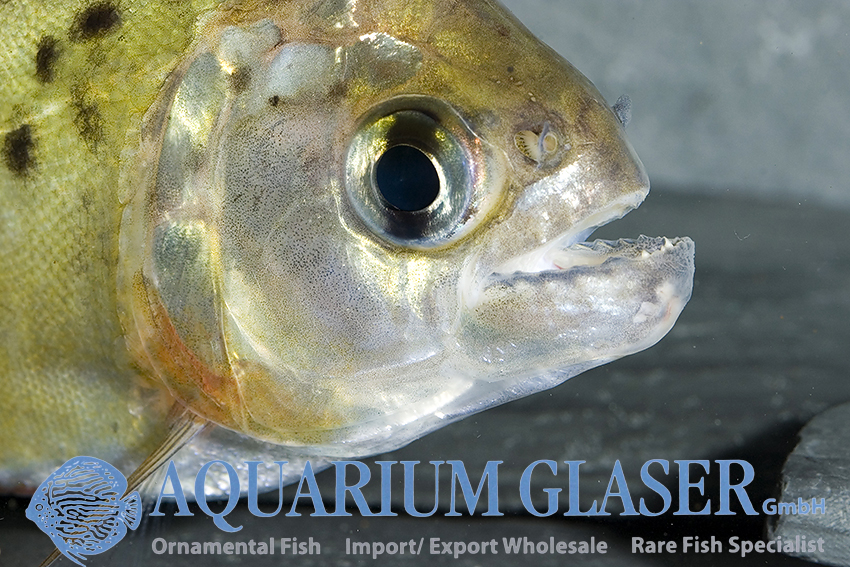
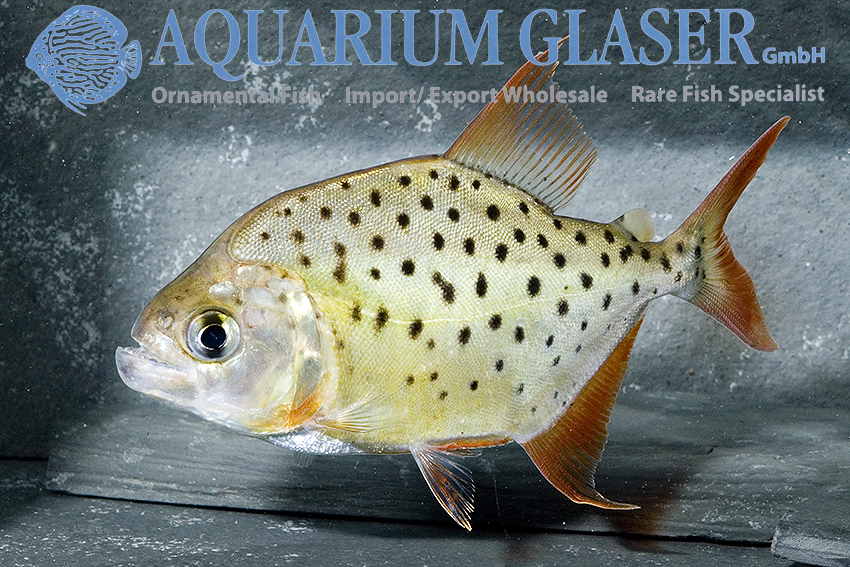
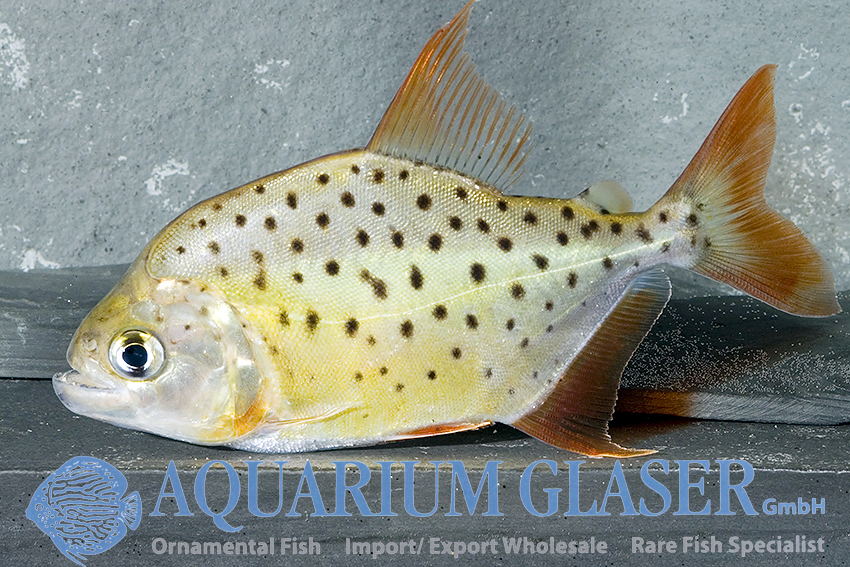
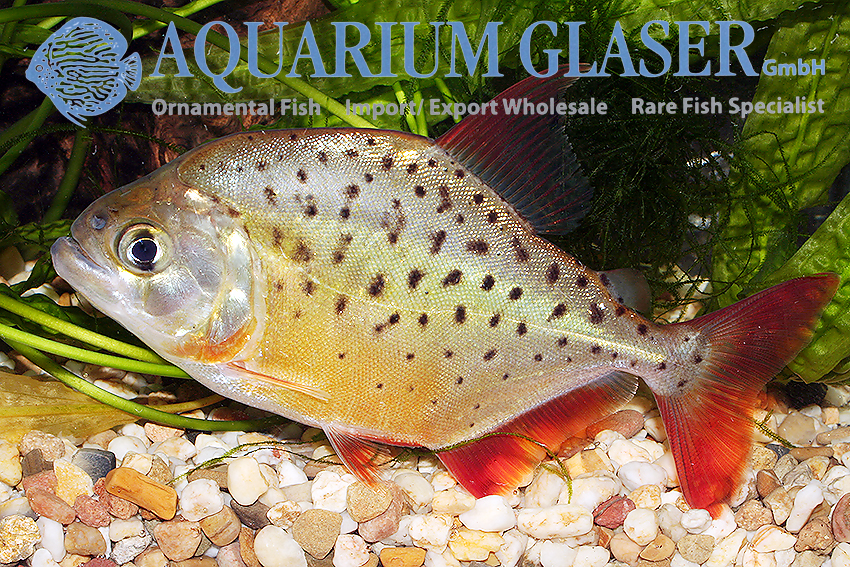
In 2006, piranhas from Venezuela with very impressive colors appeared on the ornamental fish market for the first time. At that time, they were identified as Pristobrycon maculipinnis, and it was considered likely that P. maculipinnis and P. careospinus were the same species.
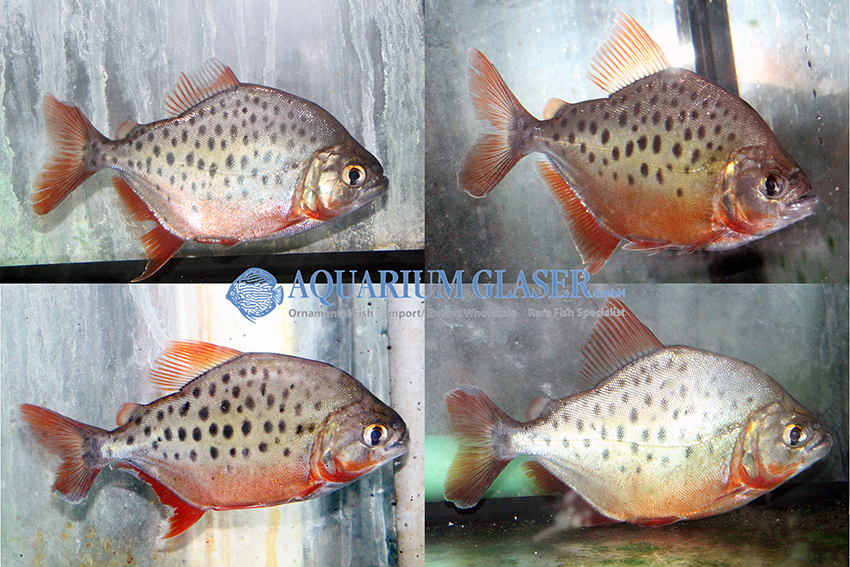
We have finally succeeded in importing these beautiful piranhas again, this time four specimens. We now consider the Pristobrycon imported in 2006 and those recently reintroduced to belong to the species P. careospinus and believe that the earlier assumption that P. careospinus and P. maculipinnis were identical was incorrect.
The difference between Pristobrycon and other piranha genera is not visible externally. It is a bone feature, namely the palate (referred to in scientific publications as the palatine or ectopterygoid). This is toothed in typical Serrasalmus species, smooth and toothless in Pygocentrus species, and rough and toothless in Pristobrycon species. Recent molecular biological studies no longer classify P. careospinus in the genus Pristobrycon, but rather in Serrasalmus. The species may therefore be called Serrasalmus careospinus.
Virtually nothing is known about the behavior of this species. In nature, it apparently occurs mostly singly. In aquariums, piranhas are often notorious fin biters, which can make it necessary to keep them singly. On the other hand, Oliver Lucanus (verbal communication) kept a group of the beautiful species we are presenting here, under the name of P. maculipinnis, together for at least a while. Overall, representatives of the genus Pristobrycon (in the conventional sense) are only very rarely kept in aquariums, which is a pity, as all species usually remain under 20 cm in total length and some are very attractively colored. Detailed care reports are lacking in the aquarium literature, not to mention breeding reports.
The pictures show specimens from the 2006 import and a collage of the four animals that have just arrived in our fishhouse, which naturally still need to recover from the stresses of transport, but are obviously in perfect health.
For our customers: the animals have code 283285 on our stock list. Please note that we only supply wholesale.
Text: Frank Schäfer, photos: Frank Schäfer & Erwin Schraml
