








In 1977 the „bible for all characin friends“ was punblished: Jaques Géry´s „Characoids of the world“. Almost at the end of this book a picture of a so far undescribed glass tetra was published that had an extremely unusual air bladder. This animal was described only one year later – in 1979 – by Richard P. Vari as a new species, Leptagoiniates pi. The specific name refers to the shape of the air bladder that reminds one in the ancient Greek letter pi (π). Due to the transpareny of the animals the air baldder can be seen very good in live specimens. It was not easy for Vari to place the new species in a already described genus, but finally he decided to place it in Leptagoniates due to anatomical reasons.
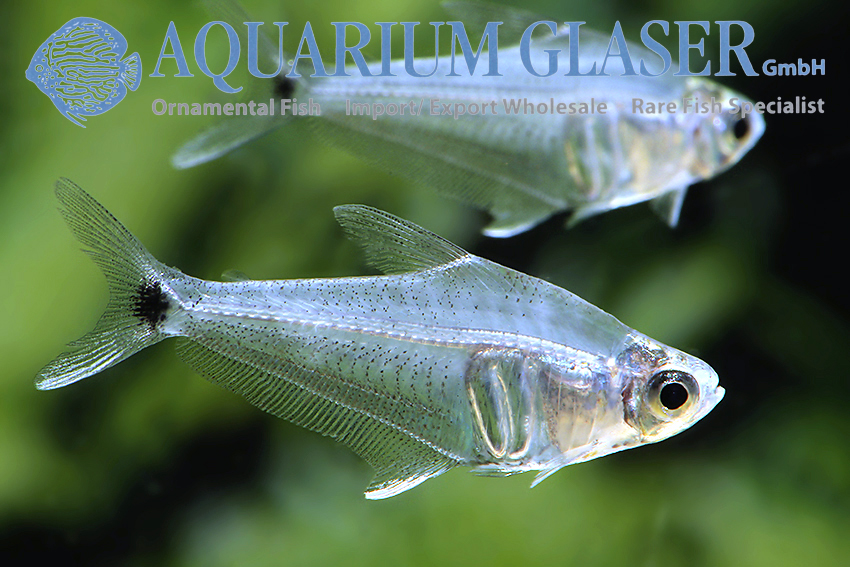
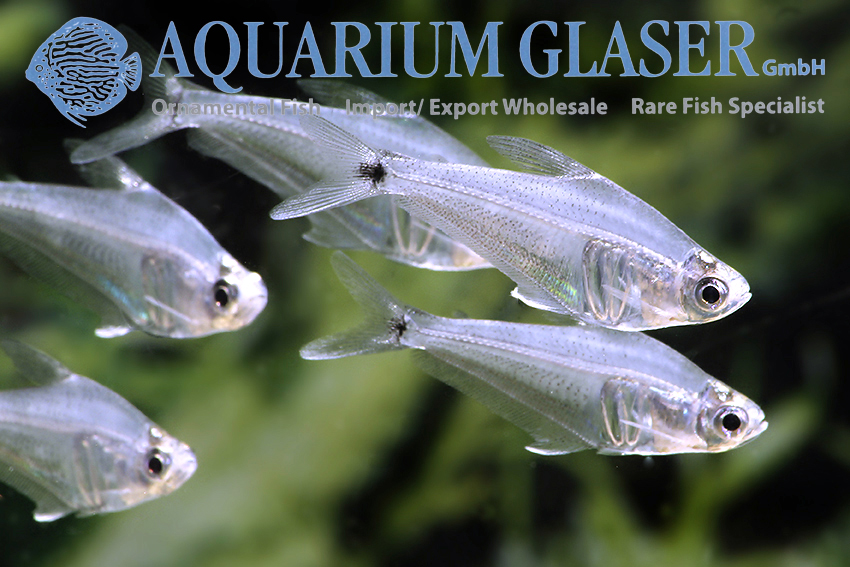
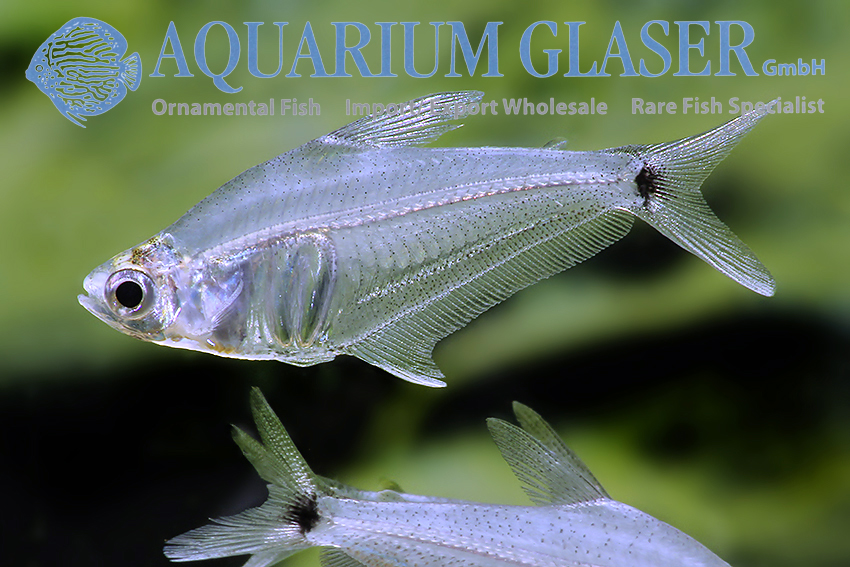
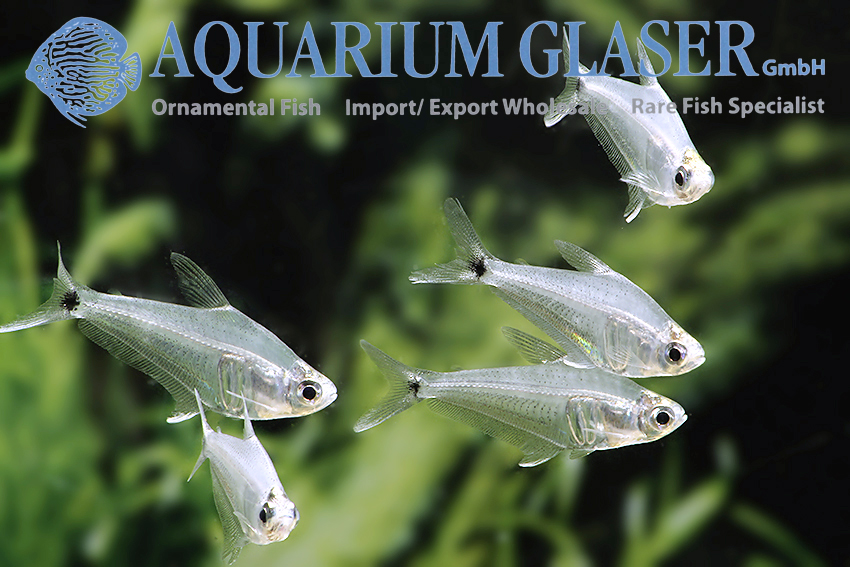

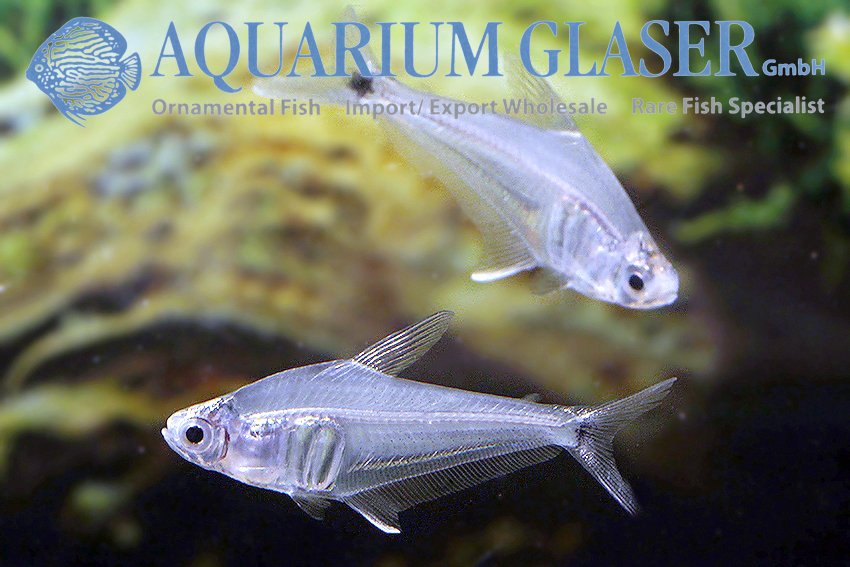

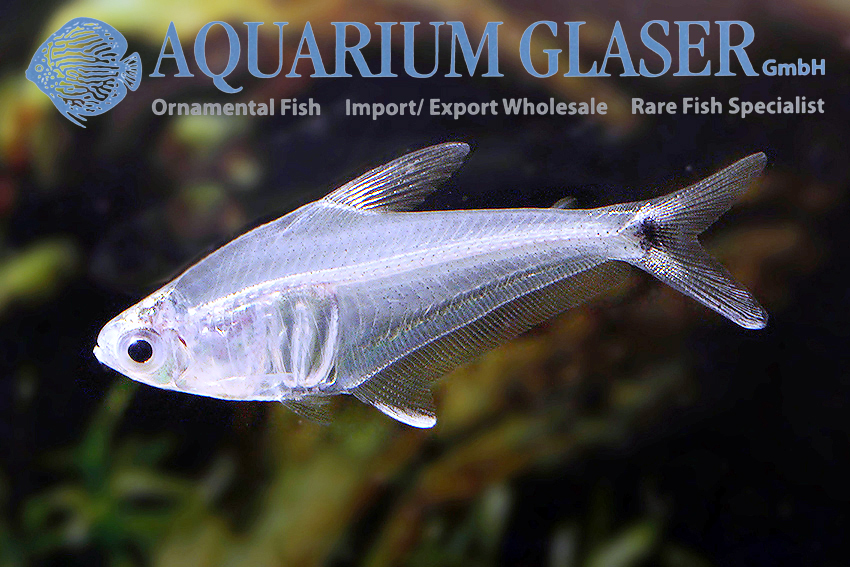
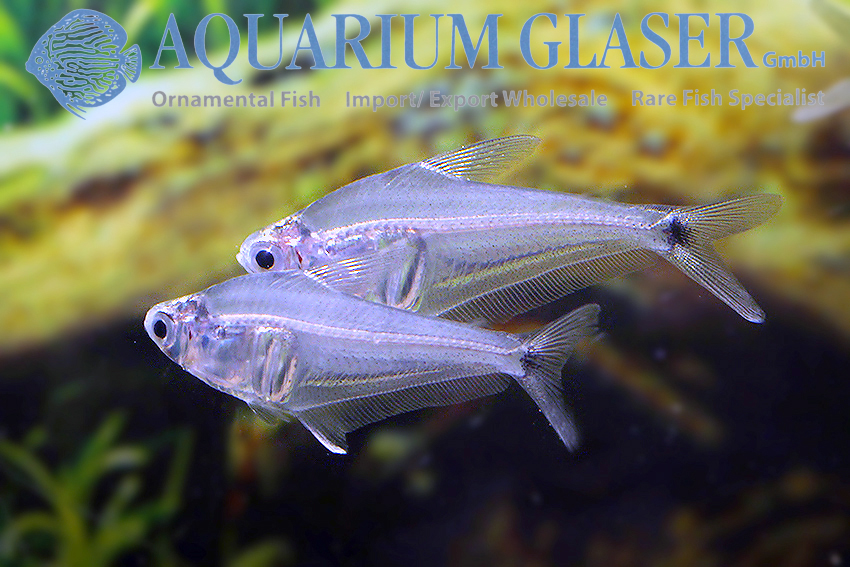
New techniques bring new ideas. Two independent molecular analysis showed that the two species placed so far in Leptagoniates (namely L. steindachneri and L. pi) are not closely related at all, but have to be placed even in different subfamilies: L. steindachneri in the Aphyocharacinae, L. pi in the Cheirodontinae. L. pi is a species that is very close to the basal evolutionary branch of the Cheirodontinae. So recently Vari, Bruno F. Melo, and Claudio Oliviera erected a new genus for L. pi, Protocheirodon. This genus is so far monotypical; this means it contains only one known species, Protocheirodon pi. The description of Leptagoniates pi was one of the very first publications of R. Vari. Sadly this publication was one of the last of Richard P. Vari and published posthumous. He died, aged 66, on January 15th, 2016 from cancer.
To the best of our knowledge Lepatagoniates steindachneri has not been imported yet as an ornamental fish. Protocheirodon pi, on the other hand, is available from time to time from Peru. The species has a very wide distribution in South America and can be found in almost all major river systems in the central and western part of Amazonia, including the Solimoes, the Purus, Madeira, and Ucayali. The fish is found unsually over sandy bottoms in quiet waters along the banks of the rivers and in backwaters. There is no sexual dimorphism described, but we feel that the females become bigger than the males. However, this is not proofed by anatomical examination.
Keeping Protocheirodon pi is not complicated at all. We suggest the common name „Crystal Tetra“ for the species. The company of other fish makes P. pi feel safe. This must not necessarily be conspecifics, other peaceful fish can also do that job. P. pi is not a schooling fish in the strict sense of the term. Once the fish have settled in a tank they will inhabit very small territories that will be defended in a harmless way against other Crystal Tetras. One can term P. pi as an absolutely peaceful species. The fish will readily take any usual fishfood that fits in size. Plants are ignored. P. pi attains a maximum lengst of about 5 cm.
For our customers: the fish have code 266003 on our stocklist. Please note that we exclusively supply the wholesale trade.
Text & Photos: Frank Schäfer
