








The tetras belonging to the genus Pyrrhulina combine the advantages of two basic groups of ornamental fish. The first group are the schooling species that are always visible and swim merely in the open water: tetras and barbs. The second group has a faszinating behaviour and takes care for the brood: the cichlids and the labyrinth fish.
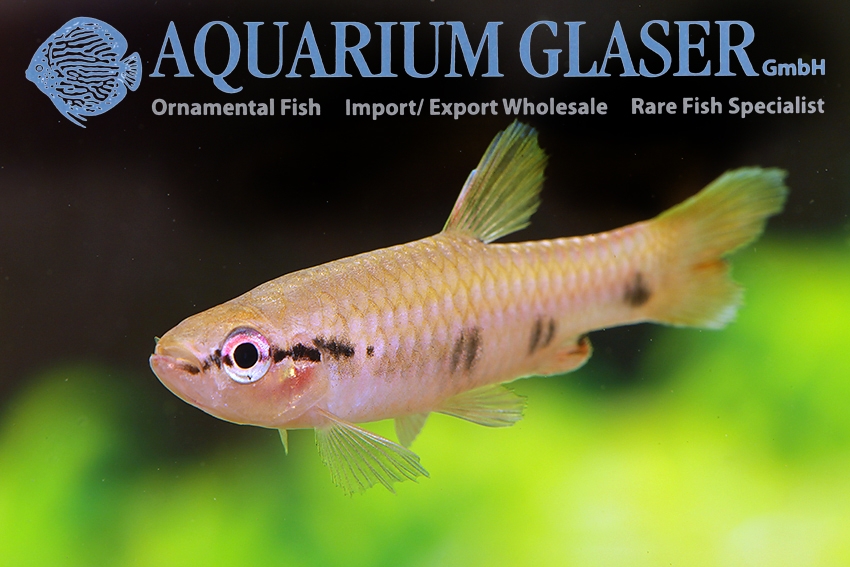
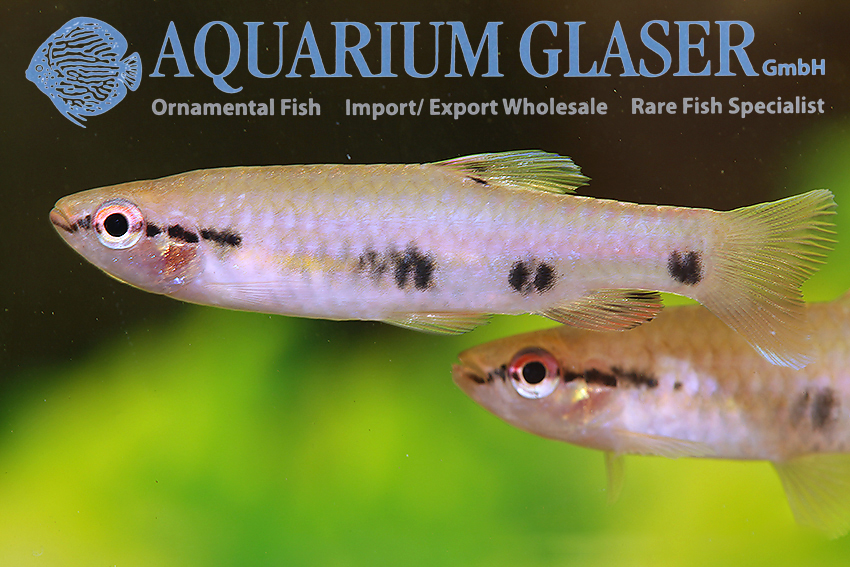
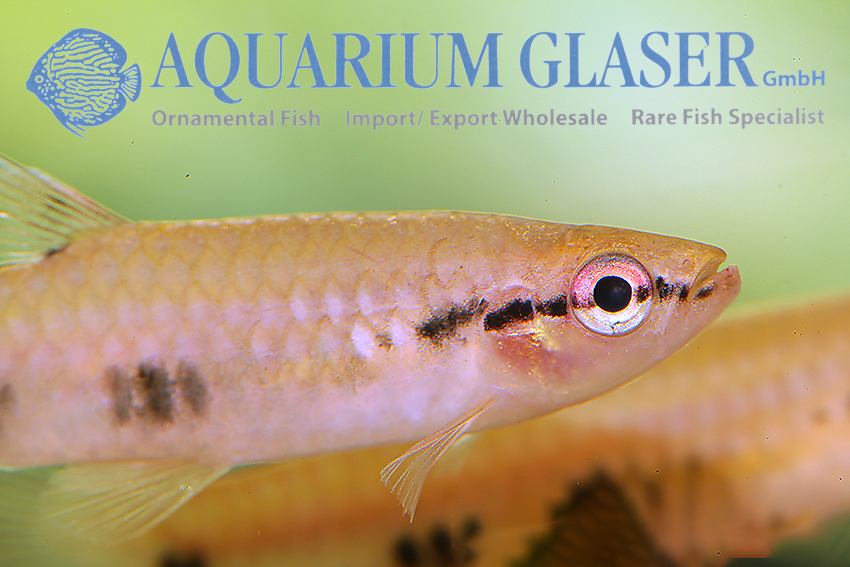
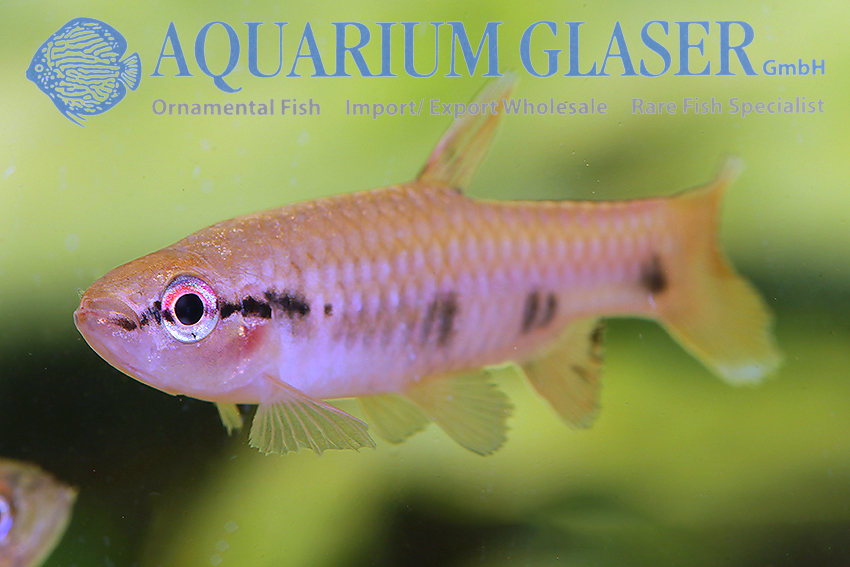
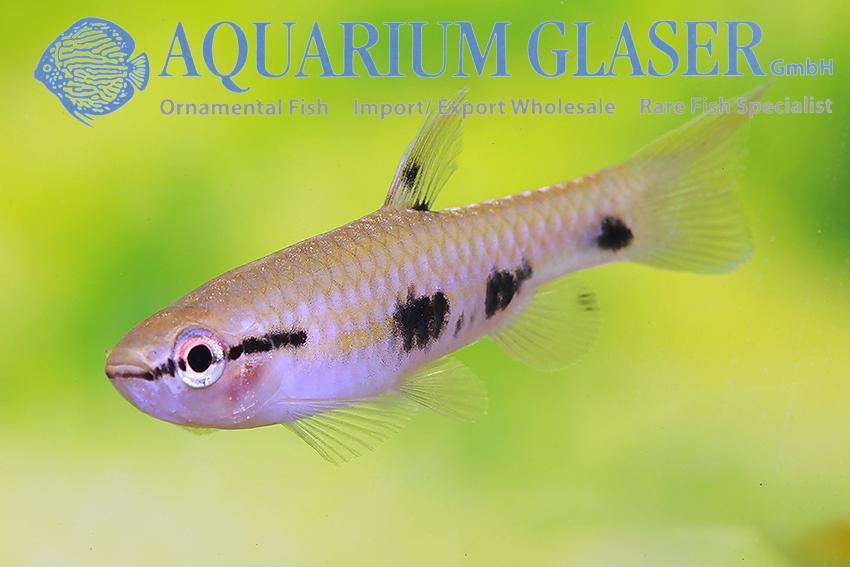
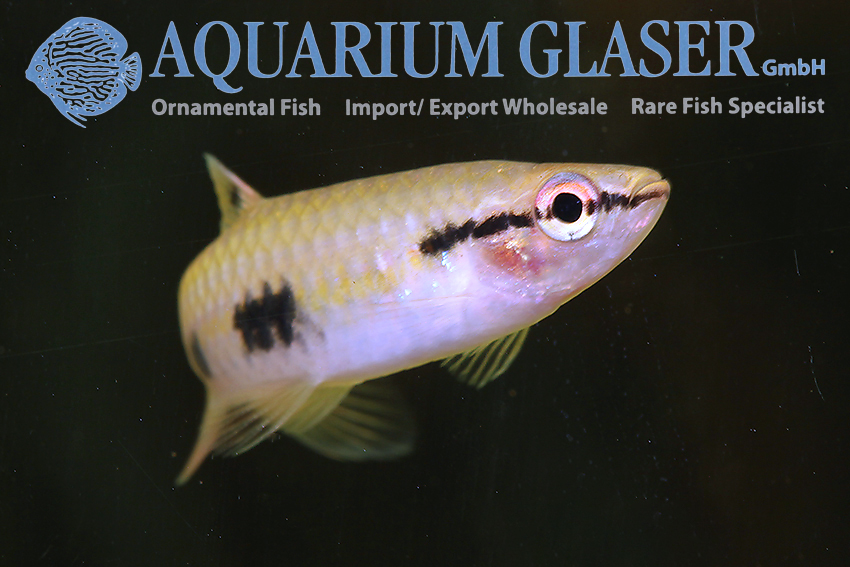
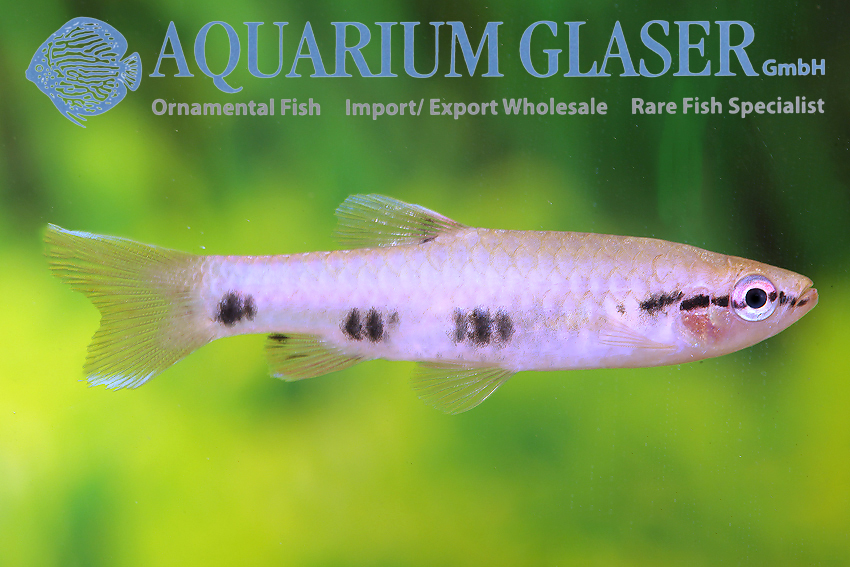
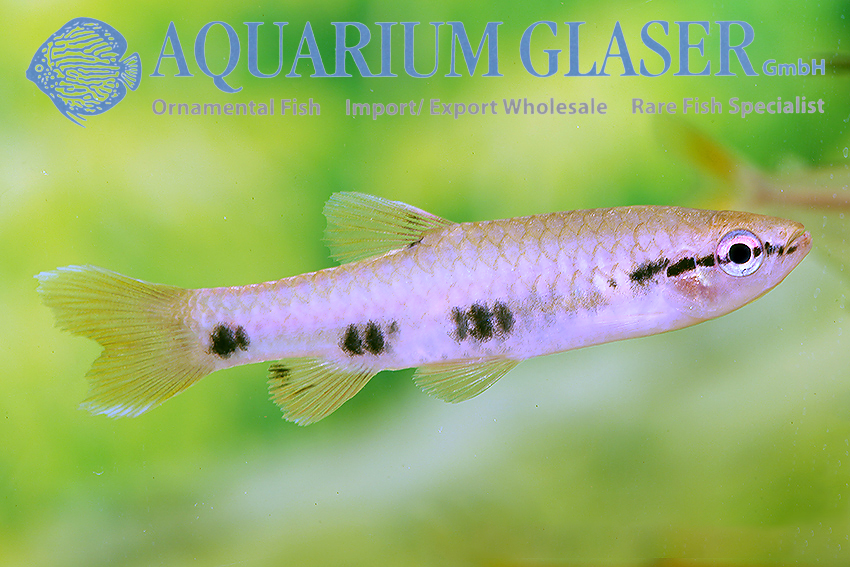
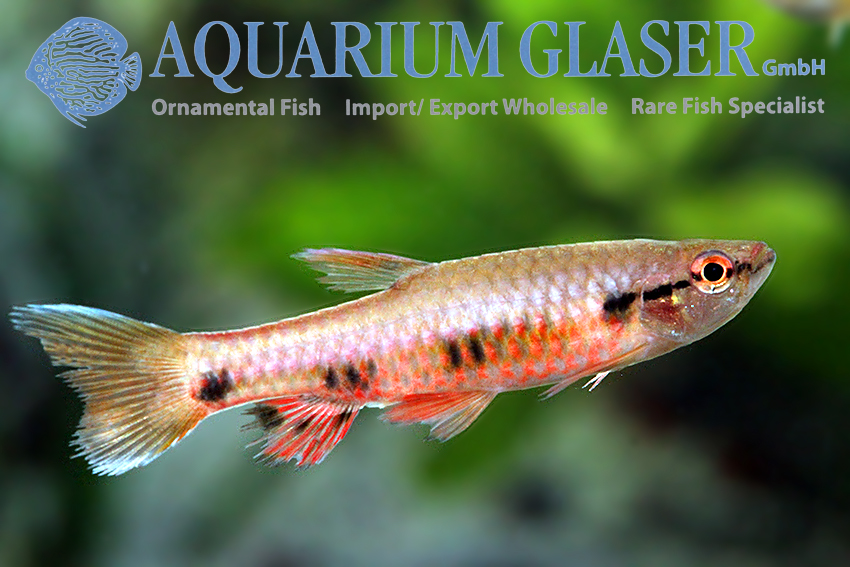
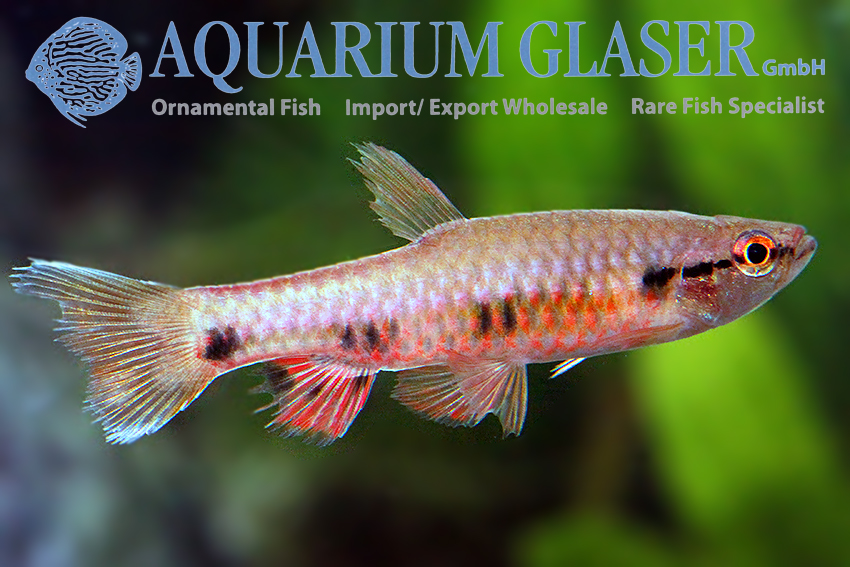
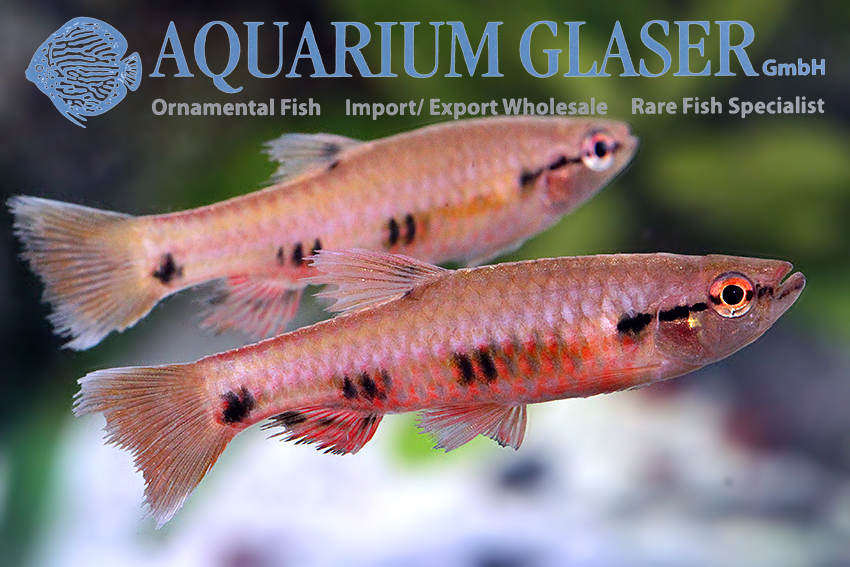
One of the most beautiful Pyrrhulia species is P. spilota, which we are able to import from Peru from time to time. P. spilota usually swim around in open water, as is typical for tetras. They prefer the upper third of the water column, but can be found everywhere. They eat all types of fish food, including dry food, and leave the plants untouched. In this respect, their behavior is largely similar to that of other tetras.
When the animals enter breeding season, everything changes. During this time, the males develop fantastic colors and occupy territories, preferably near a broad-leaved plant, or, if necessary, near a stone or root. This is where the fish lay their eggs. Unlike other tetras, which scatter their eggs indiscriminately, Pyrrhulina produce a compact clutch that is very similar to a cichlid clutch. At this time, there is no male that does not have slightly damaged fins from fights with other males. This is part of the process, completely normal and harmless. Once the spawning season is over, everything grows back.
As with labyrinth fish, the male takes care of the brood. And he takes his task very seriously! Any tank mates would be well advised not to get too close to the clutch. Once the young hatch, the brood care instinct disappears and Pyrrhulina return to being normal, beautiful tetras…
For our customers: P. spilota has code 286782 to 286785 on our stock list, depending on size; the fish are usually sent to us in mixed sizes. Please note that we only supply wholesale customers.
Text & photos: Frank Schäfer
