








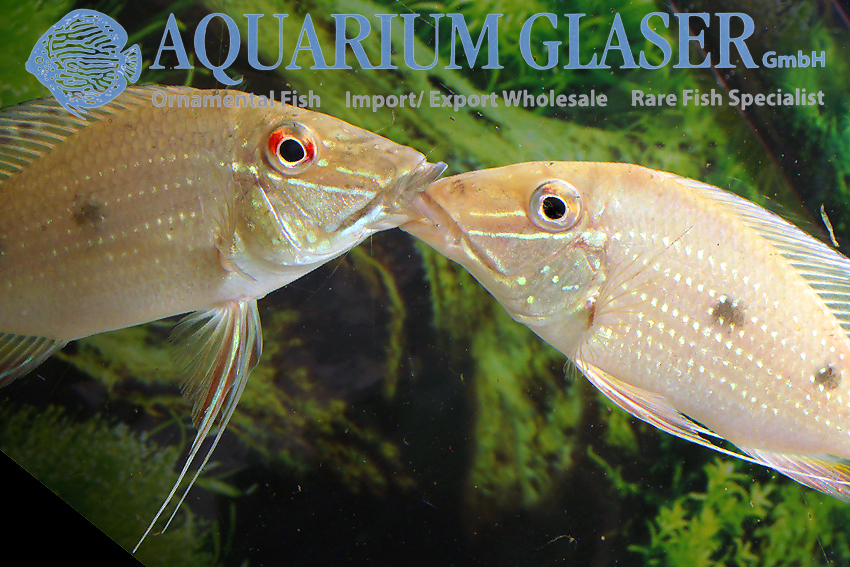
We occasionally receive the magnificent Satanoperca daemon, mostly from Colombia. The species is widespread and common throughout the Rio Negro region, but it is sensitive and therefore only available from the most experienced suppliers. The “three-spot daemon” is one of the most beautiful cichlids in South America and one of the most peaceful. With these earth-eaters growing up to 30 cm long, bite injuries – otherwise almost commonplace with large cichlids – are extremely rare. The animals could even be described as shy.
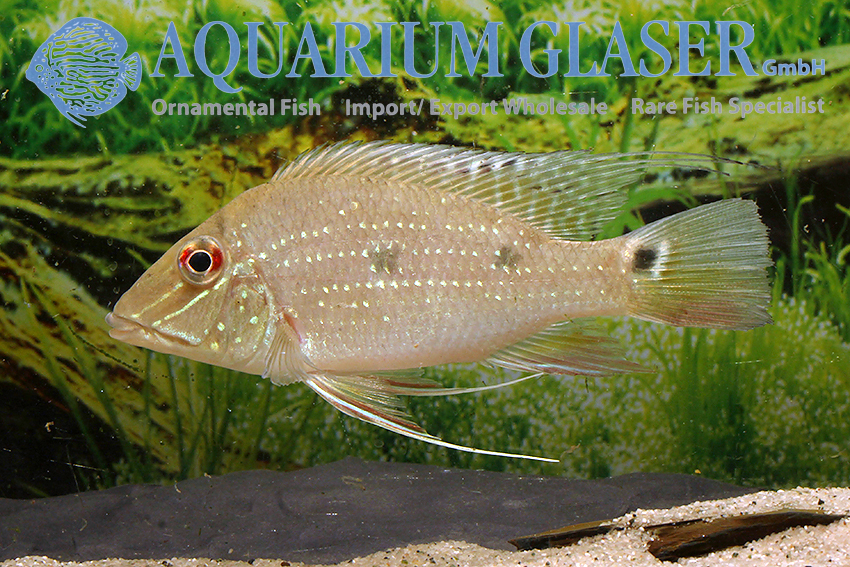
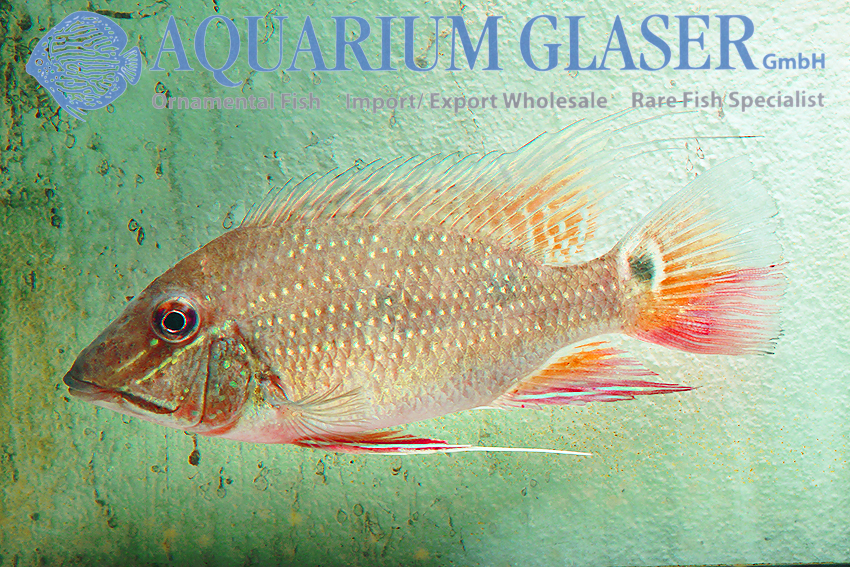
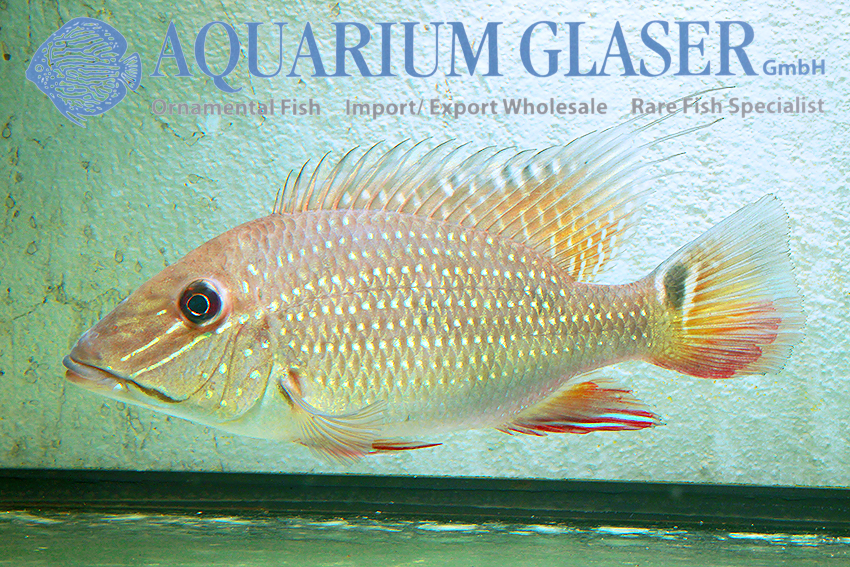
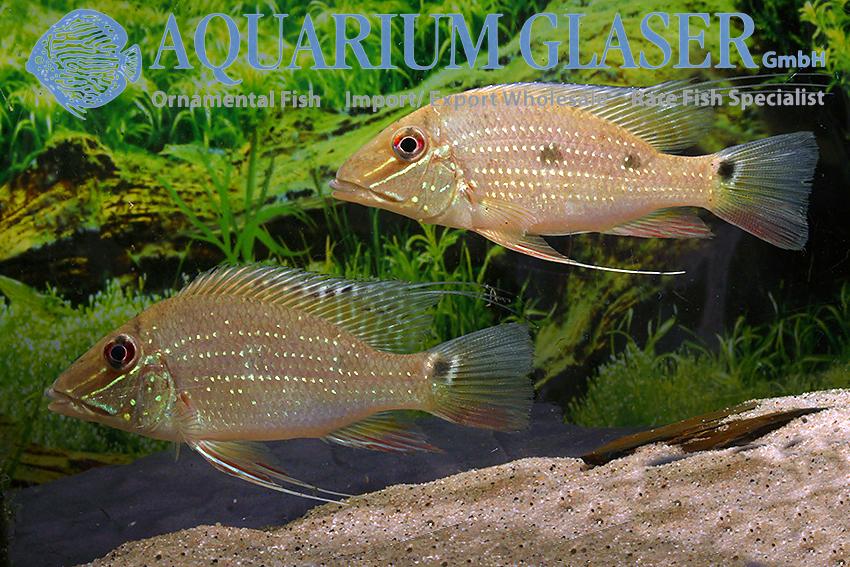
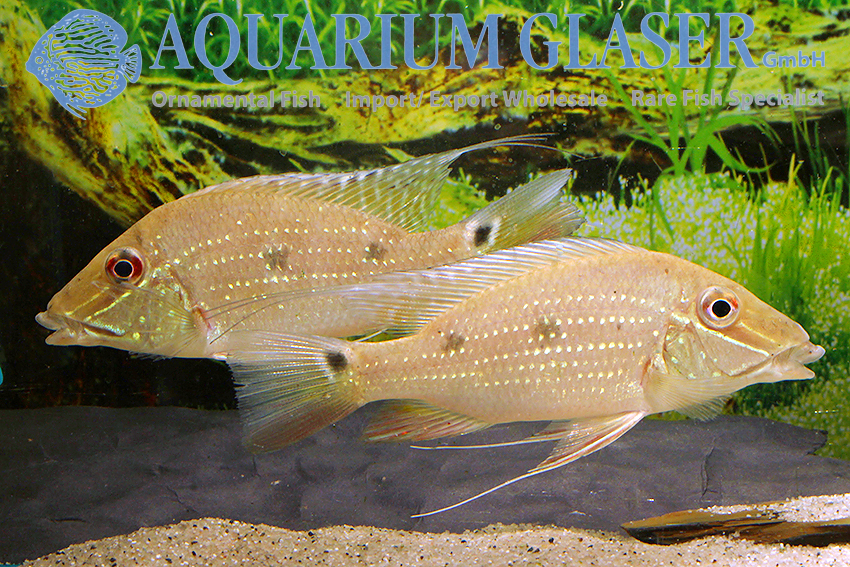
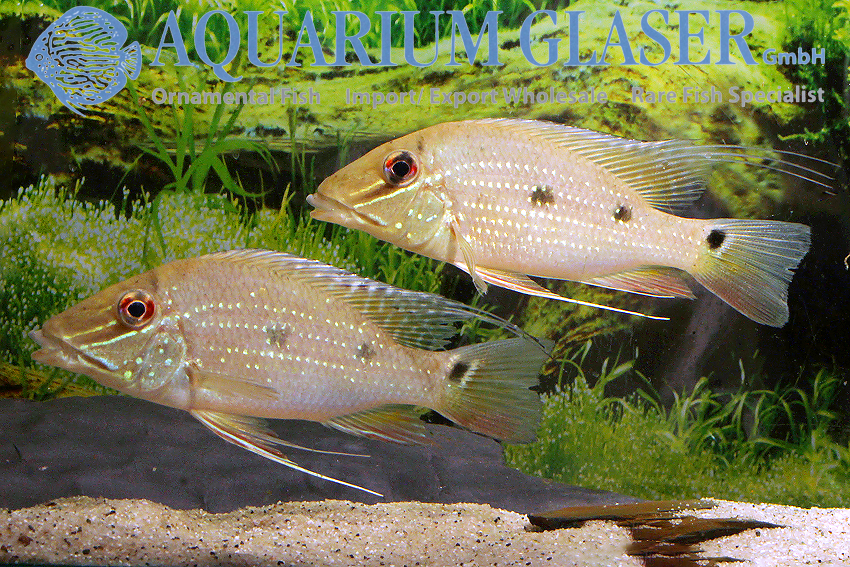
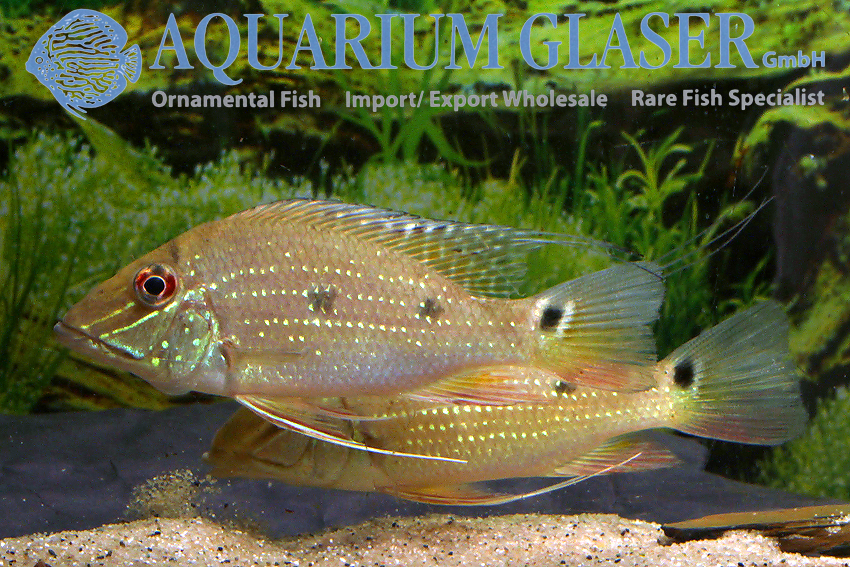
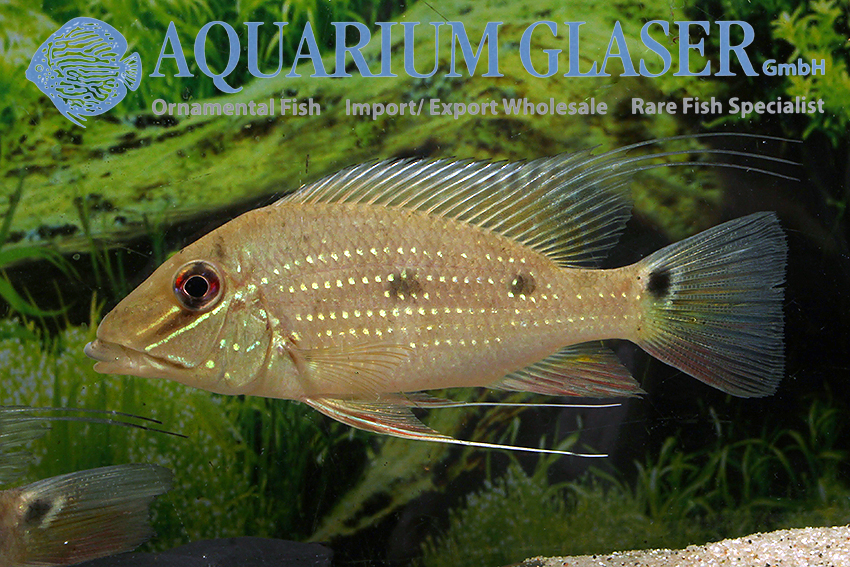
Satanoperca daemon should always be kept in large aquariums with a sandy substrate. For a long time, it was believed that very soft water and an acidic pH value (pH around 6) were necessary, as the fish would be prone to hole-in-the-head disease in alkaline water and would also become unattractive in color. However, this can now be considered outdated. The dreaded hole-in-the-head disease is probably largely psychosomatic, even though its cause or causes are still not really understood. In any case, care and breeding can also be successful in medium-hard, slightly alkaline water. The decisive factors are probably very good water care (i.e., as low a nitrogen and phosphate content as possible and a low bacterial count), keeping them in a group of conspecifics so they can freely find mates, and apparently also the rest of the community. As with all fish, the cornerstone of successful care and breeding is not so much to be found in some kind of water chemistry voodoo, but rather in optimal rearing. A varied and, above all, fresh diet that still contains all the vitamins, trace elements, and the extremely important polyunsaturated fatty acids (HUFA) is absolutely essential.
Breeding has already been successful, but it is very rare. Unlike many other Geophagus relatives, Satanoperca daemon are pit breeders, not mouth breeders. Relatively large aquariums are required, as the spawning pit alone can be a good 50 cm in diameter. While fine sand (grain size 0.2-1 mm) is important for everyday care (the animals chew it constantly), the spawn does not develop well, if at all, in this fine substrate. The clutch is also covered with fine gravel by the parent fish. If this substrate is missing in the aquarium, the chain reaction of instinctive behaviors associated with reproductive behavior is interrupted, brood care is usually discontinued, and the spawn is eaten. Fine gravel with a grain size of 3-6 mm has proven to be a good grain size for the nest.
Similar to discus fish, the water temperature must be kept above 28°C. This has a twofold effect: many parasites and pathogens do not like these high temperatures and therefore do not develop well. And the fish’s immune system works particularly well in this temperature range. Satanoperca daemon is therefore a wonderful fish, but one that has certain requirements.
For our customers: depending on their size, the animals have the codes 677500 (2-3 cm) to 677509 (18-22 cm) as wild catches and 677512 (4-6 cm) to 677513 (6-9 cm) as offspring on our stock list. Please note that we only supply wholesale customers.
Text & photos: Frank Schäfer
