








Members of the Sewellia genus are also commonly referred to as “splendid hillstream loaches” because their markings are often very contrasting. However, there are also species with plain coloring, such as the most recently scientifically described species, S. pudens Kottelat, 2025. A total of 15 Sewellia species have been named, but it is difficult to say how many of these are valid due to the sometimes very poor quality of some of the descriptions.
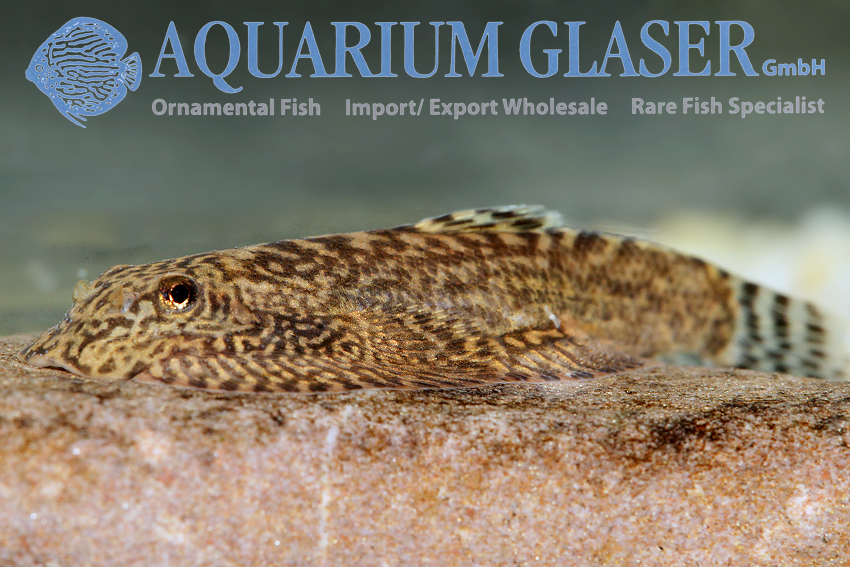
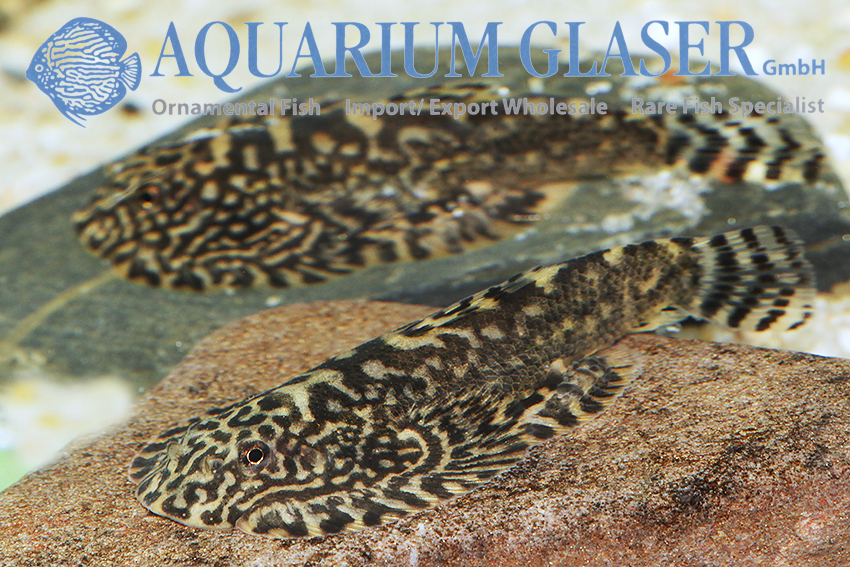
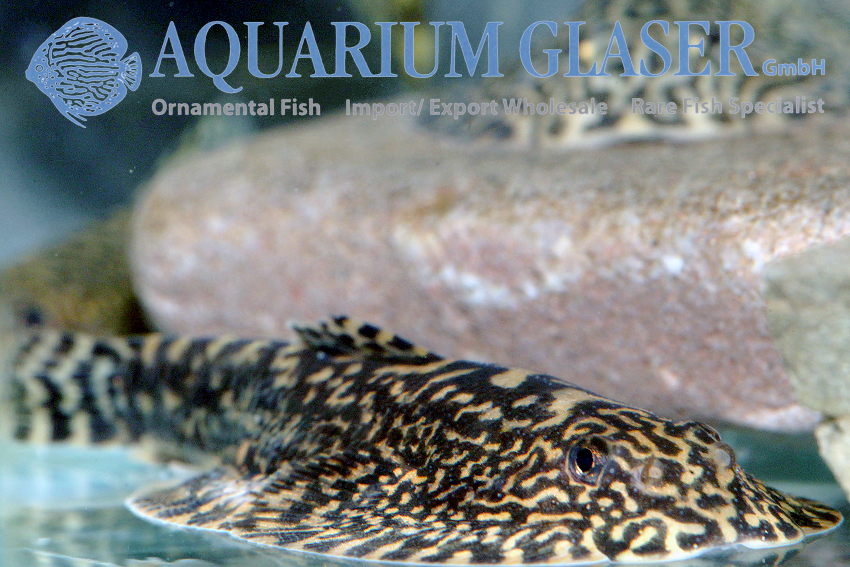
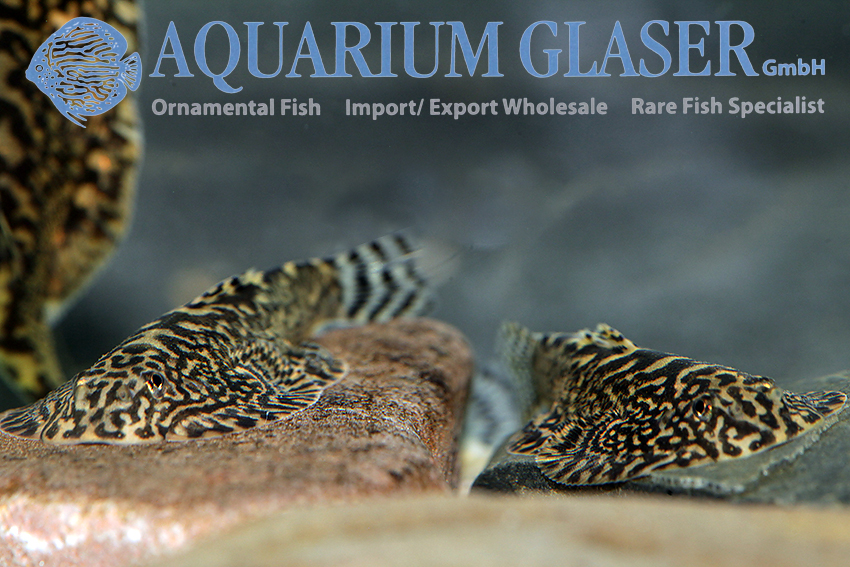
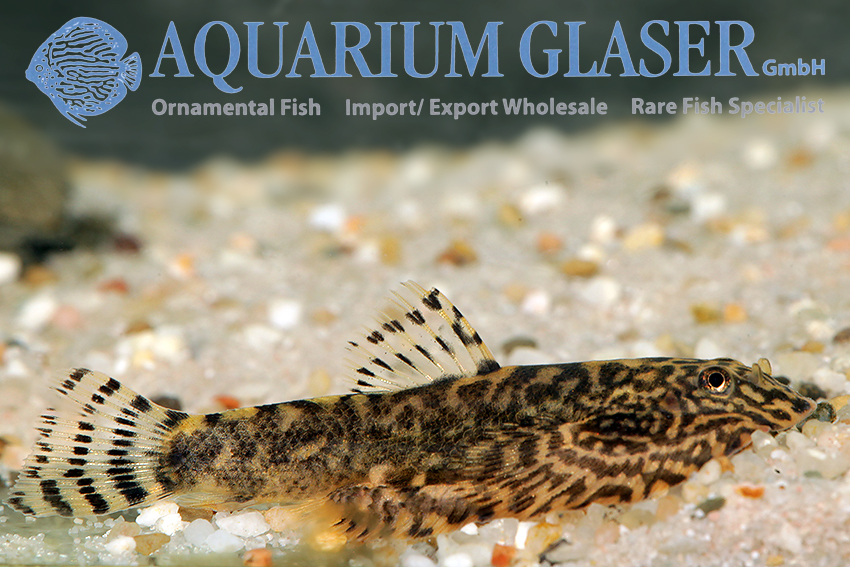
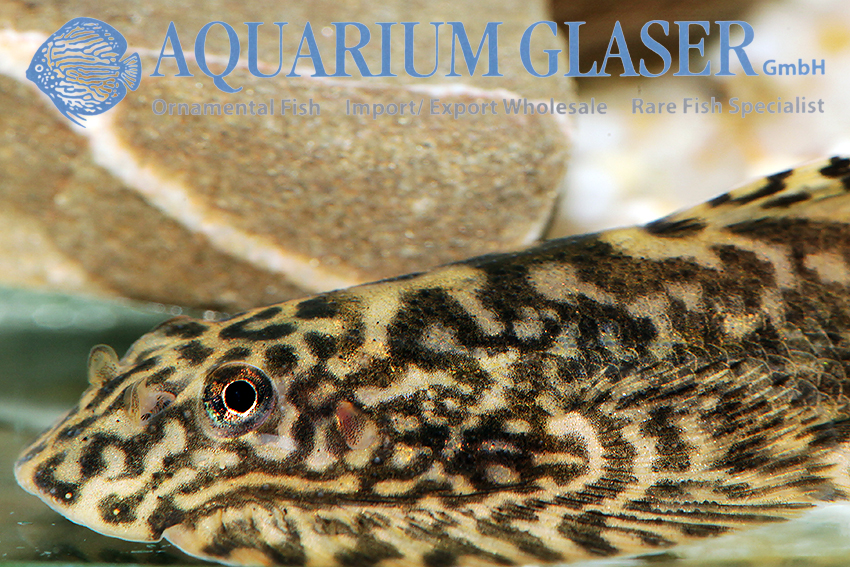
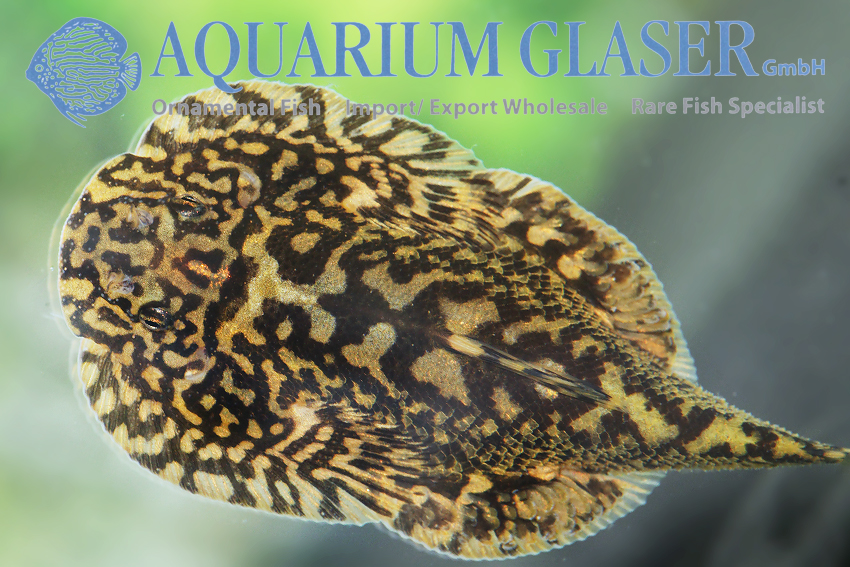
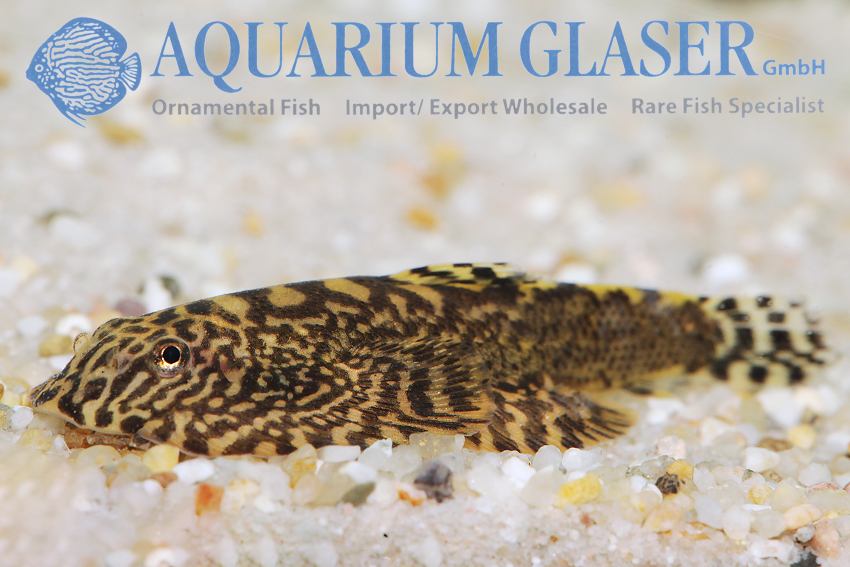
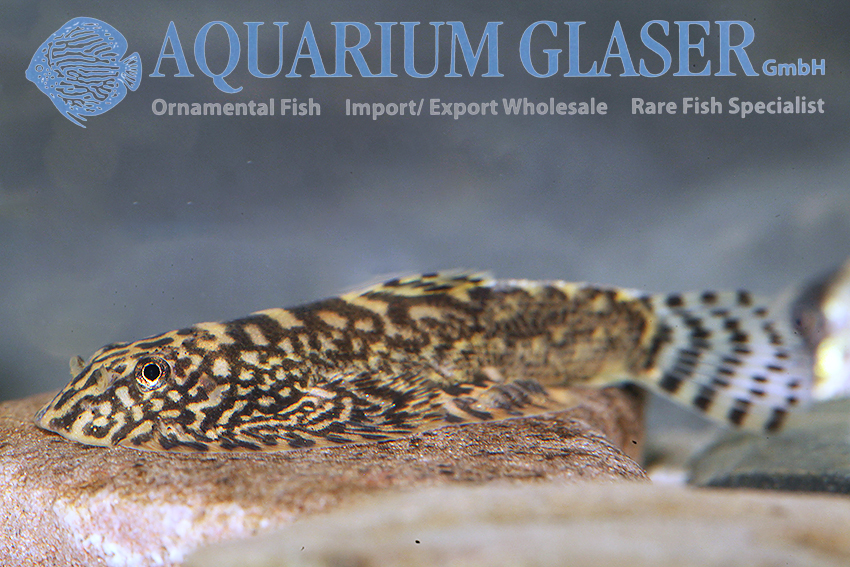
There is no doubt, however, about the validity of Sewellia patella. The species is known to date from the basins of the Ba (Da Rang) River and the Sesan River, both in central Vietnam (Gia Lia and Kon Tum provinces). This species is quite similar at first glance to the well-known S. lineolata (https://www.aquariumglaser.de/en/fisharchive/sewellia-lineolata-2/, all relevant care and breeding information can also be found there), but is clearly distinguished by its coloration. S. lineolata, S. marmorata, and S. pterolineata, all of which could be confused with S. patella at a glance, have a black band along the outside of the pectoral fins, which is completely absent in S. patella.
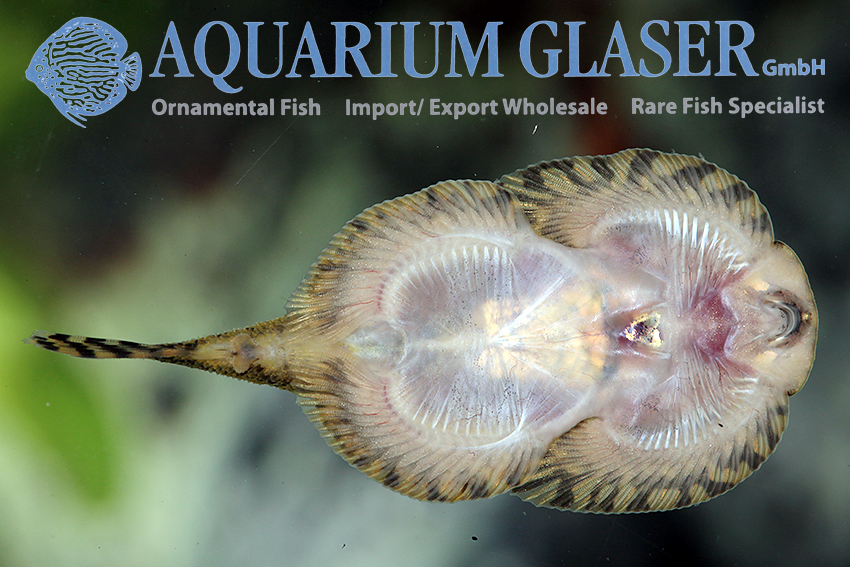
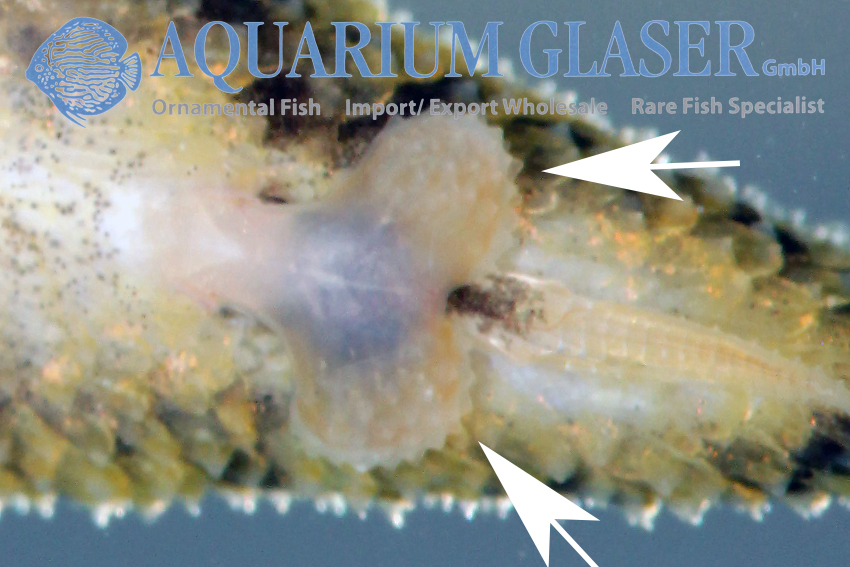
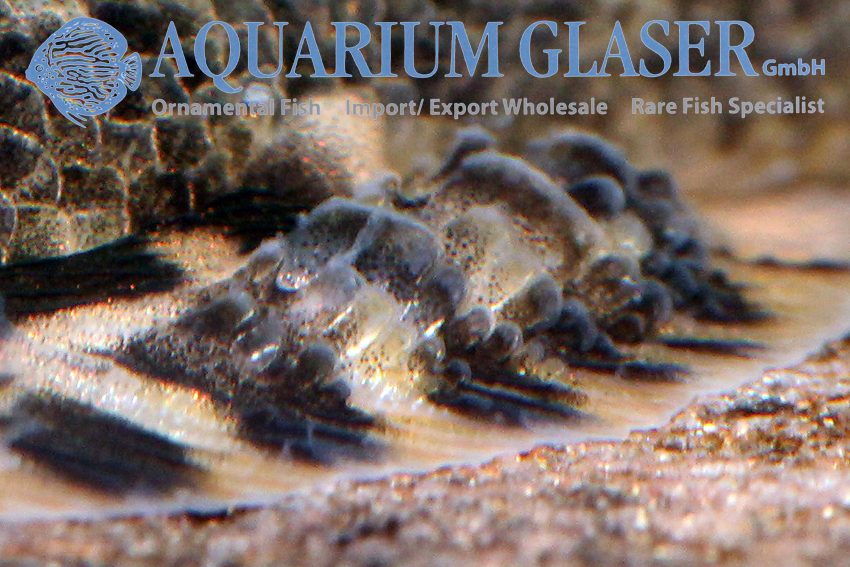
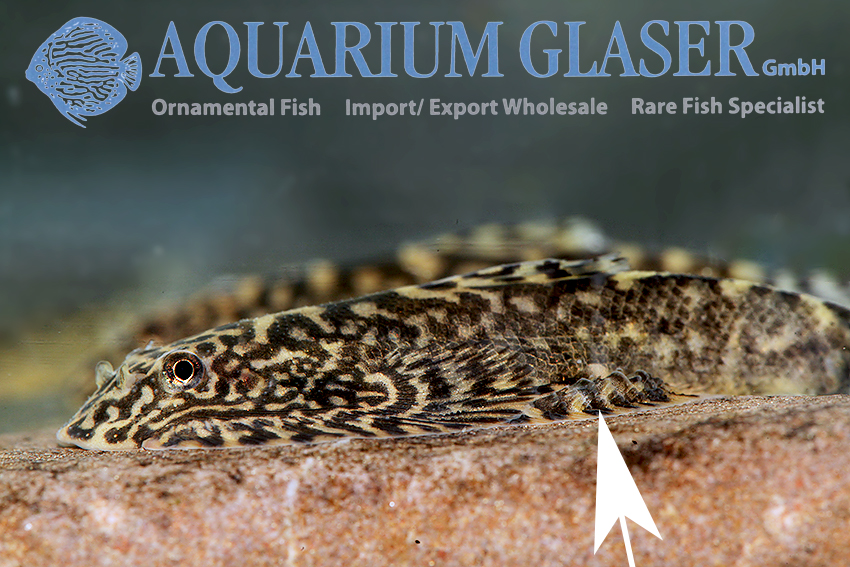
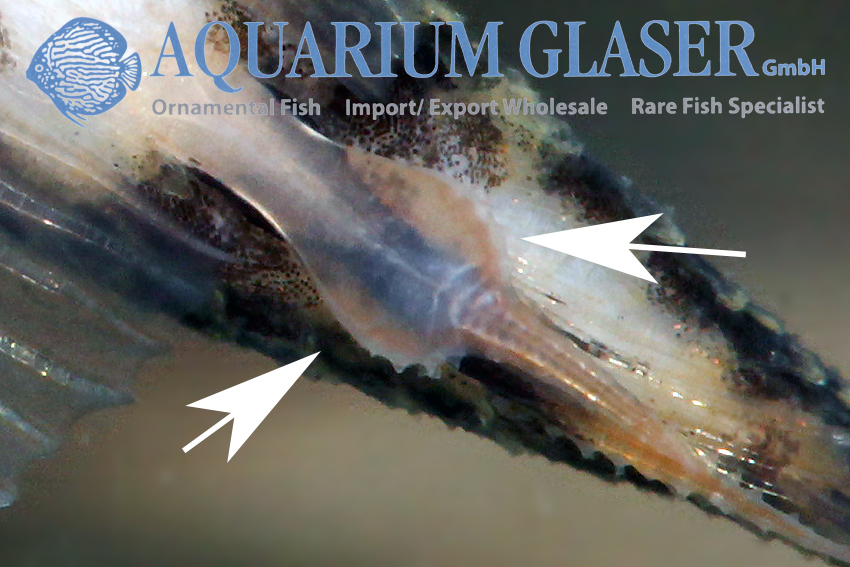
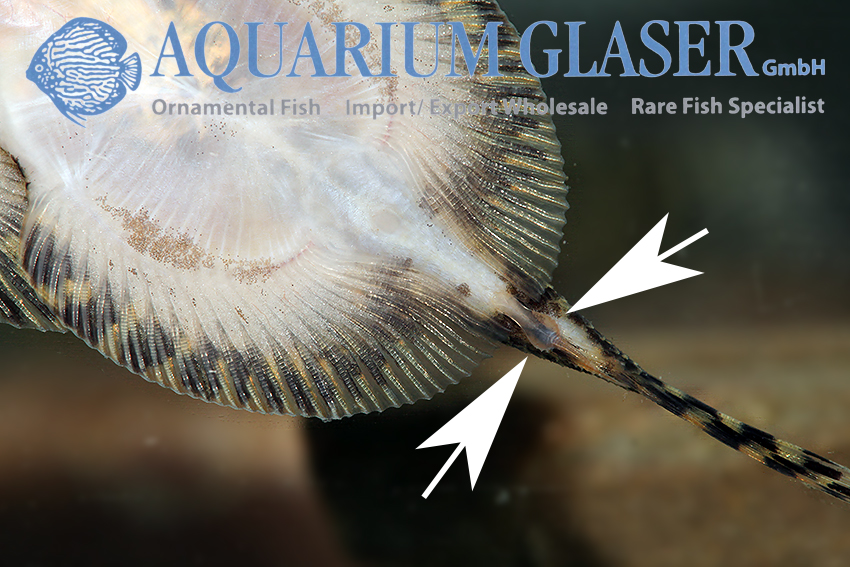
You can be absolutely sure when you look at the animals from below. As the only “confirmed” Sewellia species (S. analis, one of the questionable species, is also said to exhibit this characteristic), S. patella has two semicircular appendages on its anal fin, the purpose or function of which is unknown. However, they are probably related to reproduction or the behavior of the sexes towards each other, as these appendages are shaped differently in males and females. Another sexual difference is the presence of lobe-like appendages on the surface of the pelvic fins, which are difficult to see in living animals. These appendages are larger in males than in females.
In their original description, the authors Freyhof and Serov also provide valuable information about the natural habitat. According to their observations, S. patella prefers faster-flowing waters than, for example, S. lineolata. The flow velocity in the habitat of S. patella was between 0.6 and more than 1 m/s. This should at least be taken into account when acclimatizing the animals. Otherwise, based on our experience to date, everything that should be considered when caring for S. lineolata also applies. As the species is currently only known to occur in a small area and populations there are in sharp decline, it is considered endangered. It is therefore desirable to establish a stable aquarium population from captive-bred specimens. The maximum length of S. patella documented to date is 49 mm (standard length without tail fin).
For our customers: the animals have code 455113 on our stock list. Please note that we only supply wholesale customers.
Text & photos: Frank Schäfer
