








The genus Sicyopterus comprises the largest species of the increasingly popular sicydiine gobies, which include Stiphodon, Sicyopus, Sicydium, Lentipes, and others. All of these gobies undergo their larval development in the sea, while the adults live in pure freshwater and lay their eggs there. Since the larvae have hardly any yolk reserves, they must be carried relatively quickly into the sea by the current. This is why sicydiine gobies are only found in flowing waters and not very far from the sea. Depending on which ocean current the larvae are carried into, they may end up in freshwater far from their birthplace. This explains the sometimes huge distribution areas of many species.
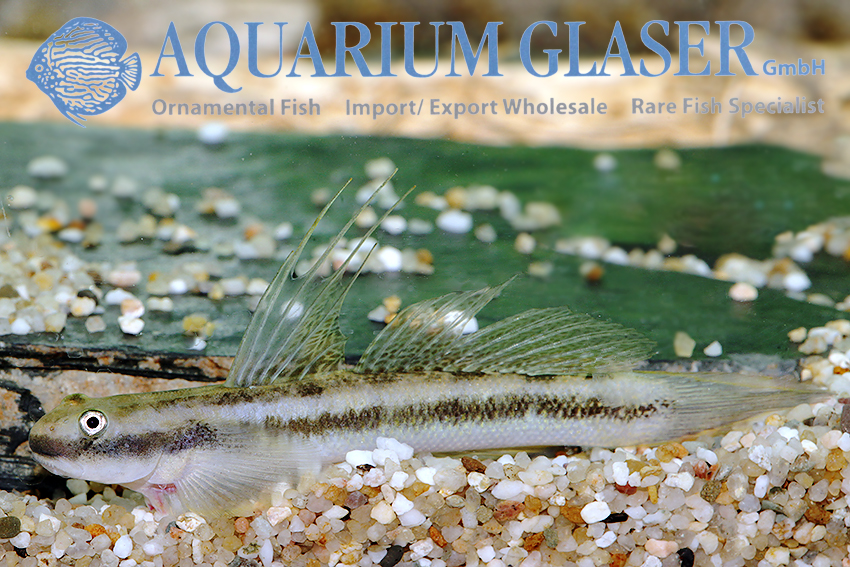
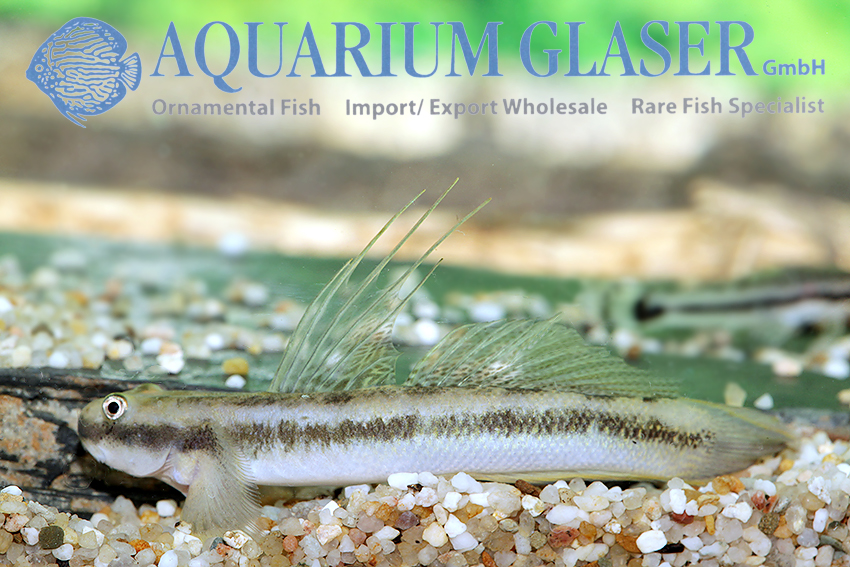
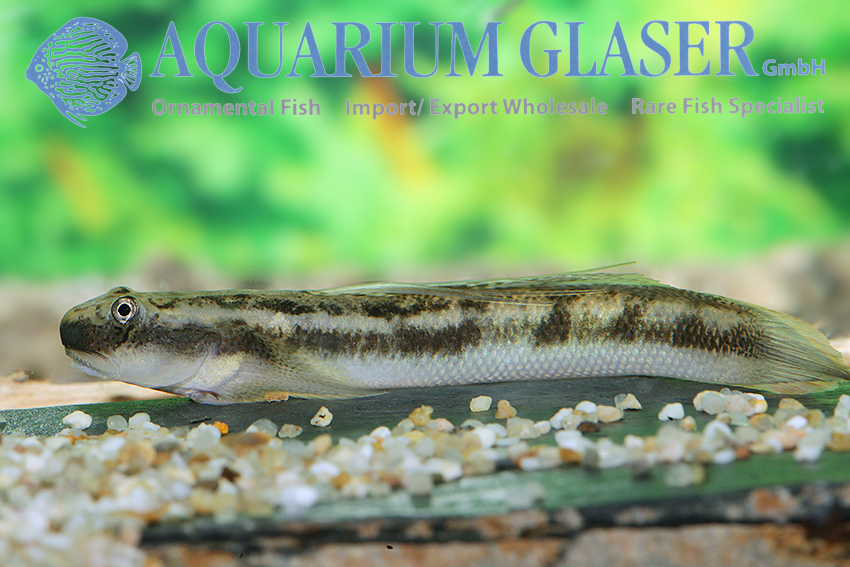
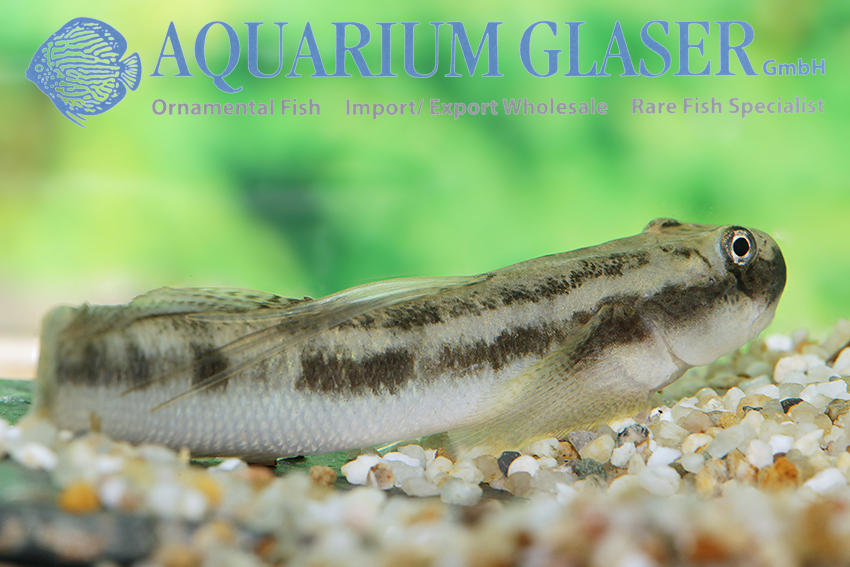
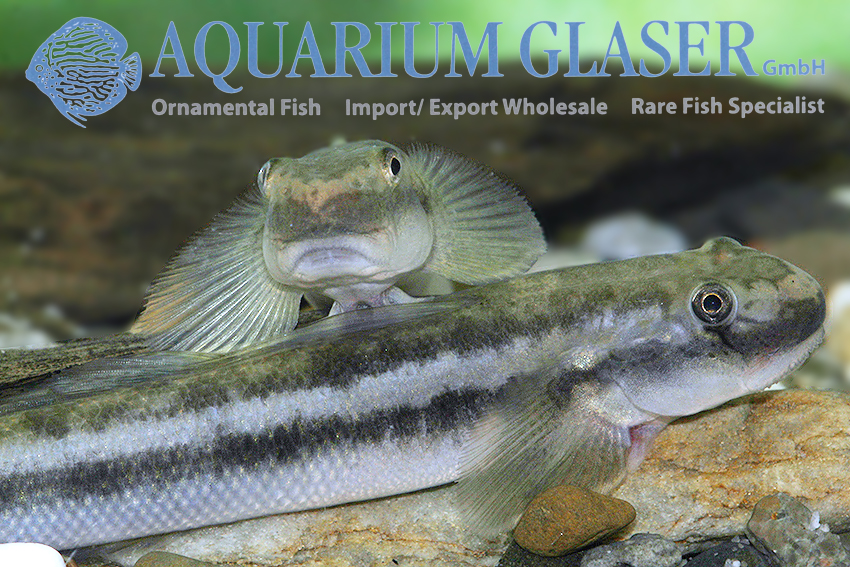
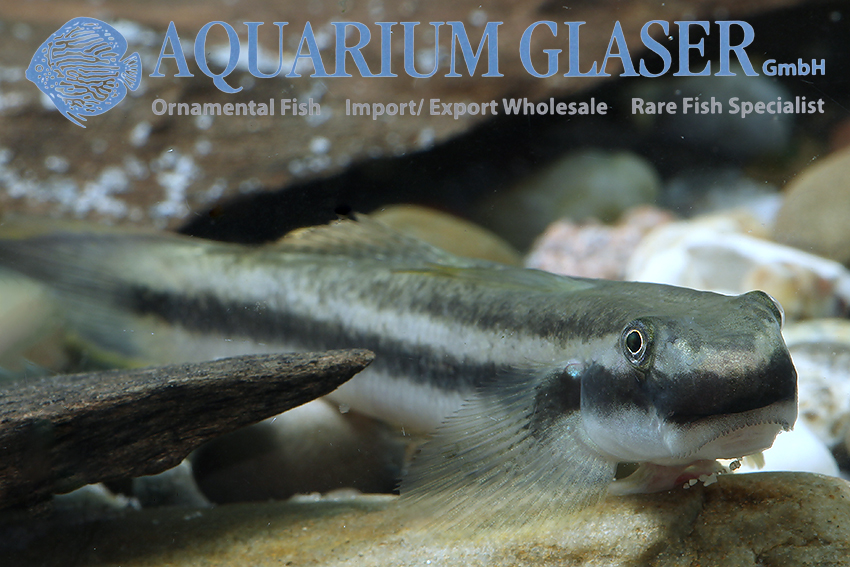
Unfortunately, the detailed classification of the genus Sicyopterus is poorly understood. The approximately 27 to 33 currently recognized species (depending on the author) all look quite similar and are all very variable in color. Depending on their mood, age, and sex, they can have very different coloration. This makes them difficult to identify. It was not until 2018, for example, that Sicyopterus longifilis was first identified in Japan, a country that has been very well studied ichthyologically. Until then, only two other species of the genus were known from there, namely S. lagocephalus and S. japonicus. In clarifying the identity of the species new to Japan, the researchers (Maeda & Saeki, 2018) discovered that S. brevis, described in 1912 at the same time as S. longifilis from Ceram, is in fact only the female of S. longifilis (male).
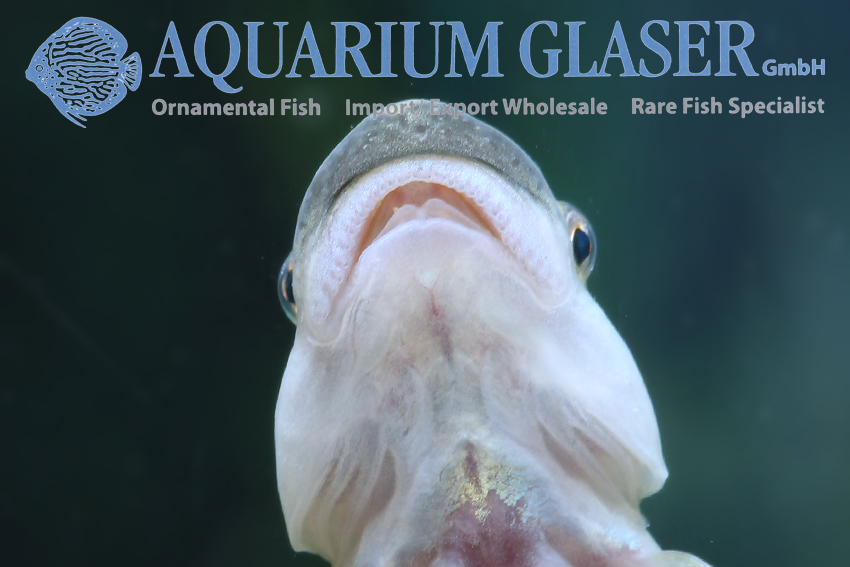
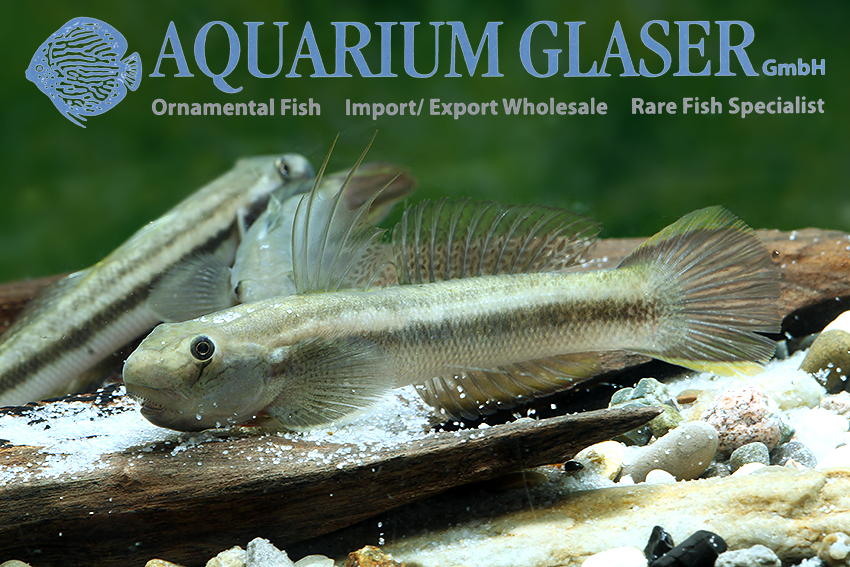
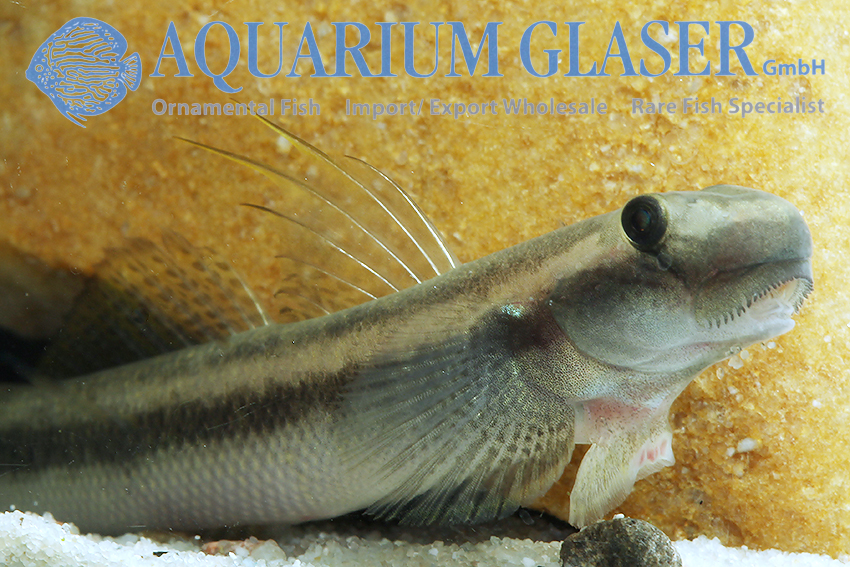
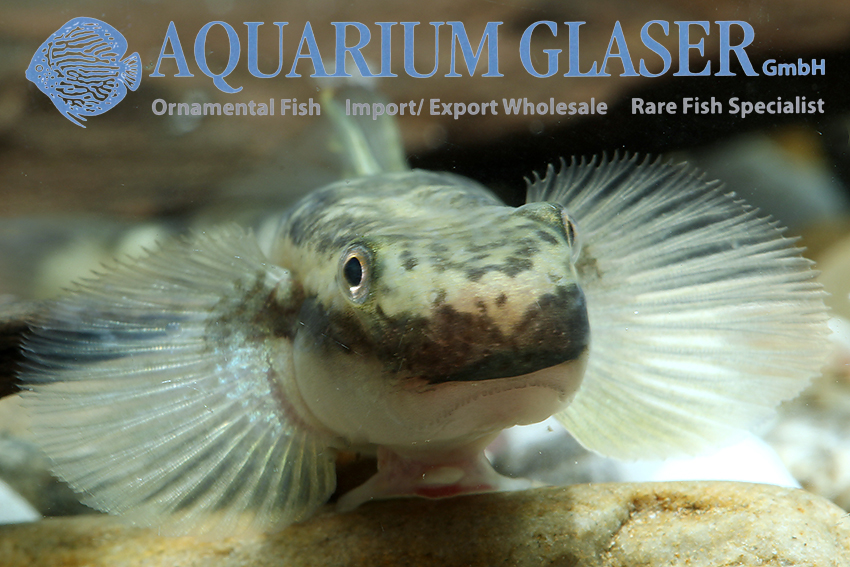
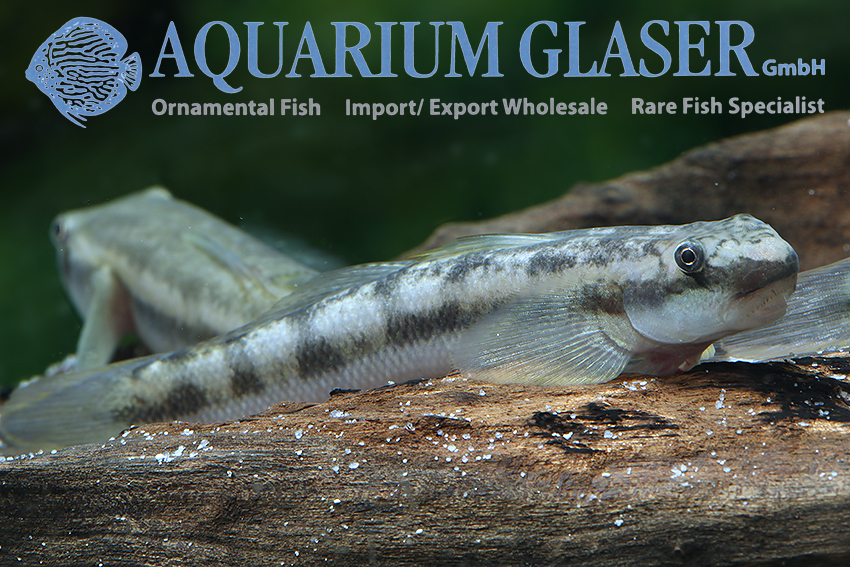
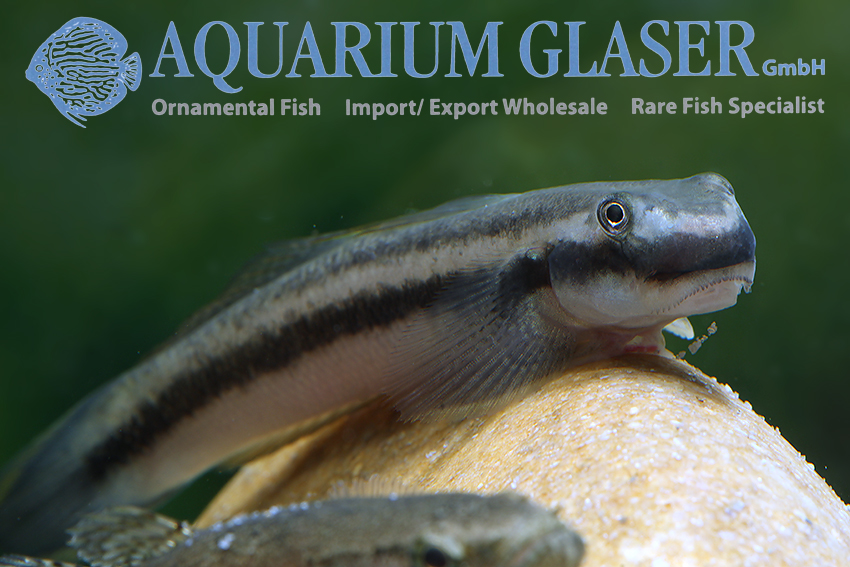
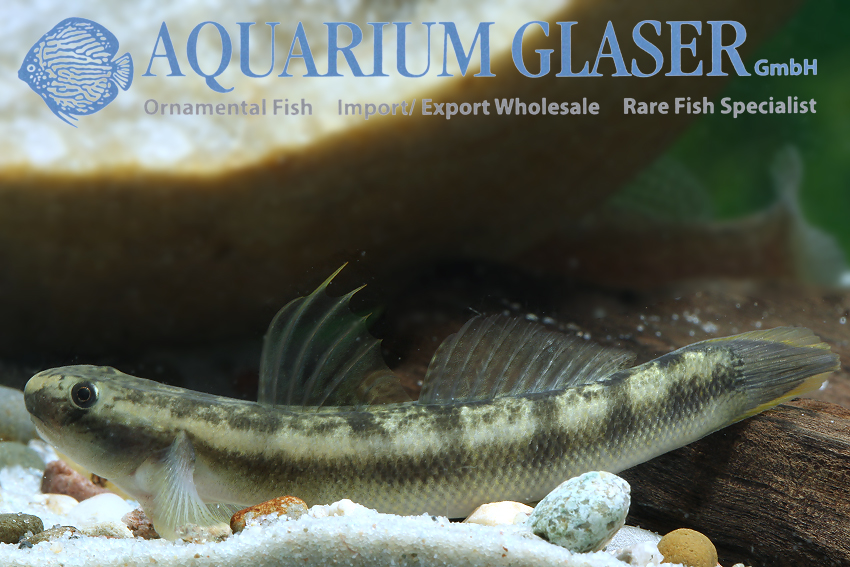
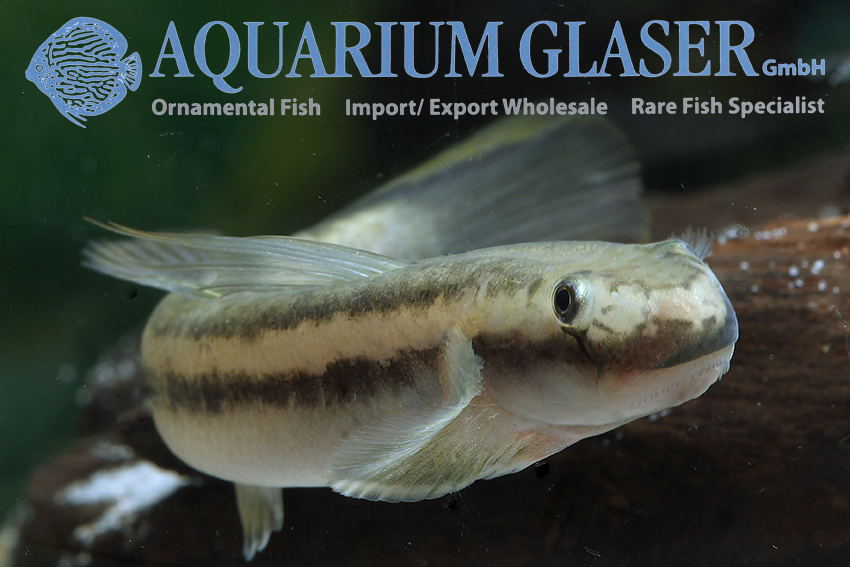
The most important distinguishing feature of S. longifilis for us aquarists is the combination of very long, free dorsal fin rays (at least in males; the dorsal fin rays of females are also free and elongated, but not quite as long) and the absence of a notch in the middle of the upper lip; the latter is best seen when the animal is suctioned to the front glass. The animals we imported under the name S. longifilis have long, extended dorsal fin rays, but they also have another lip feature: papillae on the upper lip. These are typical for S. microcephalus, but are absent in S. longifilis. Therefore, the pictures shown here are most likely of S. microcephalus and not S. longifilis.
Sicyopterus should be kept in aquariums that resemble a stream, i.e., with sand, gravel, and rubble areas. A few roots won’t hurt, but planting should be kept to a minimum. The fish appreciate a strong current. They often burrow into the ground, especially under flat stones, where they also spawn. Sicyopterus are easy to feed. Naturally herbivorous, they enjoy all kinds of dry and frozen food, as long as it is not too coarse. Hardness and pH value are insignificant; any tap water suitable for drinking is also suitable for the care and breeding of Sicyopterus. The water temperature can be between 20 and 28°C. Sicyopterus are generally peaceful fish, and intraspecific squabbles are always harmless in nature, at least in our experience. The species grows to a length of approx. 10 cm (including tail fin).
For our customers: the fish have code 455163 (5-7 cm) on our stock list. Please note that we only supply wholesale customers.
Literature:
Maeda, K. & T. Saeki (2018): Revision of species in Sicyopterus (Gobiidae: Sicydiinae) described by de Beaufort (1912), with a first record of Sicyopterus longifilis from Japan. Species Diversity v. 23: 253-262.
Text & photos: Frank Schäfer
