








The squeaking catfish (Synodontis) of Lake Tanganyika became world-famous when one of their species was found to have cuckoo breeding behavior. This involves the catfish sneaking their spawn to mouthbrooding cichlids. The catfish are not only hatched by the cichlids, but the brood parasites even feed on the young cichlid stepsiblings in the mother’s mouth. Many aquarists wanted to observe this fascinating and unique behavior and so the demand for Synodontis from Lake Tanganyika increased enormously. It soon became apparent that there were several species of catfish, some of which looked very similar. The identification of these catfish made life difficult for scientists and aquarists. However, it soon became apparent that many of the lake’s Synodontis do not exhibit cuckoo behavior, but are crevice spawners, depositing their eggs in rock crevices etc. and then leaving them to fend for themselves.
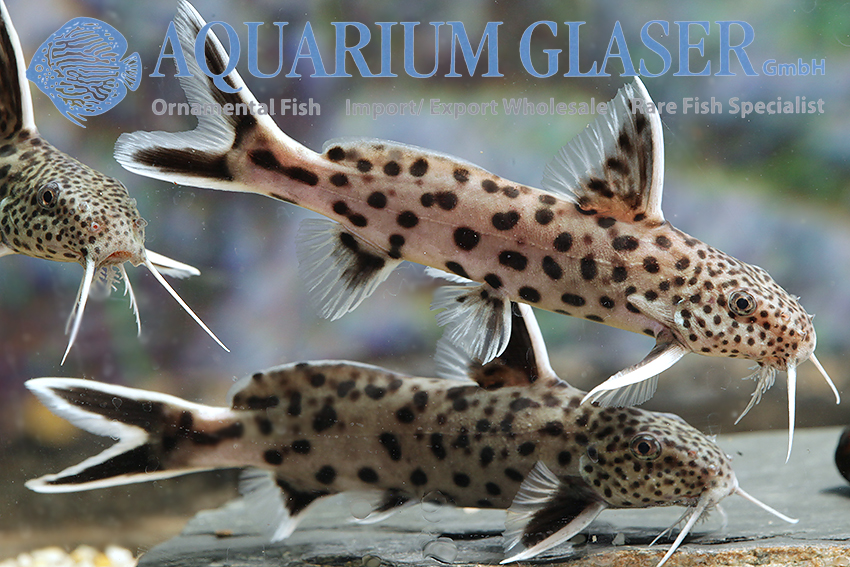
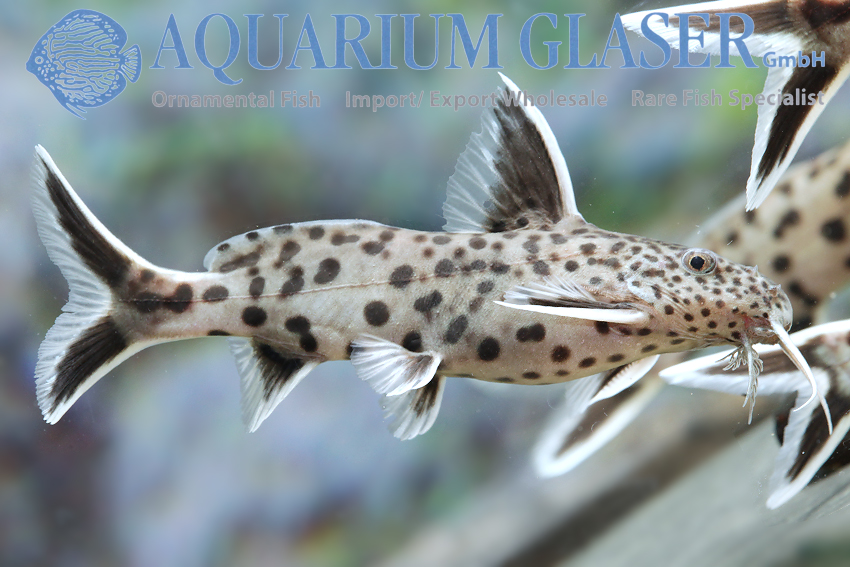
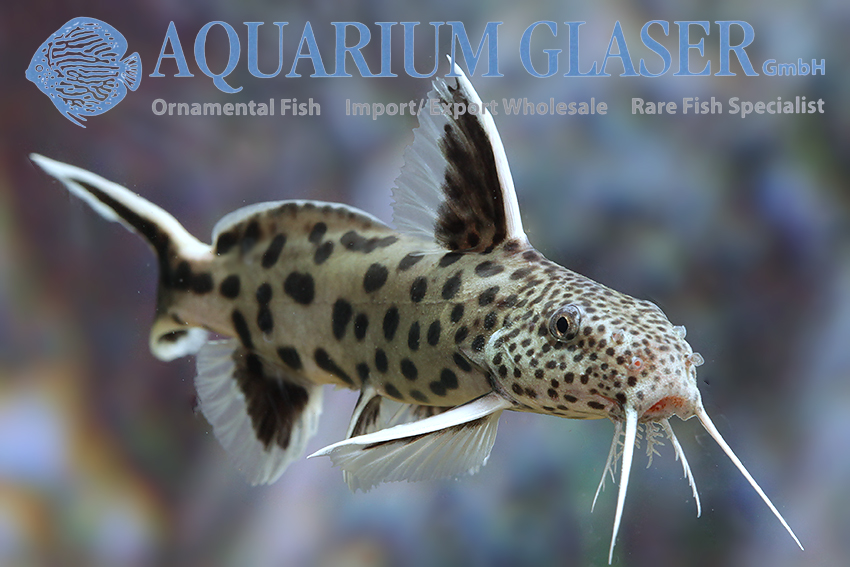
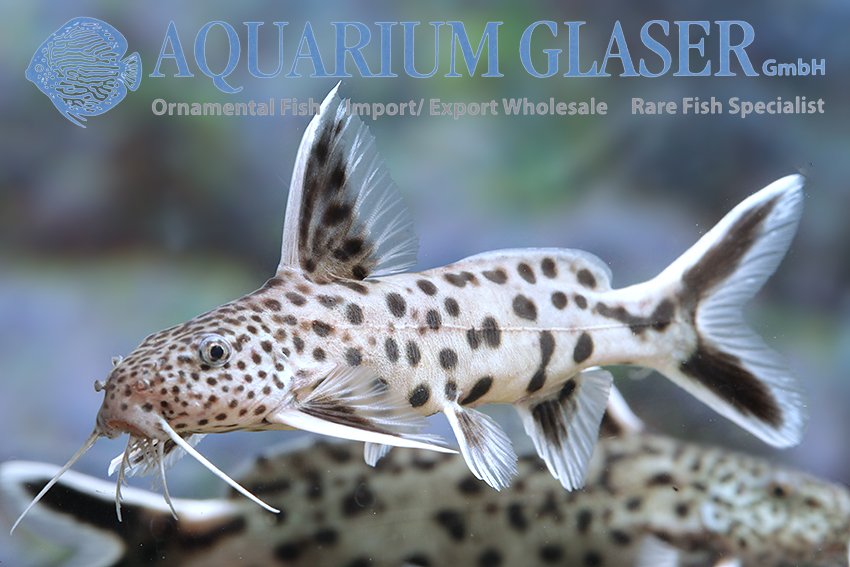
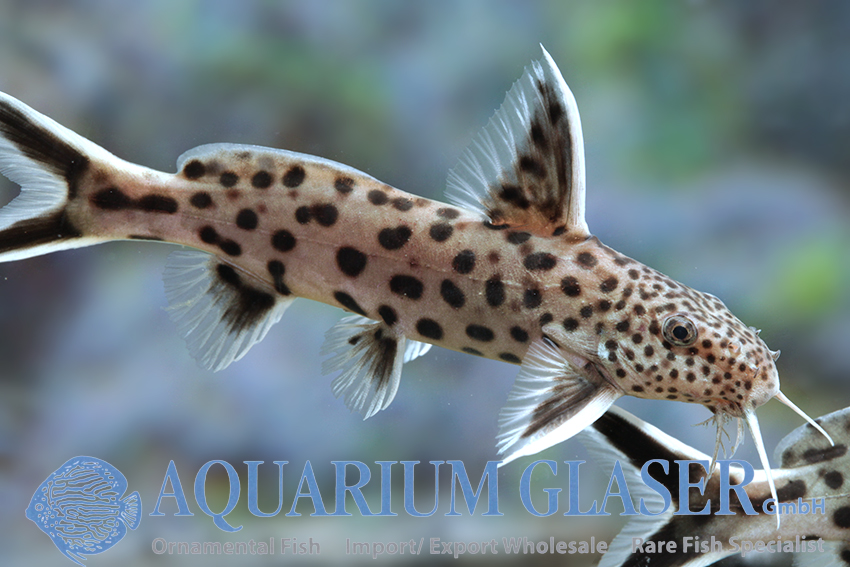
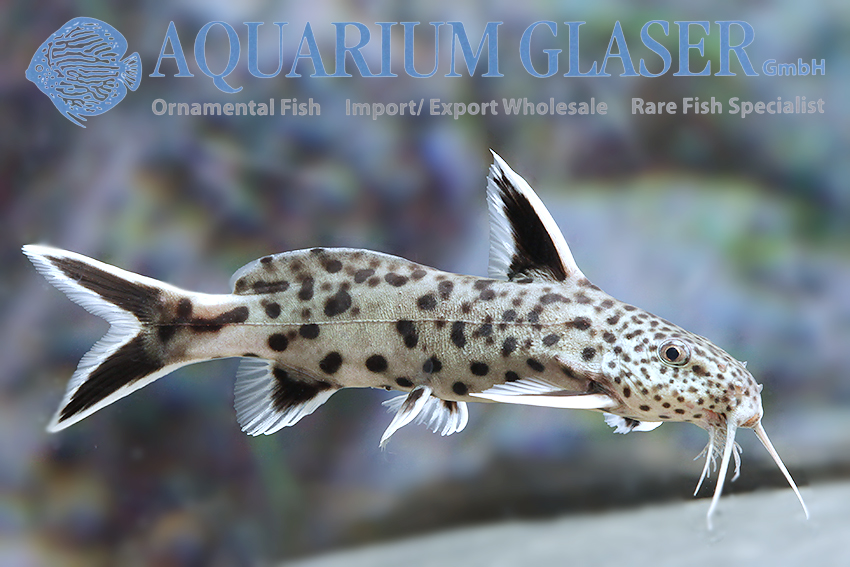
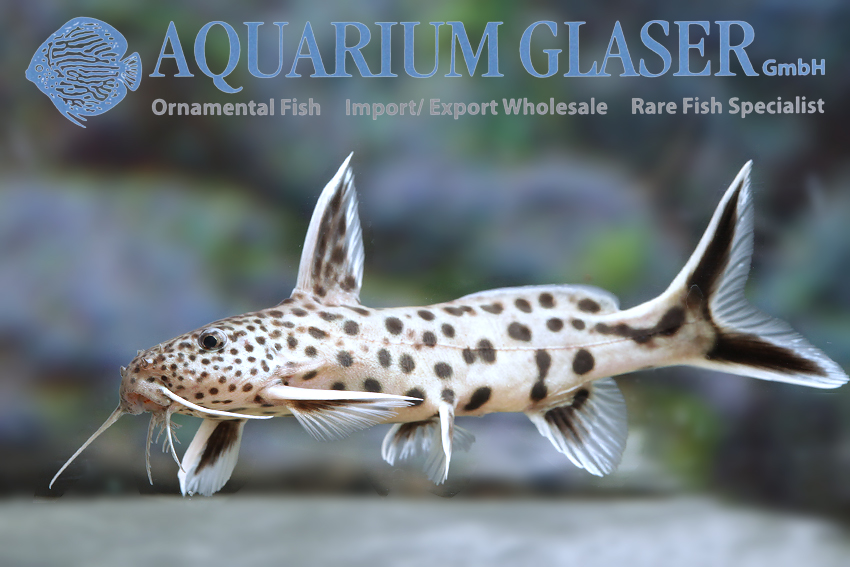
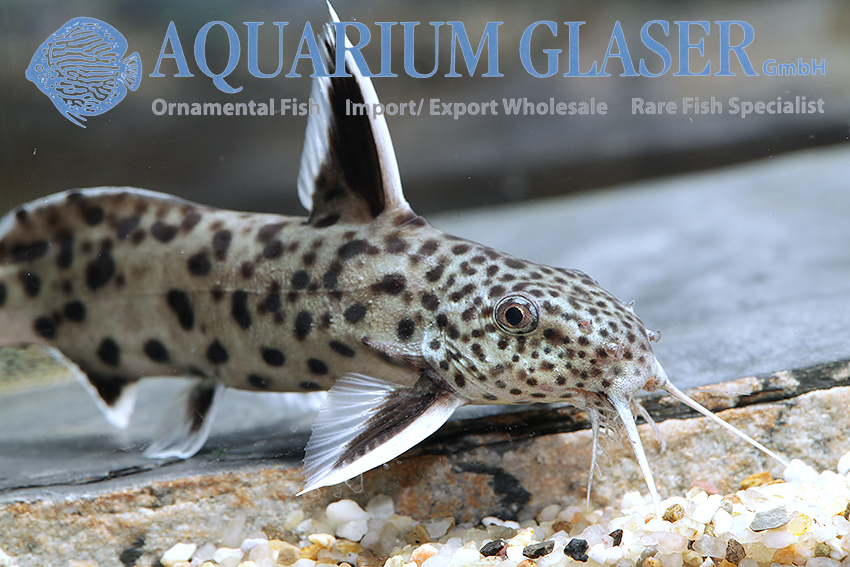
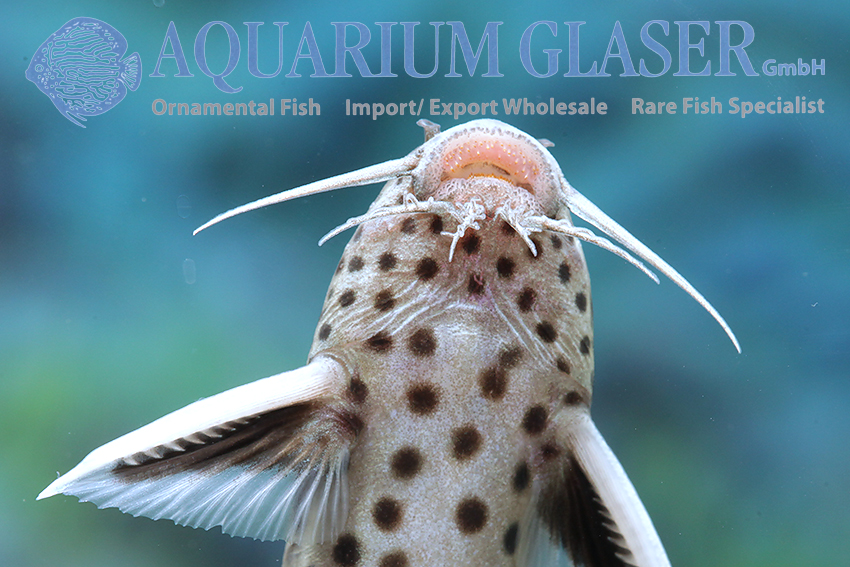
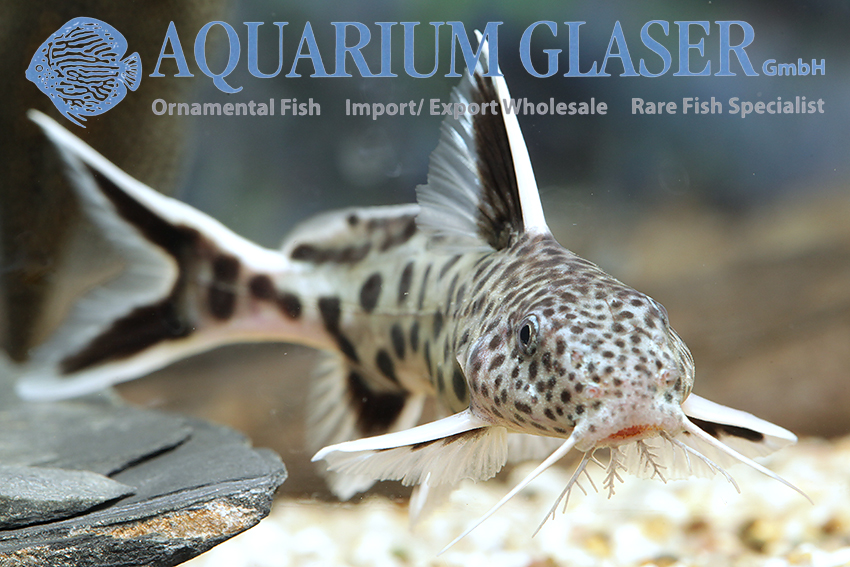
Among the non-parasitic catfishes, Synodontis petricola is the most frequently imported and bred species. Similar to the Tropheus cichlids of the lake, there are many different looking Synodontis petricola (“phenotypes”). It was long disputed whether these were different species. The Synodontis petricola-like ones are distinguished from the other similar-looking sqeakers in the lake by a snow-white dorsal fin spine, which makes them easy to recognize. A relatively small phenotype of this Synodontis petricola group was scientifically described in 2006 as Synodontis lucipinnis. It and a very similar, even smaller form were called “Dwarf petricola” in the hobby.
A major new study on the Synodontis of Lake Tanganyika and its inflows and outflows was recently published (September 2024) (Englmaier et al.). With freshly collected, extensive material and a re-examination of the museum material, both morphological ( = physical) and genetic characteristics were critically examined and put to the test once again. One of the findings was that S. lucipinnis falls within the variance of S. petricola and does not exist as an independent species. The authors confirm the large number of phenotypes in S. petricola, there are also (as was to be expected) genetic differences between them, but these differences are too minor to justify the establishment of separate species. In the same paper – this should only be mentioned here in passing – the cuckoo catfish S. grandiops is equated with the cuckoo catfish S. multipunctatus, so the valid name for the cuckoo catfish is again S. multipunctatus. And S. ilebrevis is synonymized with S. polli, the latter being the valid name.
Synodontis petricola is a beautiful squeaker that is one of the smaller species in the Synodontis genus, usually measuring 8-10 cm in length (very old animals may even reach 15 cm in huge aquaria). Their attractive coloration, lively nature and interesting behaviour are the reasons for their great popularity. S. petricola is currently offered almost exclusively as a captive-bred species and is a perfect catfish for Tanganyika cichlid aquariums, but also fits well in other societies. The water should have a pH value above 7.5 and be 25°C or warmer, otherwise the fish have no special requirements. They are usually peaceful with each other and with other fish. A few exceptions prove the rule. They will eat all common ornamental fish food. These catfish live in shallow water in the wild; in the wild they are only really active at night and at dusk. During the day they seek out dimly lit hiding places, which should also be offered to them in the aquarium. After acclimatization, however, S. petricola are often out and about in the aquarium during the day, especially at feeding times.
For our customers: these catfish have code 185400 (2-3 cm) to 185406 (12-14 cm) on our stock list. Please note that we only supply the wholesale trade.
Literature:
Englmaier, G. K., R. Blažek, R. Zimmermann, V. Bartáková, M. Polačik, J. Žák, D. P. Mulokozi, C. Katongo, H. H. Büscher, L. Mabo, S. Koblmüller, A. Palandačić & M. Reichard (2024): Revised taxonomy of Synodontis catfishes (Siluriformes: Mochokidae) from the Lake Tanganyika basin reveals lower species diversity than expected. Zoological Journal of the Linnean Society v. 202 (art. zlae130): 1-38.
Text & photos: Frank Schäfer
