








For a long time, it was believed that there were only two species of electric catfish, namely the widespread Malapterurus electricus and the Congolese M. microstoma. Then, almost simultaneously, two independent revisions of the genus appeared, one by Roberts (2000) and one by Norris (2002), which drastically increased the number of species. However, for a long time it was difficult to clarify exactly which of the doubly described species were meant. Currently, 16 species are considered likely to be valid, with uncertainty surrounding two others; however, species differentiation is virtually impossible without X-rays and preserved specimens, as the differences between species lie primarily in the number of vertebrae and the arrangement of the teeth. This means that there is always a certain risk of obtaining a species other than the one desired. However, the origin is a good indicator. In the coastal lowlands of Nigeria, where practically all ornamental fish exported from this country come from, only M. beninensis is found. Two other large species (around 60 cm and larger) are found in Nigeria, namely M. electricus and M. minjiriya. However, they seem to occur more frequently in inland waters and, as far as we can tell, are never exported as ornamental fish. Visually, there are no significant differences between the three species, as far as can be determined based on the confusing literature and the fact that most information is based on preserved specimens. However, it is to be expected that the two large species would already stand out as juveniles due to their extreme incompatibility with conspecifics, as has been reported repeatedly since the beginning of modern aquarium science (from around 1890); at that time, a relatively large number of ornamental and zoo fish came from the Nile in Egypt, where M. electricus is the only species of electric catfish.
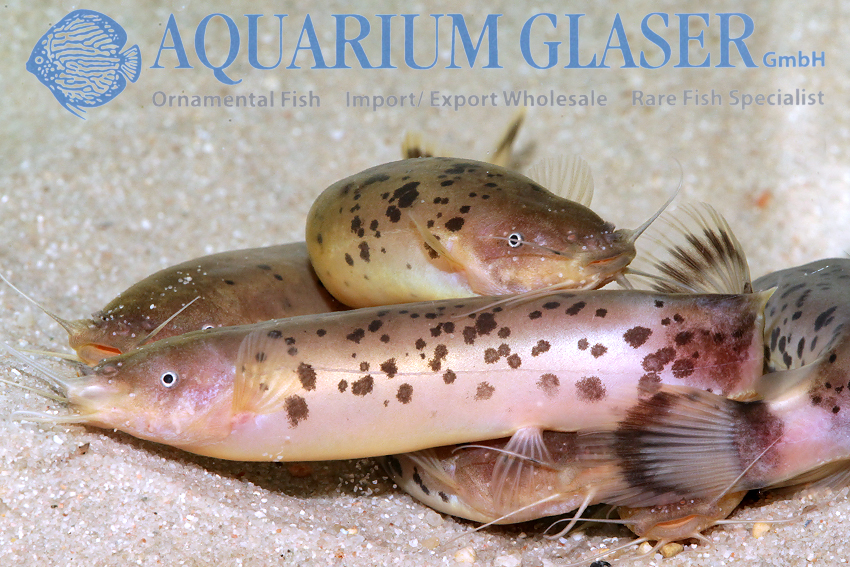
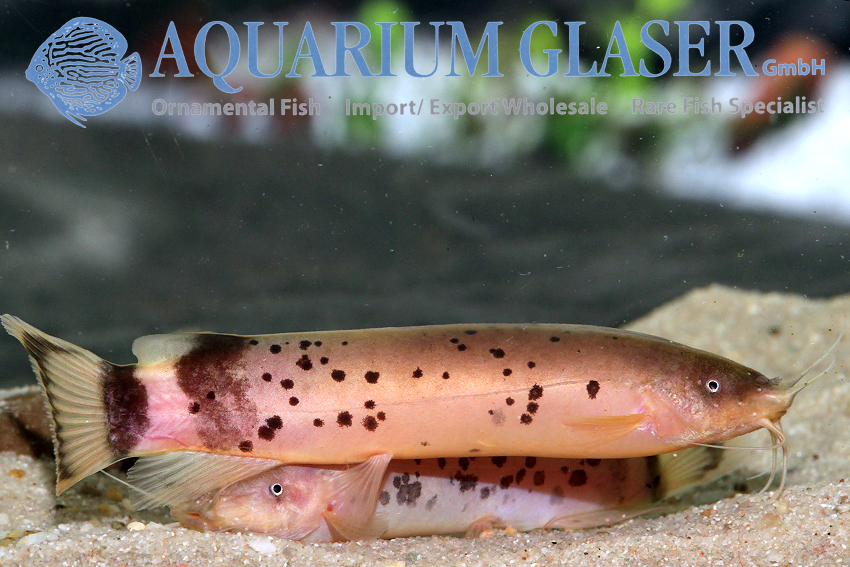
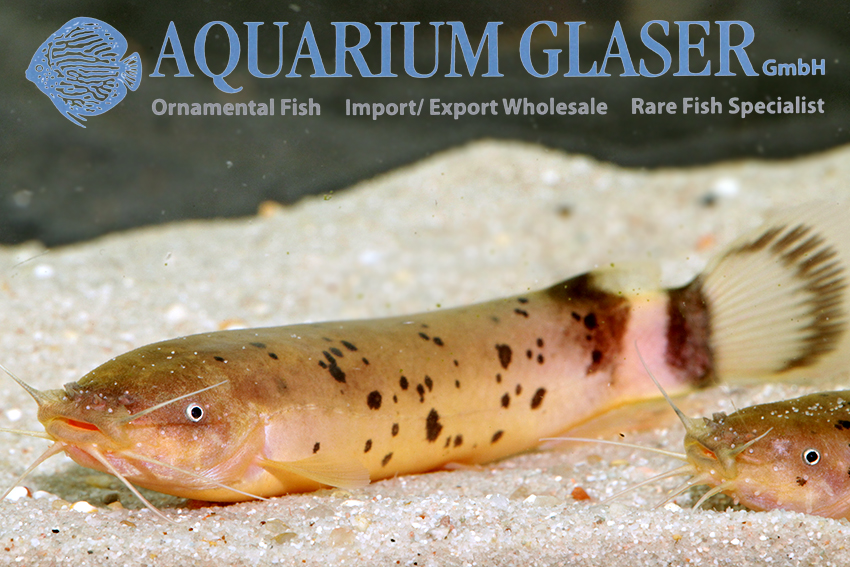
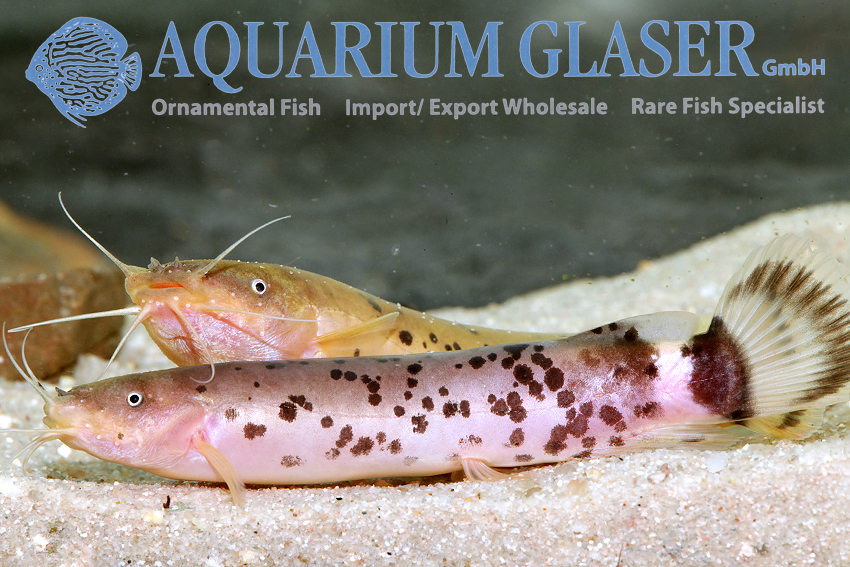
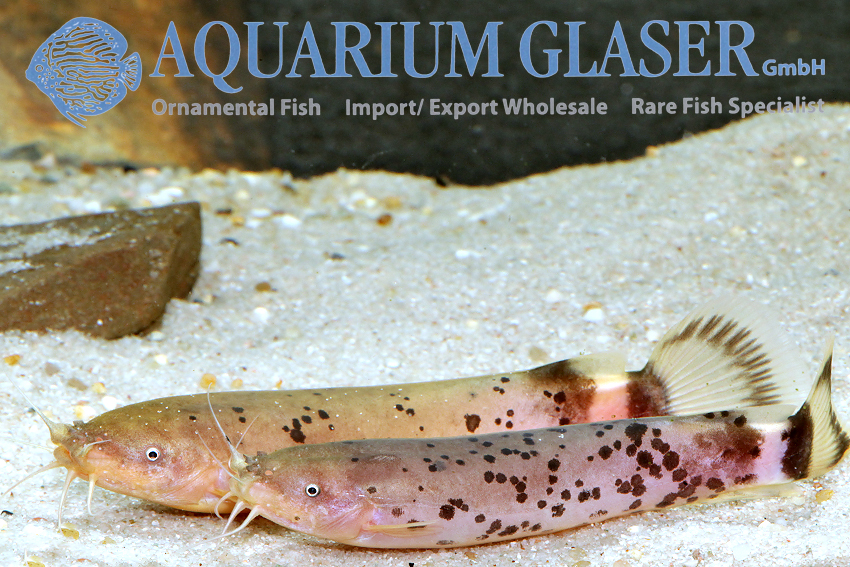
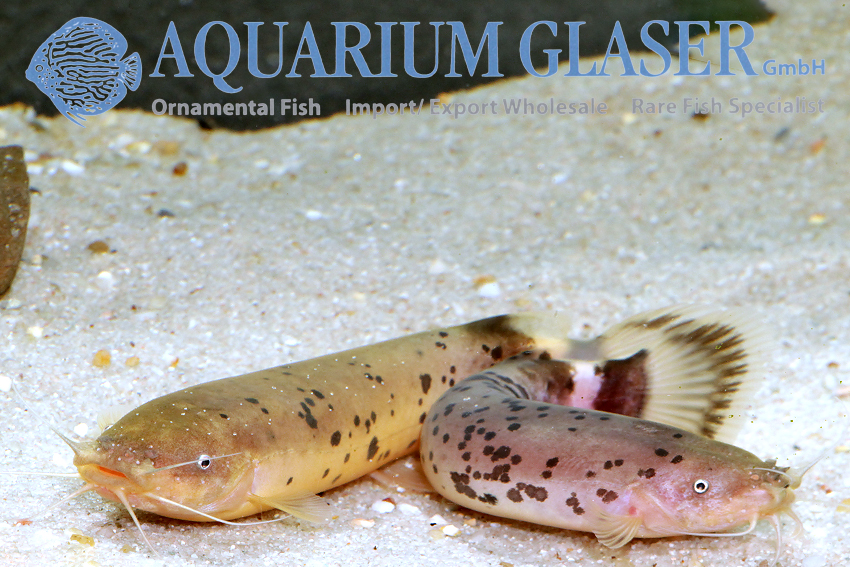
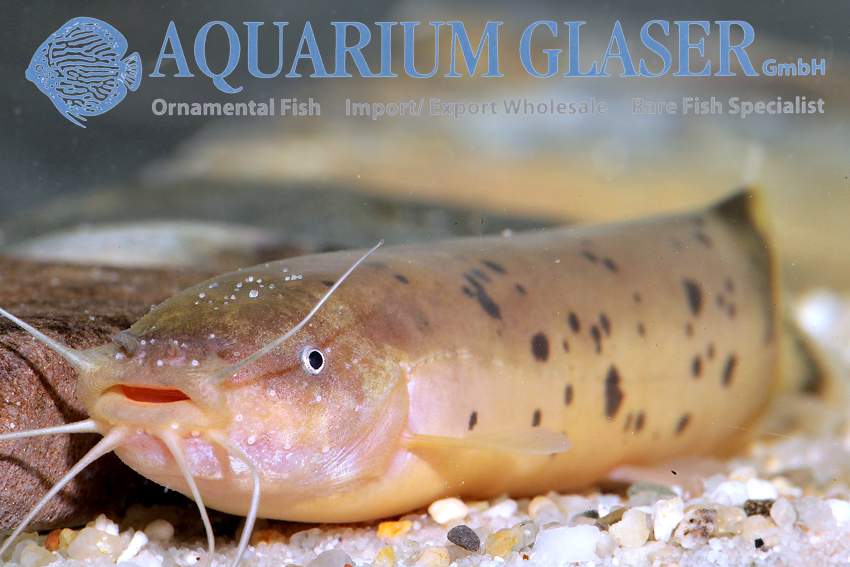
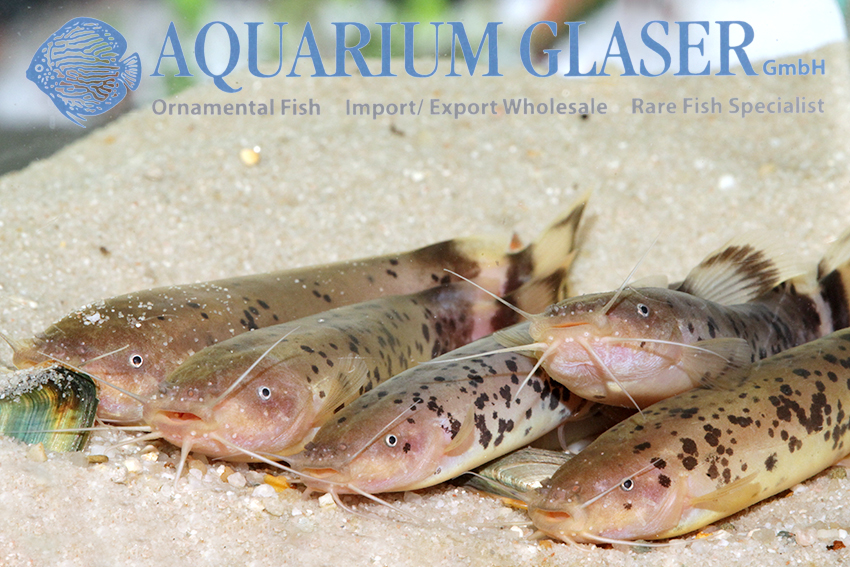
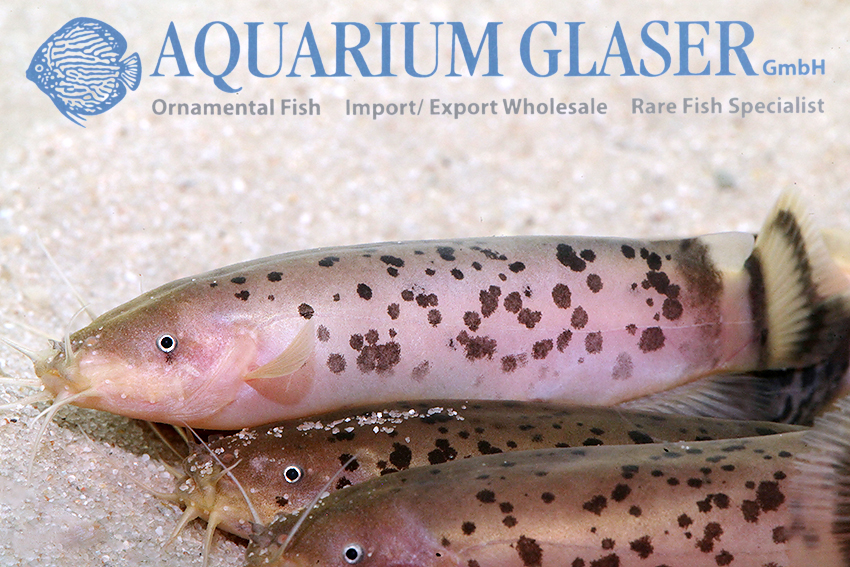
The species of electric catfish regularly imported from Nigeria is still mostly referred to as M. electricus in the trade, even by us. In reality, however, it is M. beninensis, a species that was described by Murray from the Old Calabar River in Nigeria as early as 1855. The reason for the continued use of the incorrect name lies in international trade bureaucracy, which makes name changes or corrections possible only at great expense; for species with only an insignificant market share, such as electric catfish, such an effort is not worthwhile. By electric catfish standards, M. beninensis remains relatively small, with a maximum final size of about 25 cm (usually significantly smaller), and also has the advantage of not being as incompatible within the species as is unfortunately often the case with other electric catfish. On the contrary, the animals actively seek the company of conspecifics. In a preferred daytime hiding place or resting place, several animals can always be found cuddled up close together. Incidentally, these electric catfish do not use their electric organ on each other. The color of this species is very variable, especially in terms of the spot pattern. Some specimens are heavily spotted, others hardly at all. There are also two basic body colors, one more pink, the other slightly yellowish. However, all color variants are the same in terms of behavior and other appearance.
The literature generally recommends keeping electric catfish individually. However, sufficient space, good feeding, and plenty of hiding places make this unnecessary for M. beninensis—on the contrary! M. beninensis could therefore be a suitable candidate for researching the still completely unknown reproductive behavior of electric catfish. Shortly before his death, the excellent aquarist and eminent ichthyologist Joachim Knaack was apparently on the verge of succeeding; at any rate, he mentioned in a telephone conversation that he would soon be publishing a breeding report. Things turned out differently, but this should serve as an incentive for others to try.
M. beninensis is easy to care for, readily accepting any frozen or live food of a suitable size, and most specimens will eventually eat granules as well. These catfish have no special requirements in terms of water composition. M. beninensis are generally indifferent to other fish species, which are not suitable as food. Be careful not to touch these fish. Even the electric shocks delivered by specimens only 4-5 cm long are very painful, although harmless to healthy humans. It is said that the electric shocks from electric catfish can reach 350-450 volts.
For our customers: depending on their size, electric catfish have codes 146000 (3-5 cm) to 146006 (18-20 cm) on our stock list. Please note that we only supply wholesale customers.
Text & photos: Frank Schäfer
