








Lake Malawi in the East African Rift Valley is a vast aquarium where nature plays a game of ping-pong with evolution. Biologists do not agree on the exact number of cichlid species in Lake Malawi. Estimates range from 800 to 1,000 species. The question of where a new species begins—or where variation within a species ends—arises constantly with regard to the cichlids of Lake Malawi. The Peacock cichlid, Aulonocara stuartgranti, is a good example of this.
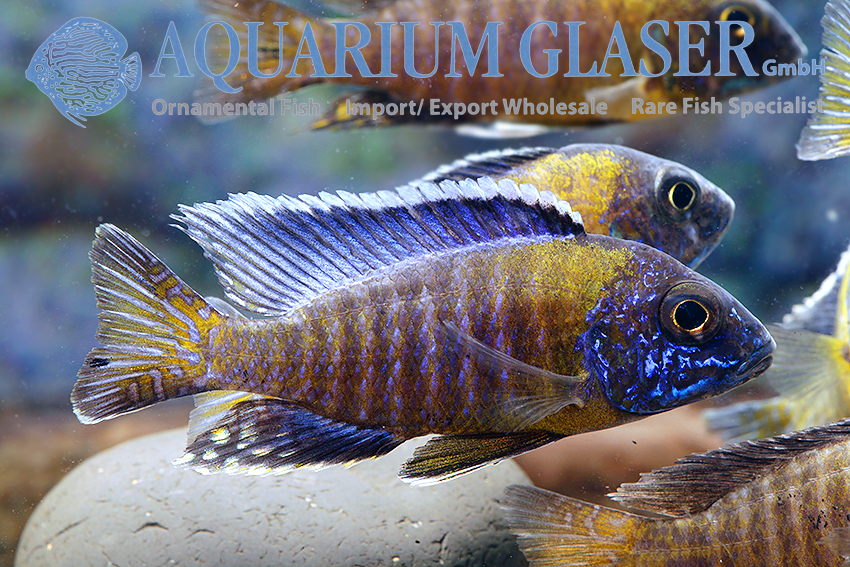
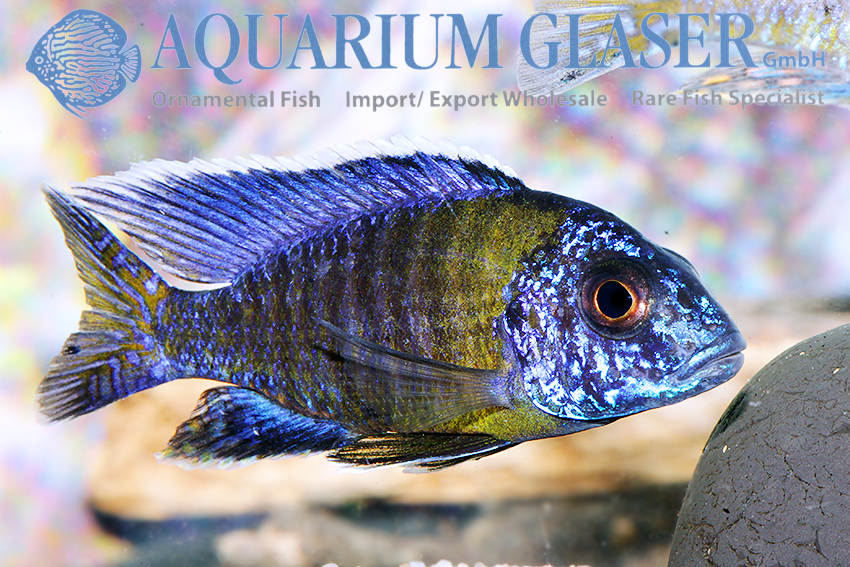
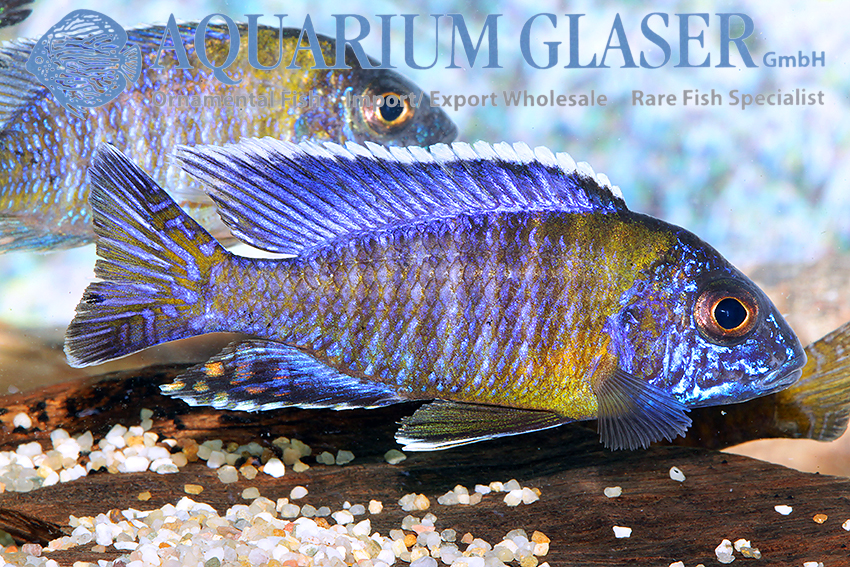
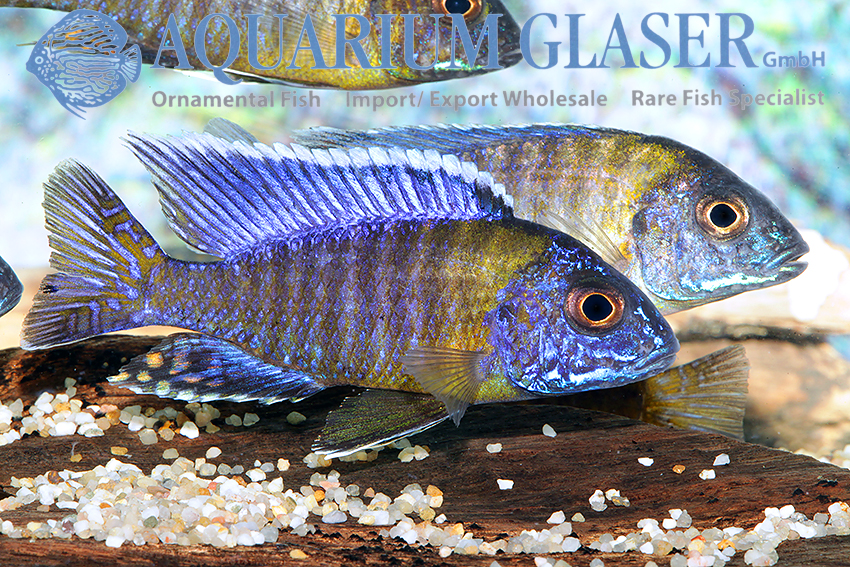
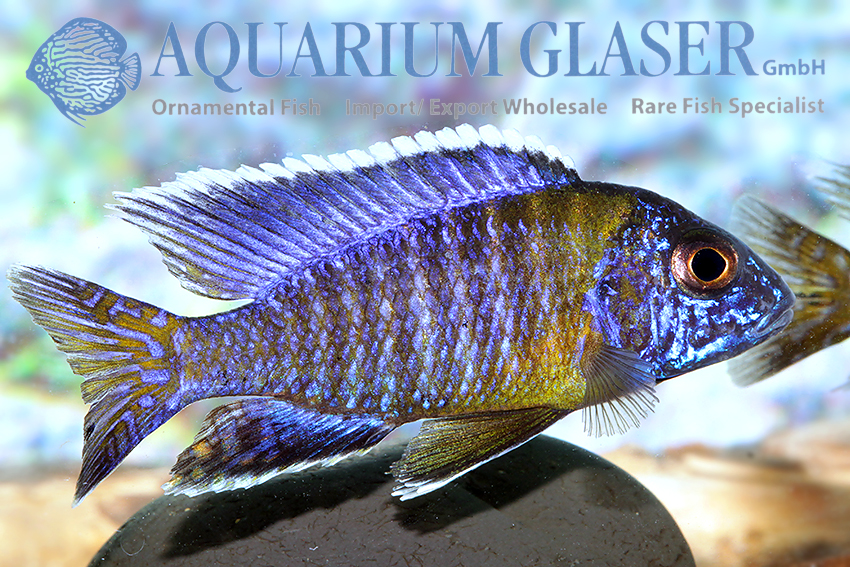
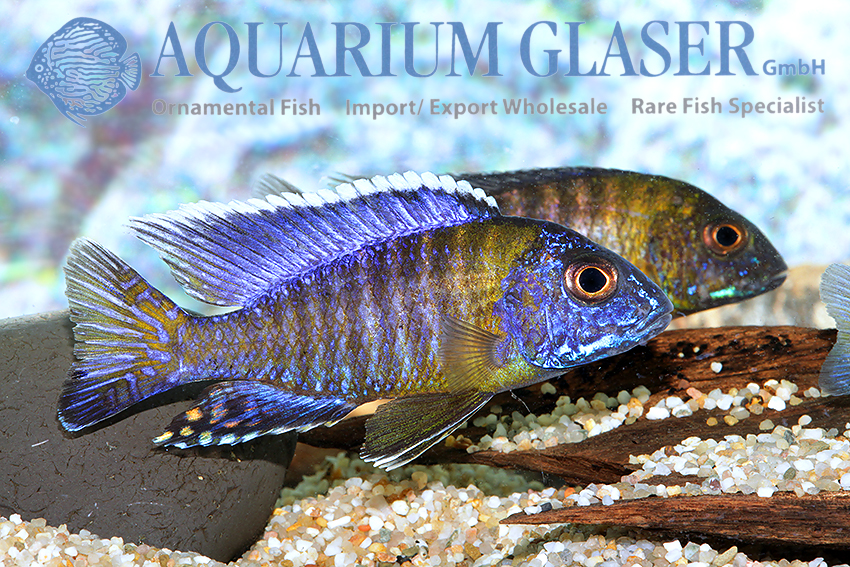
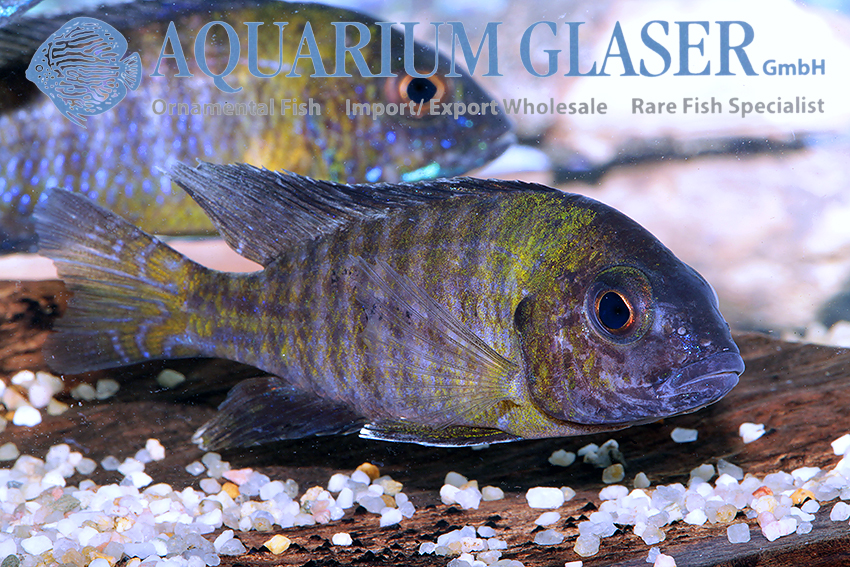
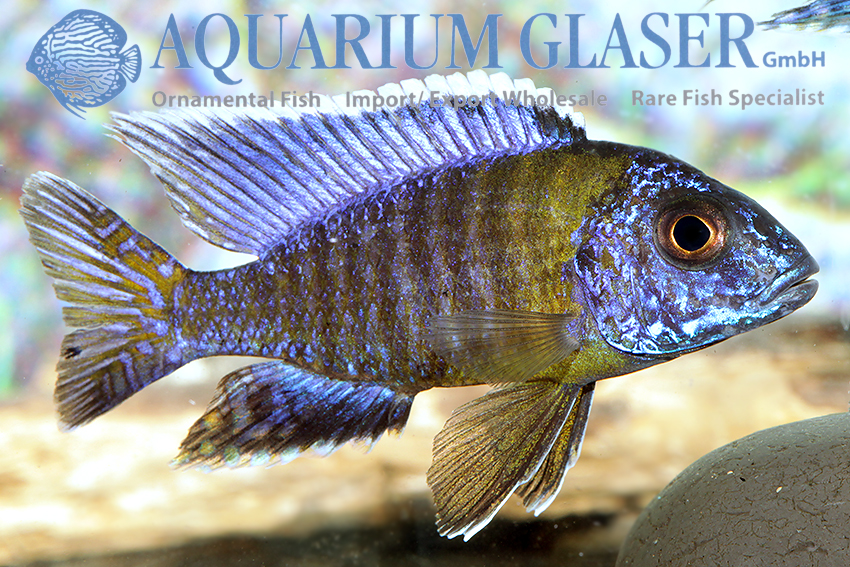
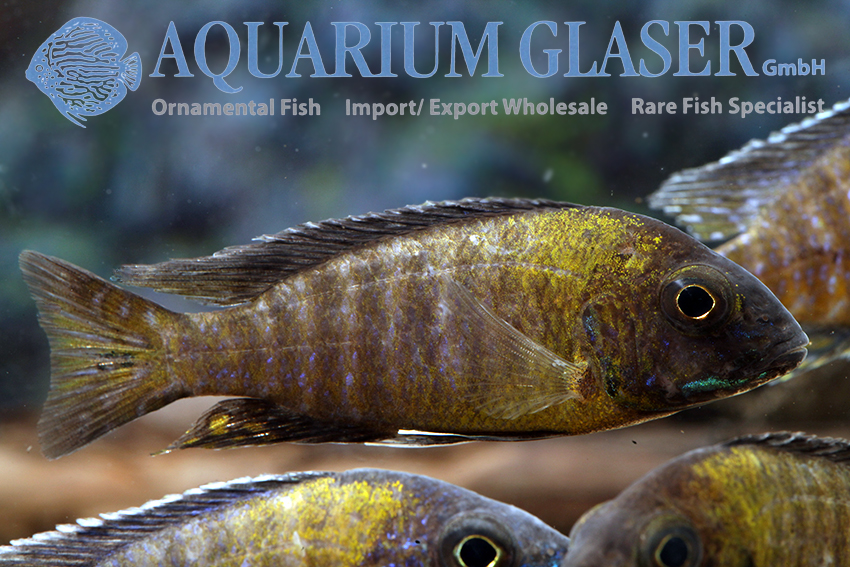
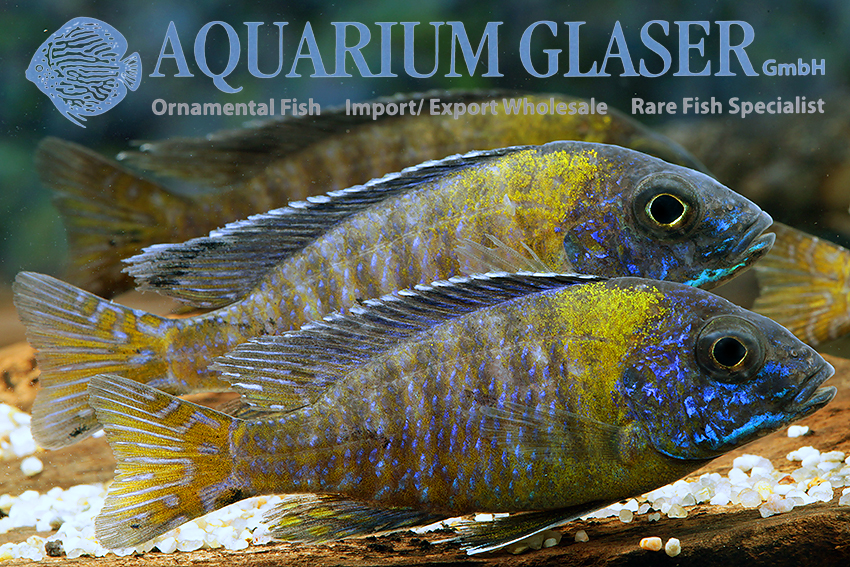
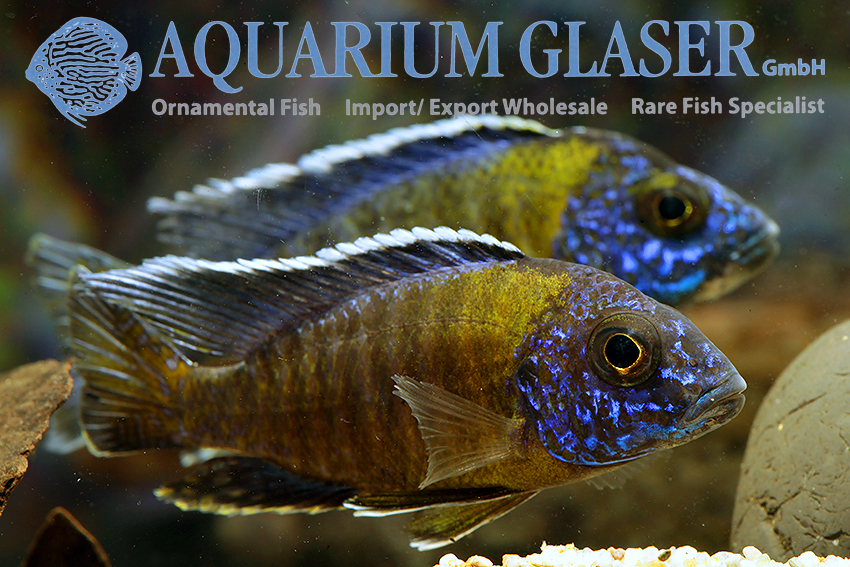
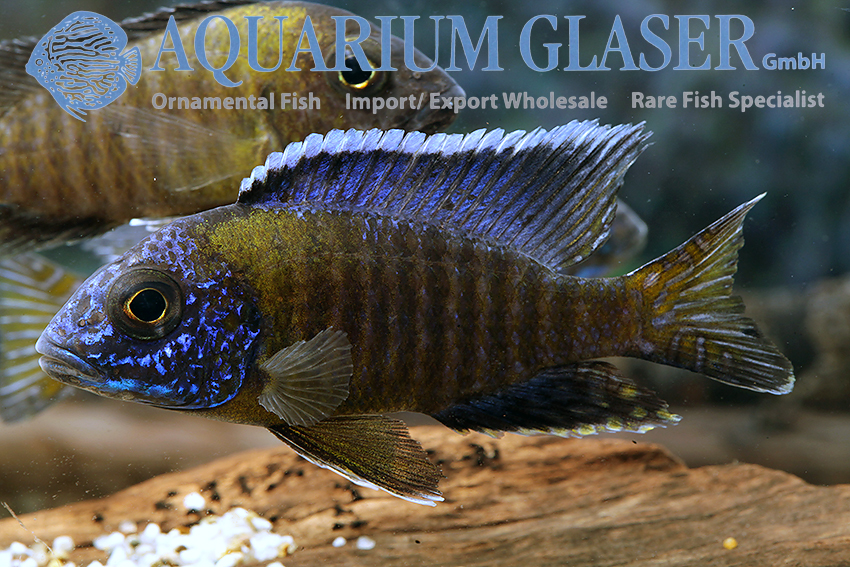
In the 5th edition of his book *Malawi Cichlids in Their Natural Habitat*, author Ad Konings —one of the world’s leading experts on Lake Malawi cichlids—presents compelling arguments as to why he now regards A. hansbaenschi and A. steveni, previously described as distinct species, merely as synonyms of a highly variable species that, according to the principle of priority, must be named Aulonocara stuartgranti. The most important species-defining characteristic for these fish was assumed to be the striking coloration of sexually active males. In his book, Konings demonstrates that along a coastal stretch of only about 40 km on the northwestern side of the lake (in the Republic of Malawi), this coloration varies from brilliant yellow ( = A. steveni) through individuals with varying combinations of blue and yellow hues to deep blue and back to yellow (with additional color components in each case). Although each local population is consistent in color, populations that are in some cases considerably distant from one another may, under certain circumstances, appear more similar to each other than immediately neighboring ones. Please refer to the book itself for details, but this is a highly fascinating phenomenon from an evolutionary biology perspective. In practical aquarium keeping, however, this also means that one should absolutely treat all populations from different localities as if they were distinct species when breeding them. The females and juveniles of the various populations usually cannot be distinguished from one another.
The population described as A. hansbaenschi originates from the northeastern part of the lake (Malawi) and was collected approximately 8 km south of Masinje. The population on which the species description was based was originally marketed as Aulonocara “Red Flush”; later, the entirely blue forms (“A. nyassae”) and others were also assigned to the species A. hansbaenschi. They all have yellow pelvic fins (blue in A. stuartgranti s. str. from Mpanga Rocks, Chilumba, on the northwestern coast of the State of Malawi; see Schraml, 2005: 30 for images)
According to Konings, all populations of A. stuartgranti in the broadest sense inhabit the same habitat: the relatively shallow shoreline area down to a maximum depth of 25 m in the intermediate zone between rocks and sandy substrate. Females and juveniles prefer to stay over sandy areas, while males engaged in courtship tend to occupy “miniature gorges” with sandy bottoms between larger rocks.
Although some varieties of “hansbaenschi,” such as “Red Flush,” have been present in the aquarium hobby since the 1980s, they continue to be bred in their pure form to this day by both private hobbyists and commercial breeders around the world—at least as far as can be judged by their appearance. This is a fine example of how species conservation breeding—often dismissed as impossible by skeptics—can actually work even at the population level over the course of decades! In the trade, however, it is necessary to continue using the scientifically invalid trade names, setting aside all theoretical concepts of species. Otherwise, it would be impossible to distinguish between very different-looking forms of the same species. The photos accompanying this post show the fish we are currently sourcing from Thailand as “Aulonocara hansbaenschi” (Code 502003, 5–7 cm).
Maximum size: approx. 12 cm; Temperature: 22–28°C; pH and hardness: Tap water is suitable almost everywhere; the water should be moderately hard to hard and slightly alkaline; Diet: Any dry, frozen, or live food of appropriate size; Social behavior: Group fish with a social hierarchy. Only high-ranking males develop coloration; low-ranking males take on the coloration of females. Mouthbrooders in the female sex.
For our customers: Depending on their size, these fish are listed under codes 502000–502005 (as A. hansbaenschi) on our stock list. Please note that we supply exclusively to wholesale customers.
References:
Konings, A. F. (2016): Malawi Cichlids in Their Natural Habitat. 5th Edition. Cichlid Press, El Paso (TX). Malawi Cichlids in Their Natural Habitat: 1–447.
Schraml, E. (2005): African Cichlids III, Malawi II: Kaiserbuntbarsche / Peacocks. Aqualog, Rodgau, Germany: 1–128.
Text & photos: Frank Schäfer
