Author Archives: Frank Schäfer

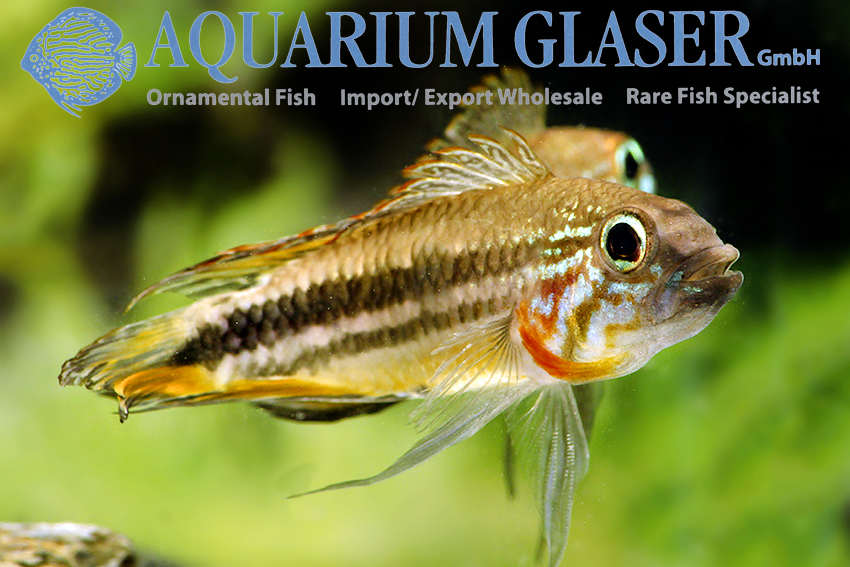
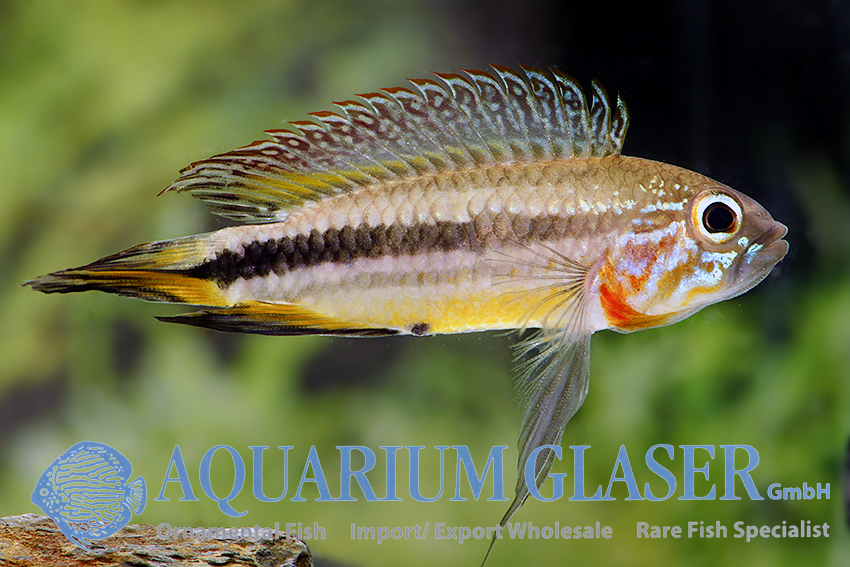
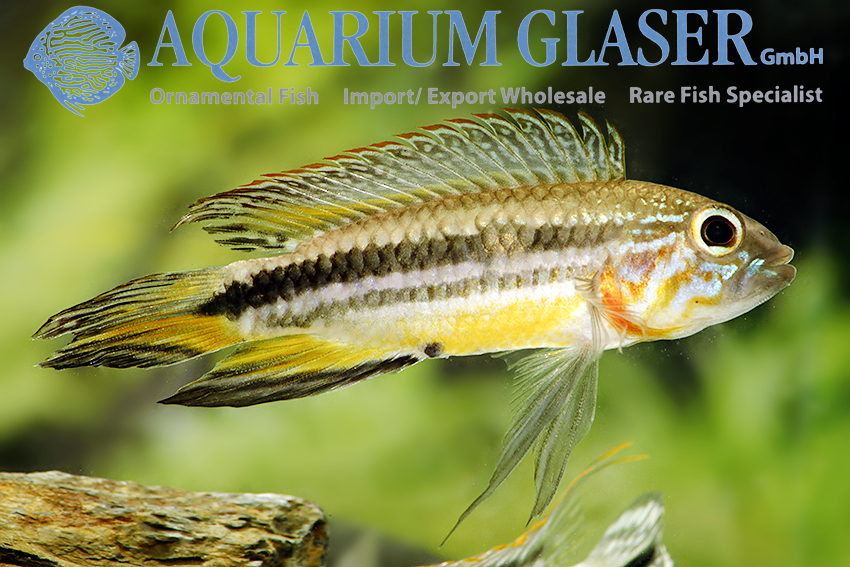
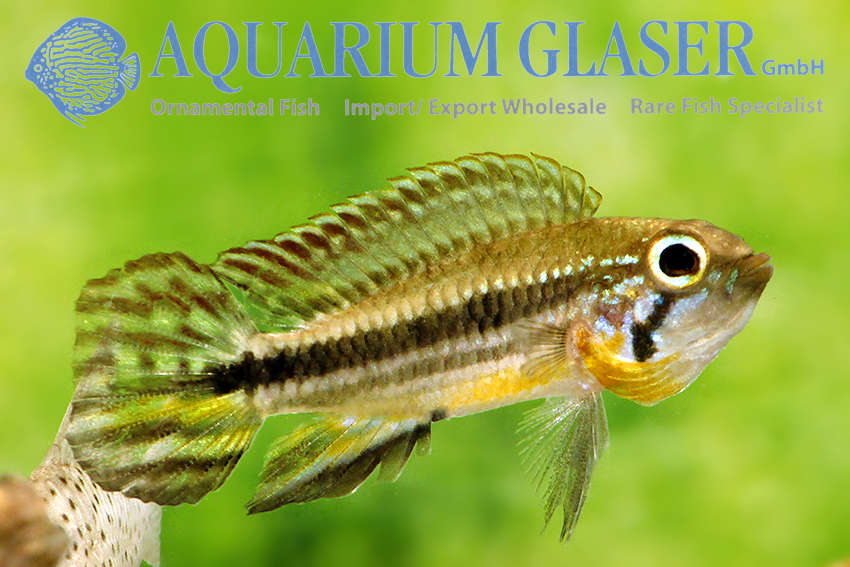
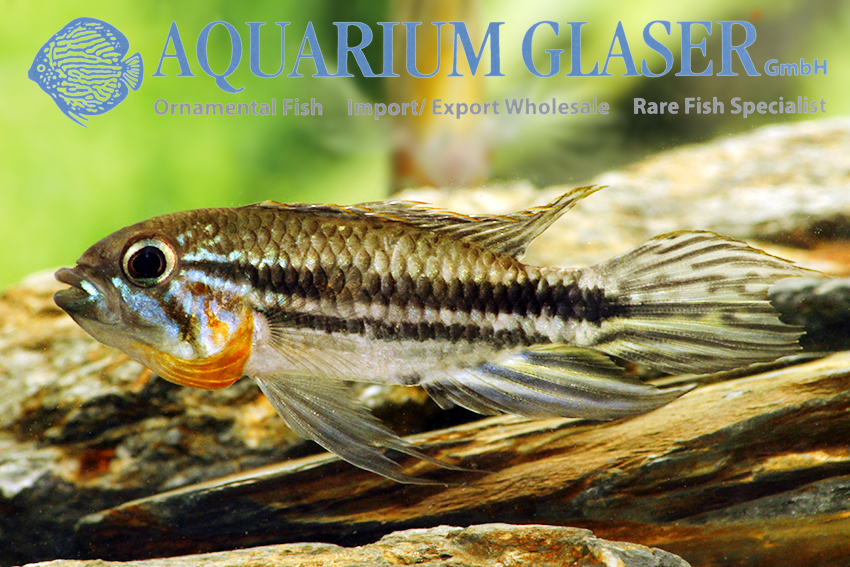
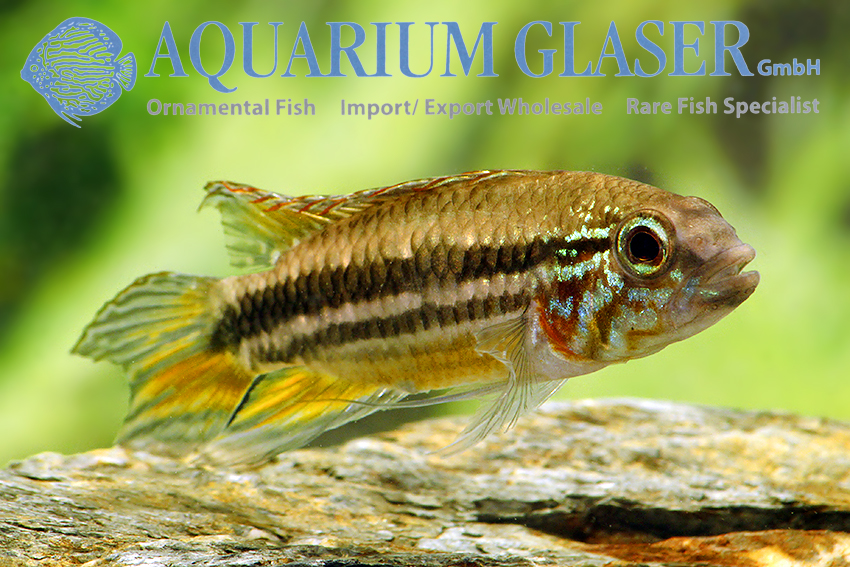
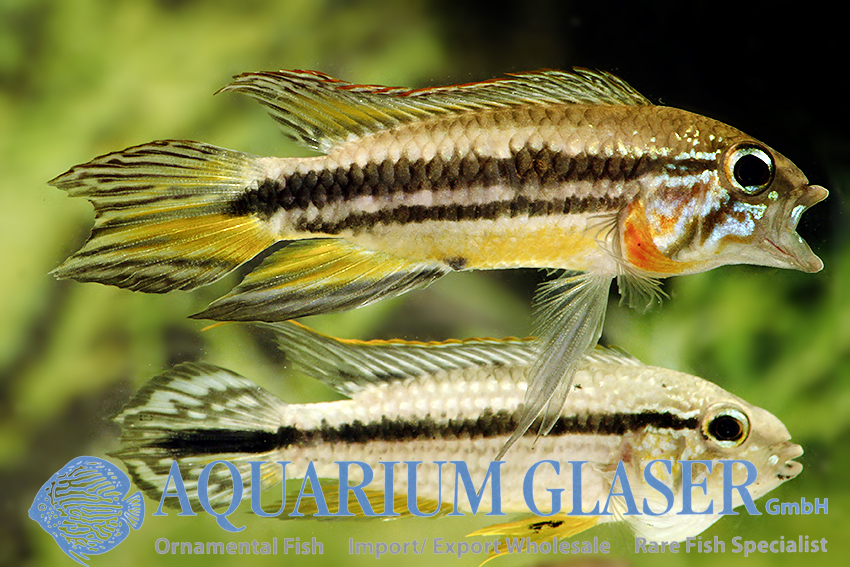
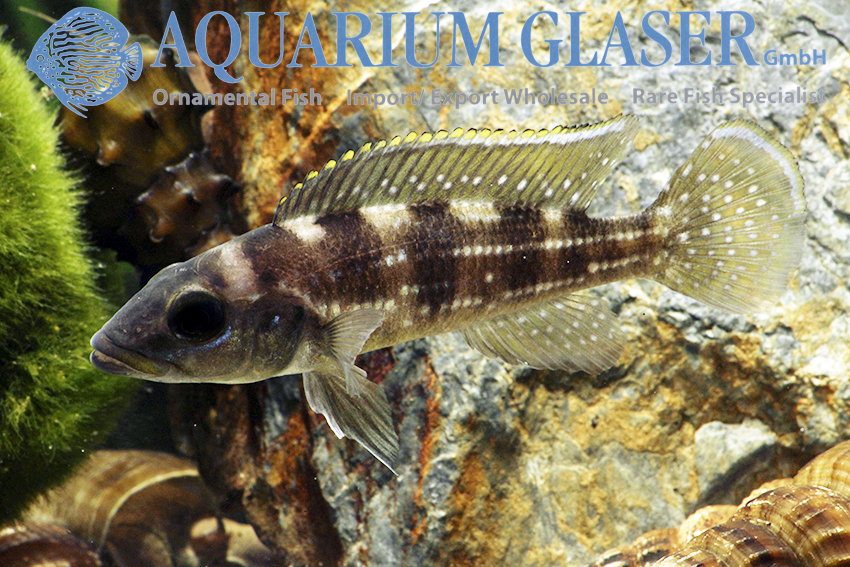
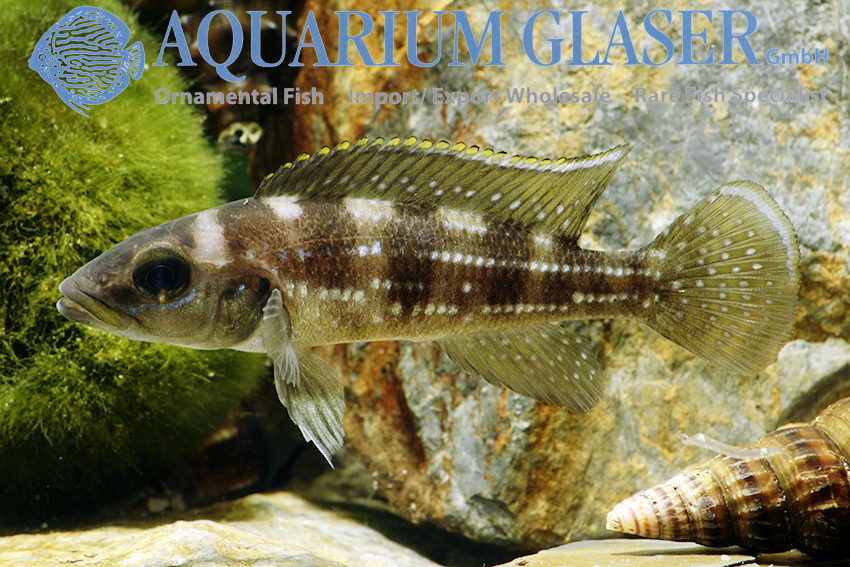
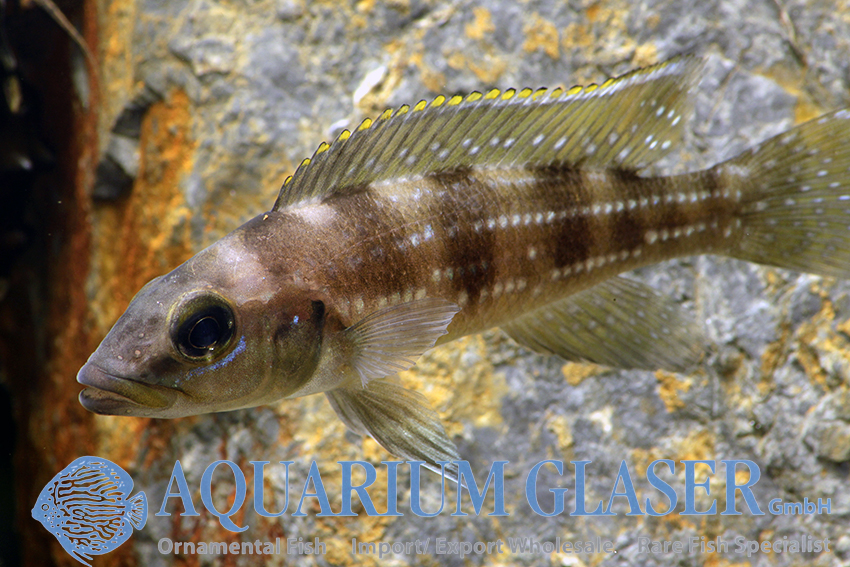
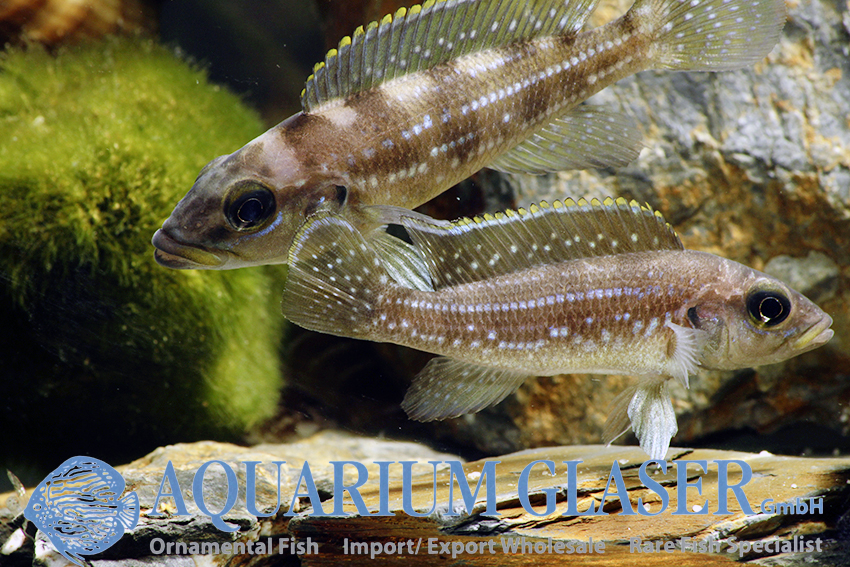
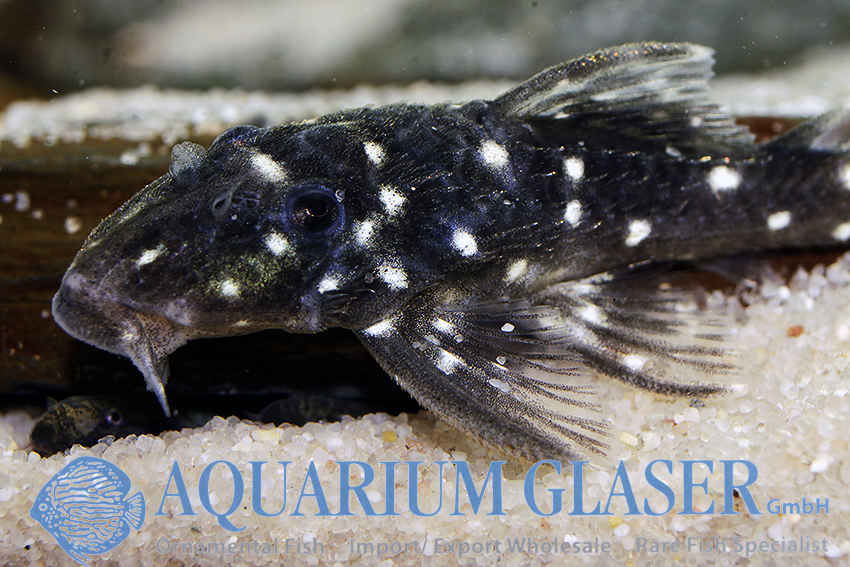
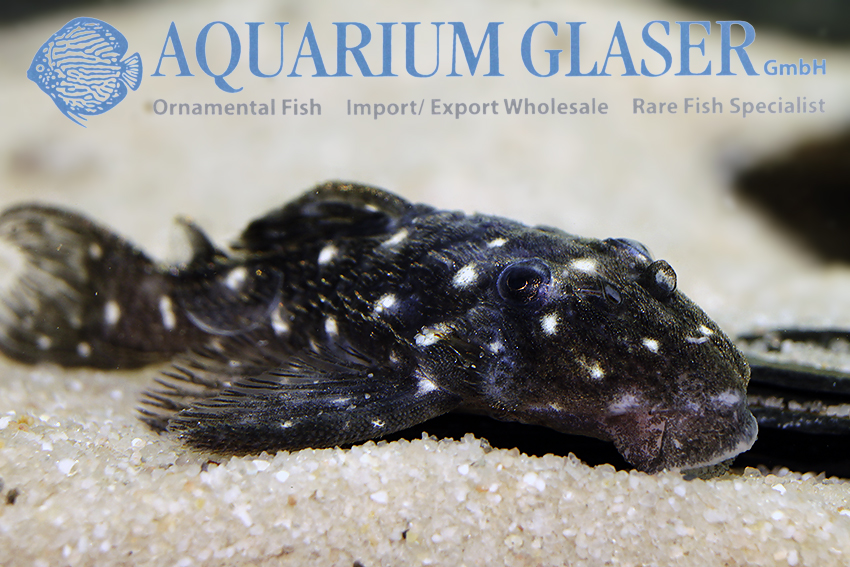
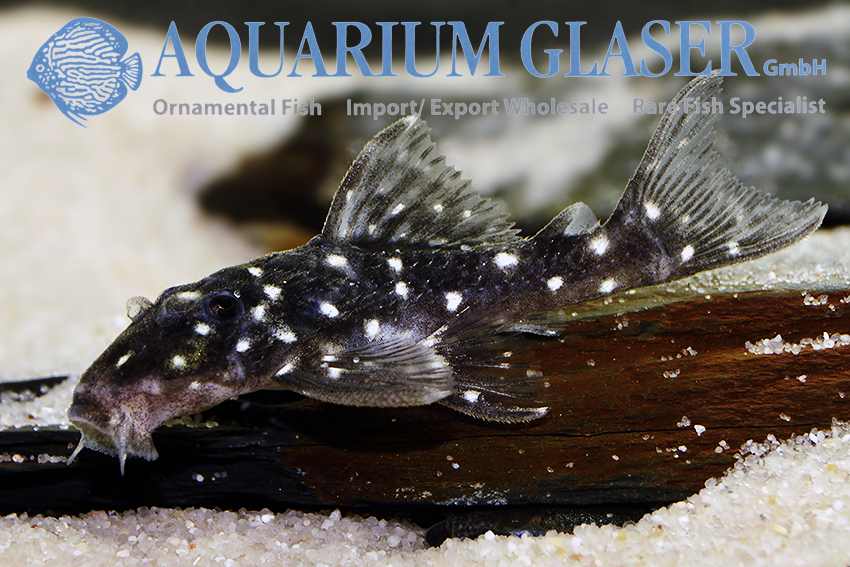
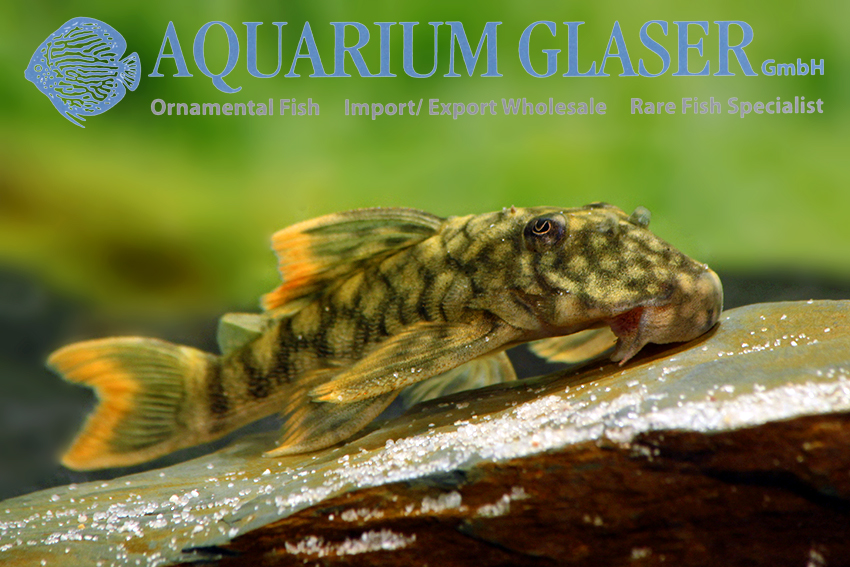
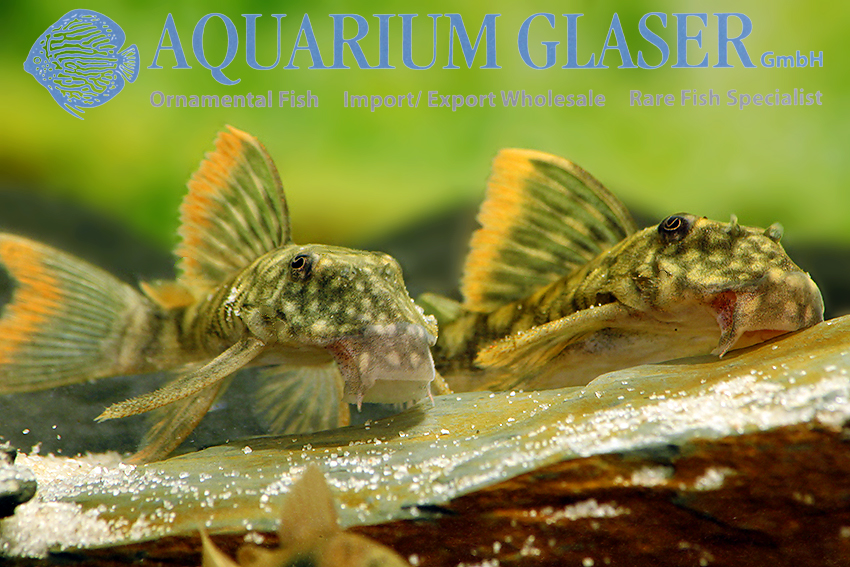
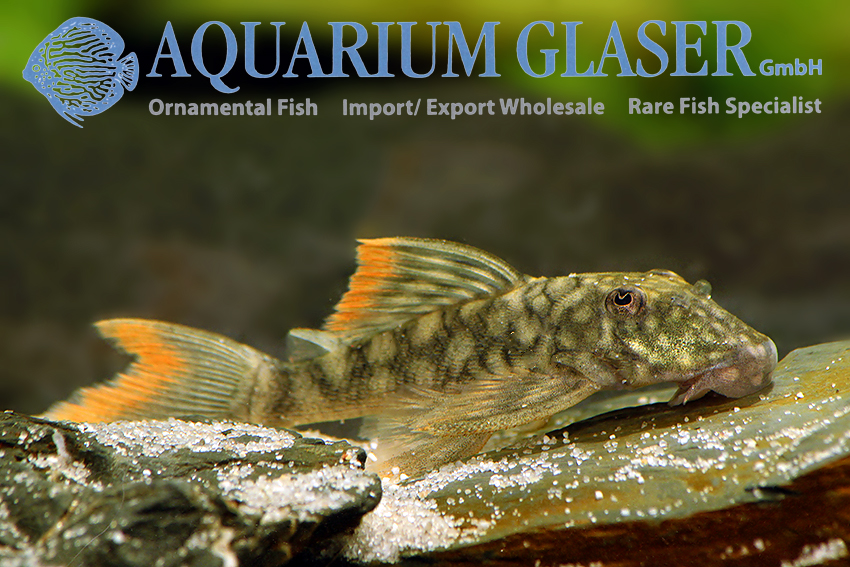
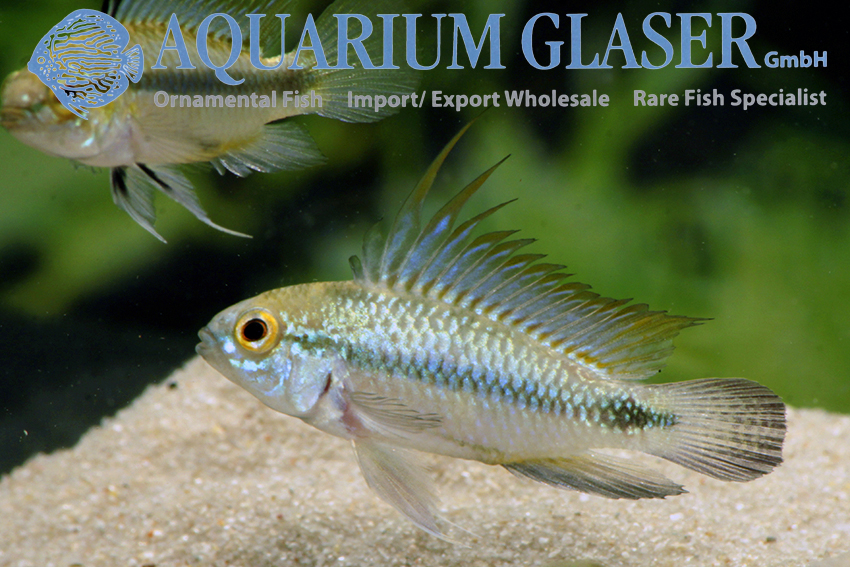
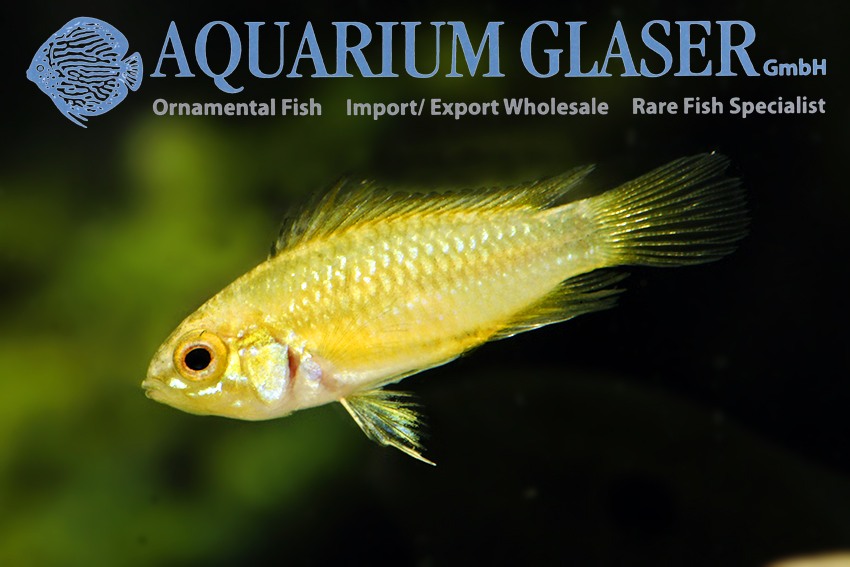
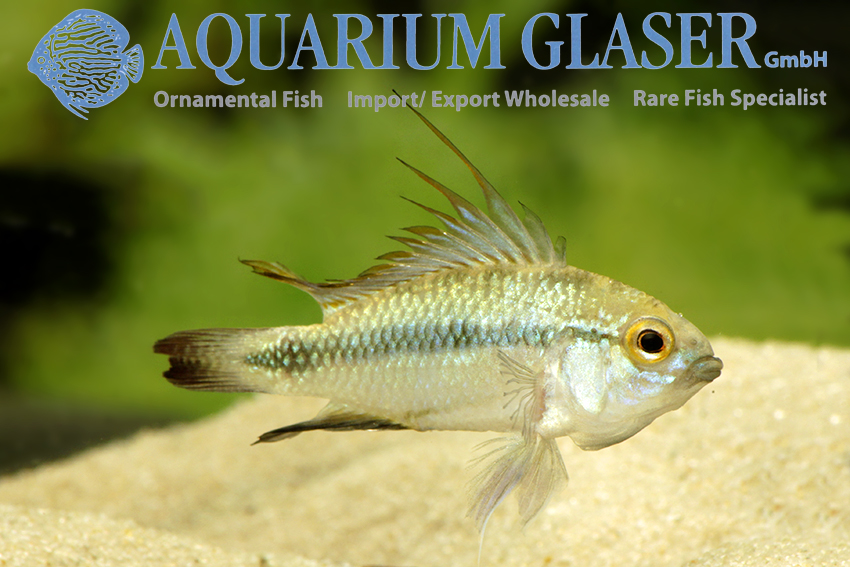
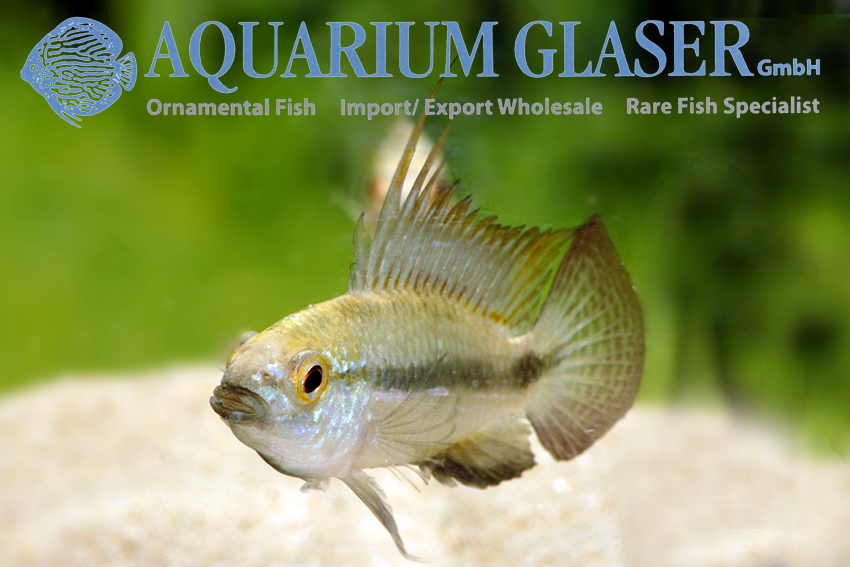
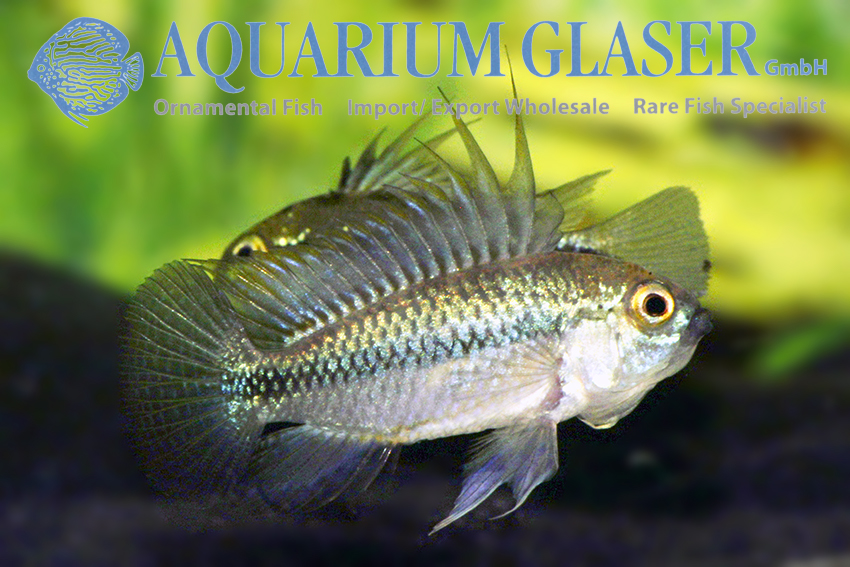
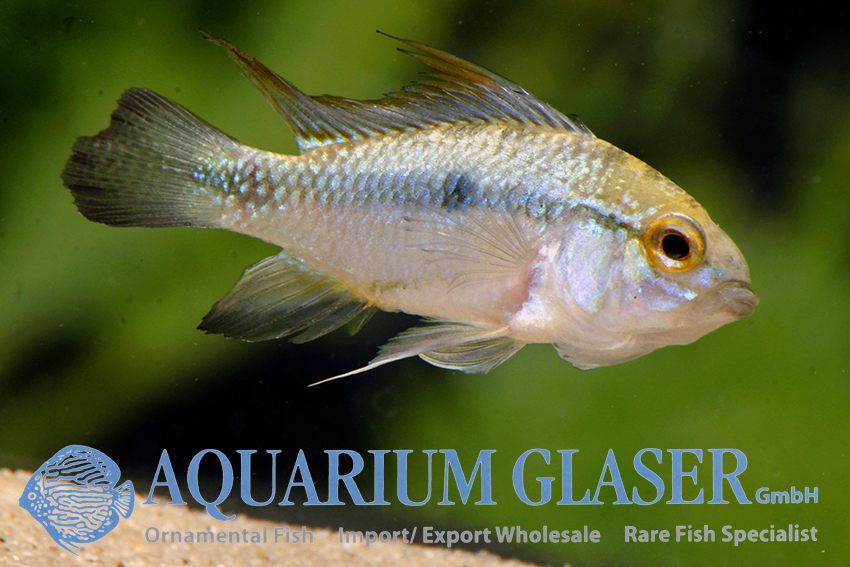
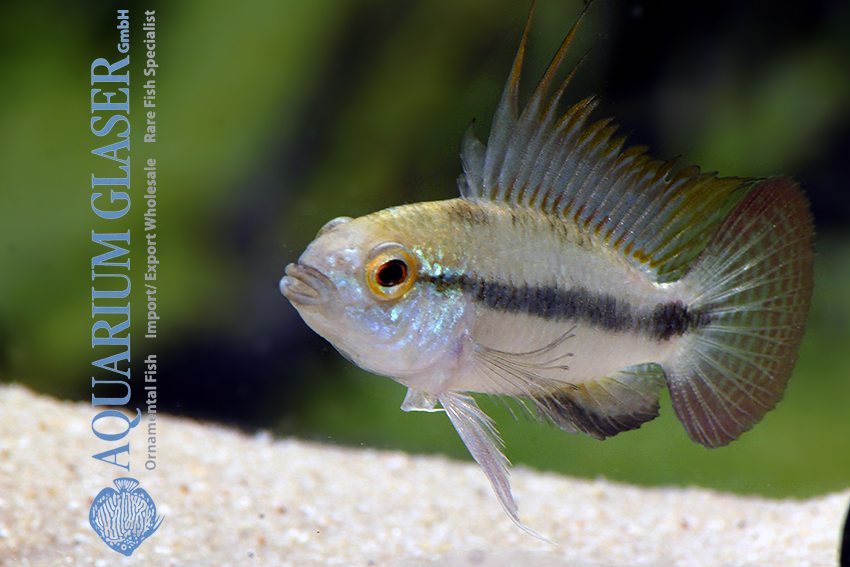
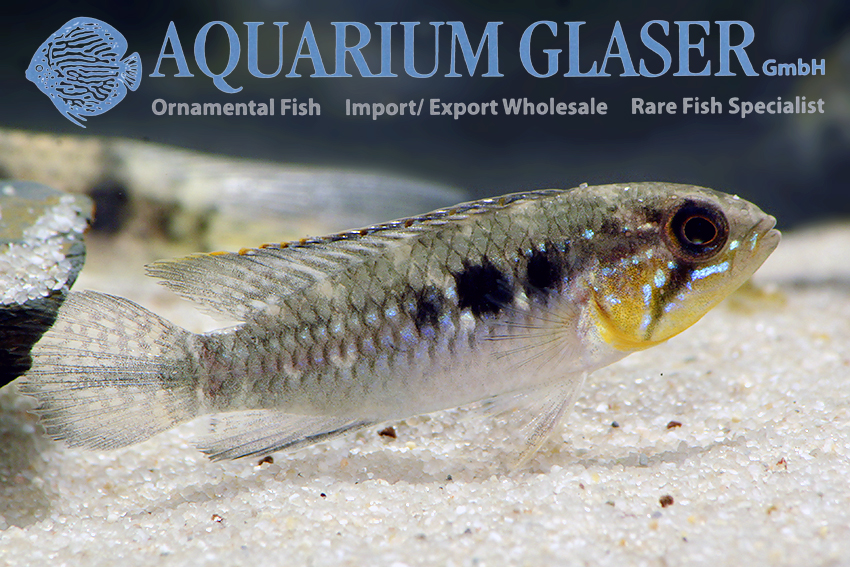
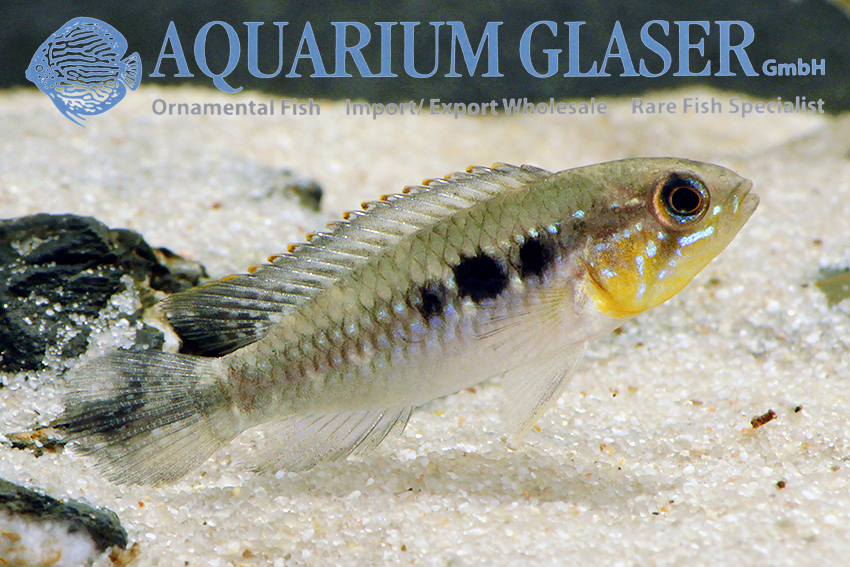
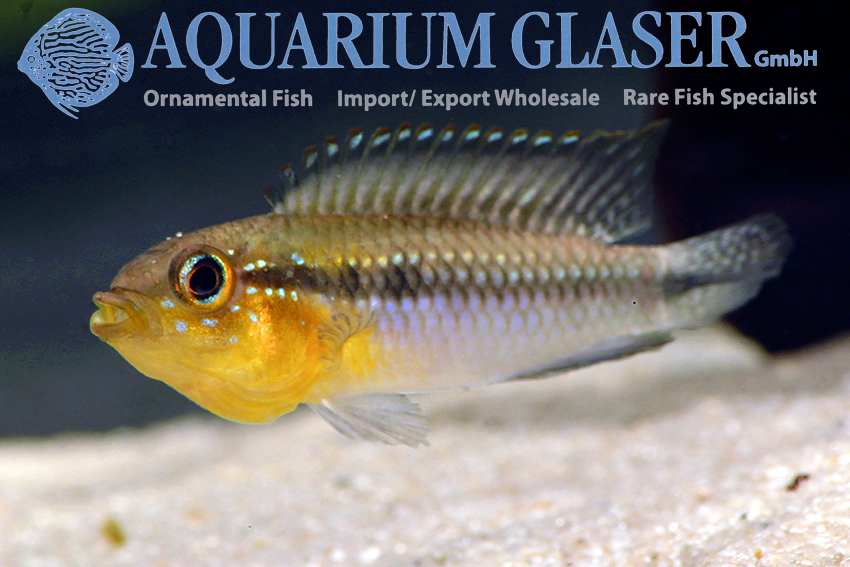
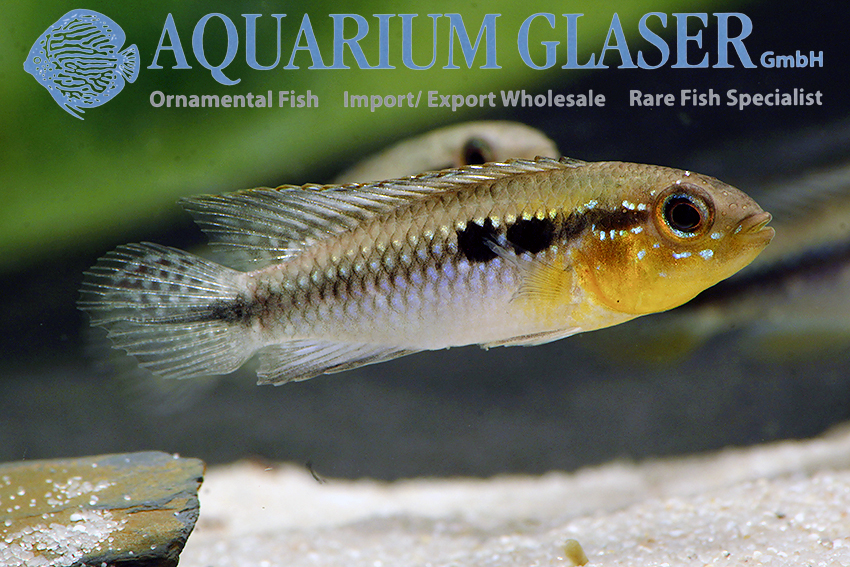
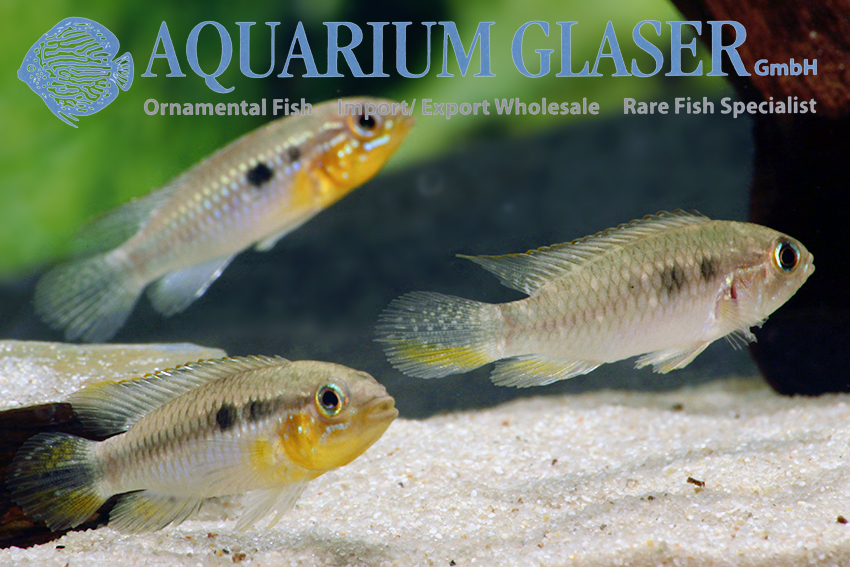
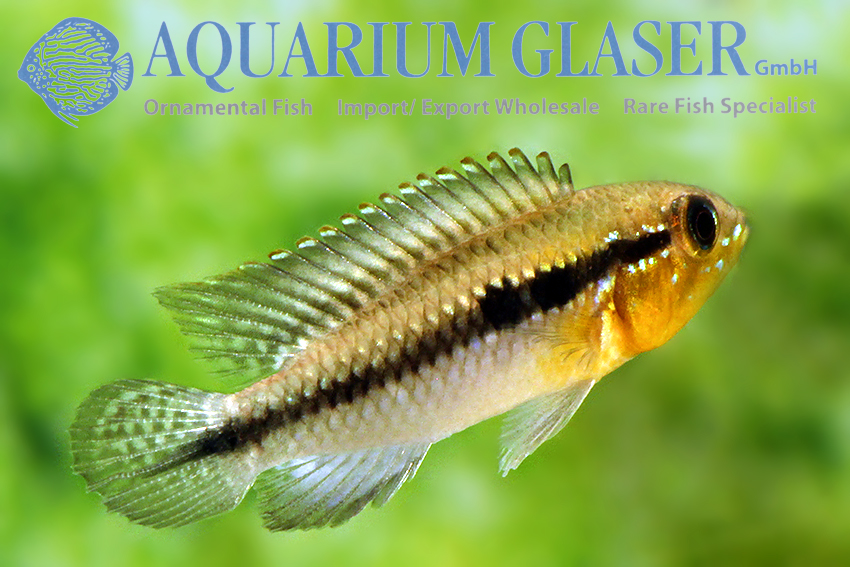
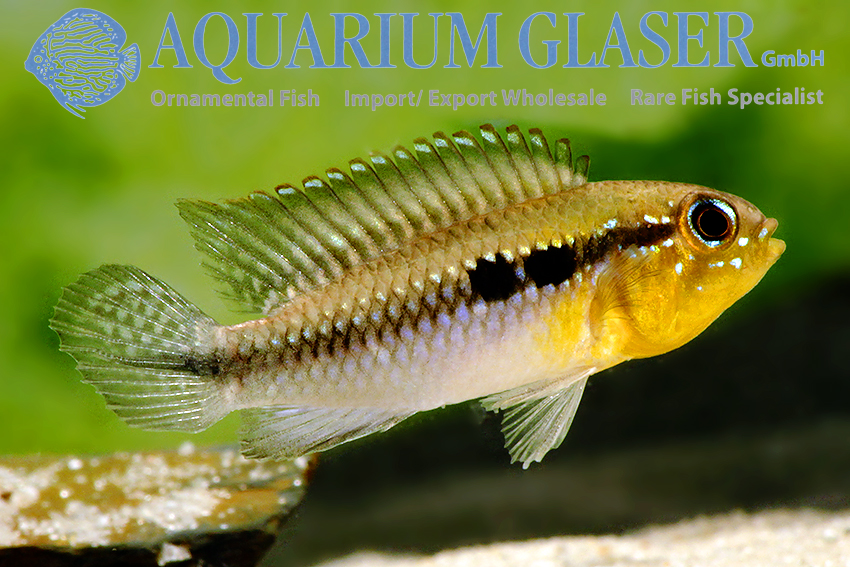
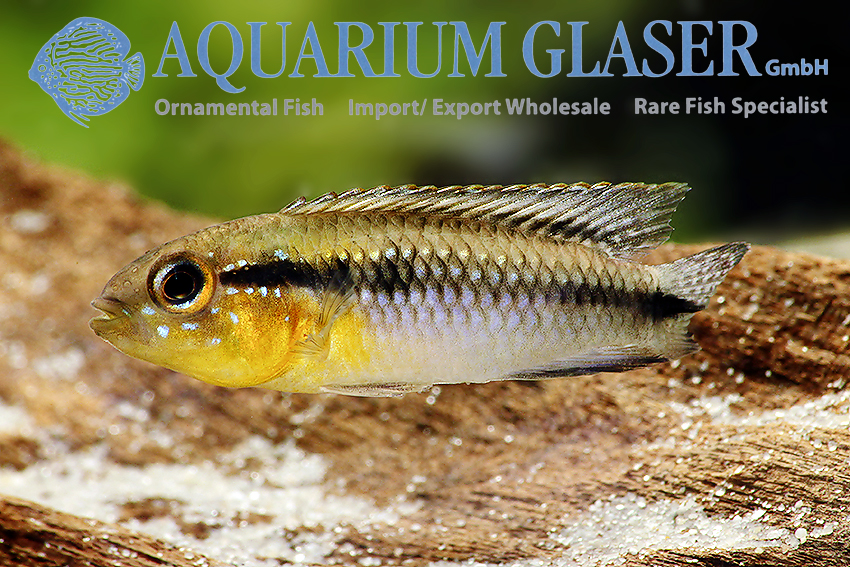
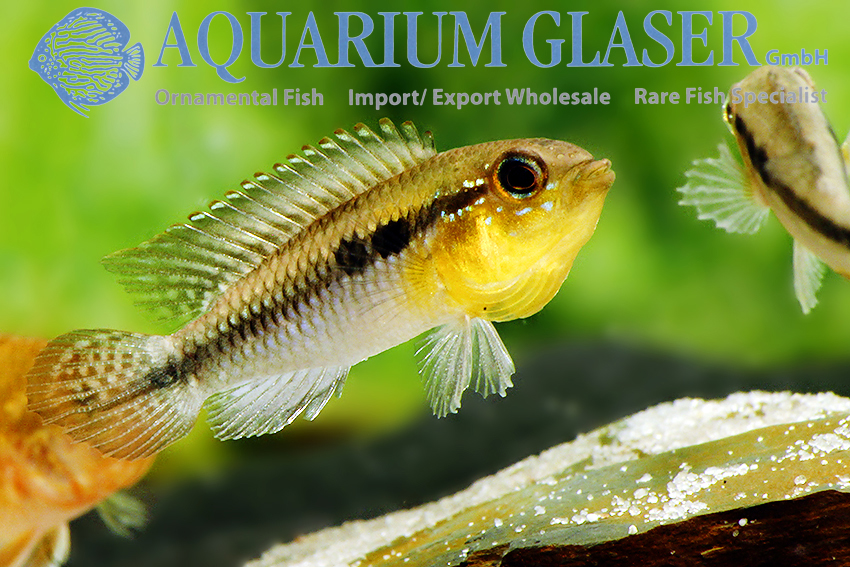
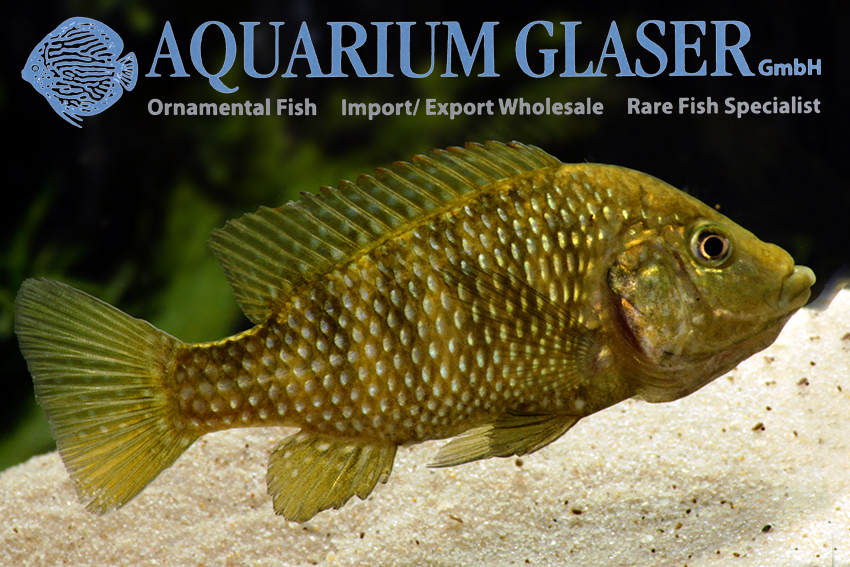
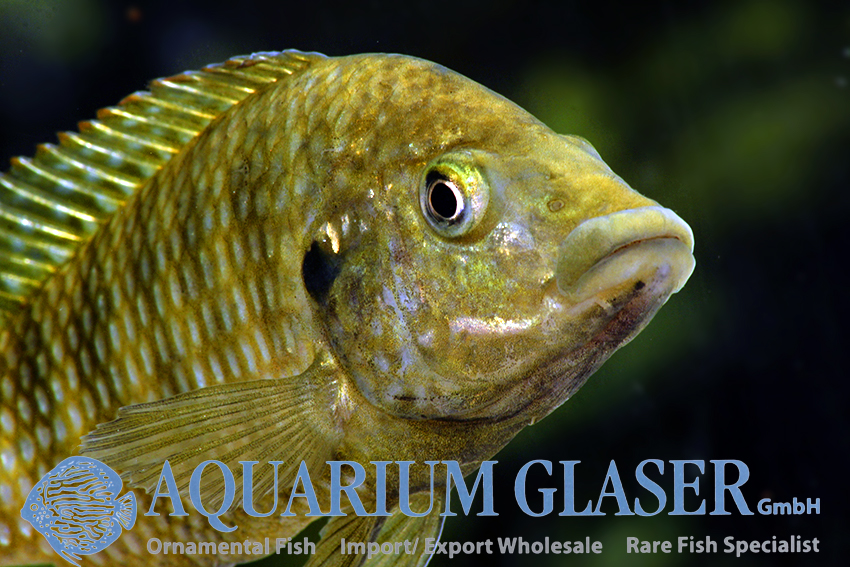
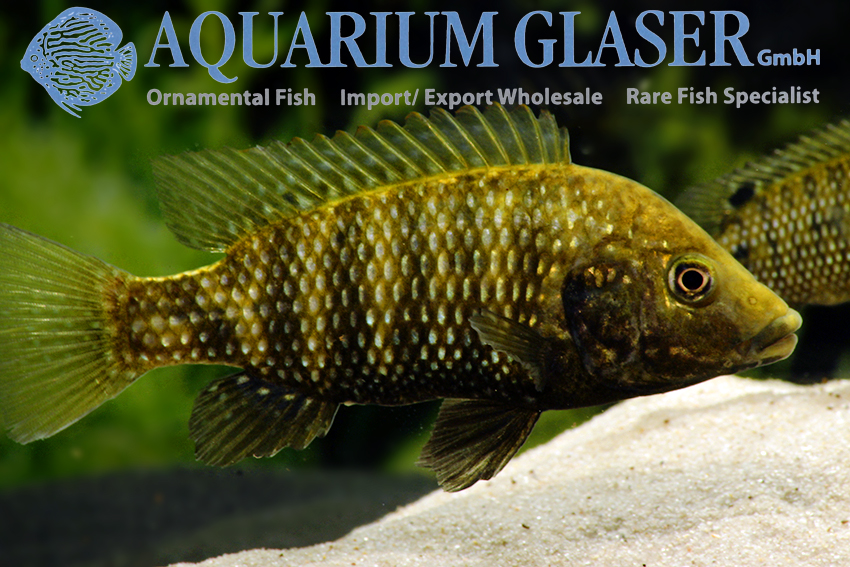
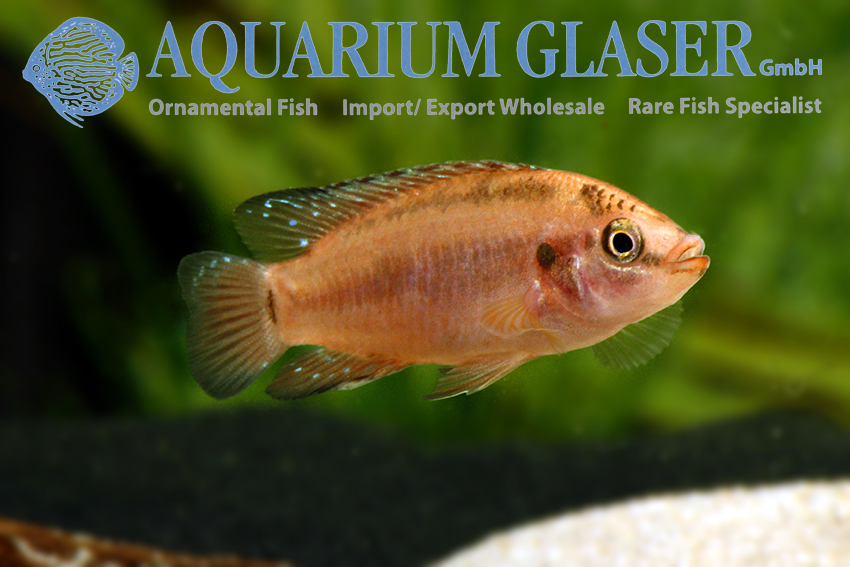
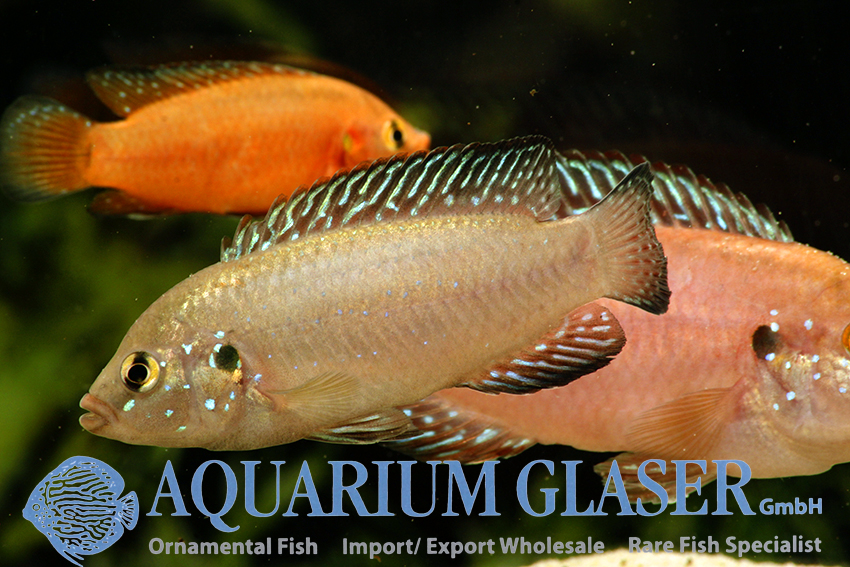
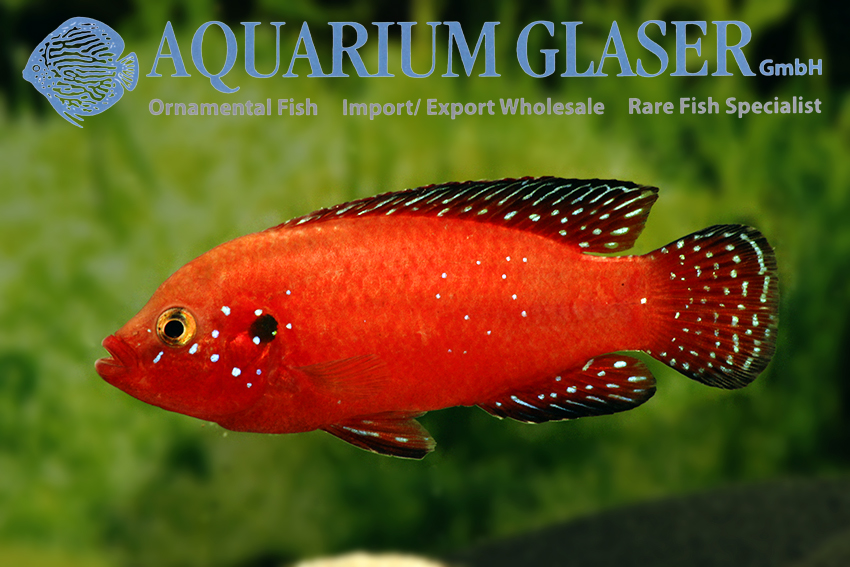
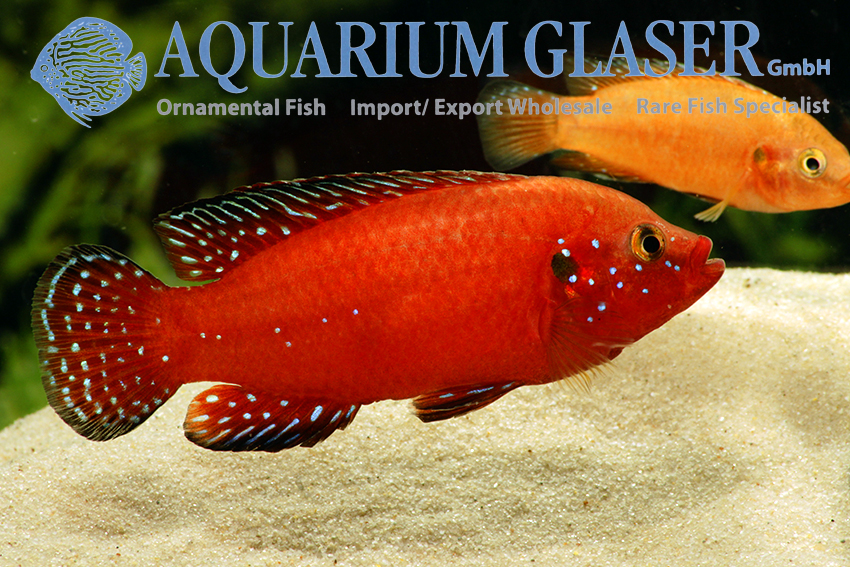
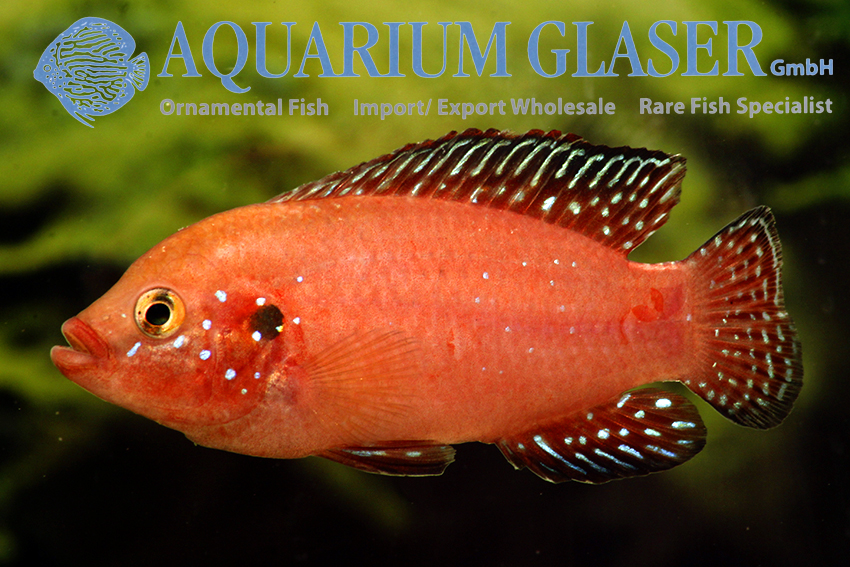
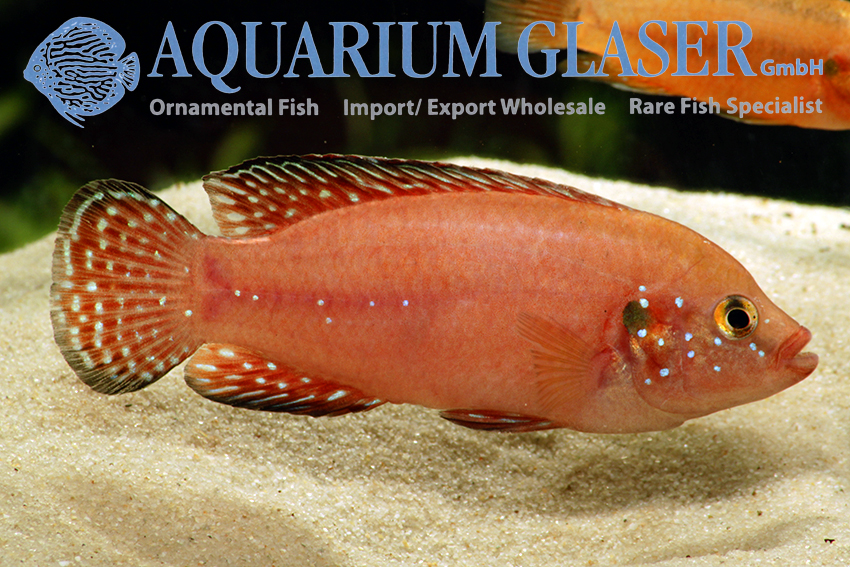
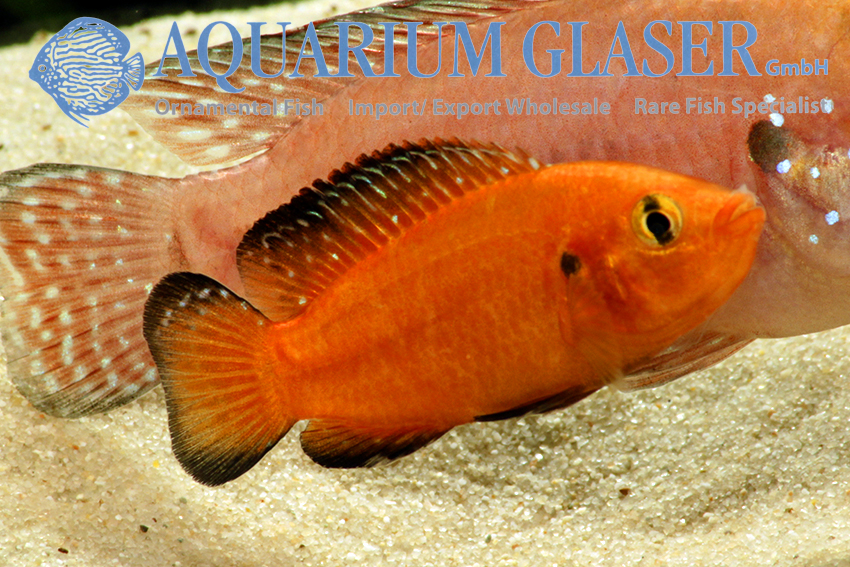
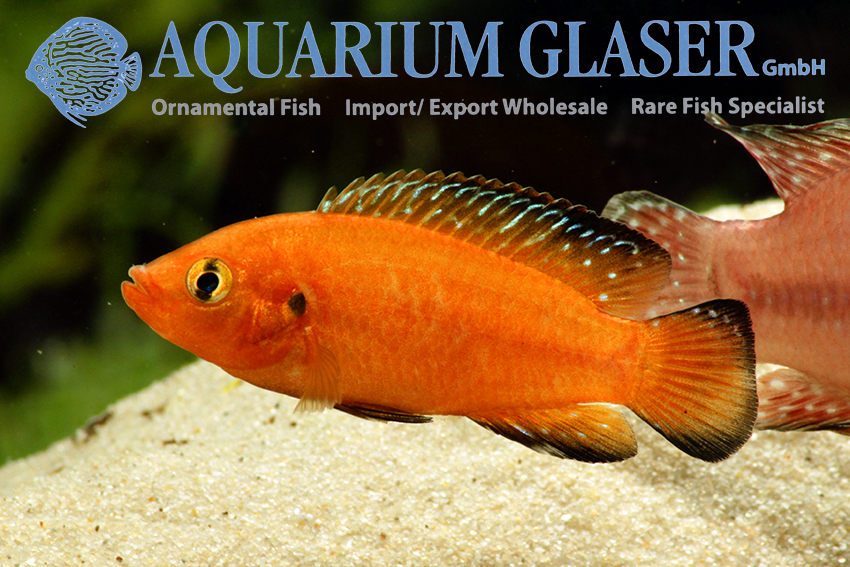
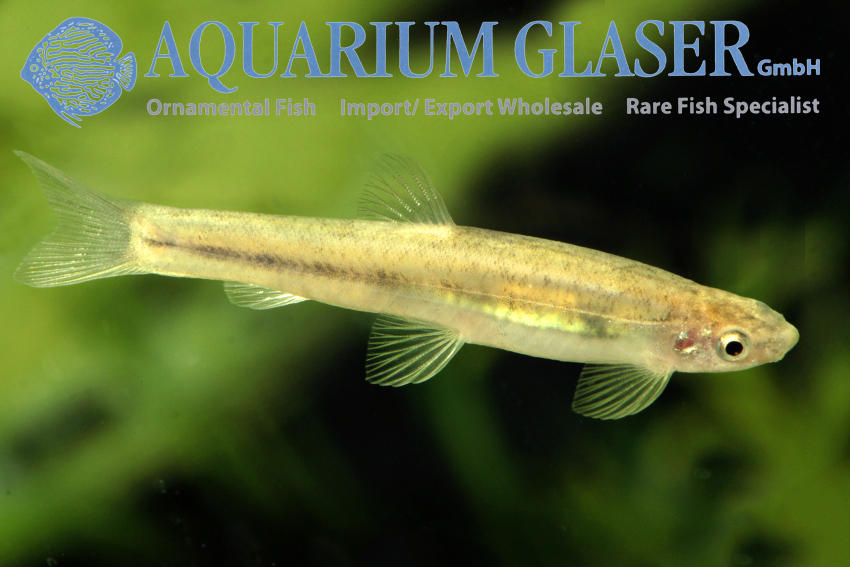
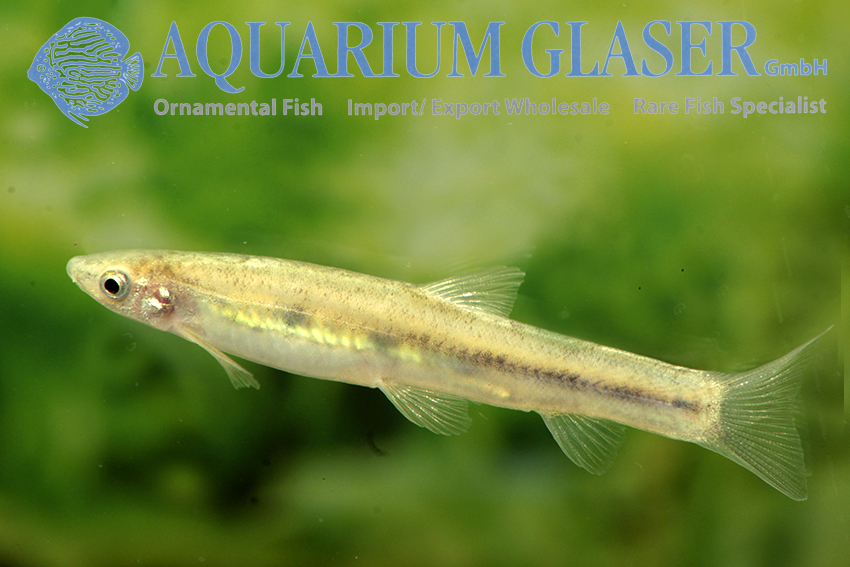
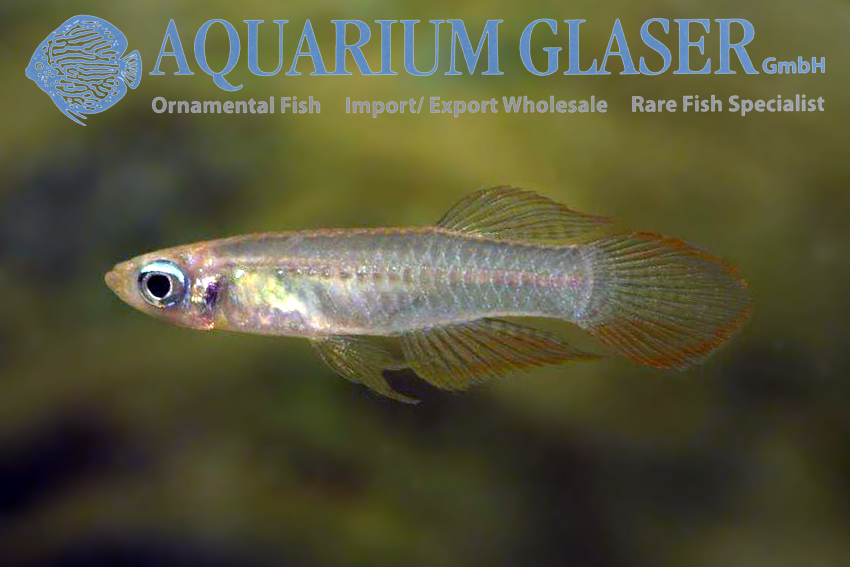
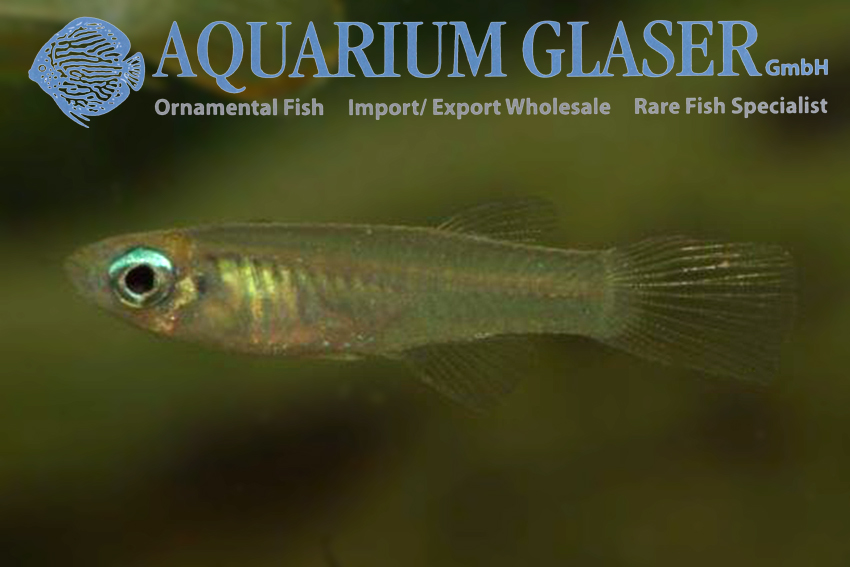
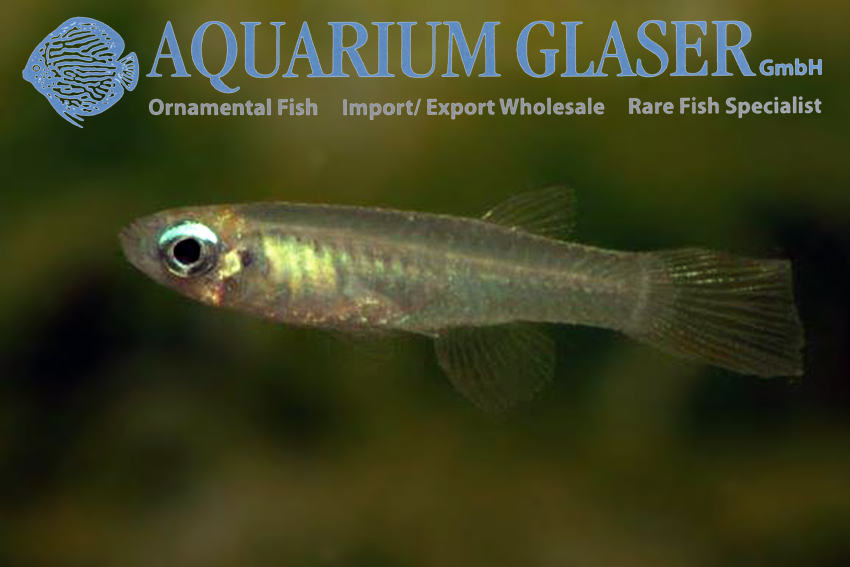
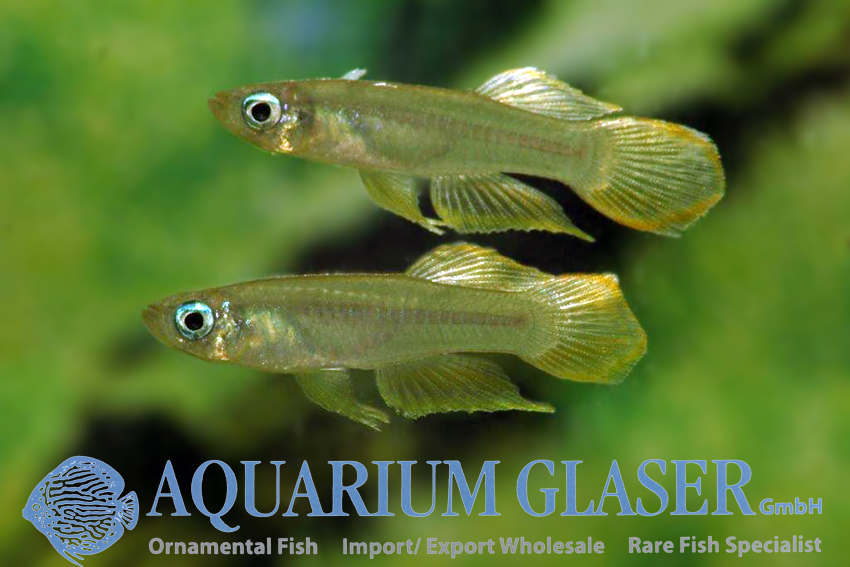
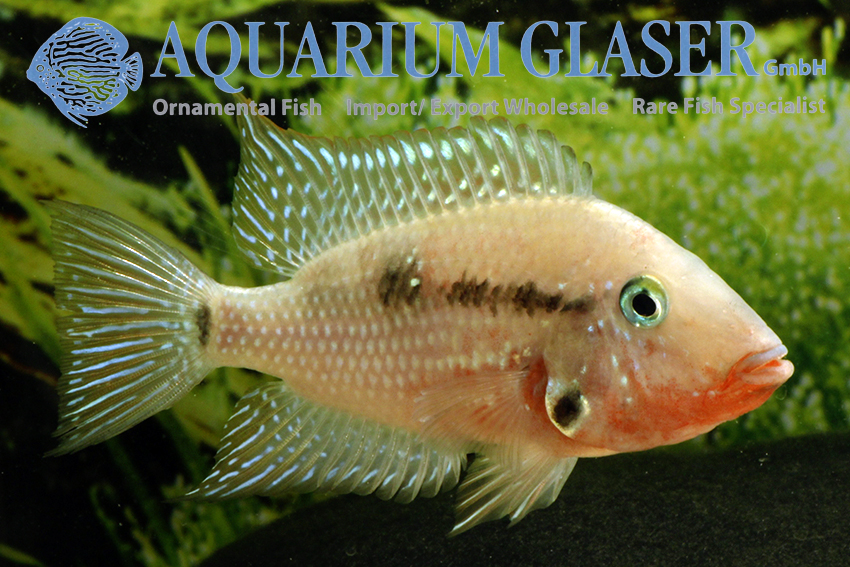
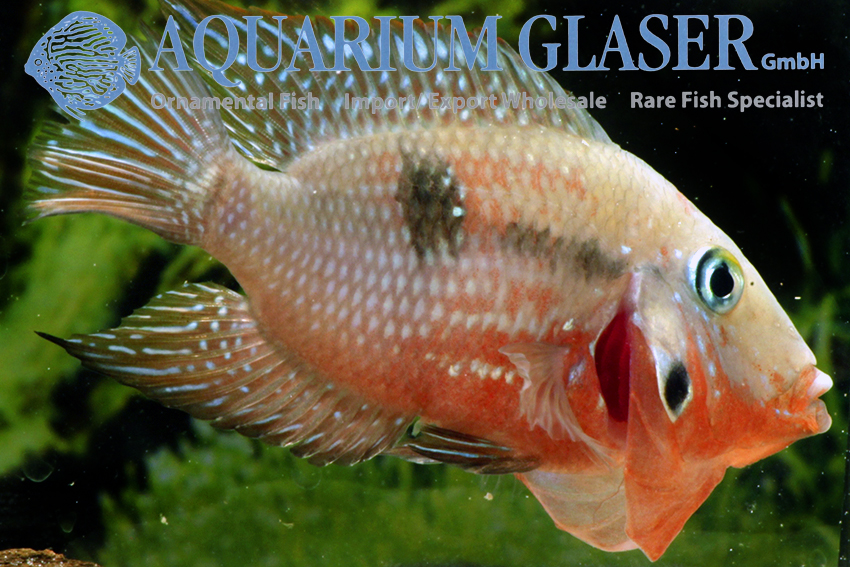
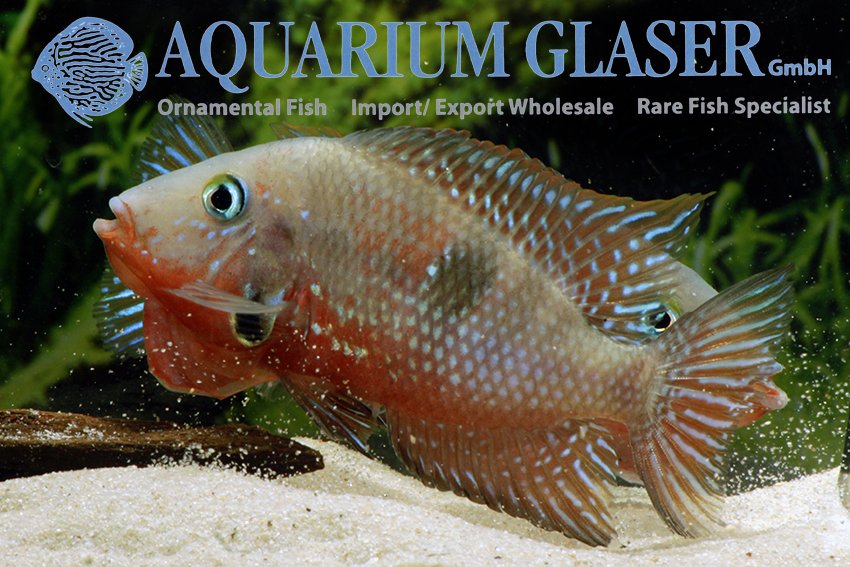
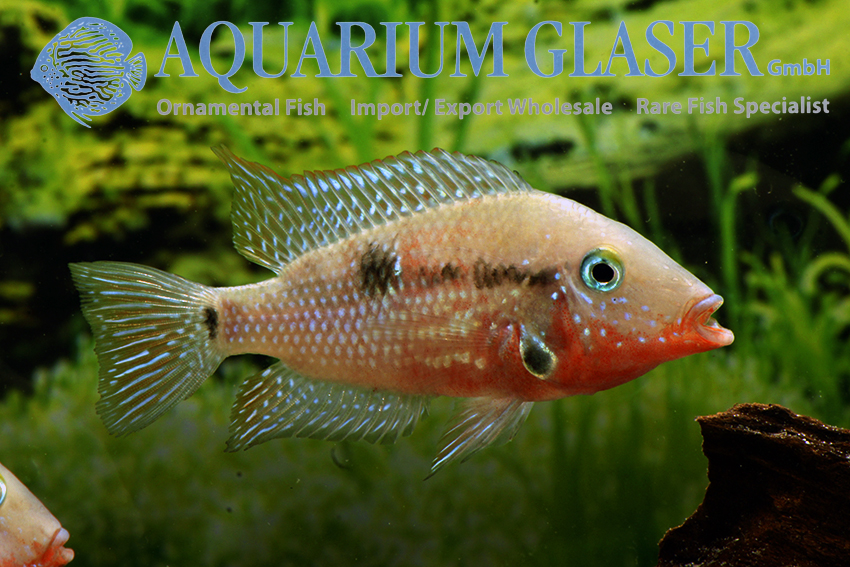
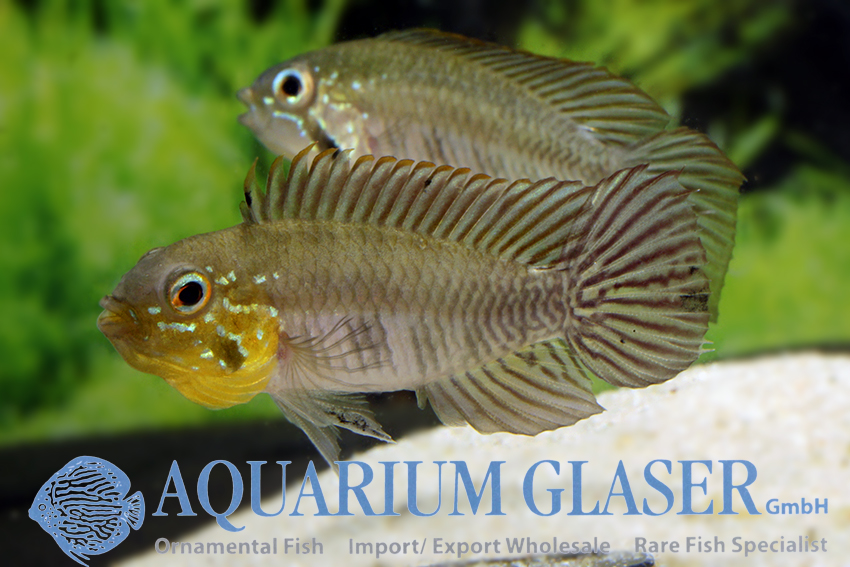
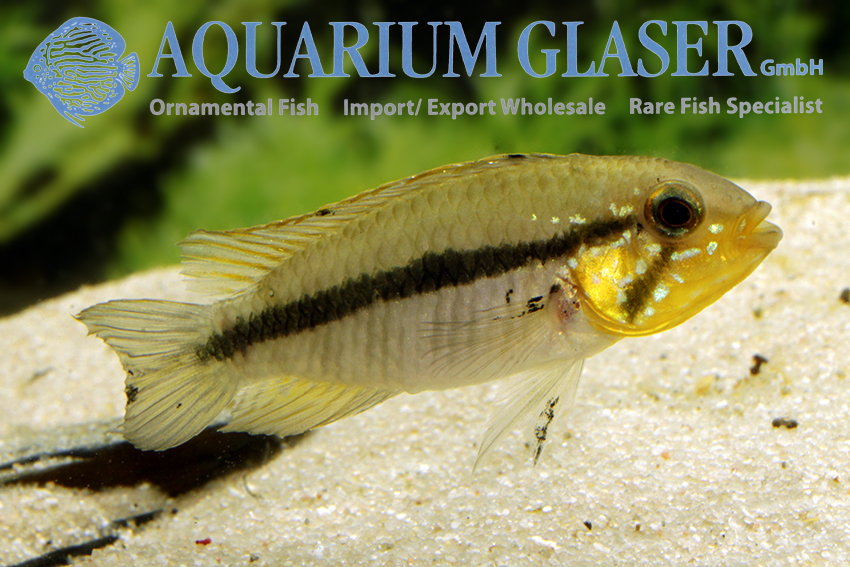
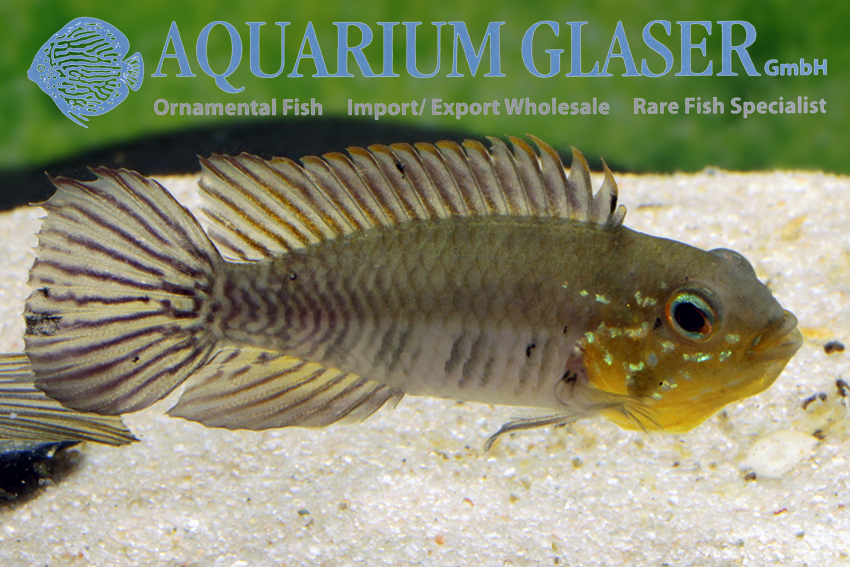
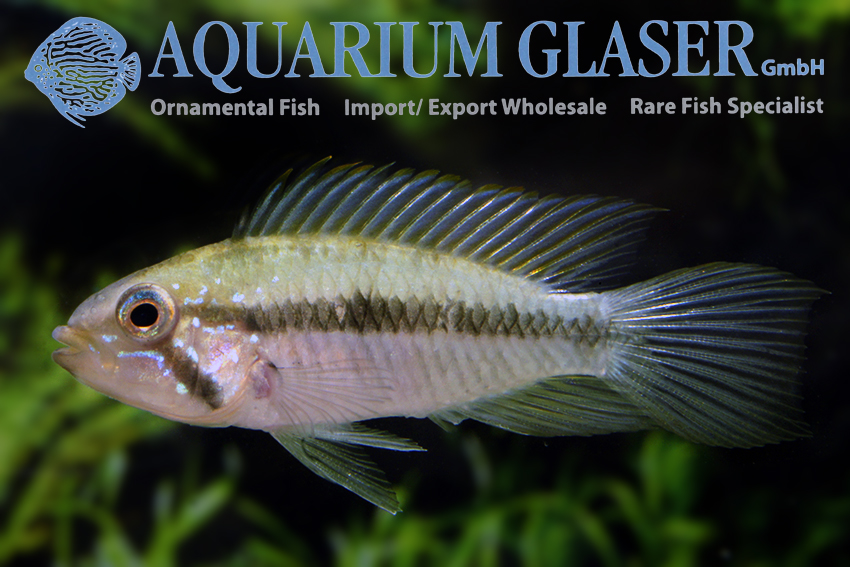
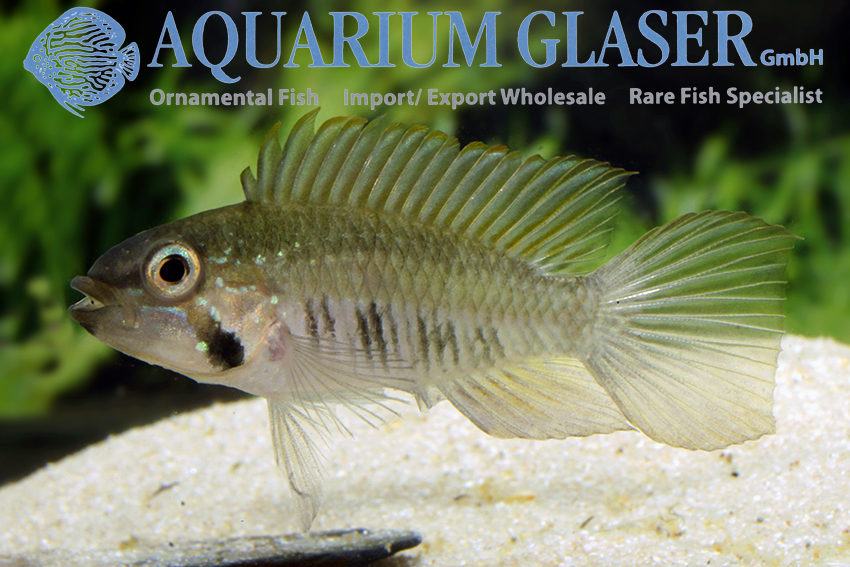
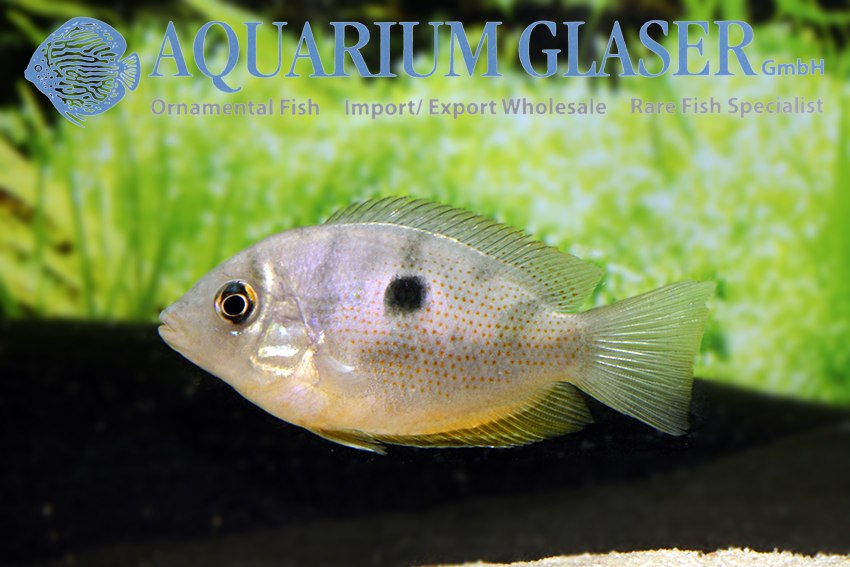
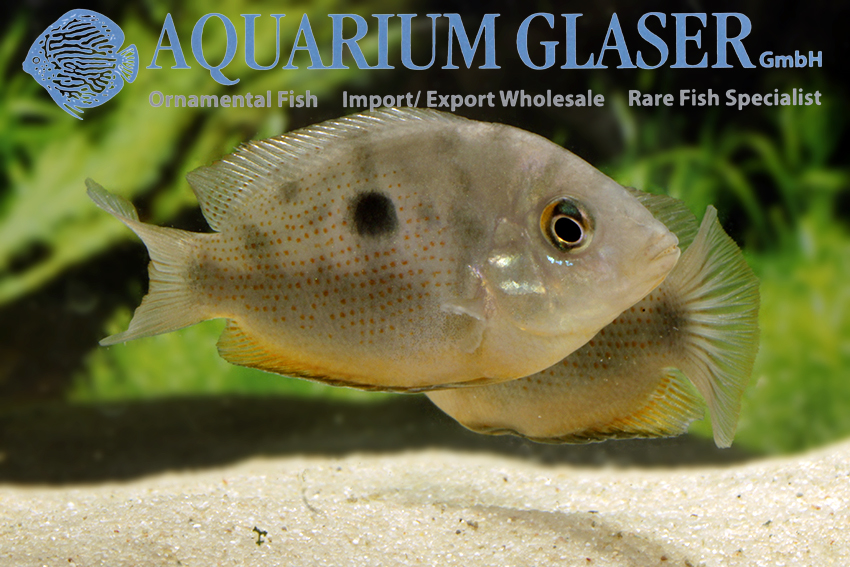
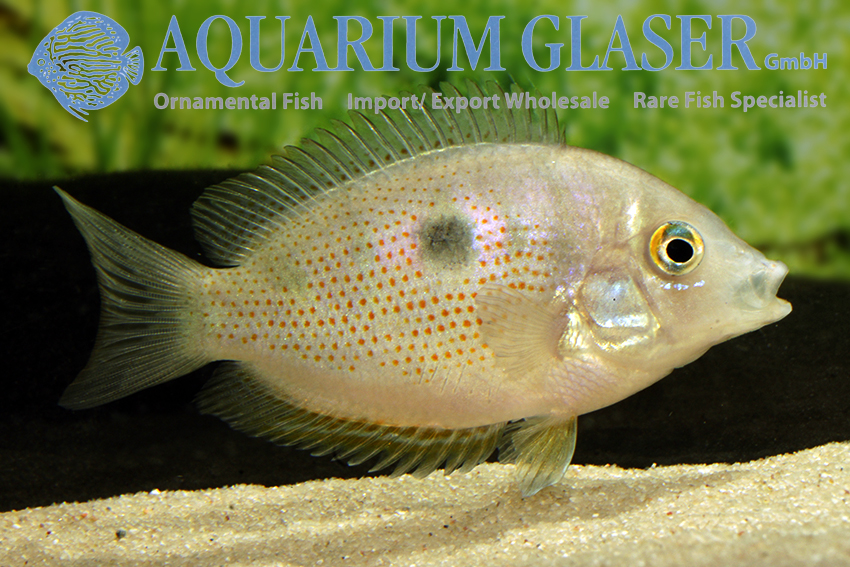
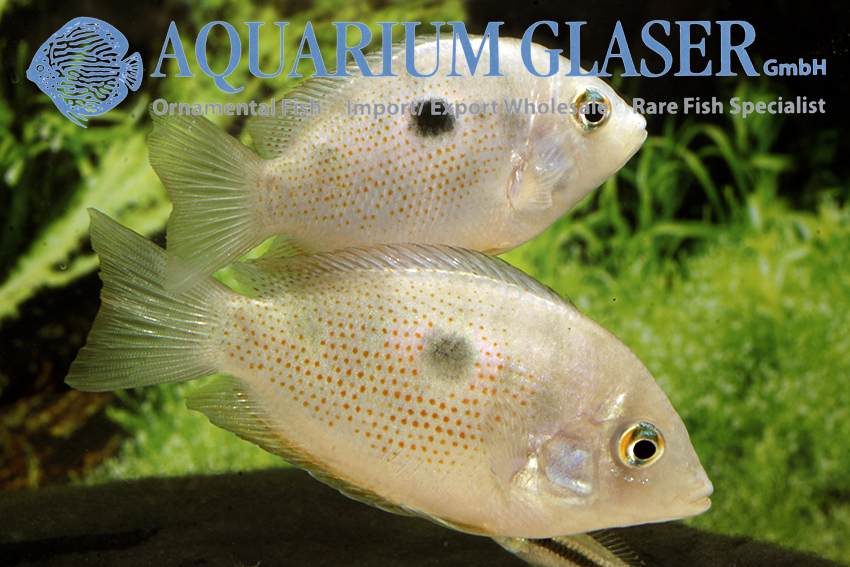
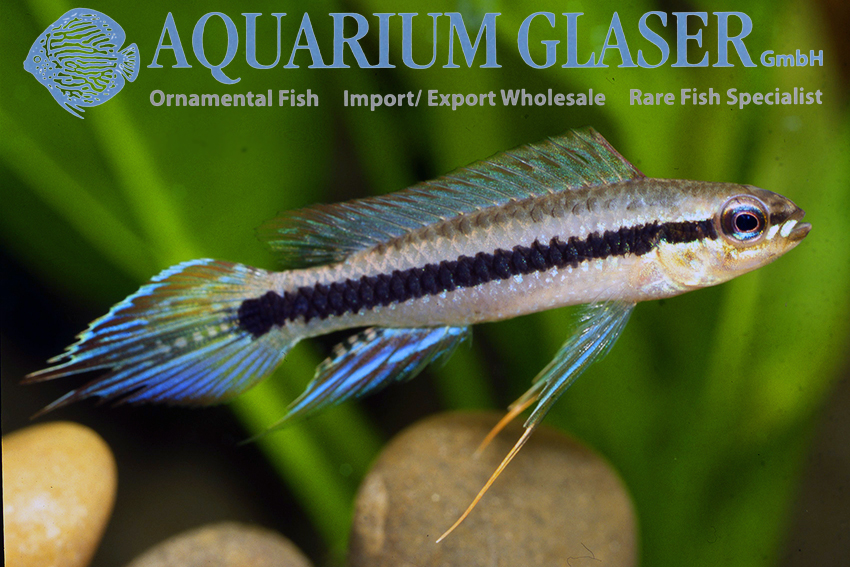
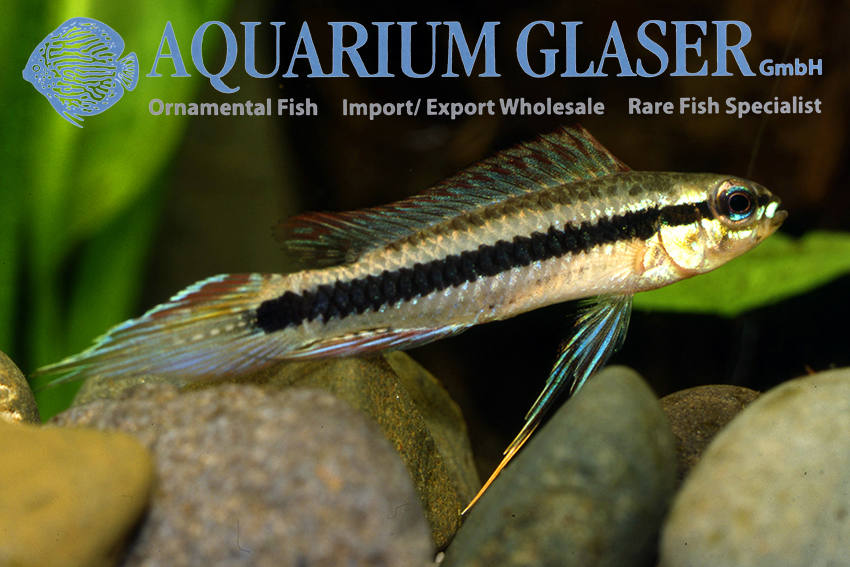
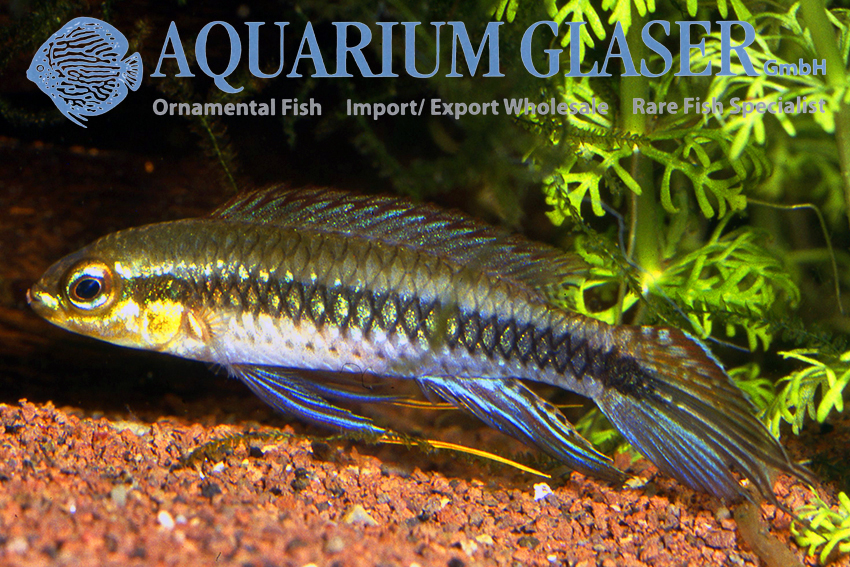
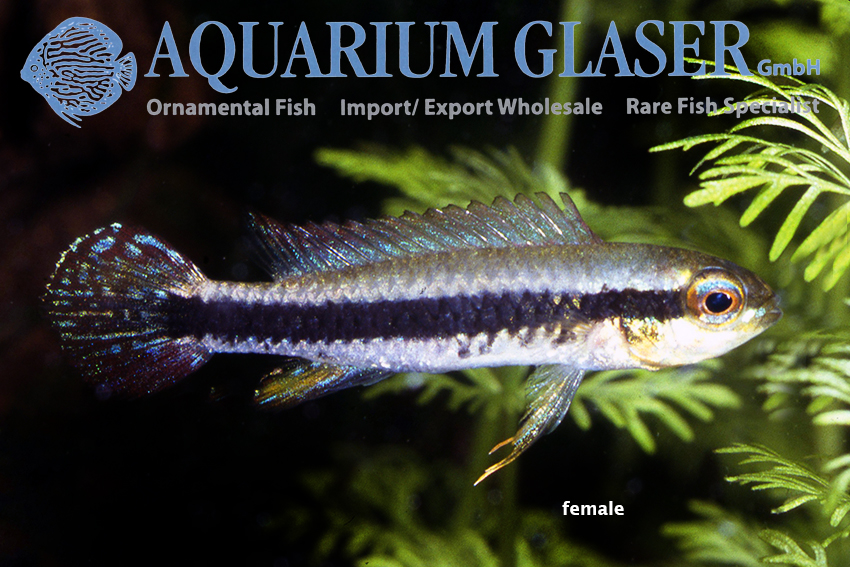
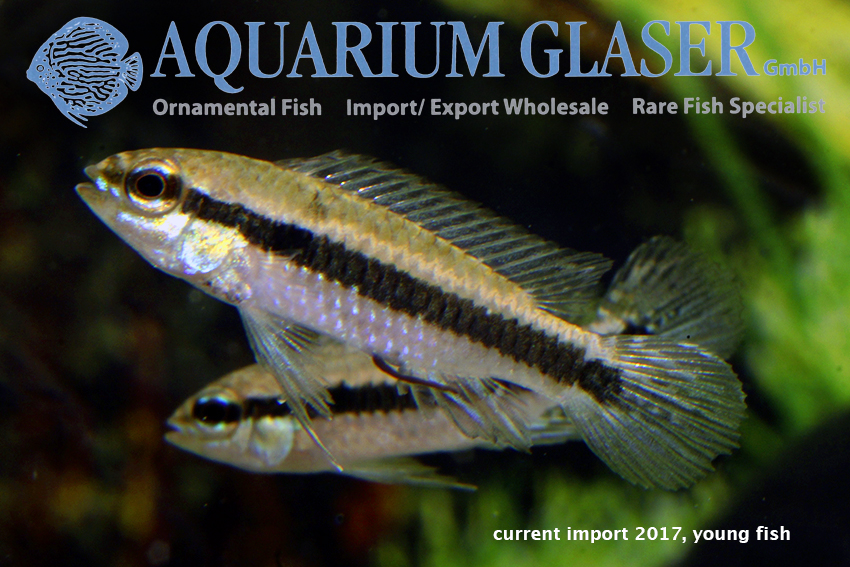
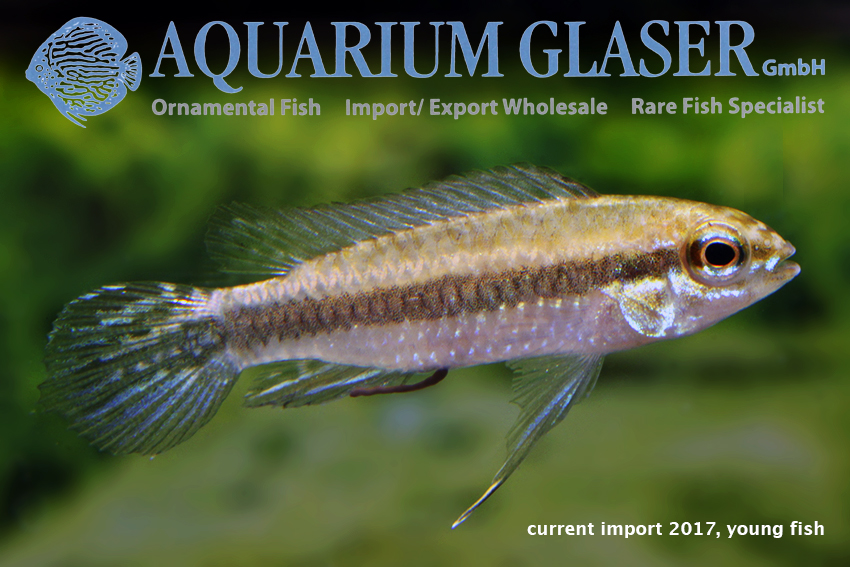
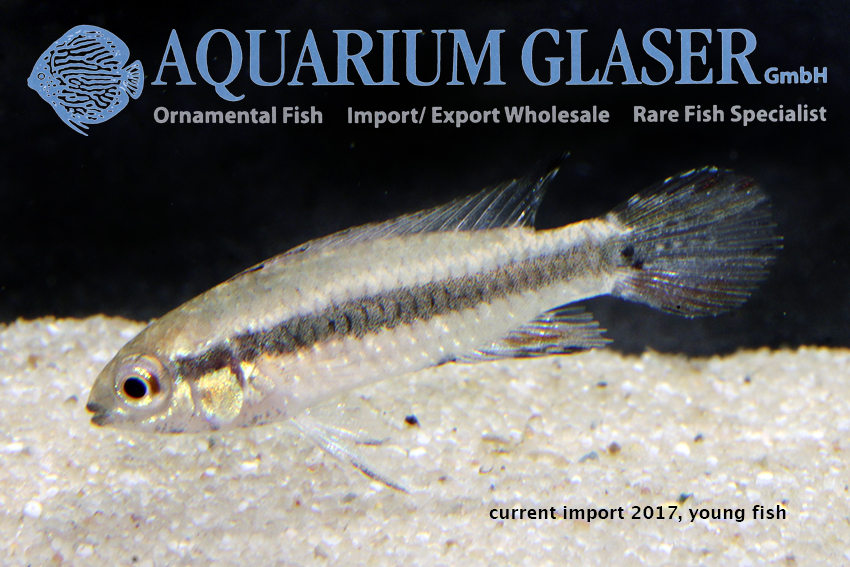
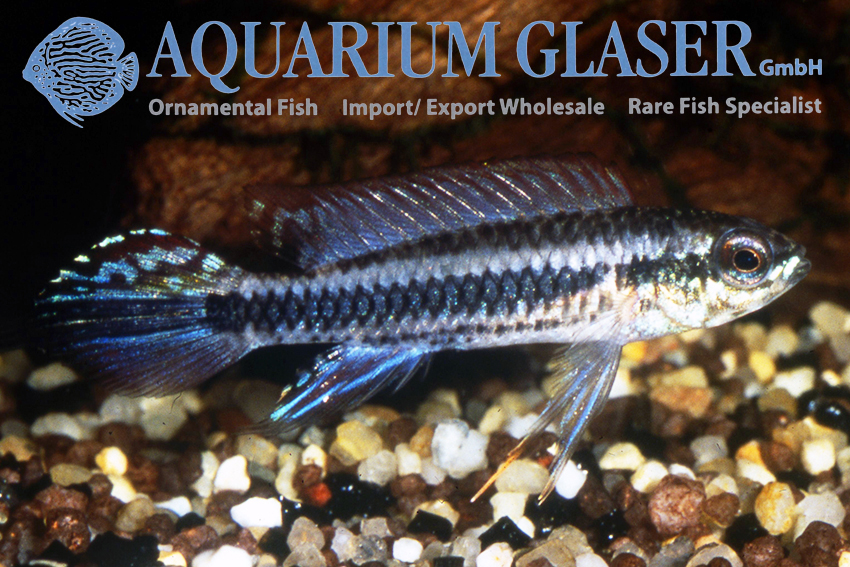
Apistogramma mendezi Santa Isabel

22. June 2018

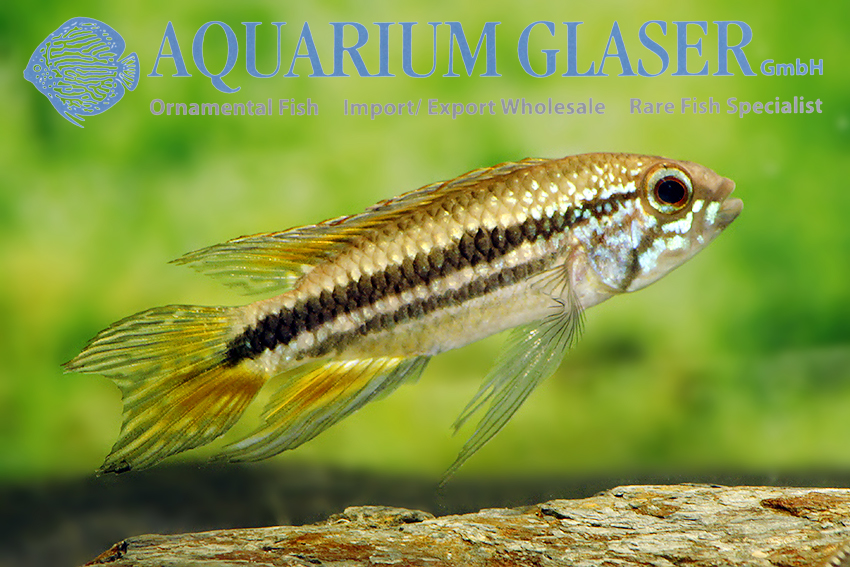
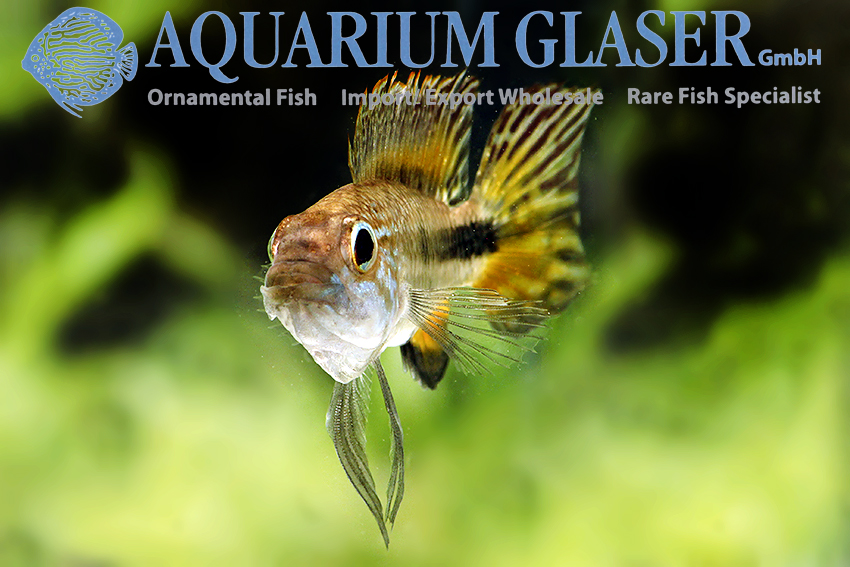
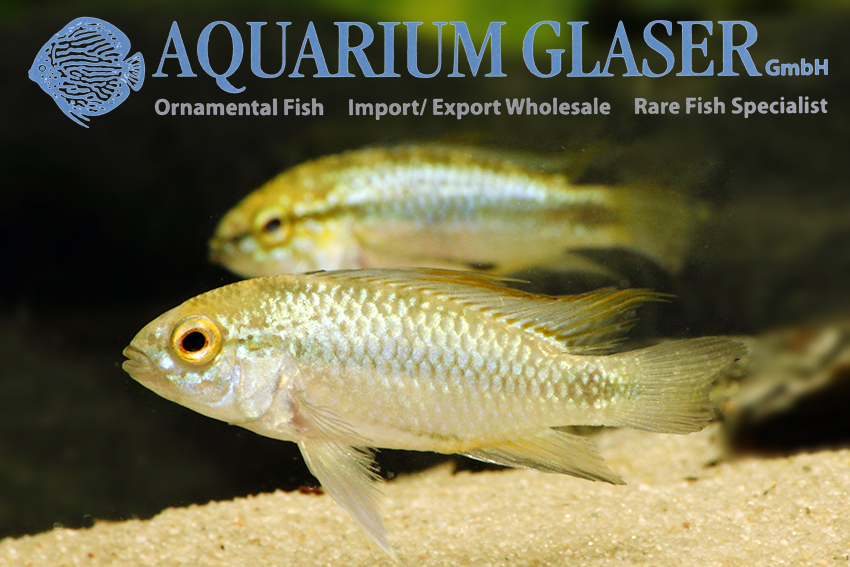
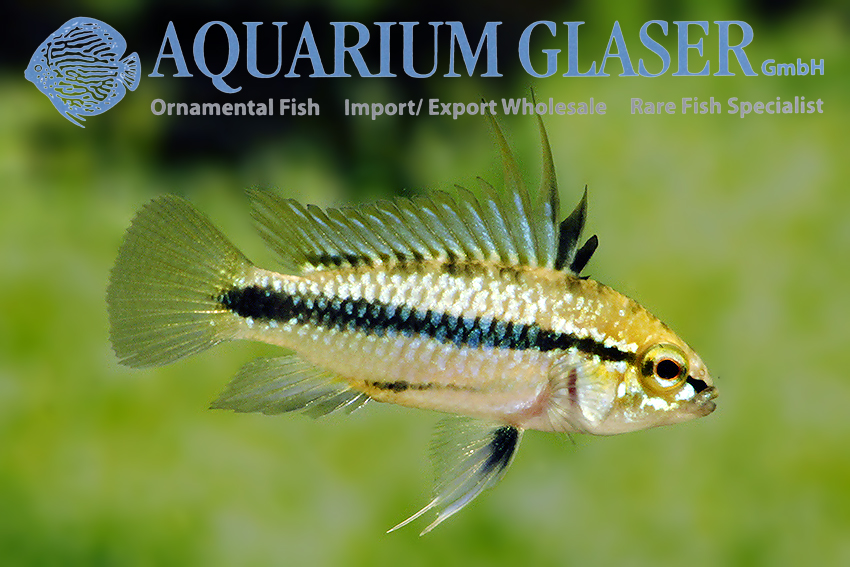
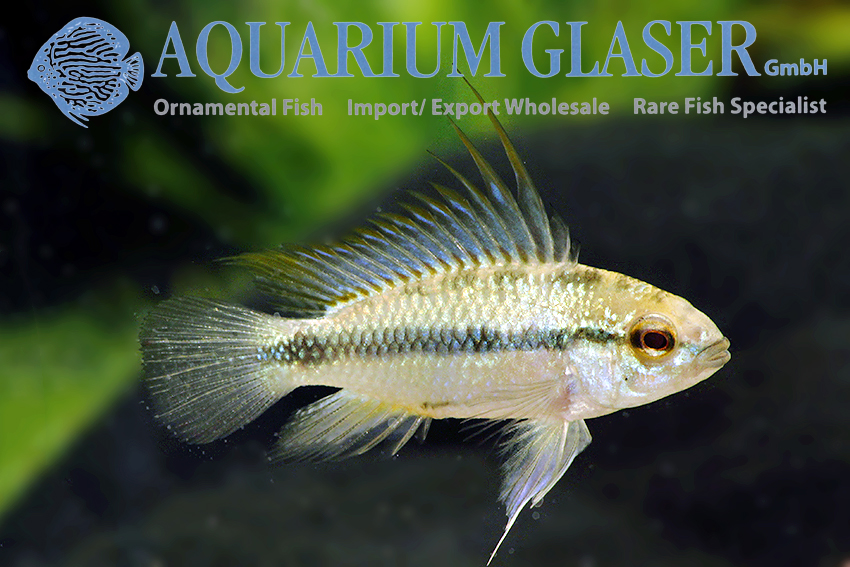
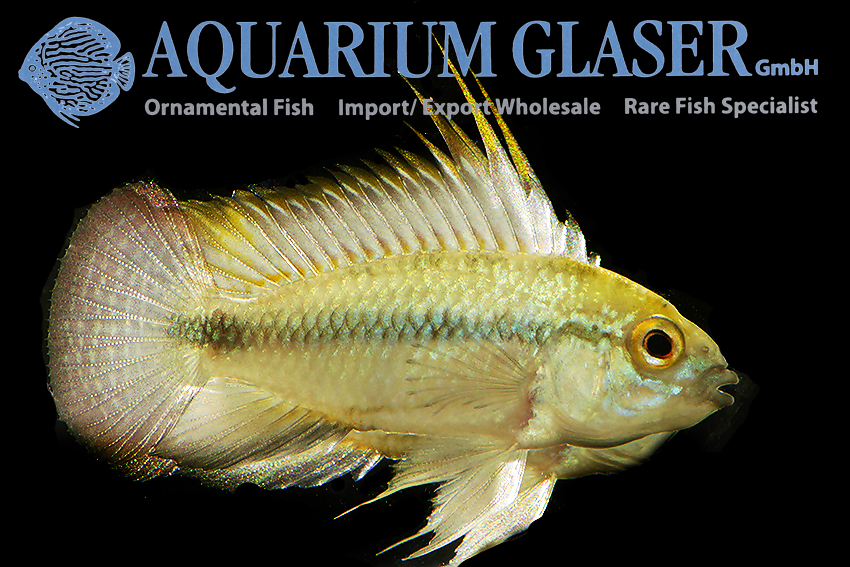
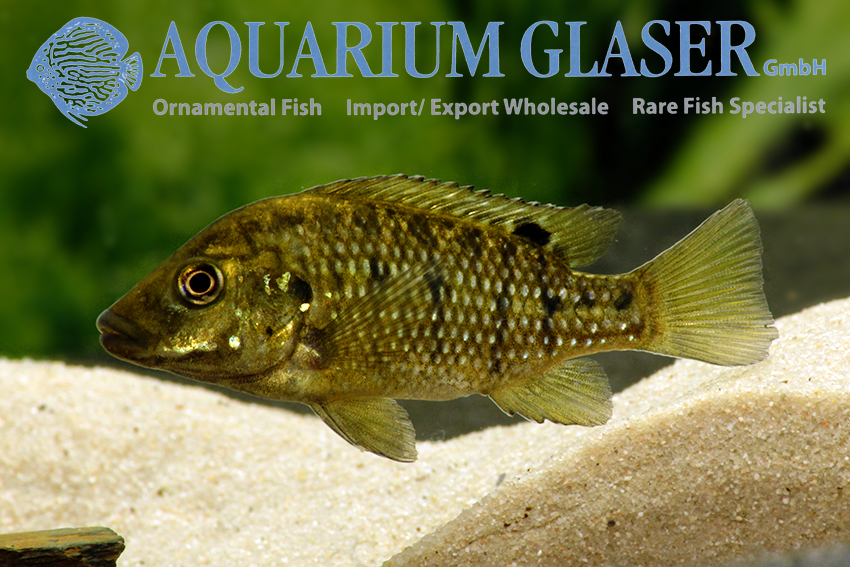
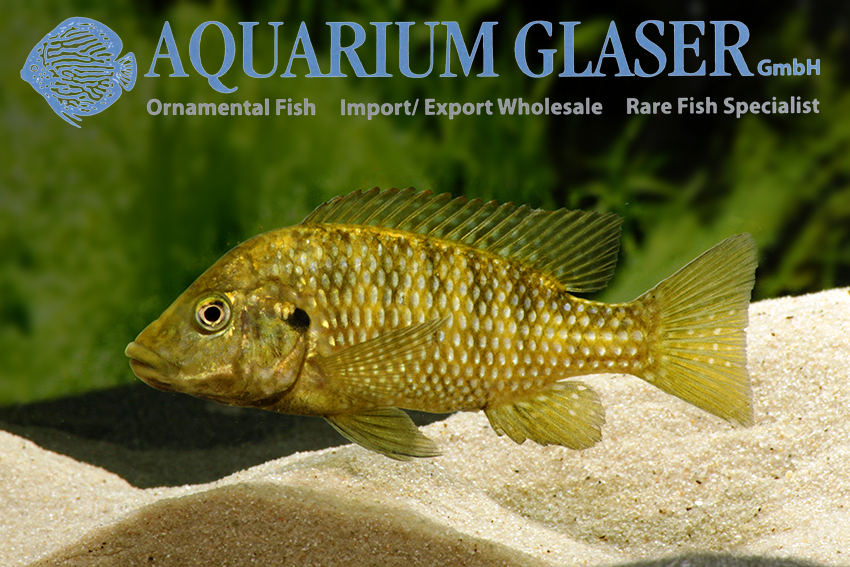
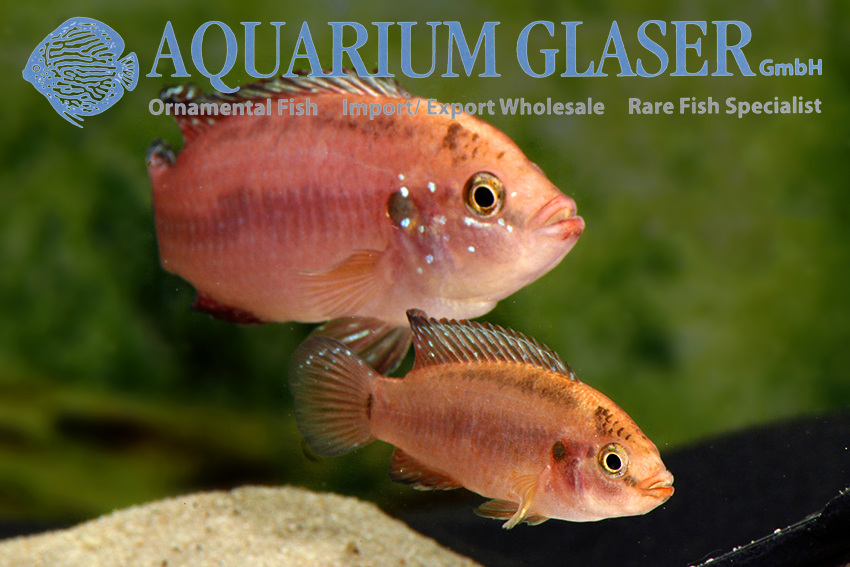
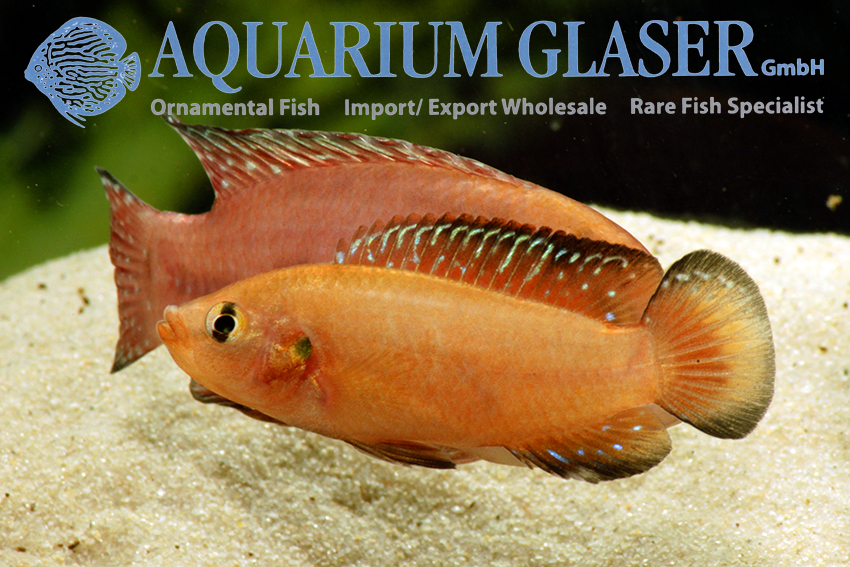
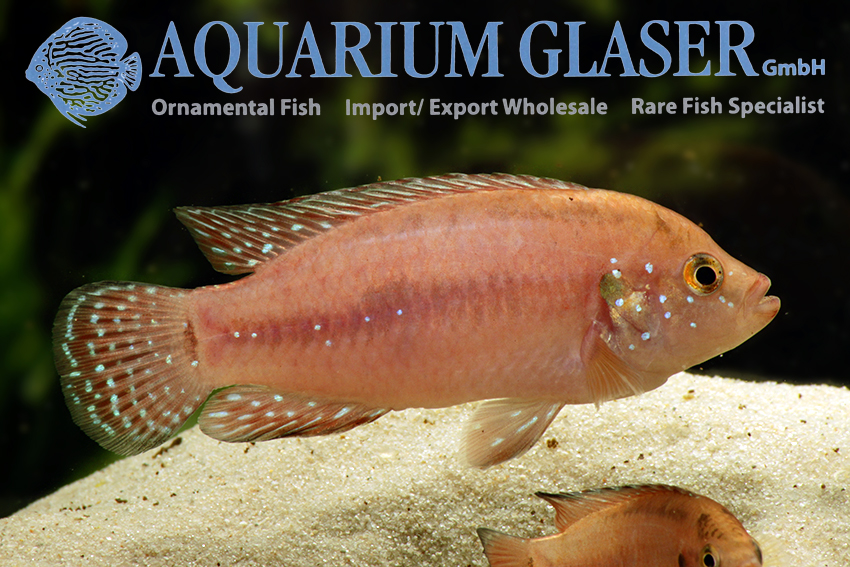
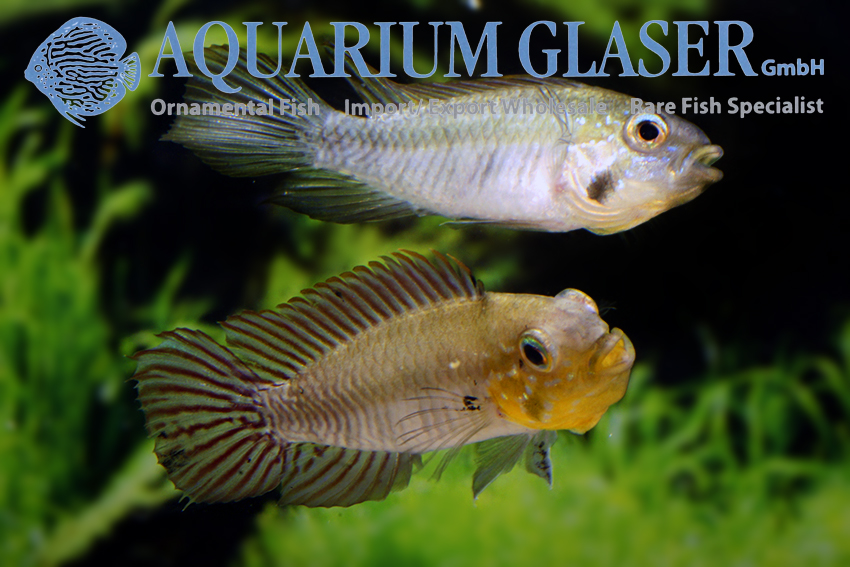
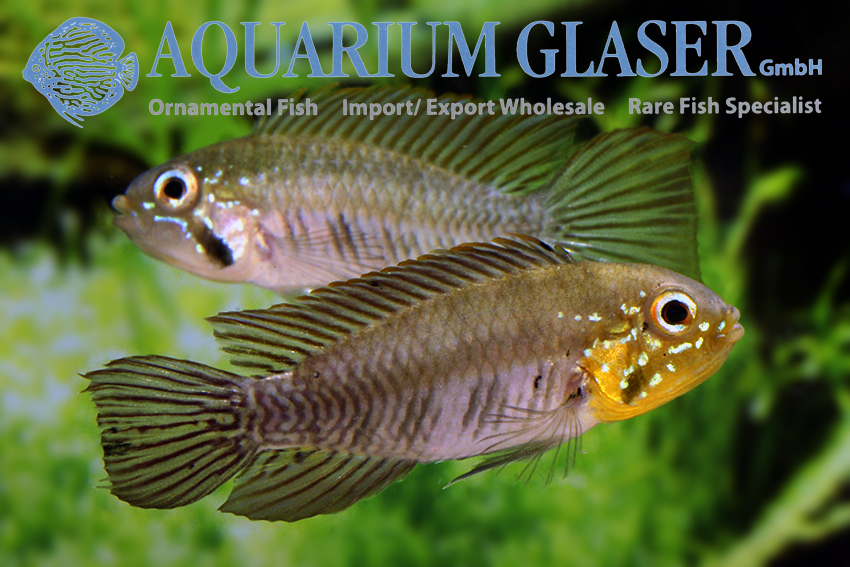
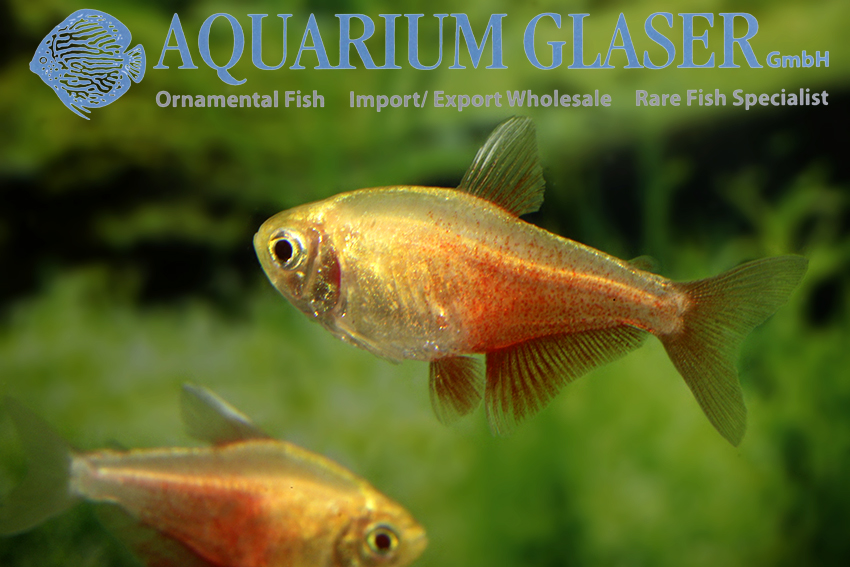
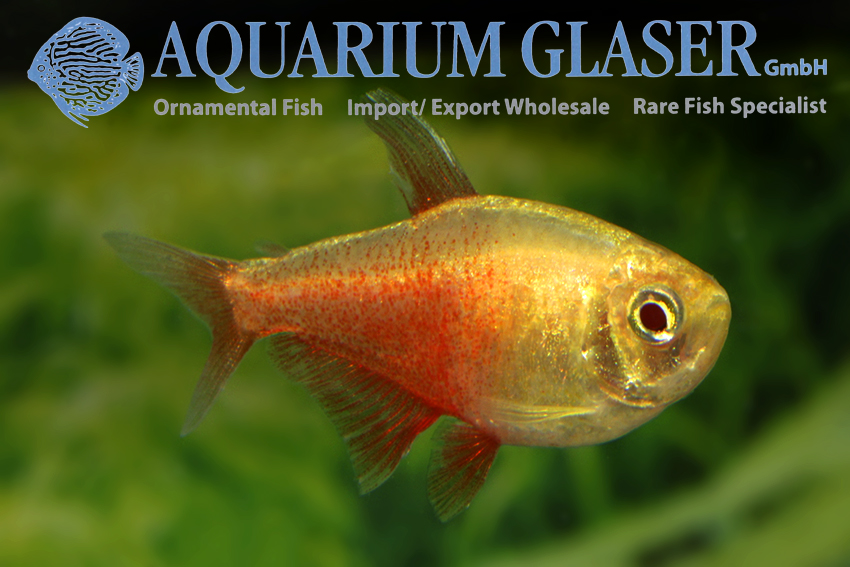
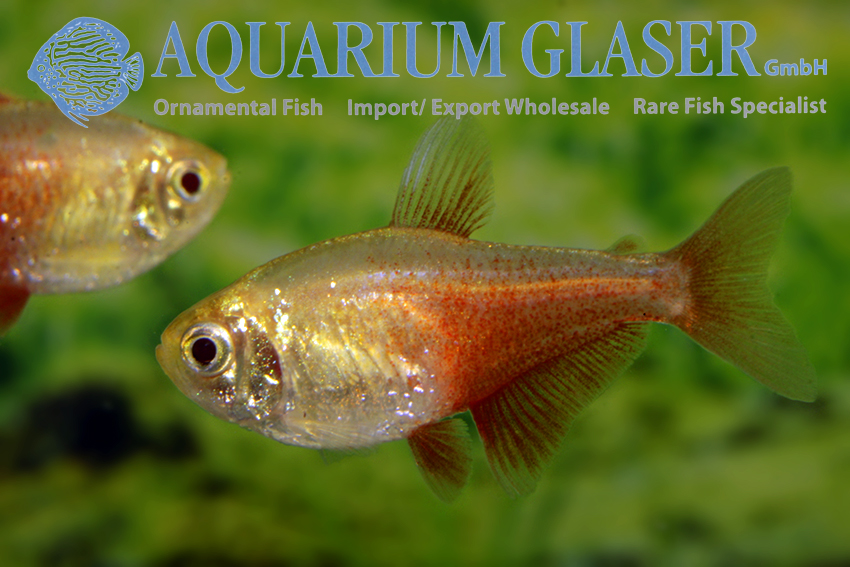
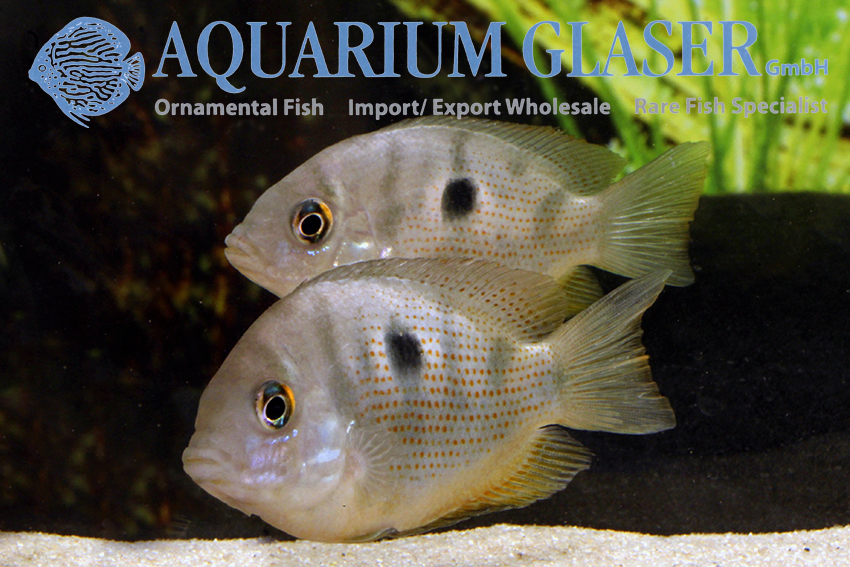
Apistogramma mendezi belongs without any doubt to the most attractive members of the genus, but the animals we currently obtained from around Santa Isabel are even more attractive than usual. Of course the males of that population are as polychromatic as all Apistogramma males are, which means that hardly two males are looking identical, but most animals show a high degree of orange colours in fins and body and also most males have bloodred gill membranes.

For our customers: the fish have code 624784 on our stocklist. Please note that we exclusively supply the wholesale trade.

Text & photos: Frank Schäfer

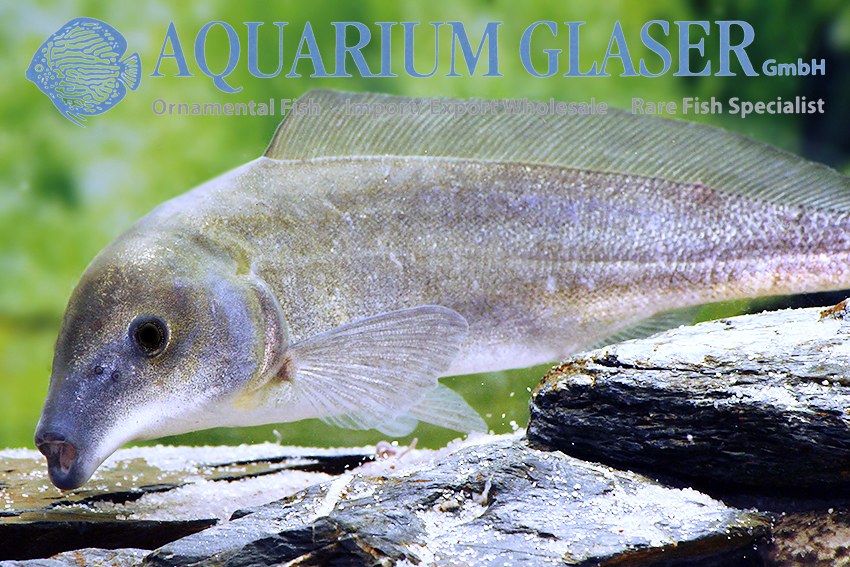
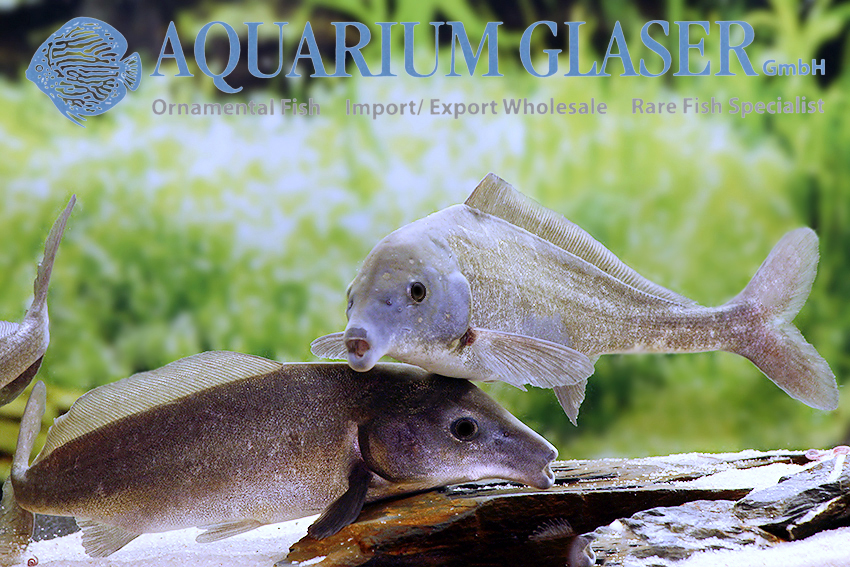
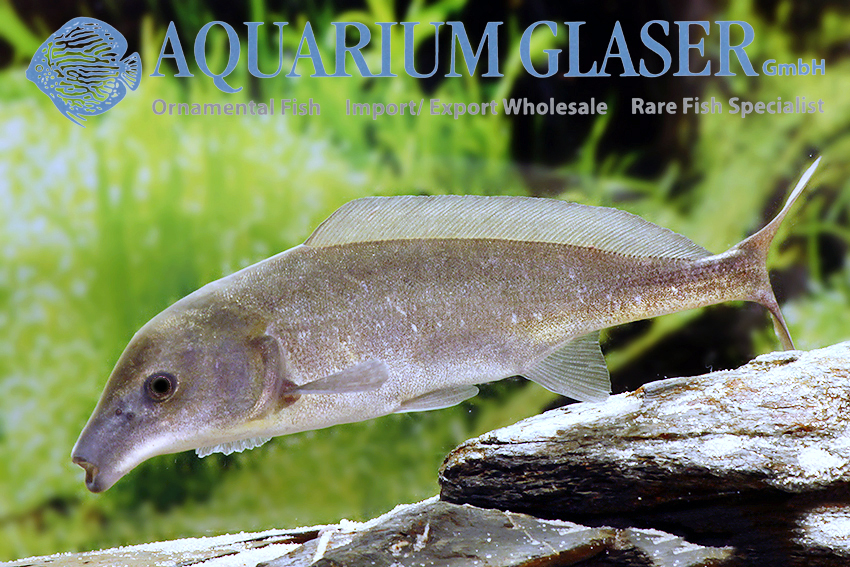
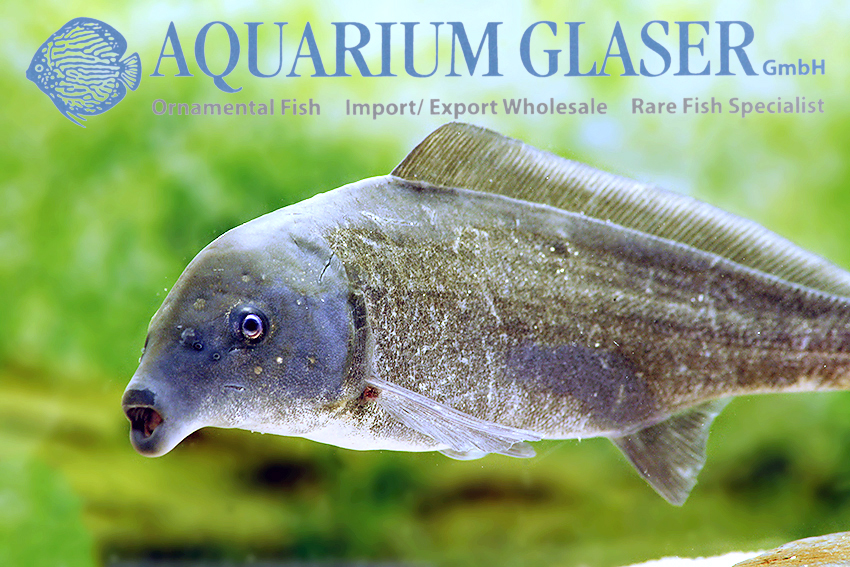
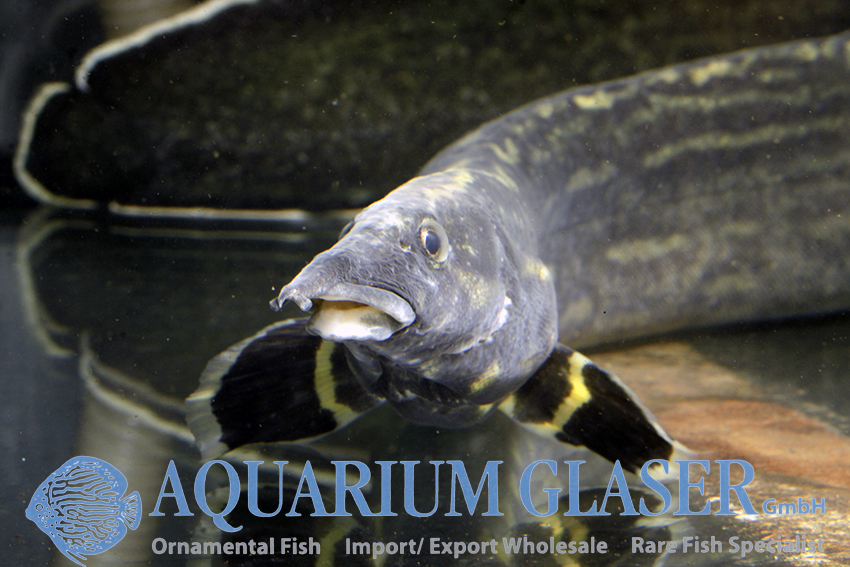
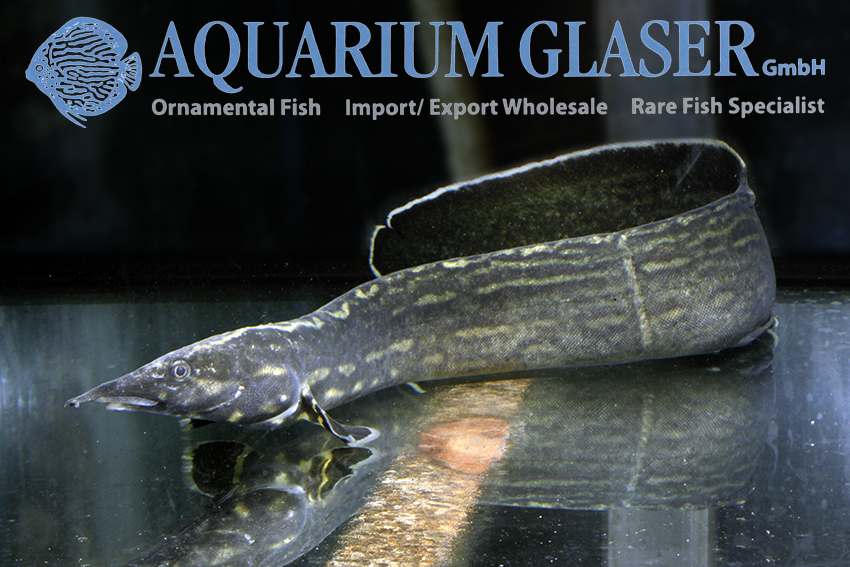
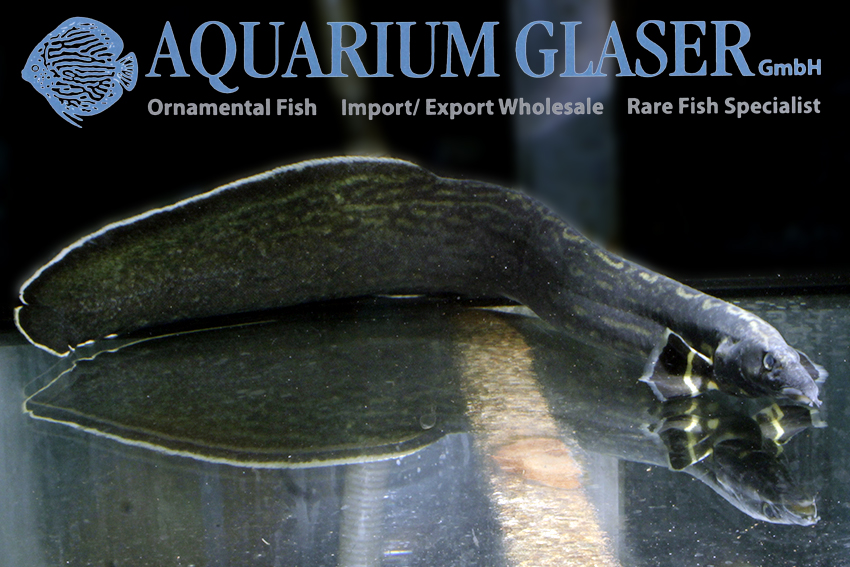
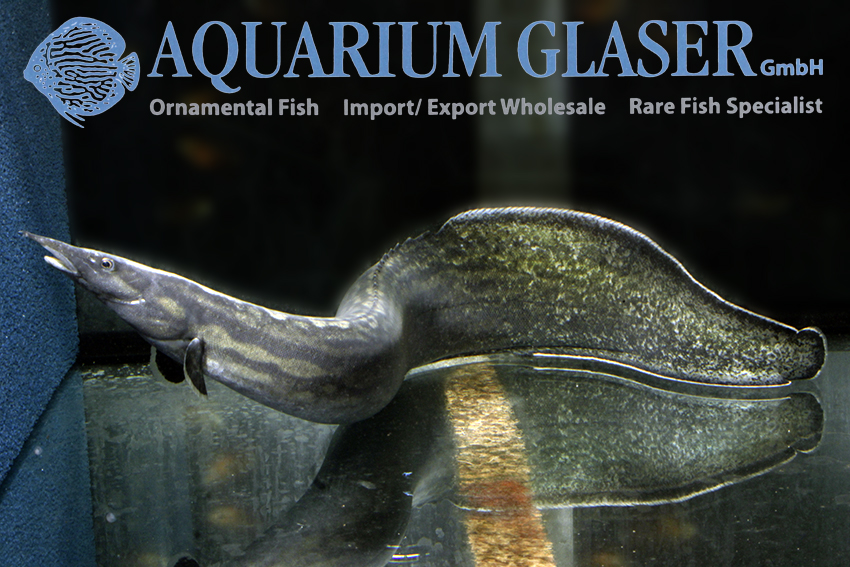
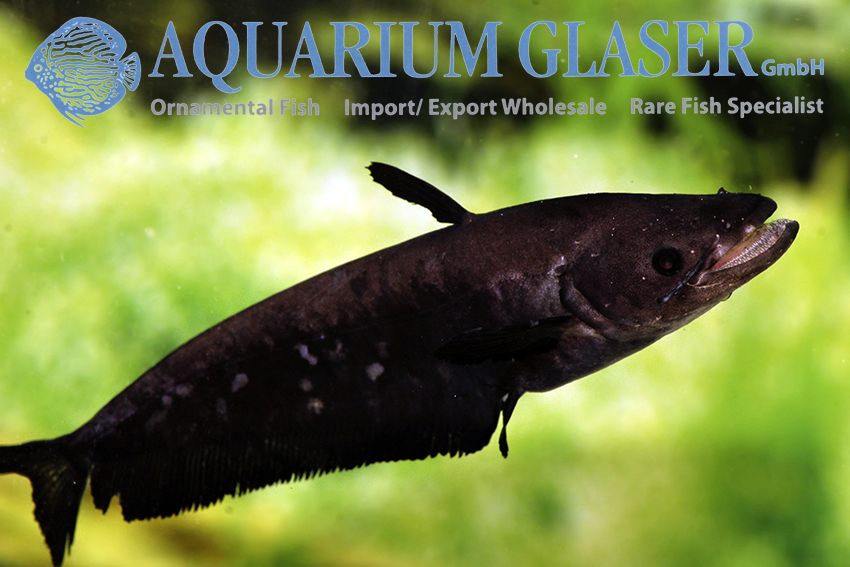
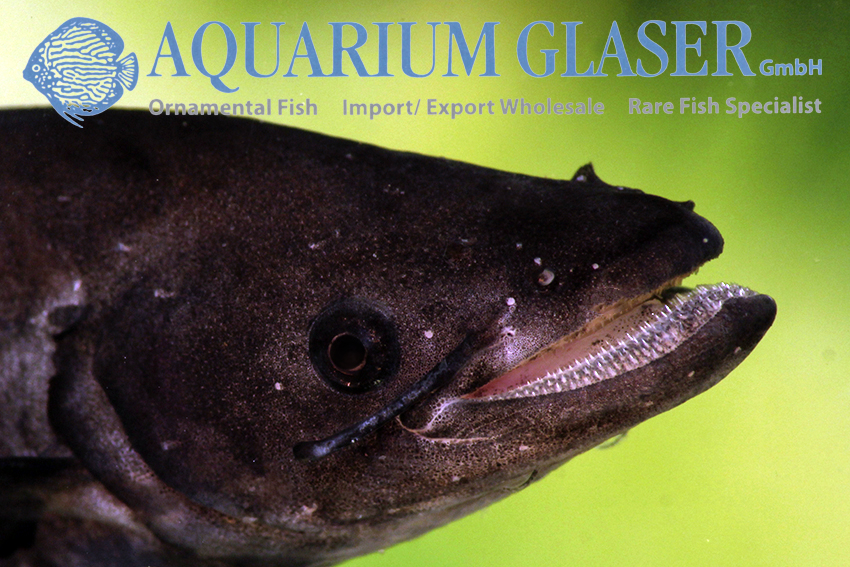
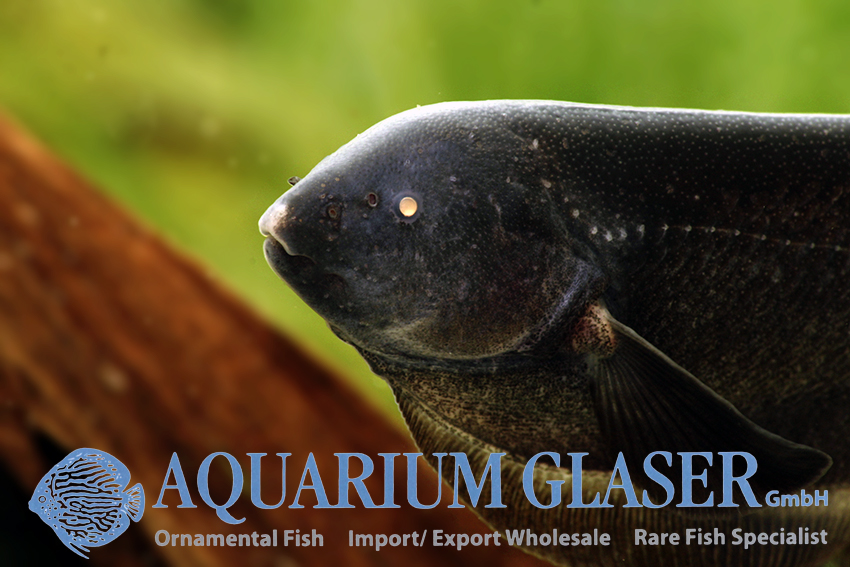
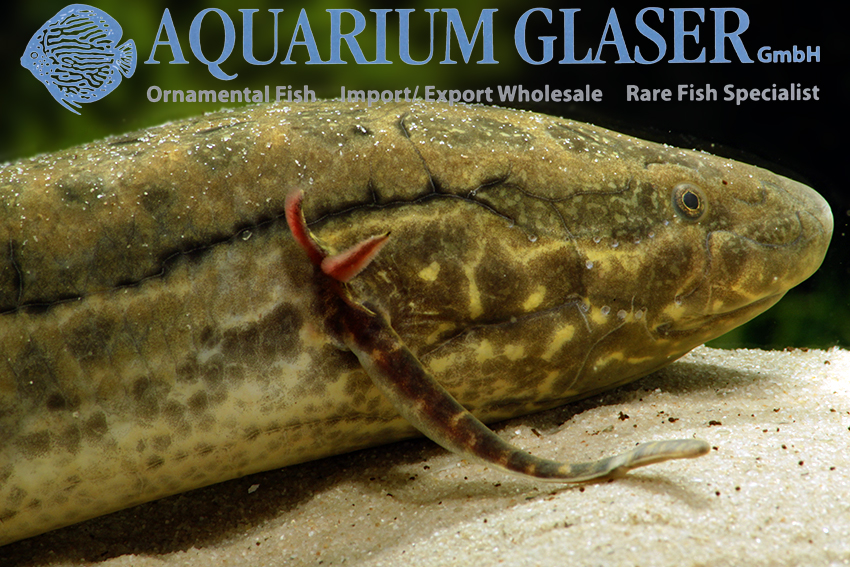
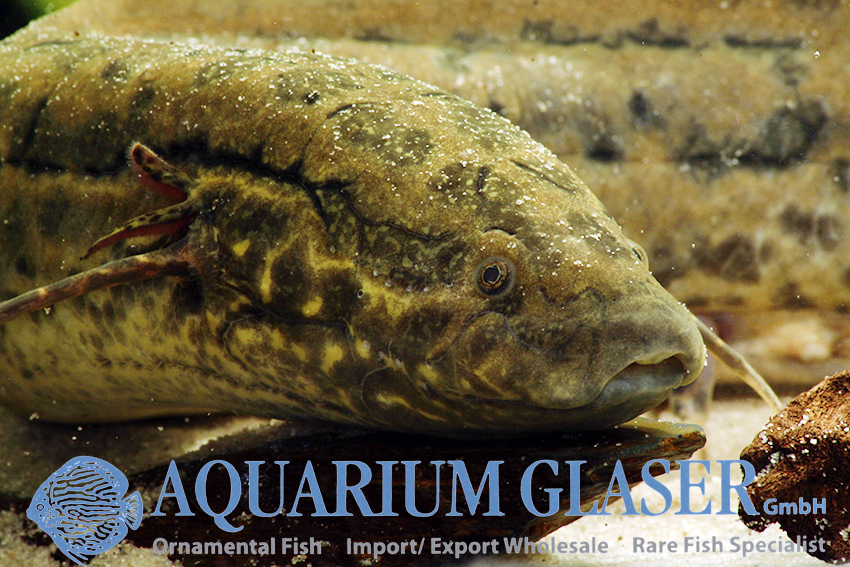
Gymnotus chaviro

22. June 2018

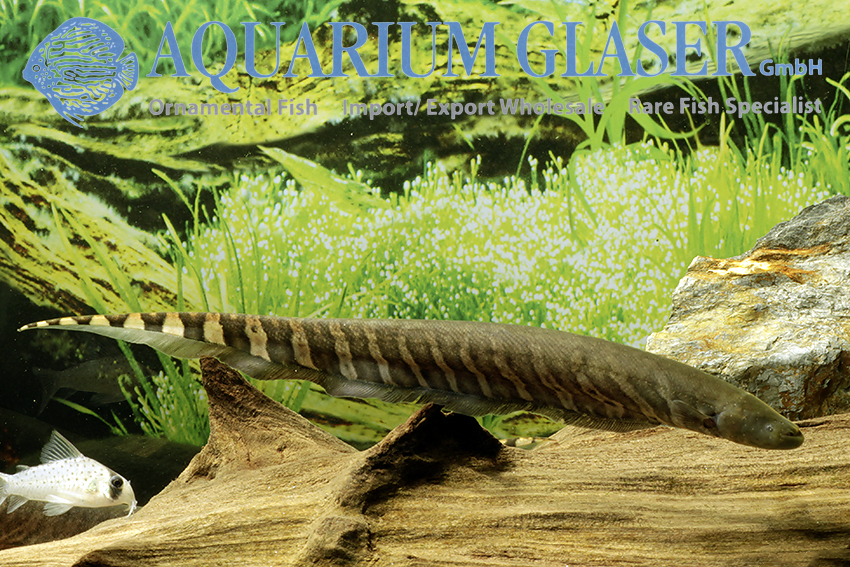
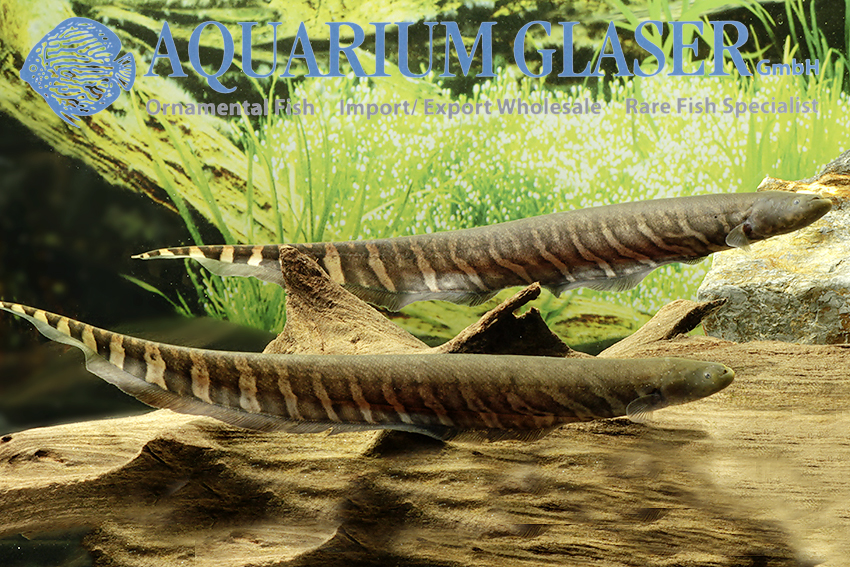
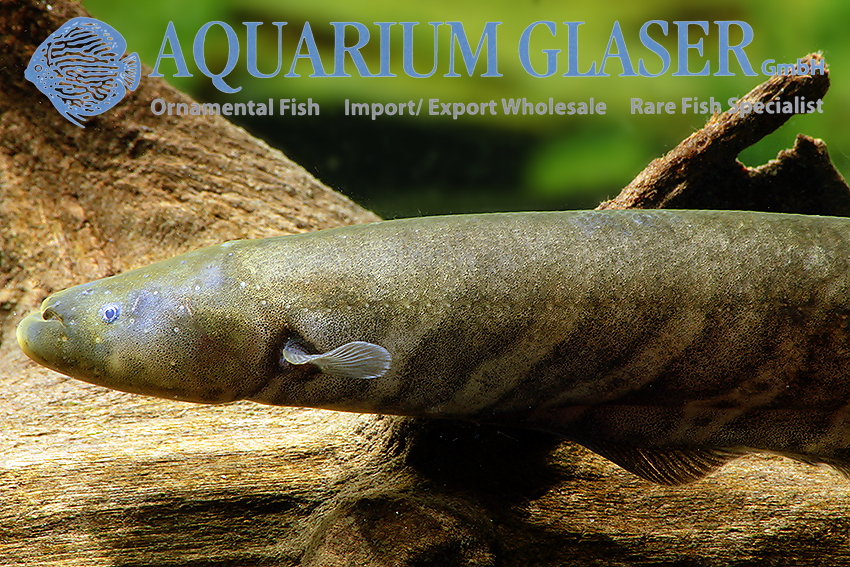
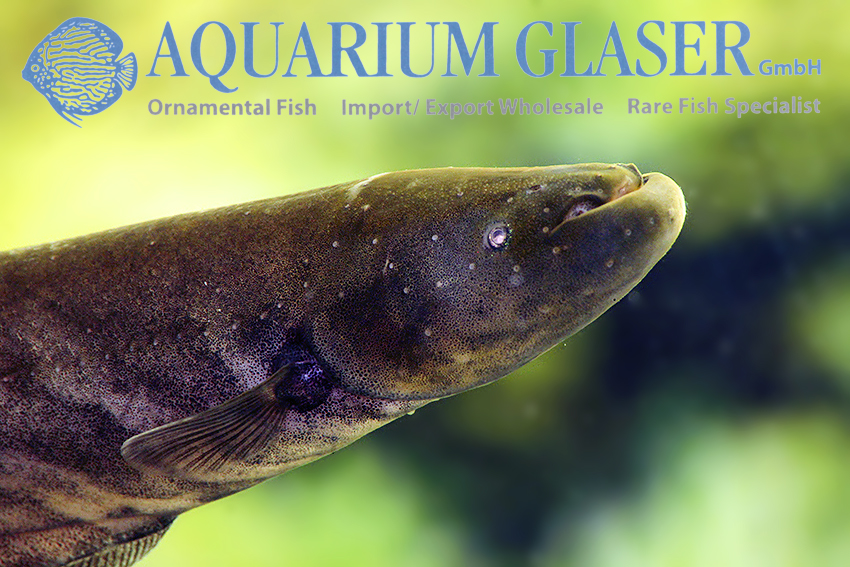
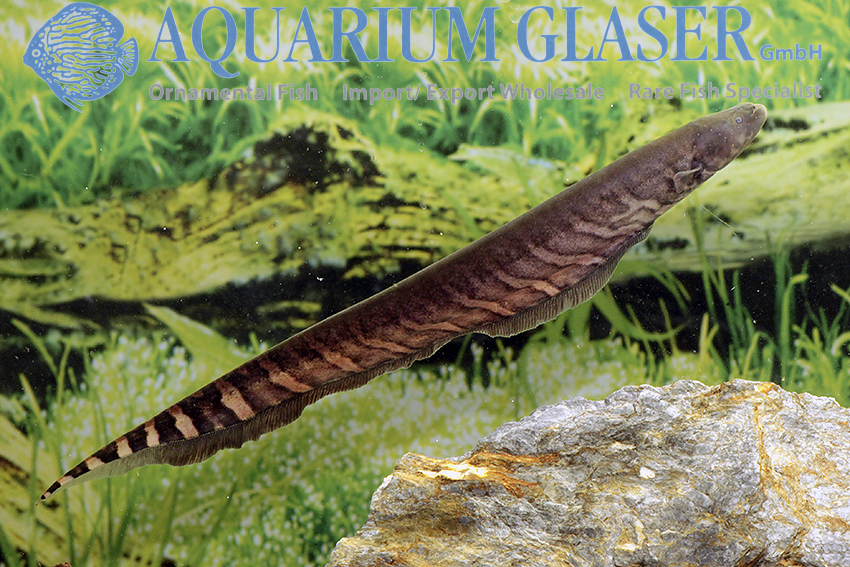
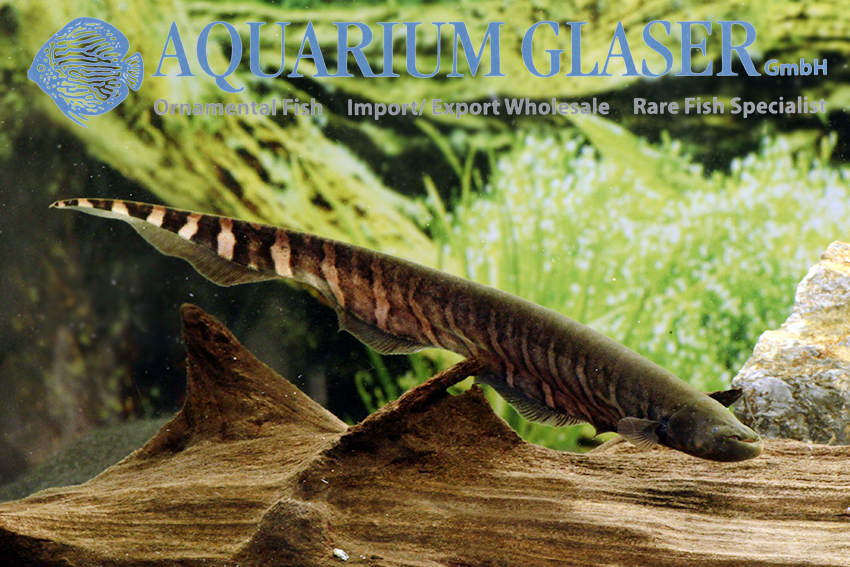
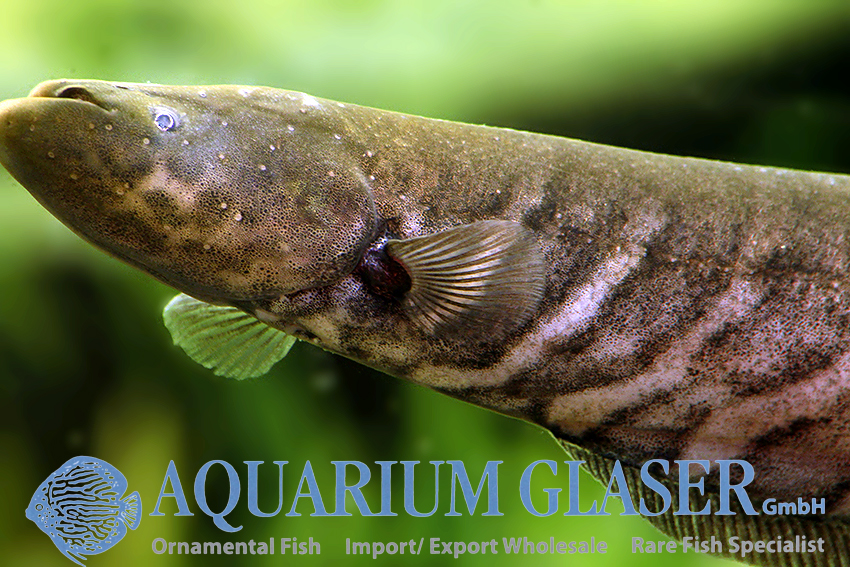
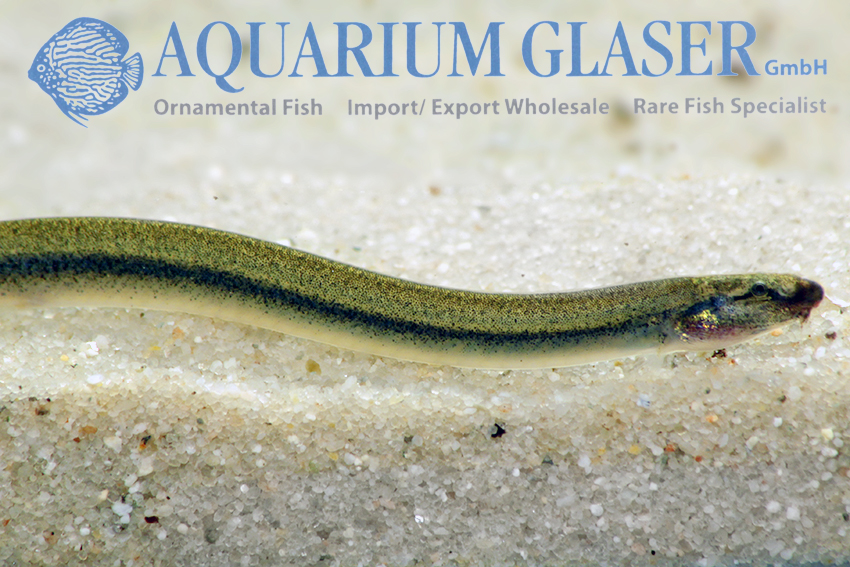
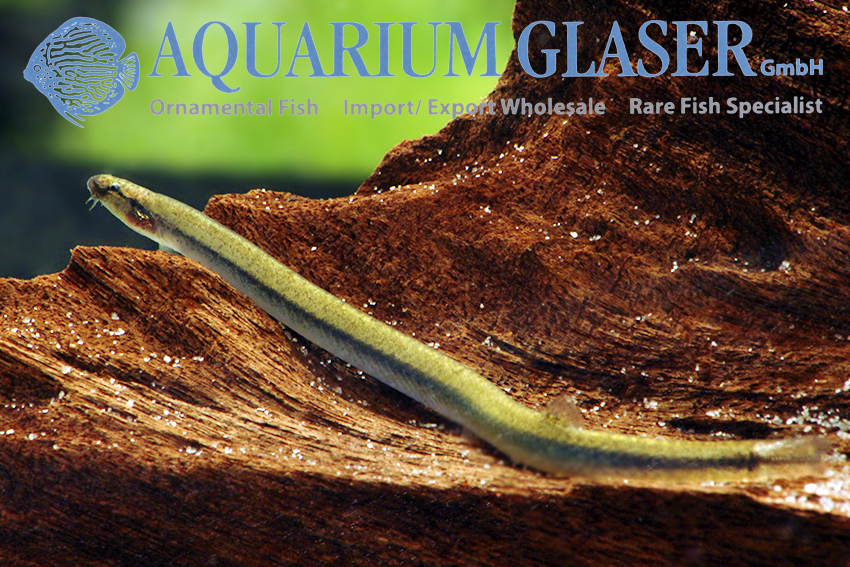
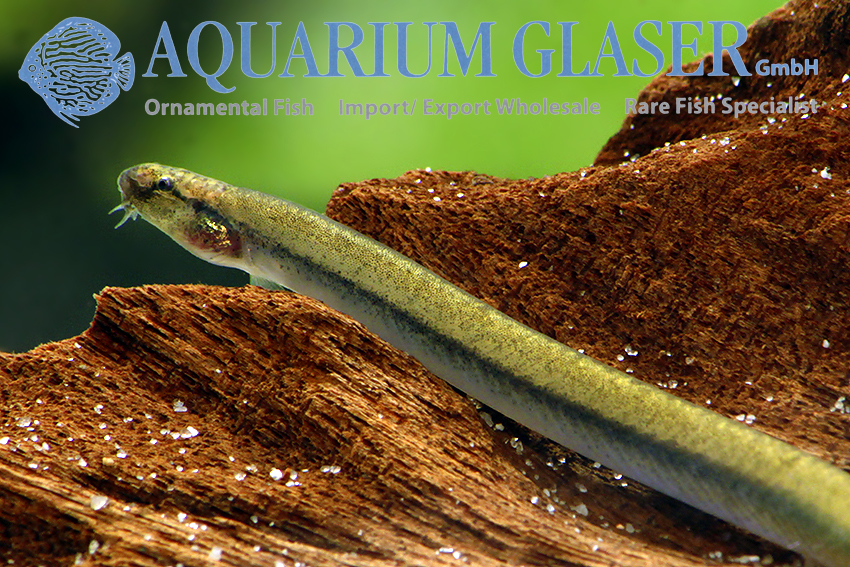
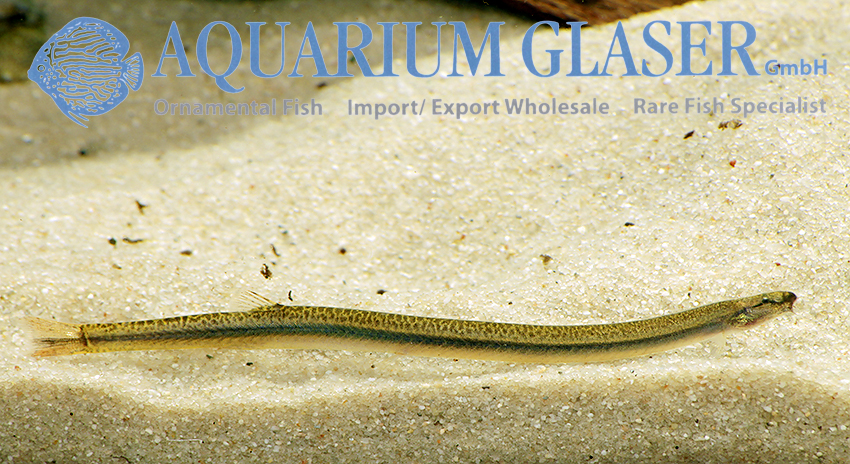
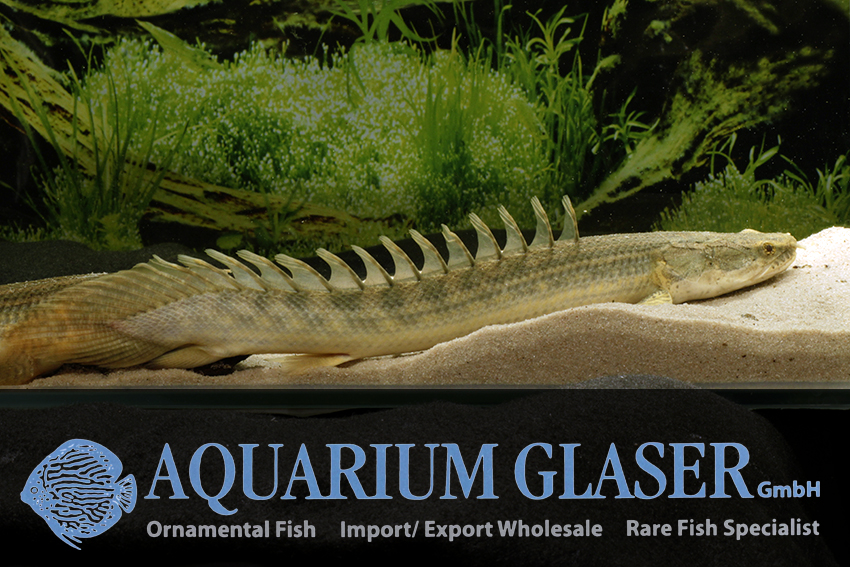
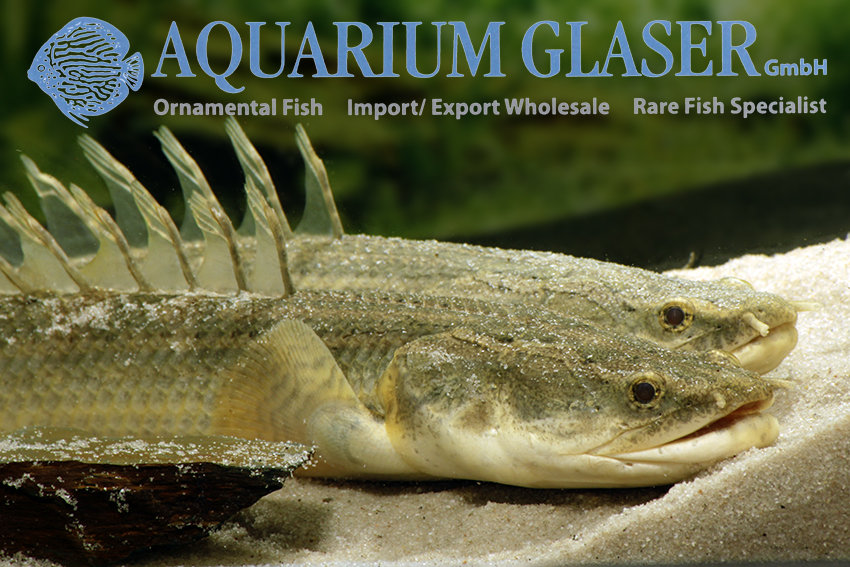
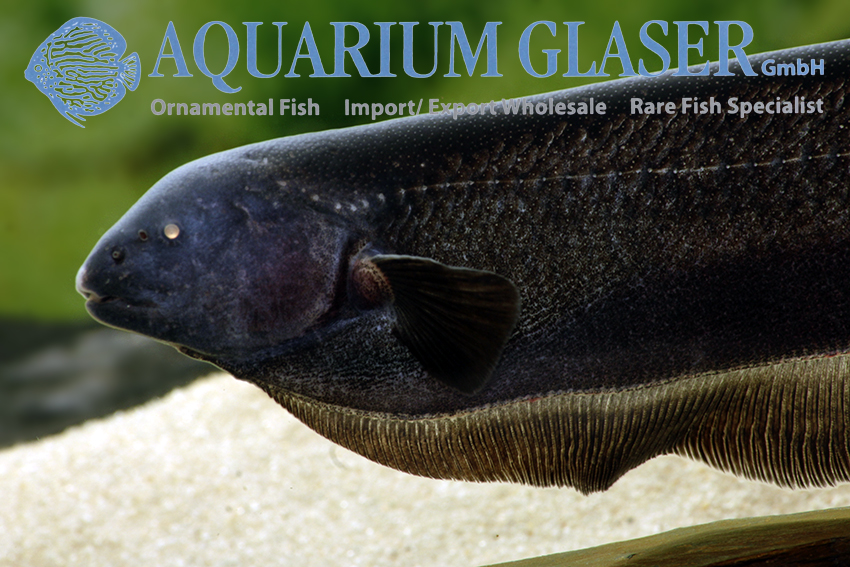
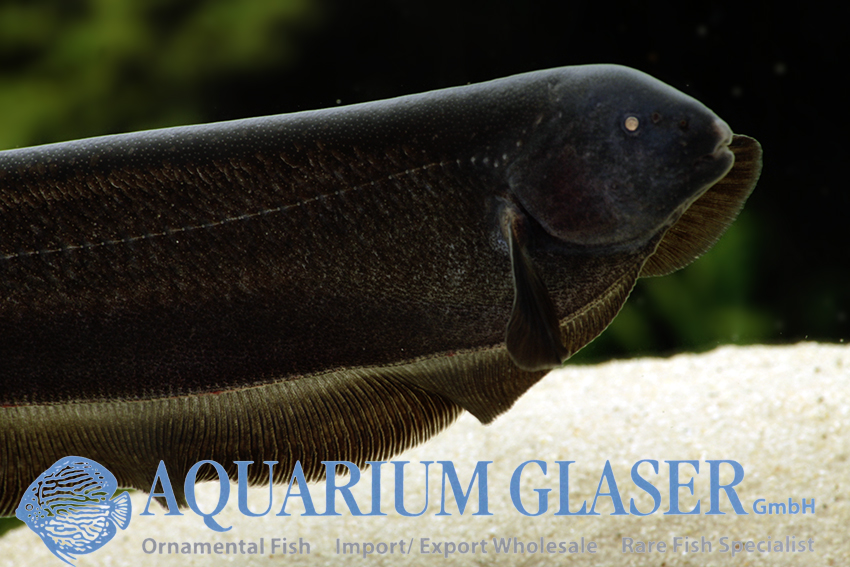
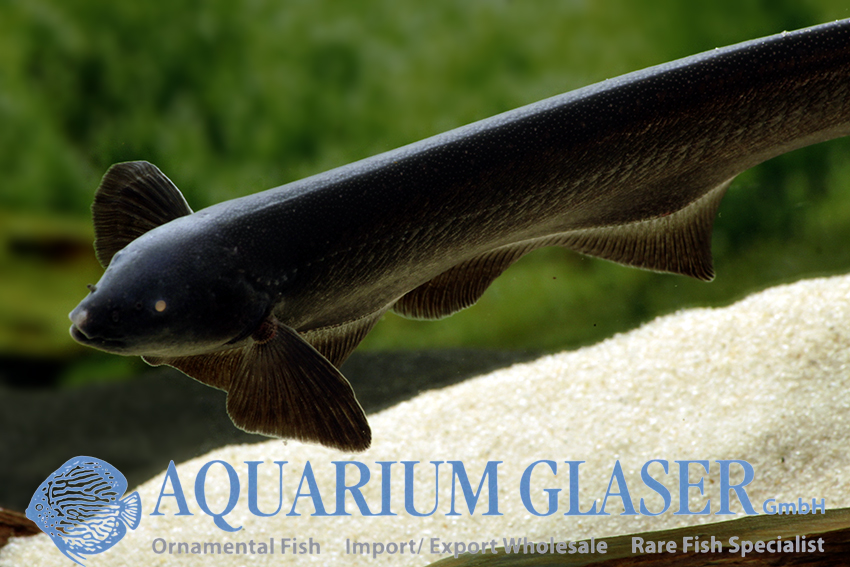
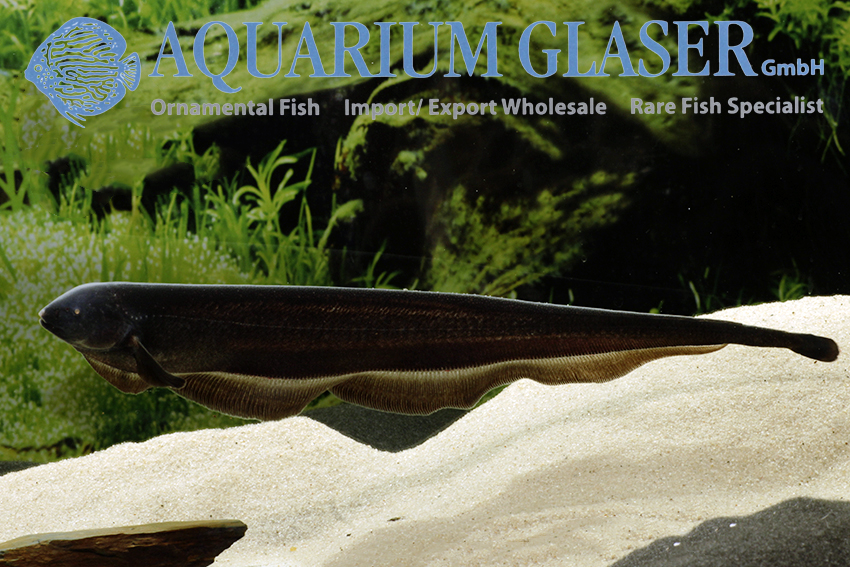
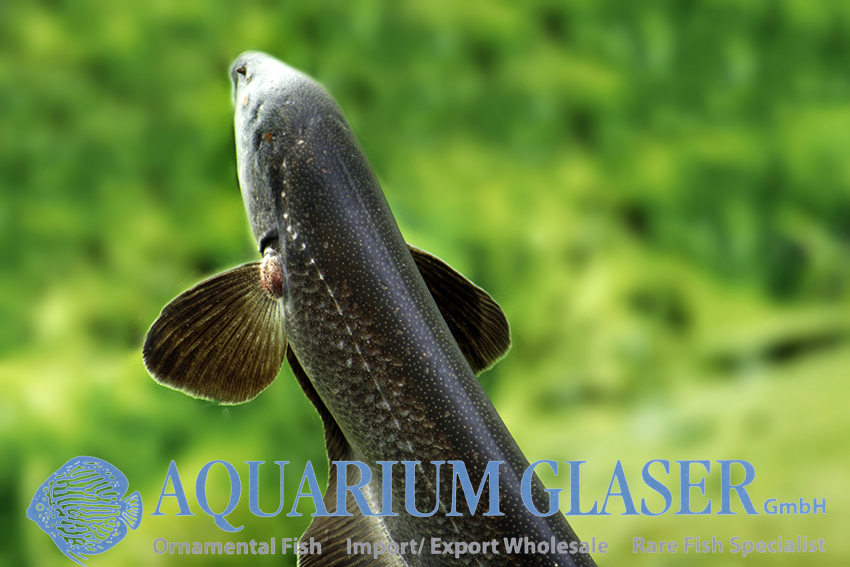
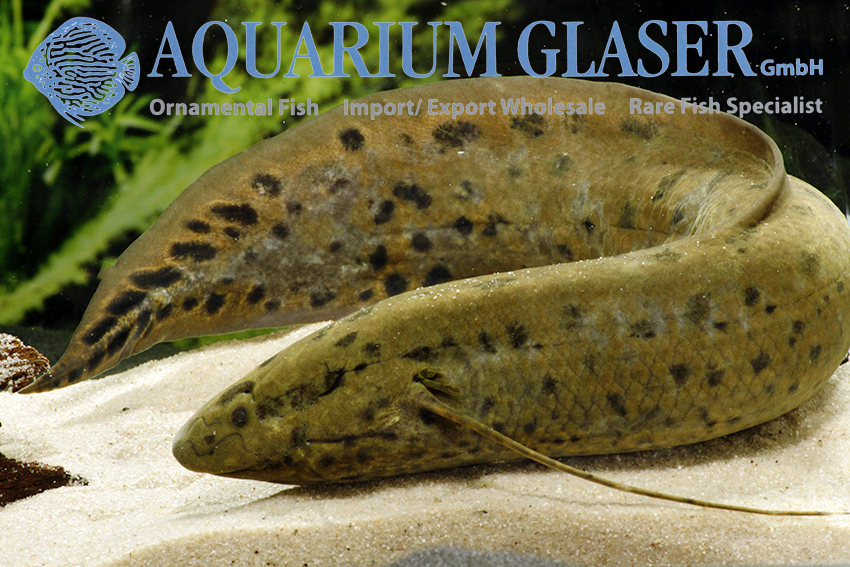
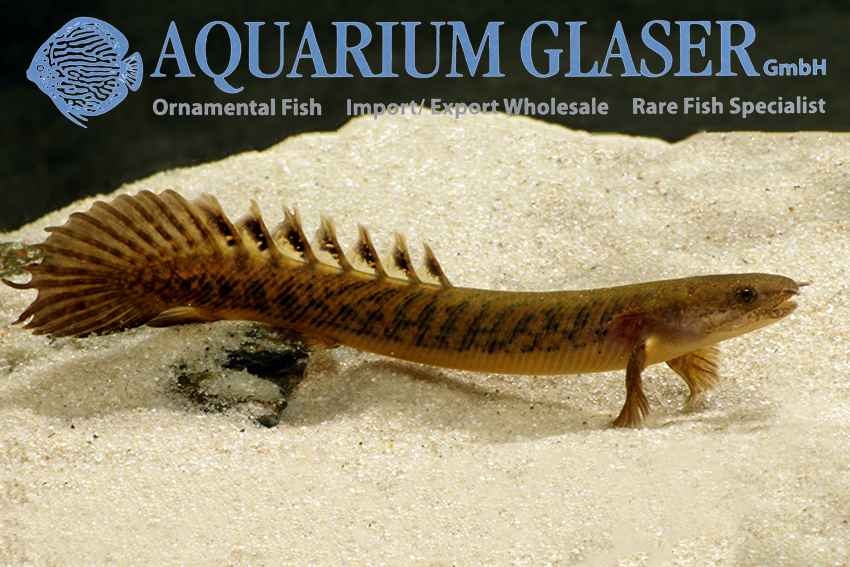
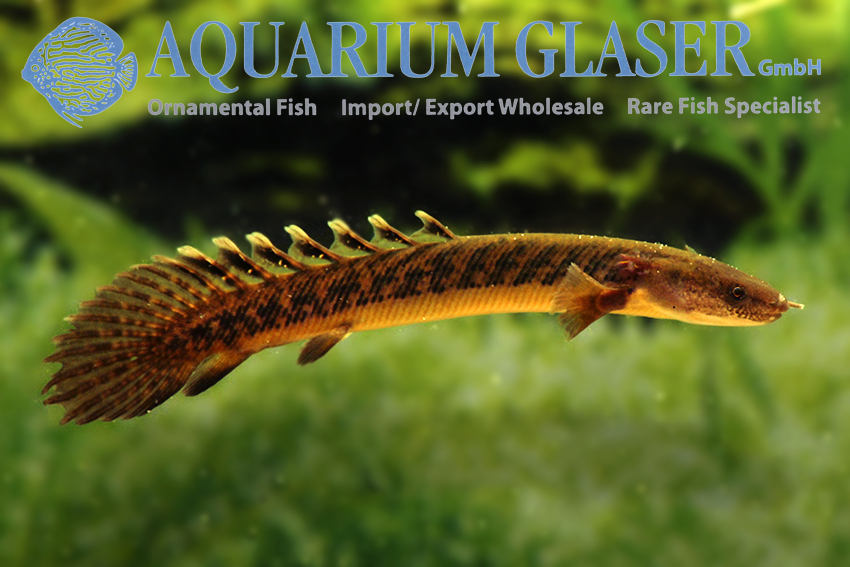
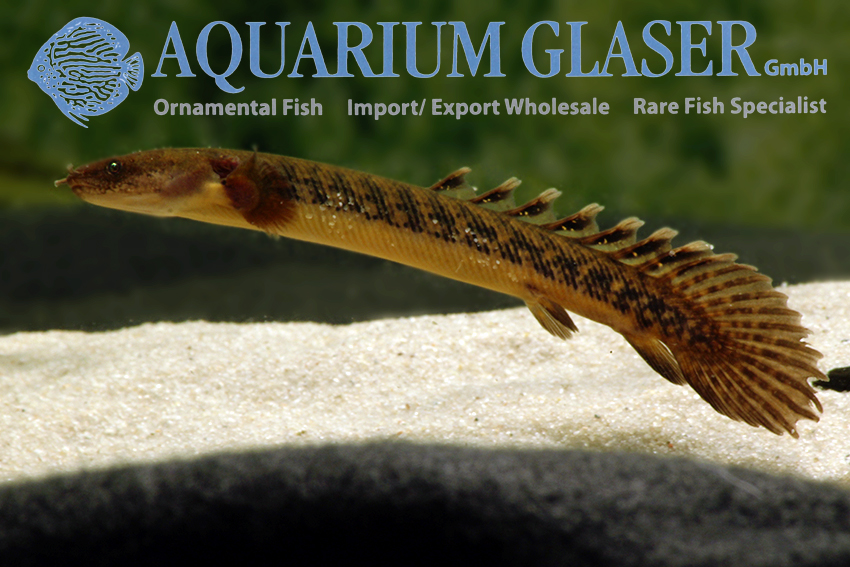
More and more species of Gymnotus become known to science. Gymnotus chaviro originates from Peru. Here it inhabits the basin of the upper Rio Jurua. The species is found together with its close relative G. carapo. The pattern of G. chaviro is species-specific. However, there is one usefull feature mentioned in the original description: the anal fin in G. chaviro is grey and black in G. carapo. This enables hobbyists to distinguish the two species, as it is very likely that they are at least occasionally collected and imported together.

The largest specimen of G. chaviro known so far was 27.5 cm long. In the original description (Maxime & Albert, 2009) a very interesting note can be found: sometimes G. chaviro can be seen in groups in the natural habitat! This could mean that this knife fish is rather peaceful against conspecifics and that there is a chance to keep several specimens together. All other species of Gymnotus imported so far proofed to be quite aggressive and could be kept singulary only. However, there are still no published observations on the aquarium biology of G. chaviro.

For our customers: the fish have code 255184 on our stocklist. Please note that we exclusively supply the wholesale trade.

Text & photos: Frank Schäfer

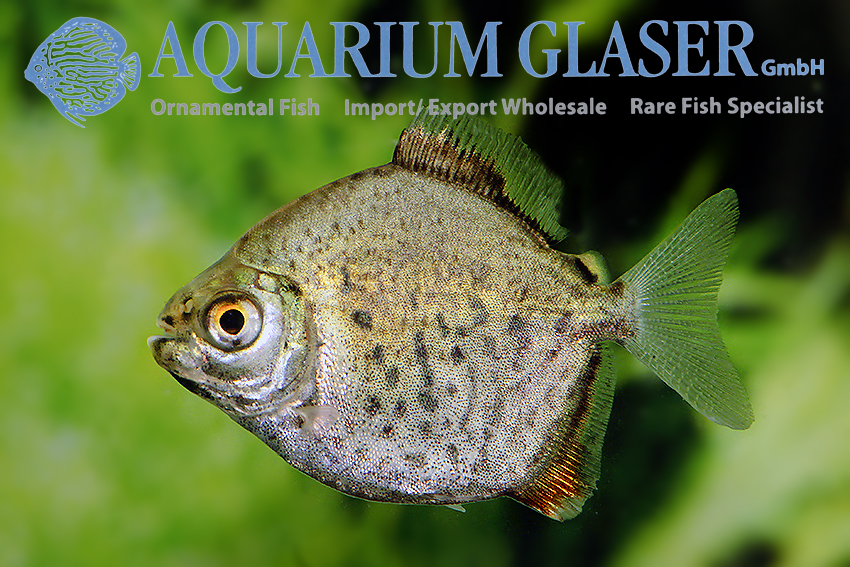
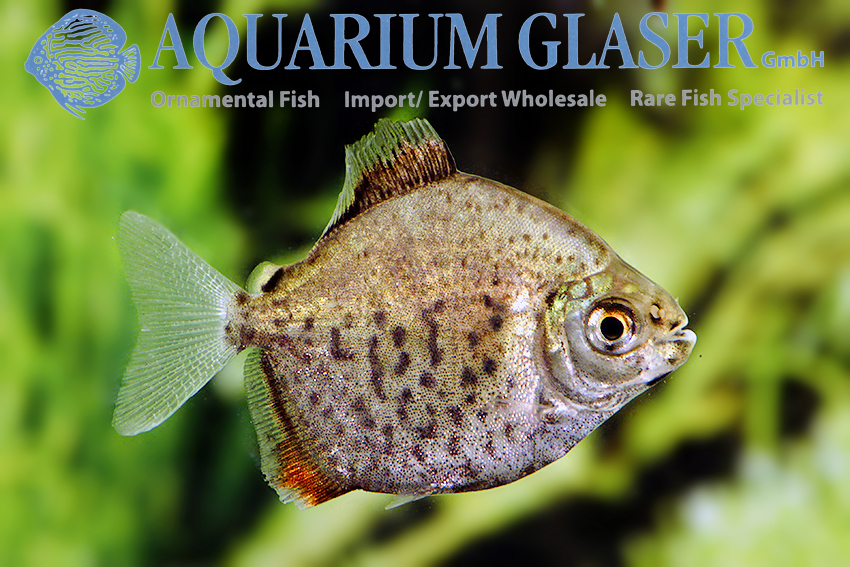
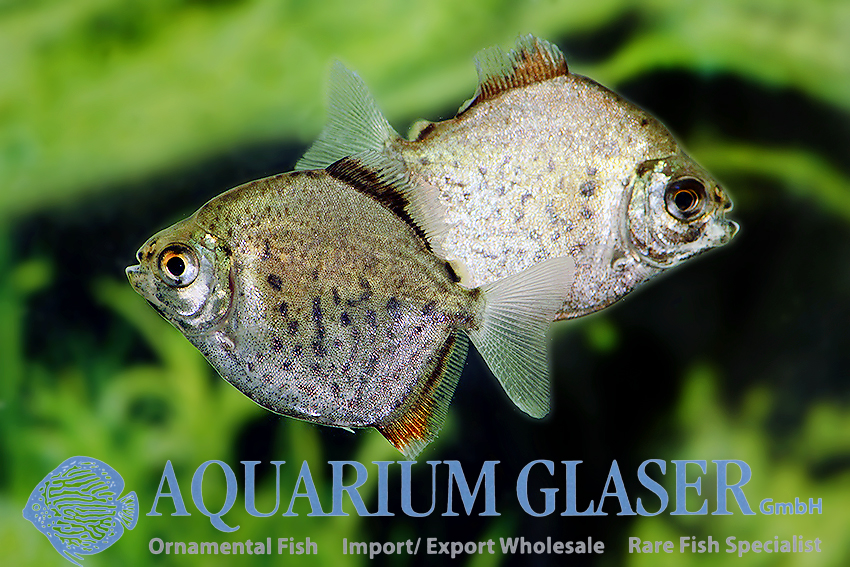
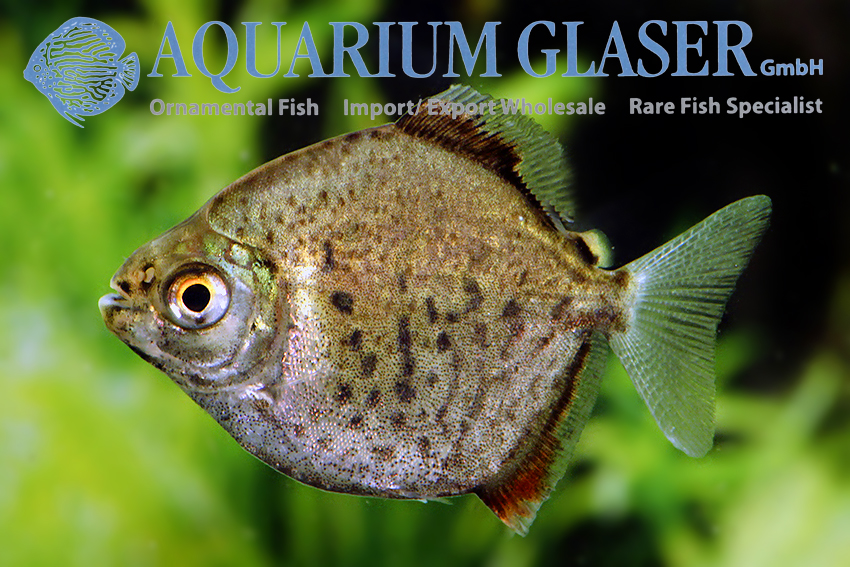
Myleus cf. torquatus

20. June 2018

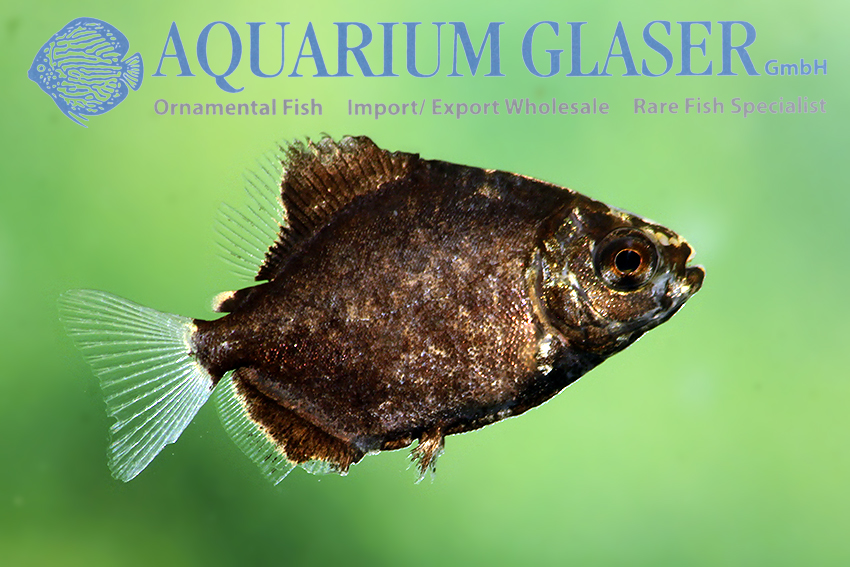
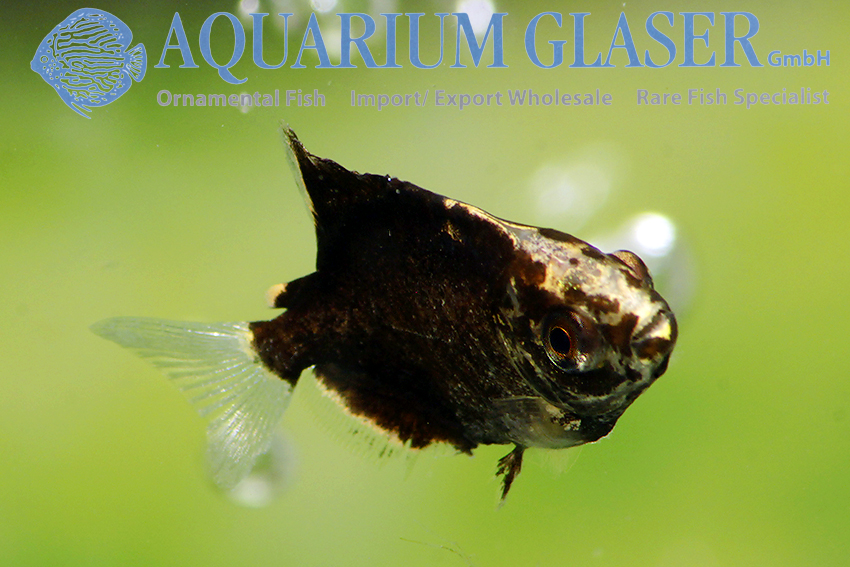
Shipments containing juveniles of silver dollars or pacus are always surprise packages. The juvenile coloration of many species is simply unknown and juveniles look totally different than the adults. So we can only guess that in our current case the fish from Venezuela may belong to the species Myleus torquatus.

The smallest babies, about 1.5-2 cm long, are very dark colored and have a light blaze on the forehead. They float through the water without much move and imitate a dead leaf. This can make the keeper pretty nervous, but is the normal behaviour. When the fish are a bit larger, 3-4 cm, they become lighter in basic colour and the blaze vanishes. A diffuse light band over the nape appears and an individually differing pattern of spots and stripes appears. The behaviour differs now, too: the fish become active swimmers and form schools with conspecifics.

If our new arrivals really belong to M. torquatus the adult fish will become about 20-25 cm long with a silvery basic colour, yellow fins and – this is species-specific for M. torquatus – a broad black band that borders the caudal fin. We will keep some specimens to see what will become of them. We are really curious for that!

For our customers: the fish have code 270630 on our stocklist. Please note that we exclusively supply the wholesale trade.

Text & photos: Frank Schäfer

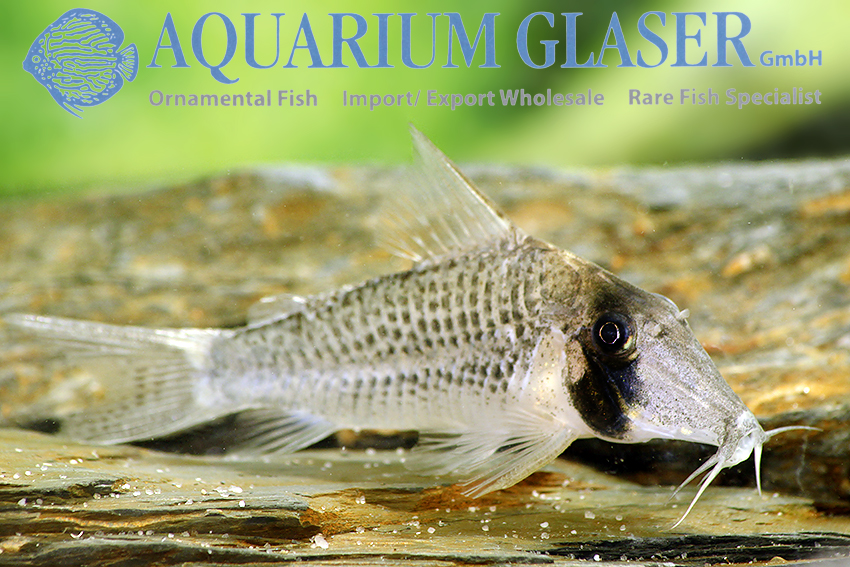
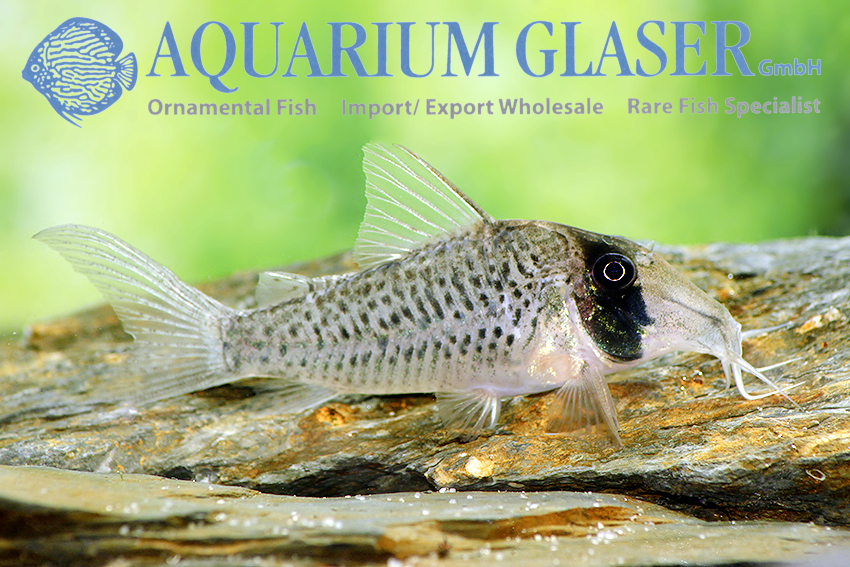
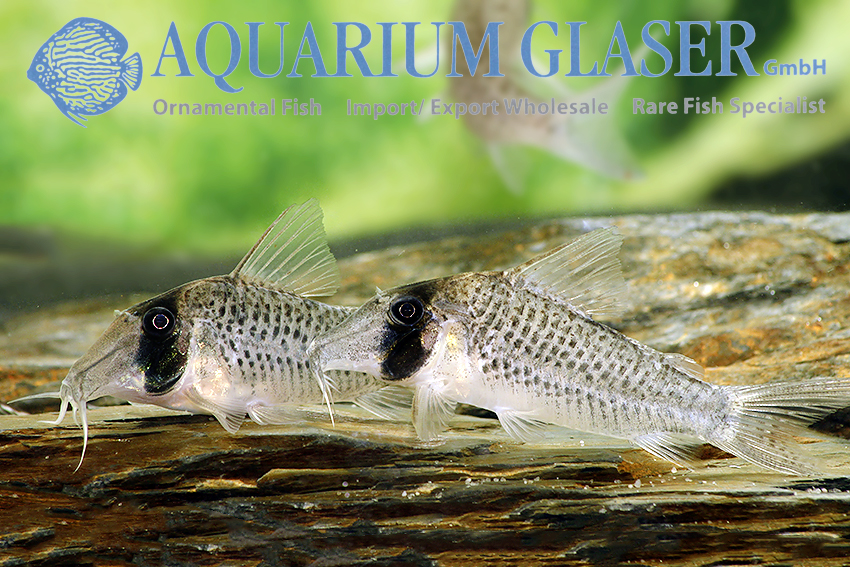
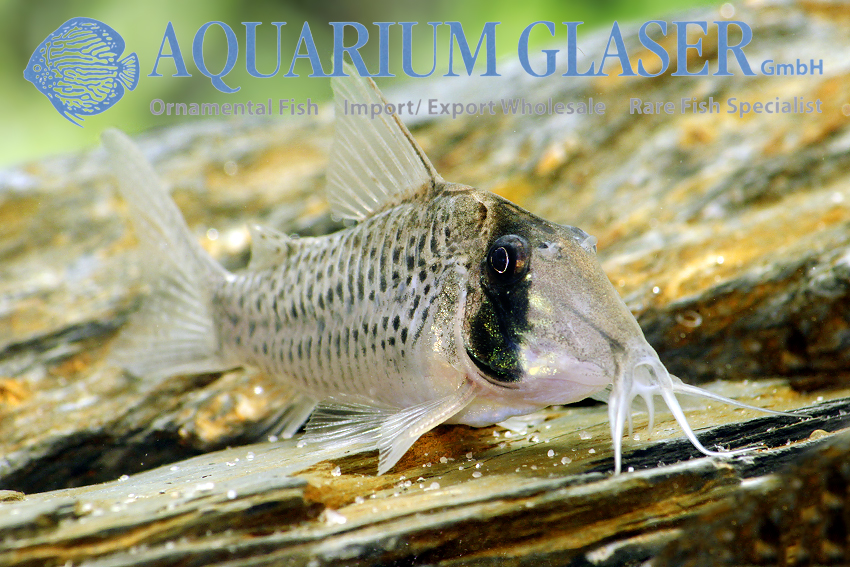
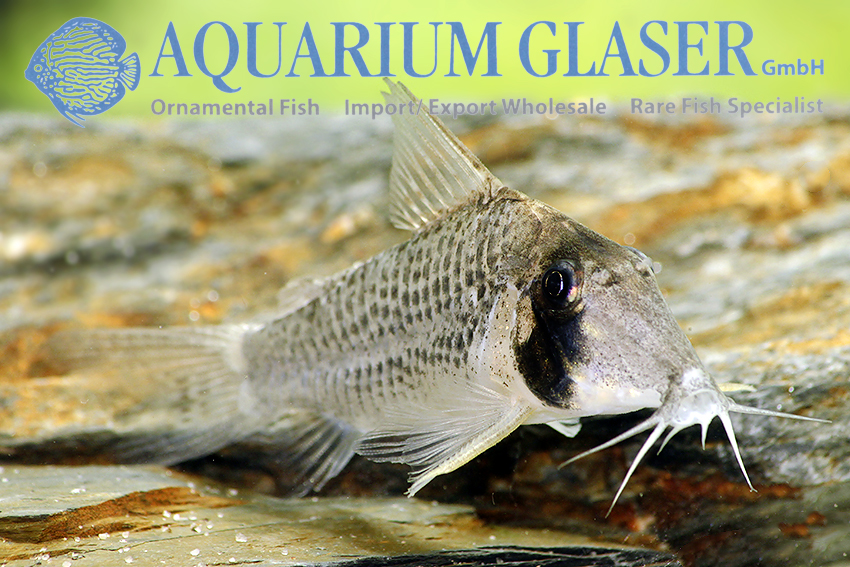
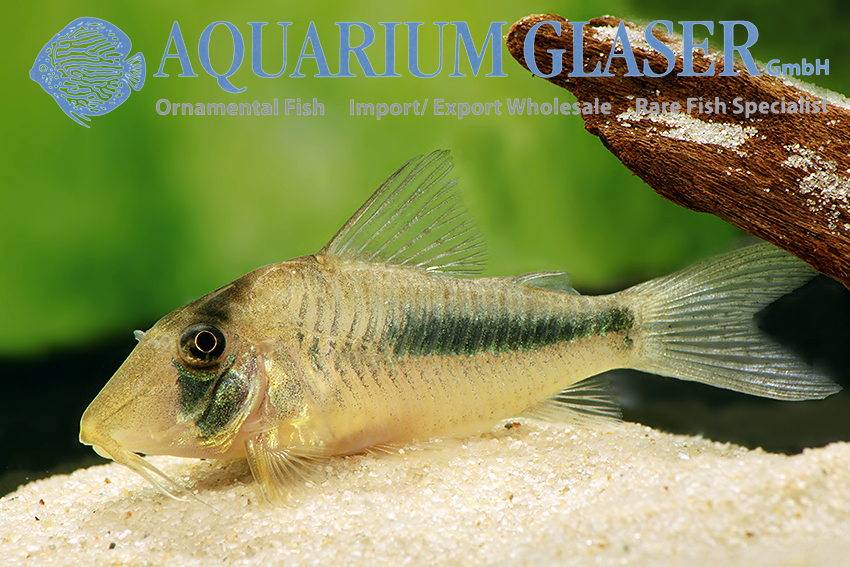
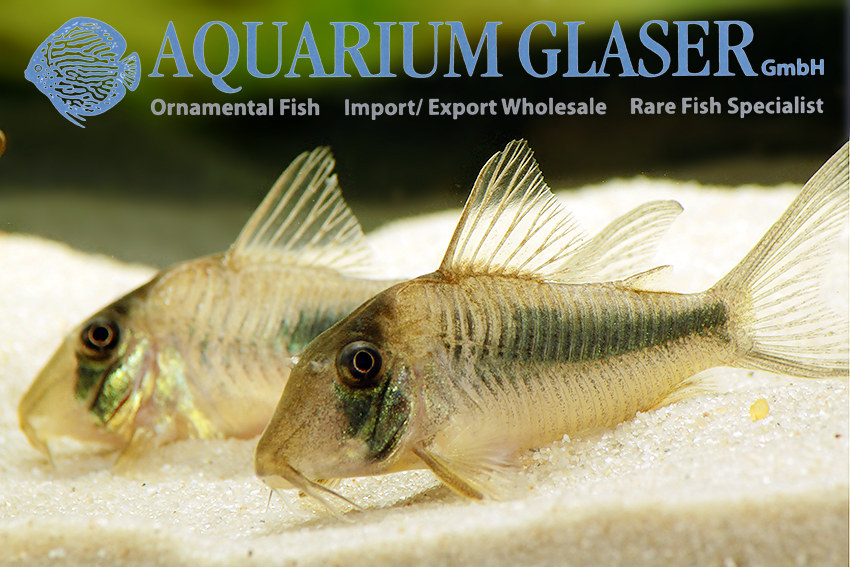
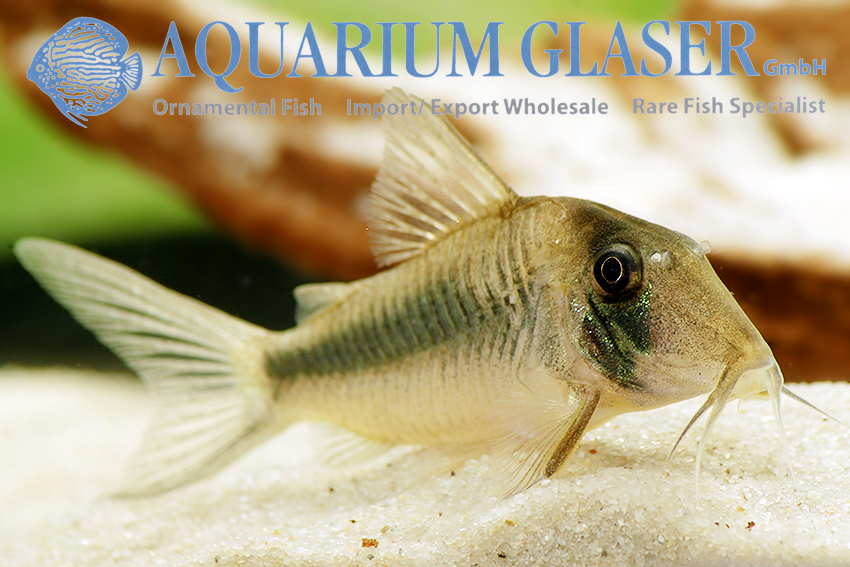
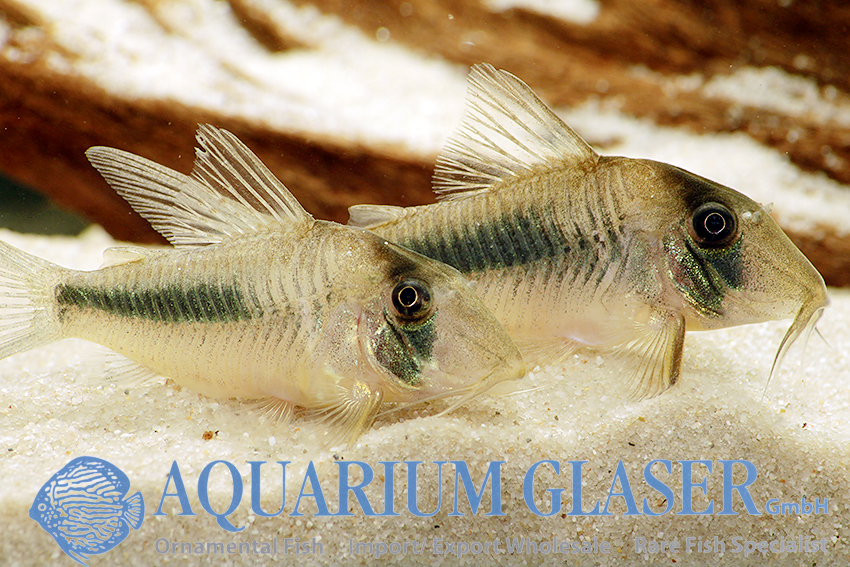
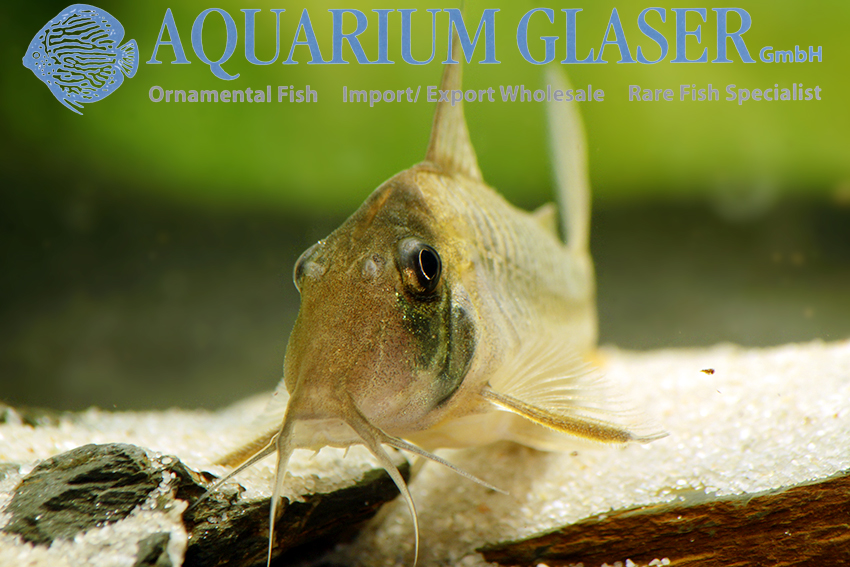
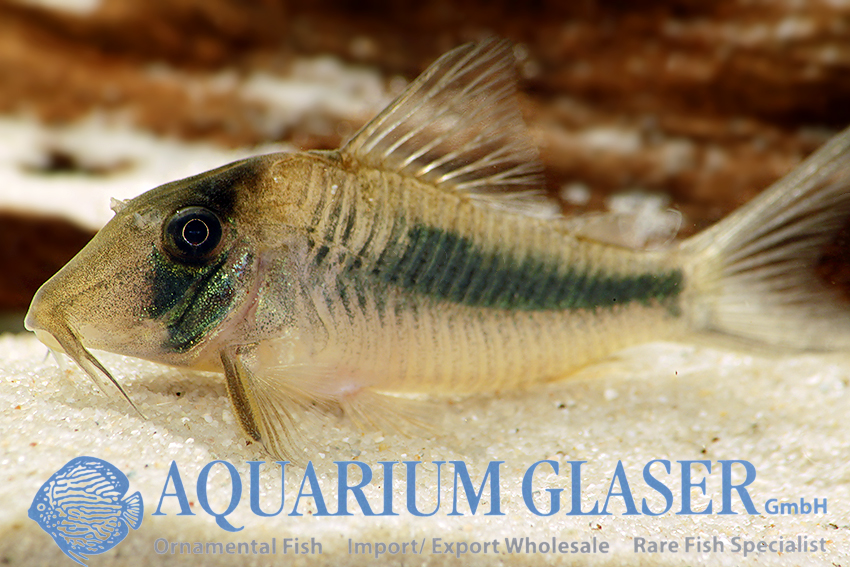
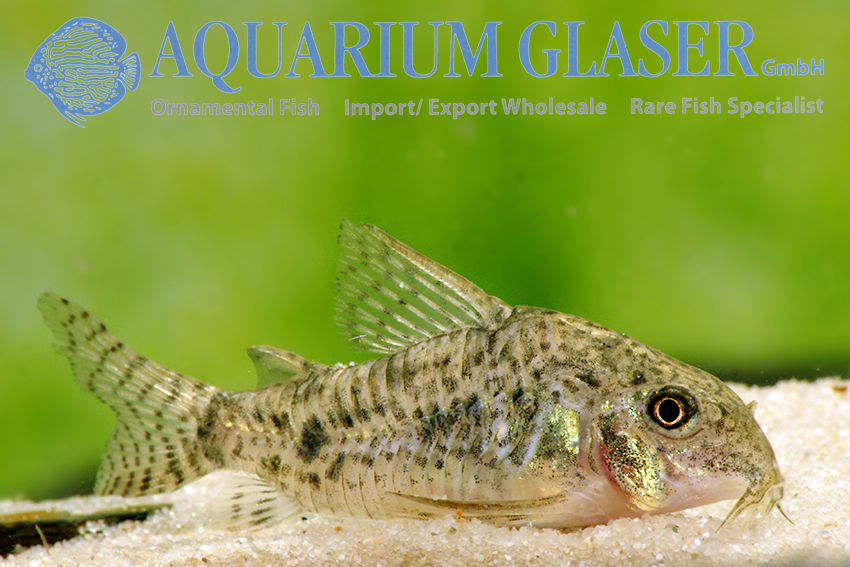
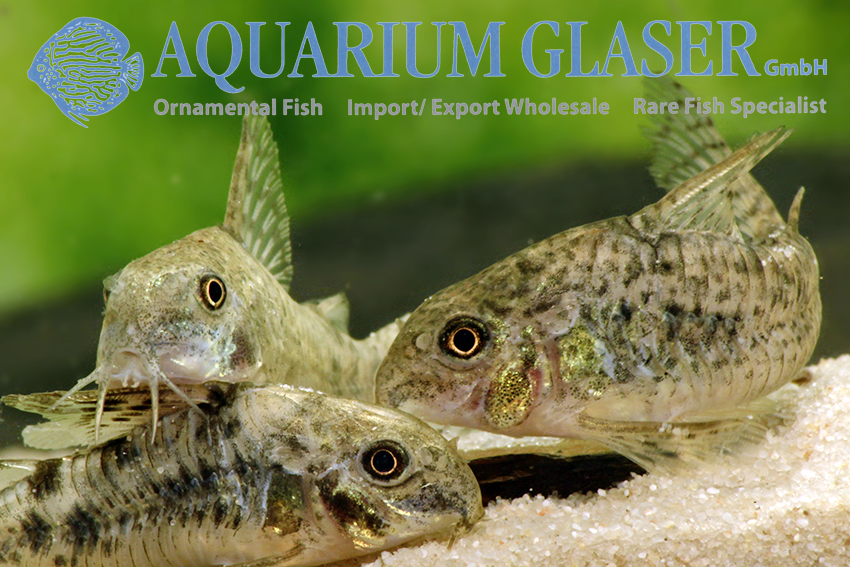
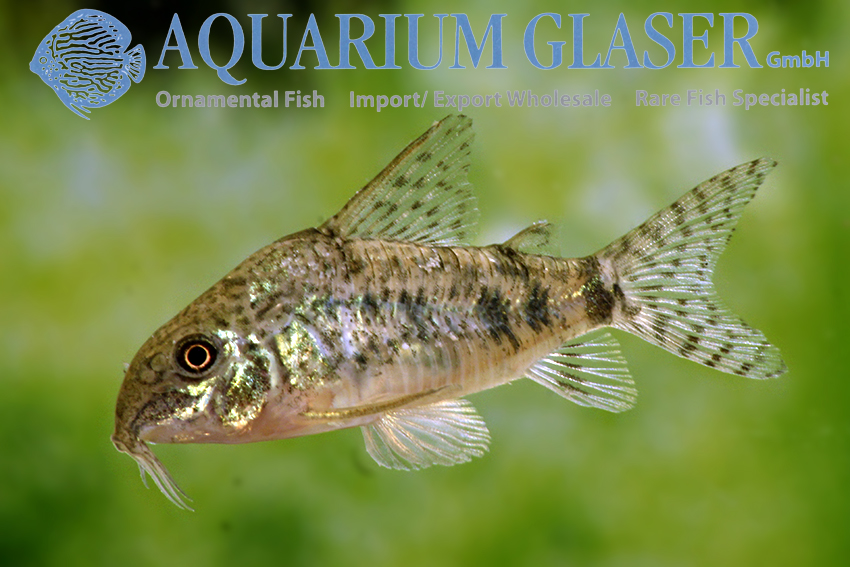
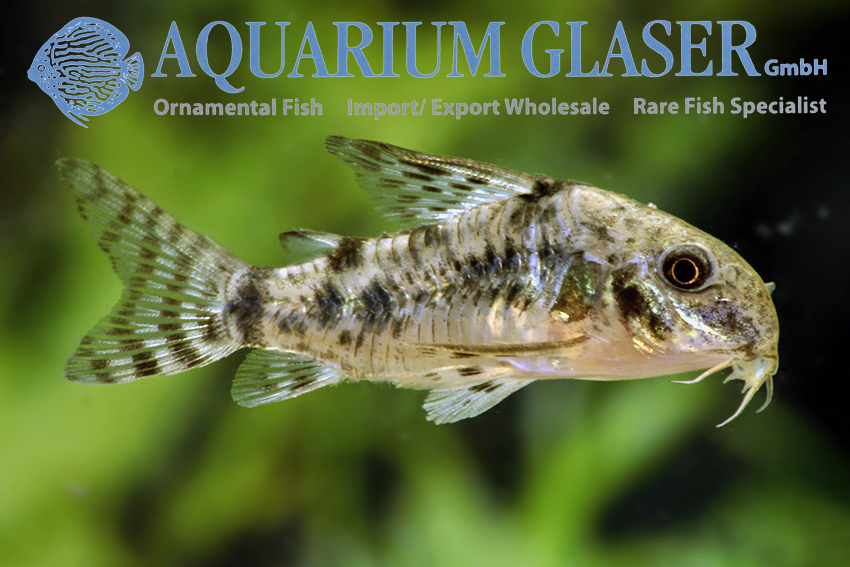
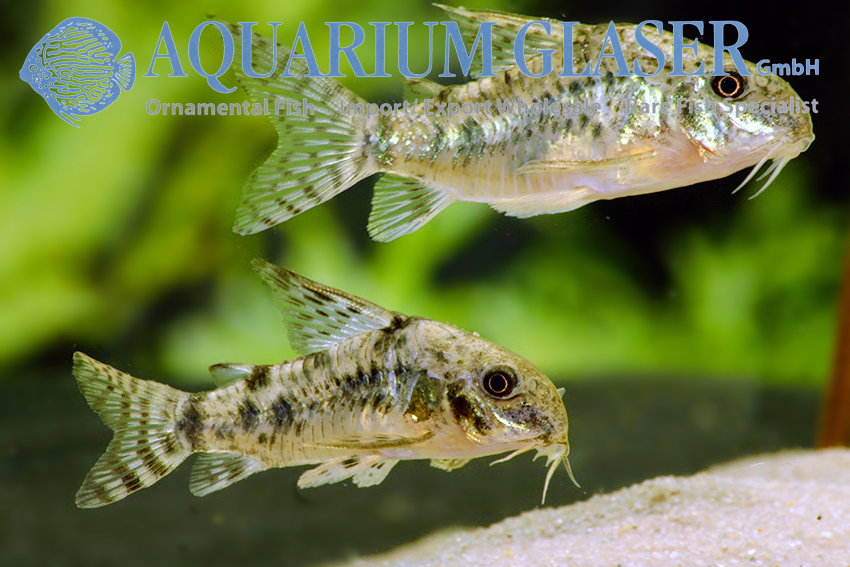
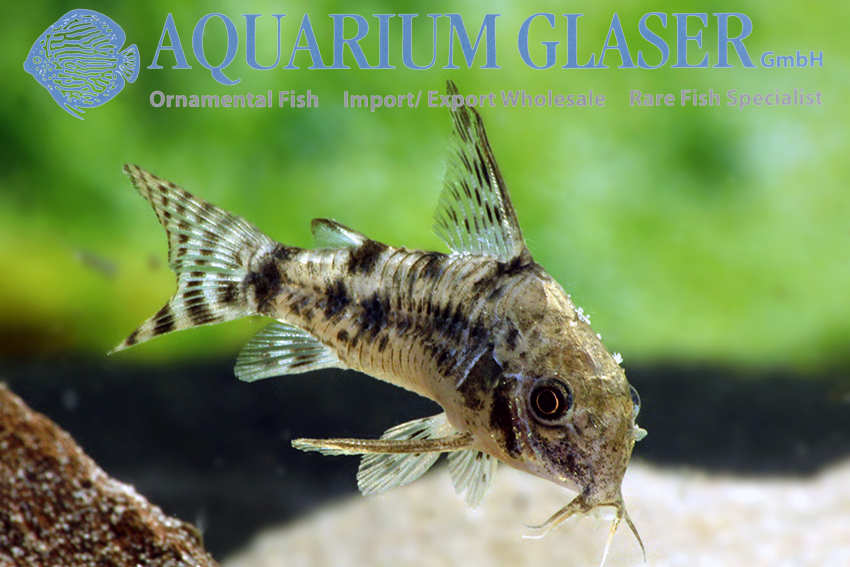
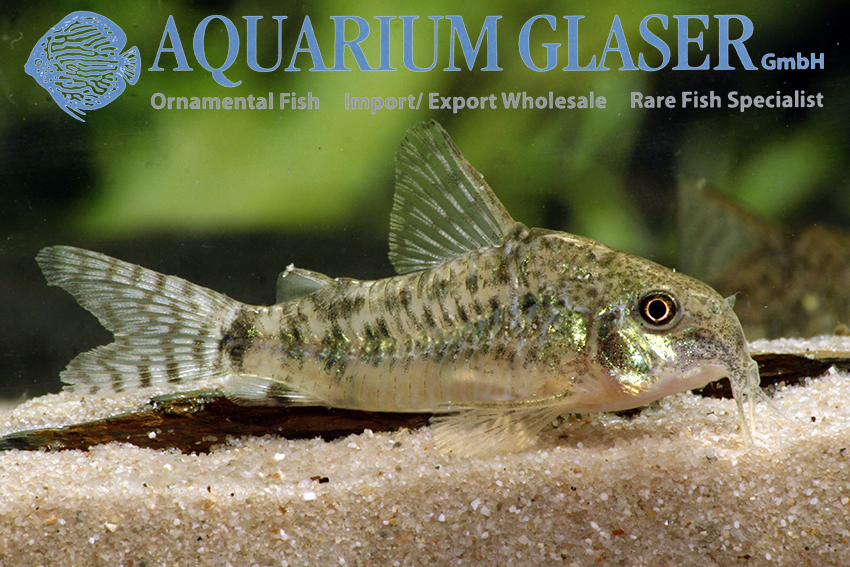
Corydoras sp. aff. sychri Longnose C53

18. June 2018

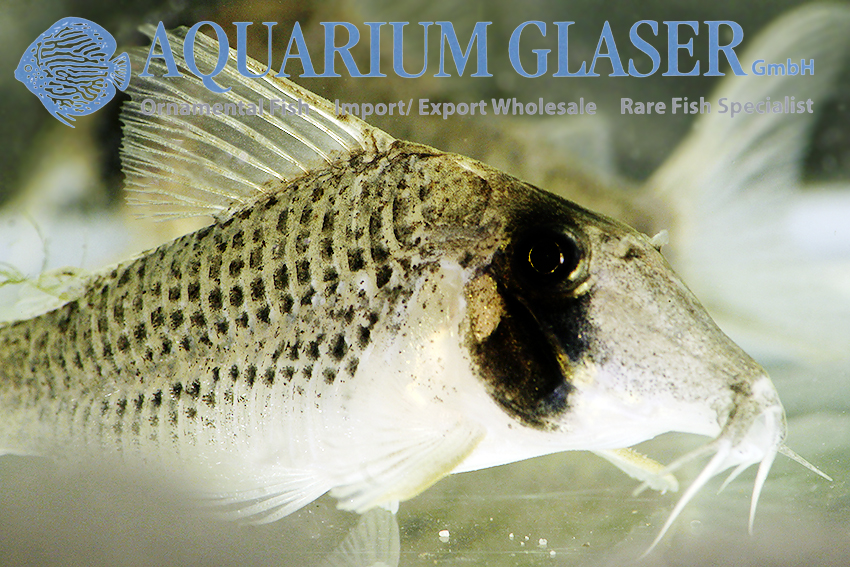
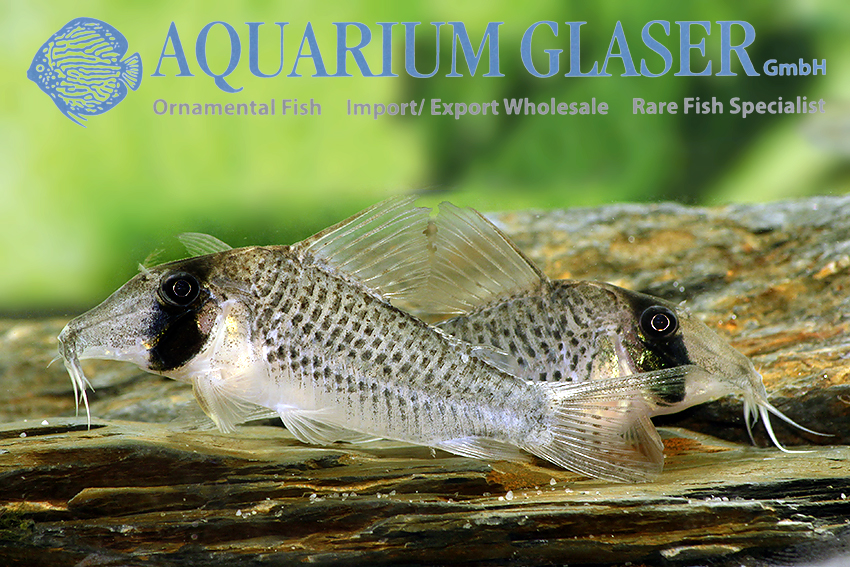
From the Rio Nanay in Peru originates a species-flock of very similar looking corys. They are distinguished externally basically by the shape of the head and the snout. All of them are very beautiful and suited very well for the aquarium. All have an impressive dark mask over the eye and clear fins. The body is spotted, the number of spots and the density differs individually a lot.

Two species of the flock are described scientifically already, namely Corydoras atropersonatus, which has a short, round snout and C. sychri with a long, pointed snout. Most probably the fish that has the code C97 is a variety of C. sychri. An additional species is the saddle-nosed C53, which represents obviously a still scientifically undescribed species.

This saddle-nosed fish (C53) is by far the rarest of the flock in the trade. We currently have very nice specimens of this rarity in stock.

For our customers: the fish have code 240744 on our stocklist. Please note that we exclusively supply the wholesale trade.

Text & photos: Frank Schäfer

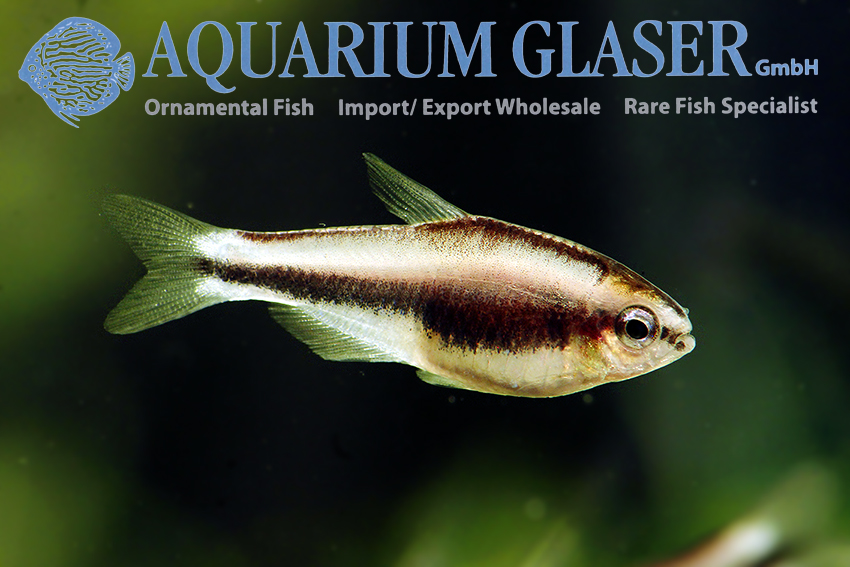
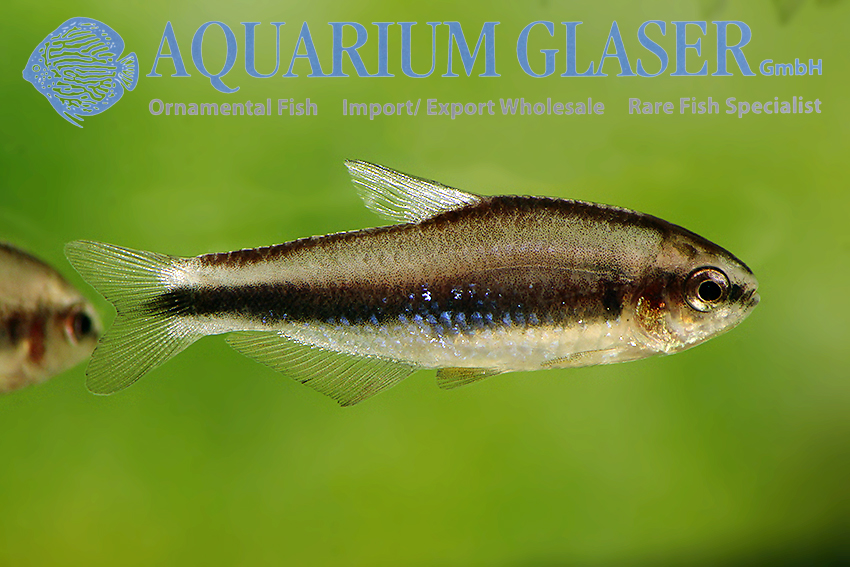
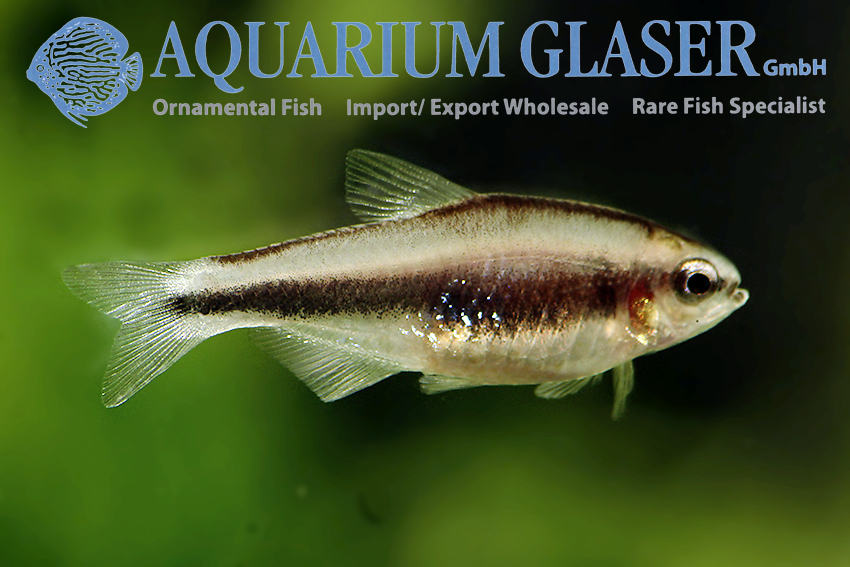
Inpaichthys (formerly: Hasemania) nambiquara

16. June 2018

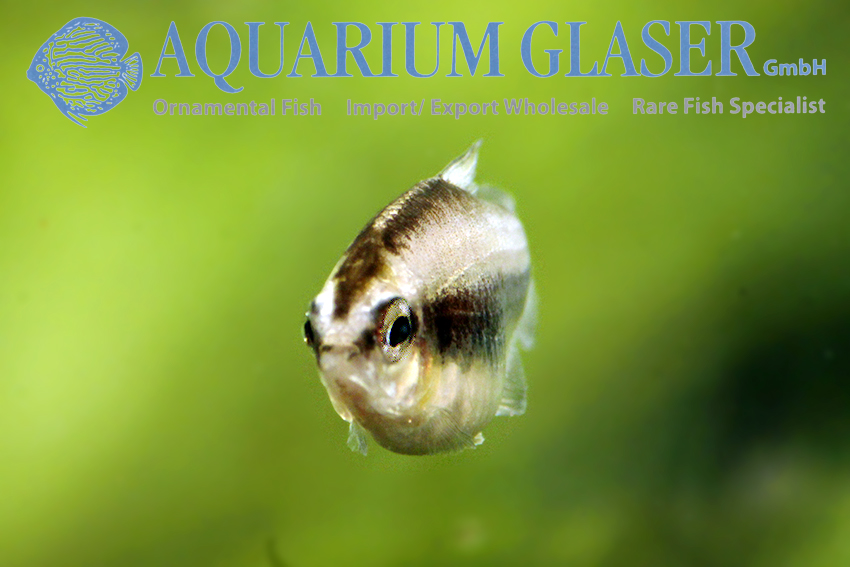
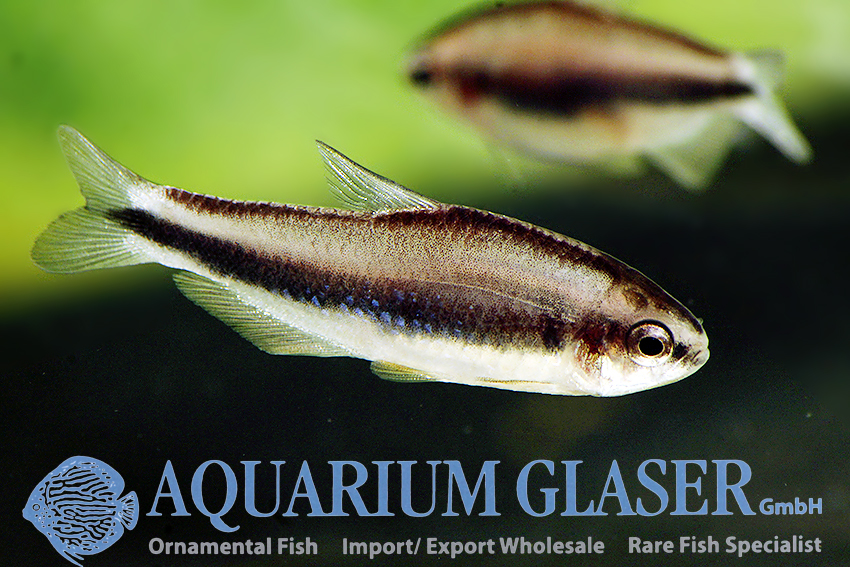
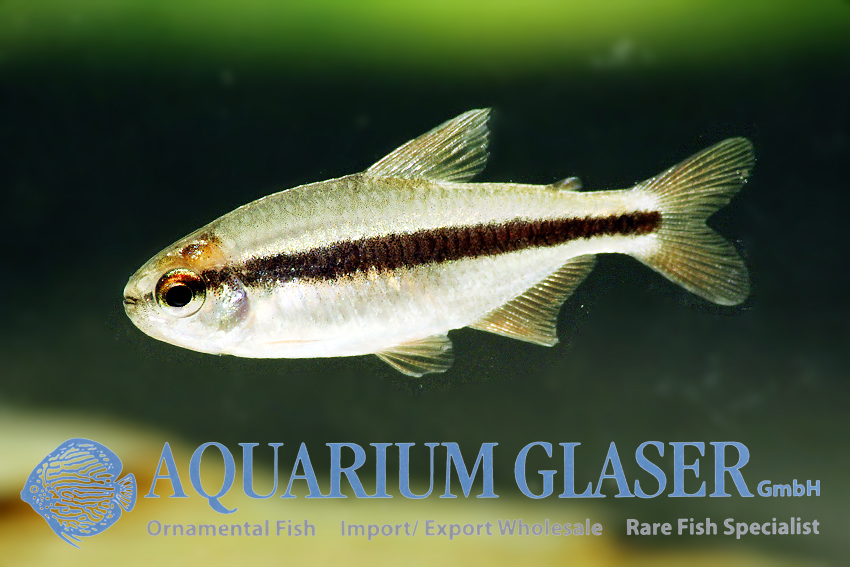
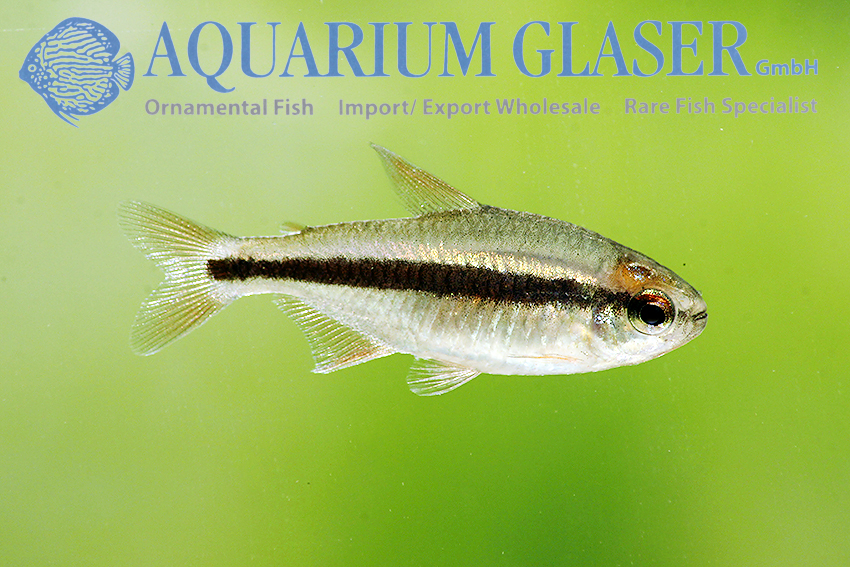
This is a very unusual species of tetra. For sure the placement in the genus Hasemania is only tentatively and needs further investigations, as is explicitly pointed out already by the describers (Bertaco and Malabarba, 2007). It was the combination of lacking adipose fin (very unusual in tetras) and certain features of the dentation that led to the decision to place them in Hasemania. However, the living fish reminds one much more in emperor tetras (Nematobrycon). H. nambiquara originates from the upper Rio Tapajós system. Addendum: Recently (2024), the species was transferred to the genus Inpaichthys.

We can offer currently for the first time ever some German bred ones. The species has been introduced to the aquarium hobby by an article of Peter and Martin Hoffmann in the German magazine DATZ 11/2017. During the photo session we observed that there are bright blue scales along the body sides in both sexes, but these are only visible in certain angles of light. If flashed directly the longitudinal band on the flanks looks uniformly dark.

For our customers: the fish have code 255442 on our stocklist. Please note that we exclusiveyl supply the wholesale trade. Available in small numbers only!

Text & photos: Frank Schäfer

Hydrocynus vittatus

16. June 2018

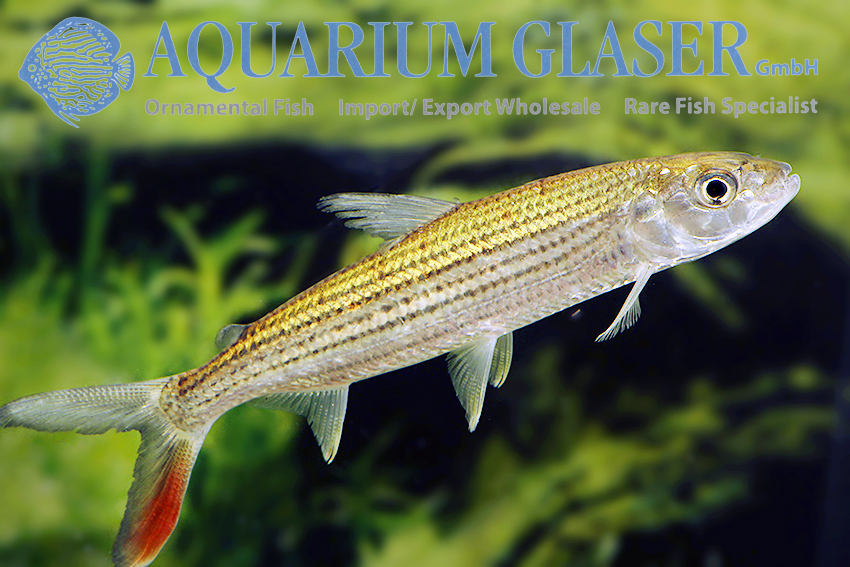
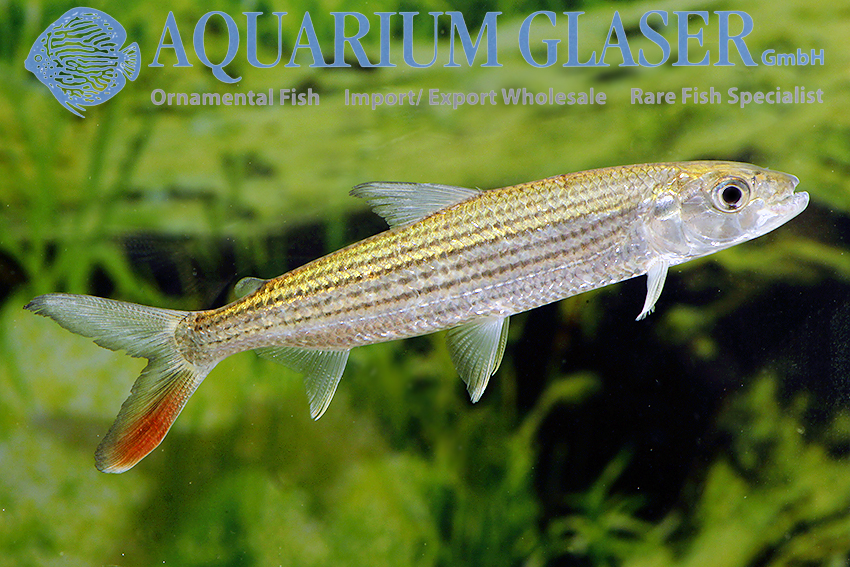
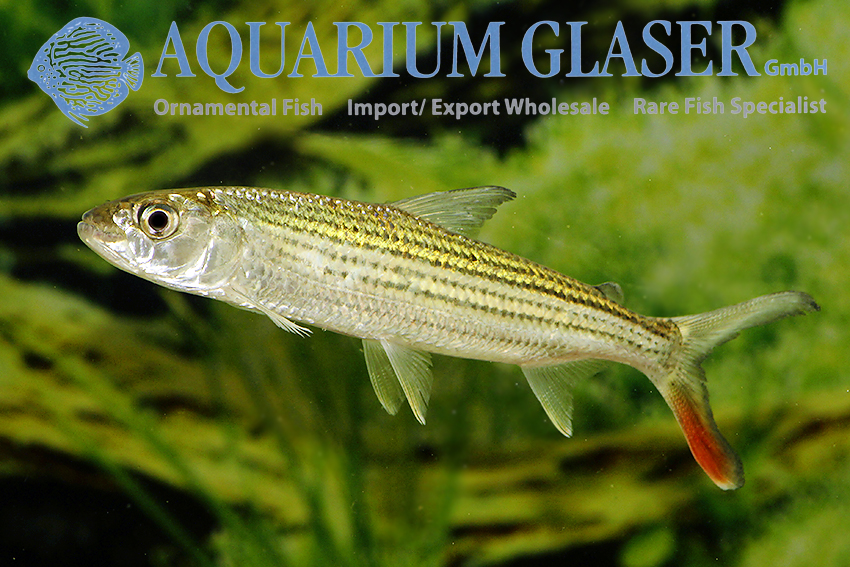
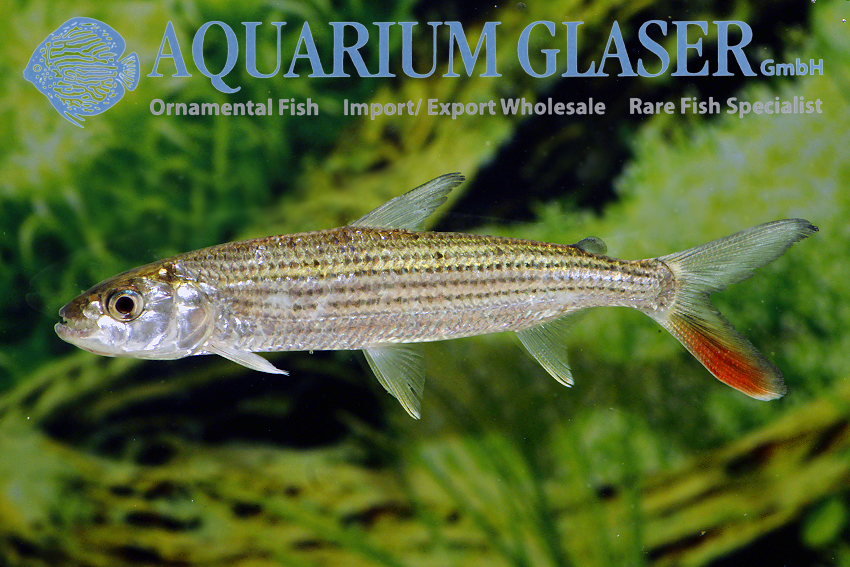
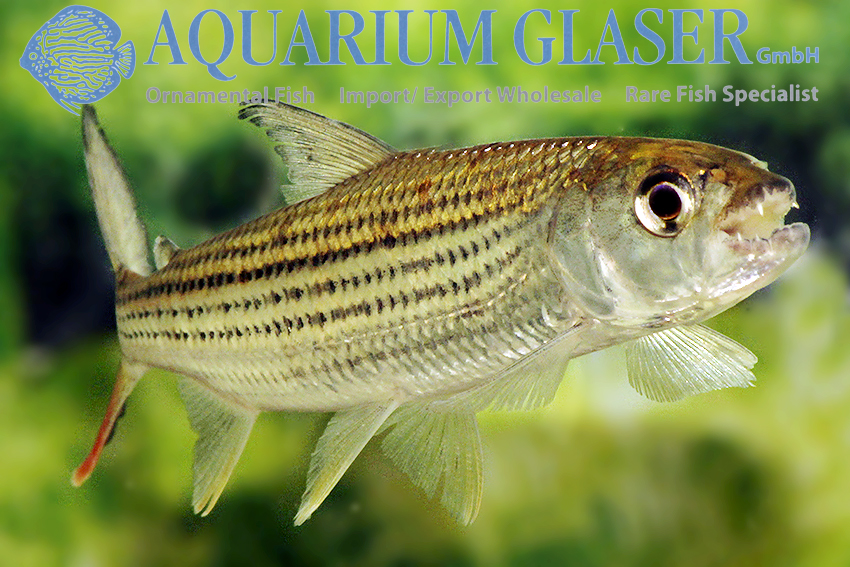
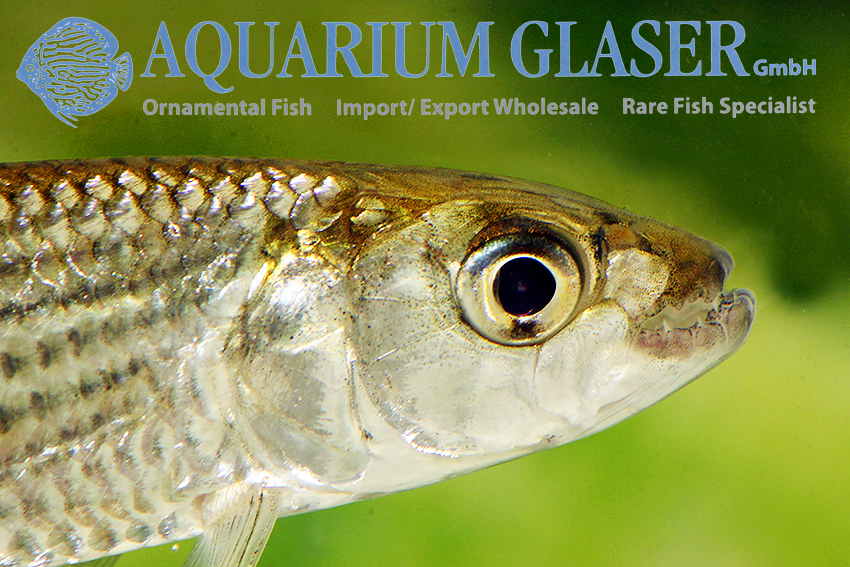
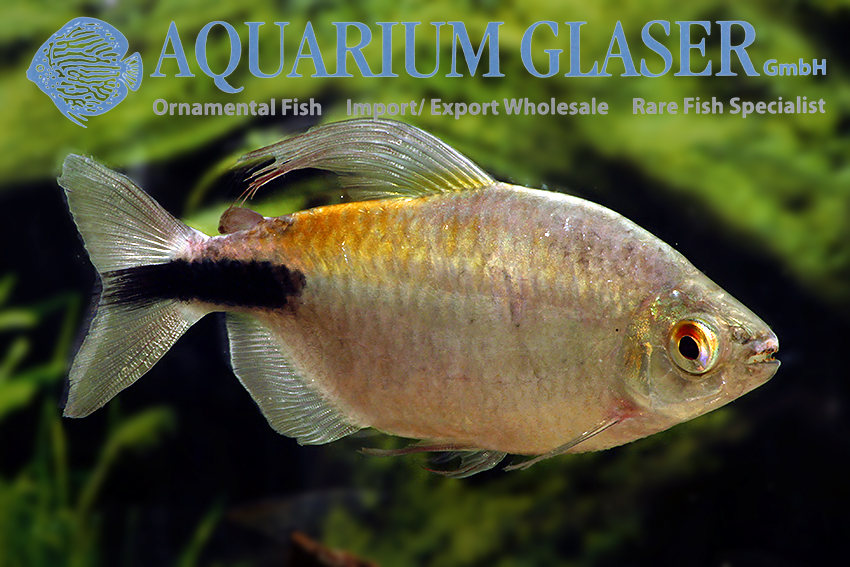
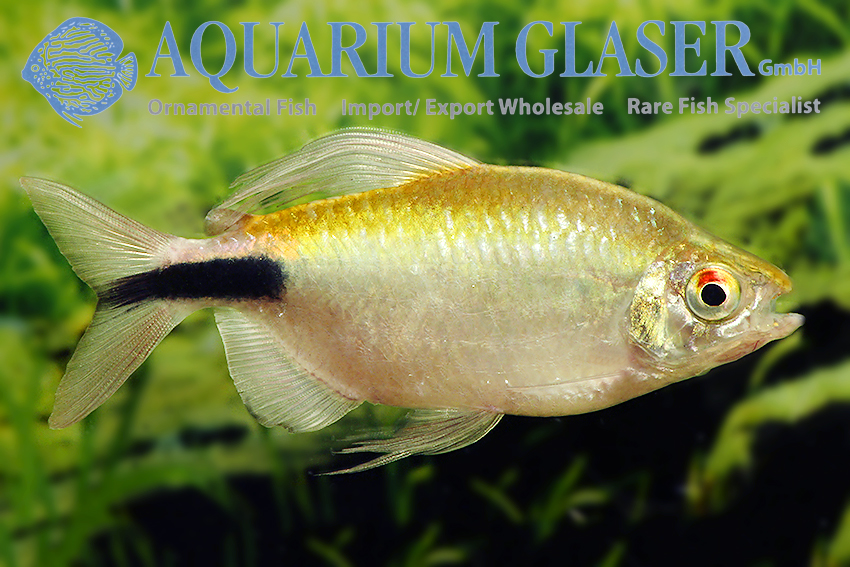
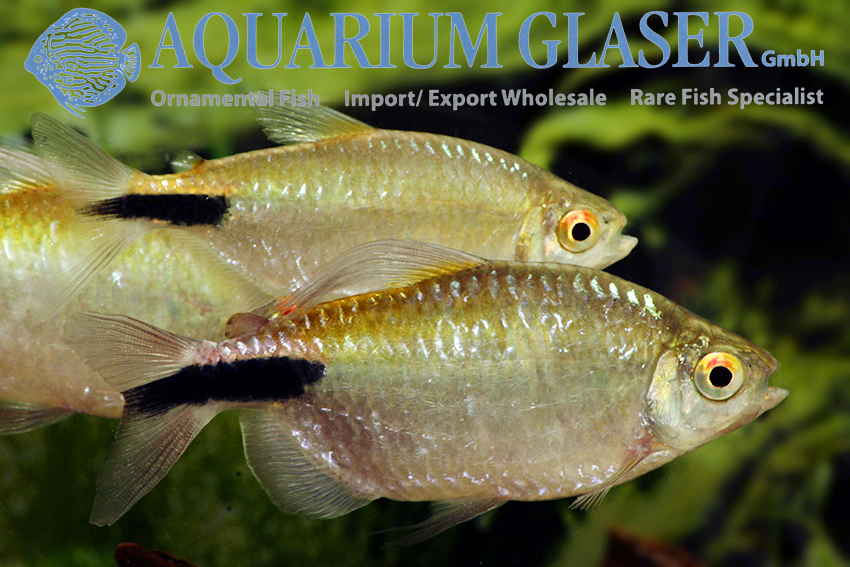
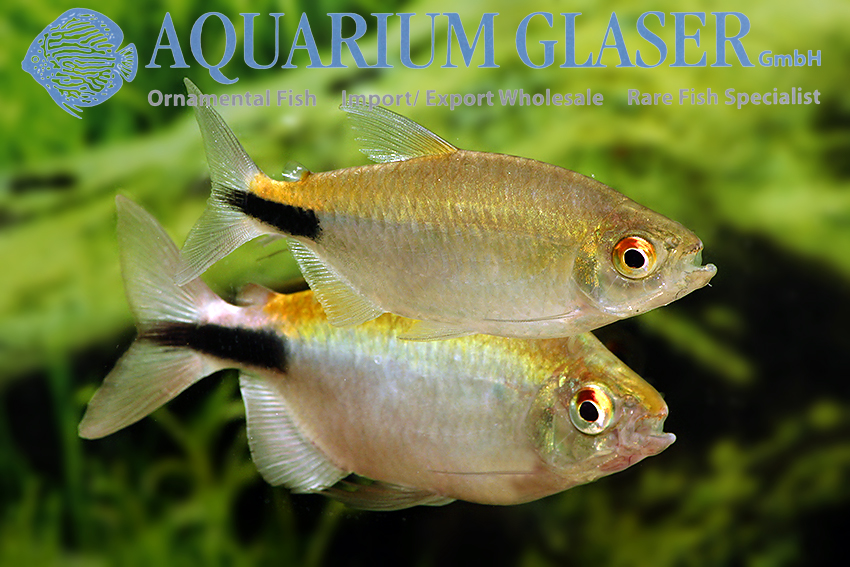
The systematics of the wolf tetras from Africa remain unsatisfying. According to the most recent literature there do appear two species in Nigeria, namely Hydrocynus forskahlii and H. vittatus. Both are very similar to each other and at times they were regarded to be mere synonyms. However, currently they are (again) treated as valid species. The most important distinguishing feature is the black seam in the caudal fin in H. vittatus, which is lacking in H. forskahlii.

Hydrocynus vittatus is, compared with other species of that genus, comparatively small and becomes „only“ about 60 cm long. Of course this fish is nevertheless only suited for owners of really big tanks. Against conspecifics the fish are rather peaceful, so if one has such a big tank and interest in keeping Hydrocynus it is best to try to keep it in groups. Hydrocynus feed exclusively on fish. Specimens that have adopted to the aquarium readily accept frozen fish.

For our customers: the animals have code 141603 on our stocklist. Please note that we exclusively supply the wholesale trade.

Text & photos: Frank Schäfer

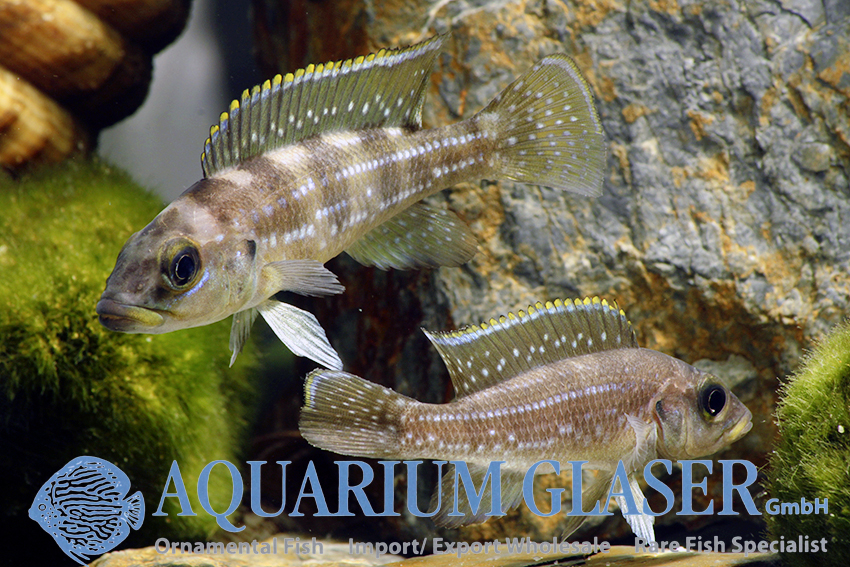
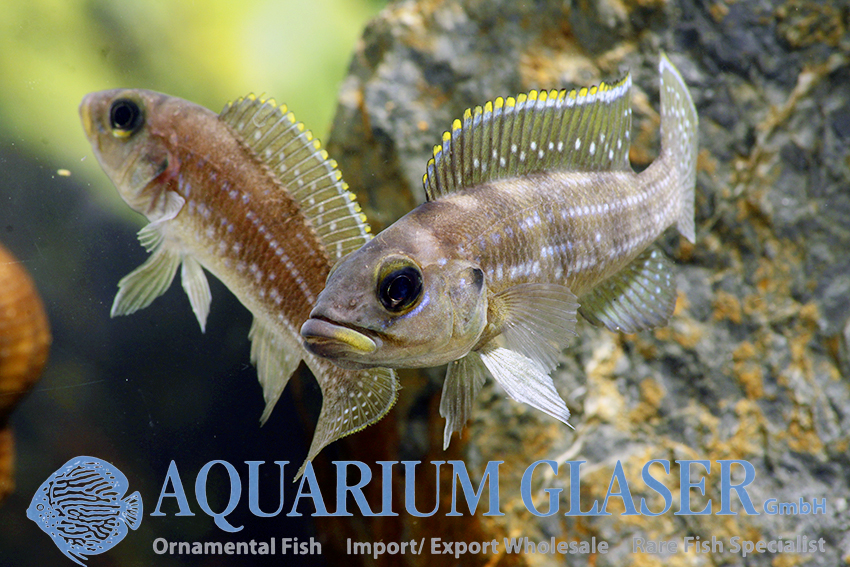
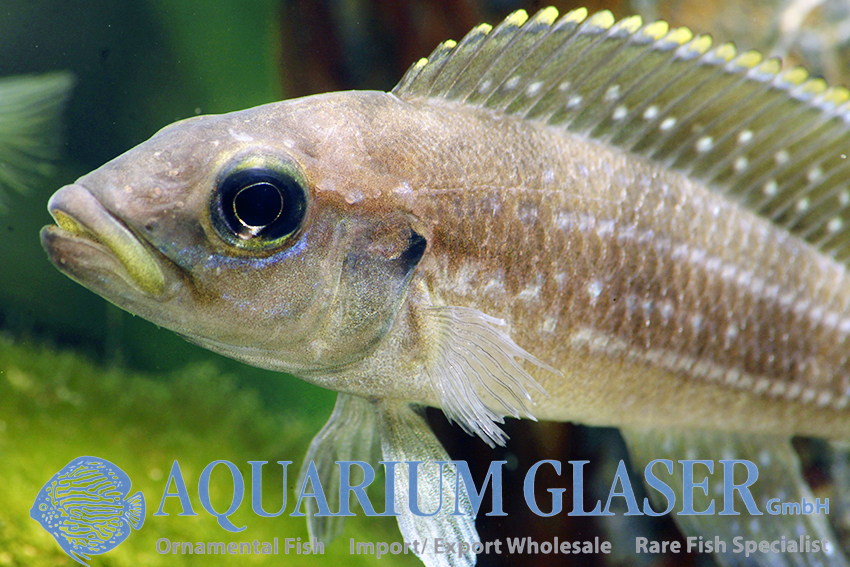
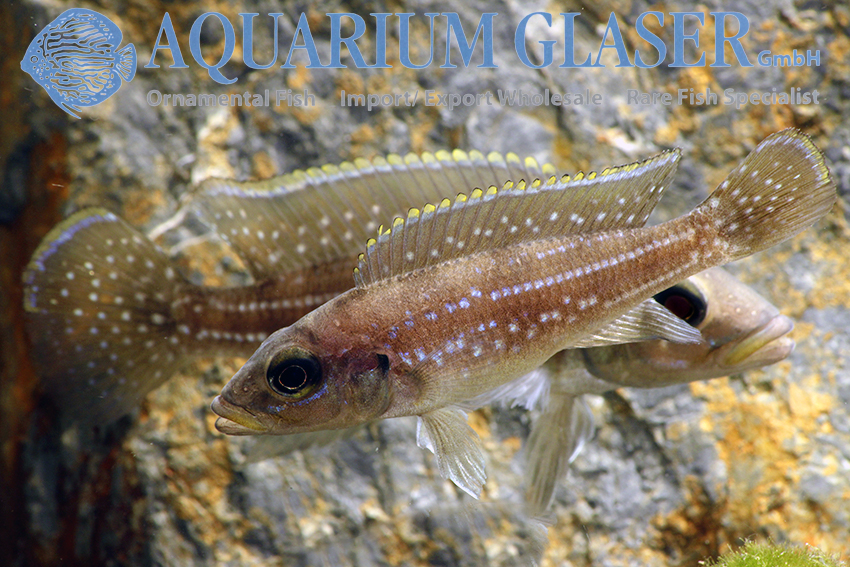
Neolamprologus tetracanthus

13. June 2018

This species of cichlid from Lake Tanganyika lives in two different worlds. The fish attains a maximum length of about 20 cm; however, in the wild hardly ever specimens larger than 10-12 cm can be found. On the one hand this fish is a typical inhabitant of sandy areas. Here it feeds on small invertebrates. Most wanted are small snails, which are sucked out of their shells, but the species is not specialized at all and readily accepts all types of meat that fit the mouth.

On the other hand N. tetracanthus is a cave brooder and needs caves and crevices in rocks for that. Both sexes take very good care of eggs and youngsters and defend them aggressively.

This explains the sometimes very contradictory experiences aquarists make with that species in respect of aggressiveness. As long as the cichlids are not in breeding mood they are quite peaceful. It makes only little sense to defend territories on sand. But when the fish are in the mood for breeding they become pretty tough, because usually all potential breeding grounds in the rocky area are already housed by other fish.

For our customers: the fish have code 549501 on our stocklist. Please note that we exclusiveyl supply the wholesale trade.

Text & photos: Frank Schäfer

Hyphessobrycon piranga

11. June 2018

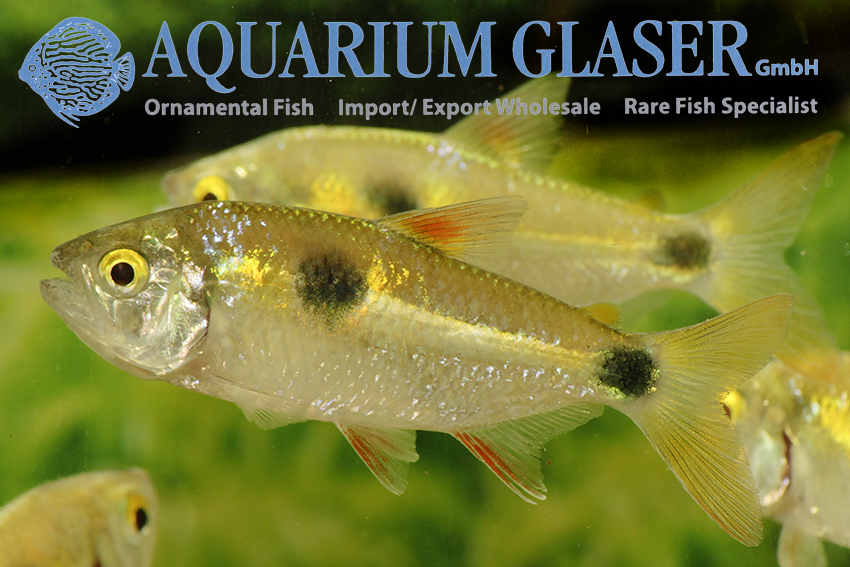
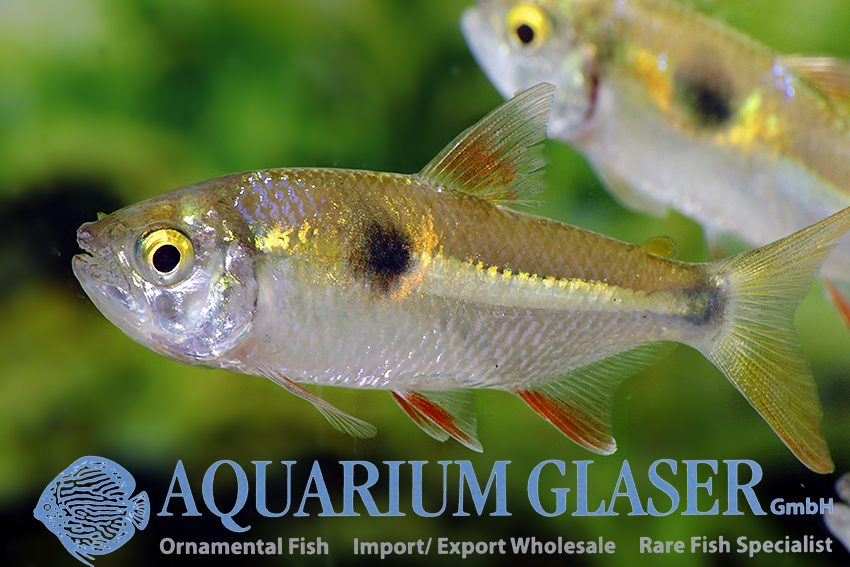
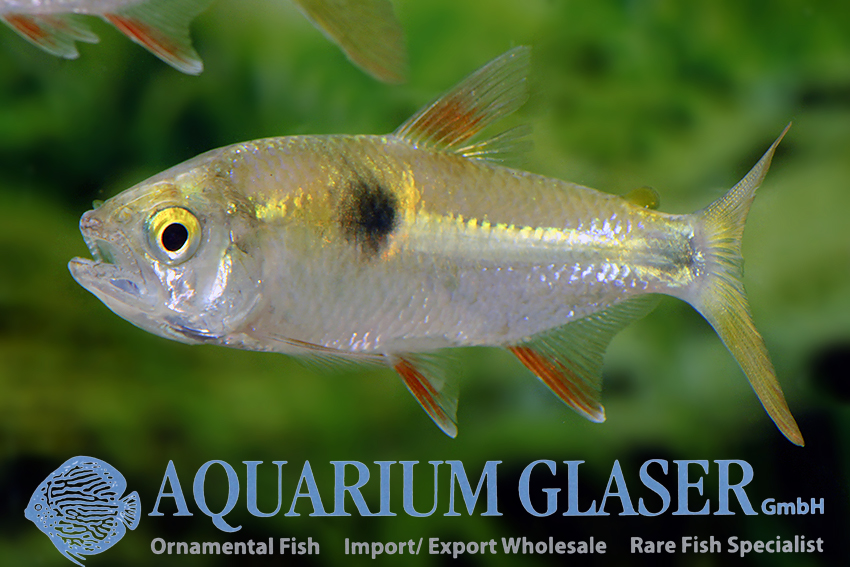
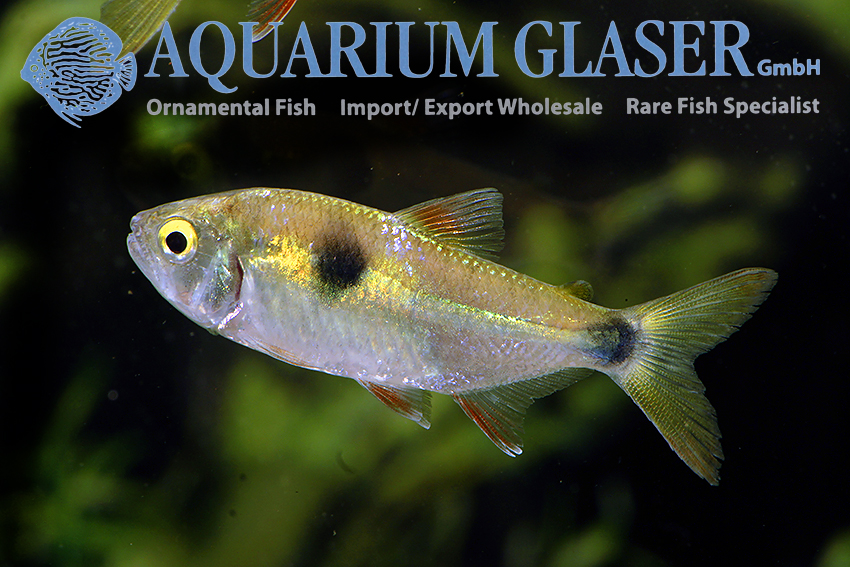
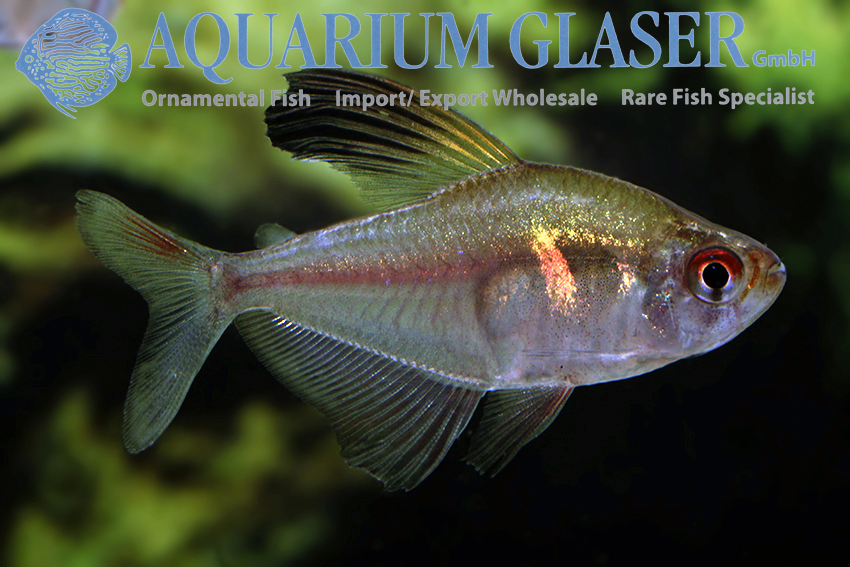
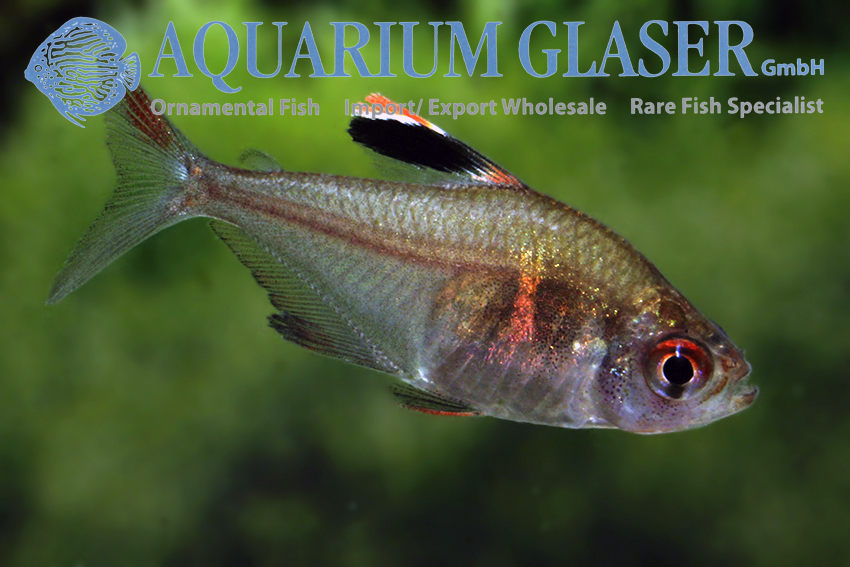
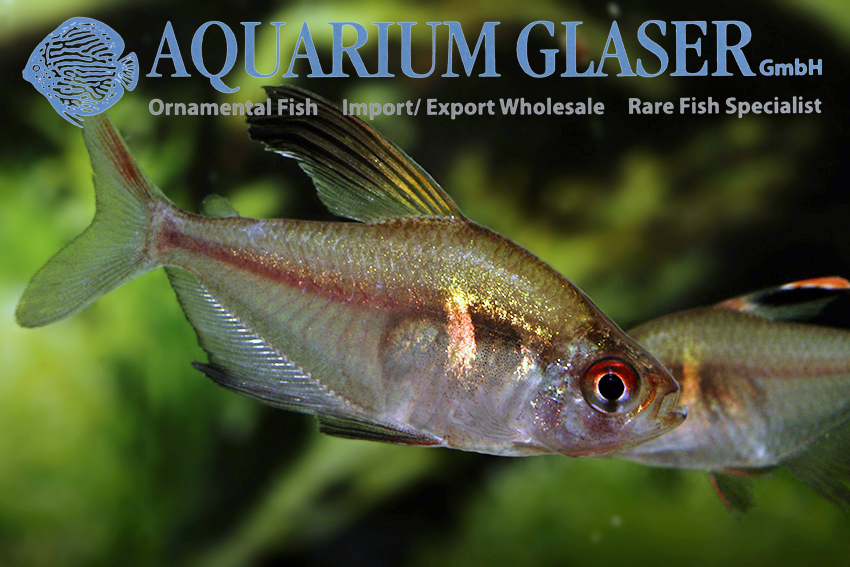
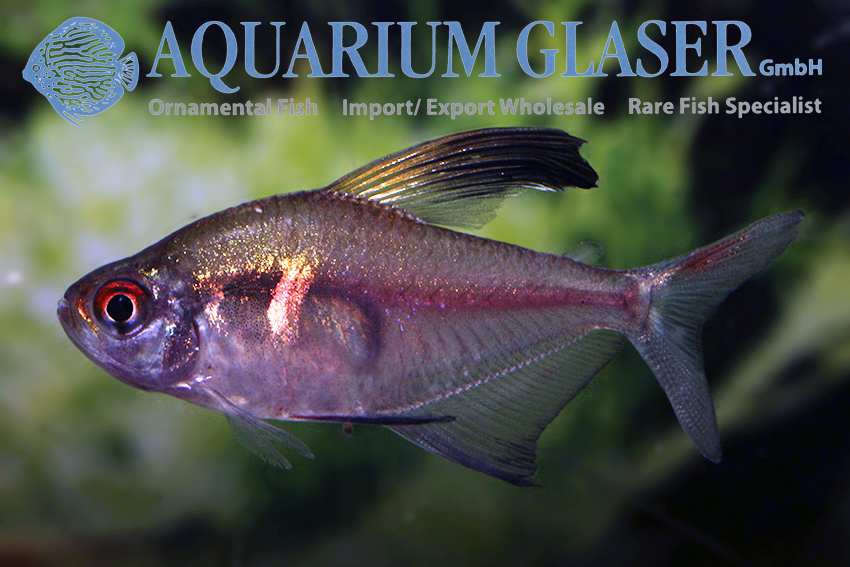
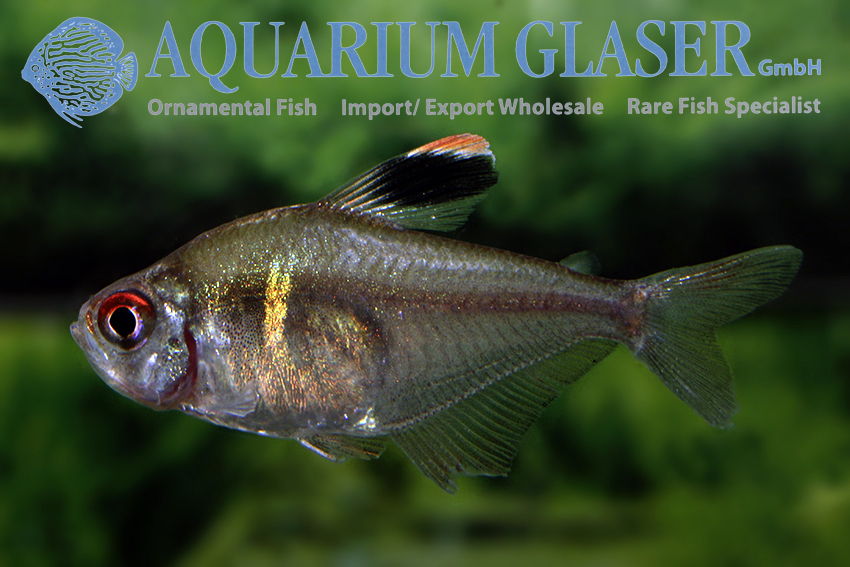
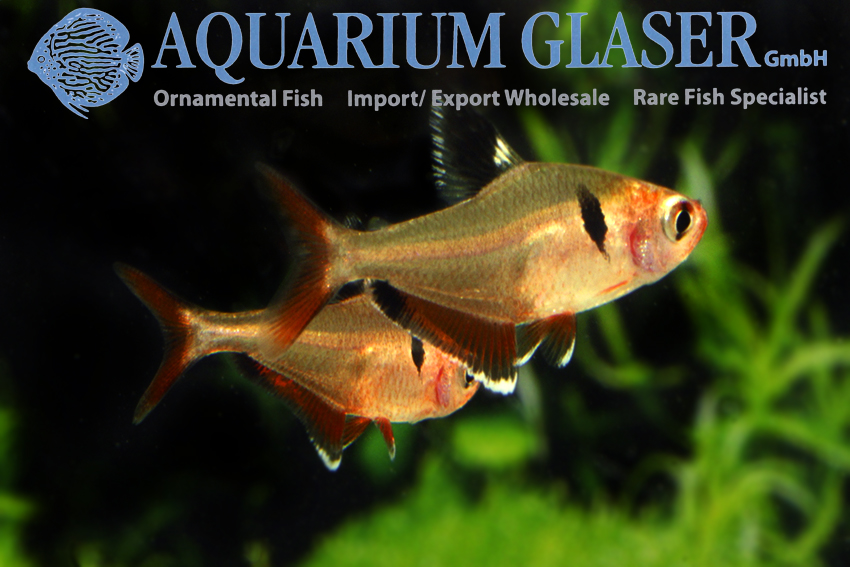
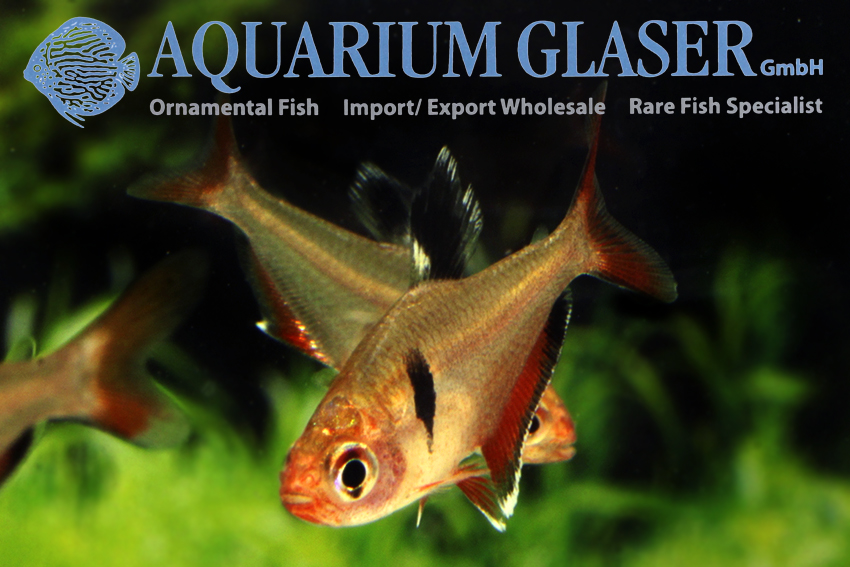
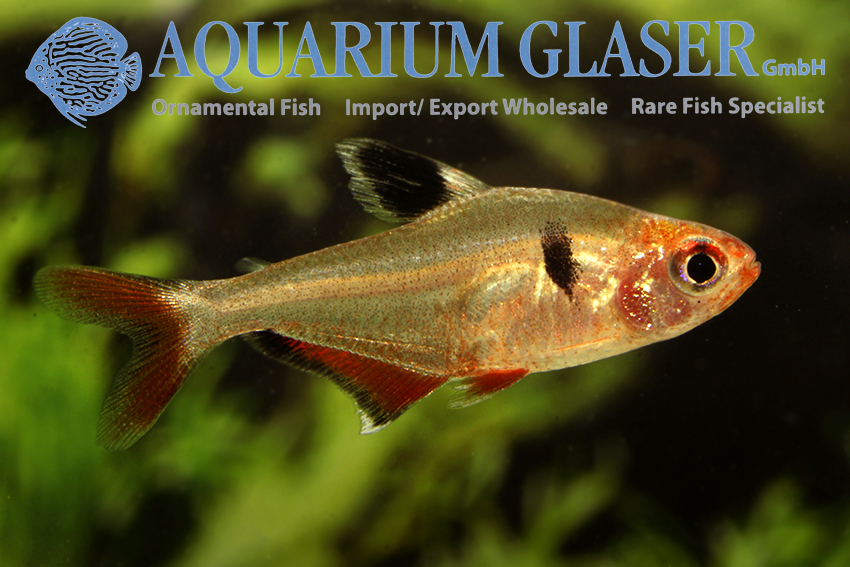
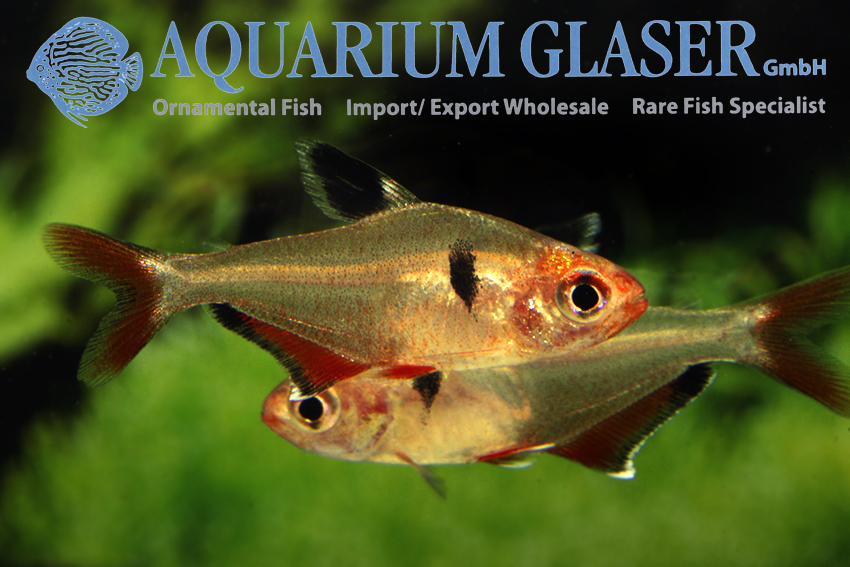
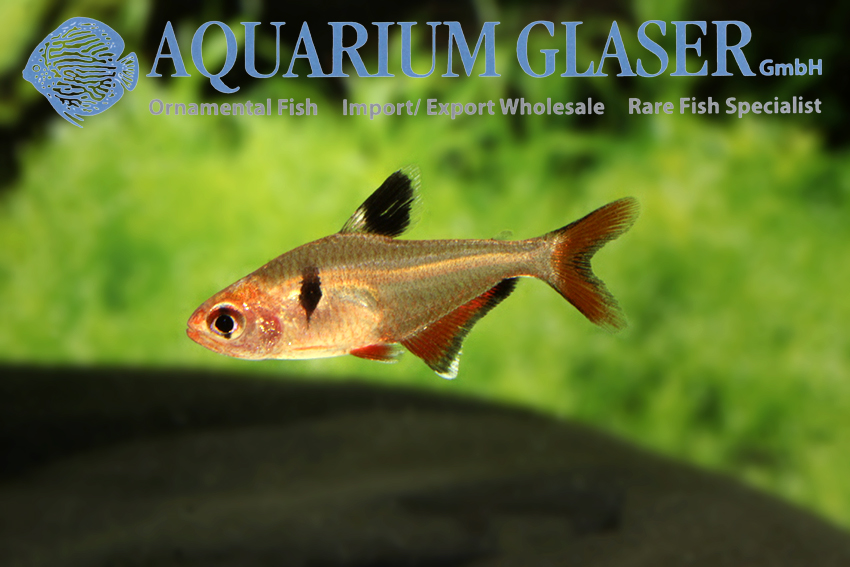
Currently we can offer exclusively some top-rarities among the tetra family, all German bred. One of them is Hyphessobrycon piranga, which was introduced in the hobby by Peter and Martin Hoffmann in the German magazine Datz (issue 11/2017) under the unusual name of „Hyphessobrycon sp. non-red devil“. Despite the fact that the new tetra has a lot of red colours it is obviously not identical with the probably still undescribed species that is known as „Red Devil“ in the hobby and that develops inter alia much larger fins. The „non-red devil“ was described officially in march 2018 under the name of Hyphessobrycon piranga. The new species occur from rivers in the upper rio Tapajós catchment. 

The males of the pretty species have red fins, while the females remind one a bit in black neons (H. herbertaxelrodi) or H. nigricinctus. In the wild the fish are mature at a size of about 2 cm standard length (without fins), but in the aquarium they will grow a bit larger. The photographed bred ones are about 3 cm long. The photo made by Peter Hoffmann shows a pair of the breeders.

This tetra is a beautiful, easy to keep and very lively fish.

For our customers: the fish have code 261552 on our stocklist. Please note that we exclusively supply the wholesale trade.

Text: Frank Schäfer, photos: Frank Schäfer & Peter Hoffmann

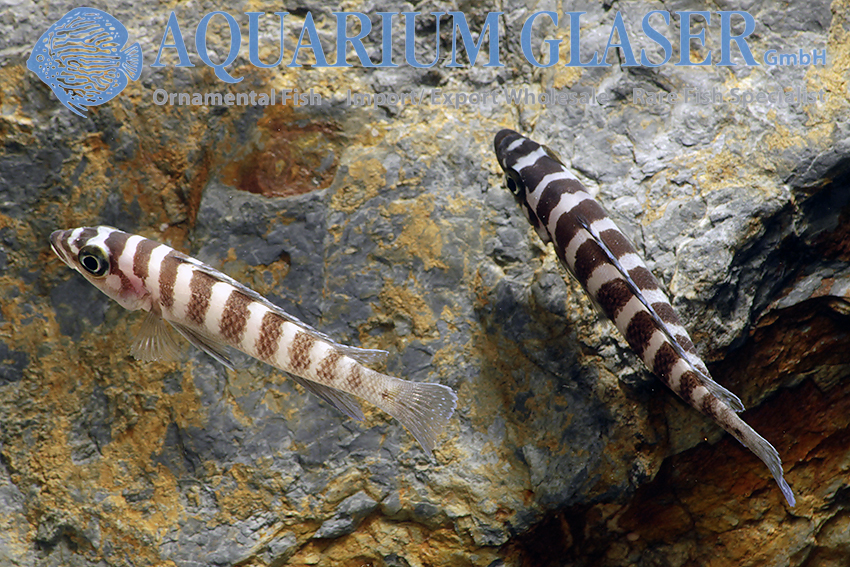
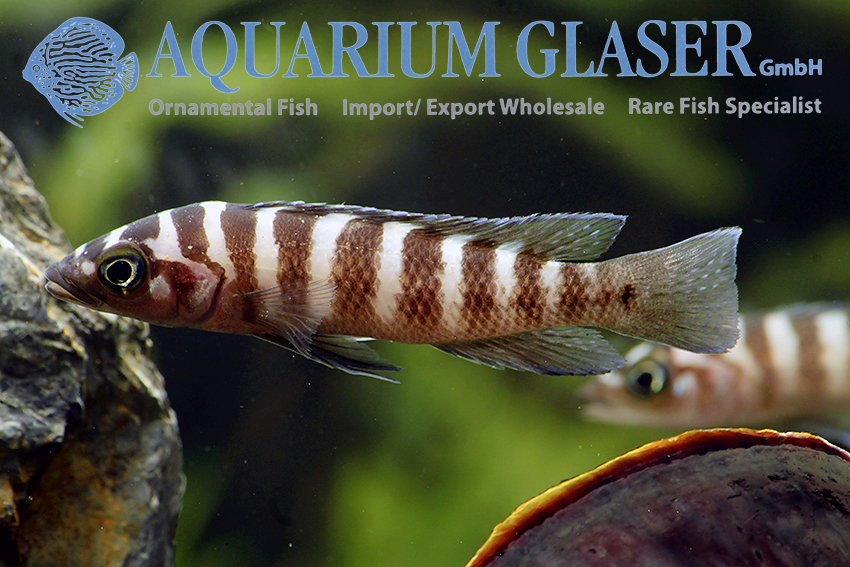
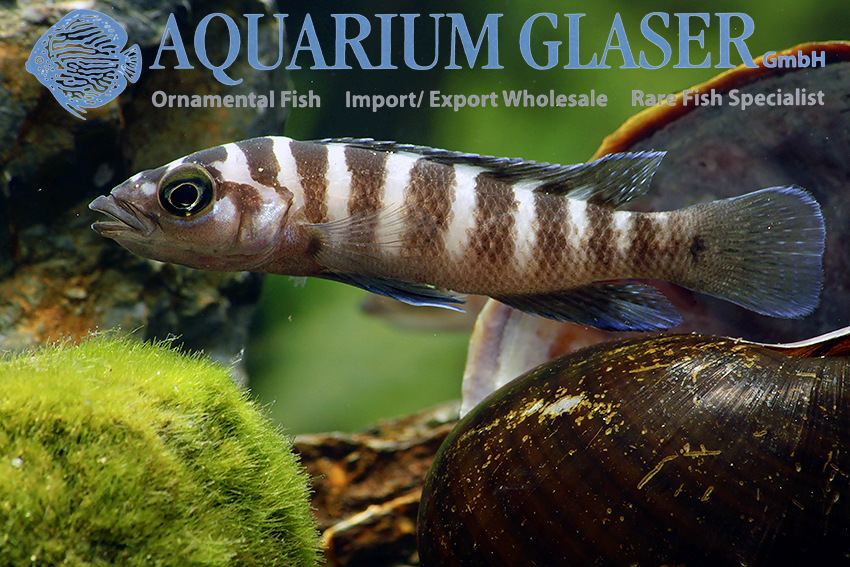
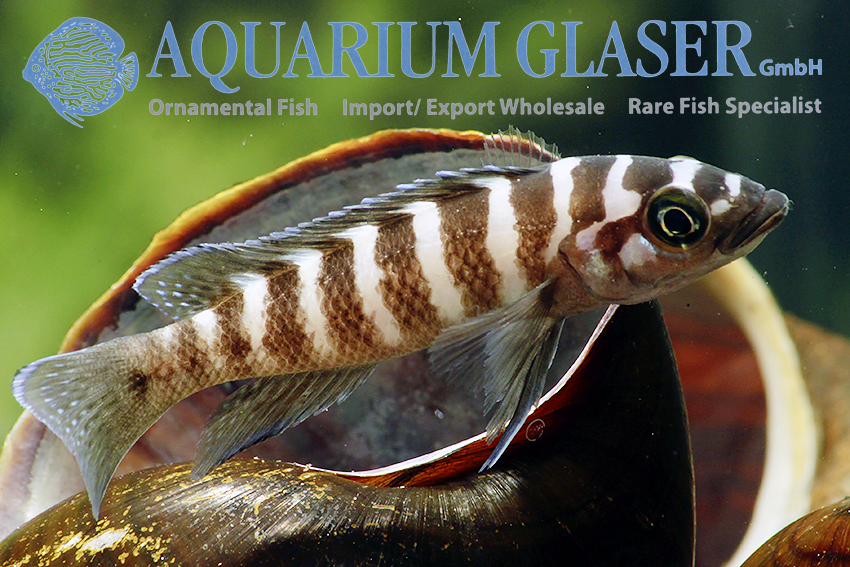
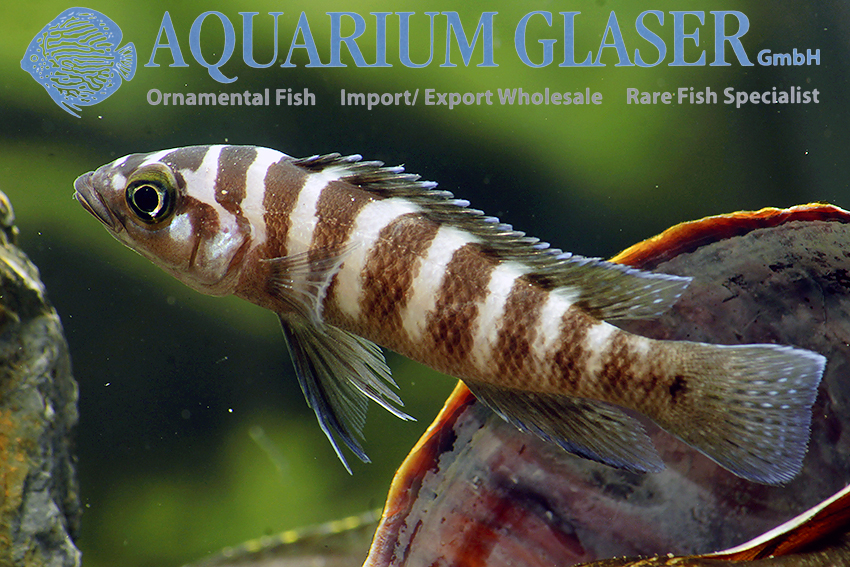
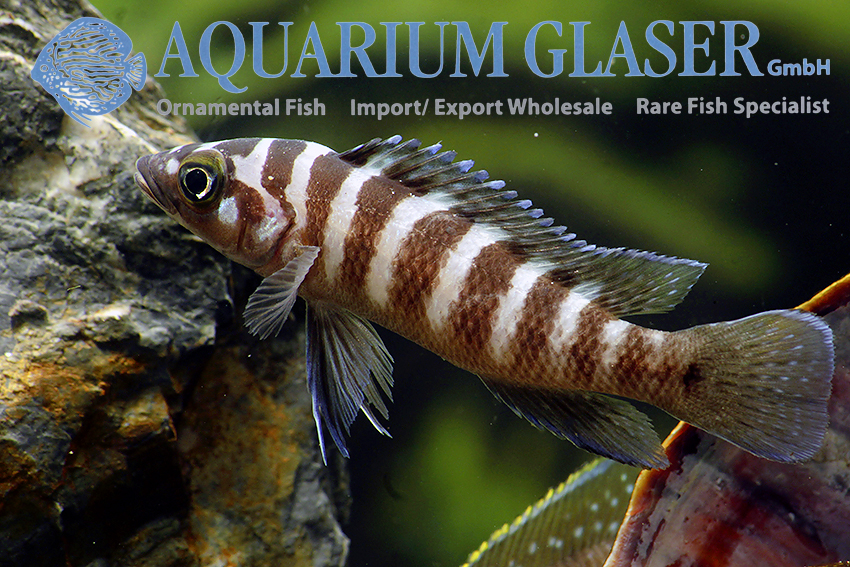
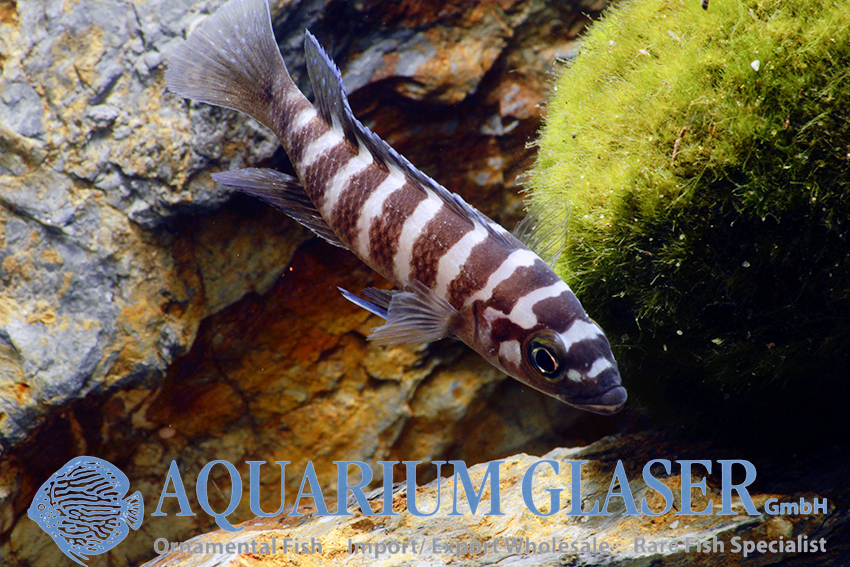
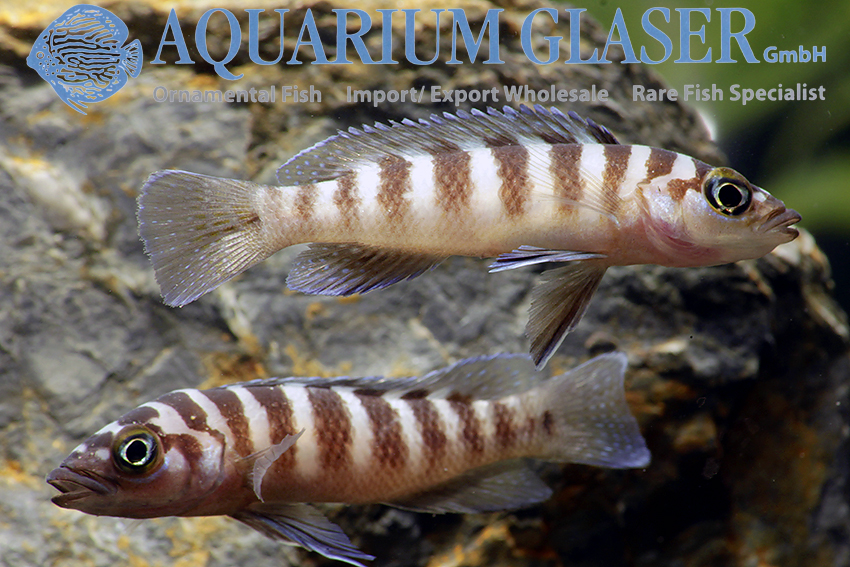
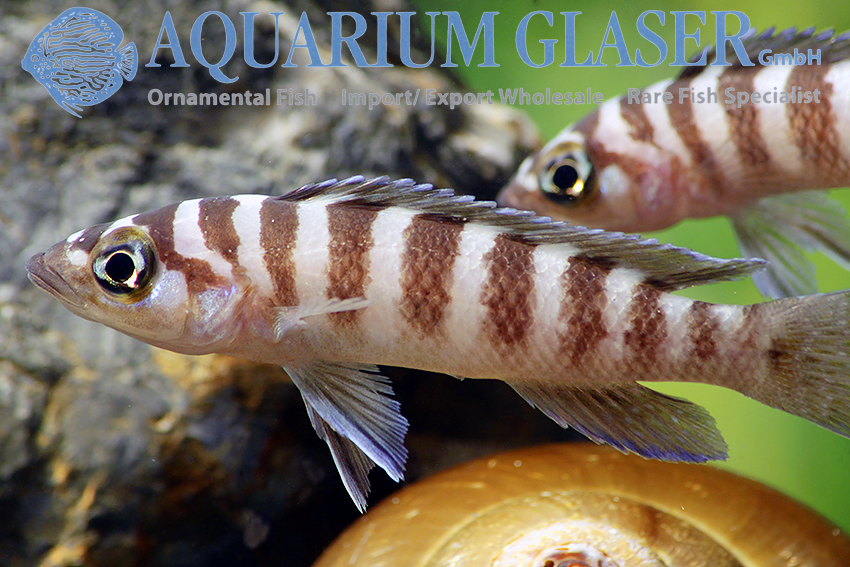
Neolamprologus cylindricus

8. June 2018

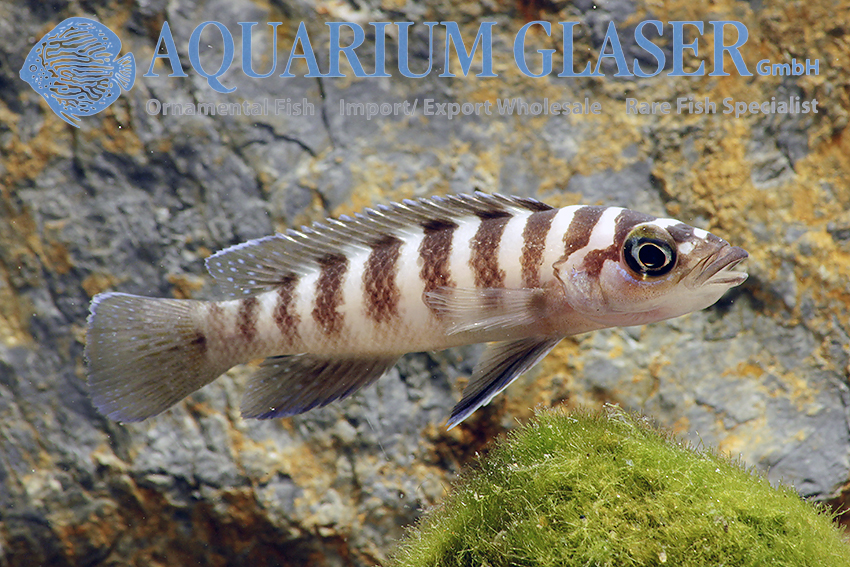
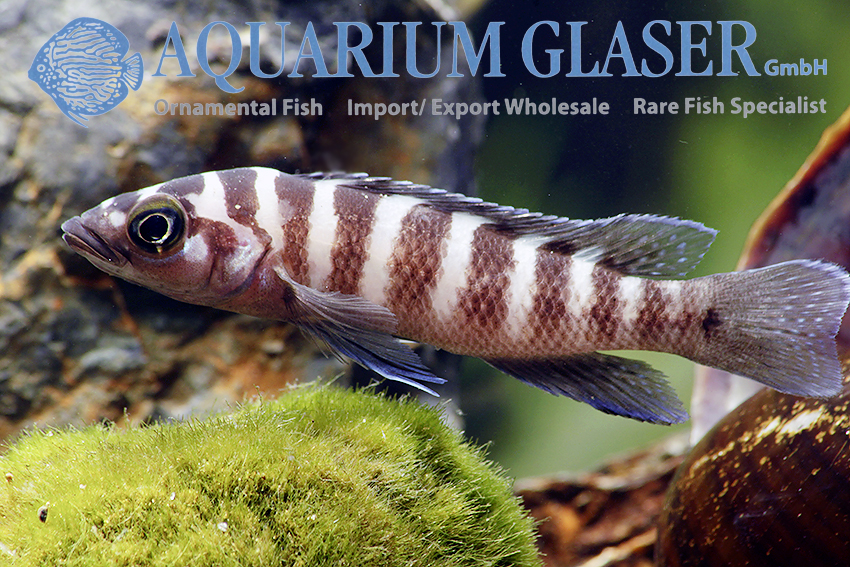
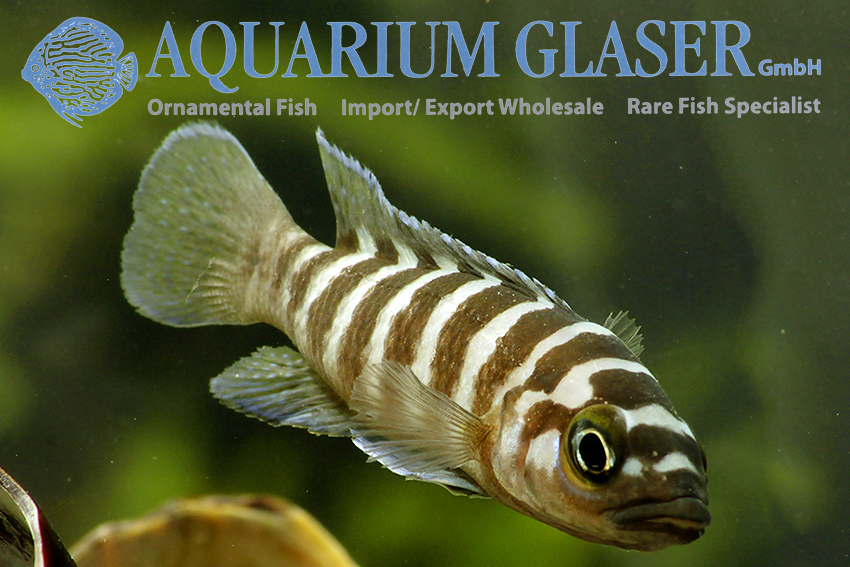
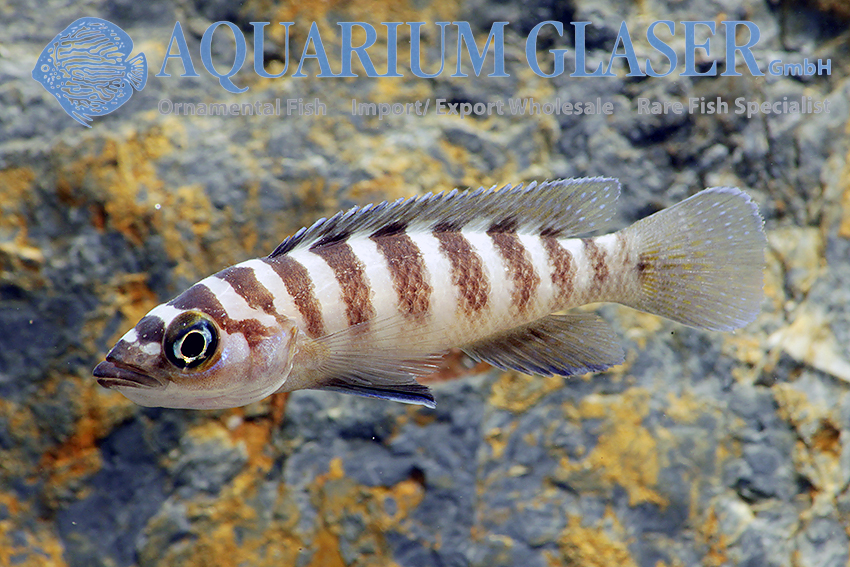
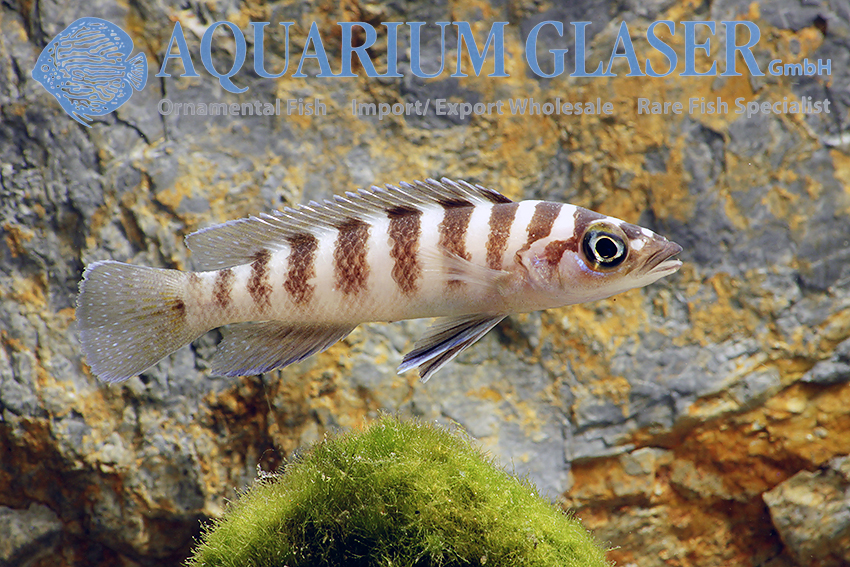
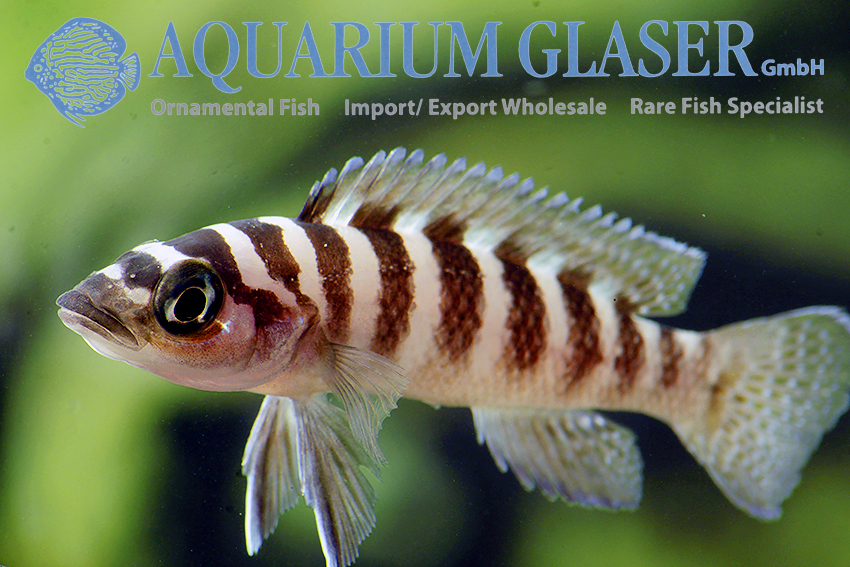
Among the small species of cichlid from Lake Tanganyika Neolamprologus cylindricus is one of the prettiest. The very obvious ringed pattern makes it unmistakable. In respect of behaviour N. cylindricus is best comparable with the species of the genus Julidochromis. Like these N. cylindricus form fixed pairs (in large aquaria a male may pair with more than one female). The eggs are spawned in caves or crevices and both parents guard the eggs and the fry.

A very typical behaviour of that species is the „stone-surfing“. This means the fish try to stay with their belly as close to the rocky ground as possible.

For our customers: the fish have code 544903 on our stocklist. Please note that we exclusively supply the wholesale trade.

Text & photos: Frank Schäfer

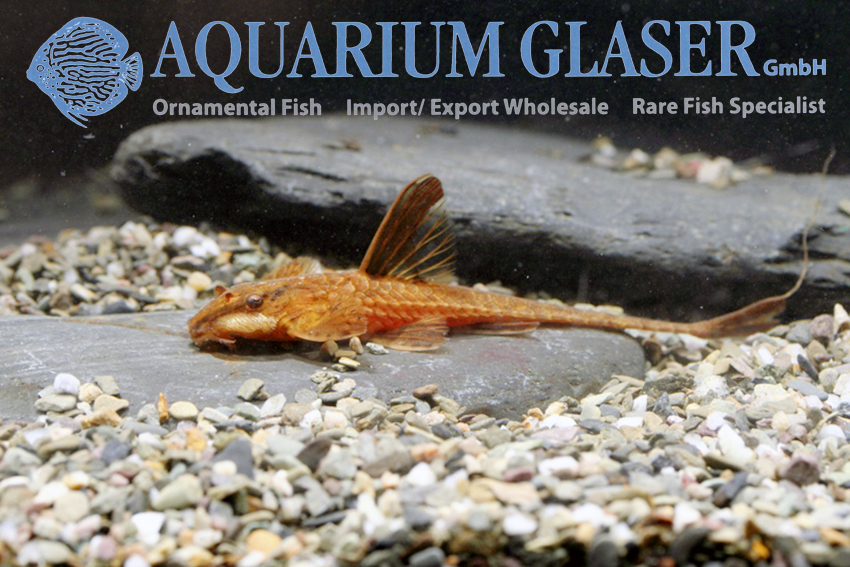
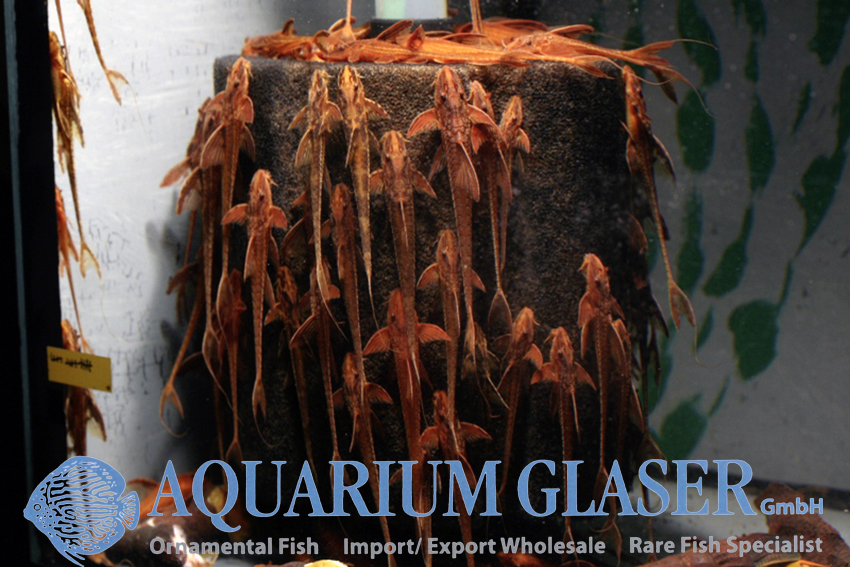
Hemiloricaria lanceolata Red

8. June 2018

It was back in the 1980ies that a brick-red sport of whiptail catfish appeared in the former GDR. The real origin of the fish stays a mystery, but it was possible to cross it with Hemiloricaria (formerly Rineloricaria) lanceolata. The strains that exist nowadays are most probably all hybrids. The initial red whiptail catfish belonged most probably to another species than H. lanceolata (see Evers & Seidel, Wels-Atlas, Vol. 1: 694, for details).

In November 2015 we obtained an importation of wild collected H. lanceolata from Paraguay. It contained a single brick-red male specimen. This animal – along with some regulary coloured females – was given to our proofed breeder Kurt Jülich who succeeded in breeding them! Now we can offer for the very first time brick-red whiptail catfish from that new strain.

For our customers: the fish have code 288524 on our stocklist. Please note that we exclusively supply the wholesale trade.

Text: Frank Schäfer, Photos: Dirk Stojek & Frank Schäfer

Ctenopoma acutirostre

6. June 2018

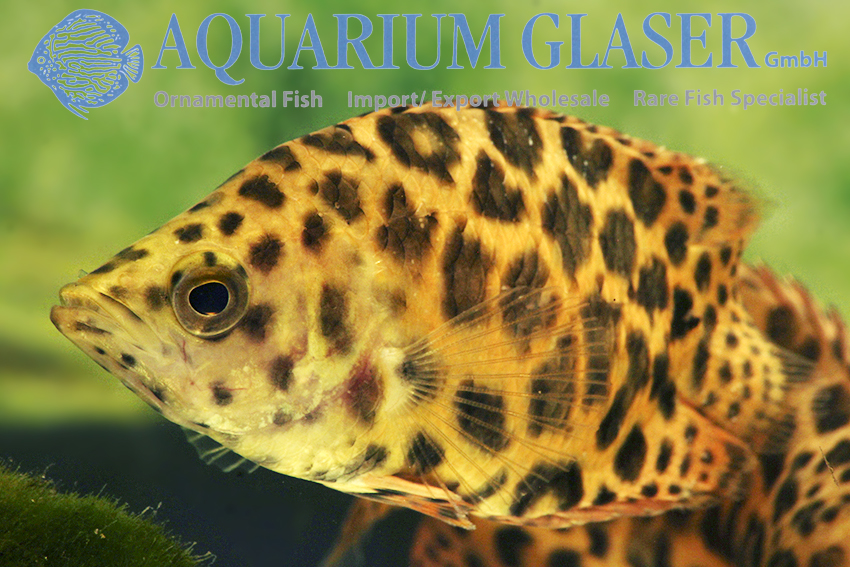
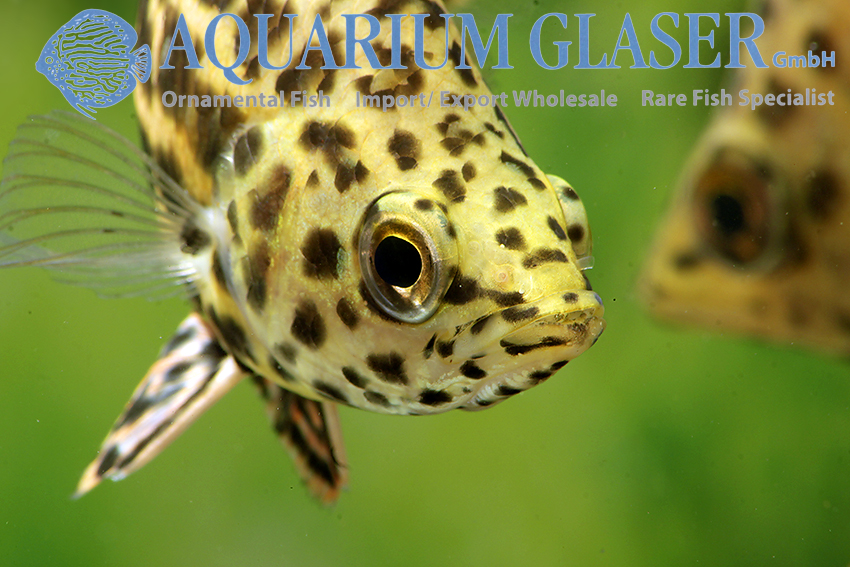
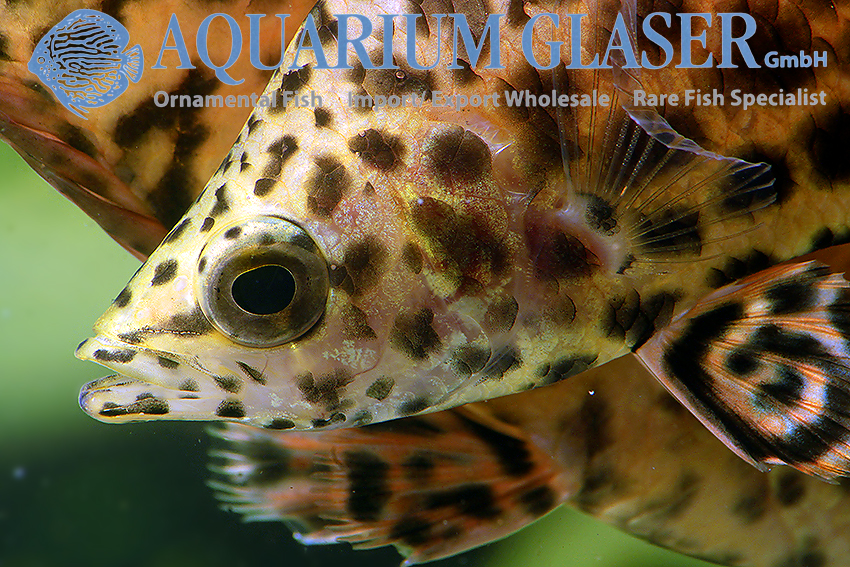
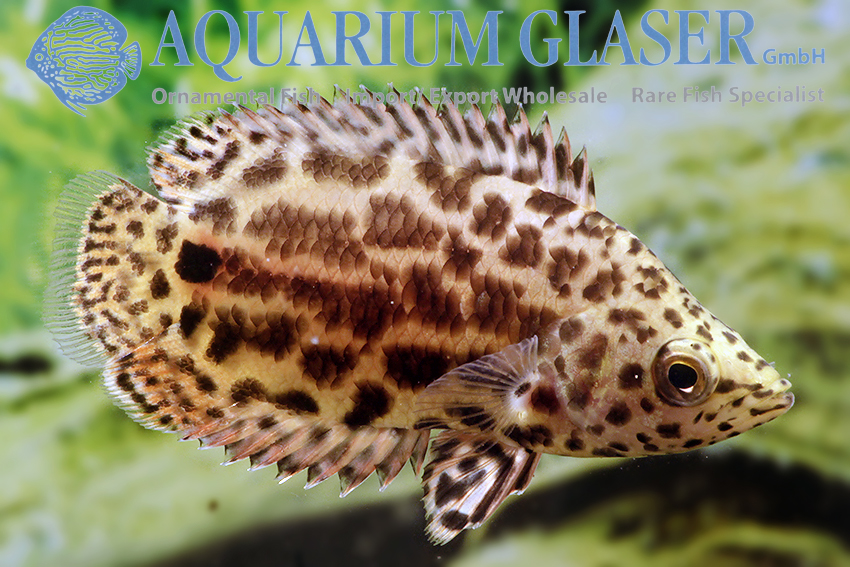
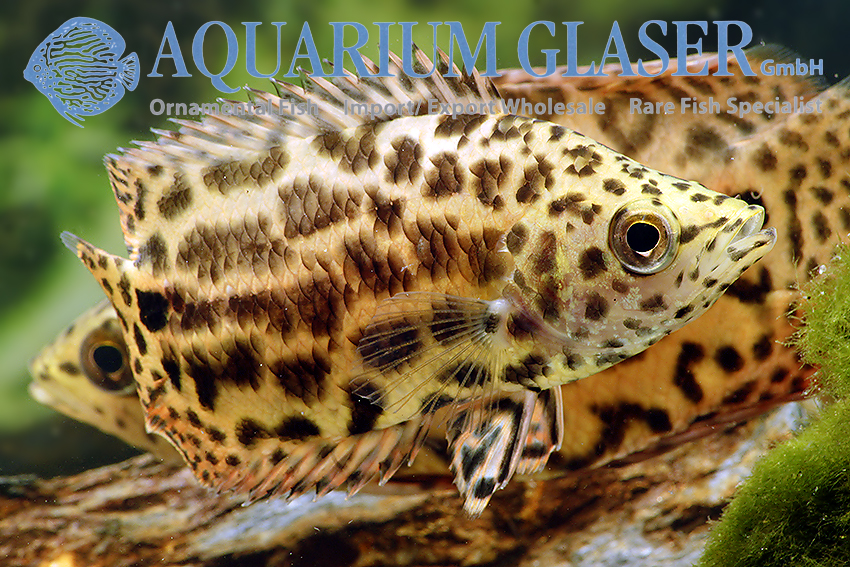
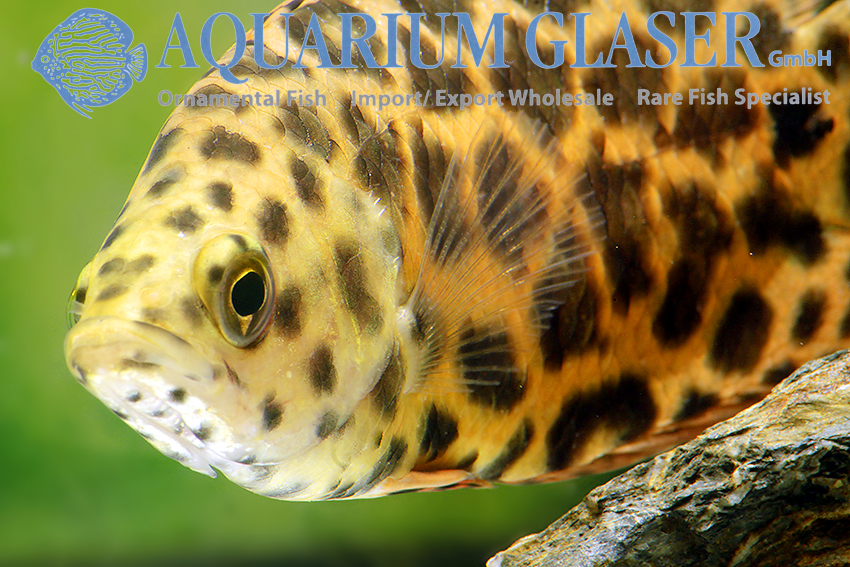
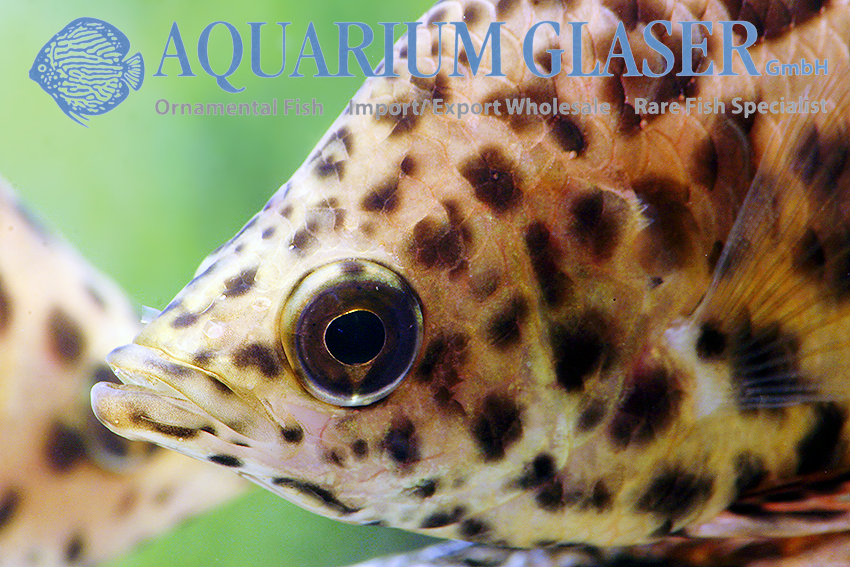
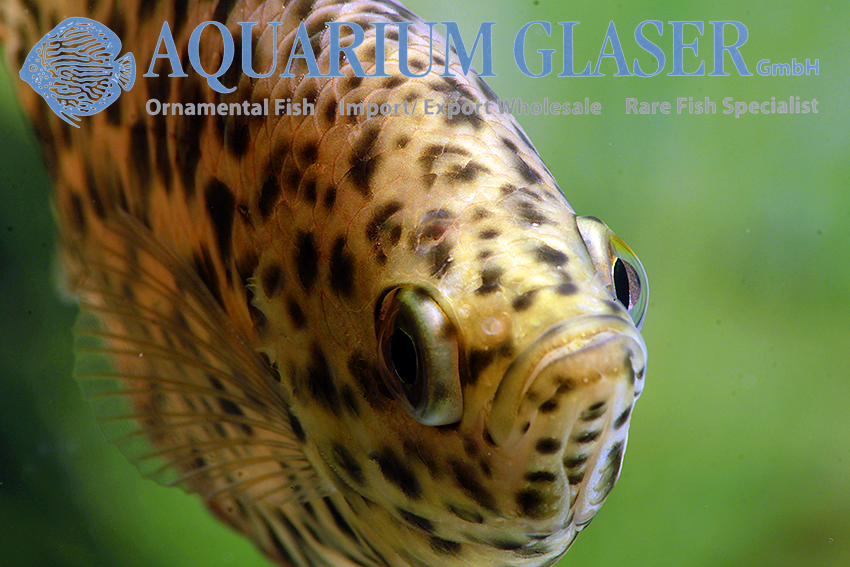
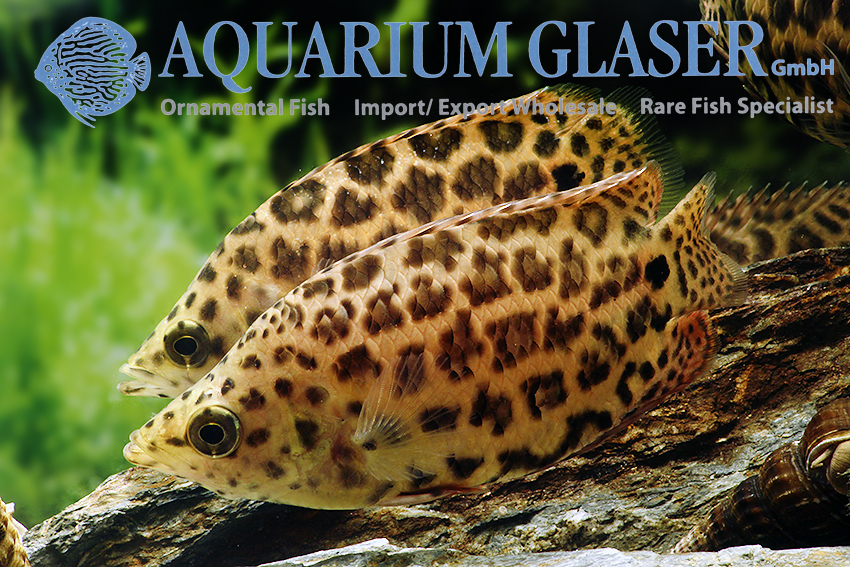
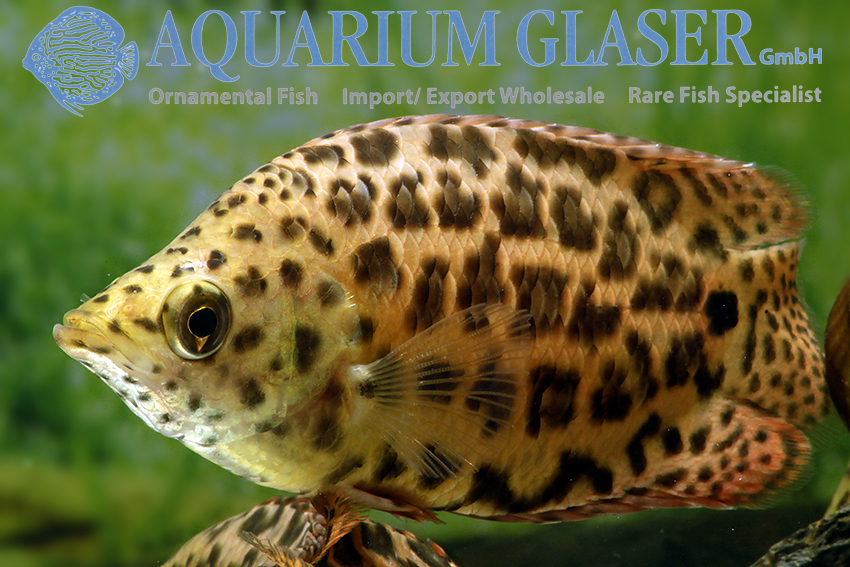
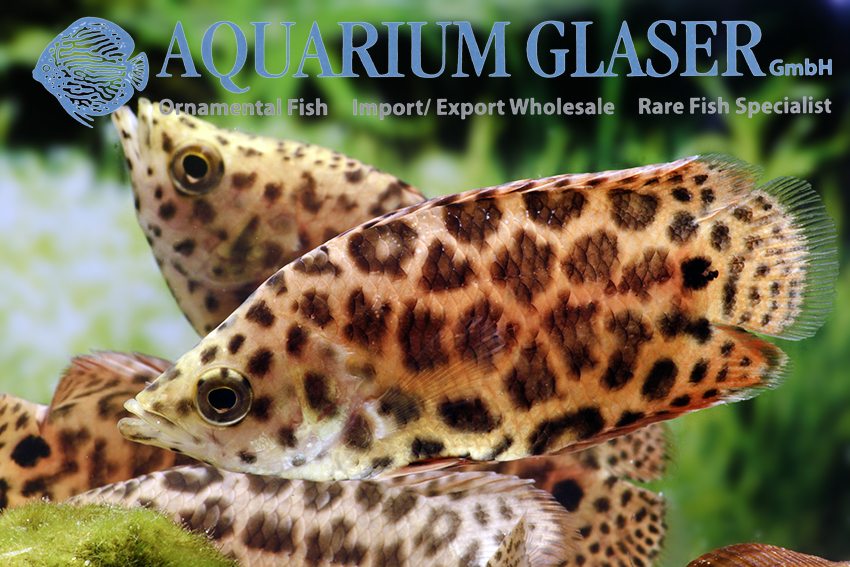
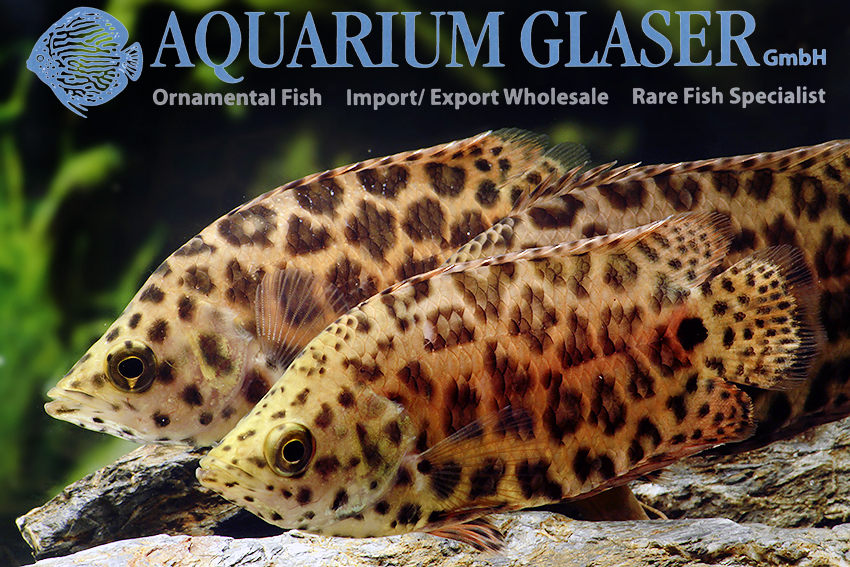
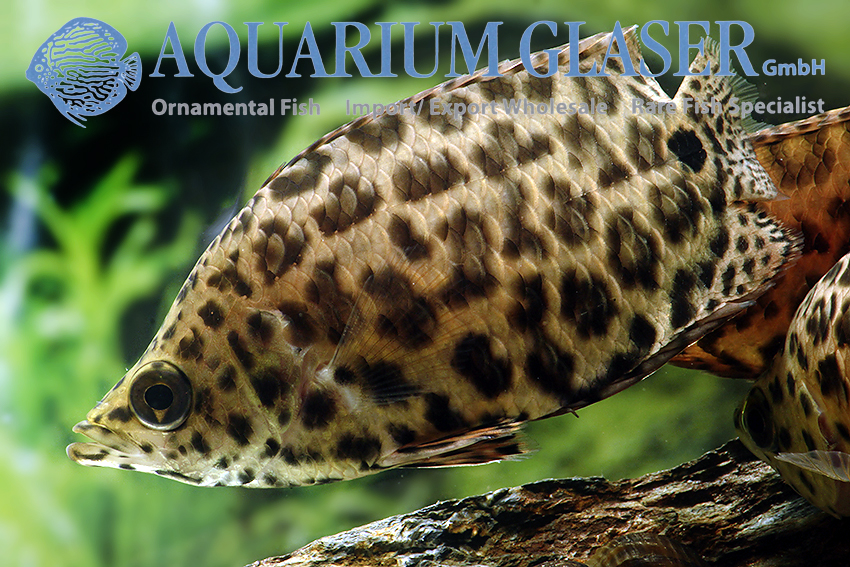
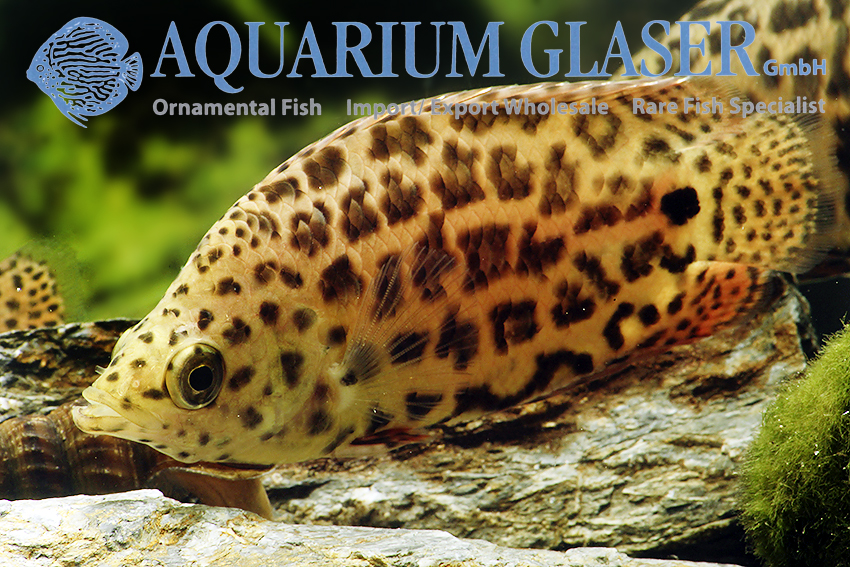
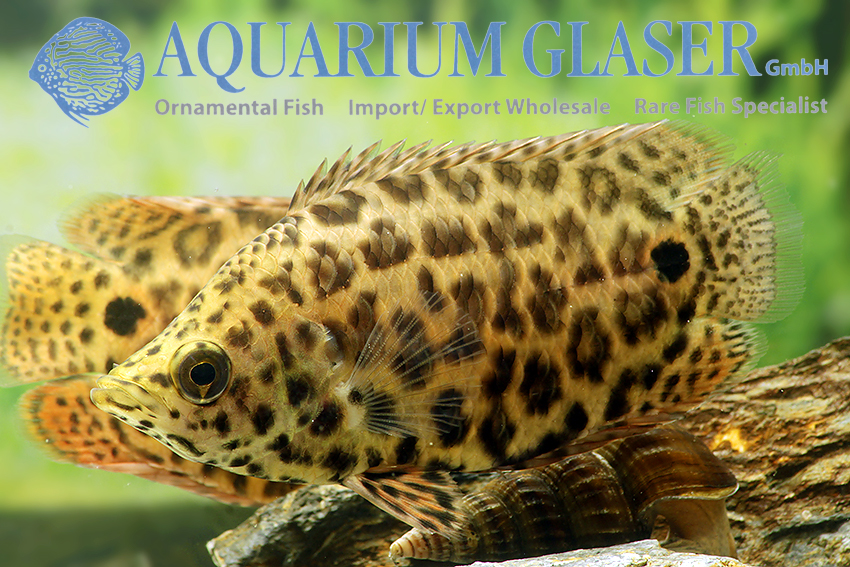
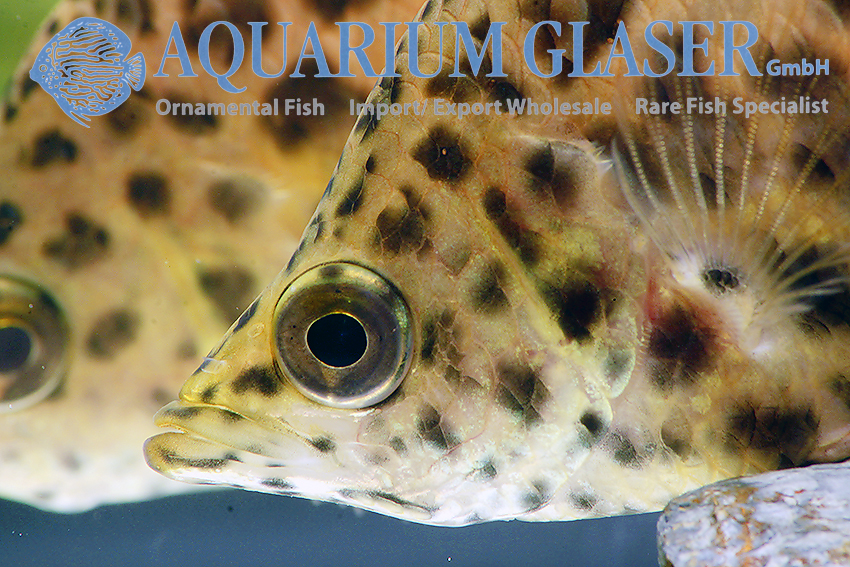
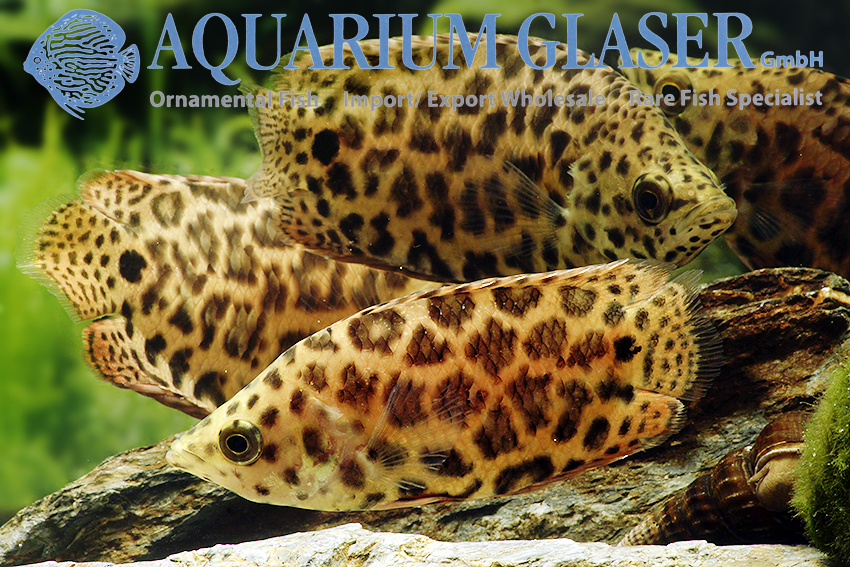
Among the most beautiful anabantoids or labyrinth fish from Africa is Ctenopoma acutirostre, the Leopard bushfish. It can become 15-20 cm long. Its natural habitat is the Congo. It is collected there for the ornamental fish trade in the Stanley Pool region. Here the fish live under the swimming meadows of the water hyacinth (Eichhornia crassipes). At dawn  they start hunting. Like a dead fish they slowly thrive through the water column. The special leopard pattern suggests a rotting carrion. Small fish are attracted by the obvious easy food and find themselves eaten as soon as they try to taste it.

Luckily enough it is not necessary to feed live fish. C. acutirostre can easily be adopted to frozen food (bloodworm etc.). They also can be kept in community tanks given the fact that possible tankmates are at least as half as long the Leopard bushfish. So they cannot be swallowed anymore and become not attacked. Leopard bushfish are totally peaceful as well against conspecifics as against other fish. But one has to choose calm species as tankmates, for the Leopard bushfish does not like hectic atmosphere at all!

For our customers: the depicted wild collected fish have code 115003 opn our stocklist. Please note that we exclusively supply the wholesale trade.

Text & photos: Frank Schäfer

Micronemacheilus cruciatus (= Yunnanilus c.)

4. June 2018

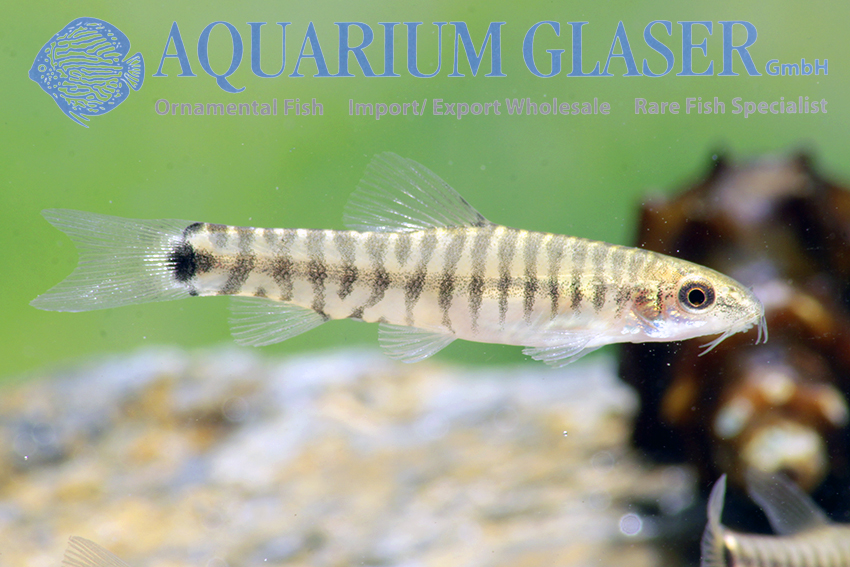
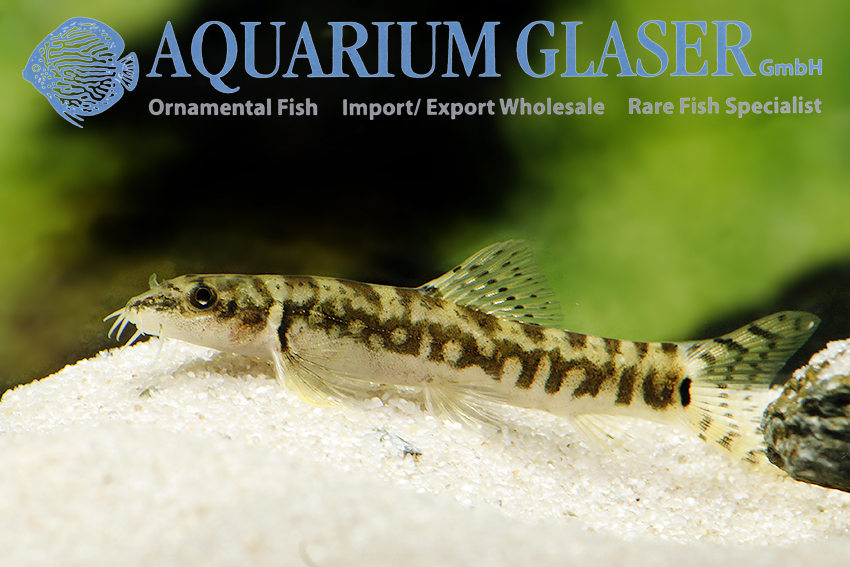
This charming free swimming dwarf loach originates from Vietnam. It attains a maximum length of about 3.5 cm. For quite a long time it was placed in the genus Yunnanilus, but currently mot scientists see them in the monotypical (this means the genus contains only one species) genus Micronemacheilus.

These fish are totally peaceful and love to swim along with conspecifics. They are very lively and can be easily fed with any type of ususal fishfood as long as it is not too big. The optimal water temperature can be between 18 and 26°C, the pH around the neutral mark, hardness is meaningless for these fish.

Miconemacheilus cruciatus is an ideal community fish for well planted tanks with other small fish of the southeast Asian region.

For our customers: the fish have code 478013 on our stocklist. Please note that we exclusively supply the wholesale trade.

Text & photos: Frank Schäfer

Brotia armata

1. June 2018

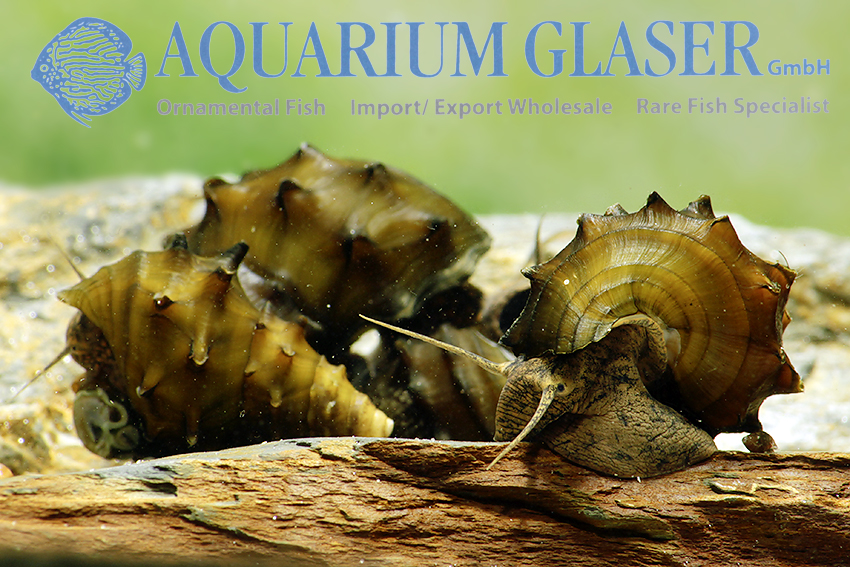
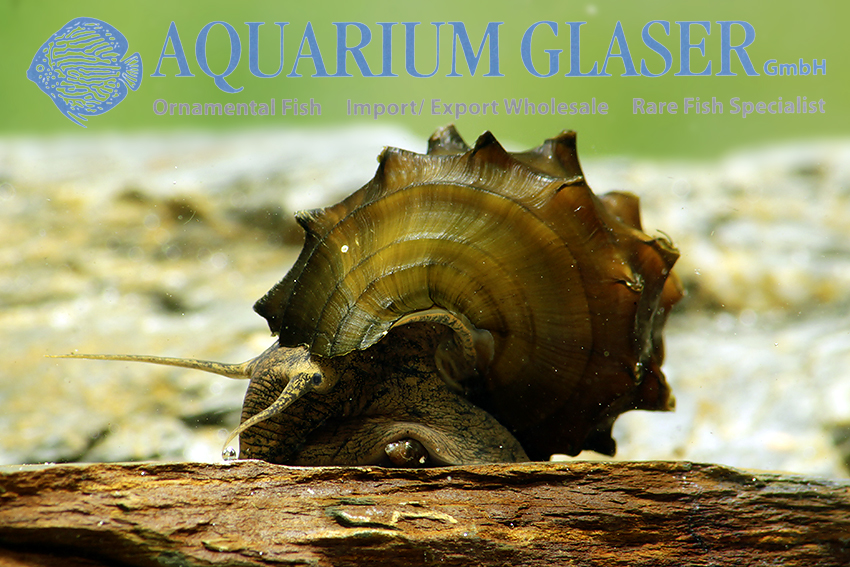
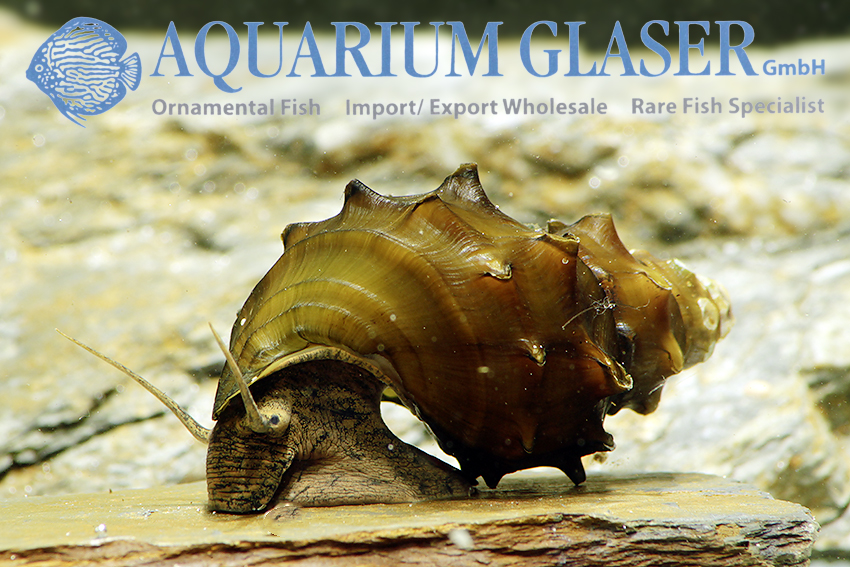
Currently we can offer several species of the livebearing snails of the genus Brotia from Thailand. These snails are no hermaphrodites like many other snails, but the sexes cannot be told apart from external features. However, Brotia will never become a plague like many other snails do. They feed on algae and other Aufwuchs. Water plants are not part of their diet. In the wild these snails usually live in streams with some current. The water is medium hard, the pH between 7.5 and 8.5.

Brotia armata is a comparatively new snail in the hobby. It is quite similar to the better known B. pagodula, but both species can be told apart by the shape of the first convolution of the shell. This is grooved in B. armata, almost plain in B. pagodula. The species becomes 3-4 cm long. The small holes on the end of the shell are a species-specific feature and not a disease or damage.

For our customers: the animals have code 481310 on our stocklist. Please note that we exclusively supply the wholesale trade.

Text & photos: Frank Schäfer

Mesonoemacheilus guentheri

1. June 2018

There are ten known species in the genus Mesonoemacheilus. They are small, 4-6 cm long, very lively loaches. All of them occur along the Western Ghats, a mountain chain along the west coast of India, the so called Malabar coast. These mountains border the inland against the Arabian Sea. The Western Ghats are a so called hotspot of biodiversity. Almost each small river that flows to the sea contains its own, endemic  fish fauna, among them many loaches and among the loaches Mesonoemacheilus.

We were able ot import a good number of these charming fishes currently. Most individuals belong to the species Mesonoemacheilus guentheri, but there are also some individuals of other, closely related species, like M. herrei and the Zodiac loach, M. triangularis.

One should keep these fishes in a tank with fine sand bottom and some flat stones. Here the loaches will erect small territories. In this tank will occur a neverending swimming, hunting and quarreling. It will be never boaring to observe such an aquarium!

For our customers: the fish have code 429892 on our stocklist. Please note that we supply exclusively the whoilesale trade.

Text & photos: Frank Schäfer

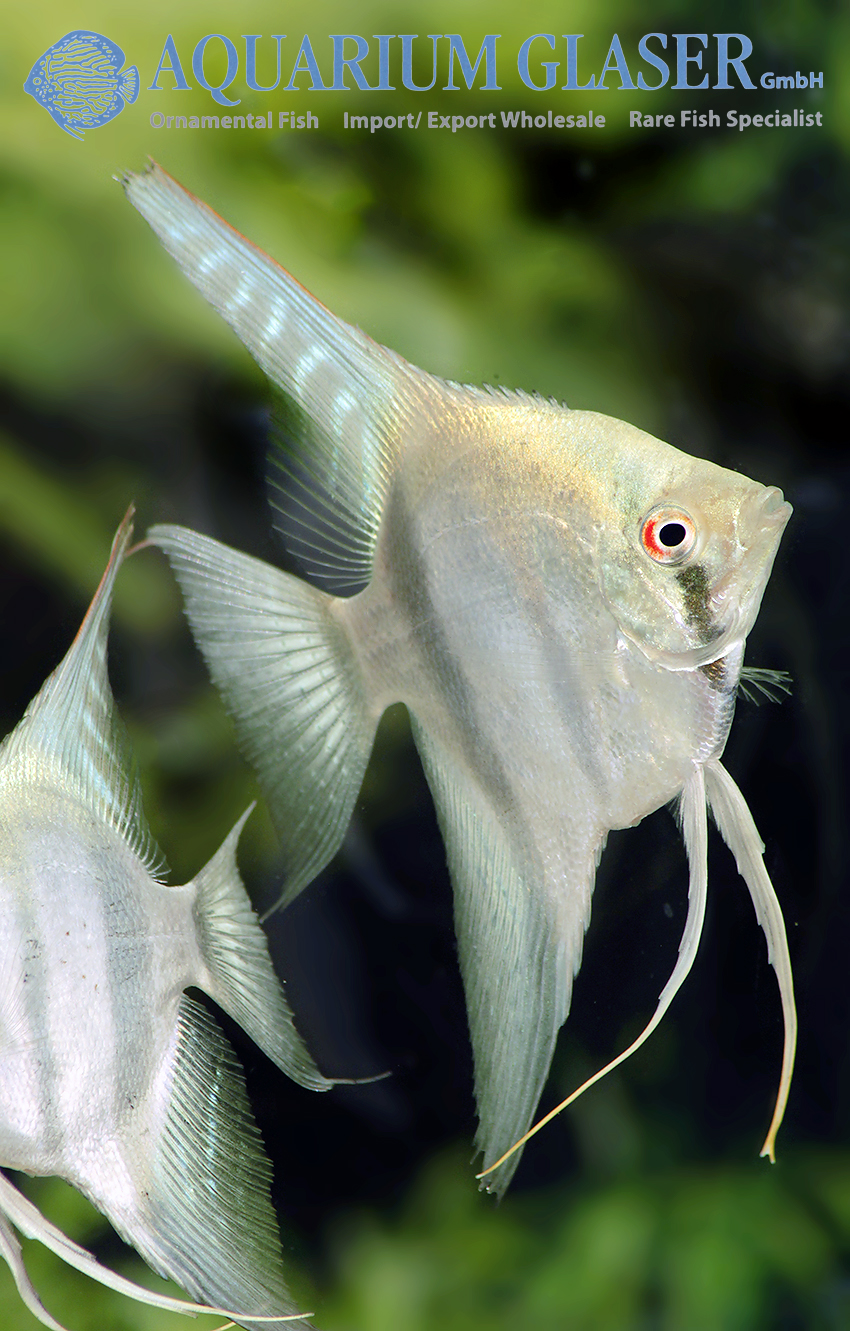
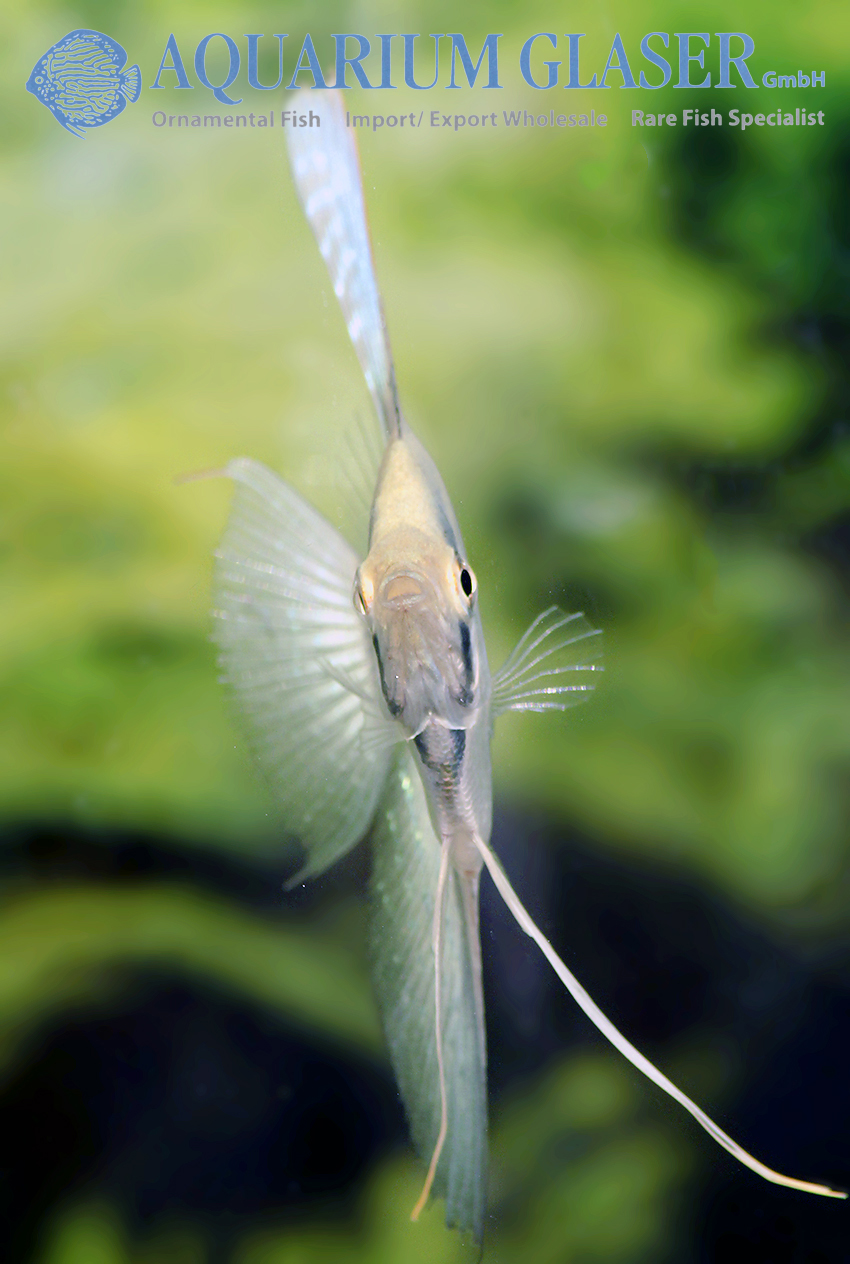
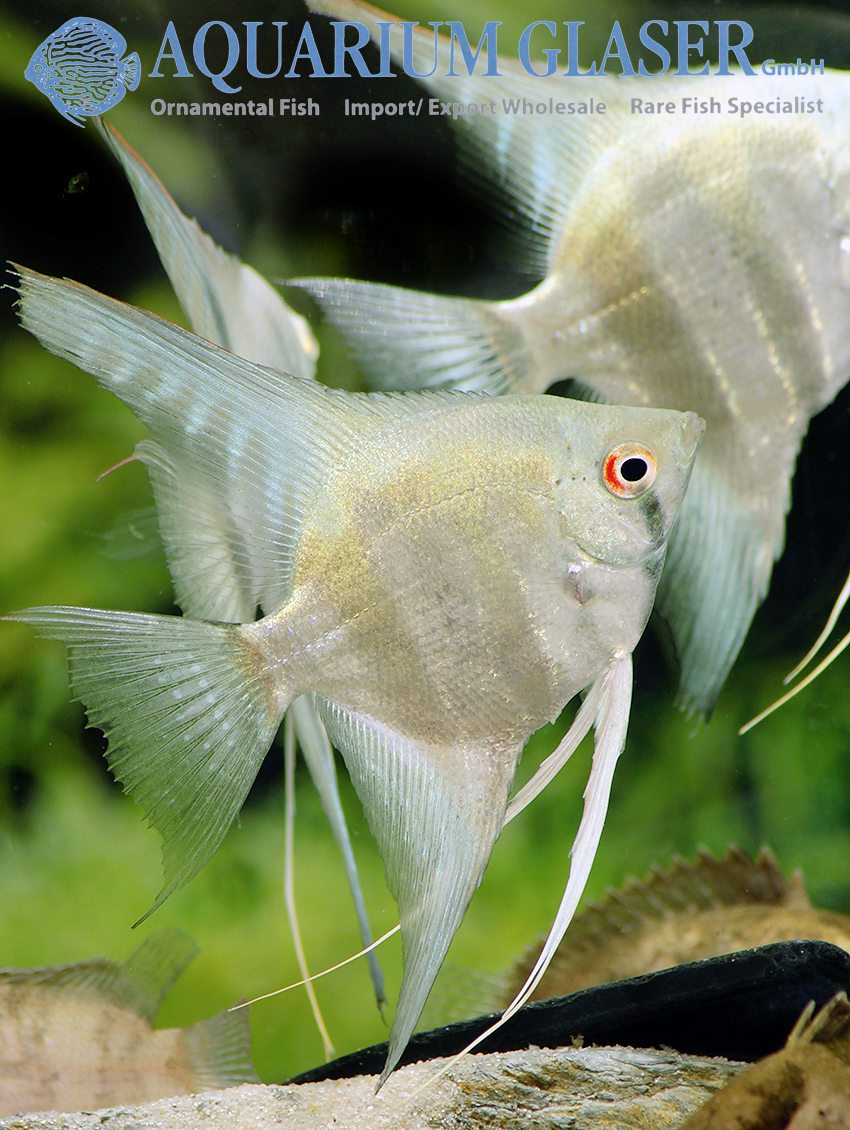
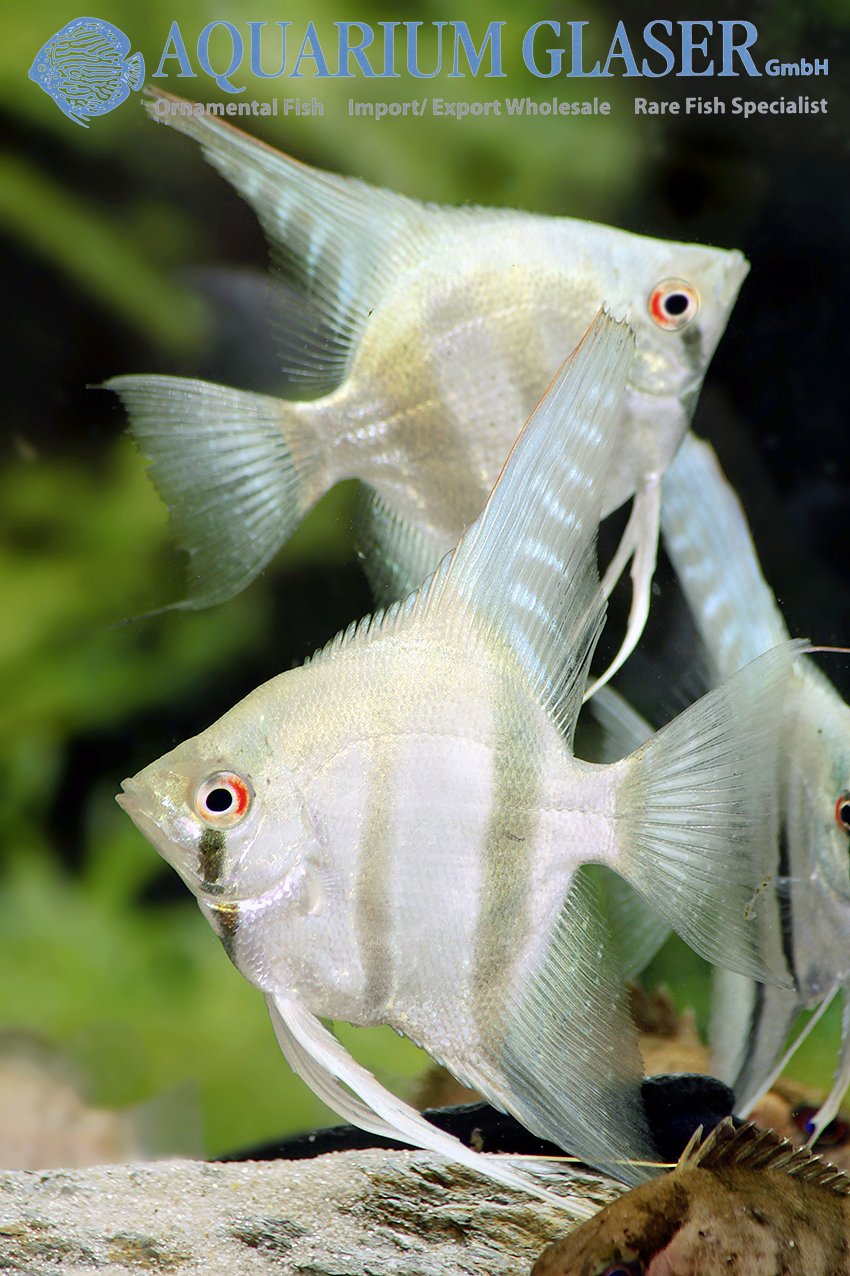
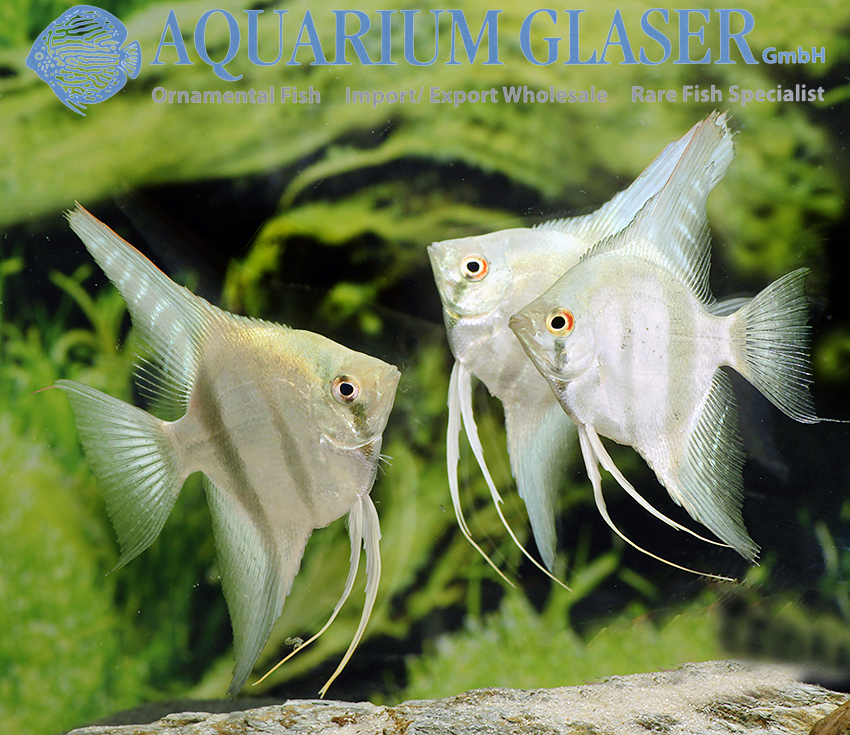
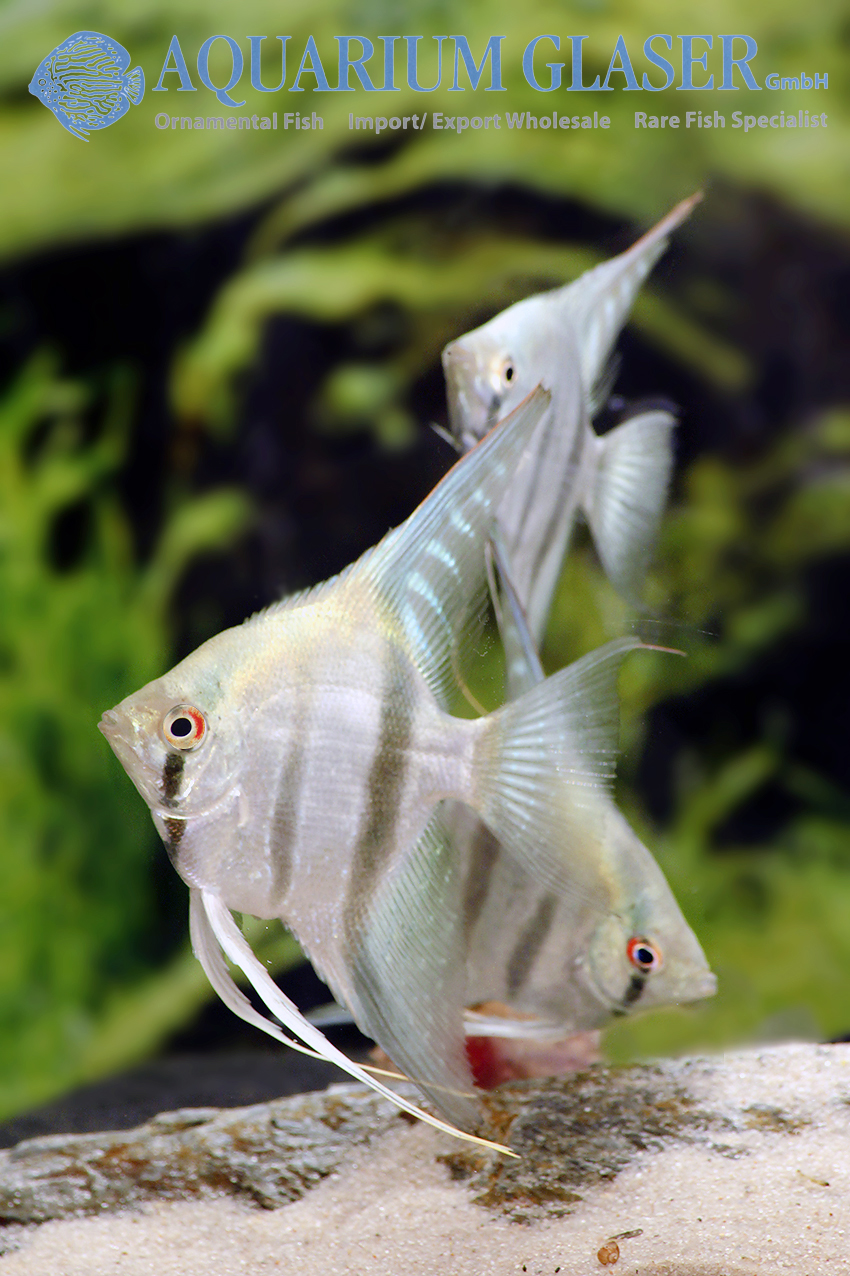
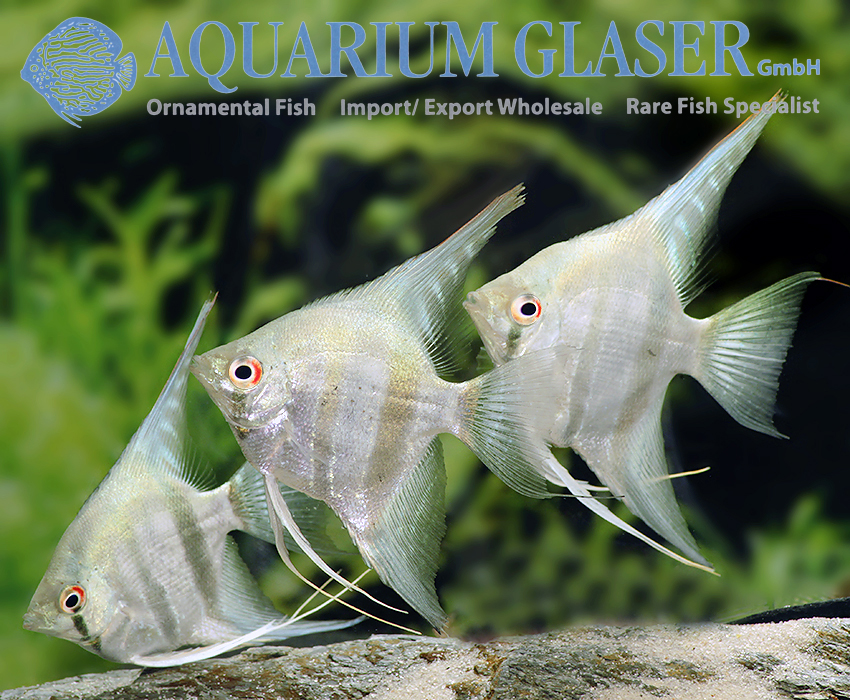
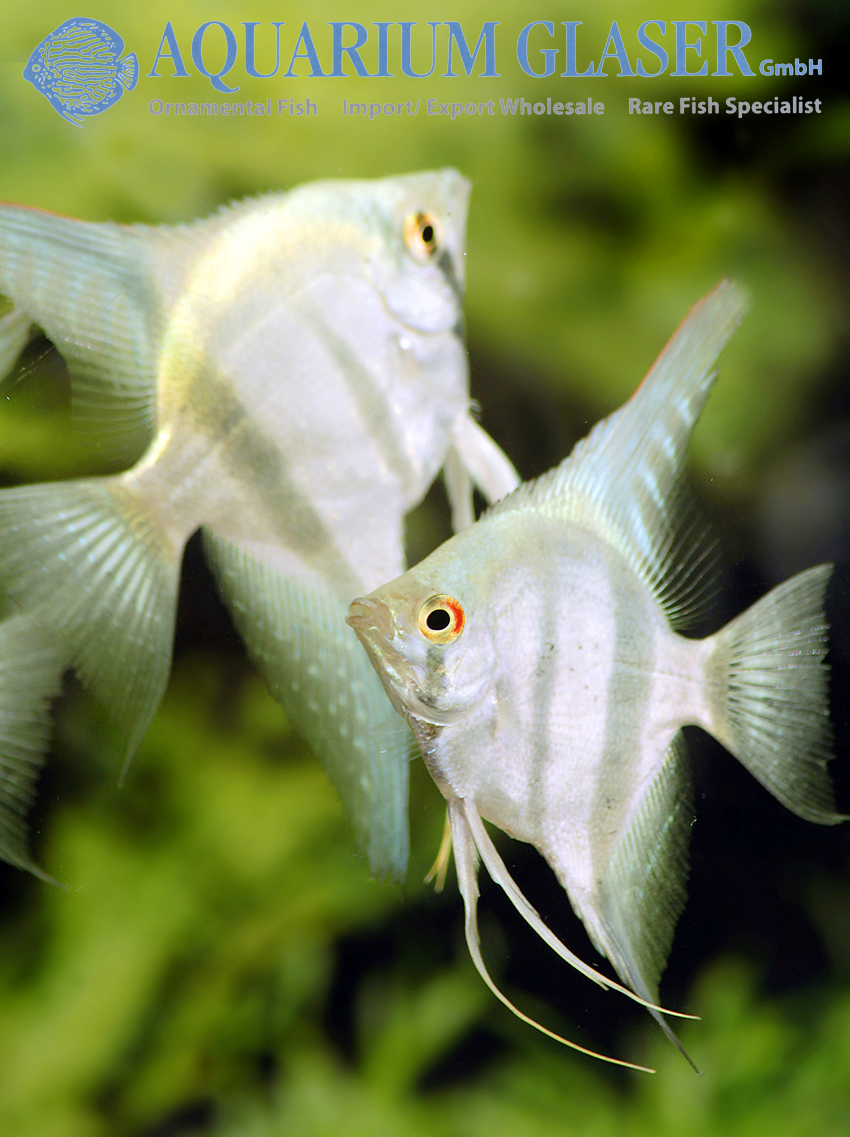
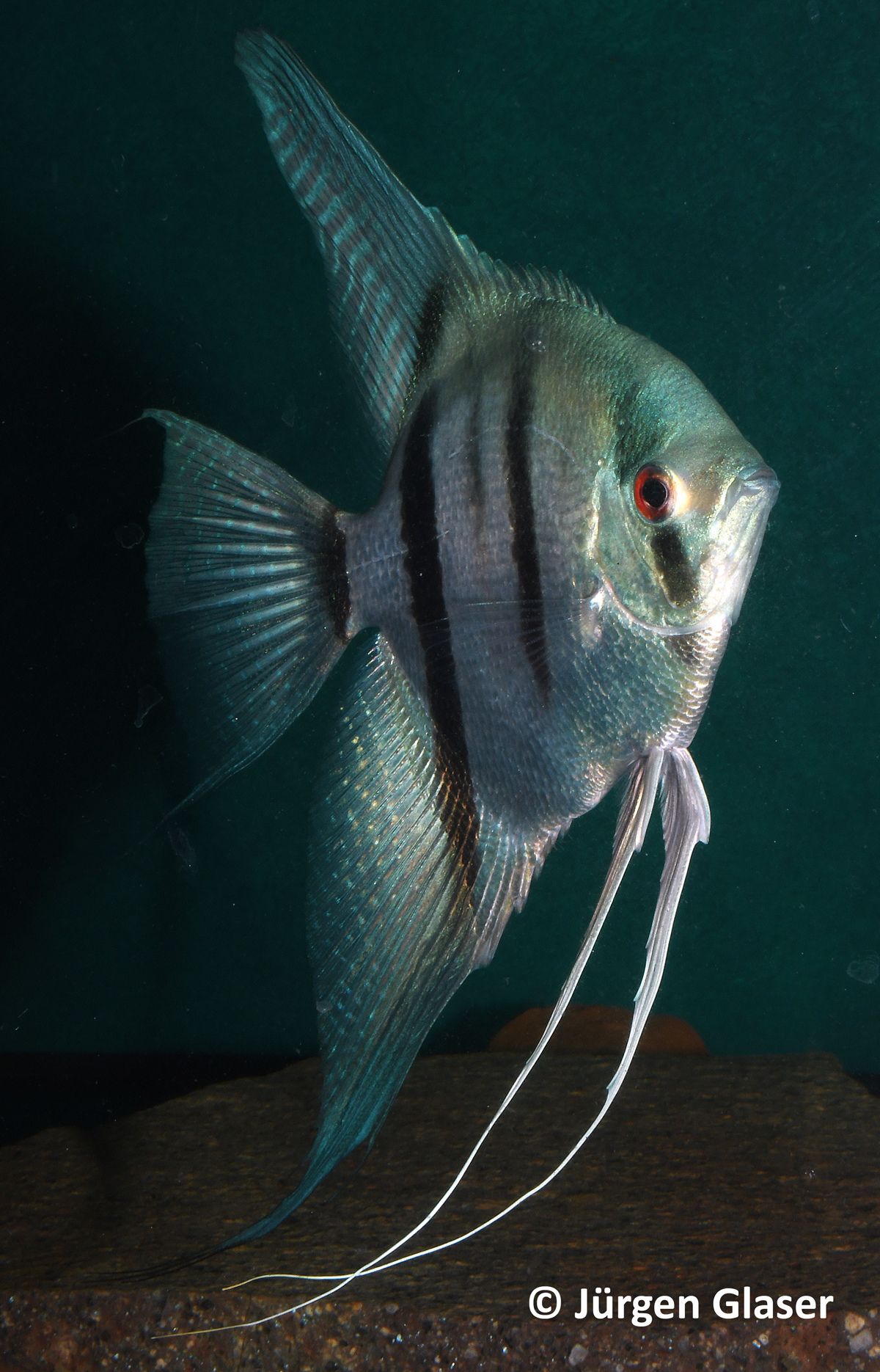
Pterophyllum scalare „Belem Sky Blue“

30. May 2018

In the year 2015 along with an import of stingrays from Belem, Para, Brazil an angelfish was imported that was unknown to us until then.

Already in 2016, in the F1 generation, a few blue mutants with a red iris could be selected.

These blue angels from wild parents formed the basis of the selective breeding we performed; we called the fish „Belem Sky Blue“.

In the second generation were already several very nice fish in respect of coloration, size and finneage development.

The fish exhibit a very strong brood care, both parents take care for eggs and offspring, as is typical for wild strains of angelfish.

Only now the whole potential of blue colours and black pattern becomes visible.

So far the report of our breeder Kurt Jülich. We can offer now this fish for the very first time in good numbers.

For our customers: the fish have code 699893 on our stocklist. Please note that we exclusively supply the wholesale trade.

Text: Kurt Jülich, photos: Jürgen Glaser and Frank Schäfer

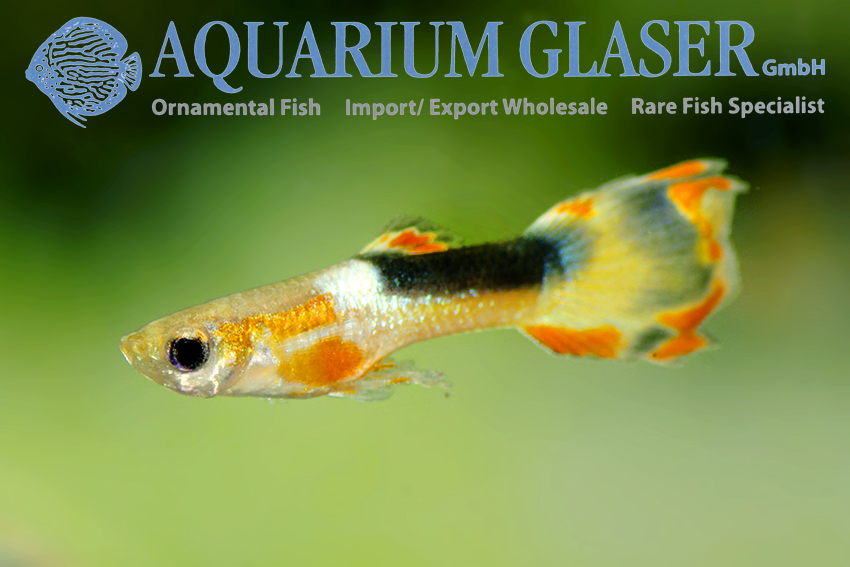
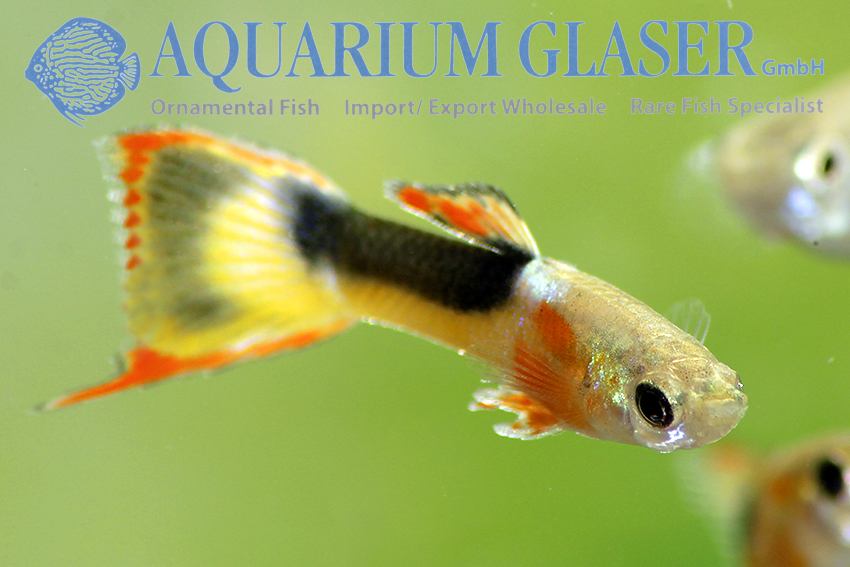
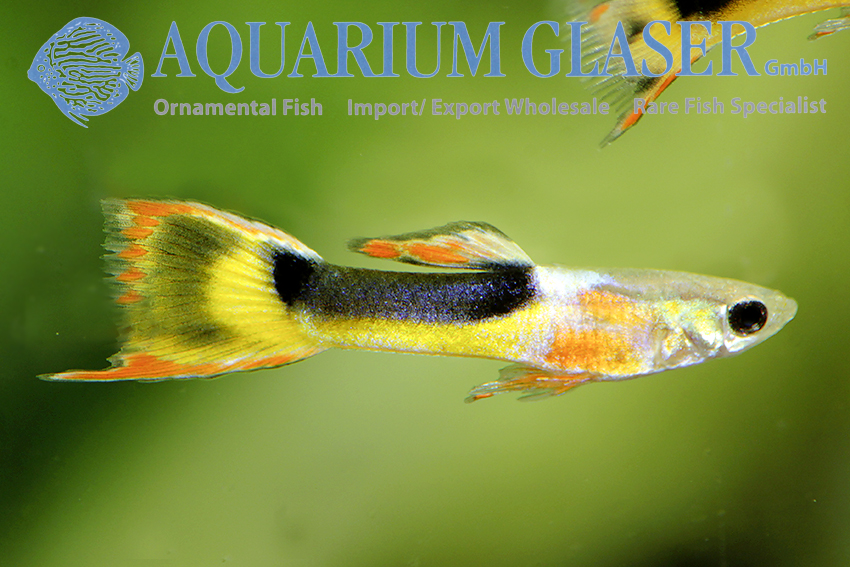
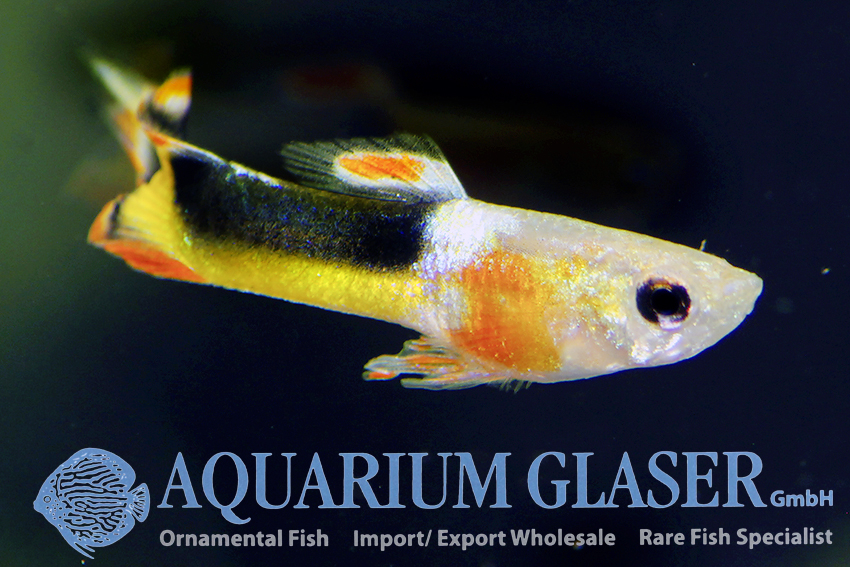
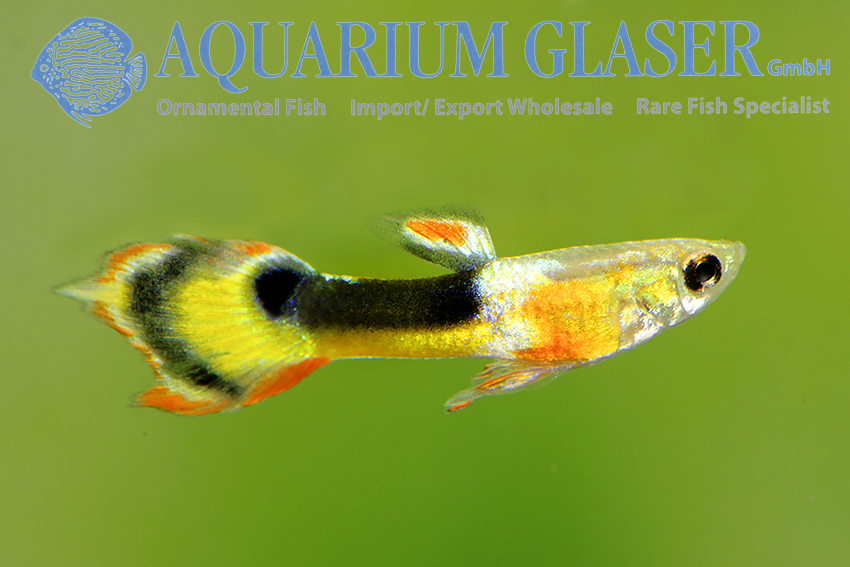
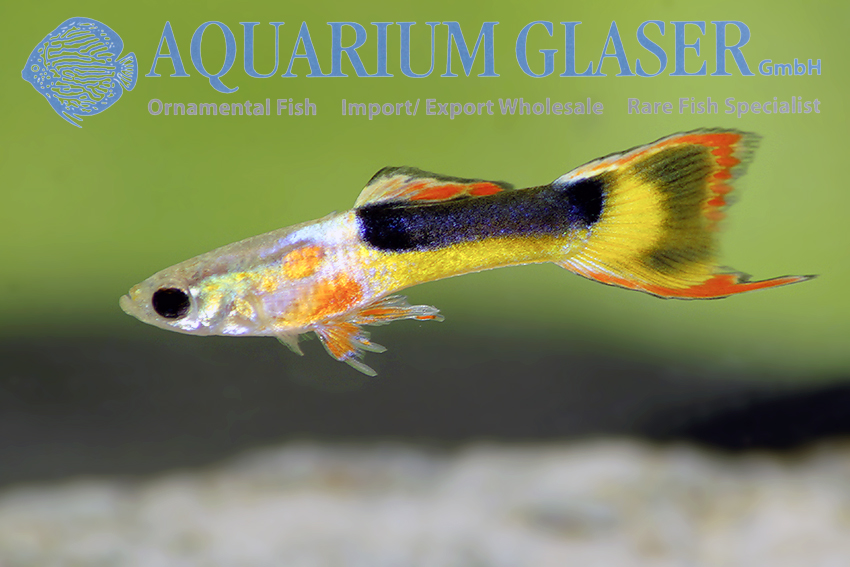
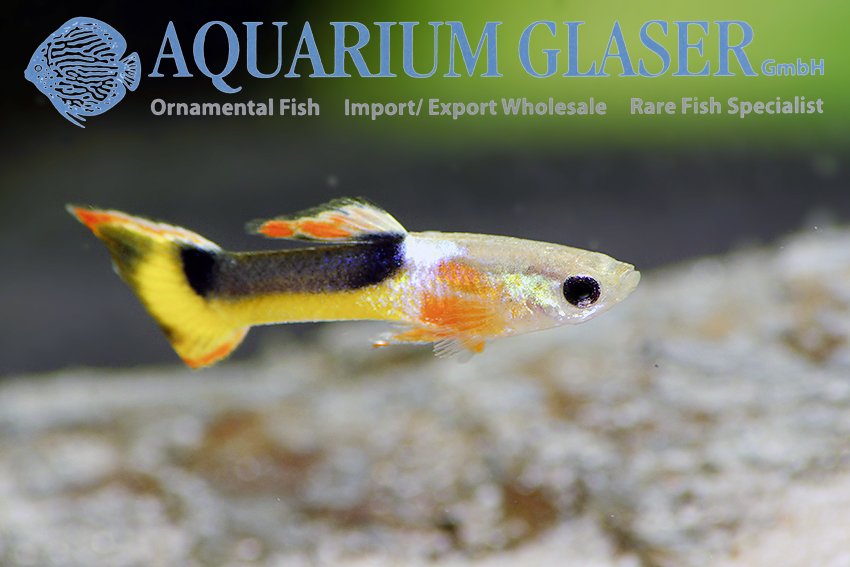
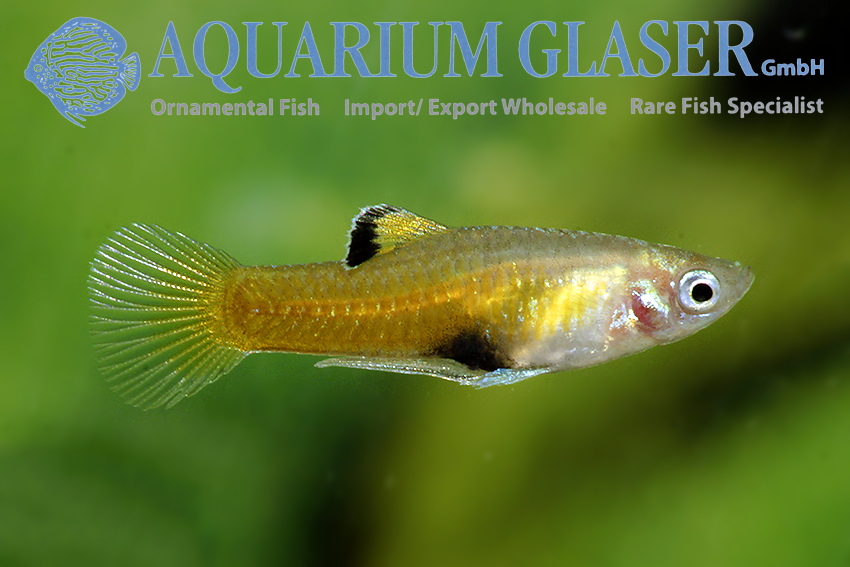
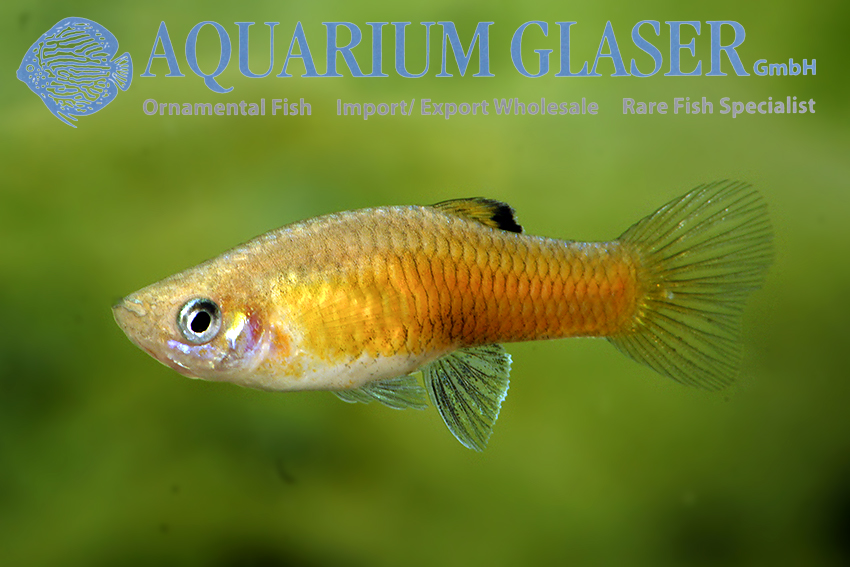
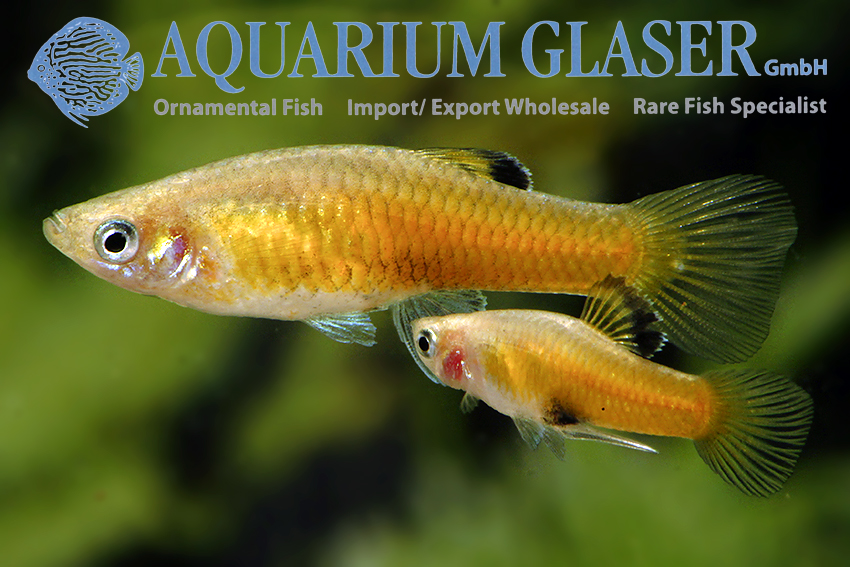
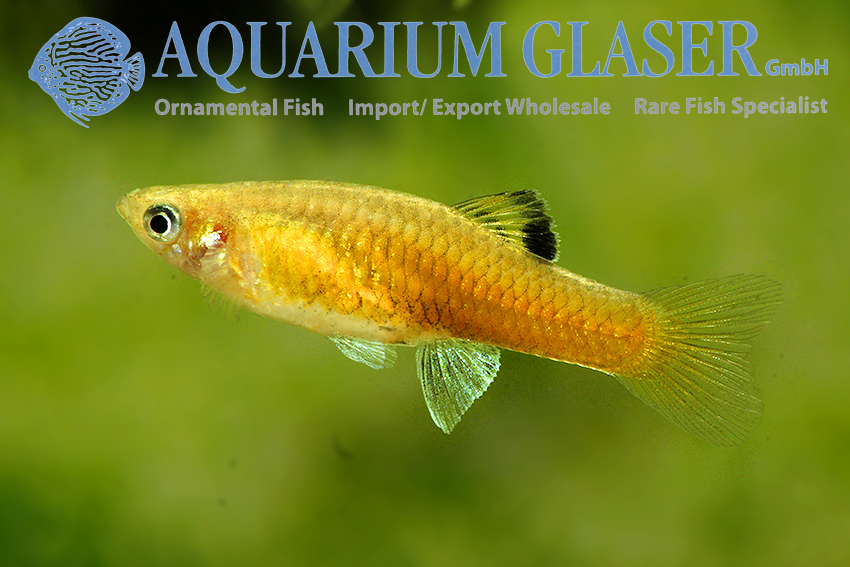
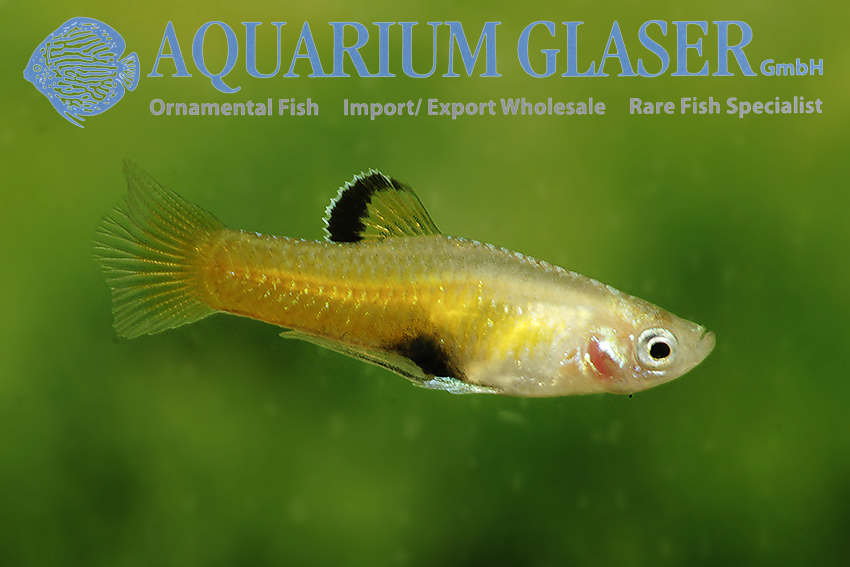
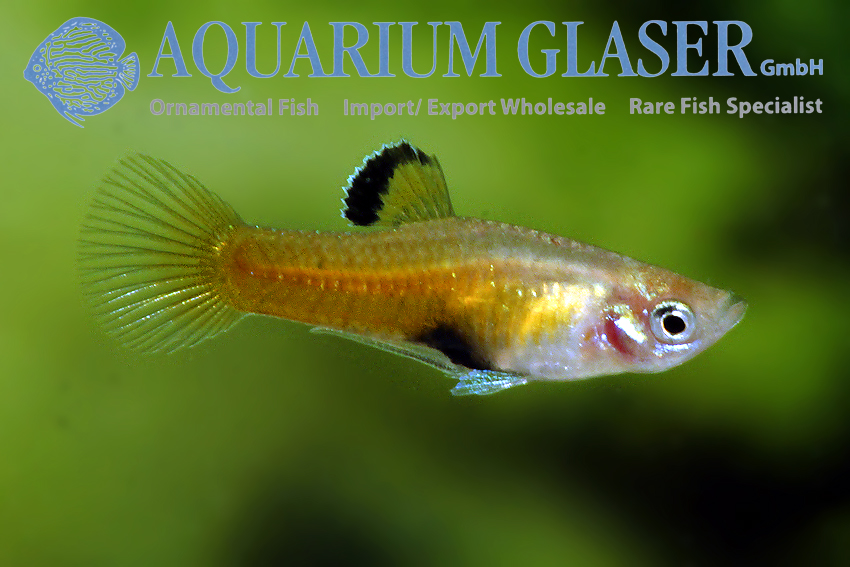
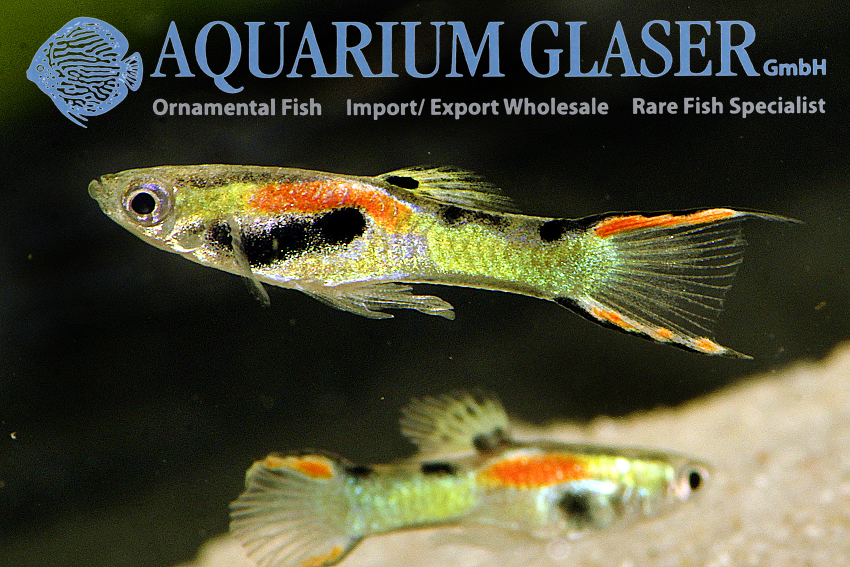
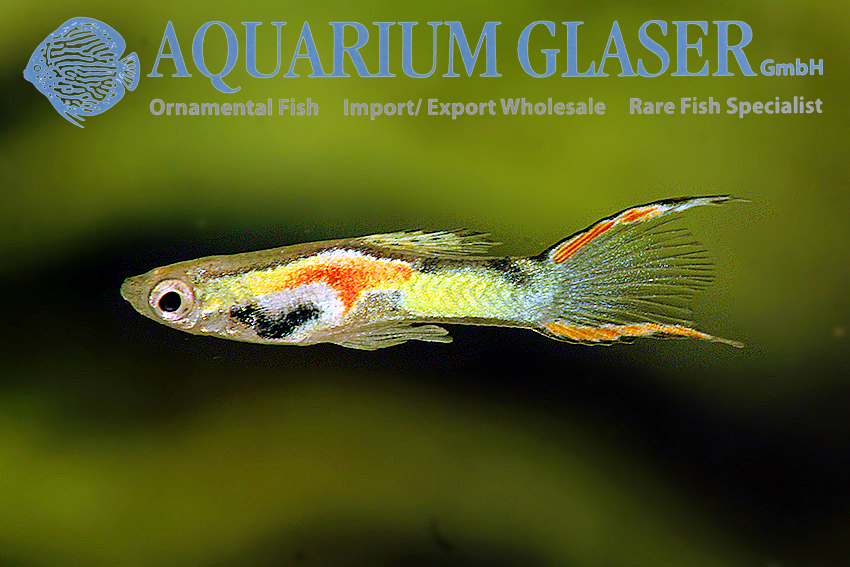
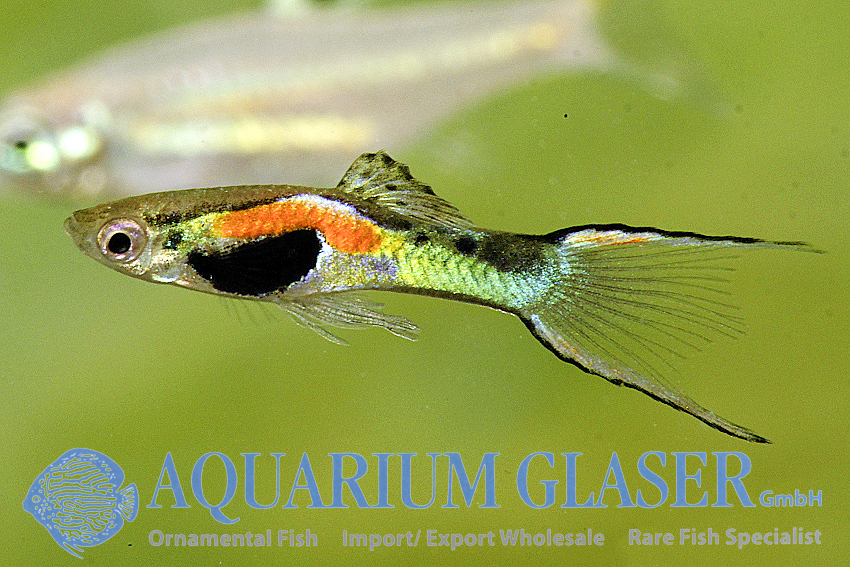
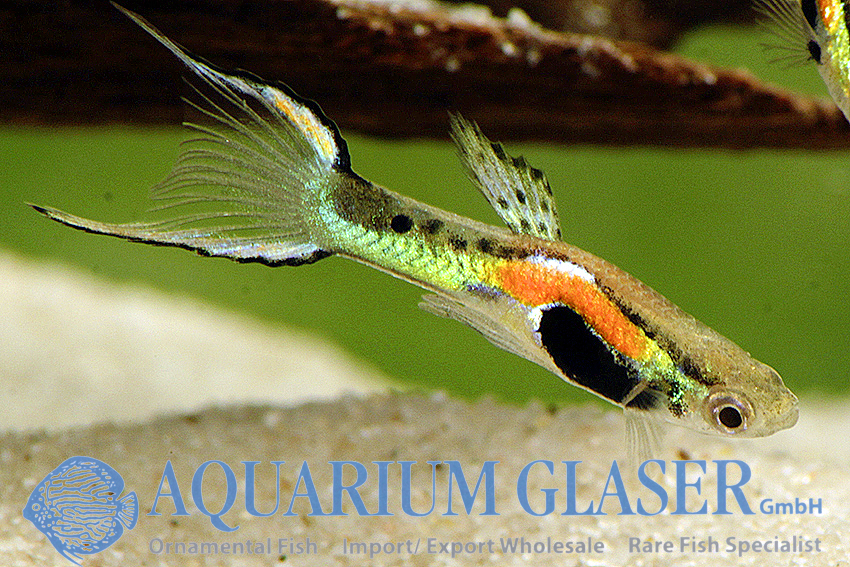
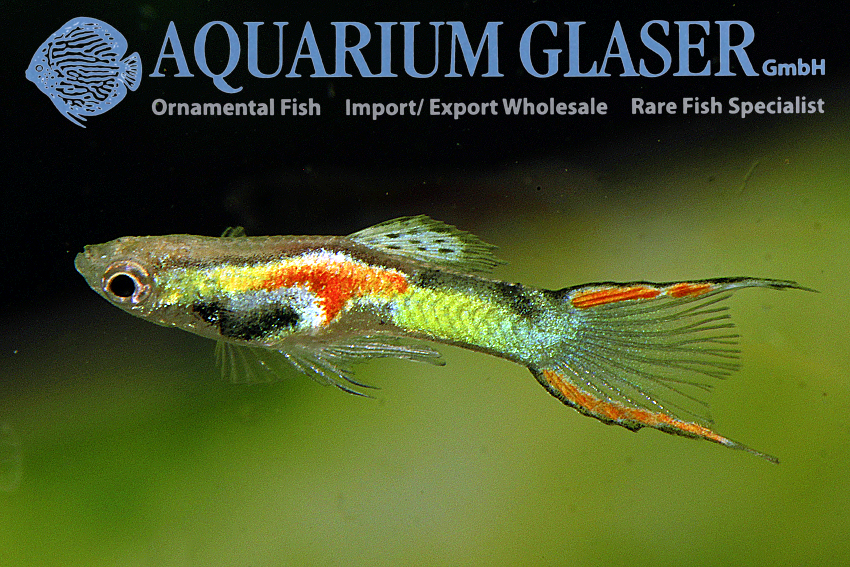
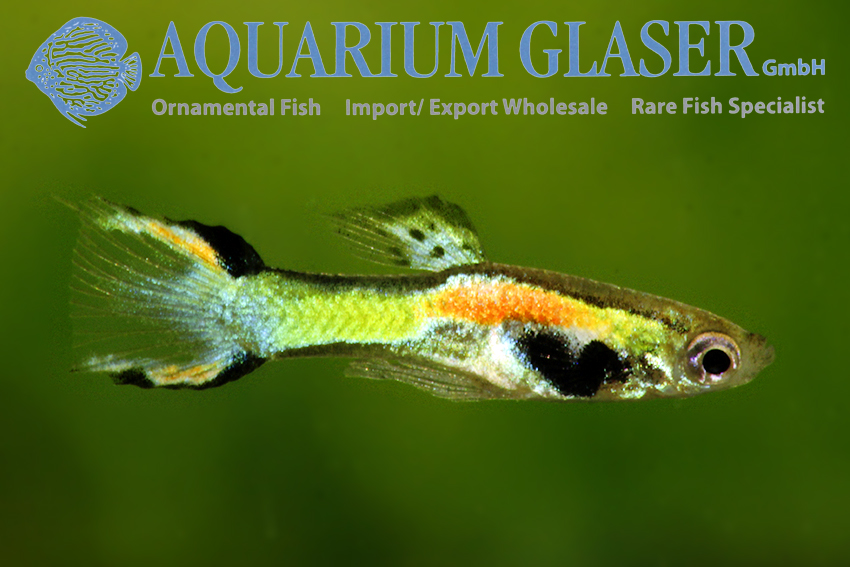
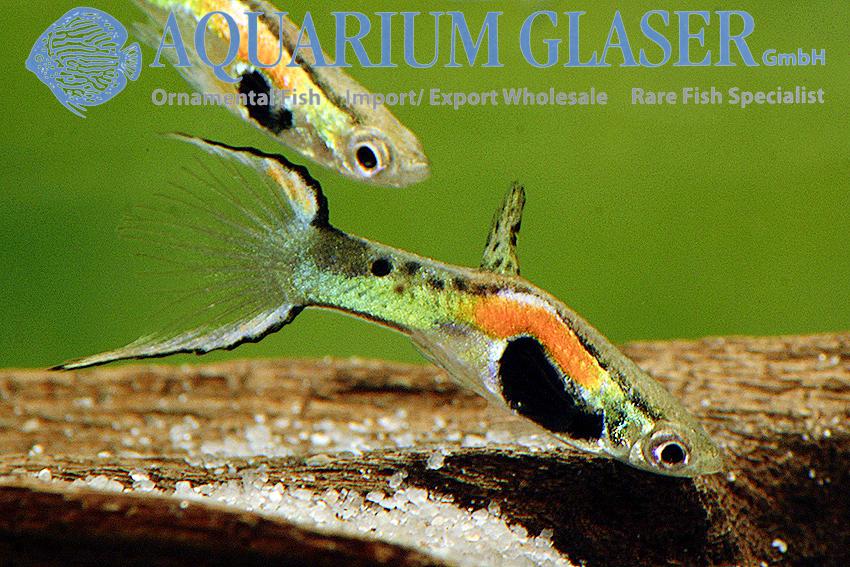
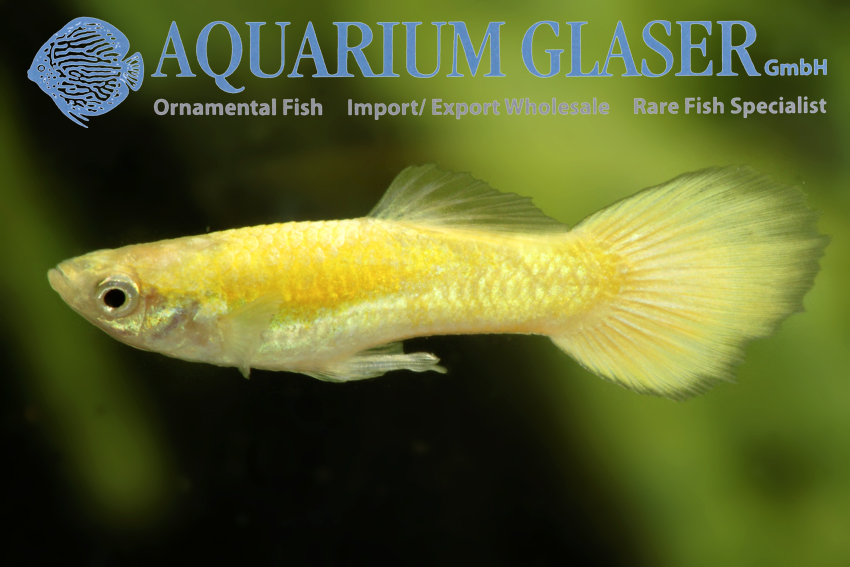
Guppy Endler Red Chest Saddleback

28. May 2018

A few years ago we were able to import for the first time guppys that exhibited a black saddle bar over the back, starting at the base of the dorsal fin. These fish were called Yellow Half Tuxedo (see https://www.aquariumglaser.de/en/fish-archives/brandnew_guppy_endler_yellow_half_tuxedo_en/).

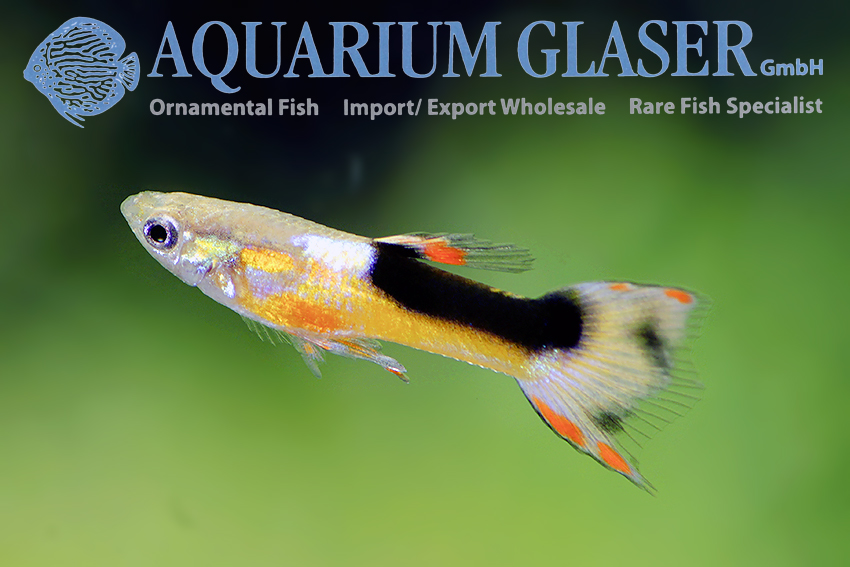
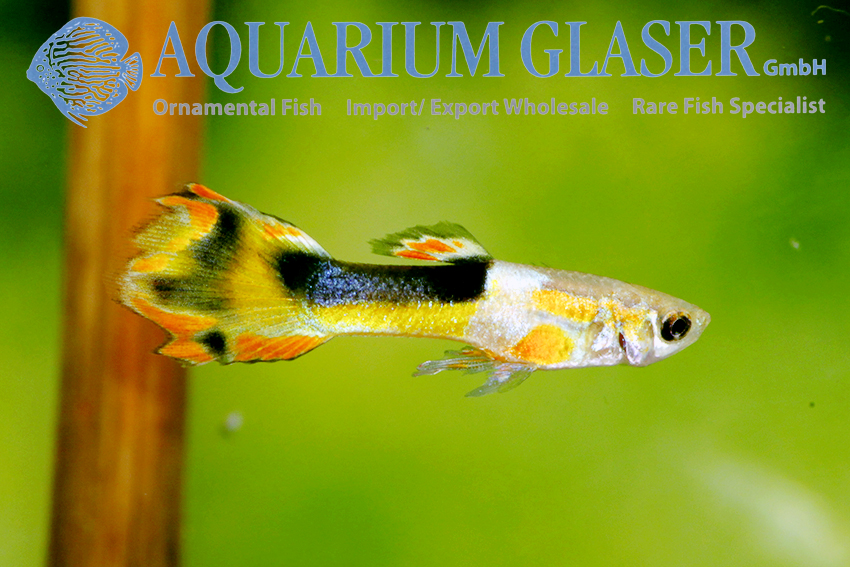
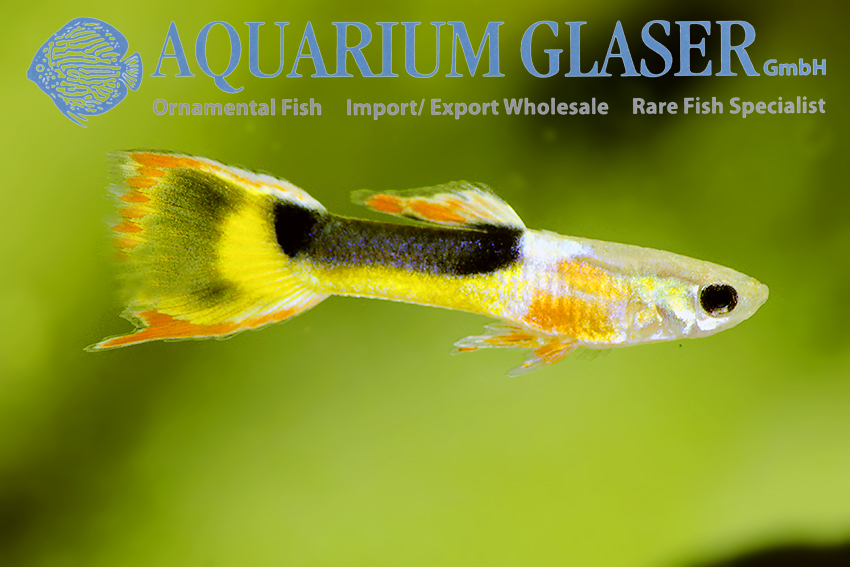
An advancement of these guppys represents the Red Chest Saddleback. The breeder takes care that red pattern appears in the chest region. Moreover, the caudal fin pattern has much developed, compared with the typical Endler caudal fin pattern. We can offer the variety Red Chest Saddleback now as German bred ones. The strain itself has been developed by the Japanese breeder Hiroshi Sugino.

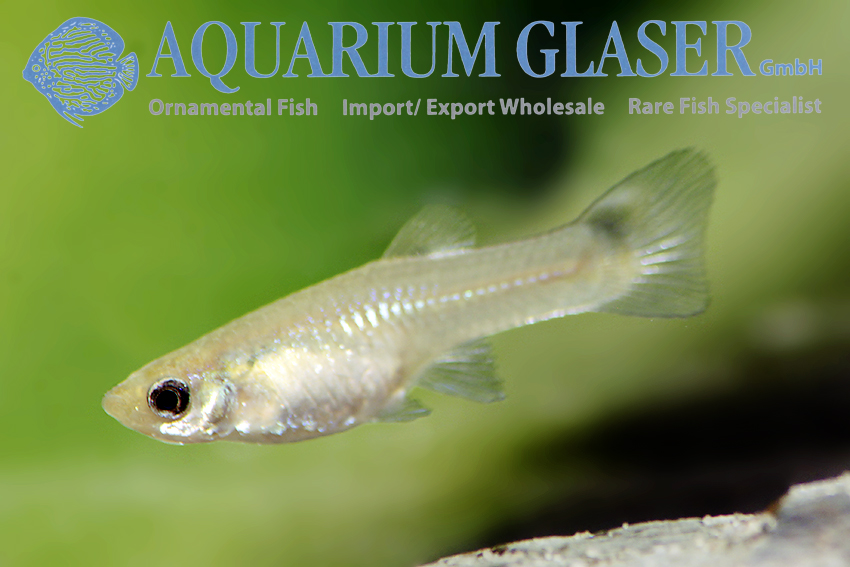
The „true“ females of the saddleback Endler guppys can be recognized by a dark spot at the upper base of the caudal fin.

For our customers: the fish have code 419125 on our stocklist. Please note that we exclusively supply the wholesale trade.

Text & Photos: Frank Schäfer

Mormyrus rume ( = “M. longirostris”)

25. May 2018

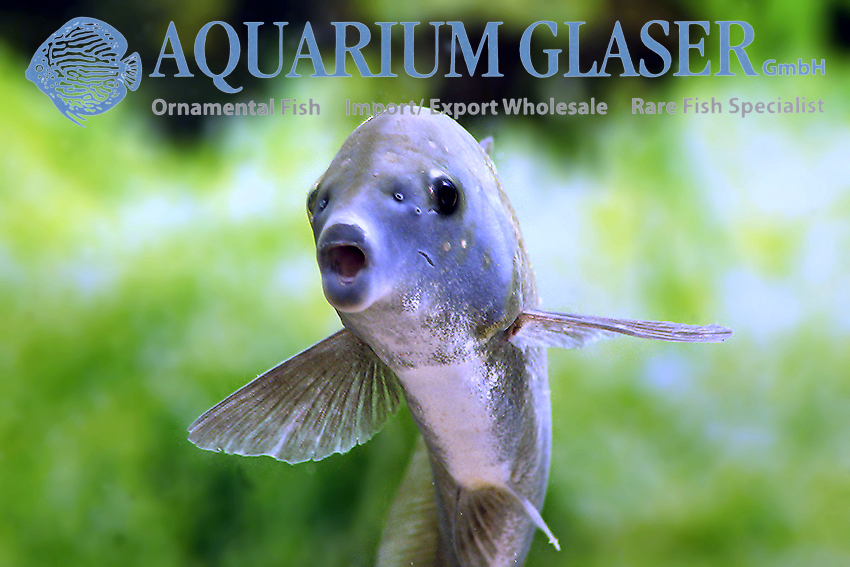
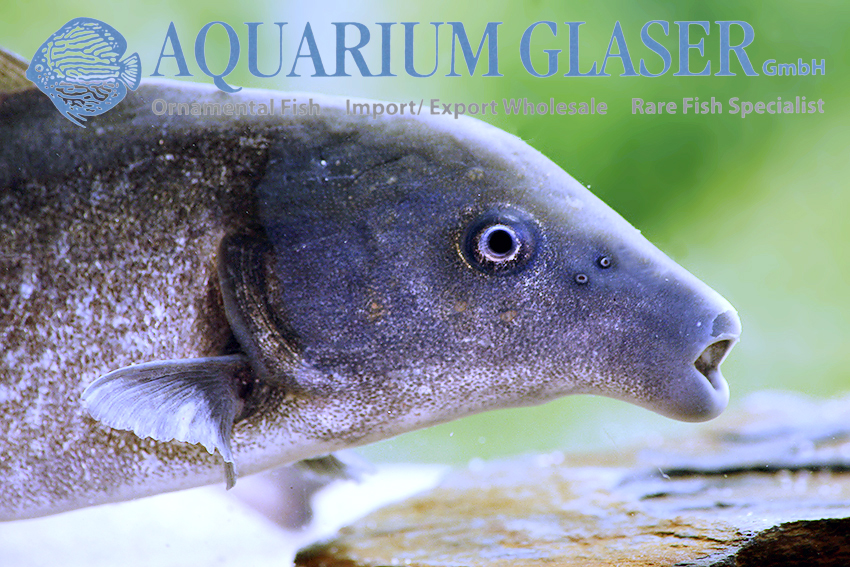
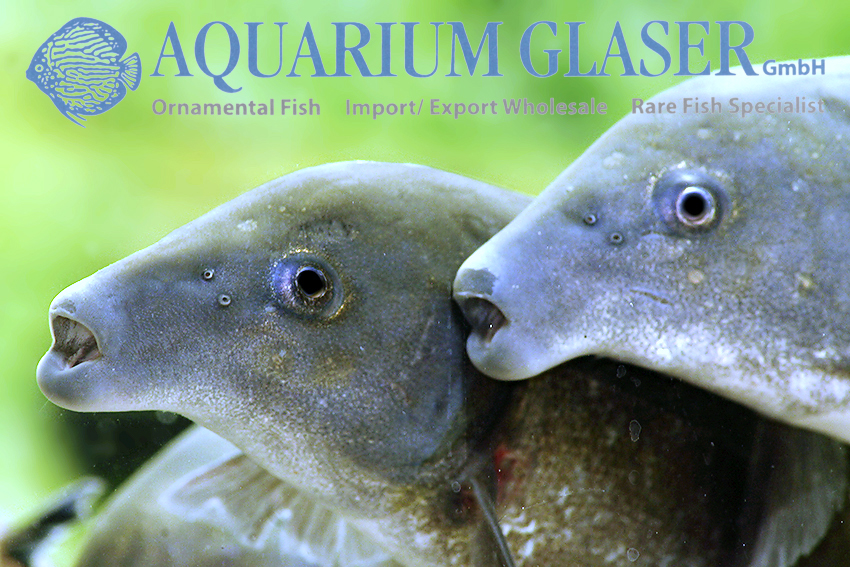
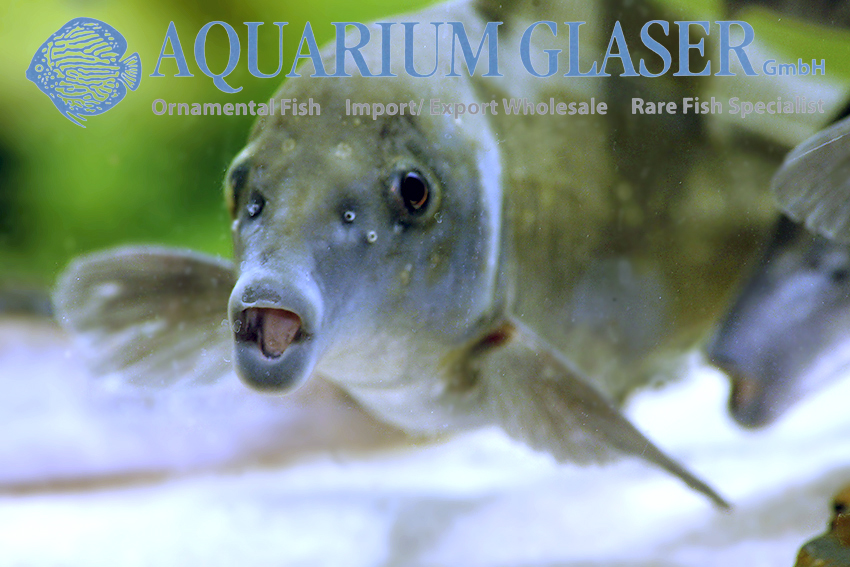
We frequently receive this interesting mormyrid from Nigeria. The systematics of Mormyrus is confused; according to recent findings, there are five species in Nigeria, including M. rume; the shape of the snout is the best way to distinguish the species from each other; the species presented here used to be called M. longirostris (which is how it is listed in our stock list for administrative reasons), but this is a different species from Mozambique.

Although there do exist reports of up to 100 cm long Mormyrus rume catches of specimens longer than 30 cm are extremely rare. The size of the species is quite well known, for M. rume is a common food fish in its natural range.

In 2002 Fawole published a paper on the natural history of M. rume in Lekki Lagoon in Nigeria. He collected during the study (december 1999 until november 2000) in monthly catches a total of 225 specimens which were studied for development of the gonads, the size, gut content etc. The largest specimen in his study was 23 cm long, the smallest 13 cm. He found sexually ripe females from 13.5 cm standard length on, the whole year through females with ripe gonads were found so the species obviously reproduces the whole year through. The gut content was a bit astonishing for all specimens contained inter alia plant material.

In the aquarium, mormyrids are usually fed with food for carnivorous fishes, especially bloodworms are a very good food for them.

Nobody will keep Mormyrus rume for its brillant colours. Nevertheless they are are very interesting animals. Like all mormyrids they have a „language“ basing on electric impulses and the brain of Mormyrus is – compared with the body mass – very big. The tank should be heavily furnished and as large as possible. These fish should be kept solitary or in larger groups. Two or three specimens usually are very quarrelsome against each other in a long time sight. Many people who watch Mormyrus rume are reminded on the most popular mammal of the seas, the dolphin. And in fact, if one looks at M. rume from face to face the similarity is astonishing!

For our customers: the animals have code 152005 on our stocklist. Please note that we exclusively supply the wholesale trade.

Literature: 

Fawole, O. O. (2002): Morphometry and diet of Mormyrus rume in the Lekki lagoon, Nigeria. Revista de biología tropical, 50 (2): 689-694

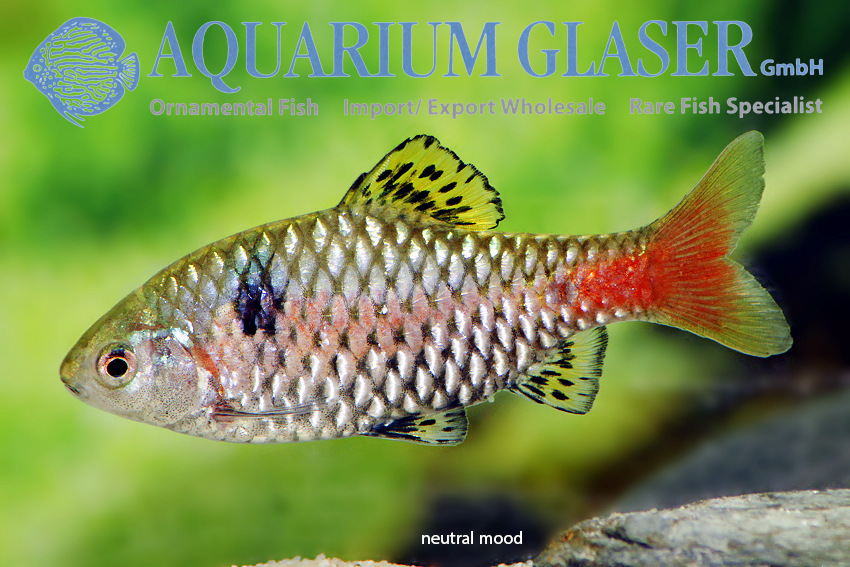
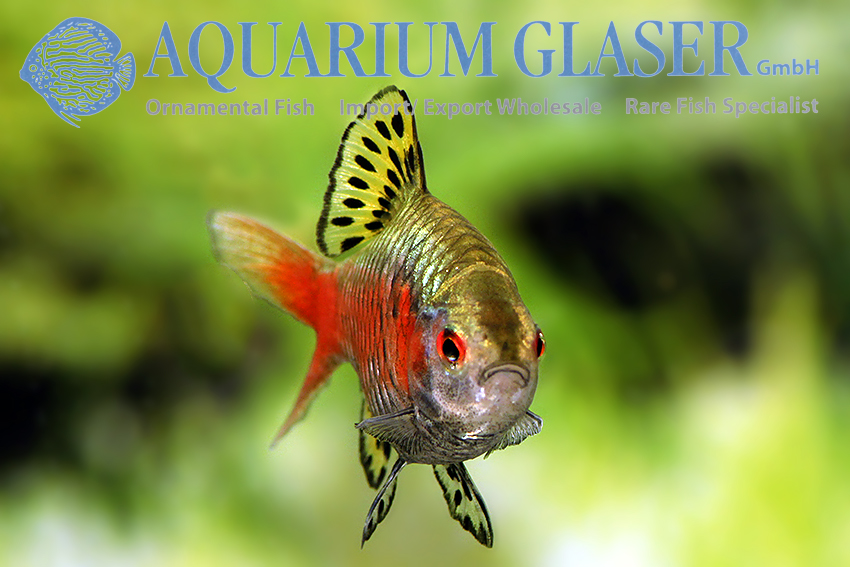
Pethia padamya wild

23. May 2018

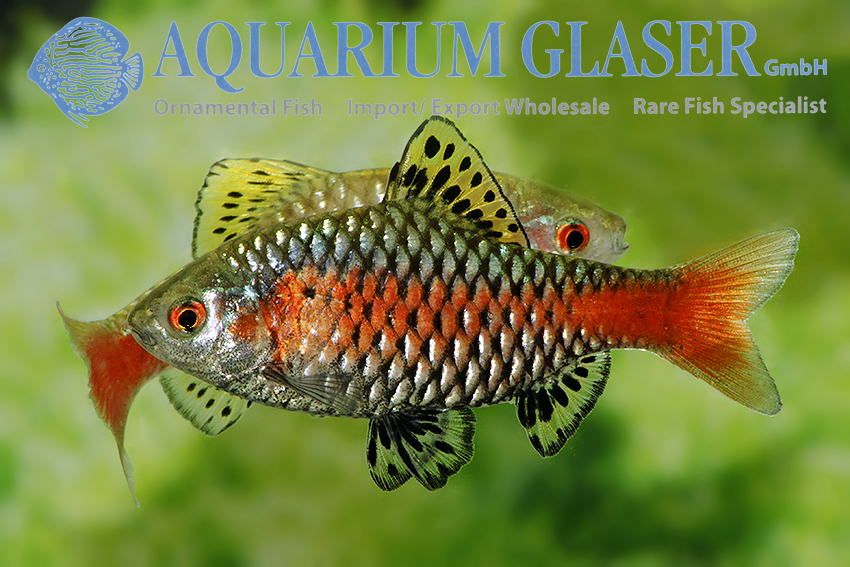
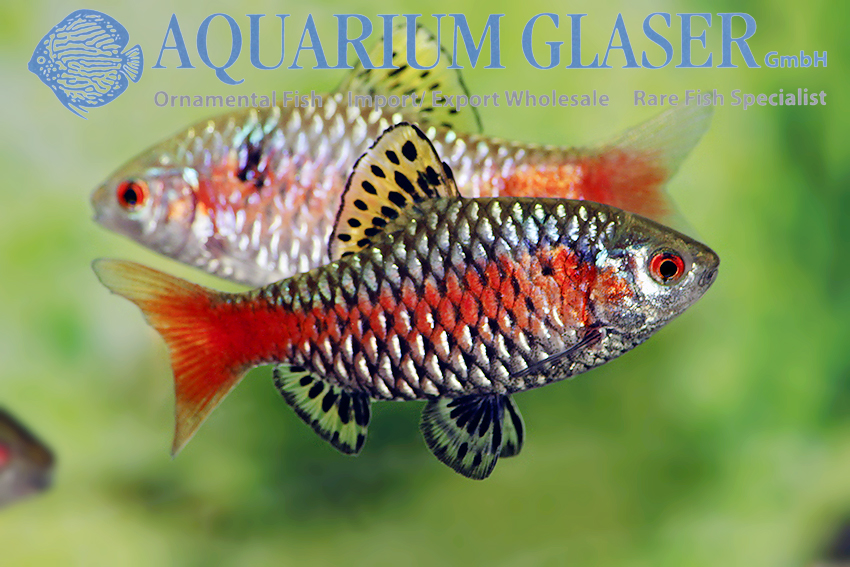
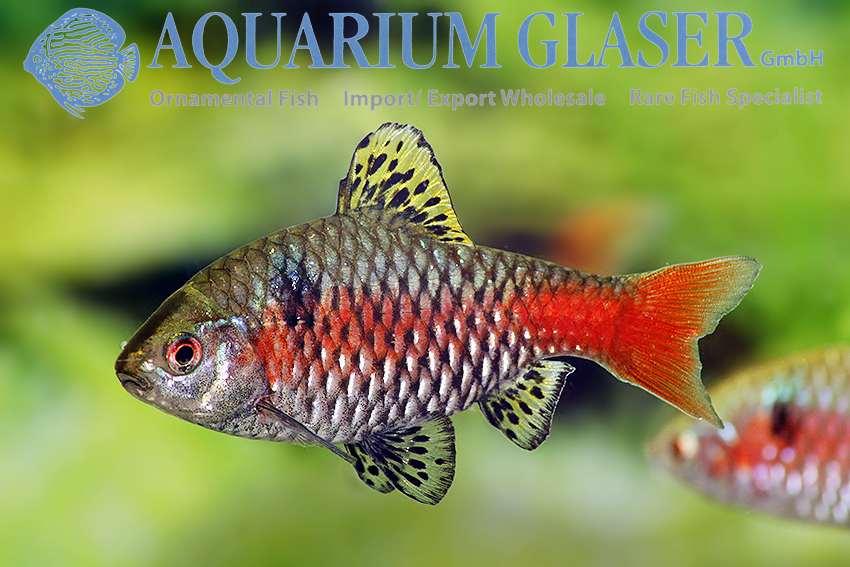
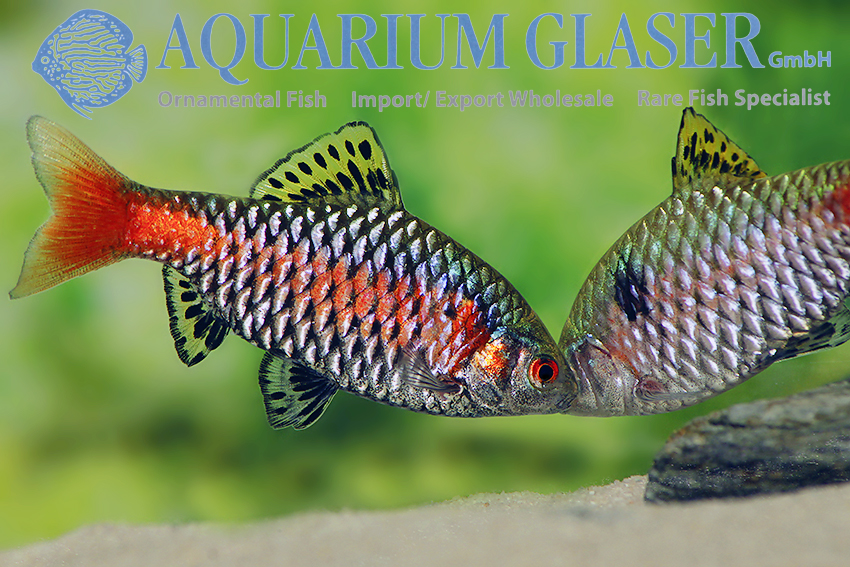
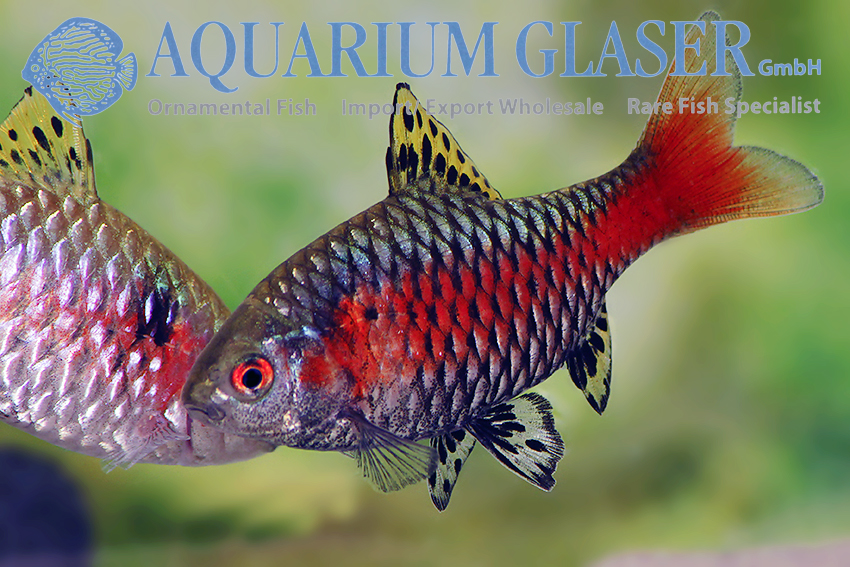
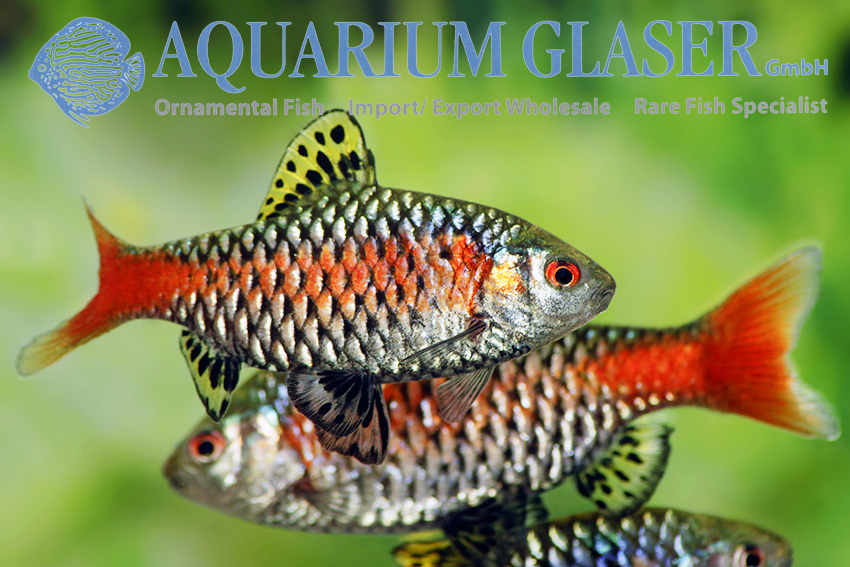
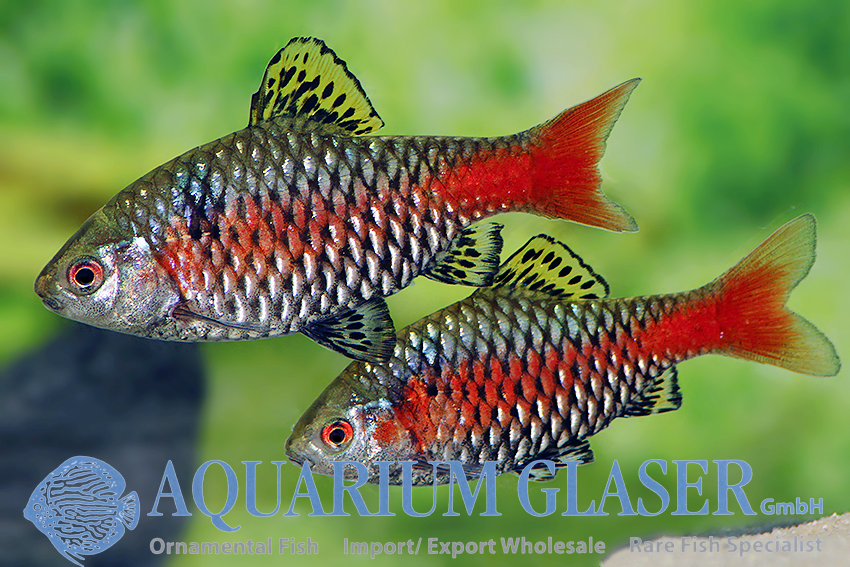
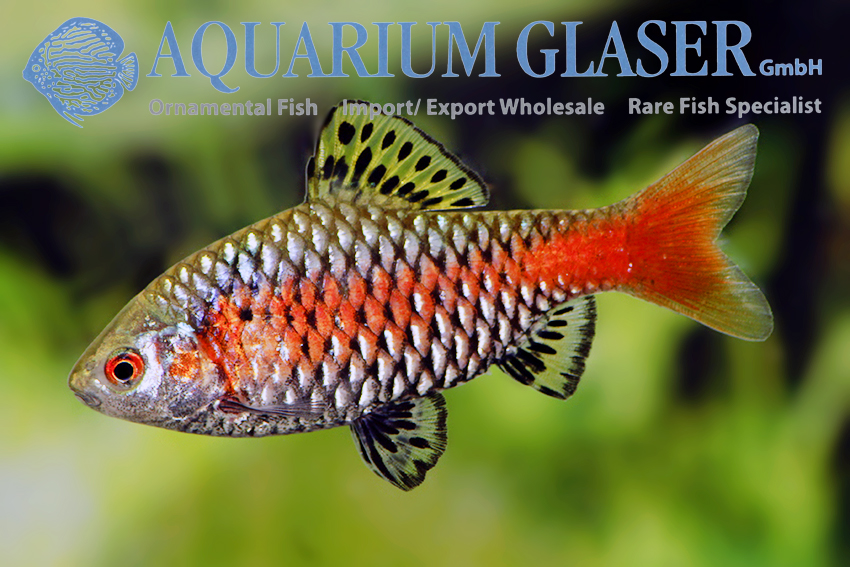
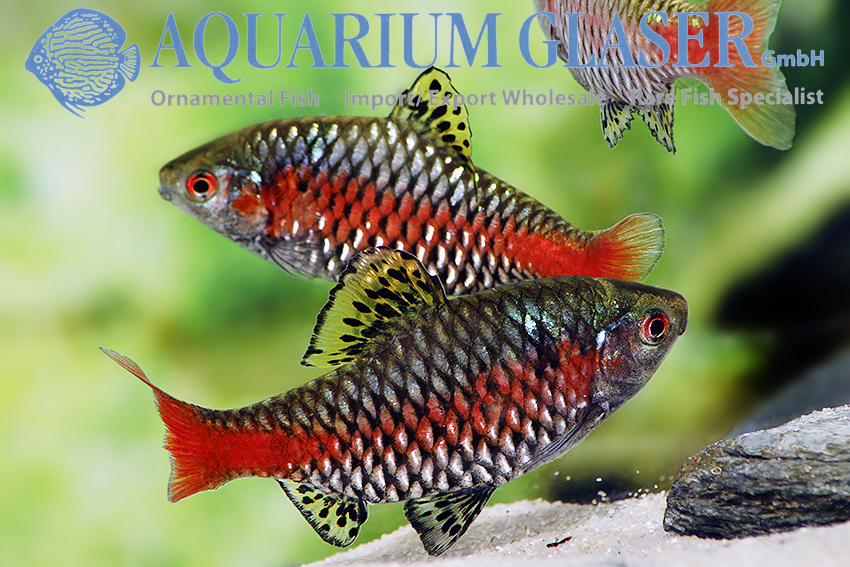
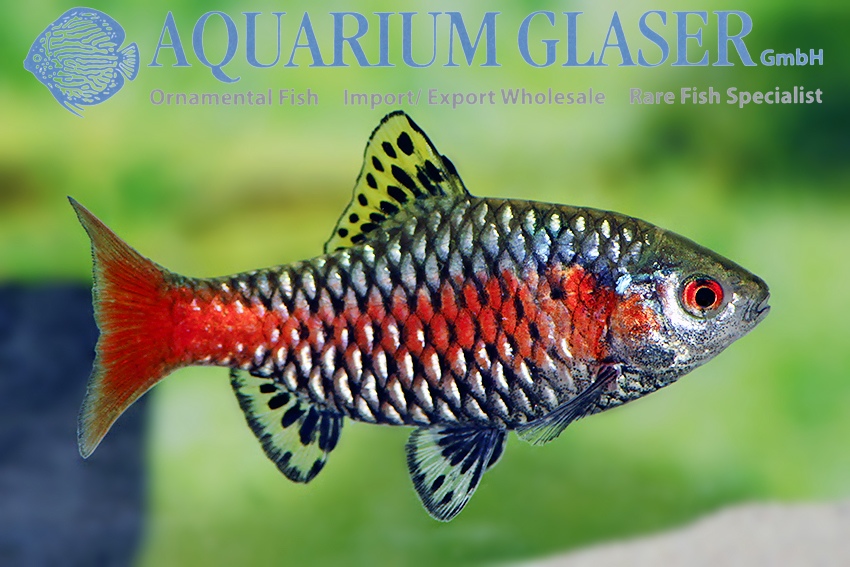
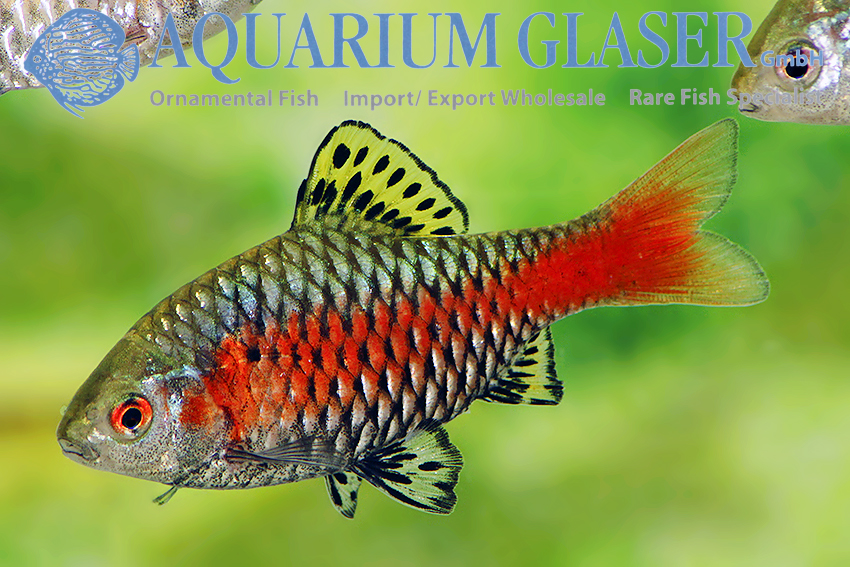
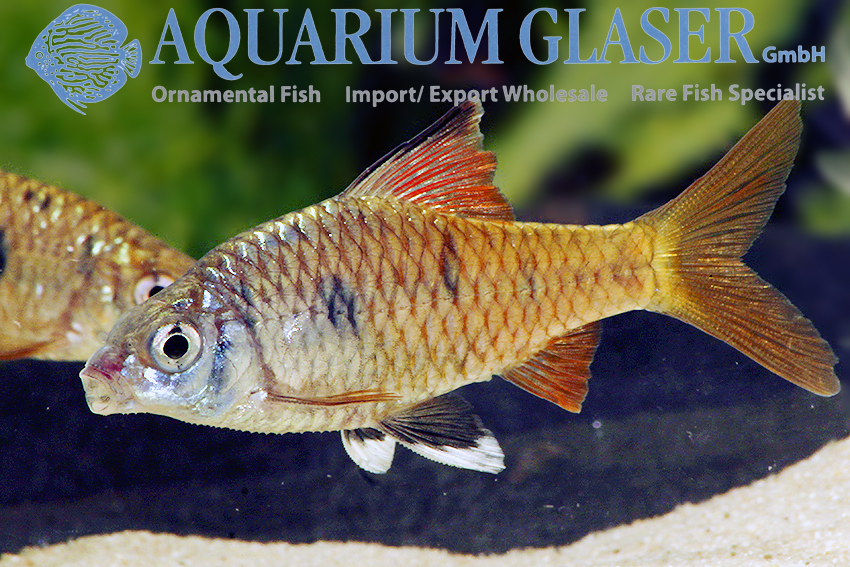
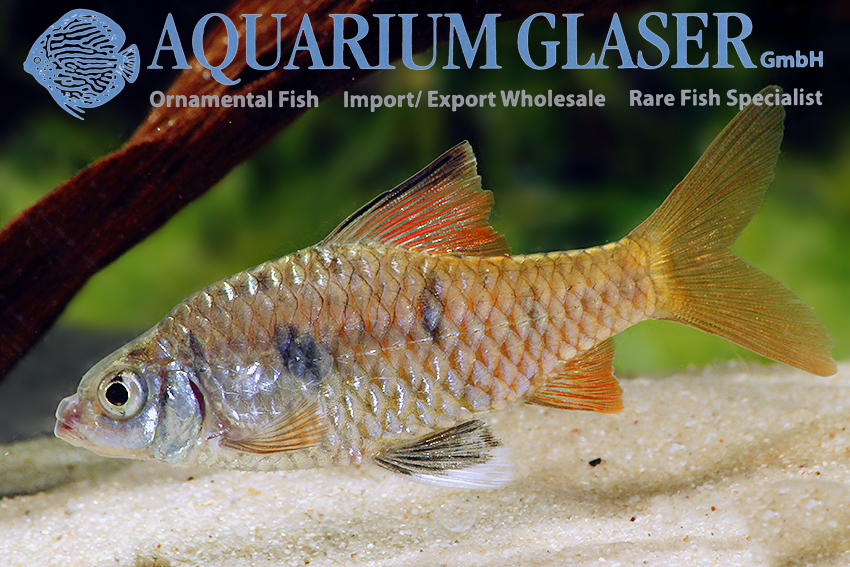
The origin of the Odessa or Rubin barb was unknown for almost 30 years. The first specimens appeared in the former USSR in Odessa. It was unknown for a very long time whether they represented a wild species or an artifical breeding product. Only 2001 the first wild collected specimens could be traced. Now it was clear that this fish is a wild species originating from Burma. Sven O. Kullander and Rald Britz described the species formally in October, 2008. Its correct name is now Pethia padamya.

We currently have gorgeous wild collected specimens in stock. The displaying males belong without any doubt to the most beautiful barbs at all.

For our customers: the animals have code 371114 on our stocklist. Please note that we exclusively supply the wholesale trade.

Text & Photos: Frank Schäfer

Literature:

Kullander, S. O. & R. Britz (2008): PUNTIUS PADAMYA, A NEW SPECIES OF CYPRINID FISH FROM MYANMAR  (TELEOSTEI: CYPRINIDAE). Electronic Journal of Ichthyology. October 2008 2: 56 – 66


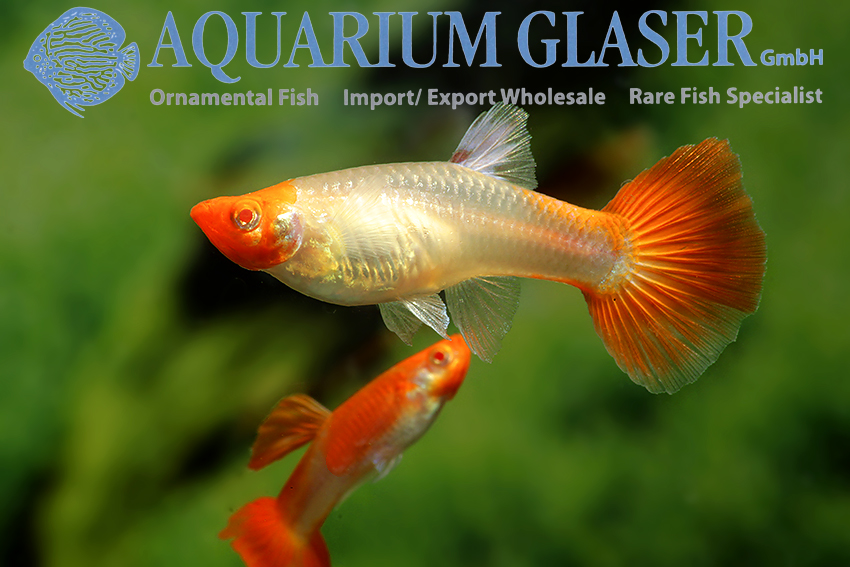
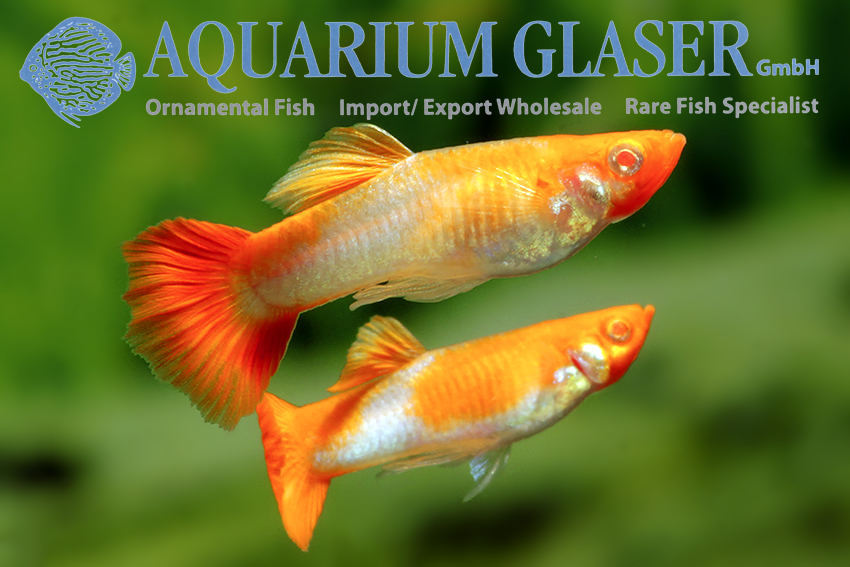
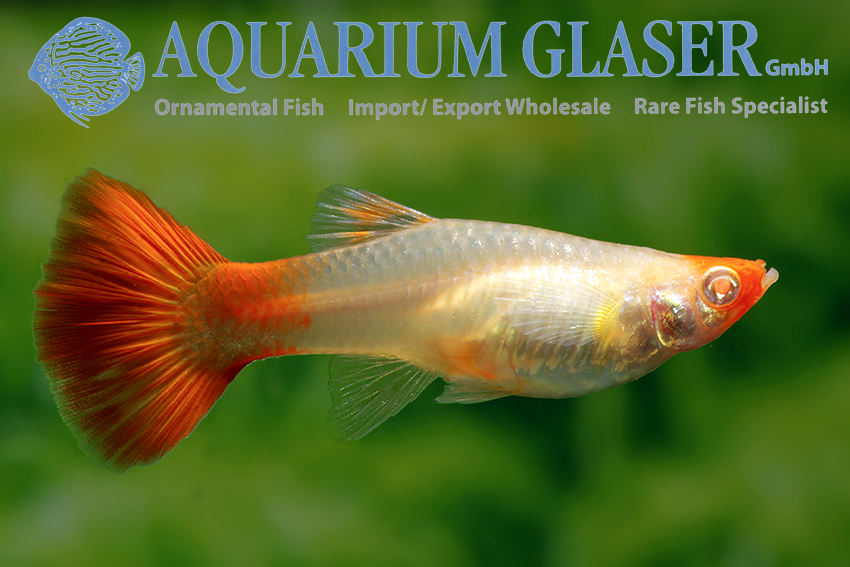
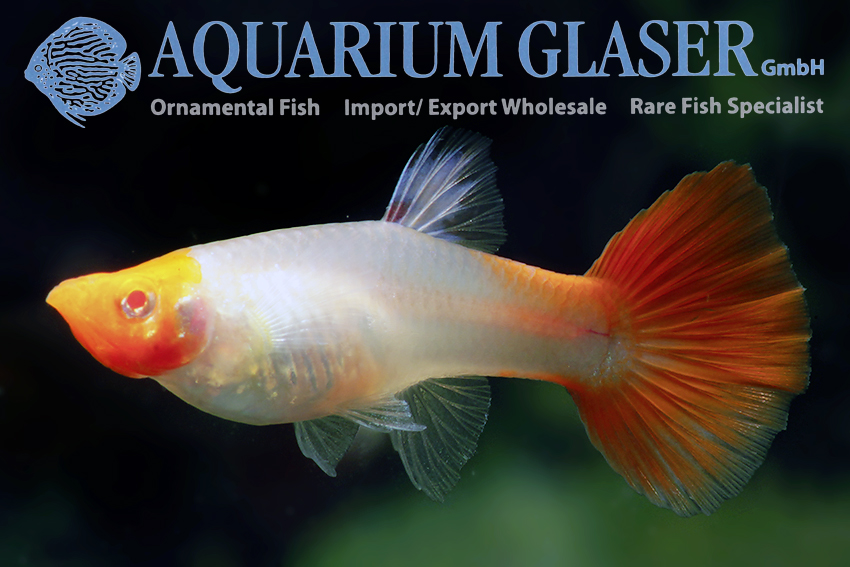
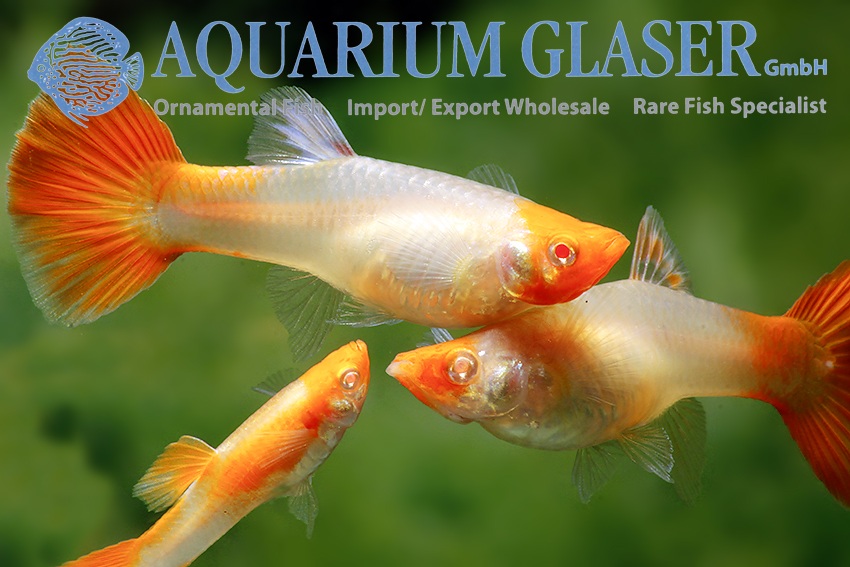
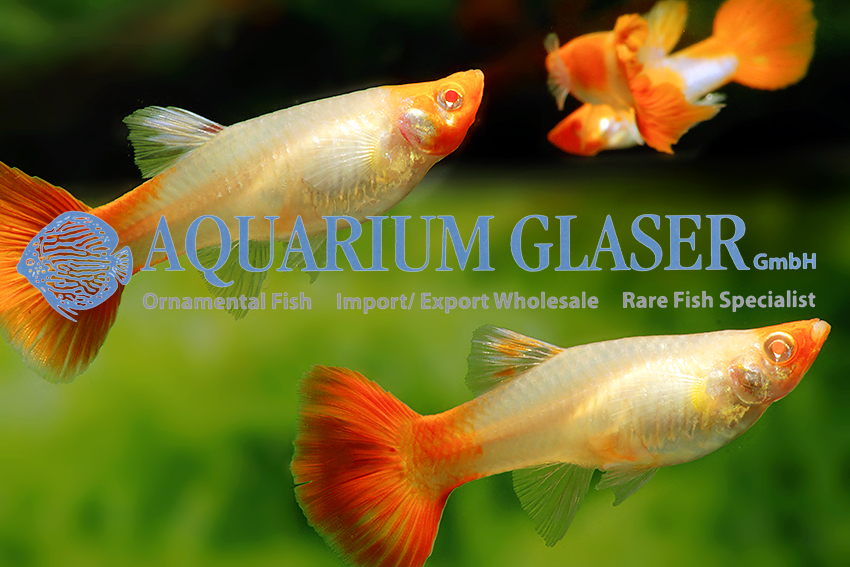
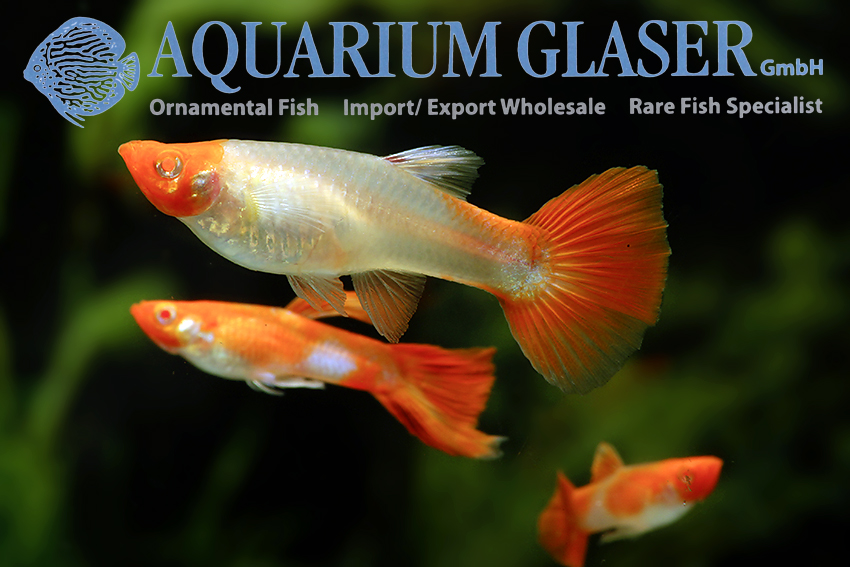
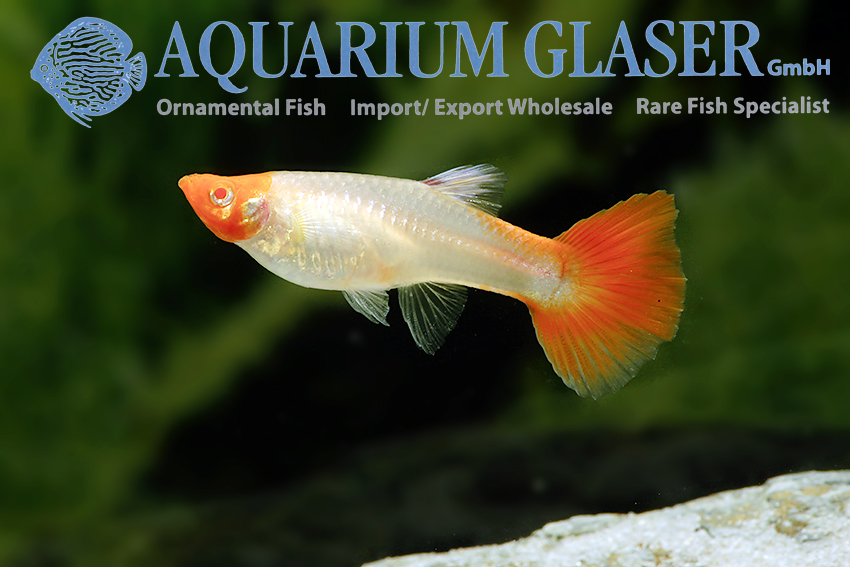
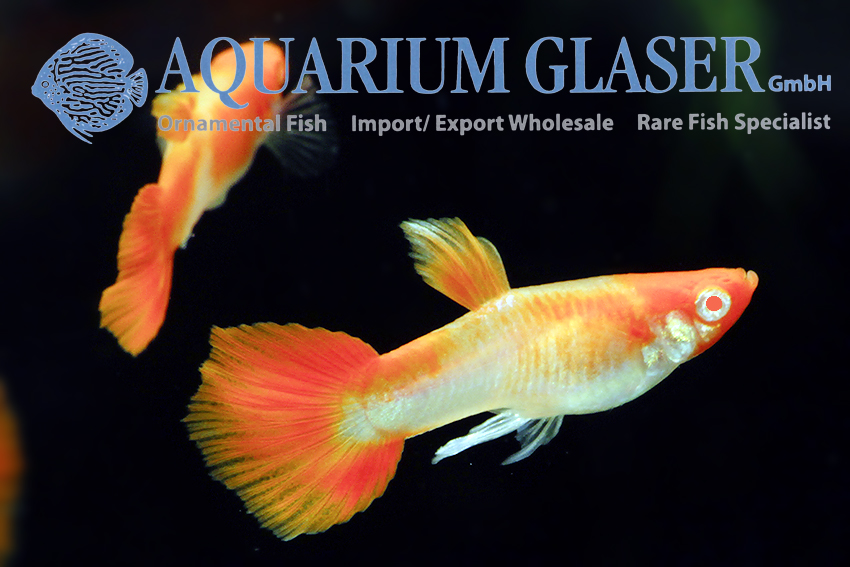
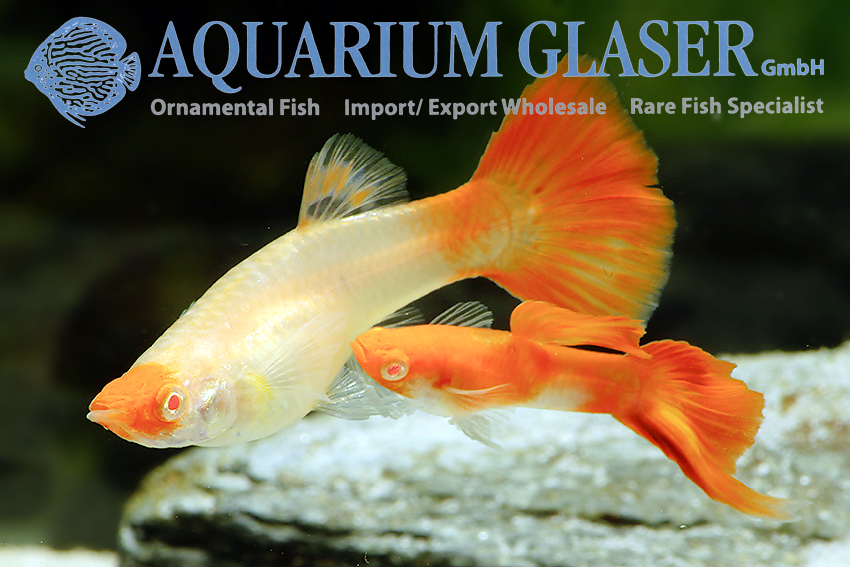
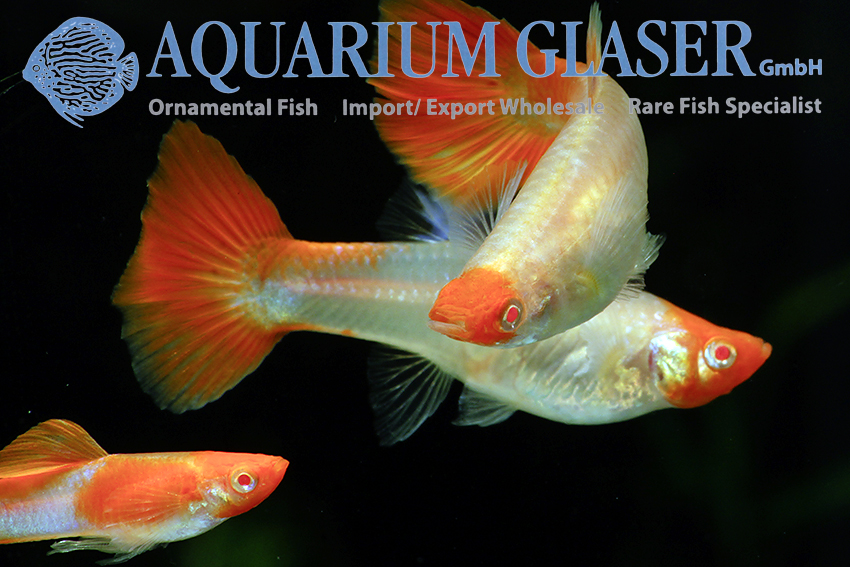
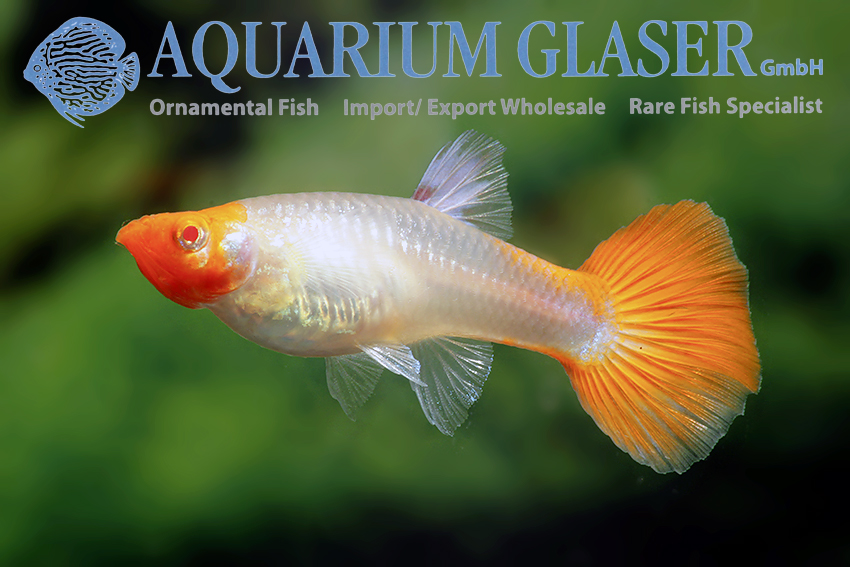
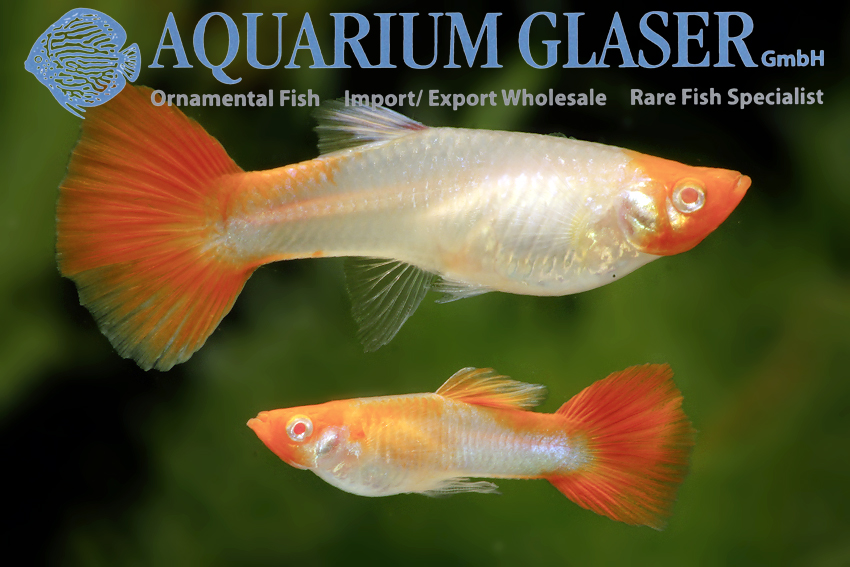
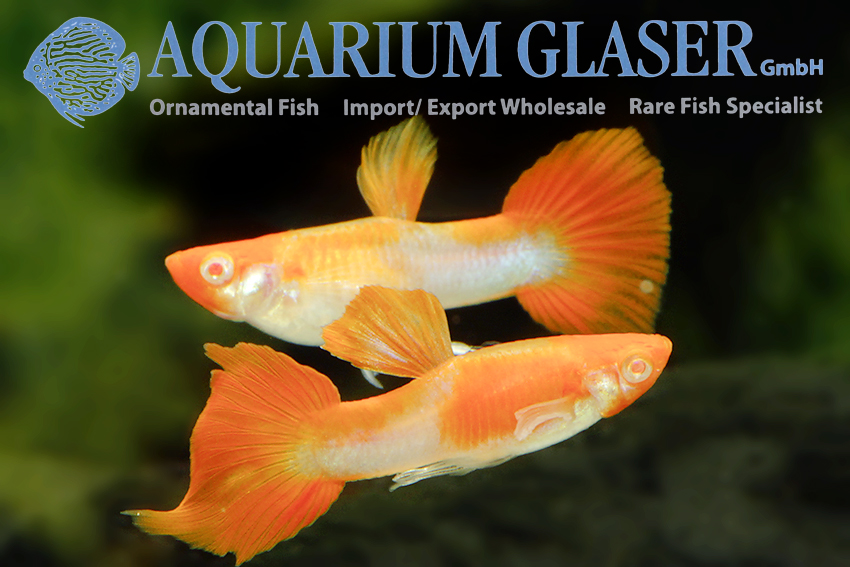
Poecilia reticulata Guppy Kohaku / Koi

18. May 2018

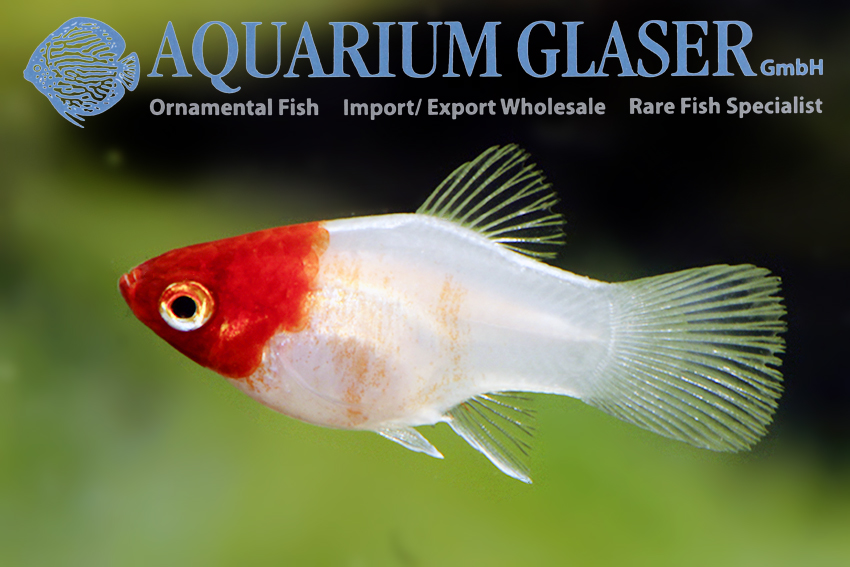
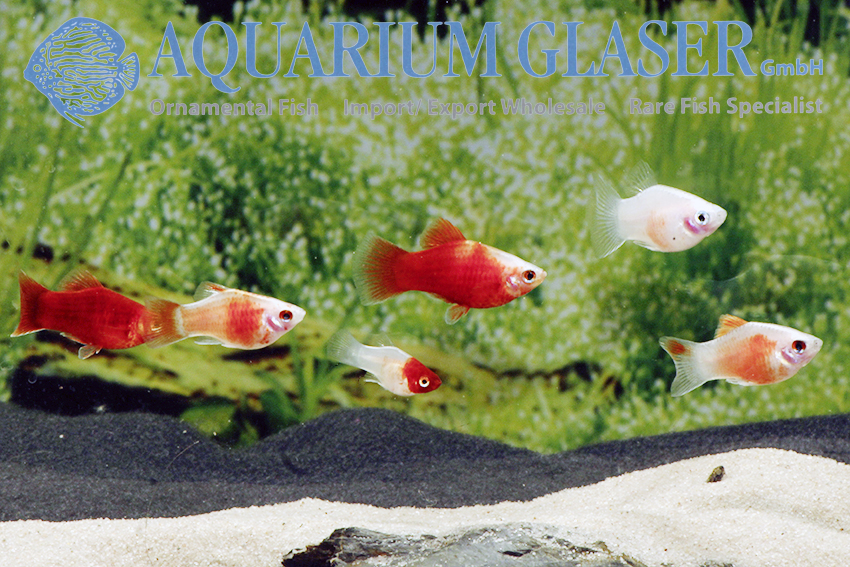
The red-white albino guppy is a very attractive fish. The females are quite uniform in respect of coloration. They all have a red head and a red caudal fin. In males things are different. Initially they are colored like the females, but fully grown males develop an individually different degree of red pattern on the body; so in large males all specimens look different.

For our customers: the fish have code 419203 on our stocklist. Please note that we exclusively supply the wholesale trade.

Text & photos: Frank Schäfer

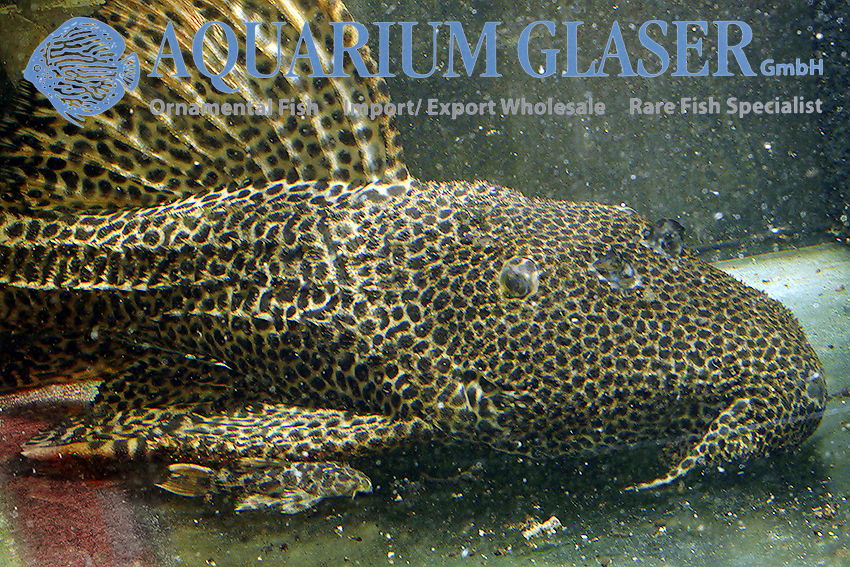
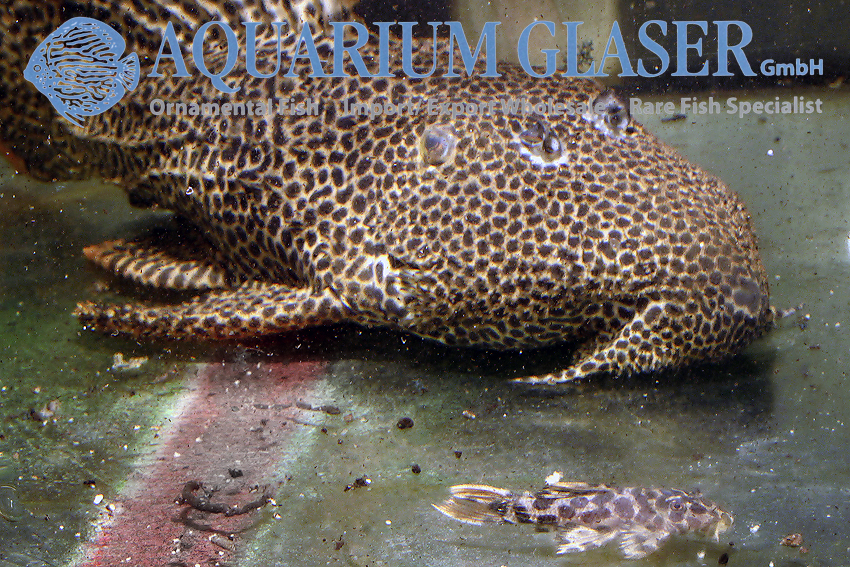
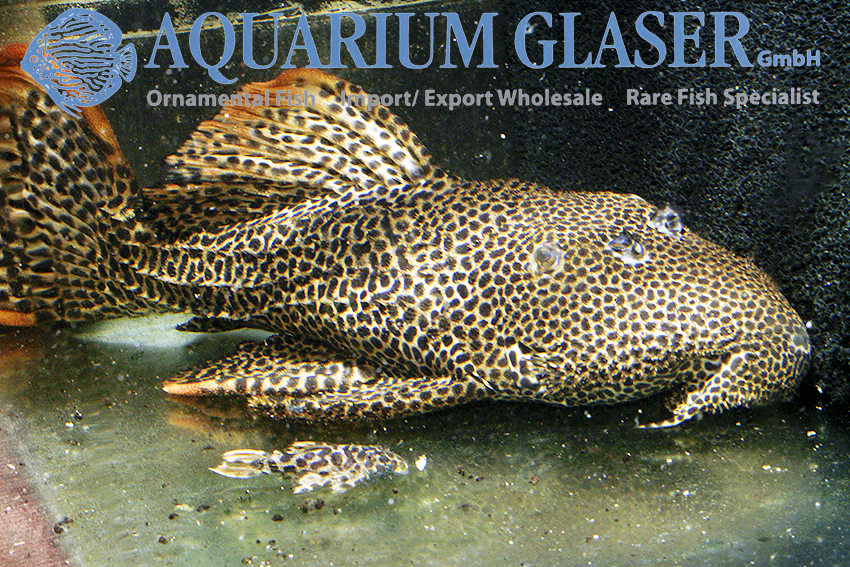
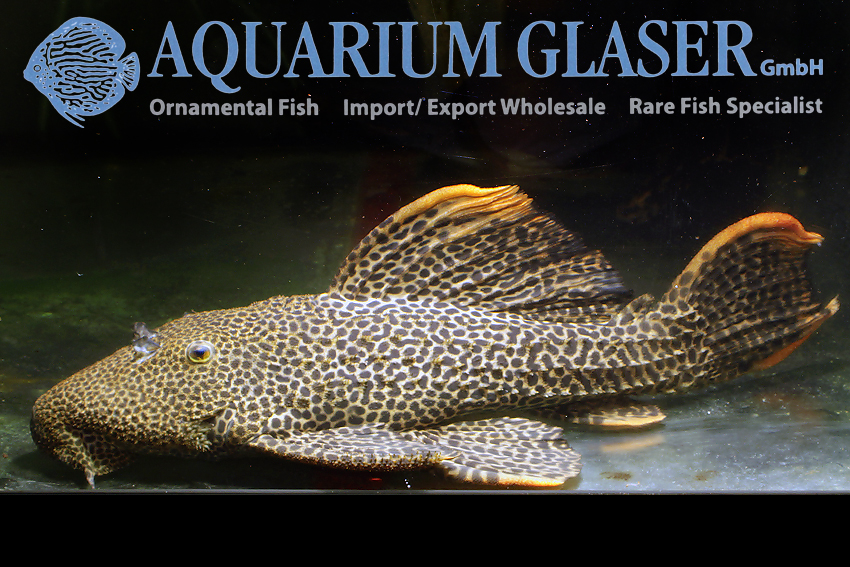
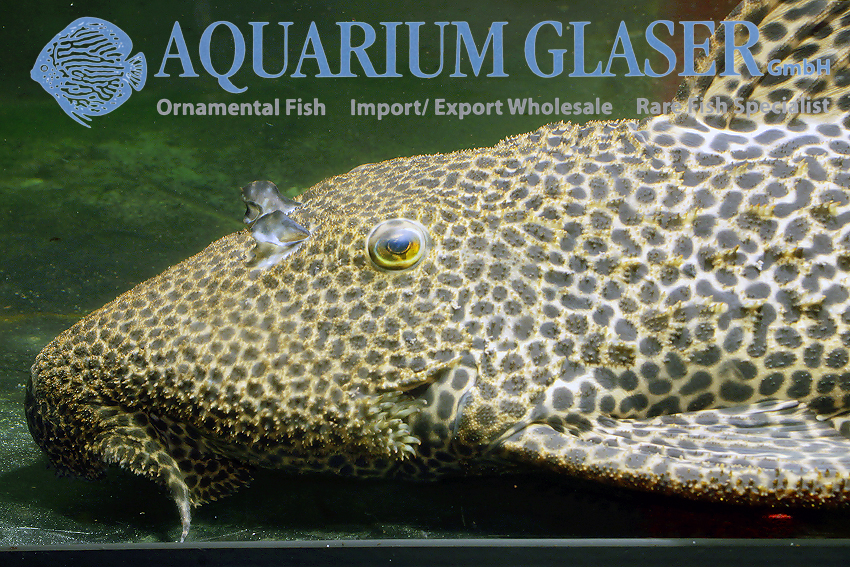
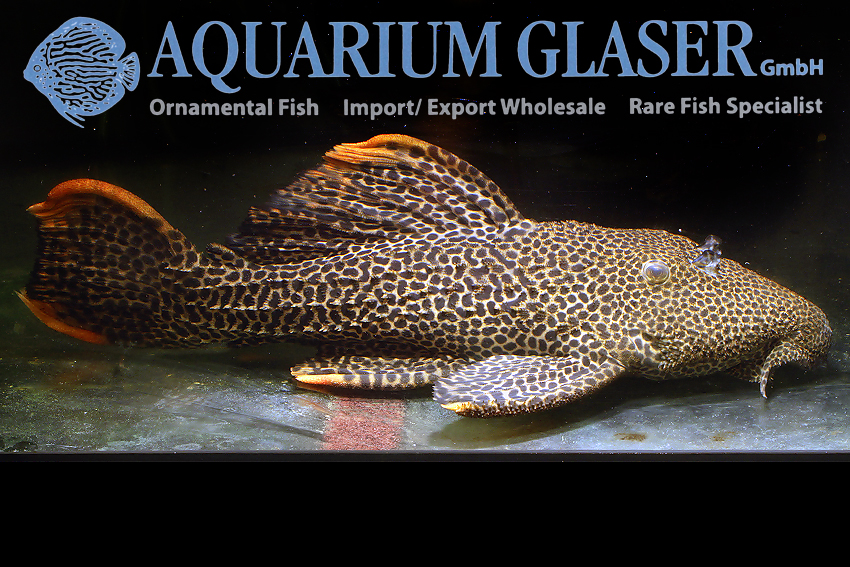
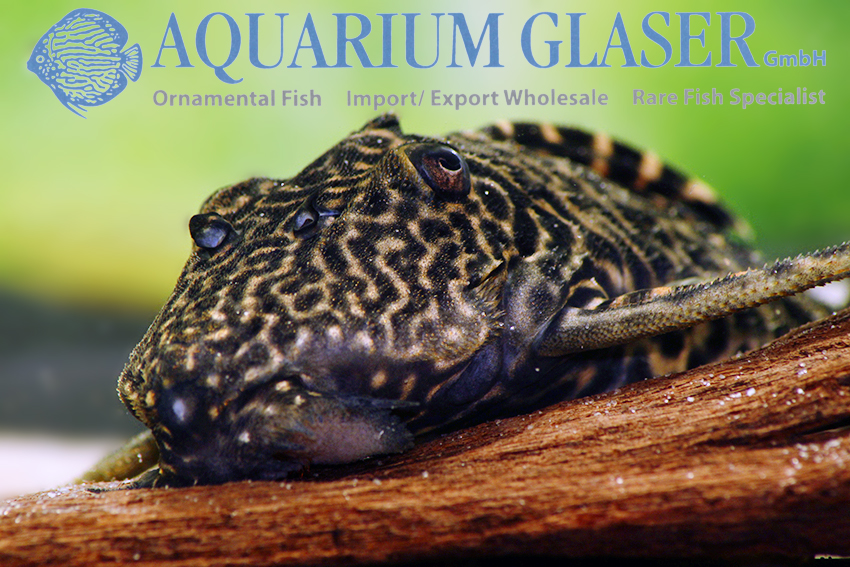
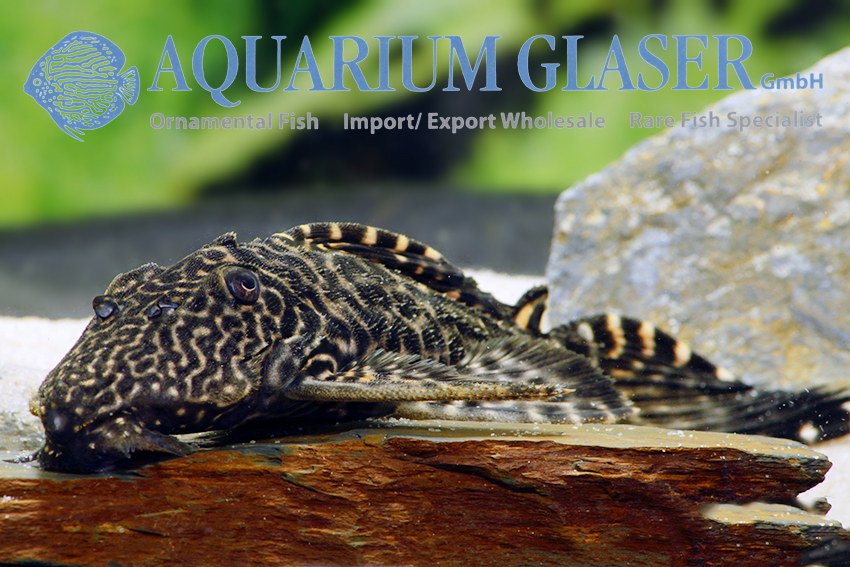
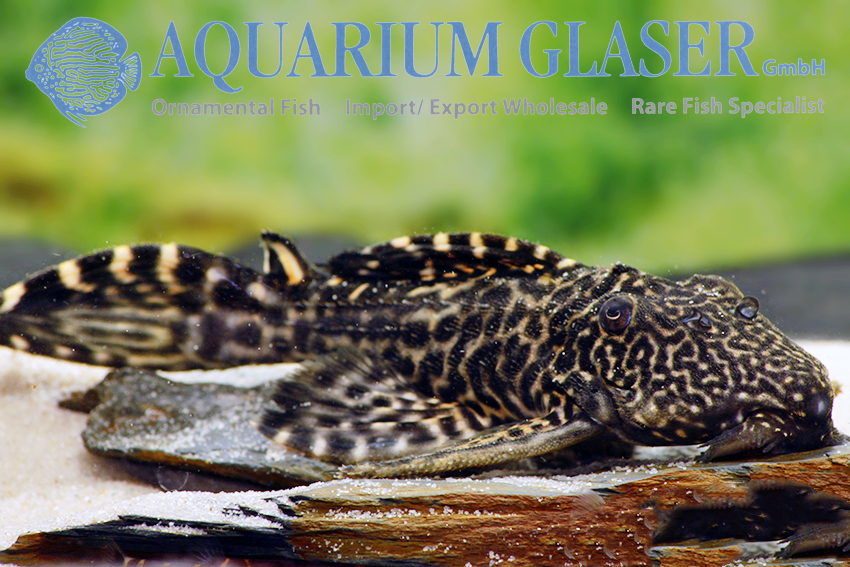
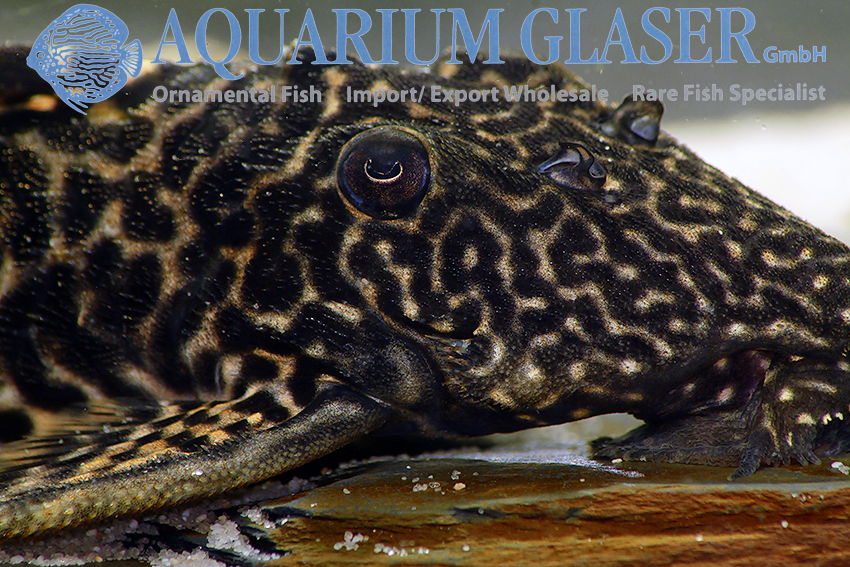
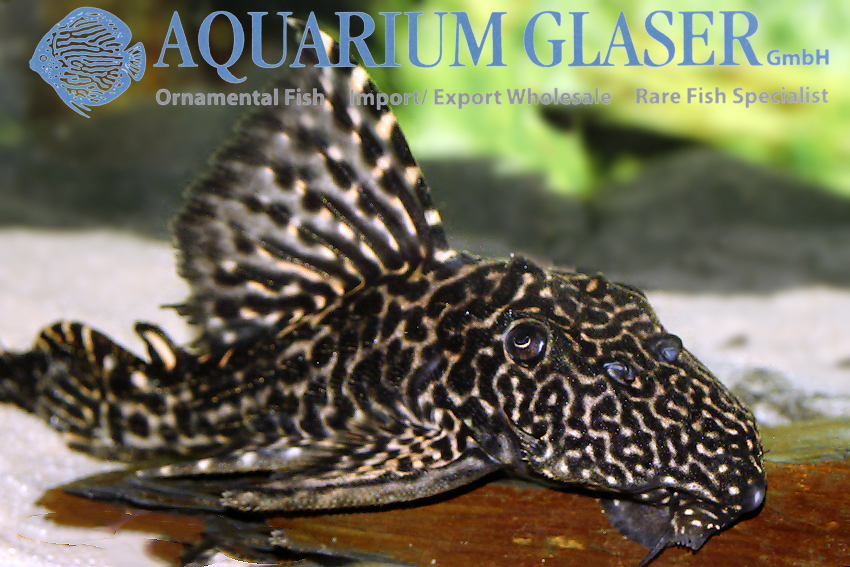
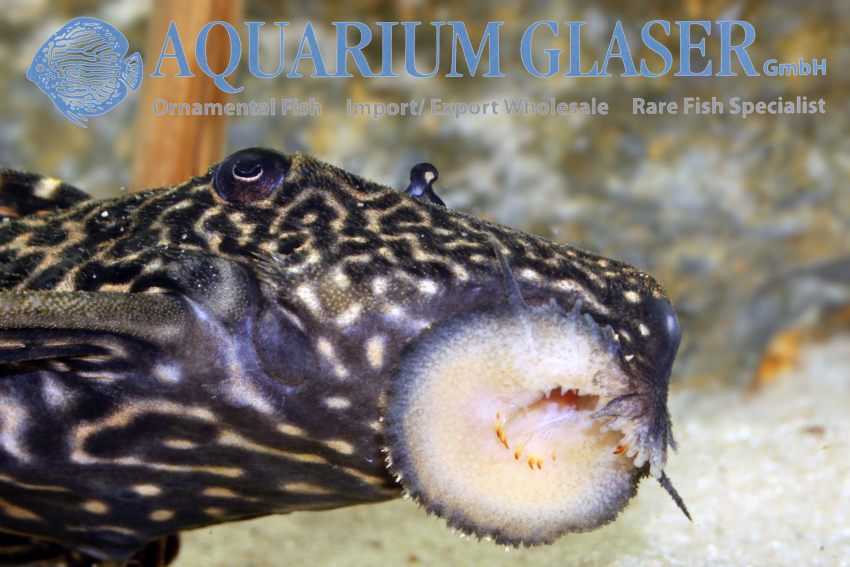
Pseudacanthicus cf. leopardus: L 114 big and small

18. May 2018

The L-catfish L 114 is a close relative of Pseudacanthicus leopardus (please see our entrance on LDA 7 for that); currently we have different sizes of the beautiful L 114 in stock, among them (very rarely offered) 25-30 cm long specimens which are almost fully grown and in any case mature and one of the smallest sizes we usually stock, 4-5 cm long specimens. Observing the animals the idea took place to photograph them together to document the astonishing change of coloration that appears in this species during individual grow. We had to be pretty patient until the small fish was in a good position compared with the large one, but finally we succeeded and could make some nice shots.

However, we do not recommend to keep fish of so different sizes together in a long time sight. Despite the large fish was absolutely peaceful even when the small one used the big one´s head as a hiding place one cannot exclude the possibility that big L 114 will feed on very small ones by chance…

For our customers: L 114 have code 26480-L 114 on our stocklist. Currently we have different sizes in stock. Please note that we exclusively supply the wholesale trade.

Text & photos: Frank Schäfer

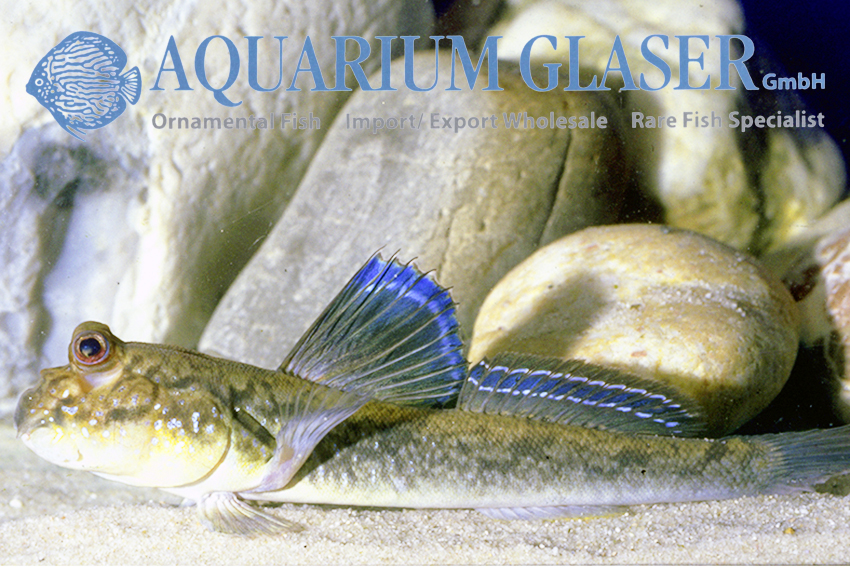
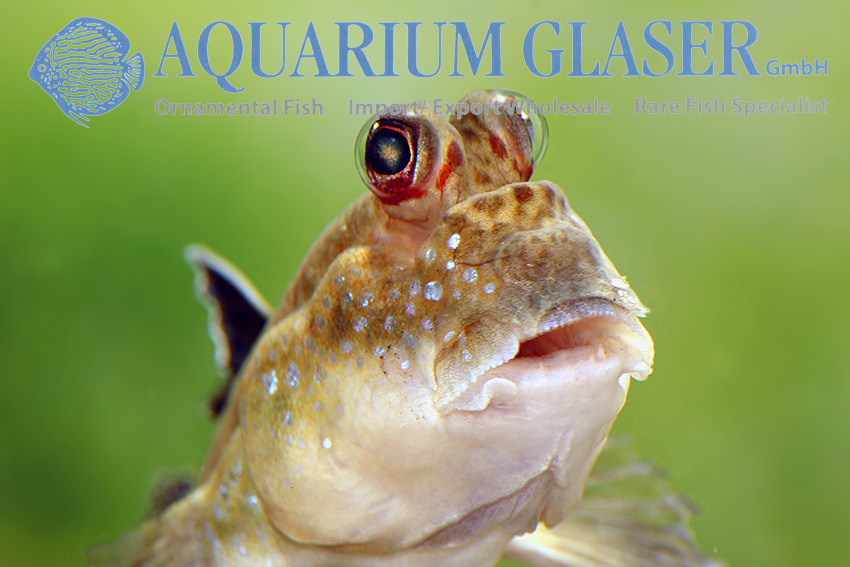
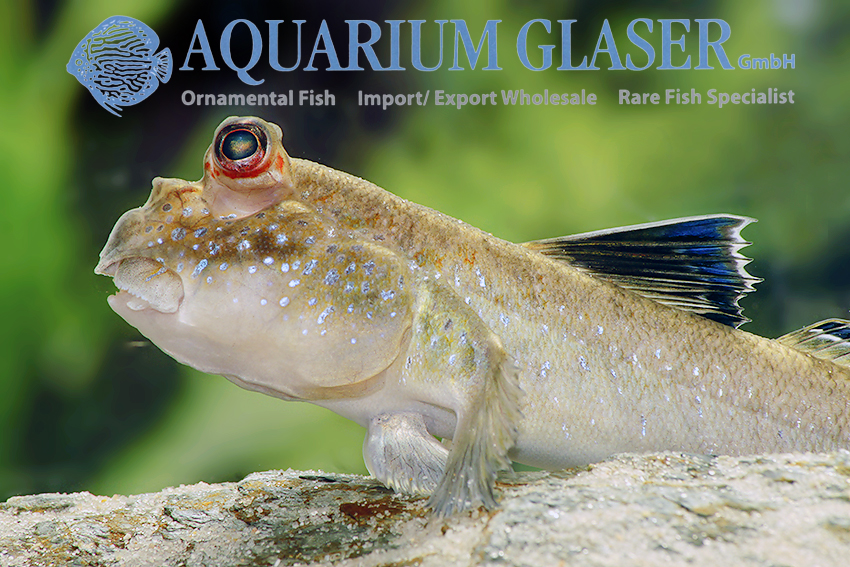
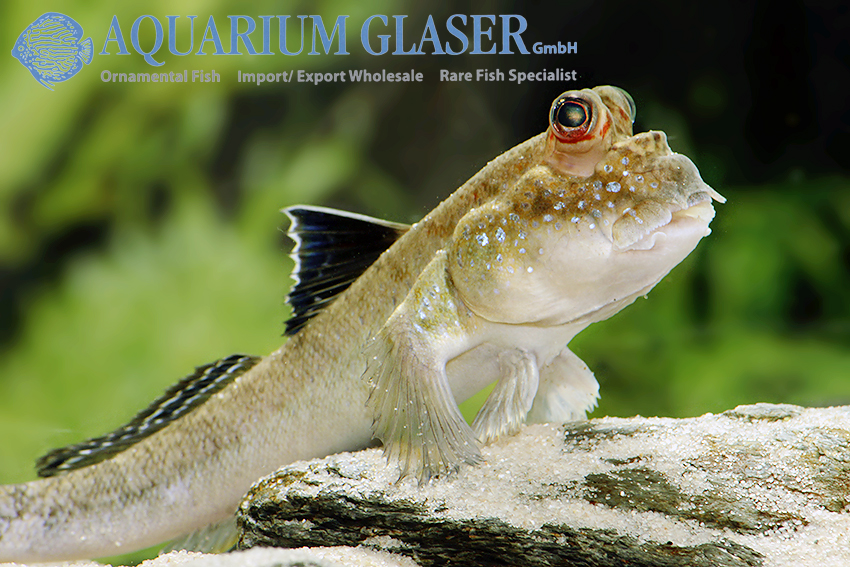
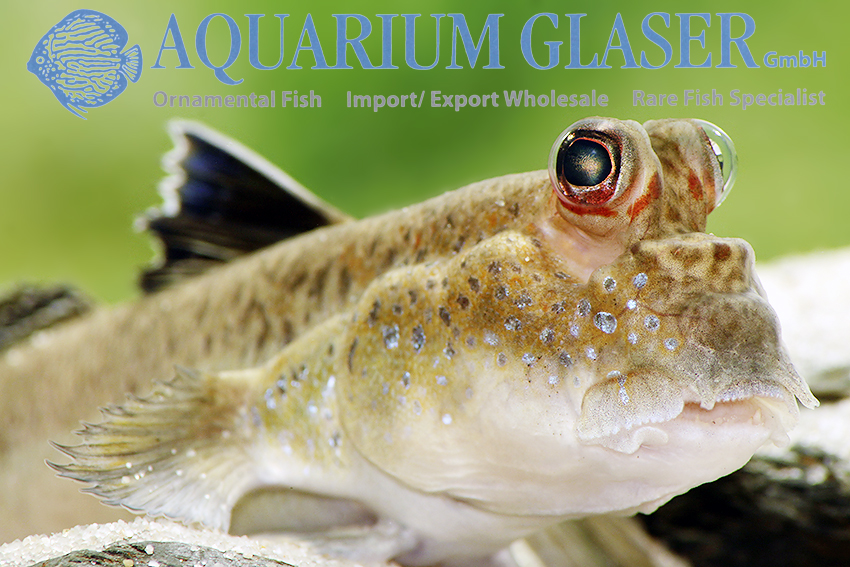
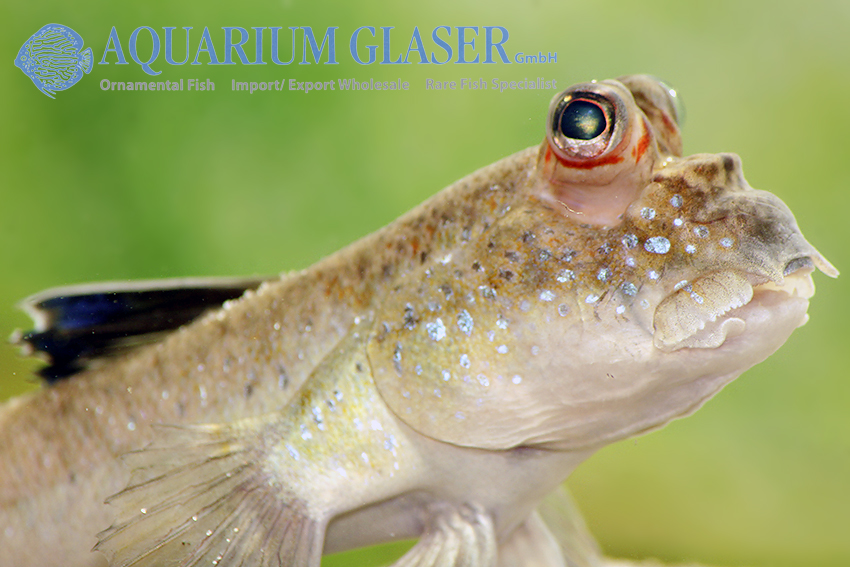
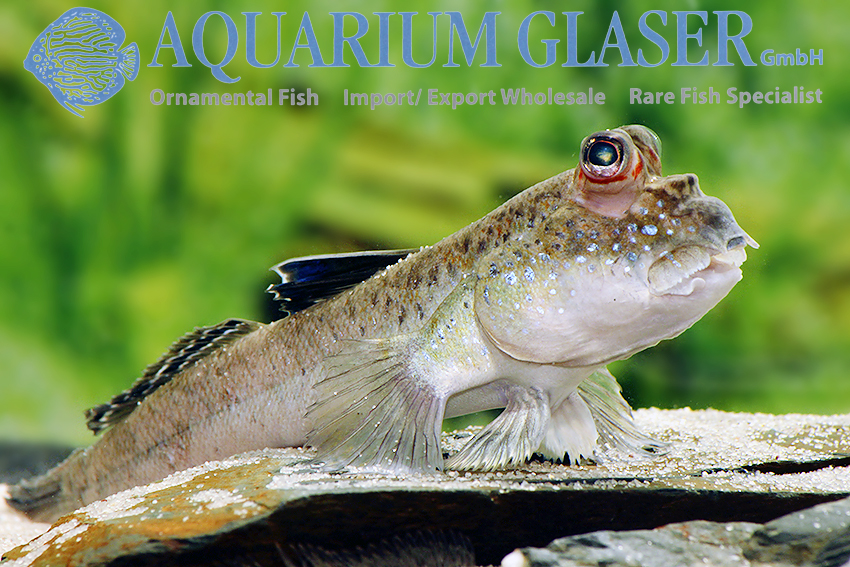
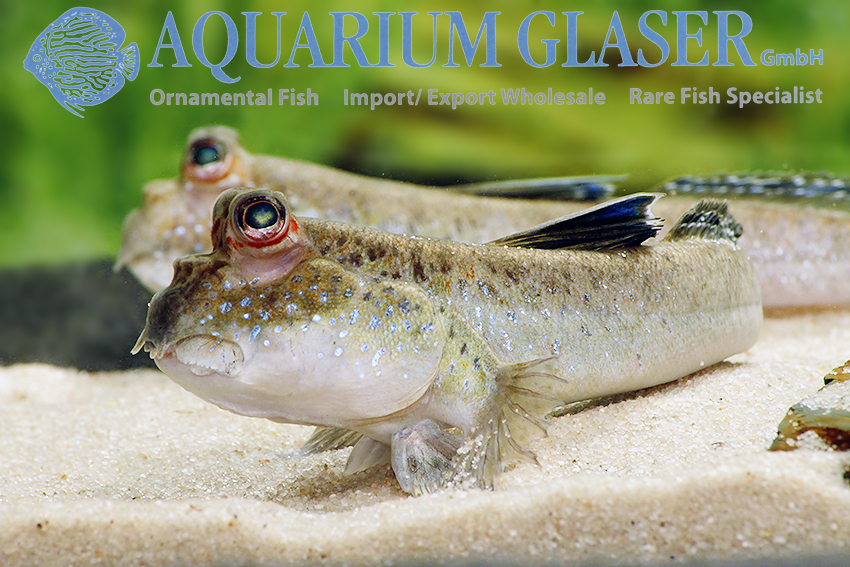
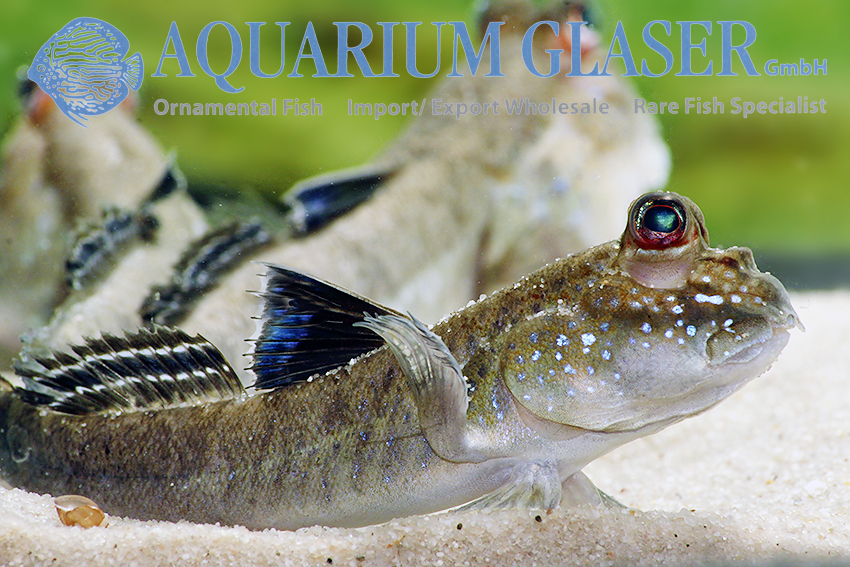
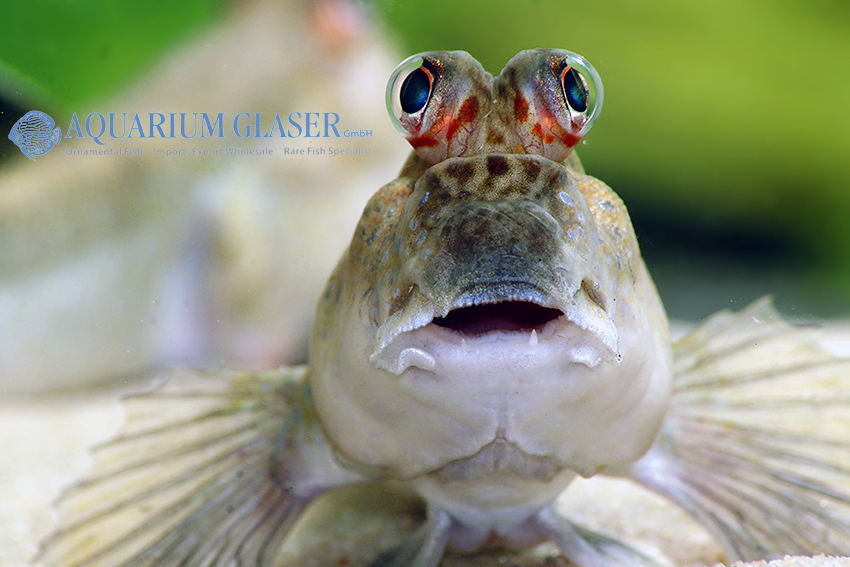
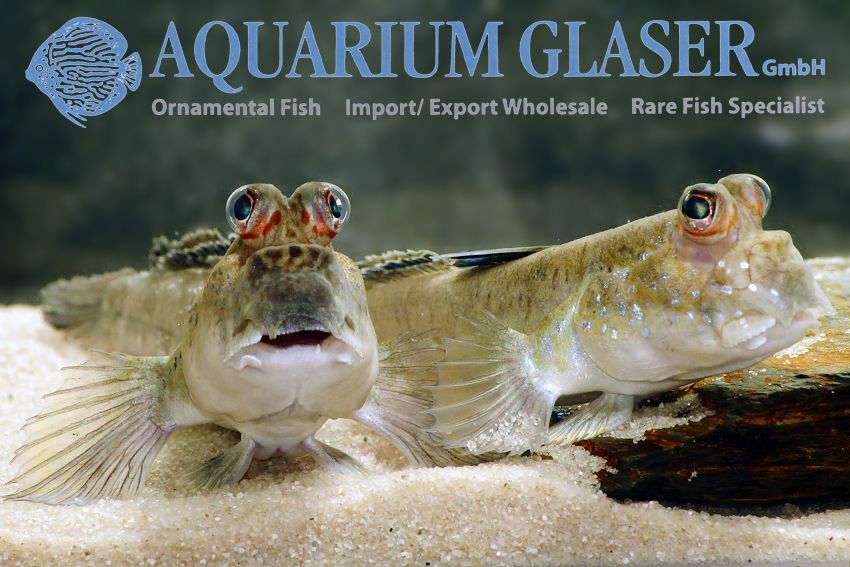
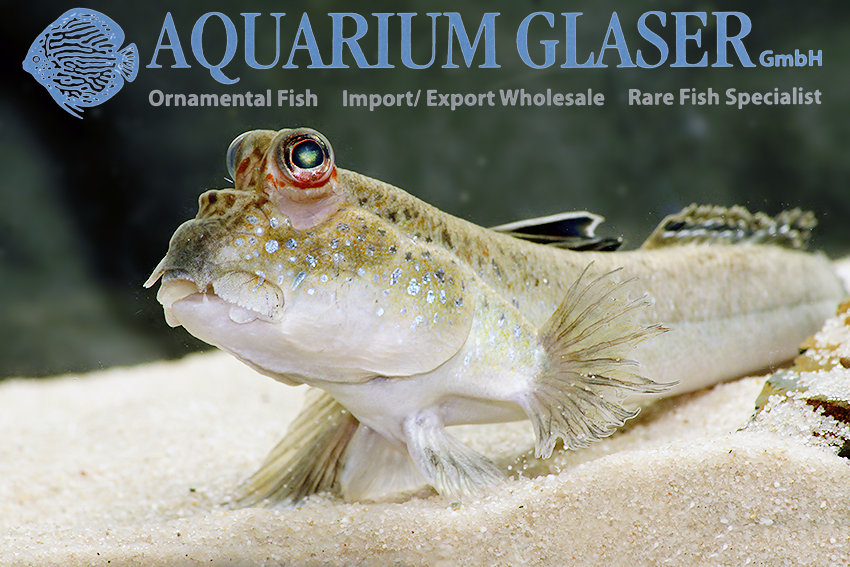
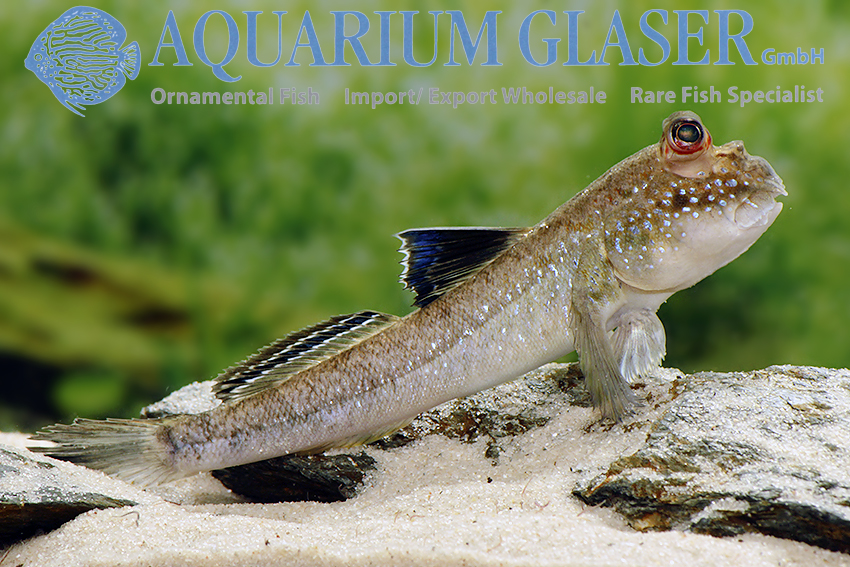
Periophthalmus barbarus

16. May 2018

The mudskippers (Periophthalmus) are among the most fascinating fishes at all. One can observe mother nature´s laboratory and how an aquatic animal becomes a landdwelling animal based on the observation of these fishes.

The Atlantic Mudskipper (P. barbarus) attains a maximum length of about 15 cm and is one of the larger species of the genus. Males can be easily recognized by the enormous large first dorsal fin. However, males are very aggressive against each other and it is hardly possible to keep two of them together on a long time sight. The tank for mudskippers should be furnished as an aqua-terrarium. Females  are somewhat less aggressive. One can compare the level of aggressiveness best with certain species of cichlids, like Tropheus or Petrochromis. Mudskippers are very intelligent and belong to the few species of small fish that really become tame. If the keeper is interested in this the mudskipper can be trained for example to come on the keeper´s hand to take food from the fingers.

We have P. barbarus almost anytime in stock. Feeding them is simple, as they take readily any type of usual fish food, even flakes. A slight addition of seasalt (2-5 g/l) is positive for them, as it helps to keep the pH stable over 8. A lower pH is hardly tolerable for these fish.

For our customers: the animals have code 156503 on our stocklist. Please note that we exclusively supply the wholesale trade.

Text & photos: Frank Schäfer

Ambastaia sidthimunki

14. May 2018

From northern Thailand originates the dwarfish Checkerboard Loach formerly known as Botia sidthimunki, then as Yasuhikotakia s. As it is a rather small (6 cm) and very peaceful species, it represents an ideal member for an asiatic community tank. There it can be kept together e.g. with small representatives of the genera Danio, Rasbora and Microrasbora. One should always maintain them in small groups of at least 5 animals, since they estimate the contact to conspecifics. In the group is always movement and such an aquarium never gets boring.


The water should not be too hard, and in the aquarium should be some retreat areas (bogwood, coconut bowls, bamboo canes etc.) available. For proper style tanks plants like Cryptocoryns, Javafern and other asiatic plants can be used. However, that can be done also with Echinodorus species and Neon Tetras, the Checkerboard Loaches won´t mind at all. In respect of feeding they are unproblematic; breeding in aquaria did probably not succeed so far. Since they belong in their homeland to the protected species, nowadays all traded A. sidthimunki are pond bred and originate from Thailand or Malaysia.

For our customers: the fish have code 405112 on our stocklist. Please note that we exclusively supply the wholesale trade.

Photo F. Schäfer, Text K. Diehl

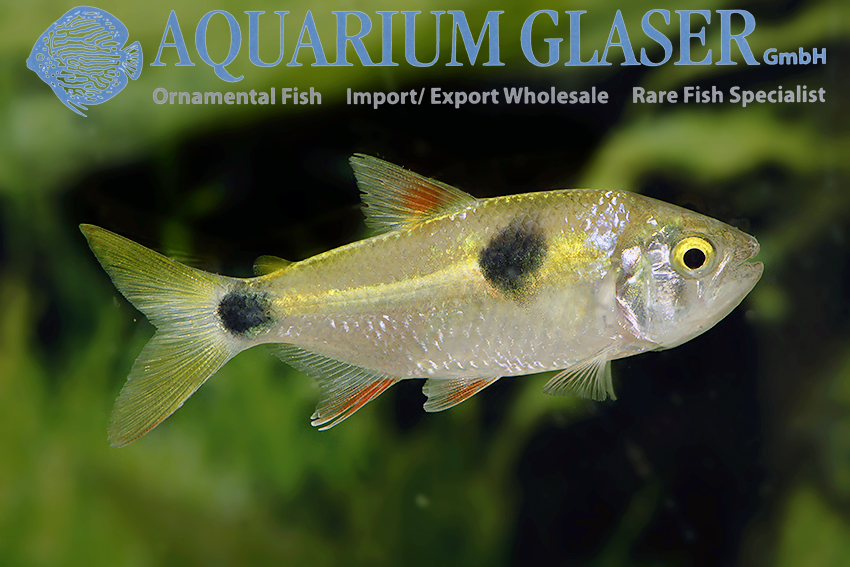
Hyphessobrycon elachys

11. May 2018

Among the smallest species of tetra is Hyphessobrycon elachys, the veilfin tetra from Paraguay. The species becomes only 1.5-2 cm long (standard length without caudal fin). The charming animals inhabit swampy areas in the Rio Paraguay drainage. The genus Hyphessobrycon, as it is currently defined, represents an artifical assamblage of species which are not very closely related. So the placement of H. elachys in Hyphessobrycon is only provisionally and for sure it will be placed in another genus in case of a revision of Hyphessobrycon. The veilfin tetra is unique by the shape of the anal fin in males, the very long ventral fins in males and teeth structures.

In the natural habitat Hyphessobrycon elachys lives in mixed schools along with with other, very similar tetras and Corydoras hastatus. It is almost impossible to tell H. elachys from these other tetras apart on basis of the coloration. So imports of the species are always a mix, sometimes H. elachys is hardly represented in them at all. So to a certain degree there are always bycatches among H. elachys, but our current import contains at least 90% veilfin tetras.

For our customers: the animals have code 262052 on our stocklist. Please note that we exclusively supply the wholesale trade.

Text & Photos: Frank Schäfer

Panaqolus albomaculatus LDA 31 Venezuela

9. May 2018

In one of the most current issue of the Datz magazine (Datz 3/2018) a new L-number has been published, namely L501. This is a Hypancistrus from Venezuela belonging in the closer relationship of Hypancistrus inspector/L201/L339. It differs from the so far known relatives by the almost unspotted fins and the rather pinkish/orange spots (instead of white spots).

By chance we have right now Panaqolus albomaculatus/LDA 31 from Venezuela in stock, which also have very bright orange spots. The fish are 9-12 cm long, which means that they are almost fully grown. The „typical“ LDA 31 come from Peru and have usually rather whitish spots. However, it is already known for quite a long time that LDA 31 is ahighly variable species (see Wels Atlas Vol 2).

So we decided to take a closer look on our fish and put a pair in the photo tank. They proofed to be without any doubts wood-eaters, as could be easily seen by the spoon-like teeth; Hypanacistrus have pointed teeth and are meat-eaters. So our fish from Venezuela are simply very pretty LDA 31.

For or customers: the animals have code 26480-LDA 031-4 on or stocklist. Please note that we exclusively supply the wholesale trade.

Text & Photos: Frank Schäfer

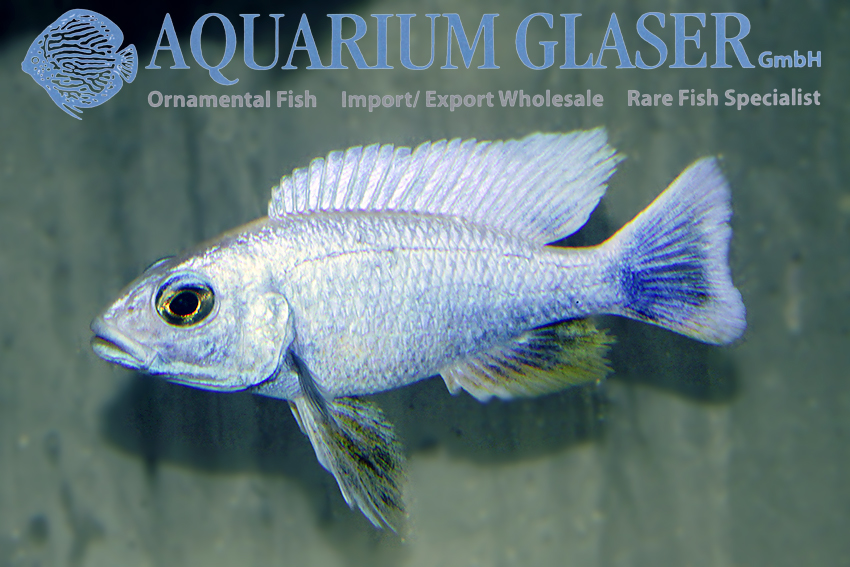
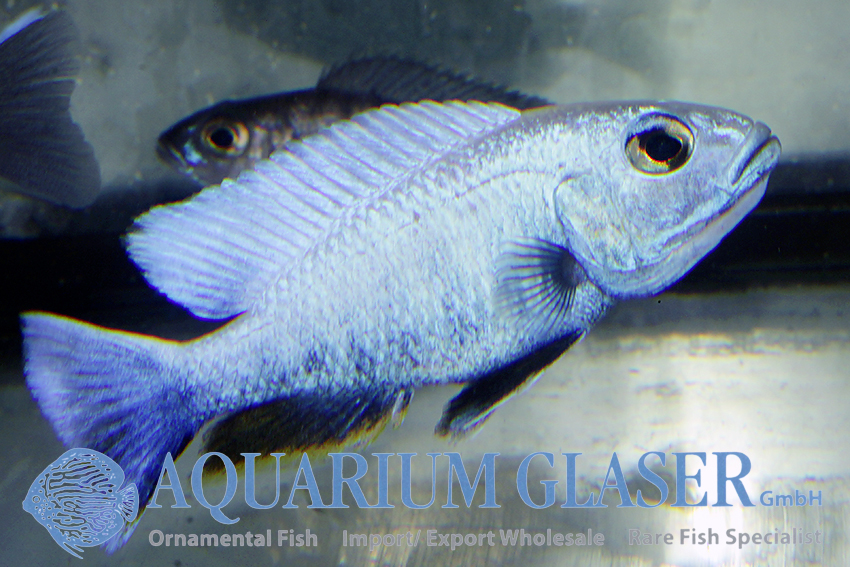
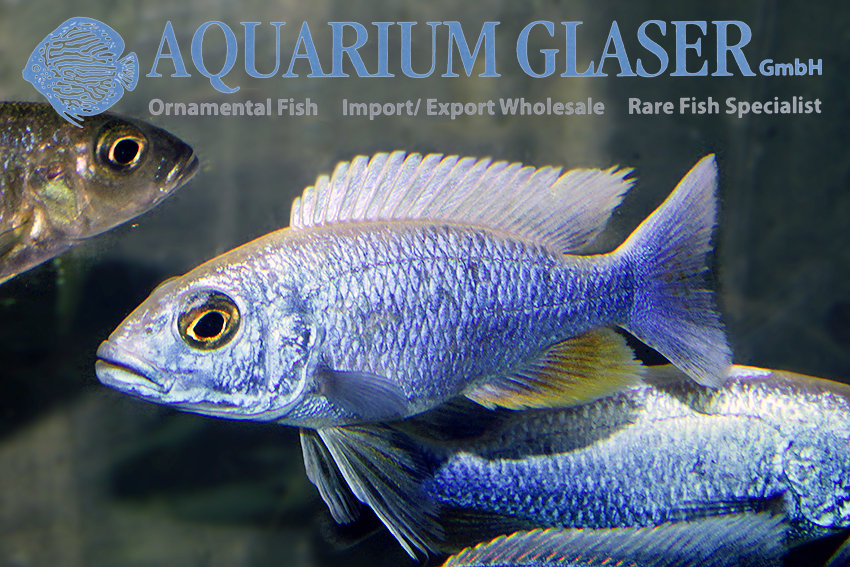
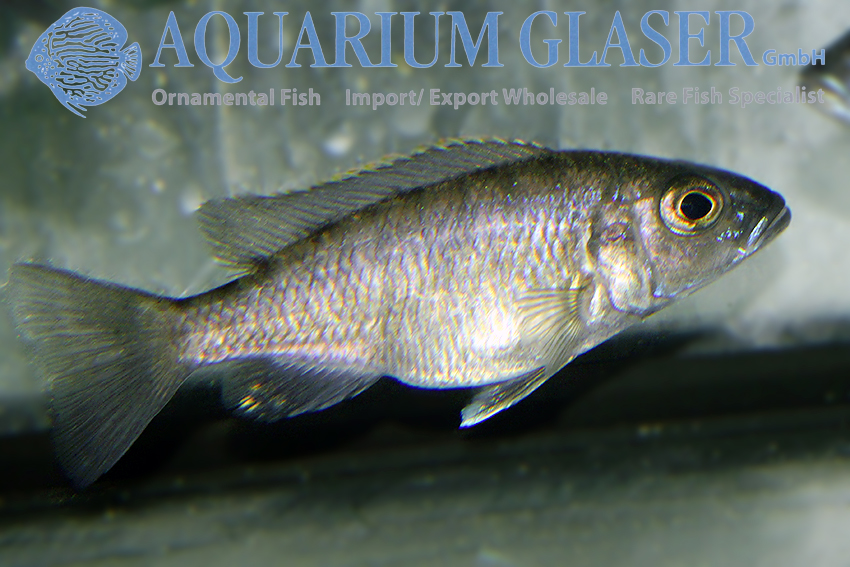
Sciaenochromis fryeri „Iceberg“

7. May 2018

Many species of rock-dwelling cichlids from Lake Malawi – the so-called Mbuna – live on isolated places. These place are often many miles away from other suitable habitats. This geografic isolation leads comparatively fast to local colour morphs.

Other species of cichlid from Lake Malawi are not that much specialized and can live in a great variety of habitats. Consequently these species can be found all over the lake. Although even in these species some slight tendencies for local colour morphs are recognizable these differences are rather marginal. For example in Sciaenochromis fryeri: specimens collected in the south of the lake tend to have rather reddish anal fins while the conspecifics from the north have rather yellowish anal fins.

The sport „Iceberg“ has been bred by selection. The ancestors of the „Iceberg“ were individual mutants found near Maleri Island. This was more than 20 years ago. Nowadays the „Iceberg“ is among the most popular species of cichlid from lake Malawi. Currently we have very nice animals (6-8 cm long, which is almost half grown) in stock which are full in colour. However, only the dominant male has the ice-blue coloration all over the body, while in subdominant males this coloration is rather restricted to the forehead and the dorsal fin. This is quite interesting, for the initial intention to breed this fish was a simple aesthetic one; now it shows up that this coloration also serves for interspecific communication.

For our customers: the fish have code 574303 on our stocklist. Please note that we exclusively supply the wholesale trade.

Text & photos: Frank Schäfer

Eirmotus octozona

4. May 2018

The Eightbanded barb (Eirmotus octozona) is a very delicate, slightly transparent dwarf barb from blackwaters of Malaysia and Indonesia. The males are much smaller than the females and sometimes even look as if they were half famished. But this is normal. Besides this males have comparatively larger ventral fins. The fish gets the most intensiv coloration in water that is rich in humin substances from peat, dead leaves and alder cones. Sadly this cannot be realised in photo tanks for technical reasons: the resulting yellow tinge of the pictures is quite irritating.

This tiny barb is very enigmatic. It has been described in 1959 on the basis of specimens from the aquarium fish trade which were said to originate from Thailand (Bung Borapet). However, there have been no reports since then about any occurence of Eirmotus in Thailand. Oramental fish collectors formerly collected this species in the peat swamp forest of Ayer Hitam in Johor, Malaysia. This forest has been almost destroyed for oil palm plantations and all fish that lived there seem to be extinct now. In 2008 three very similiar, new species of Eirmotus have been described from Sumatra and Borneo. Our fish seem to belong to the “real” E. octozona.

Eiromotus are very delicate barbs, which become only 3-4 cm long and are perfect tankmates for small blackwater tanks. Nothing has been reported so far about the breeding biology of this unusual, very peaceful barb.

For our customers: the fish have code 414583 on our stocklist. Please note that we exclusively supply the wholesale trade.

Lexicon: Eirmotus: refers to the rows of sensitive pores on the head. octozona: means “with 8 bars”

Suggestion of a common name: Eightbanded barb

Text & photos: Frank Schäfer

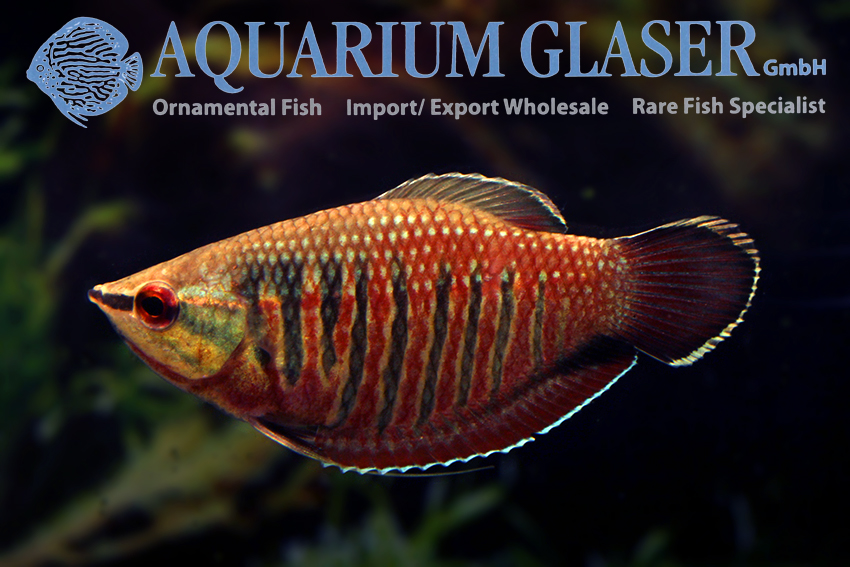
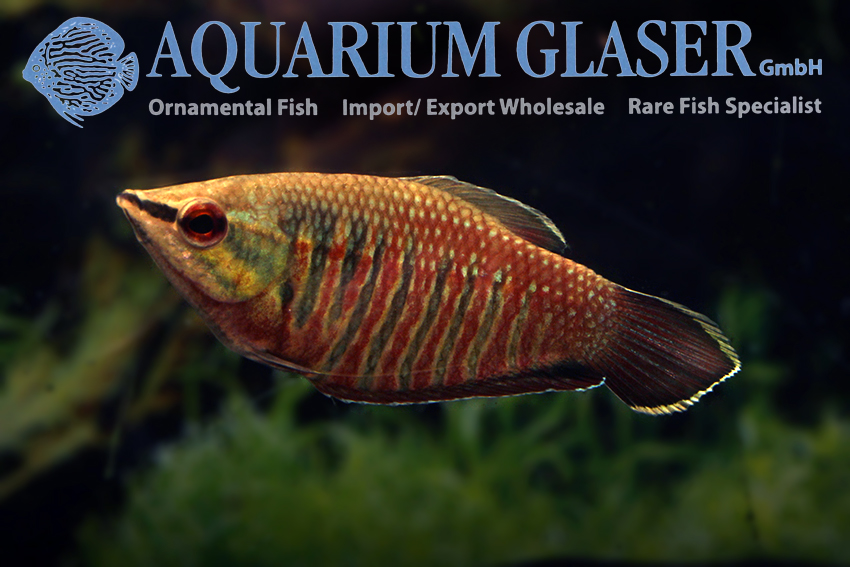
Sphaerichthys osphromenoides

4. May 2018

Sphaerichthys osphromenoides is the most famous representative of the in southeast Asia indigenous chocolate gouramis. Like other chocolate gouramis Sphaerichthys osphromenoides is a delicate and at least while settling down a sensitive fish. 

It’s natural biotope are shore areas of small, still and slow-moving black water on the Malayan peninsula and Sumatra. As a typical black water fish it needs a acidic, soft water. Because the natural habitat of extreme black water fish is very pour of bacteria the adaptability to the high bacteria density in the aquarium is very low. 

Flakes are mostly not accepted and a feeding with live or frosted brine shrimp, mosquito larvae or fruit flies is indispensable. For the breeding the water-quality again needs to be inceased , but should succeed with a little luck. Interesting is the several weeks lasting mouth-broodcare. The chocolate gourami is no fish for beginners and it should only be fall into the hands of experienced hobbyist. 

For our customers: the fish have code 455803 on our stocklist. Please note that we exclusively supply the wholesale trade.

Text: K. Diehl, photos: F. Schäfer

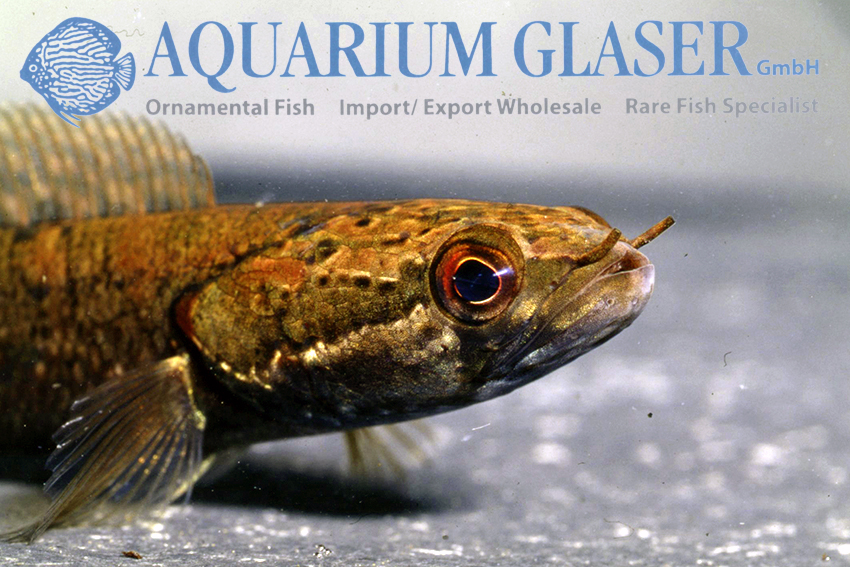
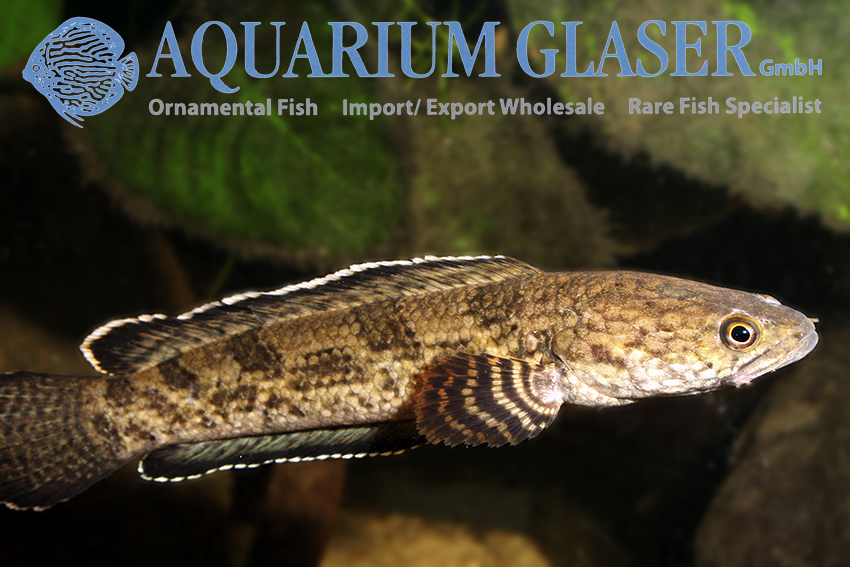
Channa sp. 5-stripe

2. May 2018

UPDATE: This species was described in 2018 as Channa quinquefasciata Praveenraj, Uma, Knight, Moulitharan, Balasubramanian, Bineesh & Bleher. A younger invalid synonym is Channa torsaensis Dey, Nur, Chowdhury, Sarkar, Kosygin & Barat, 2019.

This comparatively small species of snakehead originates from the north of India (Assam, North-Bengal). The species is not described scientifically yet. Initially it was erranously reported to originate from Kerala (which is in the south of India). The species is a mouthbrooder and attains a maximum size of 15-20 cm. Due to the origin in subtropical regions the species should be kept at times in cool water. In the wild, the water temperature differs (depending on the season) between about 12°C and 30°C.

For our customers: the fish habve code 409374 on our stocklist. Please note that we exclusively supply the wholesale trade.

Text & photos: Frank Schäfer

Xiphophorus maculatus Platy Coral Kohaku

30. April 2018

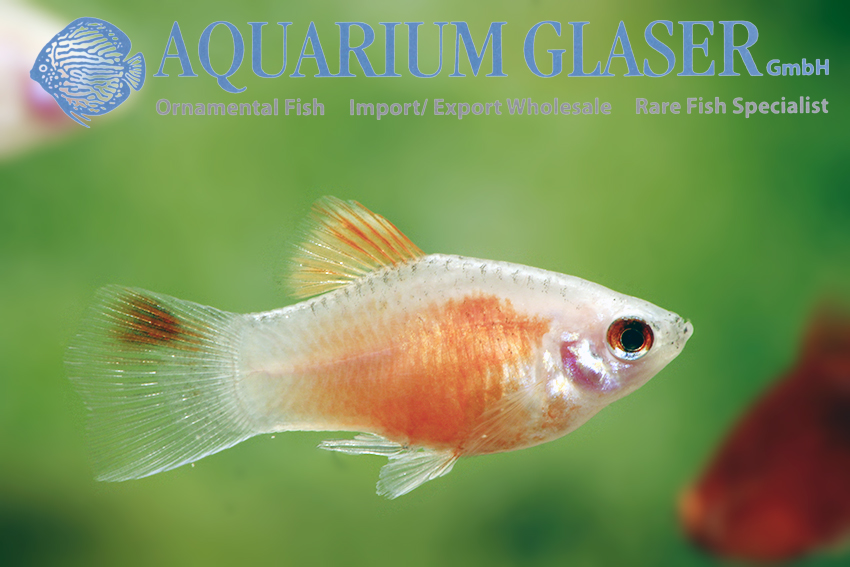
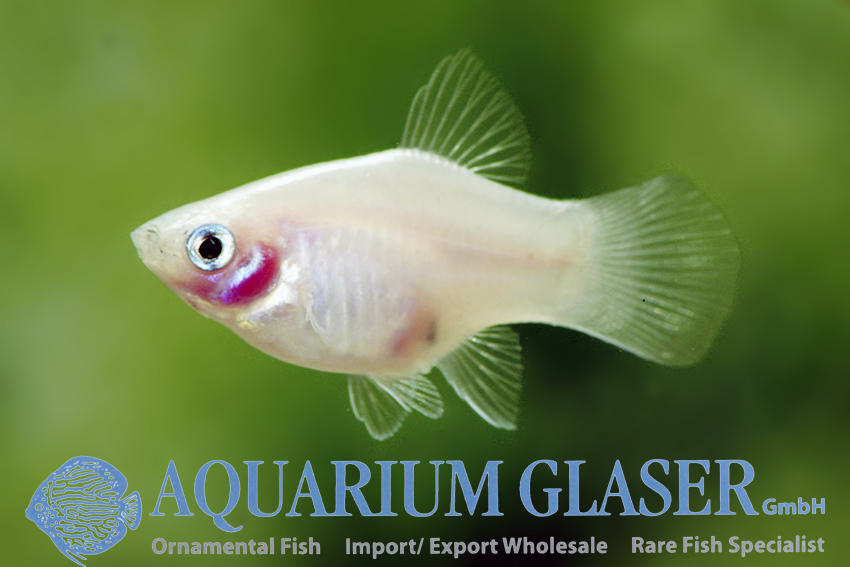
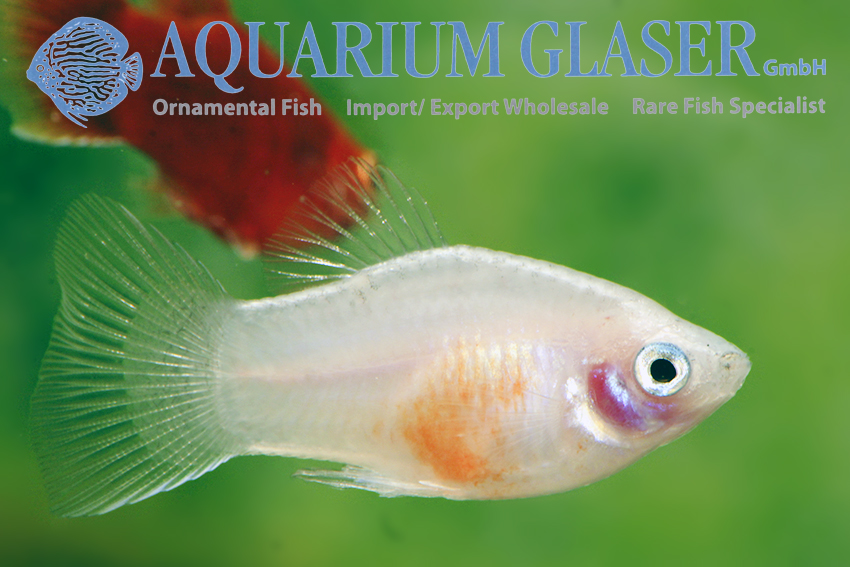
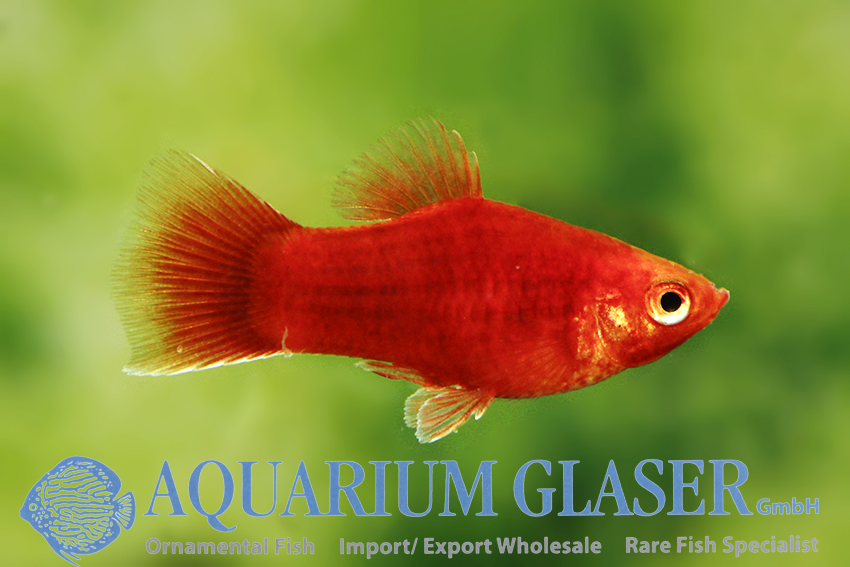
White-red sports in Xiphophorus are pretty demanding for the breeder. Interestingly these fish are all usually born  in a crystal red coloration. Only after a few weeks the red breaks up and white patches become visible. Some of the fish become totally white when fully grown, others totally red, but most of them show red patches on a white background. But every spawn is something like a surprise package for the breeder. So breeders who want a uniform look of their fish wil not become happy with white-red Xiphos. But all others enjoy the variations in that sport.

We now obtained for the first time a white-red sport of coral platy from a German breeder. Coral platys differ from their normal cousins by the stout figure. The Platy Coral Kohaku is as variable as one is used to in the white-red sports of Xiphos.

For our customers: the fish have code 442582 on our stocklist. Please noite that we exclusively supply the wholesale trade.

Text & photos: Frank Schäfer

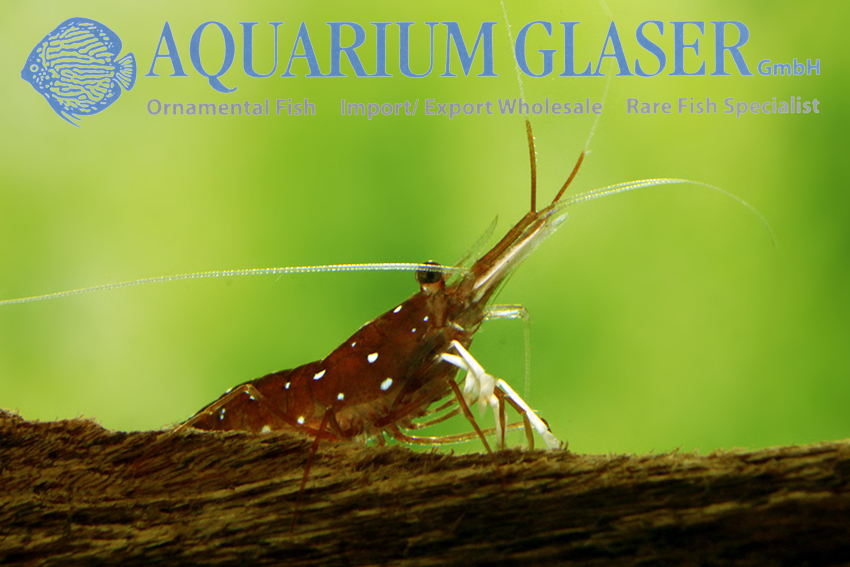
Caridina dennerli

27. April 2018

When the White Spot Bee Shrimp appeared about 10 years ago for the first time in larger numbers in the ornamental fish trade we all where really enthusiastic about them. Sadly we had to learn that the tiny animals are very sensitive against temporary distress, for example low temperatures during transportation, and die very quickly if their needs are not fulfilled in a perfect way. So the initial enthusiasm changed into disillusion and the shrimps became animals thought to be suited for specialists only.

Now we have German bred ones in stock. The breeder says that these shrimps are not difficult to keep at all. Of course even for these bred ones the water temperature should not fall below 25°C for longer times, the best temperature to keep and breed them is 27-30°C. We are very curious how hardy these shrimps will proof to be in a long time sight!

For our customers: the shrimps have code 481581 on our stocklist. Please note that we exclusively supply the wholesale trade.

Text & photos: Frank Schäfer

Leporacanthicus triactis L91 Variety

27. April 2018

The tooth-nose Leporacanthicus triactis from Venezuela s a beautiful aquarium fish that has a number of advantages. Besides the very nice coloration it does not become too big (maximum size reported is about 30 cm, but most specimens in the wild stay much smaller) and it is an omnivorous fish that readily accepts all types of usual fish food.

From time to time very attractive individuals appear in the trade that show a reticulated to spotted pattern. We currently received only the seventh specimen in 20 years, so one can really call it a rarity!

For our customers: the fish has code 26480-L091Y-4 on our stocklist. Please note that we exclusively supply the wholesale trade.

Text & photos: Frank Schäfer

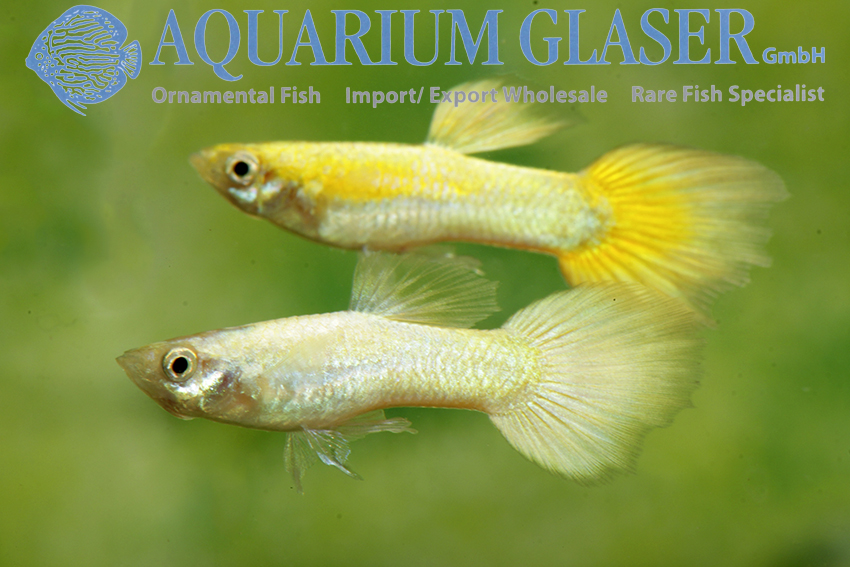
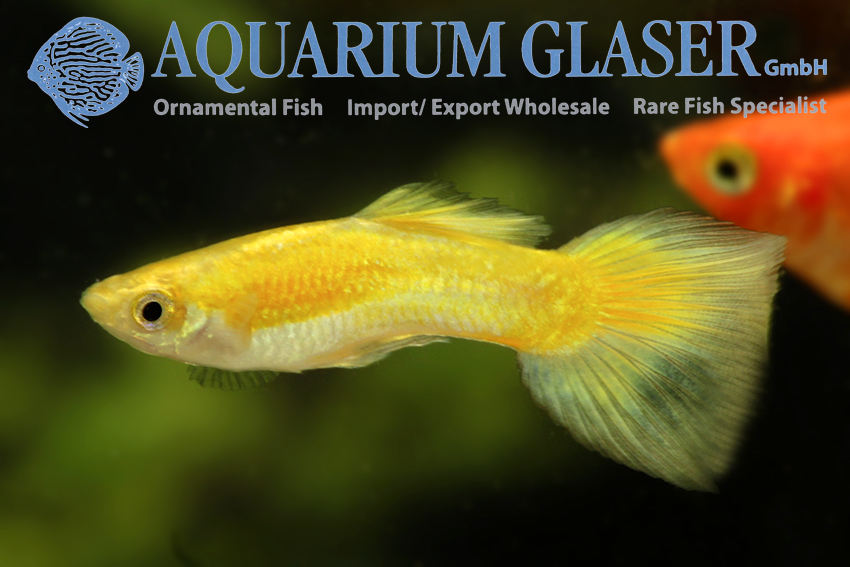
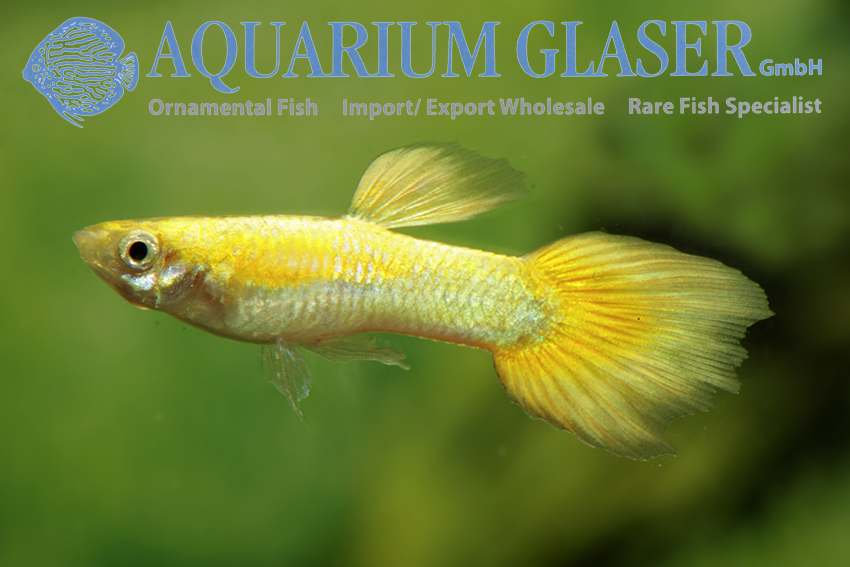
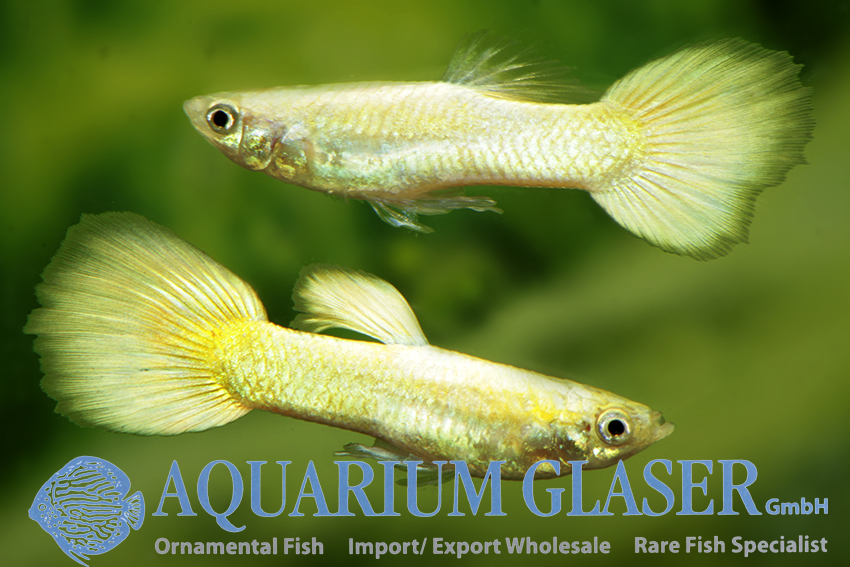
High End Guppys

25. April 2018

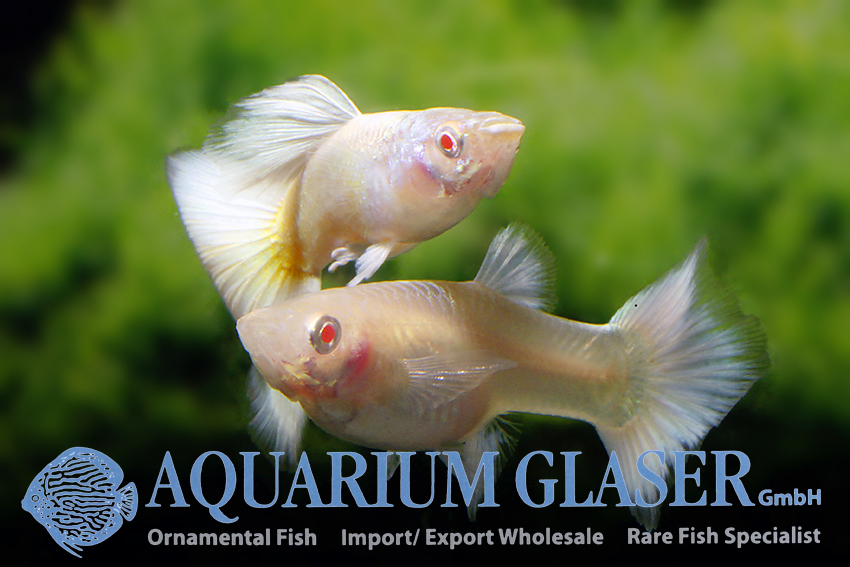
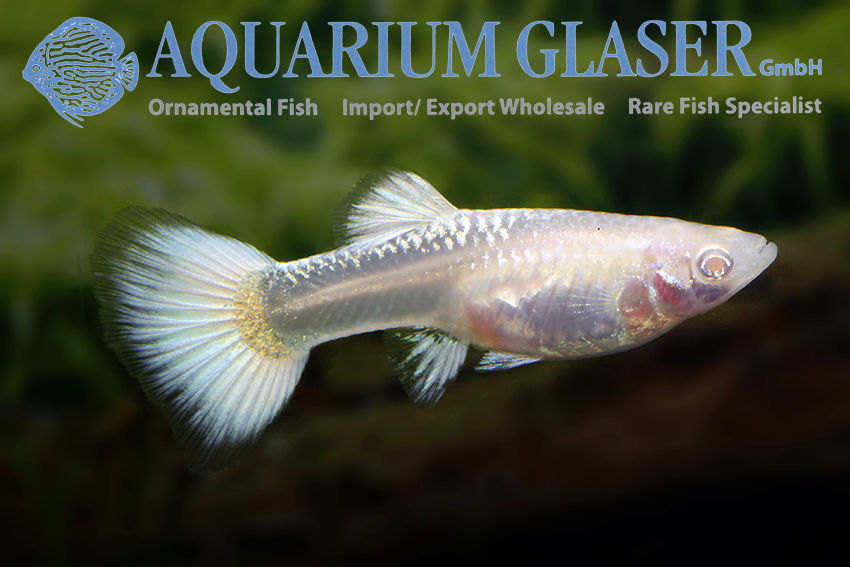
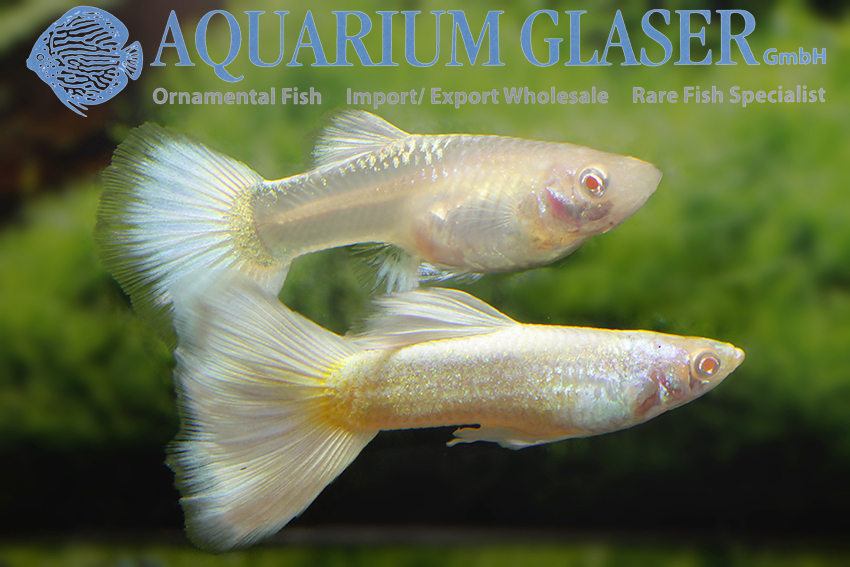
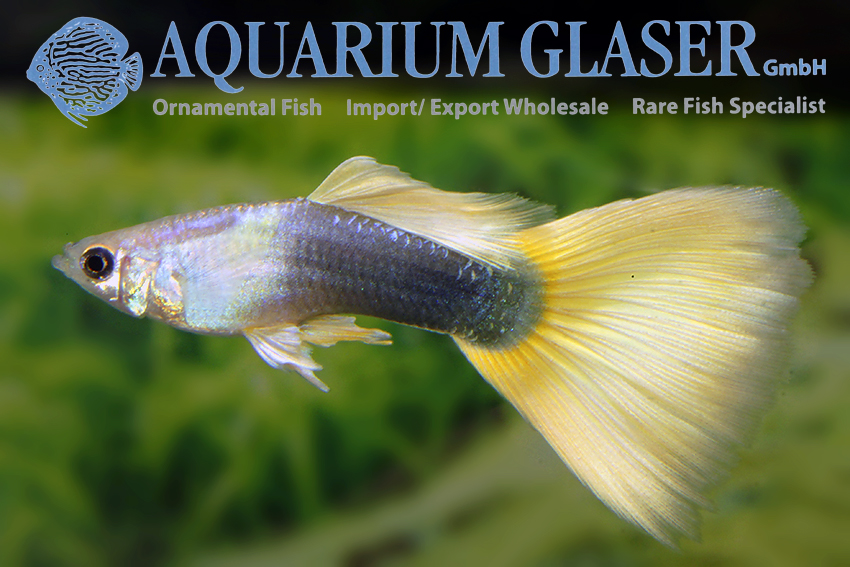
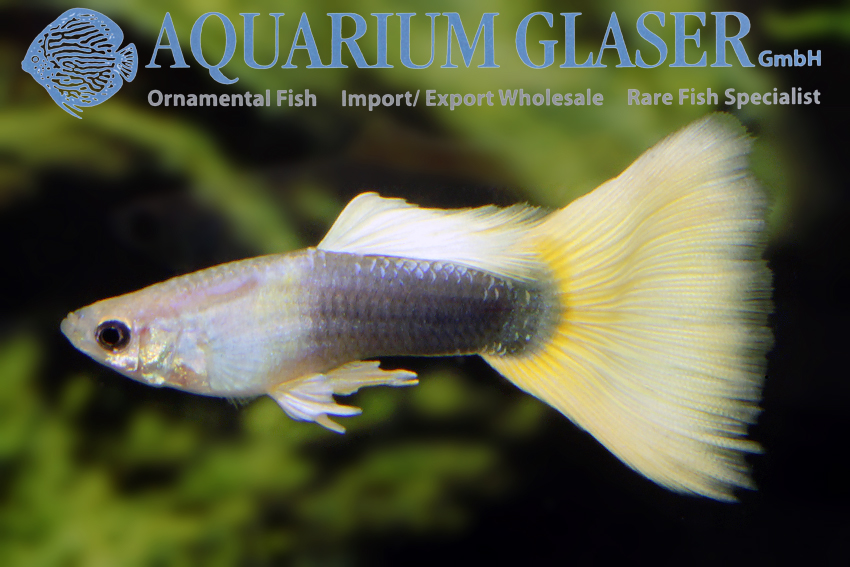
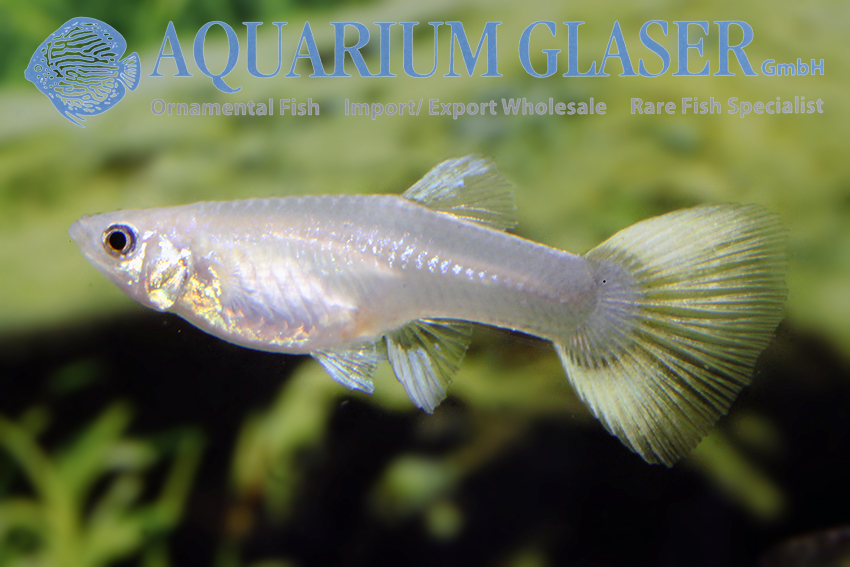
Currently we can offer several High Quality German Bred Guppys. This breeder is specialized inbreeding rare varieties that are offered by pair, which means that the genetically correct female is supplied along with the male. The sports illustrated here – „Full Platinum Albino“ and „Yellow Tuxedo“ – are only two of serveral ones we have in stock.

For our customers: the fish have code 419097 (Full Platinum Albino) and 419093 (Yellow Tuxedo) on oir stocklist. Please note that we exclusively supply the wholesale trade.

Text & photos: Frank Schäfer

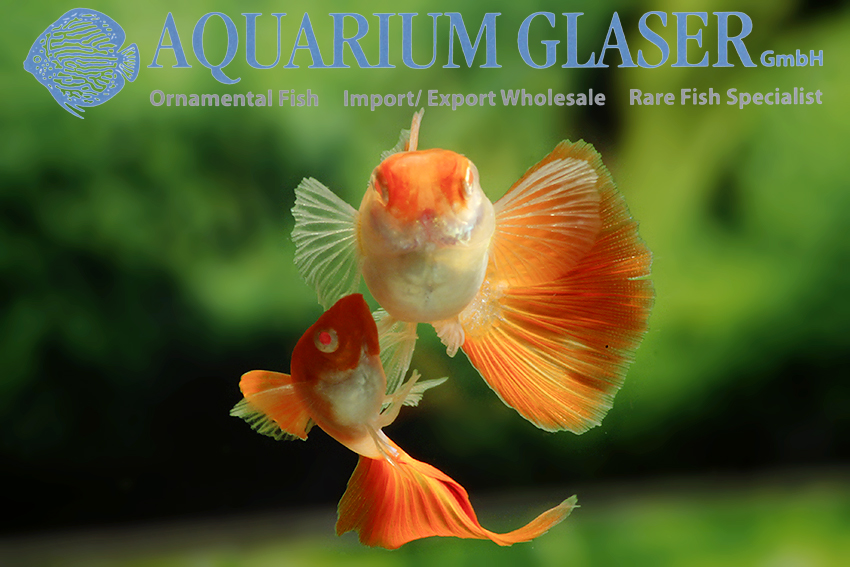
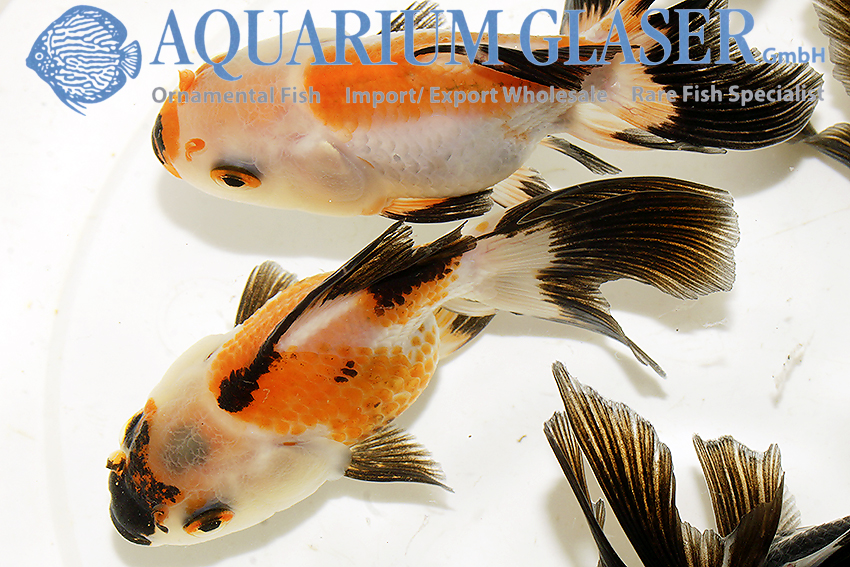
Goldfish Oranda 2-3 Colour

23. April 2018

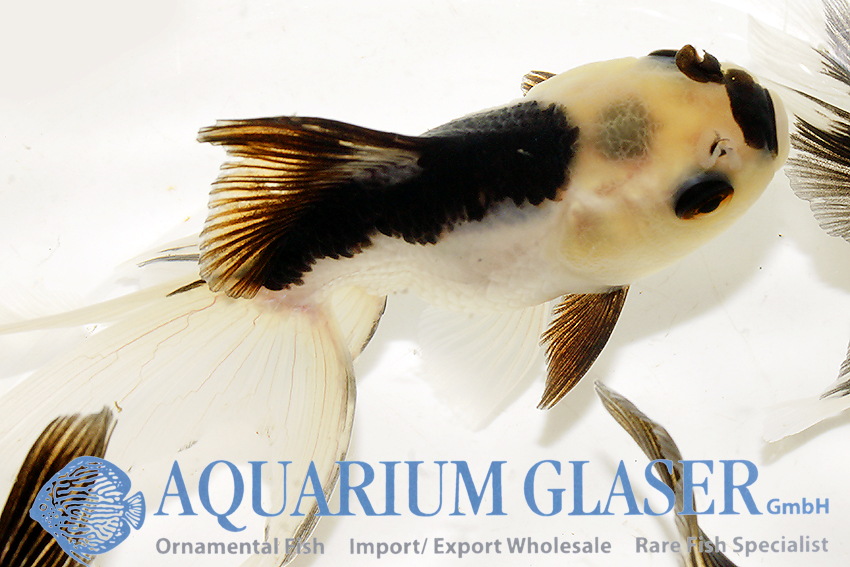
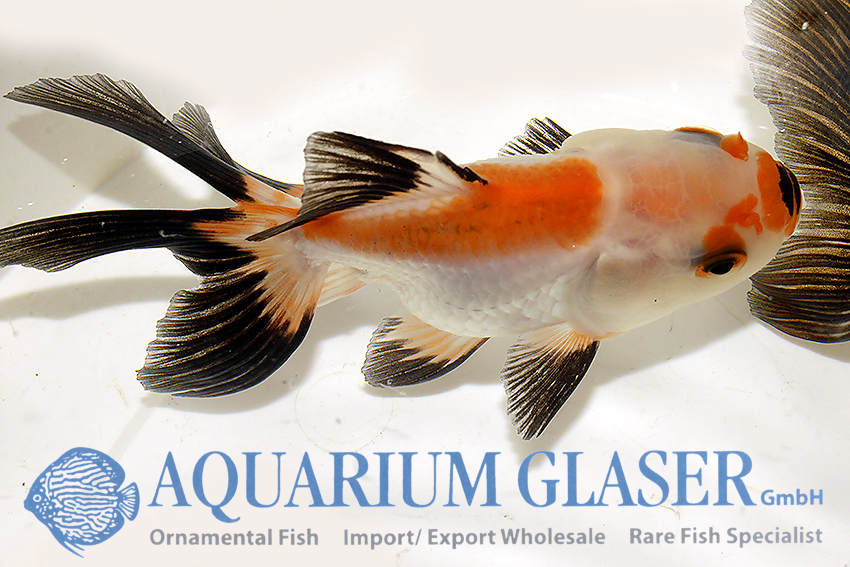
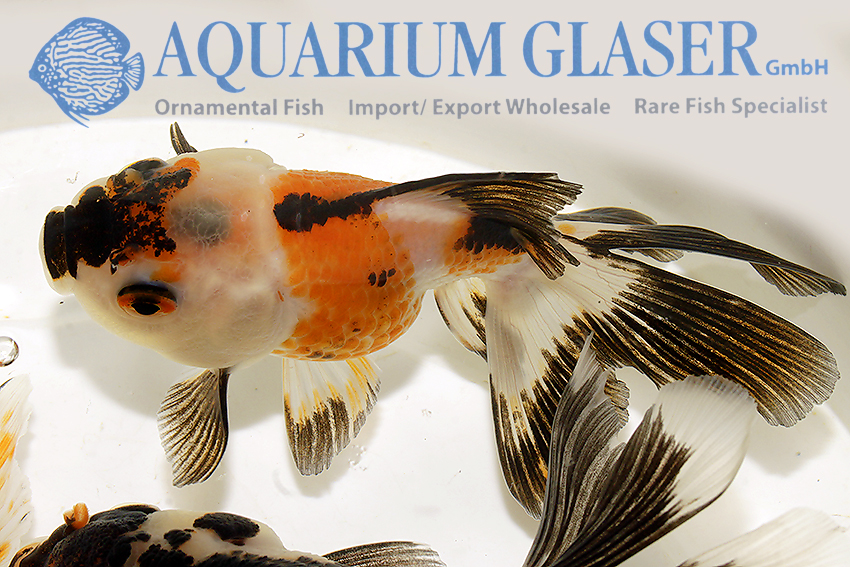
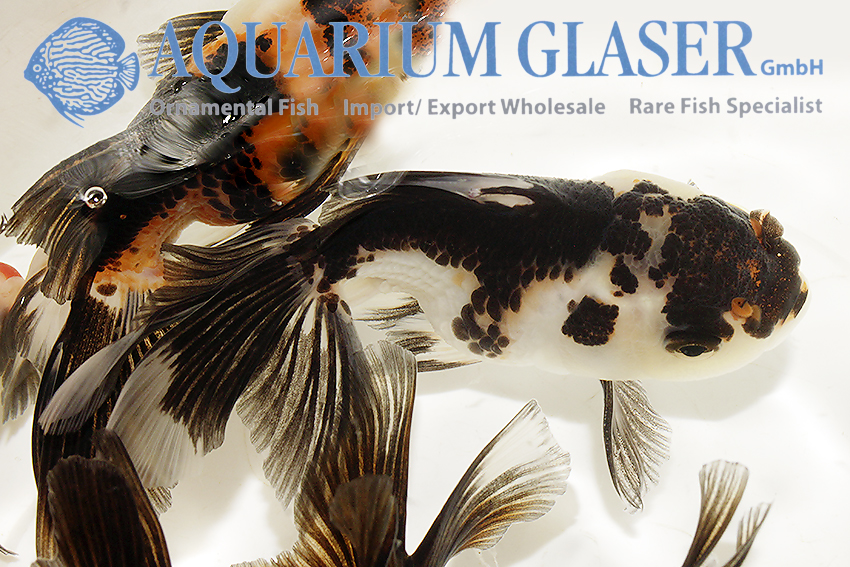
In the minds of many keepers the goldfish is a coldwater fish and has its high season in spring time, when the garden pond season starts. This is of course true, but reflects only a part of the reality. The highly developed sports – like the orandas – often are better kept in aquaria than in outdoor ponds. The optimal water temperature for these fish is between 14 and 28°C.

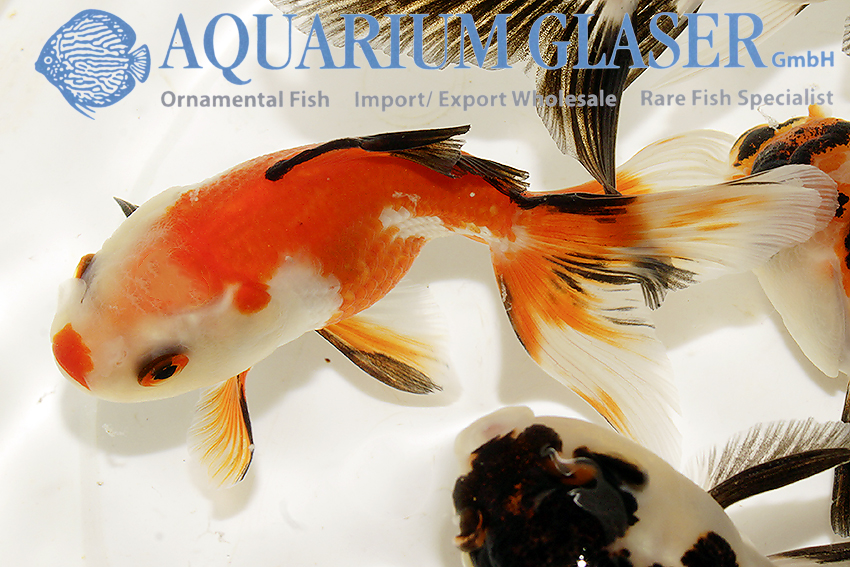
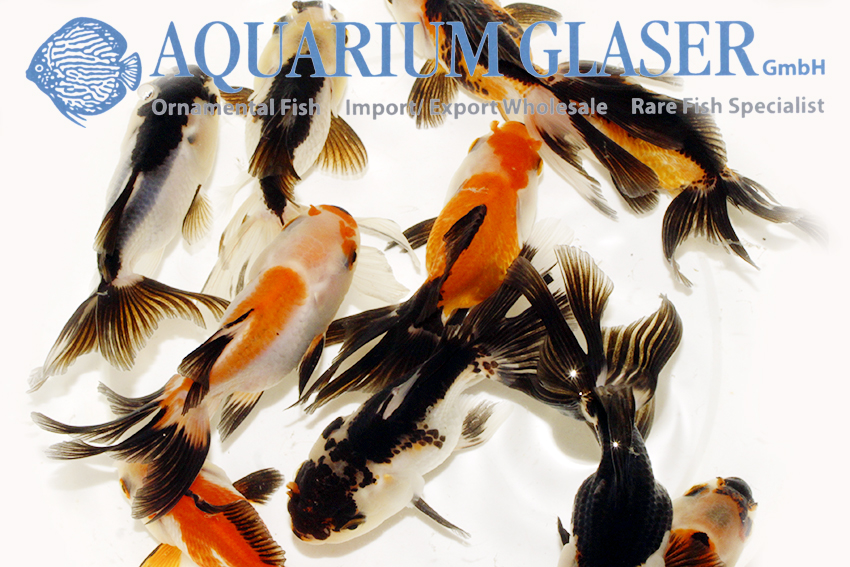
Currently we received very nice Oranda 2-3 Colour that were bred in Singapore. These animals are colored individually very different and in all probability they will also change some of their colours during their individual lifetime, which can be as long as 30 years.

The ideal home for such fish is a large tank with soft sand and only a mild current. Goldfish are social animals and absolutely peaceful against all tankmates. One must only take care that no other fish takes the long fins of the orandas as toys and thus jars on the nerves of the poor goldfish permanently. By the way: all goldfish – and so also all orandas – are a perfect weapon against duckweed. No plague of duckweed will ever appear in a goldfish tank, for duckweed is one of the favourite dishes of goldfish.

For our customers: the animals have code 815704 on our stocklist. Please note that we exclusively supply the wholesale trade.

Text & photos: Frank Schäfer

Micracanthicus vandragti L280

20. April 2018

One could think that this unusual suckermouth catfish – it originates from the Rio Ventuari in Venezuela – represents the juvenile form of a Leporacanthicus, for example L240 or L241. But in fact L280 is a dwarf species that hardly ever becomes bigger than 5 cm. Until now only single specimens appeared in the trade, but our current importation contained a good number of fish; so we hope that a breeder will be able now to breed this charming species and that an aquarium population of Micracanthicus vandragti can be established. There are more than a thousand species of suckermouth catfish, but this one seems to be the best suited one for owners of small and medium sized tanks due to the small size in combination with the attractive coloration.

For our customers: the fish have code 26480-L 280-1 on our stocklist. Please note that we exclusively supply the wholesale trade.

Text & photos: Frank Schäfer

Pangio anguillaris

16. April 2018

The Kuhli loaches (Pangio, formerly Acanthophthalmus) form an important part of all smaller community tanks with a southeast Asian character. Here the small „watersnakeletts“ are cleaning and feed all the small food particles that might have been overlooked by the other fish. Of course the loaches have to be fed also; this is no problem at all for they readily take any type of usual ornamental fishfood. The tank should have at least a patch with sandy bottom, where Pangio love to burry themselves from time to time, in all other respects Kuhli loaches are hardy and undemanding fish.

Pangio anguillaris is only very occasionally available on the ornamental fish market. It originates from Indonesia. This species has no bands like many other species of Kuhli loach, but a salt-and-pepper pattern on a grey to golden (this depends on the light) background. Rumours say that this species can reach a length of 12 cm, but in the wild hardly ever specimens are collected that exceed a length of 5-6 cm.

For our customers: the fish have code 441052 on our stocklist. Please note that we exclusively supply the wholesale trade.

Text & photos: Frank Schäfer

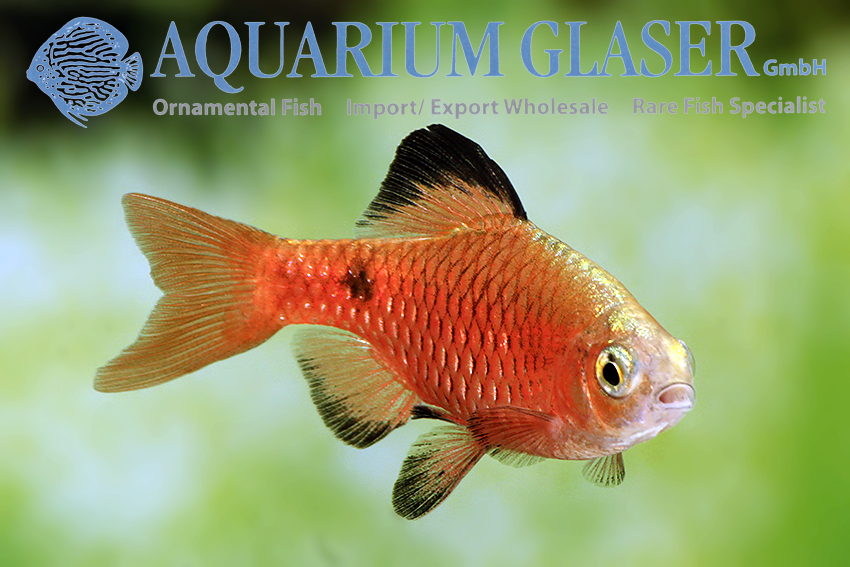
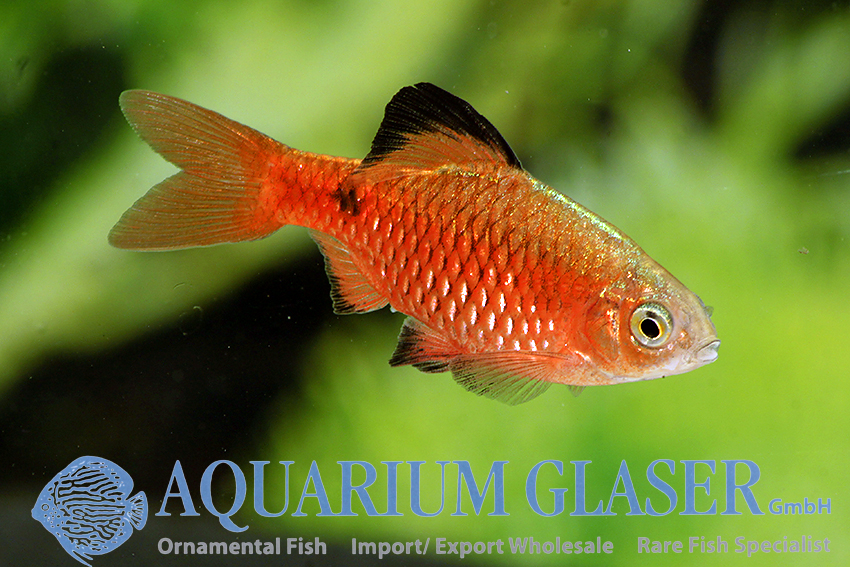
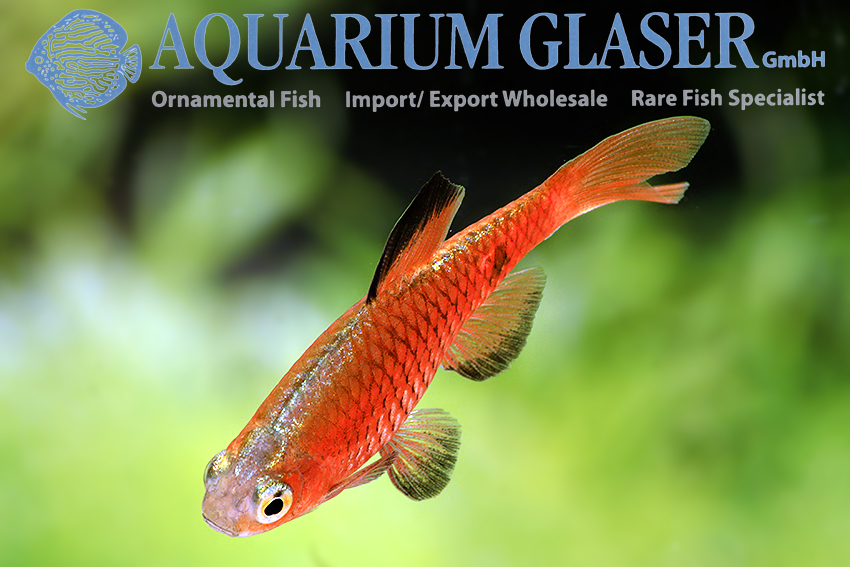
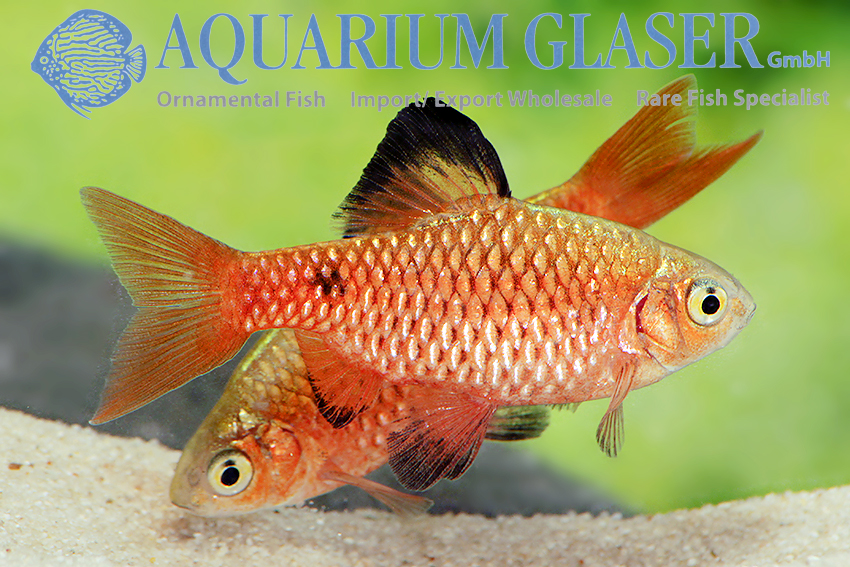
Pethia conchonius Neon Red

13. April 2018

The neon red ruby barb is an artifical sport of the ruby barb available for many years already. The fish are extremely beautiful; we usually obtain them from breeders from southeast Asia. Now we received this sport from an European breeder and his strain is particually beautiful. Like in the Asian cousins the flanks are deep neon red, but the European strain shows also deep black seams of the fins which contrast to the body in a most spectacular way. The females are not red at all, but in some specimens the fins have a reddish tinge.

For our customers: the fish have code 369352 on our stocklist. Please note that we exclusively supply the wholesale trade.

Text & photos: Frank Schäfer

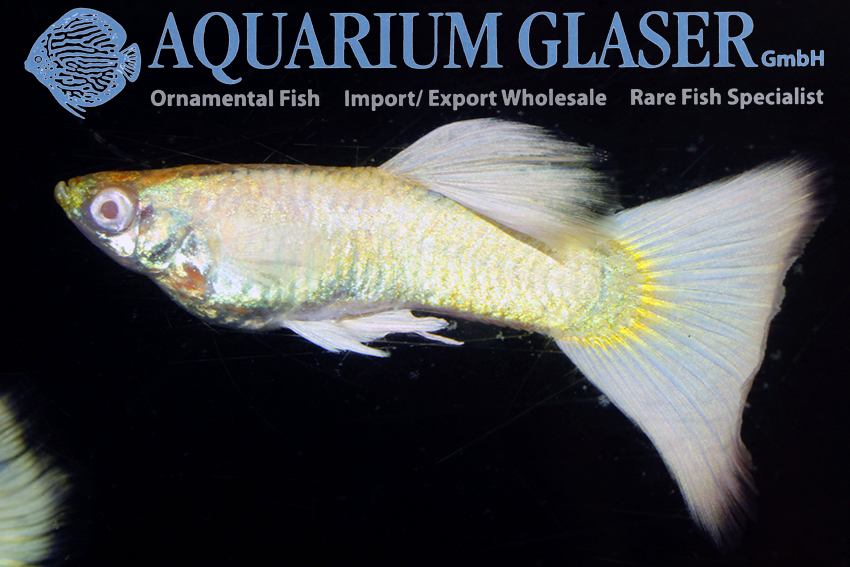
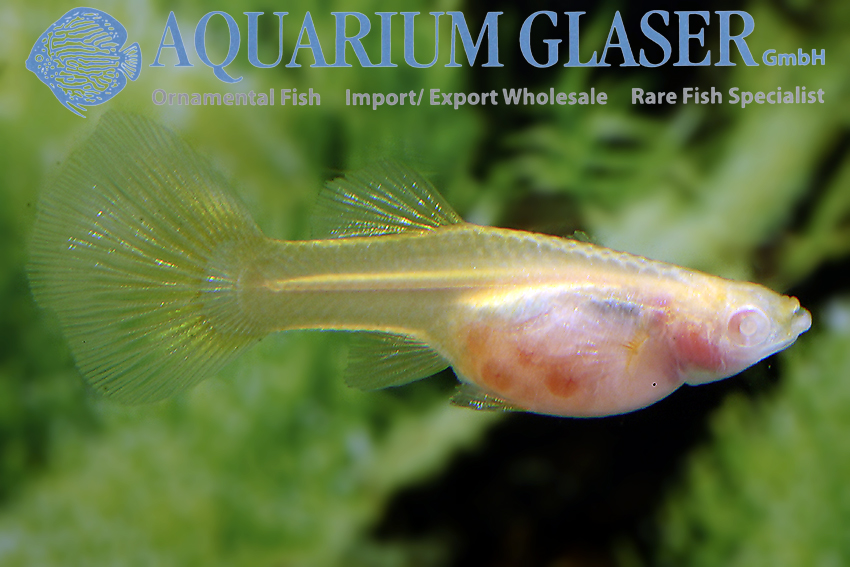
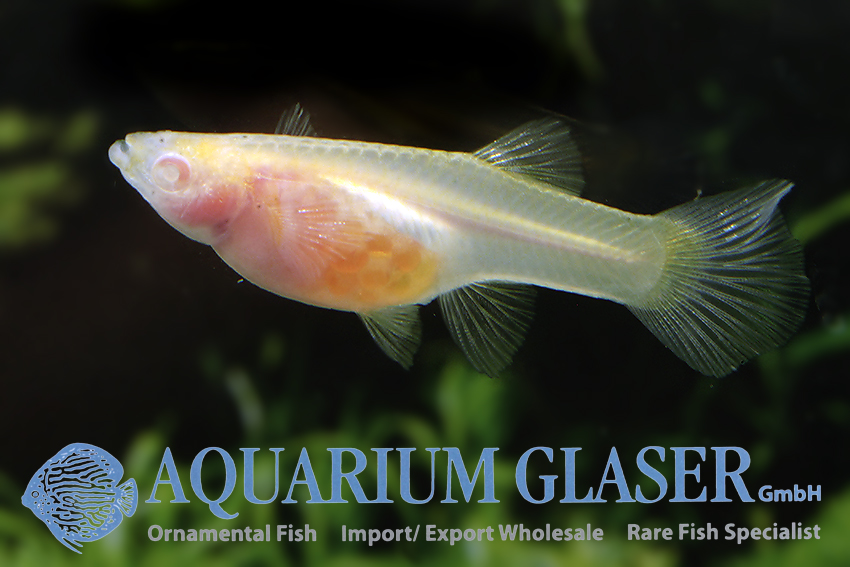
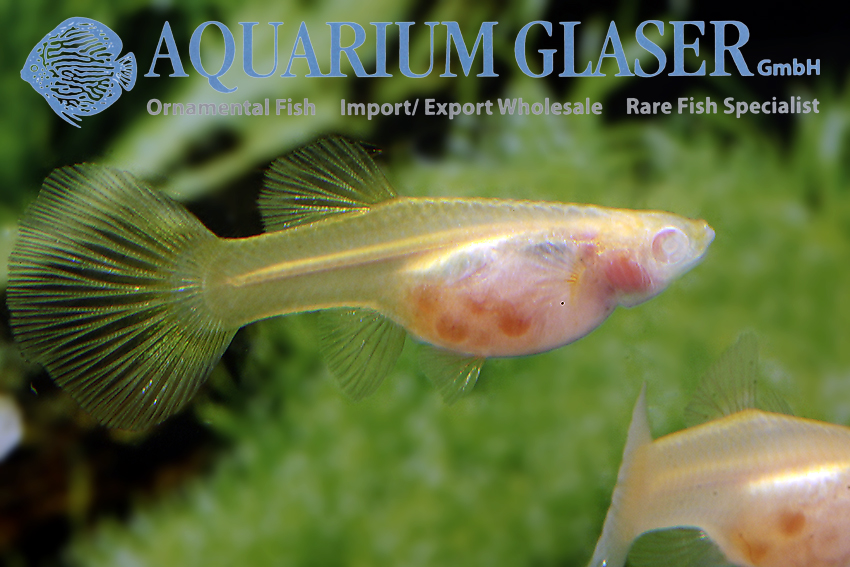
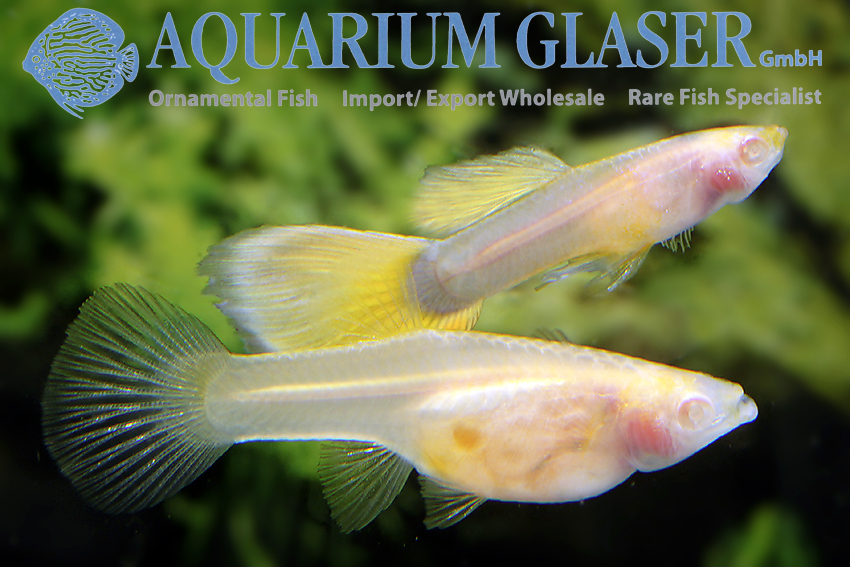
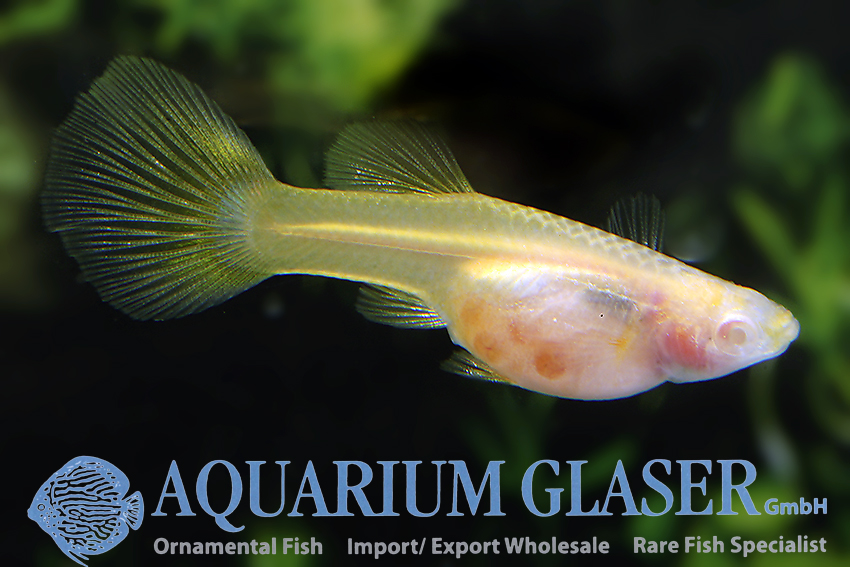
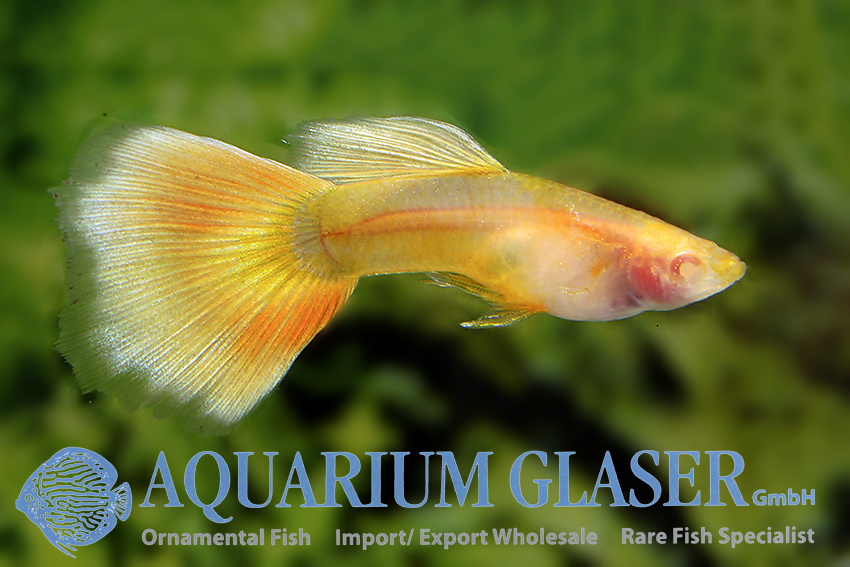
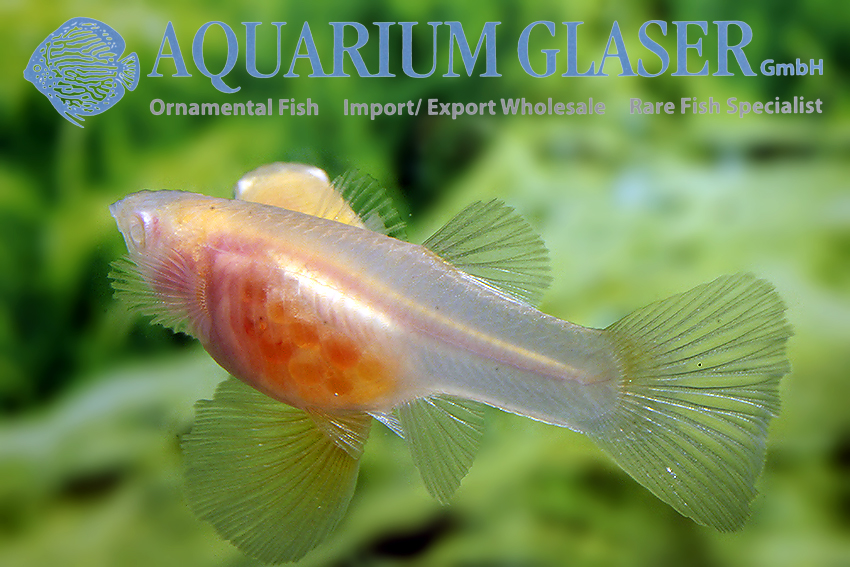
Poecilia reticulata Guppy Yellow Taxi Glass Belly

13. April 2018

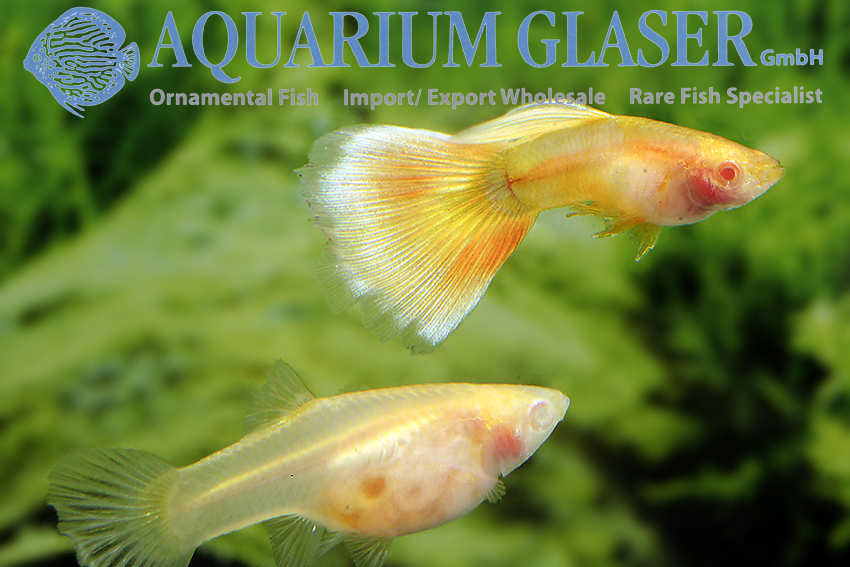
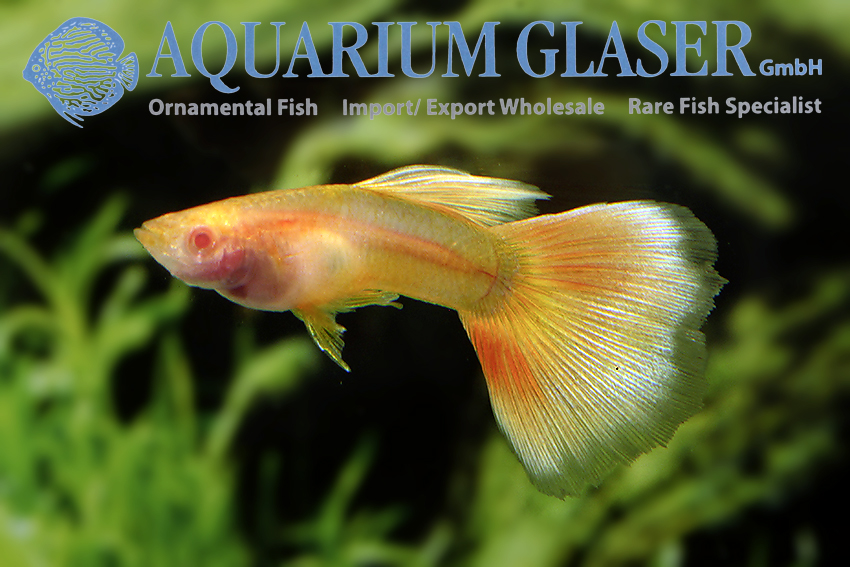
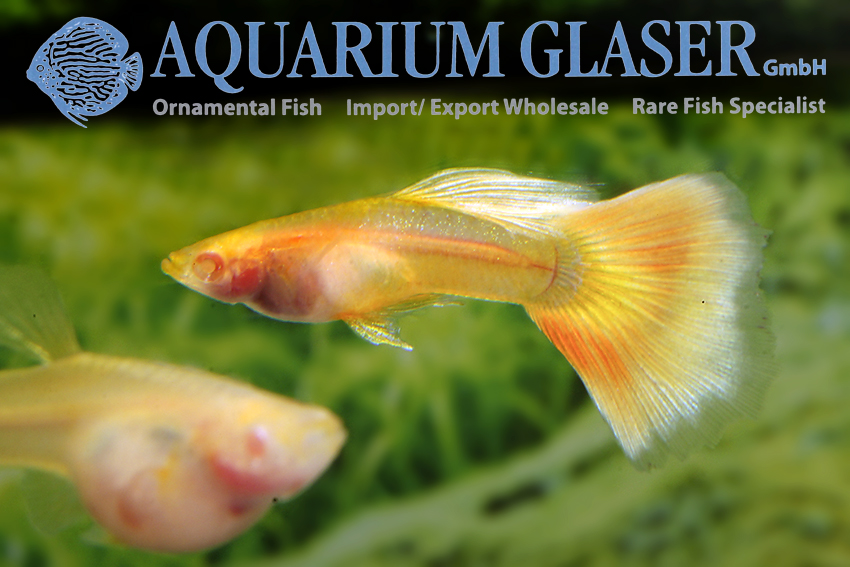
These Glass Belly Guppys are very special. Their coloration lacks not only all black pigment – they are true albinos – but also the silver pigmentation of the abdomen. So one can study the complete develepment of the eggs and youngsters in the belly of the female fish. This means these fish are a perfect subject for all persons interested in natural history and especially for educational reasons in schools. In respect of demands in the aquarium these guppys are not more difficult to keep than other sports of modern fancy guppy, but one should keep in mind that albinos in general are a bit sensitive against strong light.

For our customers: the fish have code 419099 on our stocklist. Please note that we exclusively supply the wholesale trade.

Text & photos: Frank Schäfer

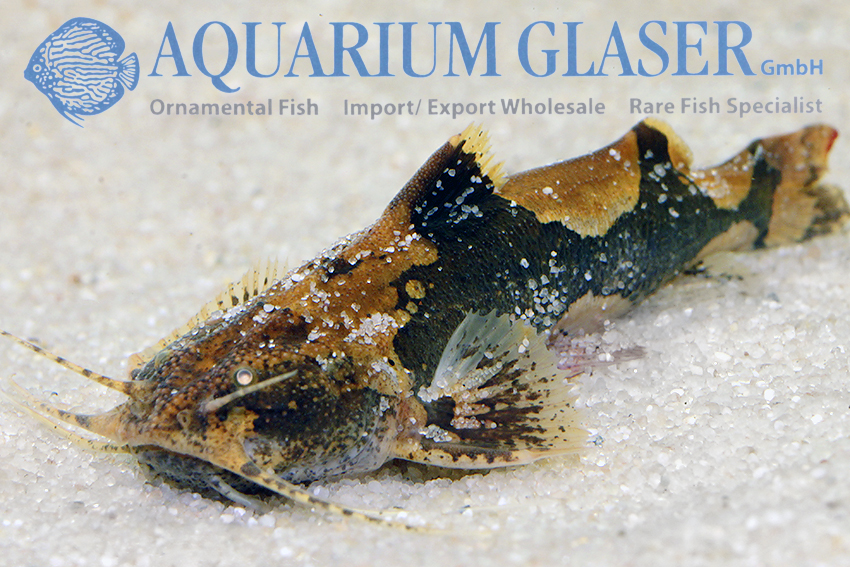
Akysis portellus

13. April 2018

The wasp catfishes (Akysis) become more and more popular in the aquarium hobby. Their common name refers to venomous glands these fishes have at the base of the dorsal and the pectoral fins. A sting by the spines of these fins is very painful, though it it is harmless; only allergy sufferers should be double cautious.

Akysis portellus attains a maximum length of about 4-5 cm. It originates from the Sittang river basin in Burma. Here it lives in smaller brooks with clear water. One should keep these very peaceful animals always in groups. The tank should contain at least some patches with fine sand for Akysis love to burry themselves from time to time.

Oxygen-rich, clear and clean water: these are the conditions for Akysis catfish, here they feel very well. The water temperature should be between 22 and 26°C, at times the water can be even cooler. Akysis portellus feed on any usual type of ornamental fish food.

For our customers: the fish have code 362373 on our stocklist. Please note that we exclusively supply the wholesale trade.

Text & photos: Frank Schäfer

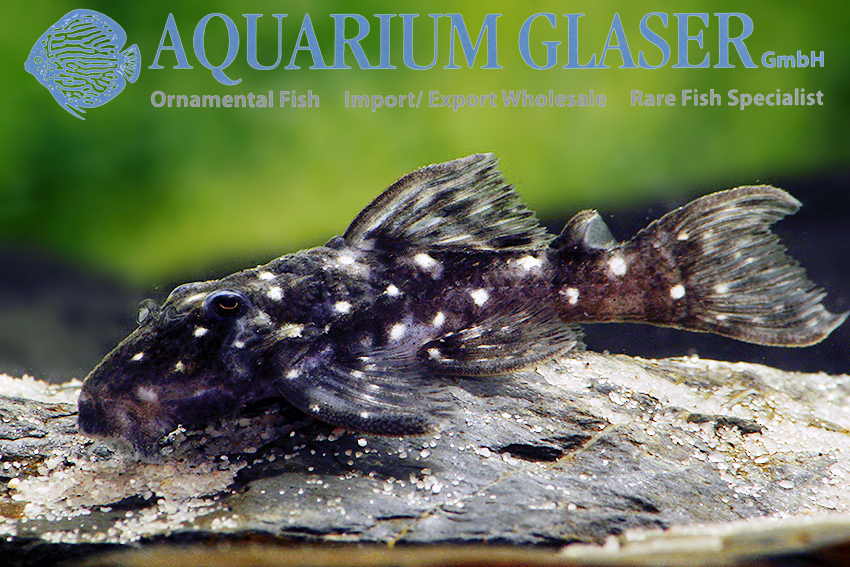
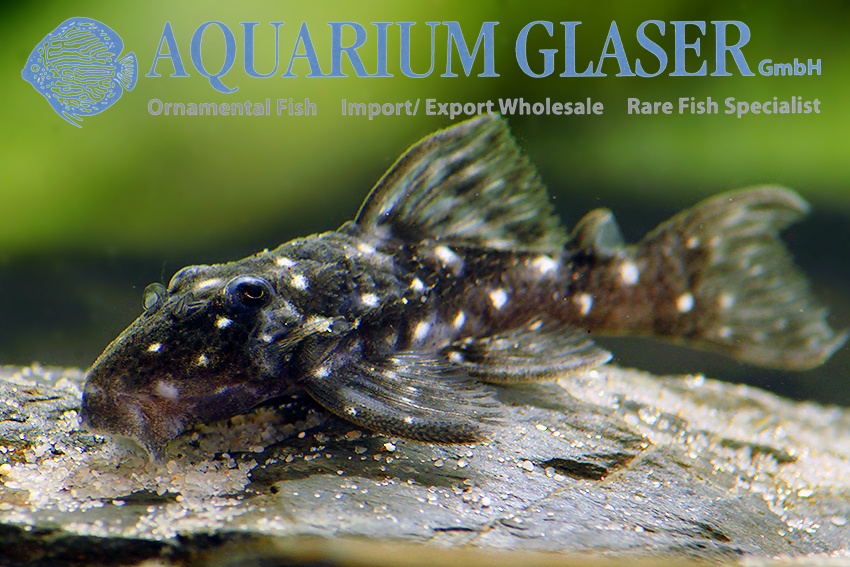
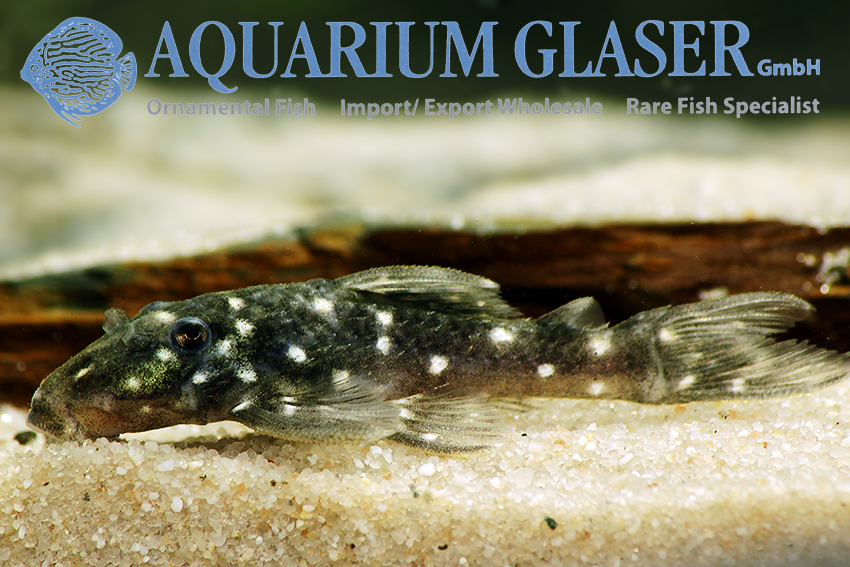
Guyanancistrus guahiborum L106

11. April 2018

Currently we have extremely nice youngsters of L106 in stock. They originate from Venezuela. There is a second, very similar L-number, L122. L106 has a deeper body. Maximum size reported for L106 is about 15 cm, recently our fish are 4-6 cm long.

The species has been described scientifically in 2005 under the name of Hemiancistrus guahiborum by Werneke, Armbruster, Lujan & Taphorn. The species occurs in the Orinoco drainage, type locality is the Rio Ventuari at raudales Tencua. The authors diagnose their species as differing from all remaining already described species of the Hemiancistrus/Peckoltia group by the broad orange seams of the dorsal and the caudal fins. There is consensus among l-catfish hobbyists that the fish are placed best in the genus Guyanancistrus.

L106 feeds mainly on Aufwuchs and is a very peaceful species. One should keep them – like all l-numbers from the Orinoko drainage – at comparatively high temperatures, eg 28-30°C. Otherwise the fish are undemanding.

For our customers: the fish have code 26480-L 106-1 on our stocklist. Please note that we exclusively supply the wholesale trade.

Text & photos: Frank Schäfer

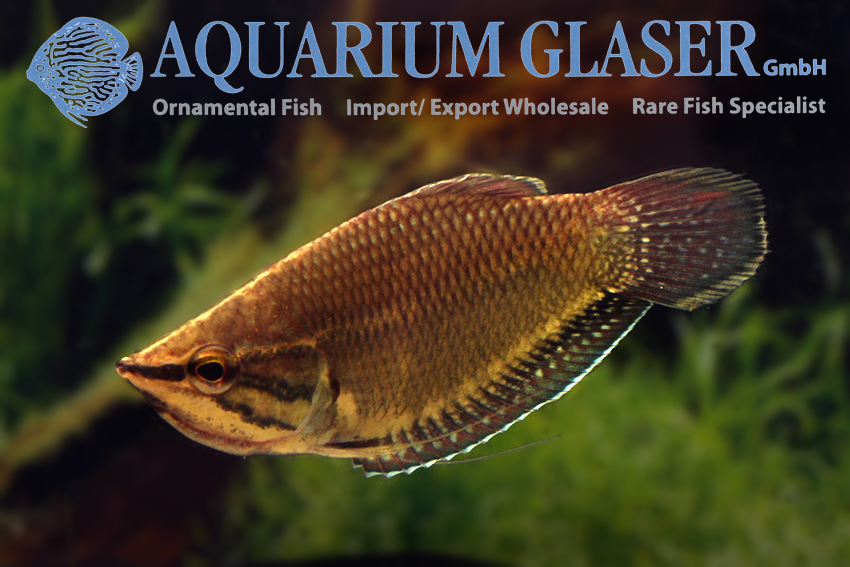
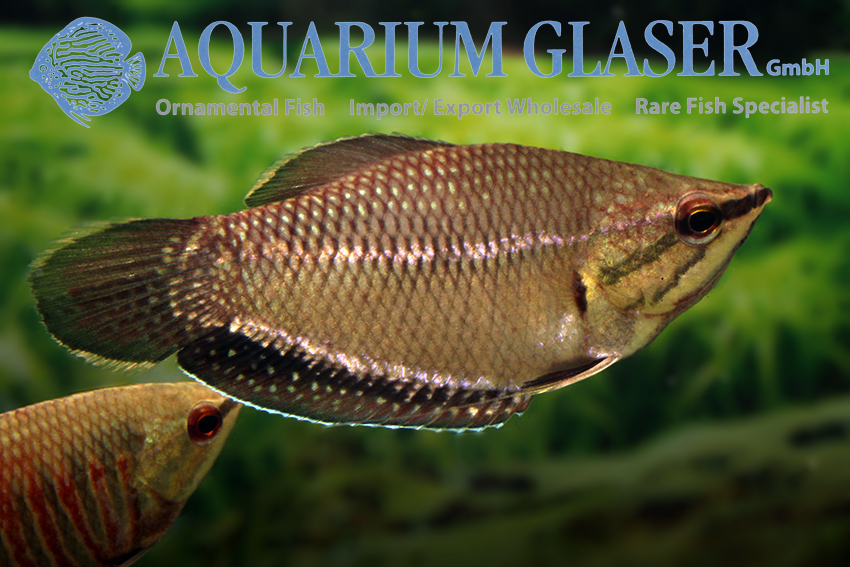
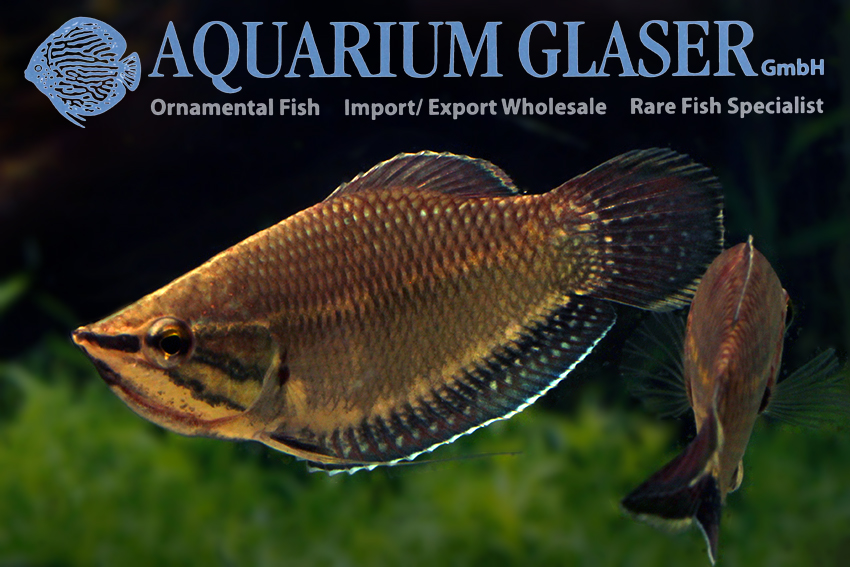
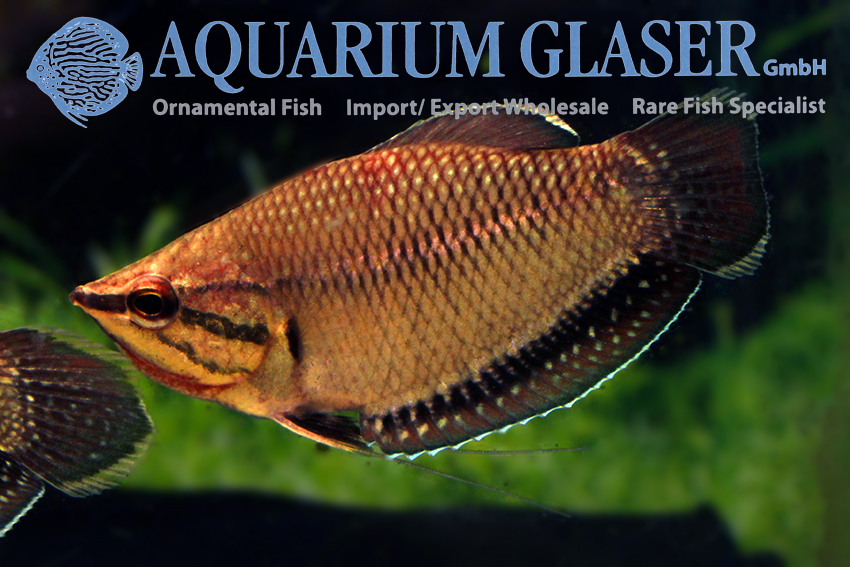
Apistogramma trifasciata

6. April 2018

In case this dwarf cichlid would not exist it would be necessary to invent it for the aquarium hobby. Apistogramma trifasciata is an ideal aquarium inhabitant. The species stays small – males around 5 cm, females around 4 cm. It is completely undemanding regarding water chemistry – keeping and breeding is possible even in medium hard and slighlty alcalic water – and energy-saving: as the fish inhabits in nature subtropical regions it is often faced with water temperatures as low as 10°C, so an aquarium heater is needed only for breeding. Besides all these advantages it is a beautiful fish and has an interesting behaviour.

Currently we can offer that beautiful fish as European bred ones.

For our customers: the fish have code 629983 on our stocklist. Please note that we exclusively supply the wholesale trade.

Text & photos: Frank Schäfer

Corydoras amapaensis

6. April 2018

The beautiful long snouted Corydoras amapaensis is a top rarity in the ornamental fish trade. Only very occisonally, every 5-6 years, some specimens can be imported. So we are very glad that we can offer now for the first time some bred ones. The fish are currently about 4 cm long and have just reached sexual maturity. The males can be recognized by the spiny pectoral fin spines.

For our customers: the fish have code 221762 on our stocklist. Please note that we exclusively supply the wholesale trade. Available in very limited numbers only!

Text & photos: Frank Schäfer

Exodon paradoxus

6. April 2018

For many aquaristis the Bucktooth tetra, Exodon paradoxus, is simply the most beautiful tetra from South America. The splendid fish glitter and glimmer like diamonds and they never stay still. They hunt and hit their conspecifics permanently and an uneducated watcher may become quite concerned that the fish will eventually hurt each other. But this doesn´t happen. In the wild, Exodon paradoxus feed almost exclusively on scales of other fish. Their highly specialized teeth enable that. Like a flash they attack their prey and the victim doesn´t understand what actually happened. The game of the Bucktooth tetras has two purposes. First: the game fools the potential victims and makes them „believe“ that the Bucktooth tetras are not interested in them. And second: for sure this permanent swimming is a perfect training for the small predators.

The species has a very wide distribution in South America. It can be found in Guyana and the whole Amazon and Orinoco basins. E. paradoxus attains a maximum length of about 7.5 cm. Keeping this fish is not complicated, but the tank should be large and the fish should be kept in a school as large as possible. Any type of usual fish food will be accepted readily. However, in respect of eventually planned tankmates one must be very careful. Best choice are catfish, for they have no scales at all and so they don´t fit the prey scheme of the Bucktooth tetras.

For our customers: the fish have code 253502 on our stocklist. Pleae note that we exclusively supply the wholesale trade.

Text & photos: Frank Schäfer

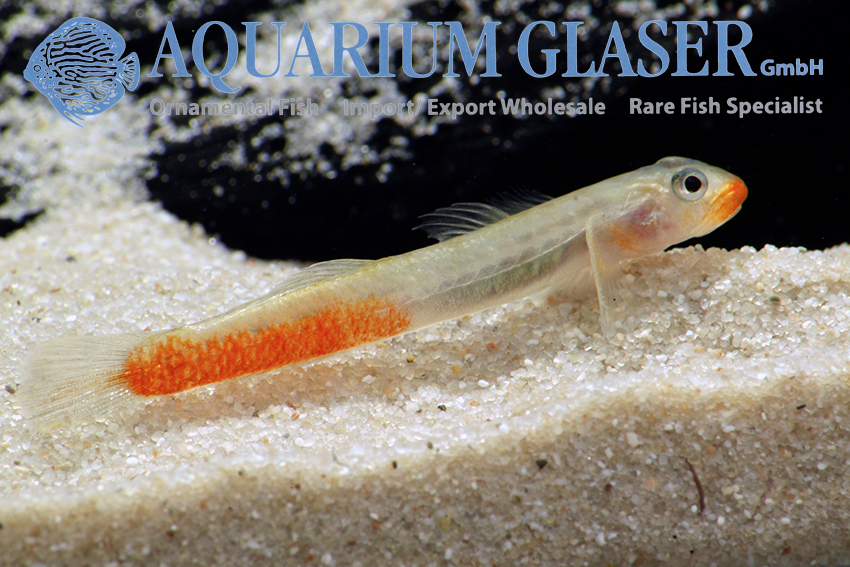
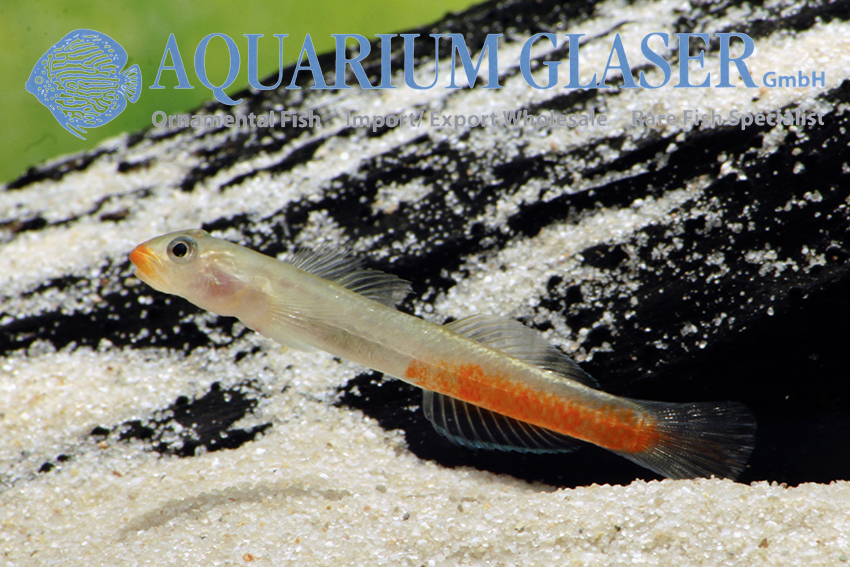
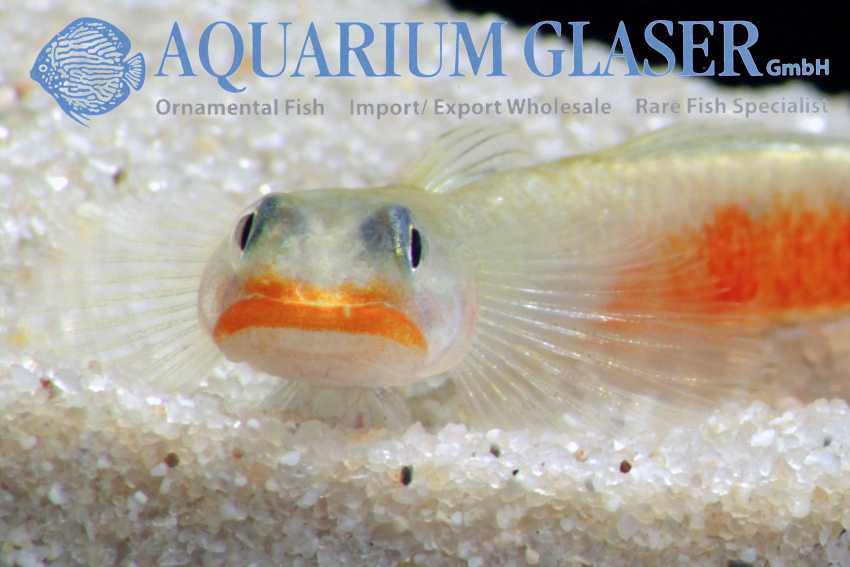
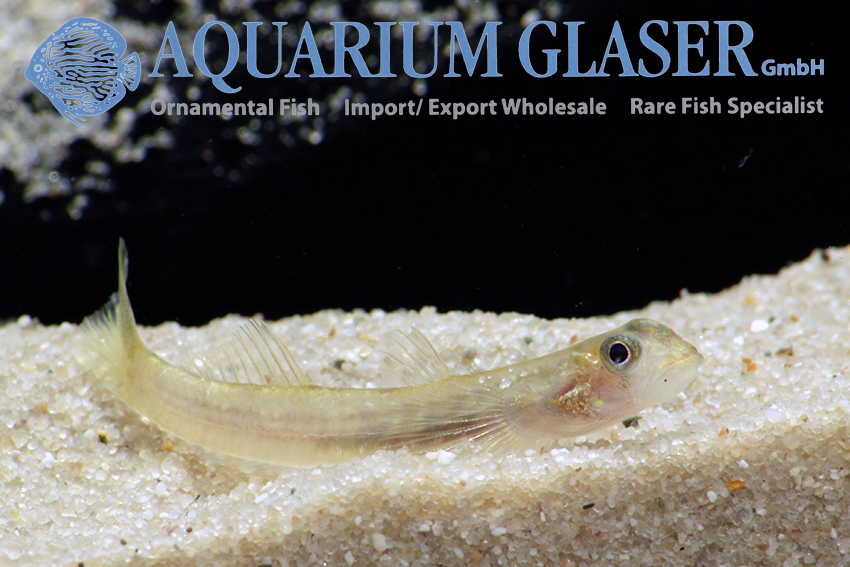
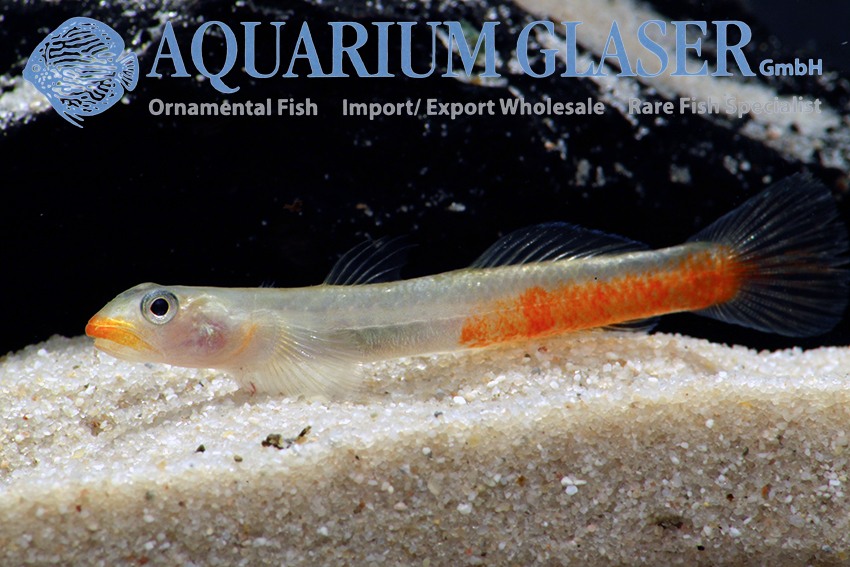
Sicyopus rubicundus

4. April 2018

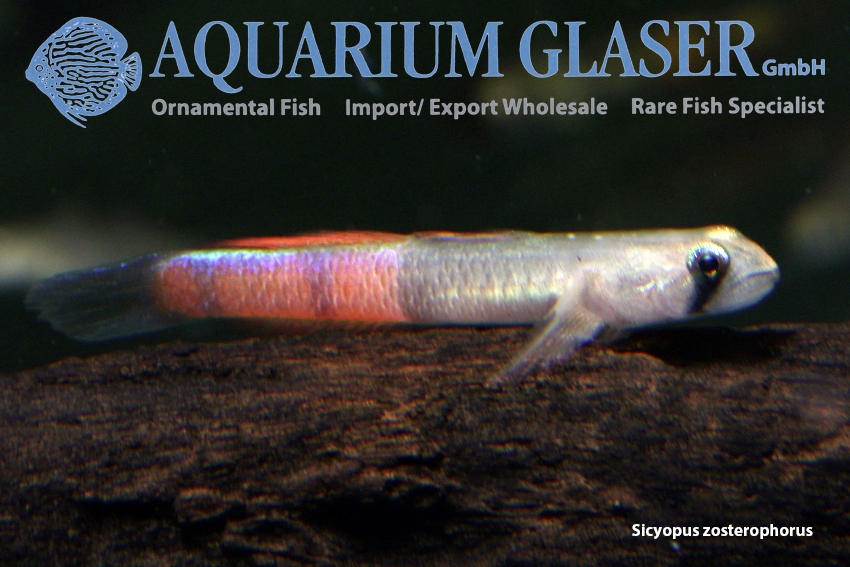
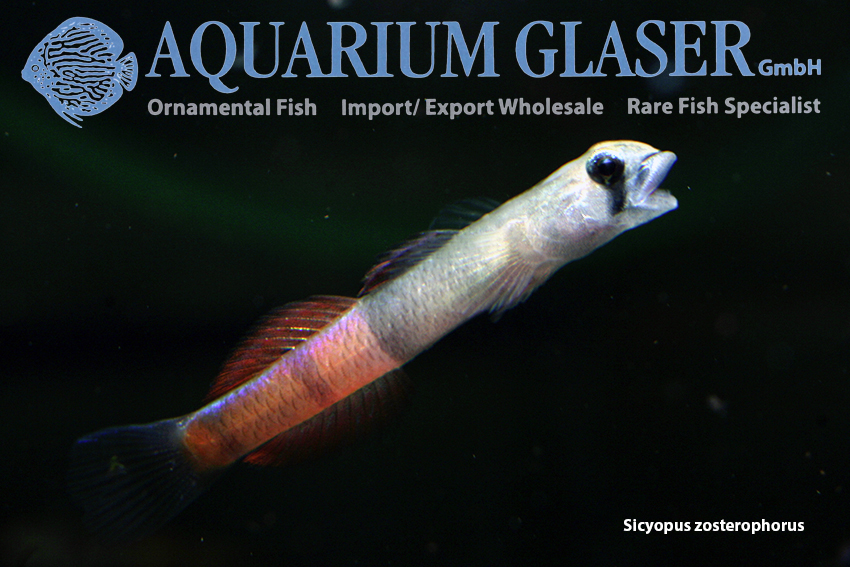
We received from Indonesia once more a nice shipment containing pretty Sicyopus gobies. These gobies are – despite the external similarity – not feeding on Aufwuchs and microfilm like Stiphodon and Sicyopterus, but are little predators that feed on quite large food items. These include also very small fish and shrimps up to a length of about 1 cm, although the gobies become only 5-6 cm long and are very slender fish.

In respect of the determination there appeared at lot of trouble. Initially the fish were totally colourless and we thought they would belong to the species Sicyopus zosterophorum (Bleeker 1856); but then many males obtained full coloration and were pretty sure that the fish are S. exillisquamulus Watson & Kottelat 1994 – or at least almost sure. For in the latest scientific literature the species S. exillisquamulus has been considered to be a synonym of Sicyopus auxilimentus Watson & Kottelat 1994.

Finally Laurent Tyty kindly gave us the crucial hint that according to the most current scientific literature (Keith et al., 2015) our fish is actually S. rubicundus Keith, Hadiaty, Busson & Hubert, 2014; S. auxilimentus (besides S. exillisquamulus an additional synonym is, fide Keith et al., S. cebuensis Chen & Shao, 1998) has in contrast to S. rubicundus no orange lips.

Our first importation of S. rubicundus dates back to the year 2006. At that time we termed them Sicyopus sp. Red. The species is distinguished from S. zosterophorum by the lack of a black stripe under the eye, bright orange lips and the lack of clearly visible vertical stripes. Moreover the basic coloration of S. rubicundus is rather orange and in S. zosterophorum red. The females of both species are almost colorless.

Sicyopus are inhabitants of brooks and like clear, clean, and running water, hiding places and sandy bottom. Sicyopus regulary spawn in aquaria, they are cave brooders, but the larvae are very tiny and develop in marine environements. We have not heard so far from a successful rearing of the larvae under hobby conditions.

For our customers: the animls have code 456183 on our stocklist. Please note that we exclusively supply the wholesale trade.

Literature:

Keith, P., C. Lord & K. Maeda (2015): Indo-Pacific Sicydiine gobies. Biodiversity, life traits and conservation. Société Française d’Ichtyologie, Paris. 1-256.

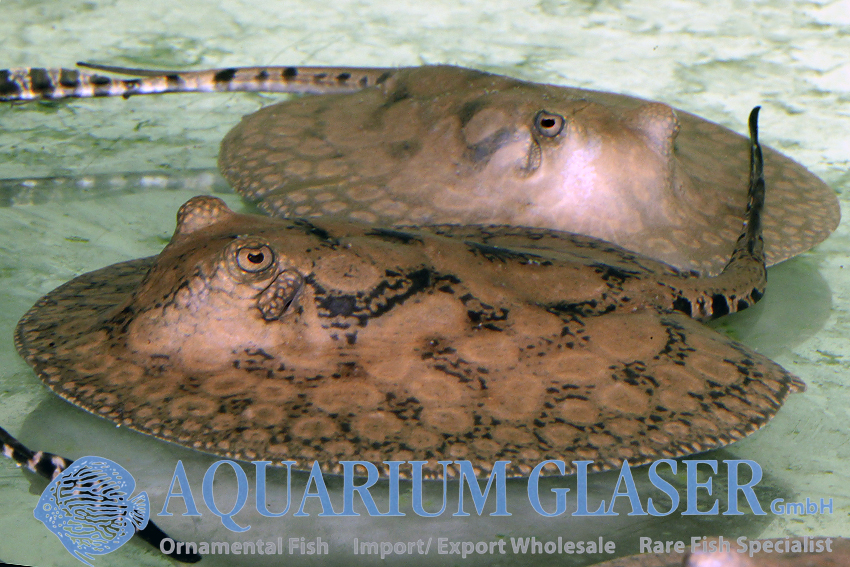
Potamotrygon wallacei

29. March 2018

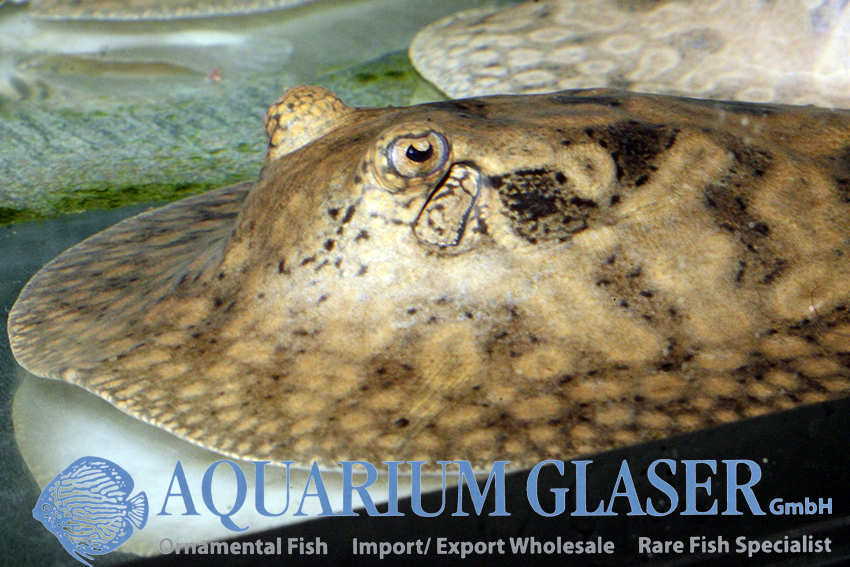
This freshwater stingray lives endemically in the Rio Negro system in Brazil and is or was the most often imported species of Potamotrygon from Brazil at all. However until recently they fish were wrongly identified as P. histrix, a different species that is not kept in aquaria at all and occurs in southern South America. The type specimen of P. histrix was collected in Argentina. In fact P. wallacei – which is collected usually around Barcelos for aquarium purposes – is the best suited species of Potamotrygon for private aquaria, because it is the smallest species of the genus Potamotrygon at all. The disc diameter hardly ever exceeds 30 cm in this species. This means that P. wallacei also needs large tanks, but most of the remaining species of freshwater stingray become at least double as large, many even much larger.

Since january 2017 all species of Potamotrygon from Brazil and Colombia have to be exported only with CITES certificates, for these countries have placed the fish on appendix III of CITES. Although this means that the species can still be traded the situation is insofar unsatisfying for breeders of Potamotrygon as they now have to witness that their bred specimens are not descendends from illagal imported fish from Brazil or Colombia when the breeders want to export their animals out of the EU. Most bred specimens, however, do not stay in the EU because the market here is much too small.

Finally we were able now to import a number of P. wallacei from Brazil again. It took about one year for the authorities to react on the new situation and to supply the ornamental fish exporters with the CITES certificates needed for legal exportations.

For our customers: the animals have code 282202 (10-12 cm) and 282203 (12-15 cm) on our stocklist. Please note that we exclusively supply the wholesale trade.

Text & photos: Frank Schäfer

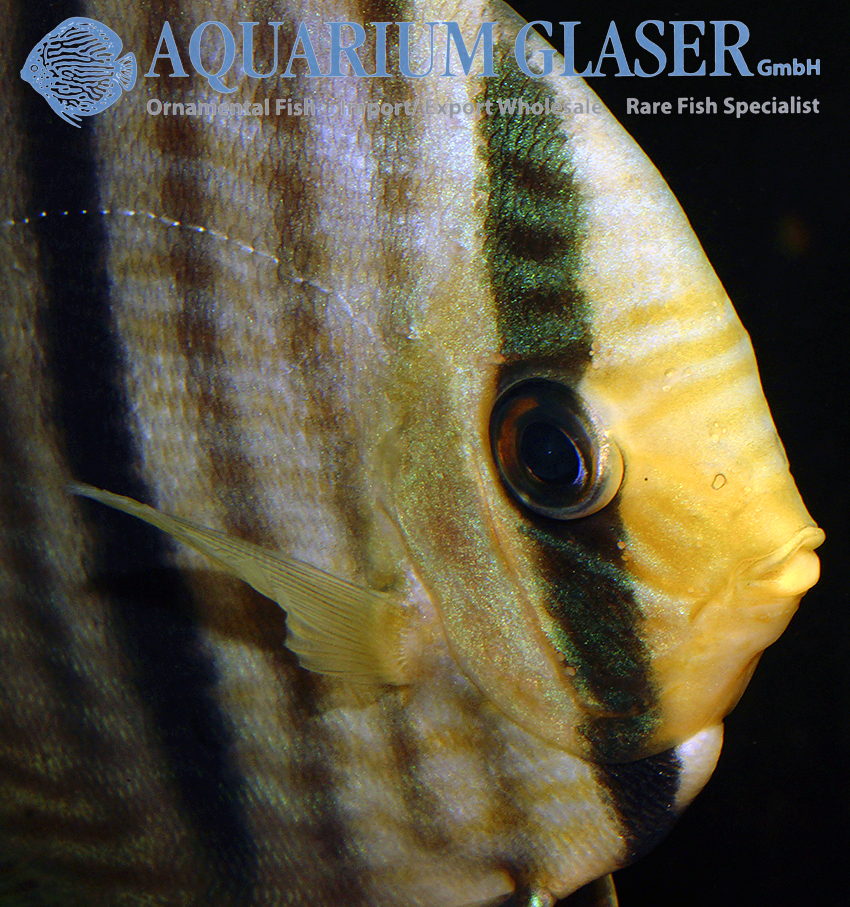
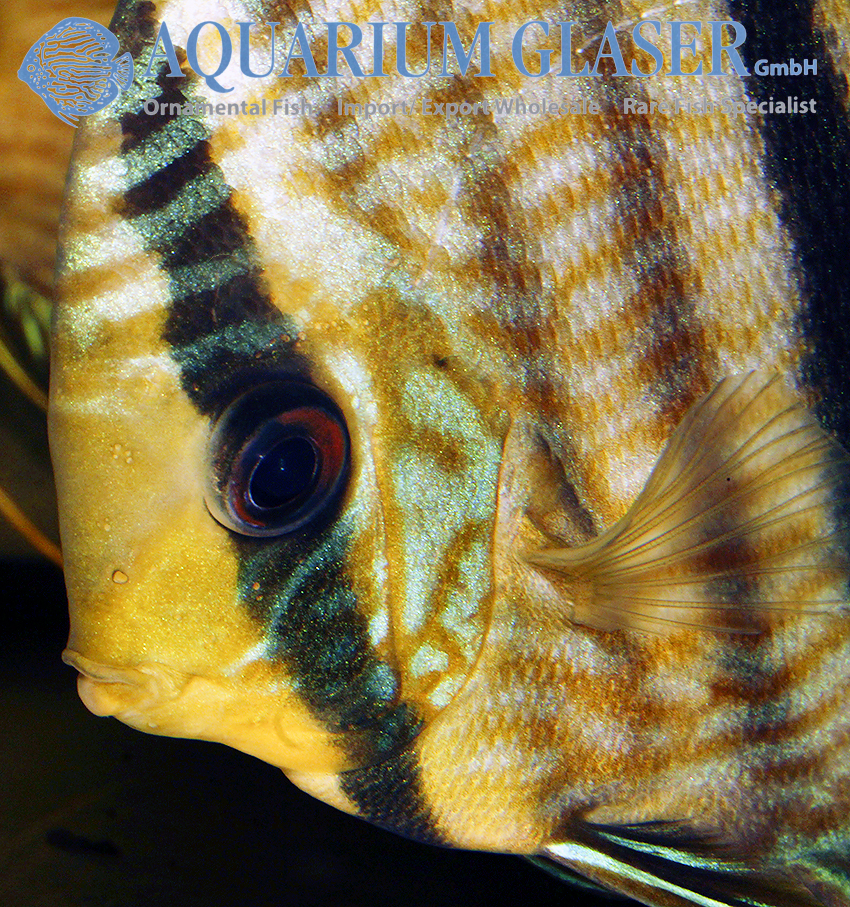
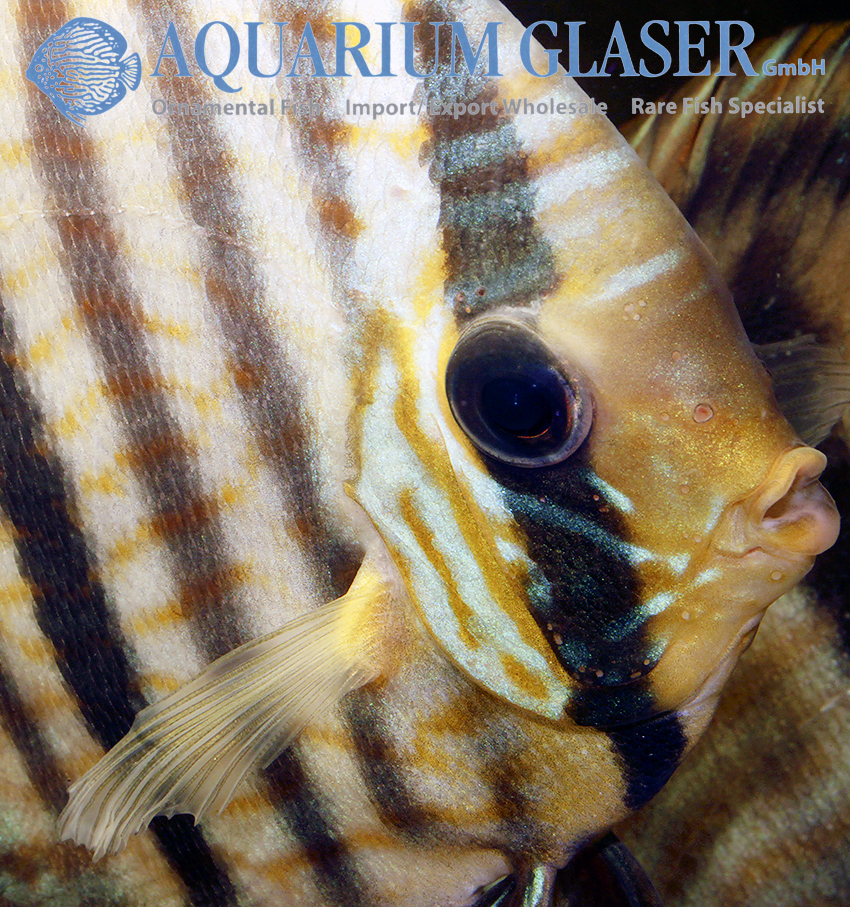
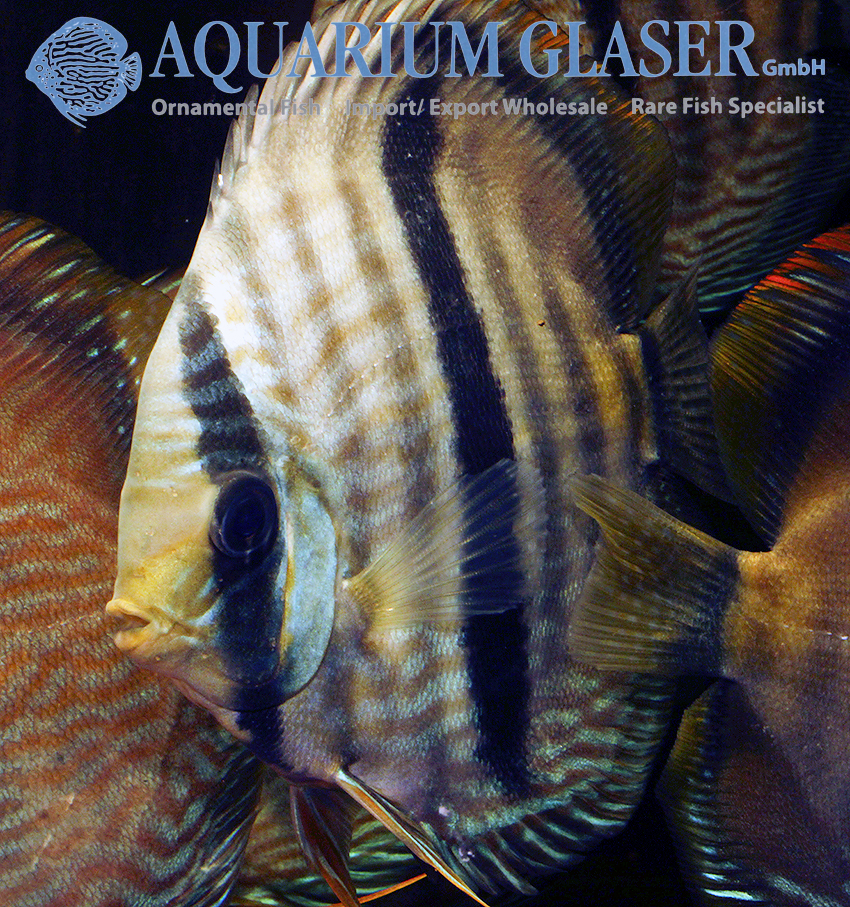
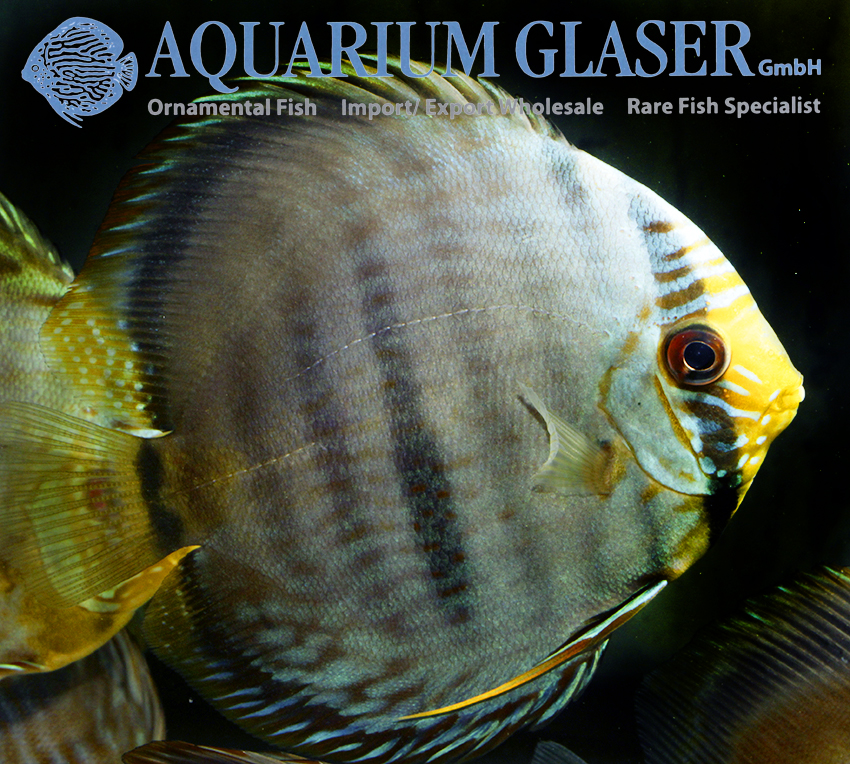
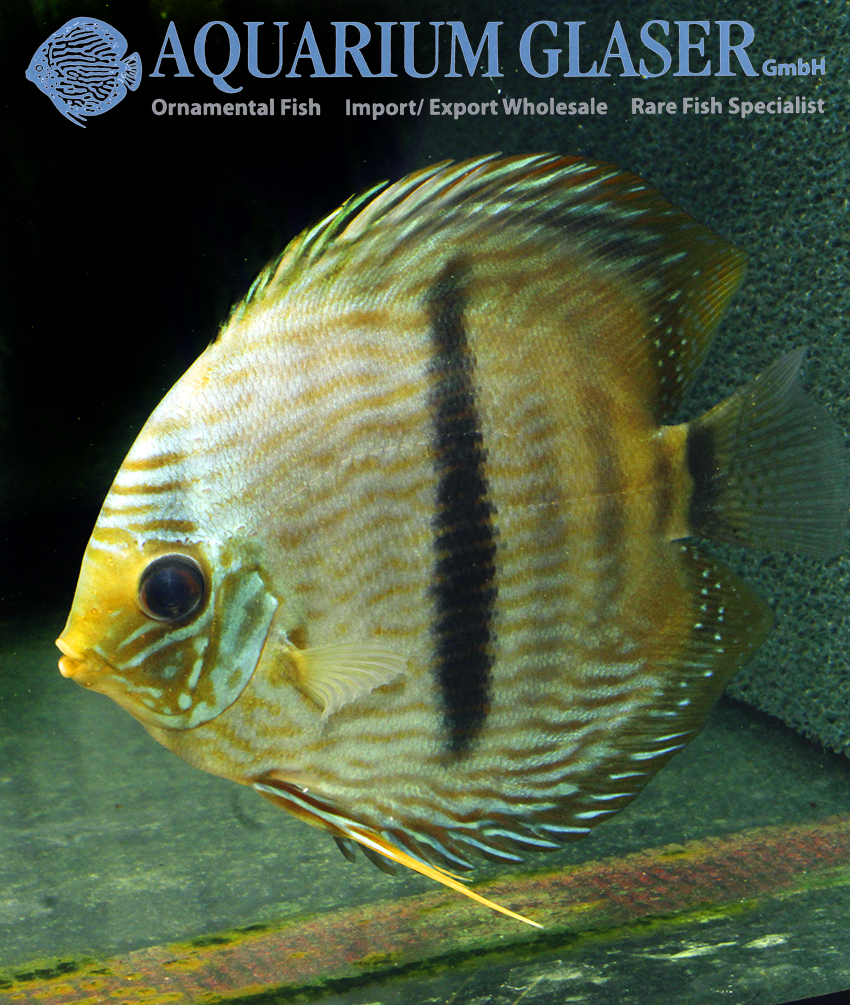
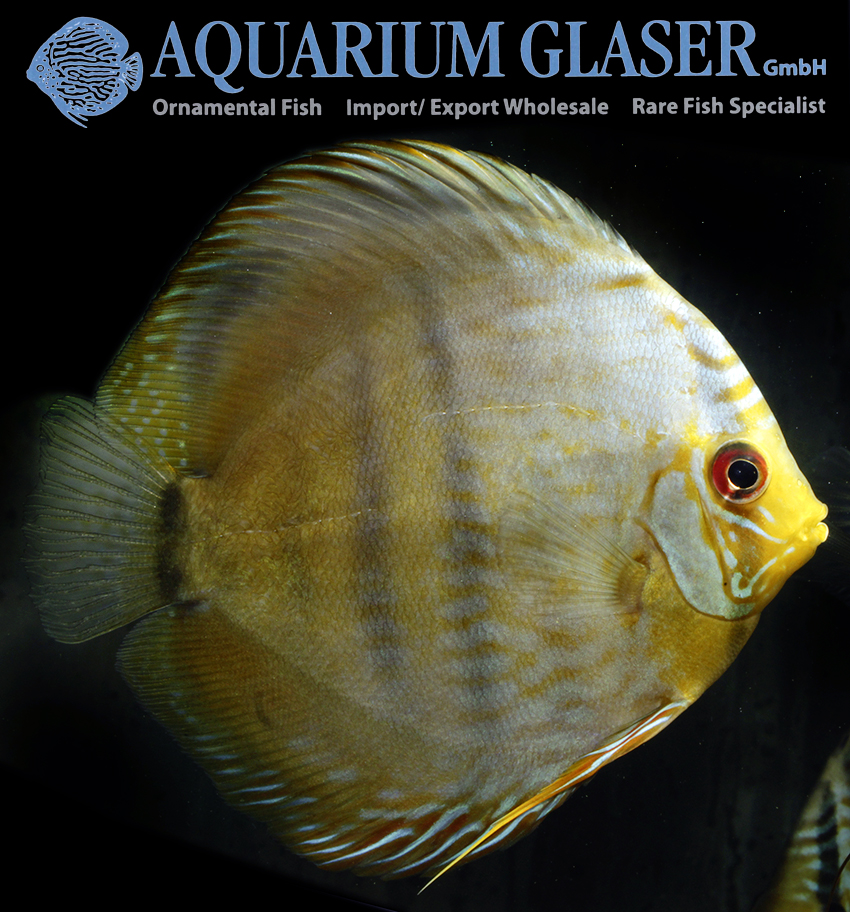
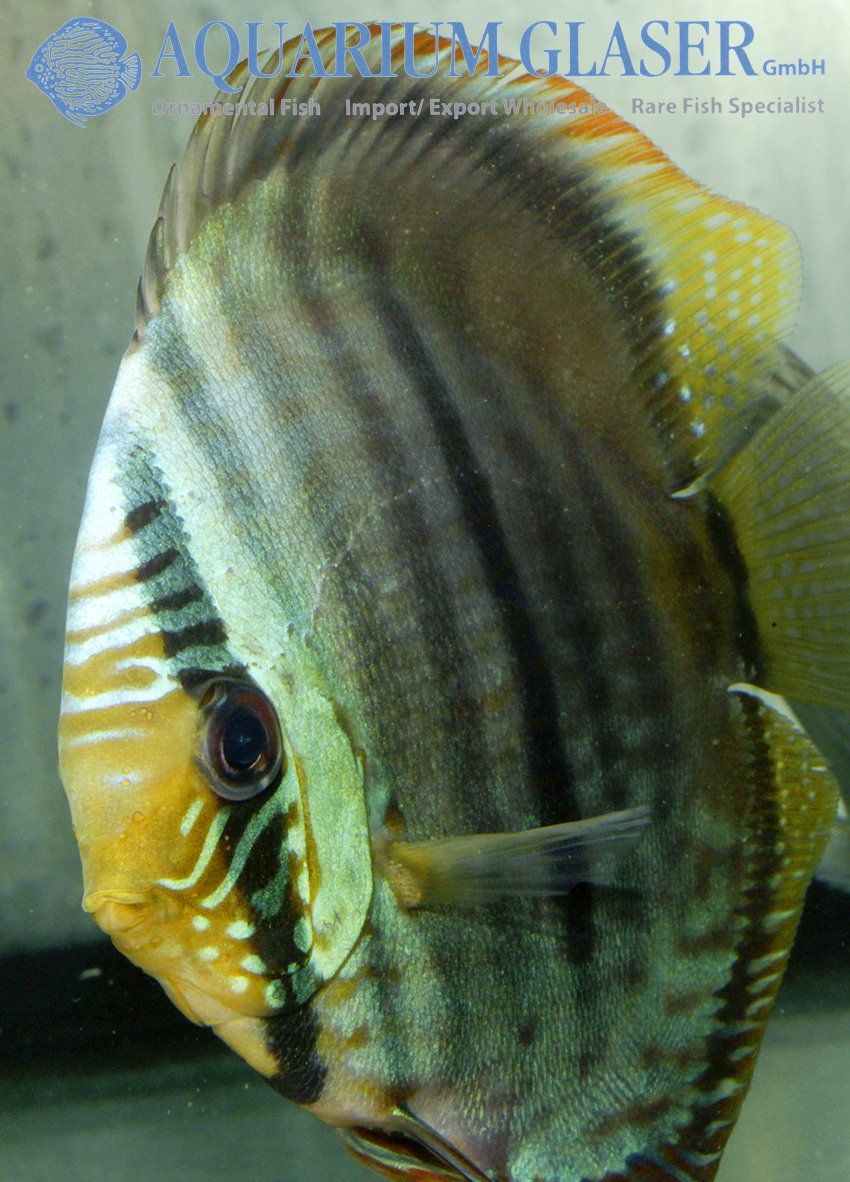
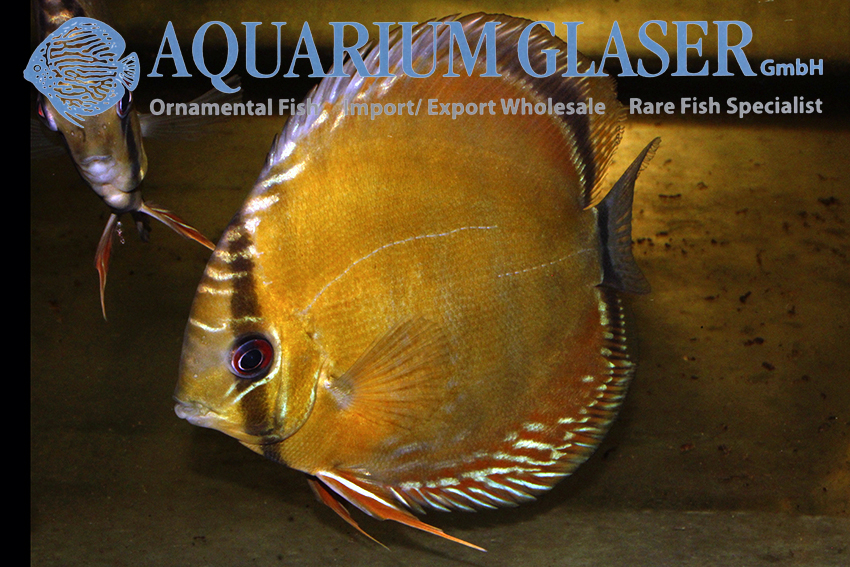
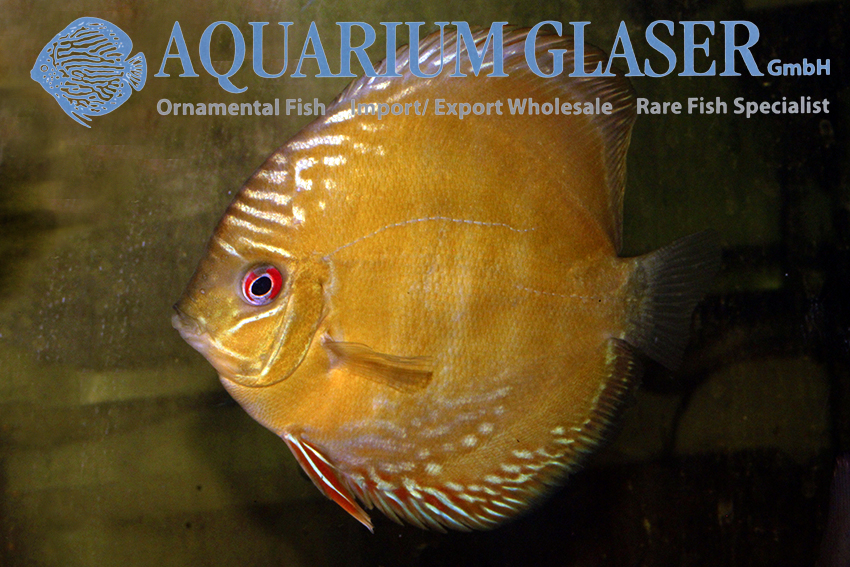
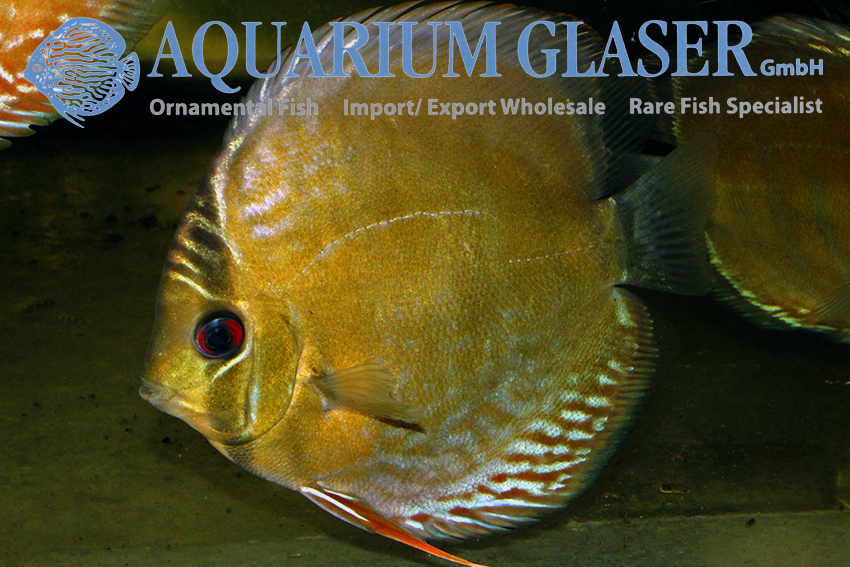
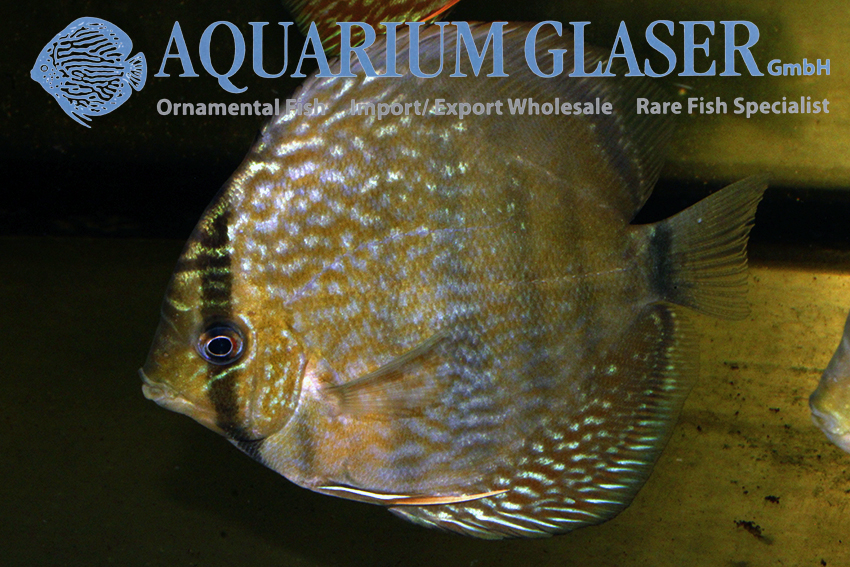
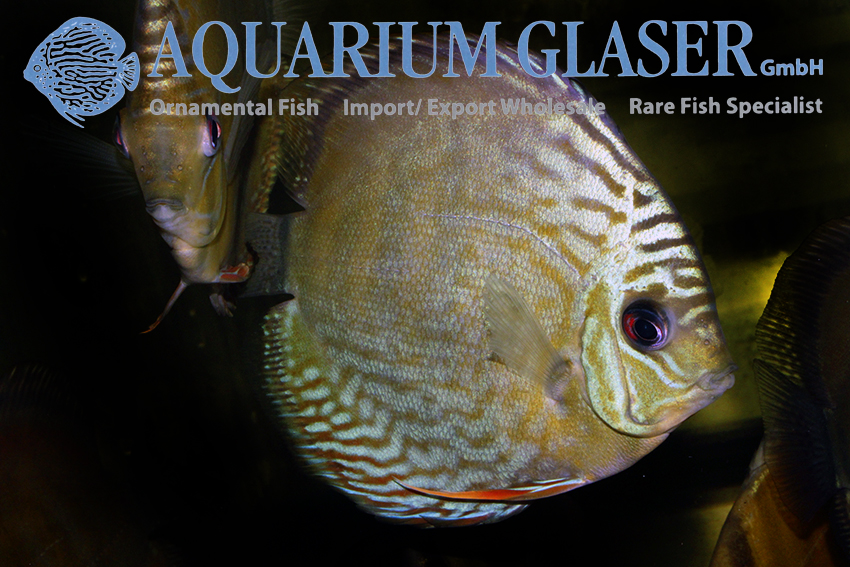
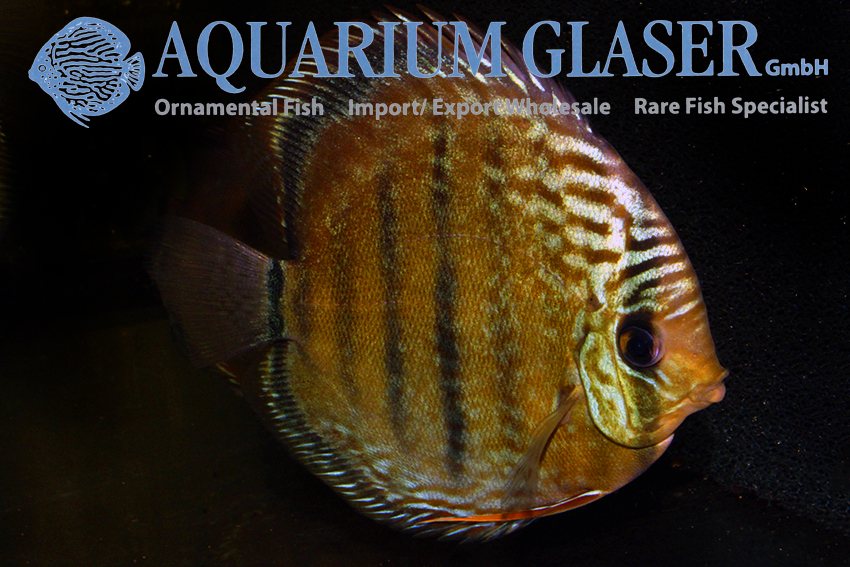
Symphysodon discus Blue Head Tumbira

29. March 2018

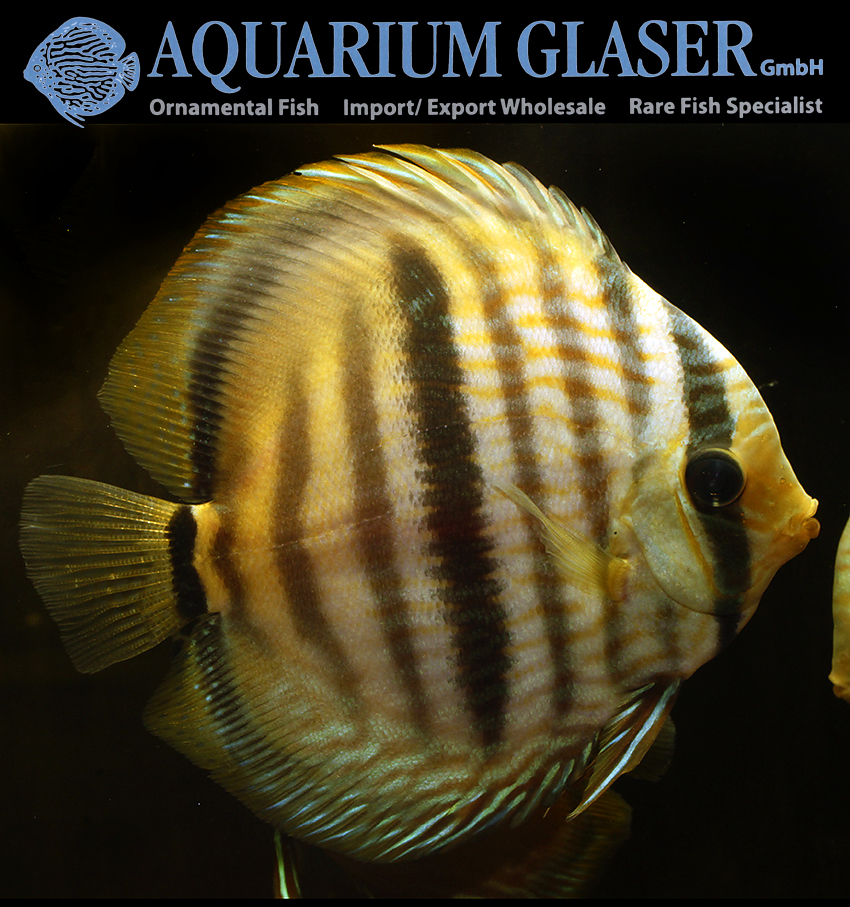
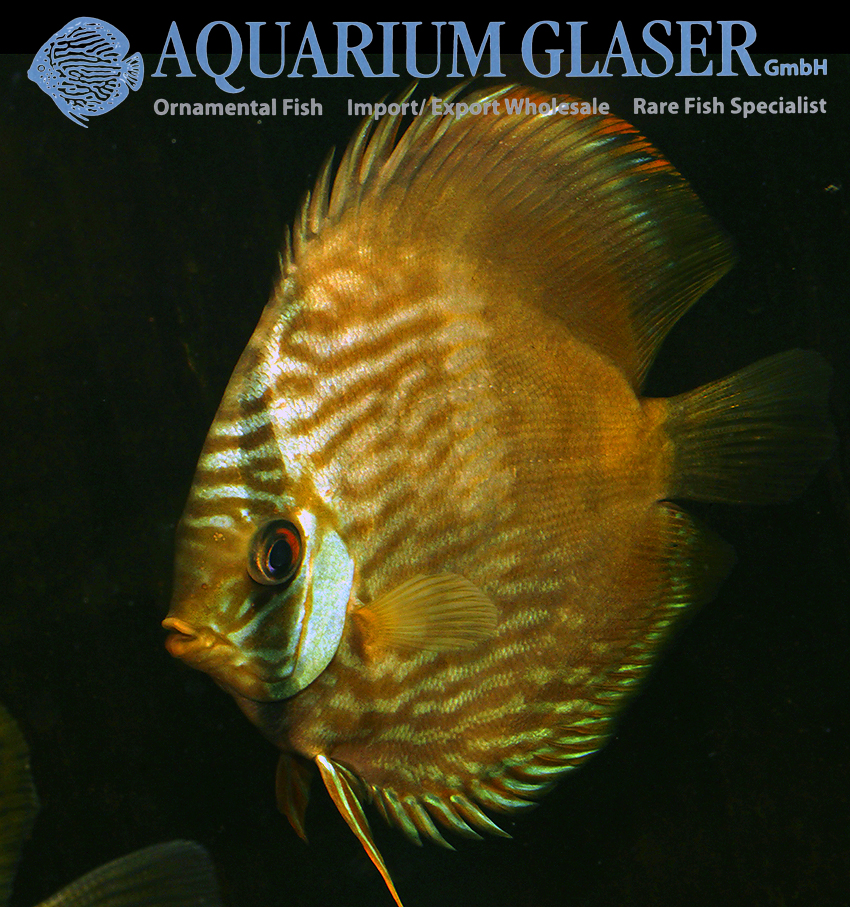
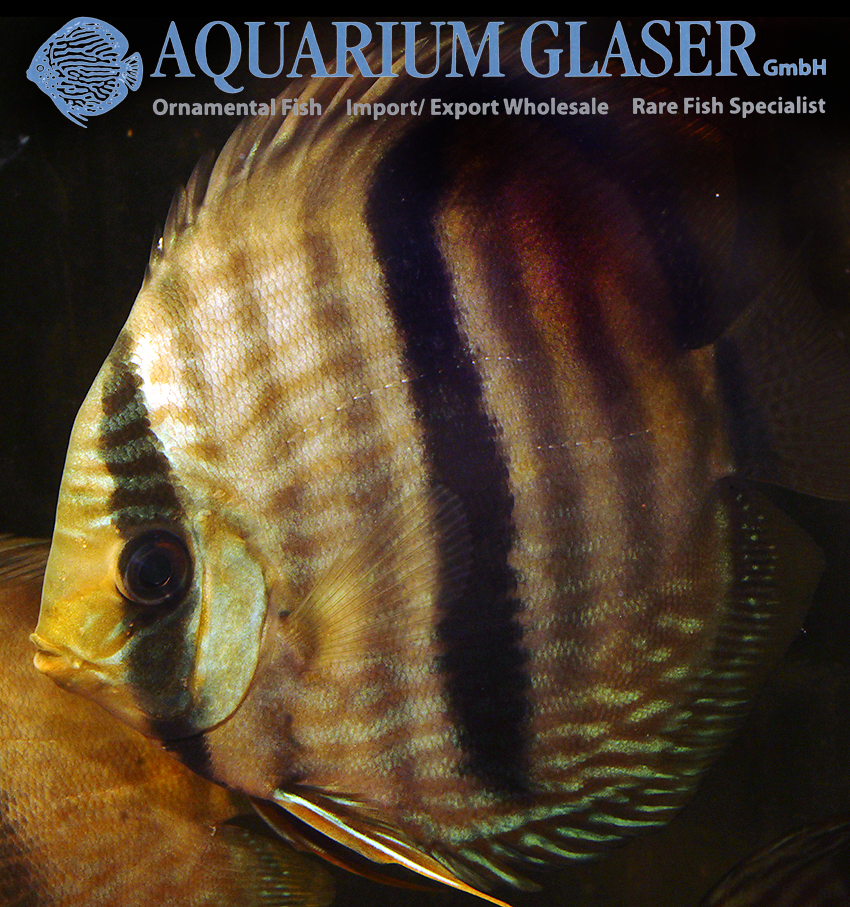
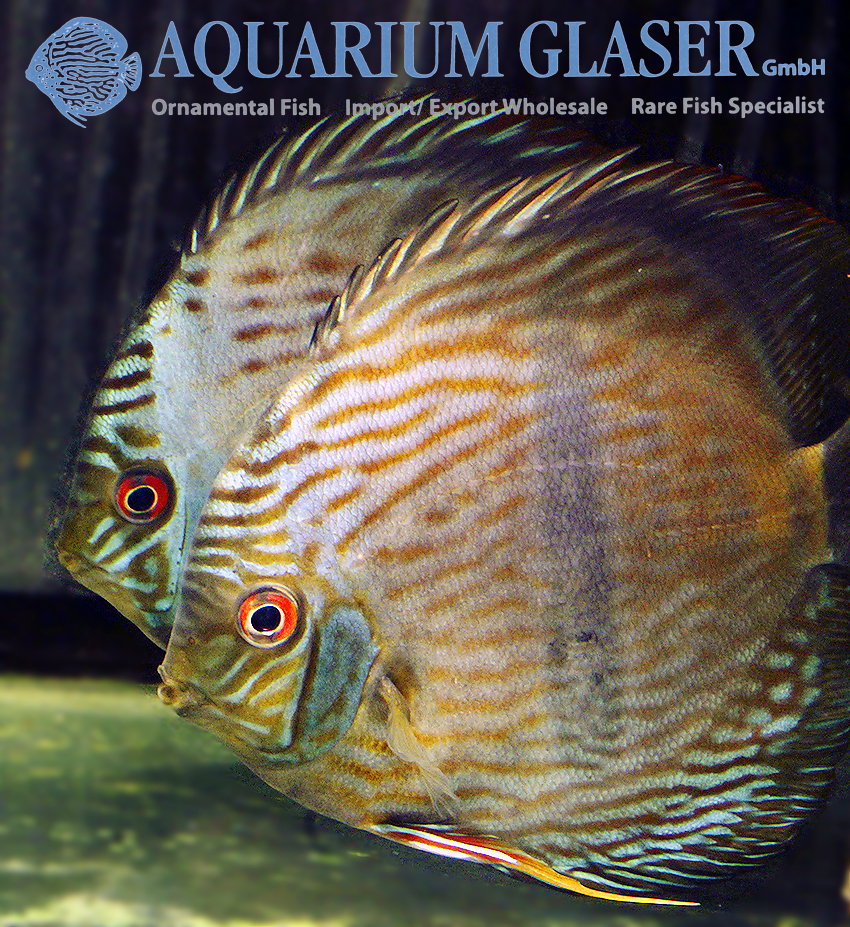
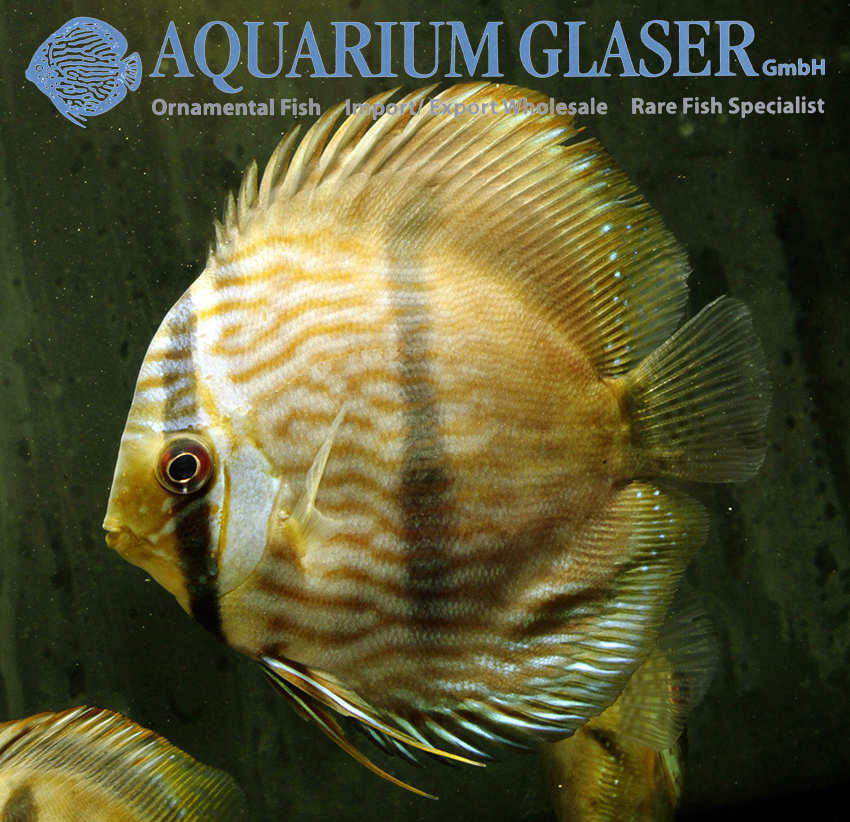
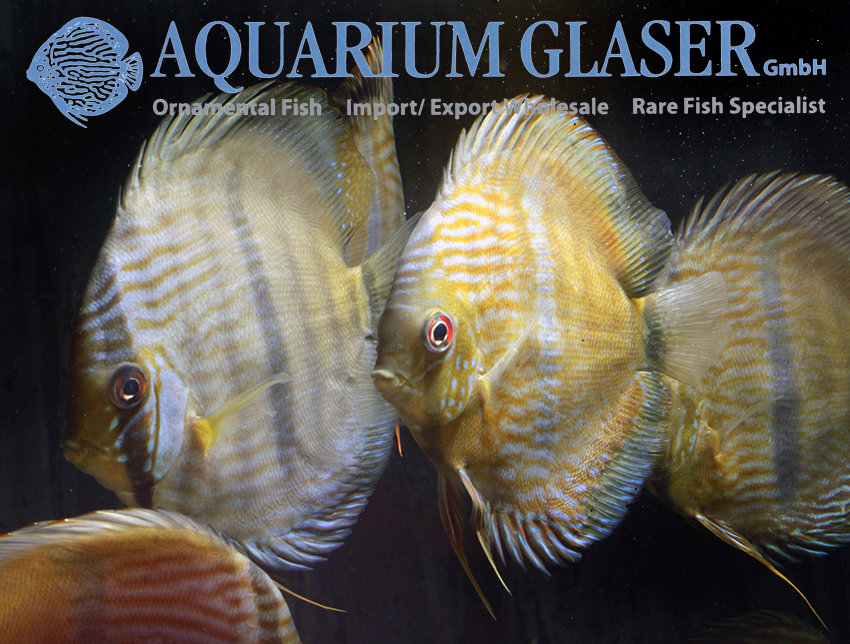
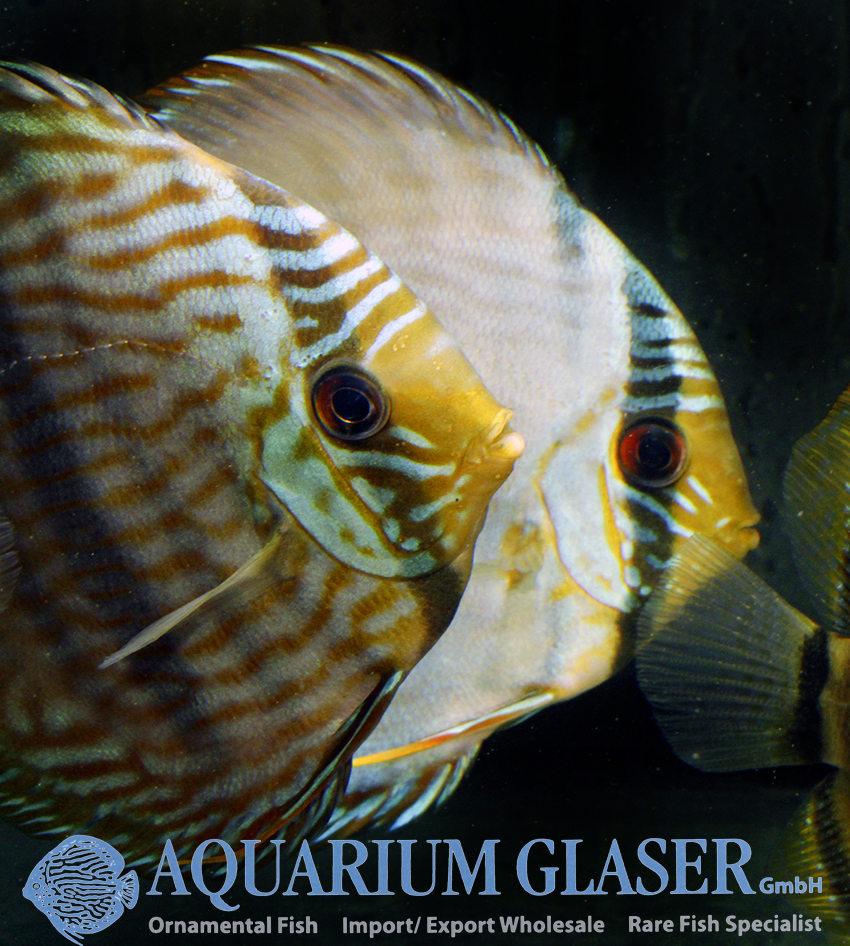
Here, as promised, another remarkable Heckel variety we currently have in stock: Blue Head Tumbira. One should not think that every specimen of that variety has a solid blue opercle; Tumbira (the name refers to a Tukano community at the bank of the Rio Negro, below Sao Gabriel de Cachoeira) are still wild collected discus and this means: each indvidual fish has a pattern on its own. But the number of Blue Heads is very high among „Blue Head Tumbira“. Another typical feature of that variety is the broad „Heckel bar“, the vertical bar in the middle of the body.

For our customers: the fish have code 735004 on our stocklist. Please note that we exclusively supply the wholesale trade.

Text & photos: Frank Schäfer

Acestrorhynchus isalineae

26. March 2018
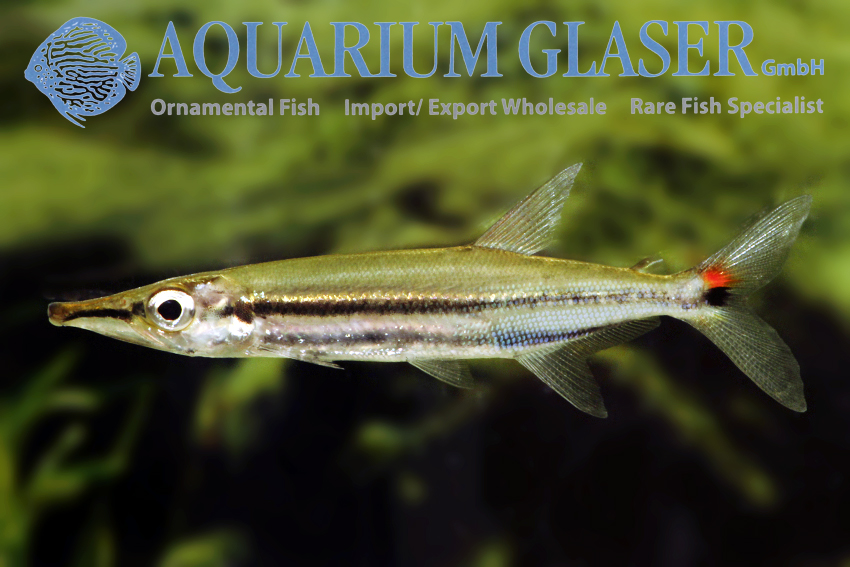
The barracuda tetras (Acestrorhynchus) a good aquarium fishes, although they are predators that prefer to feed on small other fish. Most species are medium sized – about 20-30 cm maximum length – but there do exist also dwarf species. Among the latter is A. isalineae. This species attains only 7.5 cm in standard length, this is about 10 cm total length. Usually in fishes the caudal fin is not included in reports of the length, because this fin is very often damaged in wild fish. A. isalineae is also a most attractive species. It has two black longitudinal stripes on the body and a yellow or red caudal spot.
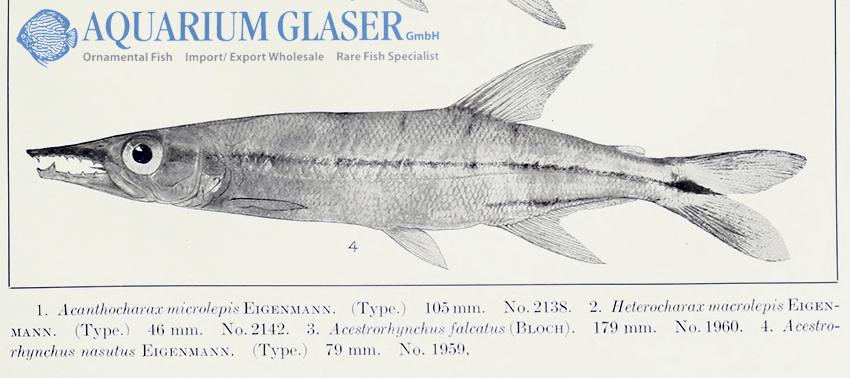
Already back in 1909 Eigenmann described a species from British Guyana, which is very similar to A. isalineae: A. nasutus. As one can see on the photo of the holotype in A. nasutus the caudal spot is not a circular point, but rectangular and spreads far in the caudal fin. Another difference beween A. nasutus and A. isalineae is the black stripe along the belly which ends above the anal fin in A. nasutus. Obviously A. nasutus has never been imported so far as an aquarium fish. A. nasutus attains the same maximum size as A. isalineae, eg about 7.5 cm standard length.

Type specimen of Acestrorhynchus nasutus from Eigenmann, 1909

Acestrorhynchus isalineae has been described scientifically only in 1963 from the Rio Madeira basin. Exportations of Acestrorhynchus from that region do not appear, but there does exist a beautiful book on the fishes of the Rio Madeira. The fish illustrated there as A. isalineae is identical in all visible points with the fish exported regularly from Peru.

Currently we have a good number of fully grown, beautiful A. isalineae from Peru in stock.

For our customers: the fish have code 202103 on our stocklist. Please note that we exclusively supply the wholesale trade.

Text & photos: Frank Schäfer

Waikhomia sahyadriensis (formerly: Barbus, Puntius)

23. March 2018

The Khavlibarb originates from the Yenna River in Satara district in the Indian state of Marahashtra. This is a peaceful species, which could however nibble on fresh sprouts of aquarium plants. They can be kept with any peaceful tank mates without any problems. The aquarium should be decorated with robust plants and part of the bottom with sandy substrate should be kept open for these fish in order to sift the sand. Water conditions are not critical and also this species tolerates a wide range of temperatures. They are omnivorous who need however a lot of vegetarian food as well. About breeding there no reports available yet, but would probably not be much different from other barb species, i.e. free laying into plants. 

For our customers: the fish have code 371203 on our stocklist. Please note that we exclusively supply the wholesale trade

Photos: Frank Schäfer, Text: Izaak den Daas

Odonteleotris macrodon

23. March 2018

We obtained from Thailand five specimens of that odd goby which are about 15 cm long. Our first idea was that they would belong to the species Oxyeleotris urophthalmus. The genus Oxyeleotris is repersented by three species in Thailand, two of them with an ocellus in the upper part of the caudal peduncle. Both are very similar to each other externally. Another very similar species from Thailand, also with an Ocellus, is Bostrychus sinensis. All of them attain a length of about 20 cm. Smith (1945) gives the best identification key available so far for the three species. According to him, Bostrychus sinensis has very small scales, about 140 in lateral line and very small teeth that are arranged in bands. Oxyeleotris has canine teeth. O. siamensis has about 90 scales in lateral line (about 40 predorsal scales), a small barbel on both sides of the upper jaw and the snout is unscaled. O. urophthalmus has 70-75 scales in lateral line (about 30 predorsal scales), no barbels and a scaled snout.

Our fish have canine teeth, no barbels, about 75 scales in lateral line and about 20 predorsal scales (these counts were made from photos) and no visible scales on the snout. So the results do not fit for one of the two Oxyeleotris species, although it is pretty difficult to get proper counts of the small scales that are embedded in thick mucus.

We had to start again. We found Odonteleotris macrodon, a species with a very wide distrubution from India to Malaysia and Indonesia. This species also has an ocellus. Although the scale counts do not fit perfectly (this species has usually about 90 scales in lateral line) all other external features do.

So obviously Odonteleotris macrodon also occurs in Thailand, a finding that is not much surprising, but not reported so far in the scientific literature. 

Odonteleotris macrodon is a brackish water species that is also found in pure freshwater. It attains a maximum length of about 30 cm and is a predatory fish. The larvae develop as far as it is known in marine environment.

For our customers: the animals have code 414745 on our stocklist. Please note that we exclusively supply the wholesale trade.

Text & photos: Frank Schäfer

Apistogramma gephyra wild

22. March 2018

Since its scientific description in 1980 this dwarf cichlid is subject of an ongoing debate among keepers and breeders of Apistogramma. Some think that A. gephyra is a mere variety of A. agassizii, others defend its status quo as a separate species. Most likely both parties are right. There can be no doubt that A. gephyra and A. agassizii are very closely related forms that parted from a common ancestor only quite recently. If they already represent different species or still the same is finally a question of personal taste.

Here in the wholesale trade we use a quite simple coloration-feature to tell both species apart, because this feature has proofed to be very reliable: only A. gephyra has a red seam along the dorsal fin edge. Mid-january we obained a shipment of young, about 1,5 cm long Apistogramma from Brazil. They showed a peculiar feature that we had observed so far (at least knowingly) only in one species from the Rio Negro, namely Apistogramma elizabethae: under stress the longitudinal stripe vanishes and a double-spot becomes visible in the first third of the body. In all other known species from the Rio Negro there is only one spot or a totally different pattern.

However, our new imports did not really look like A. elizabethae. So we decided to wait a bit. In mid-february, the largest males showed their mating colours. They are in fact Apistogramma gephyra!

For our customers: the fish have code 629502 on our stocklist. Please note that we exclusively supply the wholesale trade. As they fish are still quite small we cannot exclude the possibility that other species of Apistogramma are mixed in as bycatch.

Nannostomus harrisoni

19. March 2018

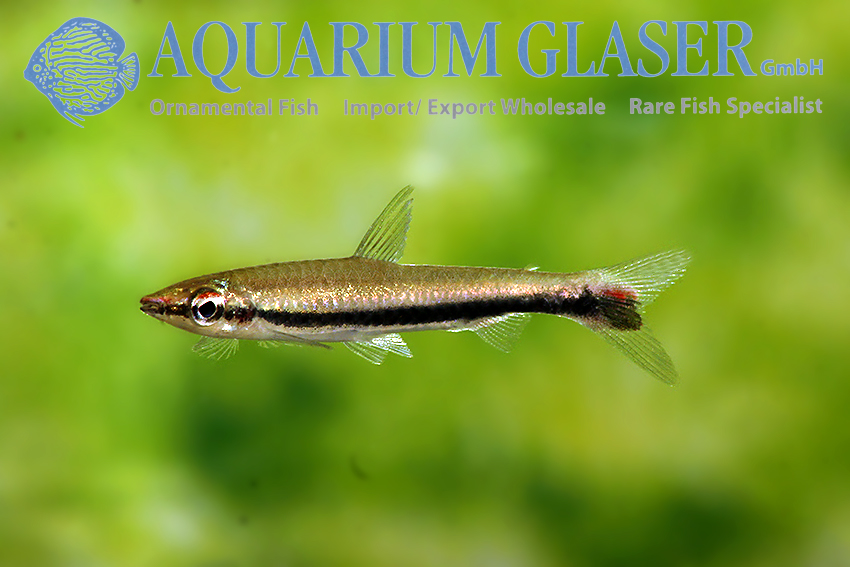
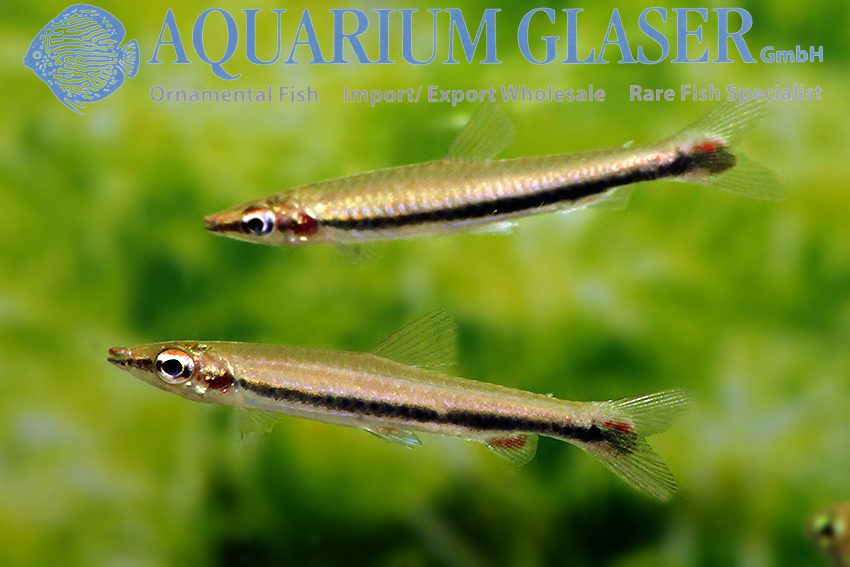
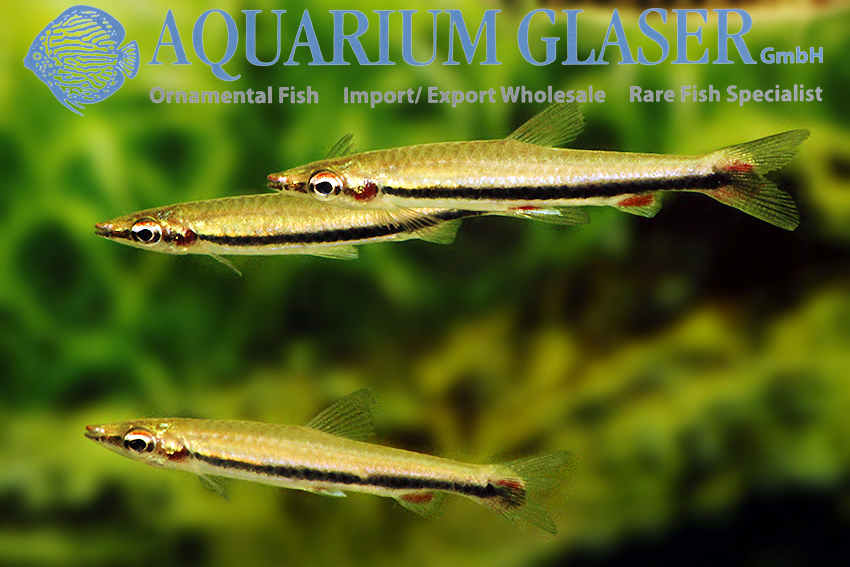
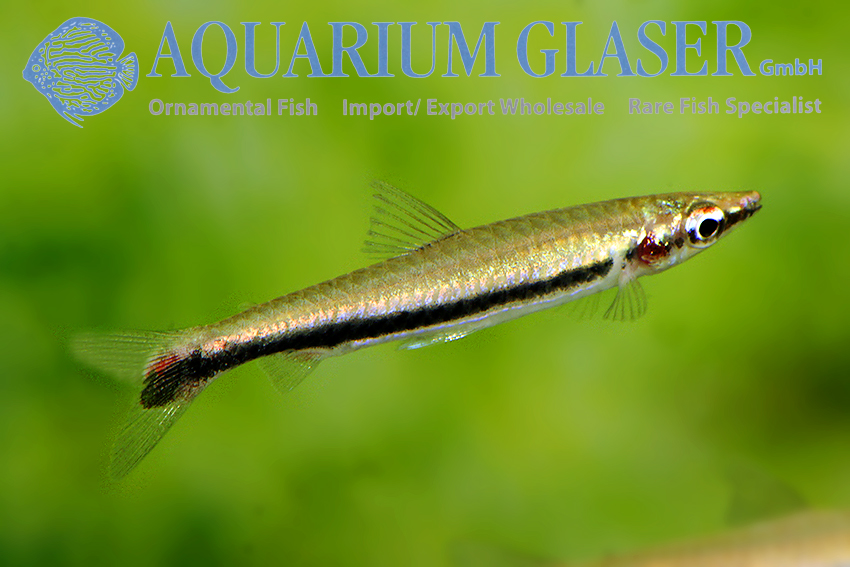
The Blackstripe pencilfish has been described from Guyana scientifically back in 1909. Here he fish inhabits exclusively the Demerara river basin. The beautiful species attains a maximum length of 4.5 cm and is very peaceful. Formerly the fish was placed in a separate genus, namely Poecilobrycon, due to the long snout. In the meantime the genus Poecilobrycon is considered to be a synonym of Nannostomus. Males differ from the females by the shape of the anal fin. Moreover this fin has a high degree of red coloration in males which is lacking in females.

There is a certain similarity between Nannostomus unifasciatus and N. harrisoni; in contrast to N. unifasciatus N. harrisoni does not swim in a head-up position as N. unifasciatus regulary does. So a confusion of living fish should be excluded.

After many years we can offer now this beauty again. The fish are wild collected ones from Guyana.

For our customers: the animal has code 272004 on our stocklist. Please note that we exclusively supply the wholesale trade.

Text & photos: Frank Schäfer

Symphysodon discus „Heckel Nova Olinda“

16. March 2018
We are now in the last third of the current discus season. A particular charakter of this season is the comparably great number of extremely beautiful Heckel discus. We currently have a number of varieties in stock and want to feature them for you. But of course it is not that easy to take pictures of these beauties in their regular tanks in the fishhouse that have the quality these fish deserve; so it takes time…
But here nevertheless is the result of a first session: „Nova Olinda“. These gorgeous animals are also termed sometimes as „Heckel Cross“, because they exhibit features of Heckel discus as well as of Blue Discus. But it is rather unlikely that the fish are really hybrids. Much more likely the population is simply highly polychromatic, a well known phenomenon for example in dwarf cichlids (Apistogramma).

So each „Nova Olinda“ is an individiual beauty on its own. Many specimens have a canary yellow forehead, others are typical Blue headed Heckel, again others look almost like solid turquoise discus – amazing animals!

For our customers: Heckel Cross Nova Olinda 12-15 cm have code 735105, Heckel Nova Olinda 9-12 cm code 735084. Please note that we exclusively supply the wholsale trade.

Text & photos: Frank Schäfer

Molly Copper Lyretail

14. March 2018

A beautiful sport of Molly from Singapore is Copper Lyretail, a very colourful variety. Obviously the species Poecilia sphenops formed the basis of that strain. The combination of the colour copper and the lyretail led to males in which the anal fin is much too broad to serve as a gonopodium. So the pure males of that strain cannot become fathers. To keep the sport alive it is necessary to cross the pure females with males from another sport that have a normal gonopodium. The offspring has to be selected, as it will not fall pure, or, in some cases, even a second step is necessary to obtain Copper Lyretails at all, eg a back cross or a sibling cross, to get specimens with the desired genetic combination.

While breeding Copper Lyretails is pretty demanding, keeping them is quite the opposite: these mollys are very hardy and lively fish!

For our customers: the  fish have code 432363 on our stocklist. Please note that we exclusively supply the wholesale trade.

Text & photos: Frank Schäfer

Pterophyllum scalare „Bicolor Blue“

12. March 2018

We can offer this brandnew sport of the Angelfish (Pterophyllum scalare „Bicolor Blue“) for the very first time now. The animals still differ individually in respect of pattern, but especially the front back of all specimens is already blue. The breeder guaranteed us that the parents are full blue bicolor with a real intensive colour. 

For our customers: the fish have code 693602 on our stocklist. Please note that we exclusivey supply the wholesale trade.

Text & photos: Frank Schäfer

Bryconalestes longipinnis

9. March 2018

The African Longfin Tetra (Bryconalestes longipinnis, = Brycinus longipinnis) is a classic ornamental fish from Nigeria; we have it almost anytime in stock. Usually the fish traded are 3-5 cm long, which means that they are about half grown (maximum size reported for that species is 16 cm, but this is as rare as a 2.3 m tall human being). This has good reasons: at that size the fish can be best transported and they easily adapt to new conditions. Currently we have grown some specimens for a project in a 4.000 litre tank. They became real beauties!

For our customers: the fish have code 105505 on or stocklist. Please note that we exclusively supply the wholesale trade. Only very few specimens available!

Text & photos: Frank Schäfer

Bagarius suchus

9. March 2018

There are currently four species placed in the genus Bagarius, which are called devil catfish. The biggest one, which grows up to 200 cm in length, is Bagarius yarelli. It can be found in many parts of south and south-east Asia. The smallest is Bagarius bagarius, which grows up to only 15-20 cm and comes exclusively from India. We received recently once more a few pieces of Bagarius suchus, a most interesting fish! They “only” grow up to about 70 cm.

The species-specifiuc feature of B. suchus are the small humps between the dorsal and the adipose fin, which led to the popular name “crocodile devil catfish”. This species is also a predator and for sure a “must have” for fans of predatory fish; due to its calm behaviour it doesn´t need too large tanks, but one must keep in mind that this species needs oxygen-rich and almost waste-free water to thrive well.

For our customers: the fish have code 368424 on our stocklist. Please note that we exclusively supply the wholesale trade.

Text & photos: Frank Schäfer

Hemigrammus levis Gold

7. March 2018

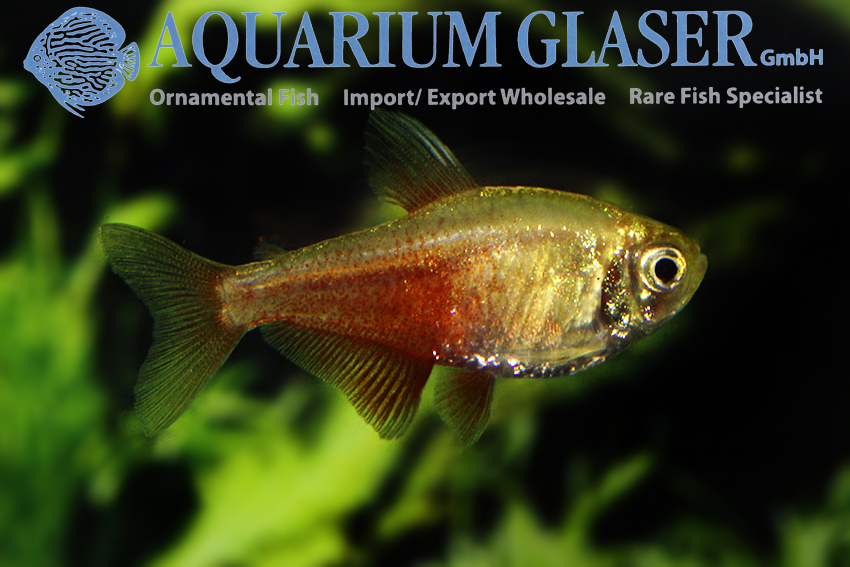
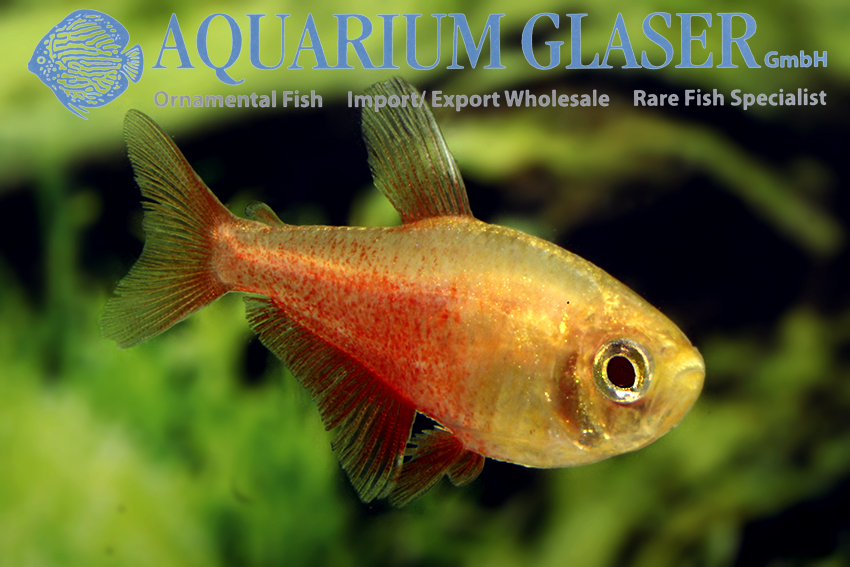
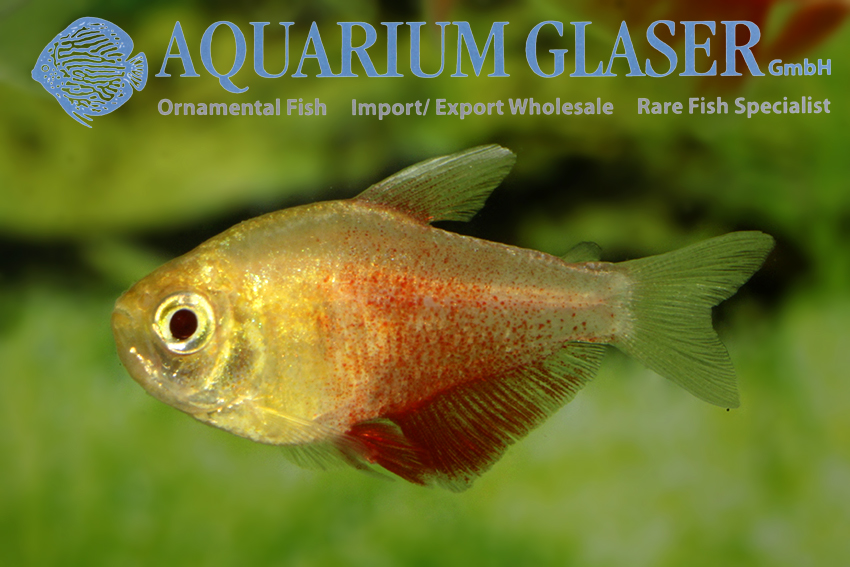
It is very difficult to determine gold tetras. The golden coloration is the skin reaction on a harmless infection with a parasite. If a tetra feeds the faeces of a fish-eating bird that contains the eggs of the parasite – a worm – in the intestine of the fish the eggs hatch and the larvae of the worm encapsulate in the muscle tissue of the fish. Their presence cause the production of the golden colour in the skin of the fish. Such a golden fish can be spotted much better than a normally coloured animal by a fish-preying bird.  The opportunity for the parasite to find the final host – the bird – grows. If such a golden fish is really eaten by a bird the encapsulated larvae become active again, grow to adult specimens, mate and produce eggs that leave the bird with its faeces. So the circle becomes closed. If the golden fish are not eaten they have no disadvantage against normally coloured conspecifics. This is prooved by decades of experience with golden tetras in the aquarium. The golden ones also become as old as normal tetras.

Initially only one species of golden tetra became known to science eg the the golden form of Hemigrammus rodwayi. As the true nature of this golden gloss was then unknown the fish were described as a species on their own, Hemigrammus armstrongi. The golden gloss covers a great number of pattern that is usually indispensable for determining a species. Today we know a great number of golden tetras belonging to a vast number of different species, although they usually appear only as single specimens in most species.

We obtained a good number of large, 4-5 cm long gold tetras from Brazil. Initially we were not able to identify the species. The shape of the body and the presence of small hooks on the anal fin of the males (which sometimes entangle in the meshs of a net) made it very likely that the species belongs to the genus Hemigrammus. When the light comes from behind, a golden line is visible that is runnung all over the body, similar as it is seen in the glowlight tetra, Hemigrammus erythrozonus. After some days of settlement the fish developed a pattern in the tail fin as it is known from the species Hemigrammus levis. However, most probably a number of species hides behind what is currently termed „Hemigrammus levis“ scientifically, but our capabilities to determine the fish more exactly are depleted now.

Hemigrammus levis becomes 4-5 cm long and is a peaceful schooling fish, comparable to the rummy nose tetra. So our new imports can be recommended as gorgeous inhabitans for community tanks with South American fish.

For our customers: the animals have code 256703 on our stocklist. Please note that we exclusively supply the wholesale trade.

Text & photos: Frank Schäfer

Phallichthys tico

2. March 2018

Once more we are able to offer this top-rarity among the livebearers. The charming fish – males reach a maximum length of about 2.5 cm, females 4.5 cm – are restricted to the upper reaches of the river San Juan in Costa Rica and Nicaragua. No commercial fishing for ornamental fish does exist there and so the species is imported only ocassionally by travelling enthusiasts. Sadly until now it proved impossible so far to build up a stable aquarium strain from these few animals and so the species always vanished from the hobby after only a few generations. Our fish are German bred ones. Keeping them is rather unproblematically. However the fish always need very clean water of low microbiological contamination. Water chemistry is not very important, extremes, however, should be avoided. Best is a pH of 7-7.5, a hardness of 3-10°GH and a temperature of 24-28°C. The fish take readily frozen and dried food, but they also have to be fed on some plant material.

For our customers: The fish have code 278263 on our stocklist. Please note that we exclusively supply the wholesale trade.

Lexicon: Phallichthys: ancient Greek, means “penisfish”. tico: after the indigenous people of Costa Rica which call themselves “Tico”.

Suggestion of a common name: Costa Rica Dwarf Livebearer

Text & photos: Frank Schäfer

Sphaerichtys vaillanti

28. February 2018

Finally we can offer again the most beautiful species of Chocolate Gourami: Sphaerichtys vaillanti. The species originates from the Kapuas basin in the Indonesian part of the island of Borneo. S. vaillanti is not only the most beautiful, but also the hardiest species of all Chocolate Gouramis. However, it is nevertheless by no means an easy to keep fish. One will have only success with this fish when the natural habitat – very soft, acidic blackwater and lots of dead leafes on the bottom – is imitated and preferably life food is given. Most hobbyists underestimate the intraspecific aggession shown in all species of Chocolate Gouramis. Most problems with diseases in Sphaerichthys result from distress based on mobbing.

The males in Sphaerichthys vaillanti are much duller in respect of coloration than the tigered females. The males have also the job to care for the spawn – they are mouthbrooders. In neutral mood the males look much alike the Crossband Chocolate Gourami (Sphaerichtys selatanensis), but S. vaillanti can always be recognized by the sharp head.

For our customers: the fish have code 455843 on our stocklist. Please note that we exclusively supply the wholesale trade.

Text & photos: Frank Schäfer

Distichodus lusosso

26. February 2018

The longsnout distichodus has a very wide distribution in the Congo basin. The species attains a length of up to 40 cm; we recently obtain extremly charming, small juveniles. D. lusosso is an omnivorous fish; a great part of the food is plant material, so a planting of the tank is usually not possible. One should keep D. lusosso either in larger groups (10 or more specimens) or solitary. If the longsnout distichodus is kept in too small groups the fish are usually very pugnacious against conspecifics.

For our customers: The fish have code 126002 on our stocklist. Please note that we exclusivekly supply the wholesale trade.

Text & photos: Frank Schäfer

Synodontis soloni

23. February 2018

We obtained a very rarely offered squeaker catfish from the Congo: Synodontis soloni. The species is medium sized (for squeakers): 20-25 cm long specimens can be called real big ones. The large caudal fin and the slender body give hints that this is a rheophilic species. Against conspecifics our specimens, which are currently 12-15 cm long, are quite peaceful. Obviously these fish live in dark places, as they eyes have strongly reflecting zones. This leads to funny artefacts in pictures taken with flashlights. We have added one picture to that post – a portrait – in which we left the artefact. In the others we have removed the „red-eyes-effect“ in a way that the fish look like one observes them with the bare eye.

There are two scientifically described, exrtremely simlar species that originate from the very same region and differ from S. soloni only by a few minor differences (eye diameter, shape of the humeral process, shape of the adipose fin, proportions of the body, shape of barbels). These species are named as Synodontis smiti and S. camelopardalis. However, in our import (35 specimens) many intermediate animals are respresented in respect of colouration, so we feel unable to assort them in a senseful way. Possibly S. smiti and S. camelopardalis are only synonyms to S. soloni. In any case the latter is the earliest described species (soloni 1899, smiti 1902, camelopardalis 1971).

For our customers: the fish have code 186804 on our stocklist. Please note that we exclusively supply the wholesale trade.

Text & photos: Frank Schäfer

Melanocharacidium cf. dispilomma

21. February 2018

We obtained this charming ground tetra from Brazil. Melanocharacidium dispilomma has a very wide distrubution in northern South America. There are scientific reports from Bolivia, Brazil, the Guyana countries, Venezuela, and Colombia. There is a strange contrast between this very wide distribution and the fact that M. dispilomma has been described scientifically only in 1993. In the ornamental fish trade M. dispilomma is also a top rarity.

Basically speaking all species of ground tetra are very nice aquarium fish. The have a very interesting behaviour. In M. dispilomma the ability to change the coloration drastically is also fascinating. Against tankmates and plants M. dispilomma is completely ignorant, and they can (and should) be also kept along with conspecifics. Maximum size reported is about 5 cm. Males can be easily recognized by the prolonged pectoral and ventral fin rays.

For our customers: the fish have code 267552 on our stocklist. Please note that we exclusively supply the wholesale trade.

Anostomus anostomus

19. February 2018

The Striped Headstander is one of the most beautiful species of tetra from South America. It really looks like the big brother of the Threestripe pencilfish, Nannostomus trifasciatus. Anostomus anostomus attains a maximum length of about 15-18 cm. Sadly there are hardly ever exportations of ornamental fish from Guyana currently, so the beauty became rare in the hobby. But now we were able once again to import a good number of young adults, about 9-12 cm long. One of the most famous aquarium books in German, the Aquarien Atlas, says: who never kept this fish not an aquarist at all! There´s nothing left to say …

For our customers: the fish has code 205506 on our stocklist. Please note that we exclusively supply the wholesale trade.

Text & photos: Frank Schäfer

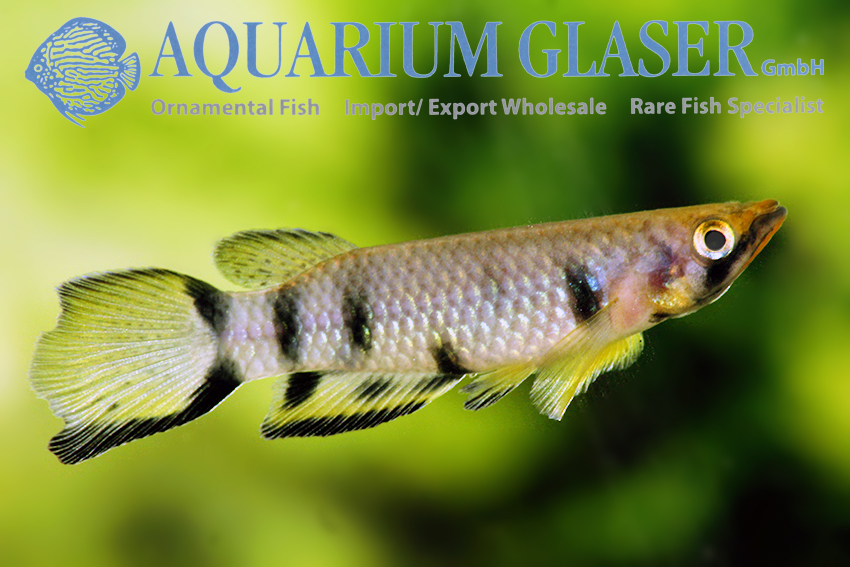
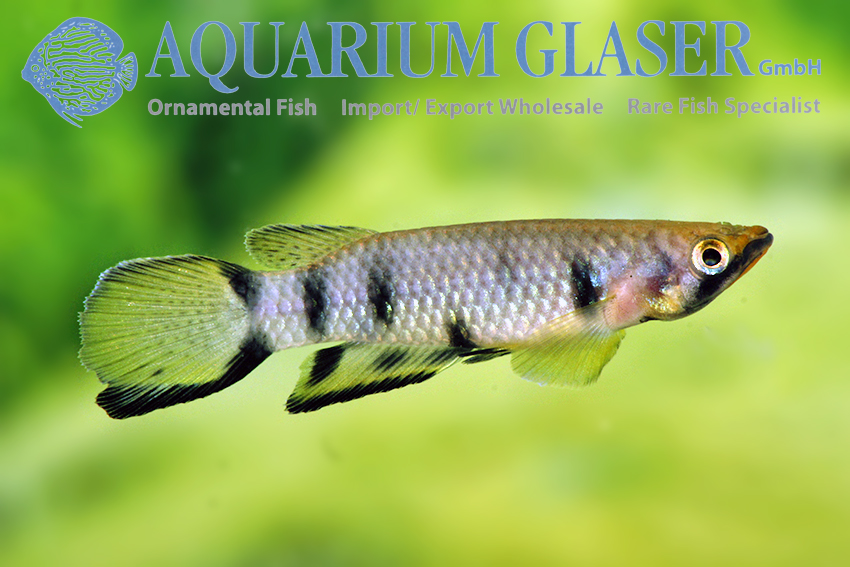
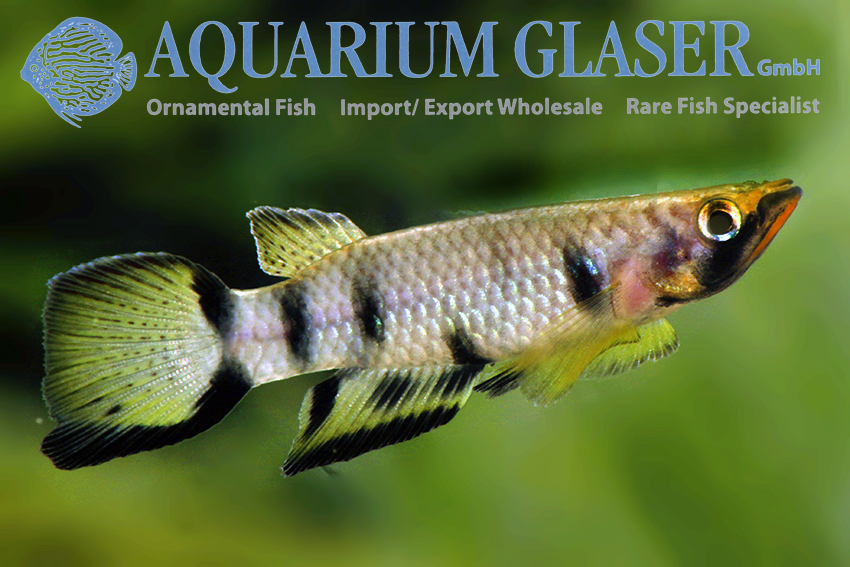
Epiplatys dageti monroviae

16. February 2018

This panchax belongs without any doubt to the most popular killifish at all. There are many reasons for that: the beautiful coloration, the small size (4-5.5 cm), the fact that these fish can be kept in community tanks, and the adaptility to many different water conditions are some of them. The Red Chinned Panchax is a killifish with a „normal“ long lifespan, they live as long as guppys, mollies or swordtails under aquarium conditions.

The subspecies „monroviae“ differs from the nominal form by differences in the pattern, basically the fact that they have 5 instead of 6 bars on the flanks. There are additional differences (for example the red throat in males in monroviae), but one should keep in mind that wild collected specimens are hardly ever available (the subspecies has been described from around Monrovia in Liberia) and that of course breeders will always select what they feel are the most pretty fish for breeding purposes.

We have a very nice strain of bred fish in stock on a regular basis.

For our customers: the fish have code 323522 on our stocklist. Please note that we exclusively supply the wholesale trade.

Text & photos: Frank Schäfer

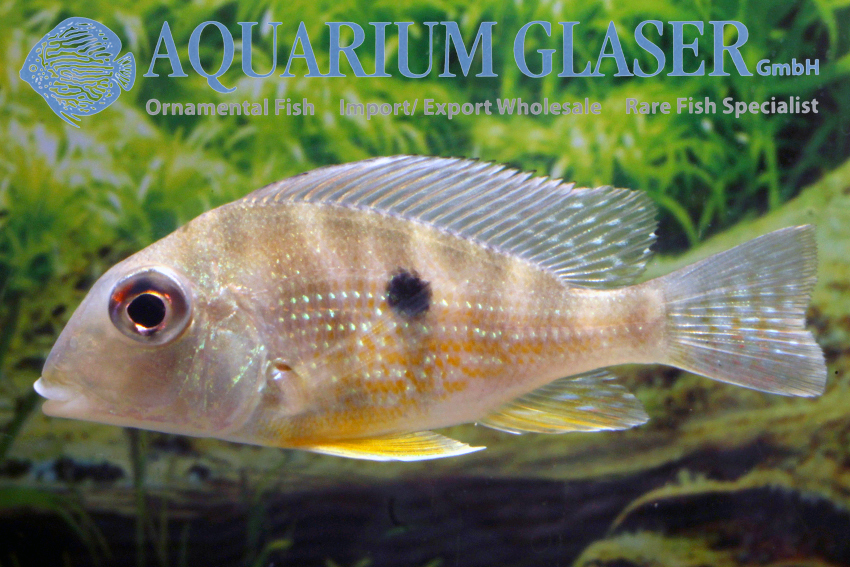
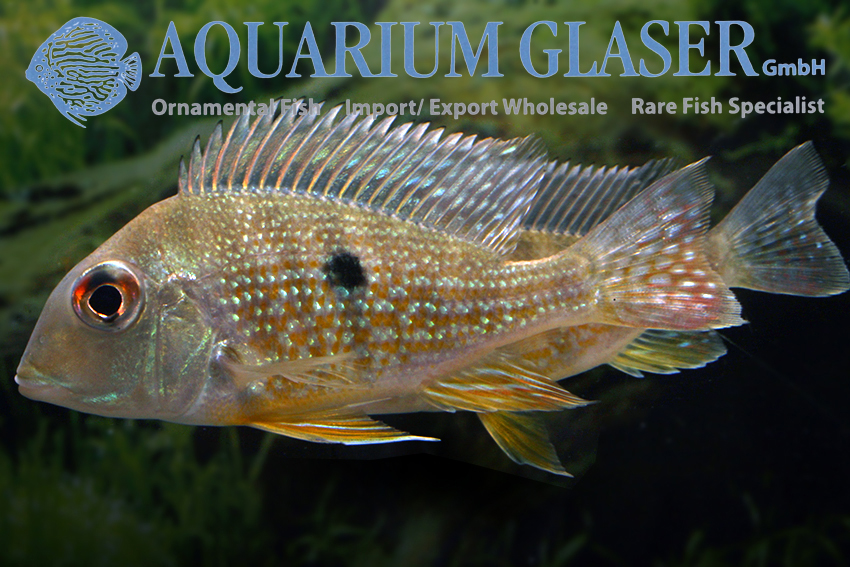
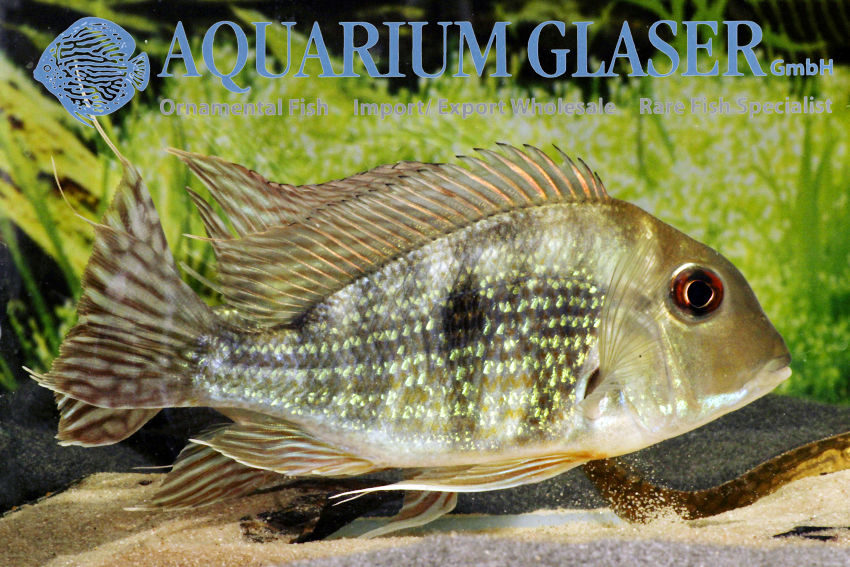
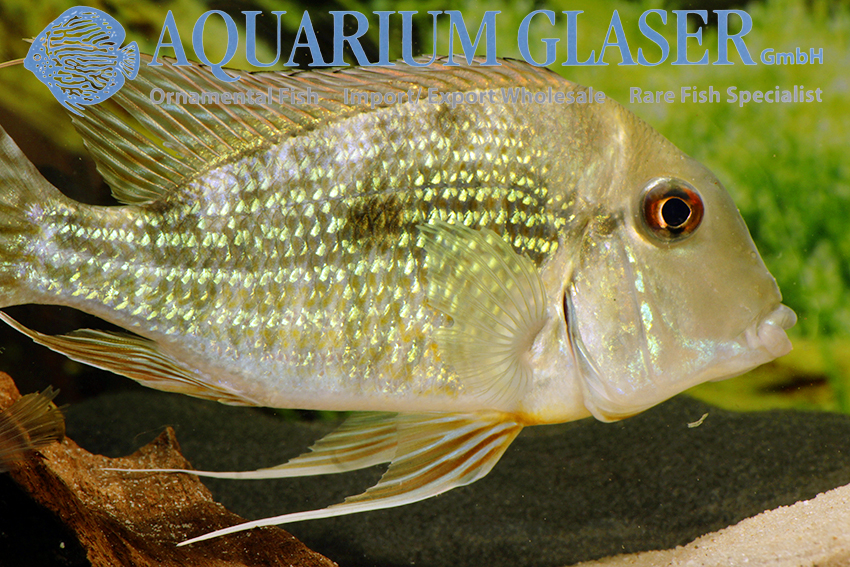
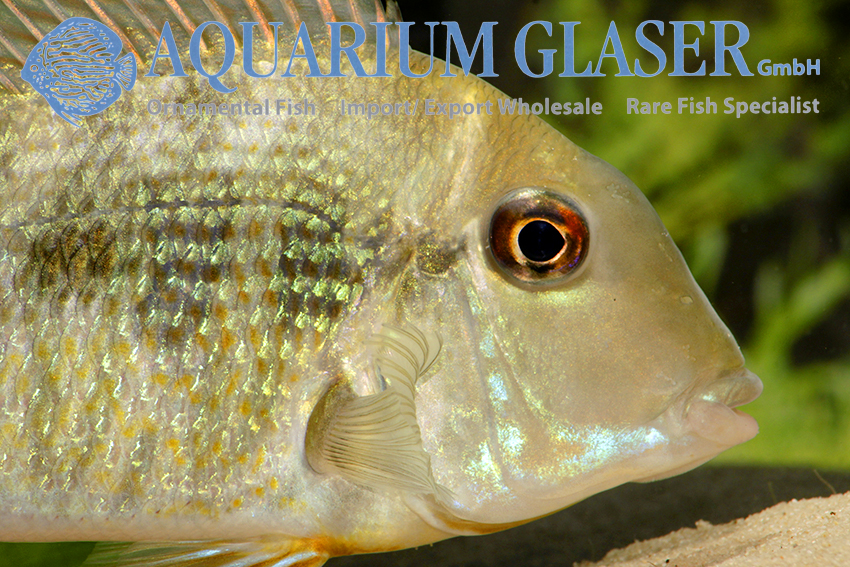
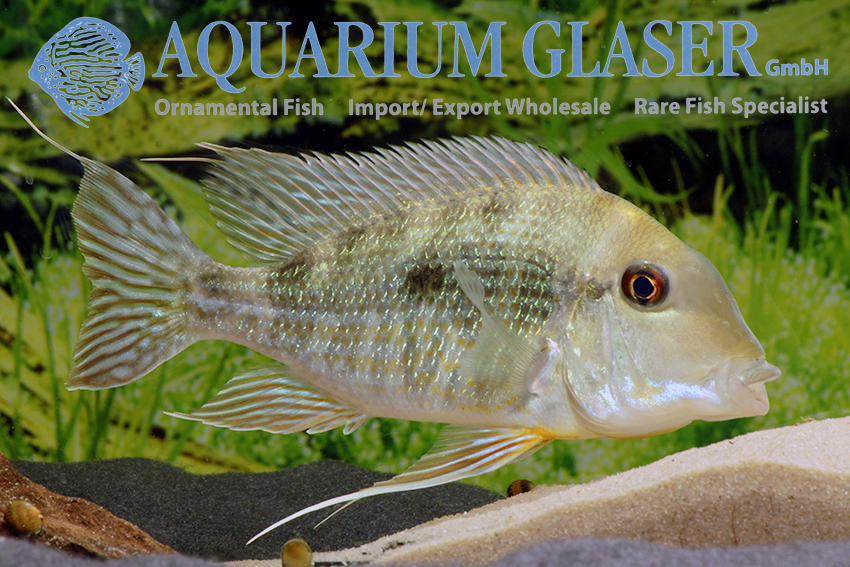
Geophagus cf. abalios

16. February 2018

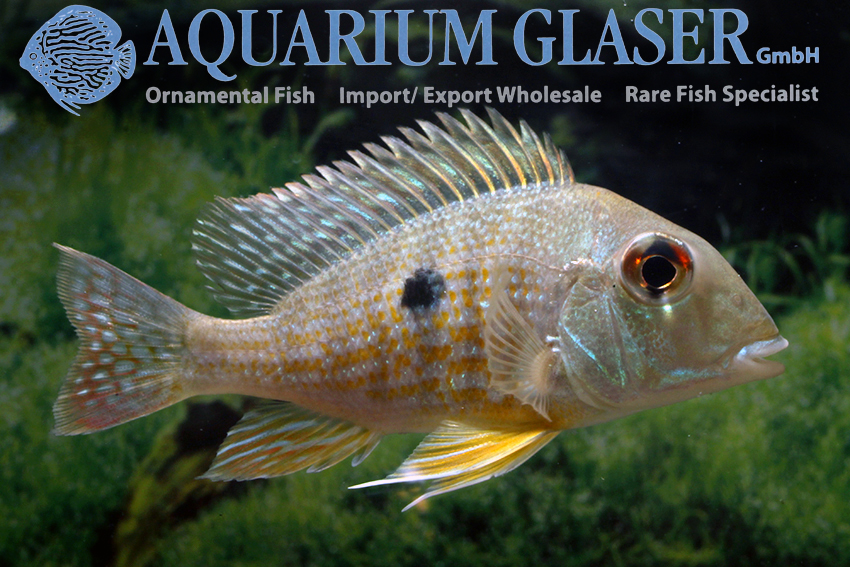
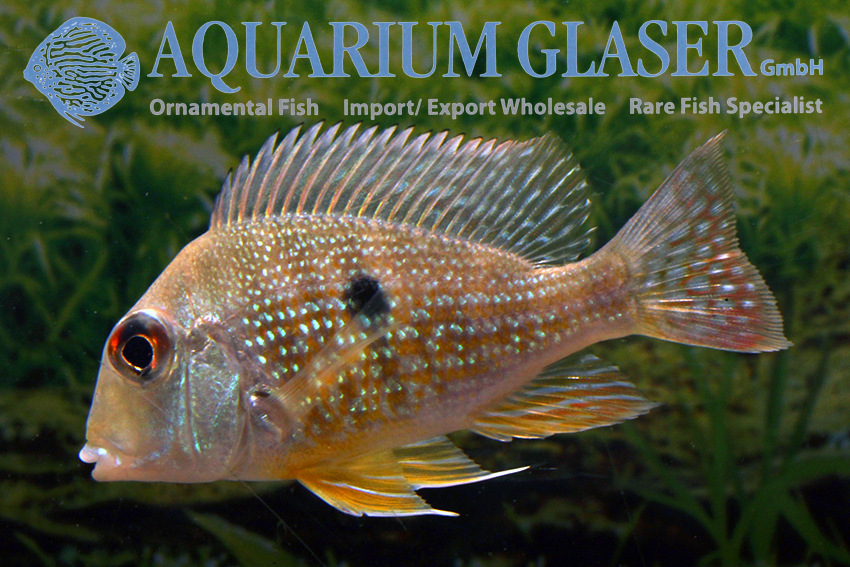
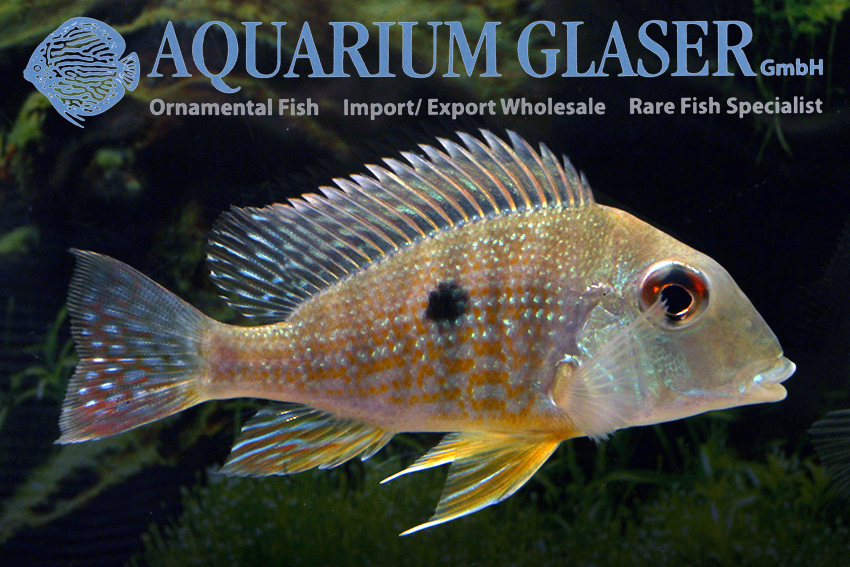
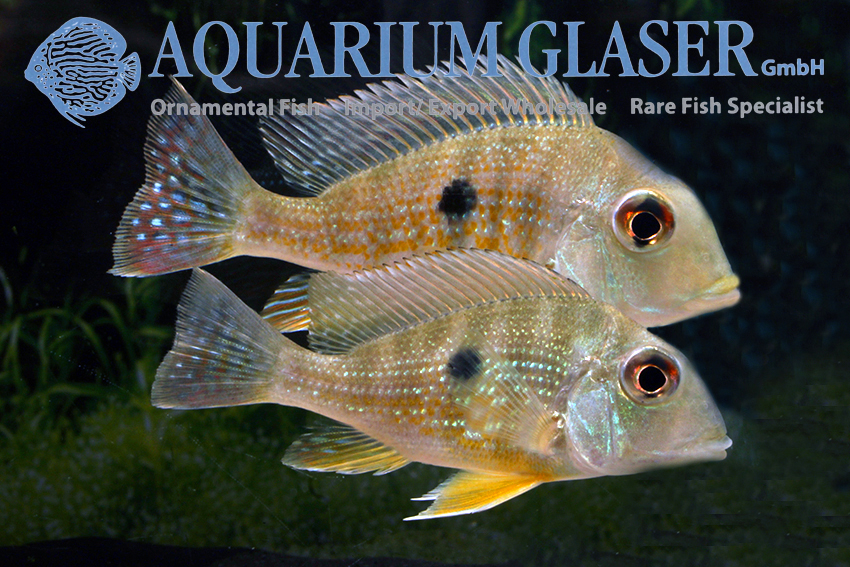
Currently we have as well larger wild collected specimens and bred ones in stock. G. cf. abalios is a beautful, ovophilous mouthbrooider and originates from Venezuela. The fish have bred in our showroom. At that time they had a total length of about 8 cm, so we initially thought they would represent a dwarf variety. However, in the meantime this initial suspect has been proofed as erranous. The fish are no giants (the photographed adult male is 14 cm long, inclusive the tail fin, but exclusive the prolongation of that fin), but also no dwarfs. So Geophagus cf. abalios can be told a peaceful, beautiful cichlid that is perfectly suited for larger community tanks.

For our customers: the fish have code 677554 (wild ones) and 677562 (bred ones) on our stocklist. Please note that we exclusively supply the wholesale trade.

Text & photos: Frank Schäfer

Nerita polita

14. February 2018

We obtained the charming algae snail Nerita polita from Thailand. This „racing snail“ is also known by the popular name of Polished Nerite. It inhabits large parts of the Indo-West-Pacific and is extremely common. It was described scientifically as early as 1758, the year of birth of the scientific naming of organisms, by Carl von Linné under the currently still valid name.

Shell size of that species varies from 13-40 mm, our specimens have about 10 mm. The colouration and the pattern of the shell varies a lot, a phenomen one can also observe in our common garden snails.

Basically speaking, Nerita polita is a marine species. But it lives in the uppermost coastline and will fall eventually dry during low tide. In case it starts raining during that time the snail will find itself from one moment to the other in pure freshwater. The snail has to face this and it really does! So successfull keeping of N. polita is possible in any salt content from pure freshwater to pure saltwater. However, one must take care that the pH will not sink under 8 for longer times, as this will not be tolerated.

In freshwater aquaria one has not to fear a snail plague, because Nerita snails reproduce via a free swimming larva that need pure saltwater to survive. As far as we know there are no reports of a successful breeding of that species under aquarium conditions.

It is quite important to cover the tank closely, because the snails will follow their inner tidal clock from time to time and leave the water.

For our cstomers: the snails have code 485542 on our stocklist. Please note that we exclusivekly supply the wholesale trade.

Text & photos: Frank Schäfer

Corydoras longipinnis

12. February 2018

We were able to import an interesting Corydoras species from Paraguay, namely Corydoras longipinnis. This species has been scientifically described as recently as 2007 by Joachim Knaack. The new species is a close relative to the well known Corydoras paleatus and reminds one somewhat of the longfinned sport of that species. In Corydoras longipinnis only males develope long extended pectoral fins, whereas in the longfinned sport of C. paleatus also the females show that feature.

Corydoras longipinnis is a subtropical species and should therefore be kept at room temperature. For those who have the opportunity: it can be kept in garden ponds during summertime. Breeding C. longipinnis is easy and is the same as in C. paleatus. That means the fish must be fed heavily until the females show a swollen belly and then you have to change repeatingly a great amount of water and fill up with cool water (3-5°C cooler than the old water). This triggers mating and spawning.

Corydoras longipinnis should be kept in groups of at least 7 specimens. It is completely peaceful against congeneers and all other tankmates. The fish take readily any usual fishfood. Plants become not destroyed. The water parameters are of no great relevance. The pH should not be lower than 6 and not higher than 8.5.

A single bycatch is also very interesting. It is a specimen belonging to the species Corydoras ellisae. But while „regular“ C. ellisae show only two large blotches on a pale ground, this specimen imitates in a certain degree the pattern of C. longipinnis.

For our customers: Corydoras longipinnis has code 233552 on our stocklist. Please note that we exclusively supply the wholesale market.

Text & photos: Frank Schäfer

Literature: Knaack, J. (2007): Beiträge zur Kenntnis der Callichthyidae (Teleostei: Siluruformes). III. Corydoras longipinnis sp. n. – ein neuer Panzerwels aus dem río Dulce in Argentinien (Teleostei: Siluriformes: Callichthyidae). Vertebrate Zoology 57 (1): 35-55

Hyphessobrycon paepkei

9. February 2018

The Goldshoulder rosy tetra, Hyphessobrycon paepkei, has been described only a few years ago, the type specimens originated from our fishhouse. THe natural distribution is in the Rio Negro in Brazil. Usullay onyl a few specimens could be selected from shipments of other species, but now we are able to offer the beautiful Goldshoulder rosy tetra on a regular basis. Regarding keeping this fish: it does not differ in any respect from well known, closely related aquarium fish, like the phantom tetras or the rosy tetras.

For our customers: the fish have code 261474 on our stocklist. Please Note that we exclusively supply the wholesale trade.

Text & photos: Frank Schäfer

Mastacembelus unicolor

9. February 2018

We import the beautiful fire eel, Mastacembelus erythrotaenia, on a regular basis from Indonesia, usually large specimens, 30-60 cm long. These fish are about as thick as a forearm. Most recently we obtained again four specimens, 50-60 cm long. However, two of them looked totally different. They lack completely the red stripes and spots which are so characteristic for M. erythrotaenia.

We asked Ralf Britz, researcher at the Natural History Museum, London, and one of the leading specialists for that group of fish, for his opinion. He answered that most probably our new imports are Mastacembelus unicolor or – at least – what currently is thought to be M. unicolor. Our sincere thanks once more to London!

The species Mastacembelus unicolor has been described scientifically back in 1831 by Cuvier. This description based on unpublished data and specimens collected by the naturalists Kuhl and van Hasselt, who died at an early age in 1821 and 1823 in Java. They left an important collection of fishes and accurate drawings of fish. Such a drawing also exists of Mastacembelus unicolor. One can clearly recognize the unusual stripe over the pectoral fin and the white seam running along the whole of the dorsal, caudal, and ventral fins. So our new imports – obviously a pair – look at least very, very similar to M. unicolor.

Our pair currently has a light murky skin, but we are sure this will vanish after the fish have settled. Hopefully we are able to import more of these beautiful animals!

For our customers: the fish have code 426726 on our stocklist. Please note that we exclusively supply the wholesale trade.

Text & photios: Frank Schäfer

Wallagonia micropogon

7. February 2018

This is a fish like an evening in a swamp: dark and spooky. Wallagonia micropogon is a predator, anyone can see. The validity of the species W. micropogon is the subject of controversial discussion, many scientists believe that it is a synonym of Wallagonia leerii. Our specimens originate from Thailand. Currently they are small, only 7-9 cm long, and easy to handle, but  one fine day they will be 1.5 m long and will weigh over 80 kg.

Wallagonia is very similar to the European Wels (Silurus glanis), but Wallagonia swims more often in the open water. Against conspecifics they are quarrelsome.

For our customers: the fish have code 475703 on our stocklist. Please note that we exclusively supply the wholesale trade.

Text & photos: Frank Schäfer

Aphyosemion punctatum

5. February 2018

This gorgeous killi originates from Gabon. We can currently offer very nice German bred ones. The beautiful red and yellow colours fit perfect in the x-mas time, don´t they? Keeping and breeding the up to 4.5 cm long species can be compared with the by far better known lyretail killi, Aphyosemion australe.

For our customers: the fish have code 313302 on our stocklist. Please note that we exclusively supply the wholesale trade.

Text & photos: Frank Schäfer

Guppy Endler Black Bar

2. February 2018

There are so many new sports in Endler guppys (Poecilia wingei); it is really difficult to keep the overview. Sadly some of these new sports loose the charme of the wild type fish which are characterized by the very tiny males (usually they should not grow larger than 1.5 – 2cm) and the overboarding vivacity. This loss of wild-type characters happens by crossing the Endler with common guppys (Poecilia reticulata).

A sport of the Endler which is very close to wild collected fish is „Black Bar“. Ideal representatives of that sport  have a double sword tail fin and an emerald green back part of the body. We supply this sport (and many other sports) of the Endler along with the „correct“ females, so every hobbyist can try from the very start to breed what the hobbyist feels is the ideal specimen.

For our customers: the fish have code 419122 on our stocklist. Please note that we exclusively supply the wholesale trade.

Text & photos: Frank Schäfer

Polypterus lapradei

2. February 2018

Napoleon Bonaparte was leader of a campaign through Egypt in the years 1798-1801. He was followed by 169 scientists, among them the zoologist Étienne Geoffroy Saint-Hilaire. After the return to France, Saint-Hilaire described a very strange species of fish he collected in the Nile river in Egypt under the (vernacular) name of Polyptère bichir. The valid scientific name Polypterus bichir was given to the fish only one year later by Lacepéde.

This was the first time ever that scientists all over the world became aware of a group of fish that was already extant 60 million years ago and hardly changed the shape since that time.

A very close relative of P. bichir is P. lapradei. There are in fact only very few features that can be used to distinguish the two fish. We currently have very pretty P. lapradei from Nigeria in stock. The fish were collected near the city of Ughelli in the Delta State of Nigeria. Our specimens are about 25-30 cm long. This is not even half of the size that is given as maximum length of P. lapradei: up to 70 cm! So these animals are mainly suited for specialized keepers of predatory fish or public aquaria.

For our customers: the fish have code 163605 on our stocklist. Please note that we exclusively supply the wholesale trade.

Text & photos: Frank Schäfer

Danakilia sp. Sukoray

31. January 2018

Danakilia are very strange cichlids that were described scientifically only very recently and were – of course – totally unknown in the hobby, until Anton Lamboj was able to bring some specimens alive back to Austria from Etritrea. He made this expedition together with Giorgio Chiozzi from the Milan Museum. One of the new discovered species could be bred: Danakilia sp. Sukoray, named provisionally after the Wadi where it was collected. For more information of the trip and the biotope, please see the publication „100 Meter unter dem Meeresspiegel: Cichliden aus der Wüste“ by Anton Lamboj, published in Amazonas No 66 (Juli-August 2016).

These fish are the ancestors of the specimens we currently can offer. Our fish are young and young adults, 3-8 cm long.

Keeping Danakilia: it is absolutely necessary to keep them warm. The fish show their temper only at temeratures from 28-30°C. The breeding males become very colourful (black/blue/with a white-yellow hump) – a real eyecatcher! The dominant male will defend a small pit in the bottom; during that period it is always active and displaying. Feeding is absolutely easy, the fish will readily take flakes and frozen food. Best choice is to keep the fish in a group; at least a part of the bottom should be sand to give the males an opportunity to burry the pits. Perfect is a group containing a few males and a greater number of females, the dominant male will become very brillant coloured under these conditions. The tank should be furnished with some roots and stones, but not too much. The swimming behaviour of Danakilia can be best compared with Sarotherodon, eg they are active swimmers and always on move. These fish are female mouthbrooders. The largest fish observed so far are about 12 cm long. If the temperature is too low the fish will look drab. A bright tank with sand, some pebbles and not too small (from 120 cm on) is the perfect home for the active and attractive fish.

For our customers: the fish have code 520211 (3-5 cm) and 520212 (5-8 cm) on our stocklist. Please note that we exclusively supply the wholesale trade.

Text & Photos: Frank Schäfer

Sternarchogiton preto

29. January 2018

Most probably this importation of this black knifefish from Peru („preto“ means „black“) is the first one to Europe. At least the pictures of a life specimen we post here are the only ones we know about. The uniform black coloration is a good feature to distinguish the species from other members of the genus (there are five species of Sternarchogiton known so far). However, if one takes a closer look on the pictures a light stripe over the back is visible in many of them. This is not a true coloration, but a effect from the light. The mucus of the fish is obviously very thick over the back, which s the reason for that light stripe.

Aquarium observations show clearly that this knifefish tends to swim near the water surface. They often take air and water in the mouth; the water becomes spit out in form of a small blast. Most probably these fish feed in the wild on land insects that fall in the water. The species grows to a length of 20-25 cm, so our two specimens are fully grown already. Like most knifeffish these animals are very intelligent and observing them is extremely interesting.

For our customers: the fish have code 293905 on our stocklist. Please note that we exclusively supply the wholesale trade. Only two specimens available!

Text & photos: Frank Schäfer

Hemichromis exsul

26. January 2018

Red jewel cichlids are wonderful aquariumfishes despite the fact that sometimes very quarrelsome individuals appear. For scientists the complex of species of red jewel cichlids remains a mess. Many meristic features overlap and additionally many species are highly polychromatic.

Hemichromis exsul has been described scientifically already in 1933 under the name of Pelmatochromis exsul. Type locality was lake Rudolf (now: lake Turkana) in Kenya. Later researchers considered H. exsul to be a synonym of Hemichromis letourneauxi.

This point of view became doubted when Lothar Seegers in 1998 published a photo of a Hemichromis that he had collected in lake Turkana. That fish looked totally different from all Hemichromis letourneauxi known so far. Sadly almost never any freshwater fish from Kenya become exported, so H. exsul stayed a phantom.

Specimens of this species could be sourced for Aquarium Glaser the first time this year. They were bred and we can now offer exclusively the first German bred Hemichromis exsul from there.

Hemichromis exsul differs from all other Hemichromis known so far by the dark, blackish rims of the fins. Moreover the typical lateral blotch exhibited by most red jewel cichlids is missing in most animals. The fish stays rather small and are very peaceful – at least for a red jewel cichlid.

For our customers: the animals have code 536351 (3-4 cm) and 536352 (4-6 cm) on our stocklist. Please note that we exclusively supply the wholesale trade.

Text & photos: Frank Schäfer

Aphyosemion gabunense marginatum

26. January 2018

The concept of subspecies is denied by many recent ichthyologists. They argument that there are either differences – in that case the fish are full species – or there are no differences – in that case they don´t have to be named at all. However, this argumentation does not consider the existing fact that both may be true: there are clear differences that may be found in a peculiar geografic range, but also intergrades that may be found in border-regions between two neighbouring populations. In many species of killifish the coloration is diagnostic for geografic populations, but these populations can usually interbreed with other populations at least under aquarium conditions.

There do exist descriptions of three subspecies of the Gabon killi: A. gabunense gabunense, A. g. boehmi, and A. g. marginatum. We obtained now beautiful animals from a breeder under the name of A. marginatum. Do they represent a subspecies of A. gabunense or a separate, full species? We don´t now and – honestly speaking – we don´t mind too much. From our point of vew it is of much greater interest that the fish are healthy and look great!

In respect of the aquarium biology A. g. marginatum can be compared best with its much better known cousin, A. australe (the Lyretail killi). Like that species, A. g. marginatum is a substrate spawner. The eggs can be hatched under water, they do not need a dry phase necessarily. These killifish become 2-3 yars old under aquarium conditions and are – in this respect – comparable with guppy & co.

For our customers: the fish have code 311503 on our stocklist. Please note that we exclusively supply the wholesale trade.

Text & photos: Frank Schäfer

Protopterus annectens Nigeria

24. January 2018

There are four species of lungfish occuring in Africa. It is sometimes pretty difficult to distiguish them. In any case the Westafrican Lungfish (Protopterus annectens) is the most common one in the ornamental fish trade, although „most common“ has to be seen as very nuanced. These fish become almost a metre long and are very quarrelsome against conspecifics. So only few specimens become imported per year.

The animals we currently have in stock are between 15 and 25 cm long. So the largest of them are already sexually ripe. The only species of African lungfish in which a scientific research has been done in respect of external differences of the sexes is P. annectens. According to that the males have a broader and longer head compared with the females.

Despite their breathing through lungs many specimens of P. annectens have external gills over a very long period. These external gills are typical for all juvenile lungfish and remind one in larvae of newts and salamanders. Each individual of P. annectens can be recognized by the pattern. There do exist animals with a contrasting leopard pattern, but others from the same locality can be uniform beige. So the coloration does not express anything about locality or sex. 

It is quite astonishing, but these large fish prefer small food items. Of course small fish will live always in danger of becoming eaten in the company of lungfish, but they definitely prefer worms or granulates for food.

For our customers: the fish have code 167603 (15-20 cm) and 167604 (20-25 cm) on our stocklist. Please note that we exclusively supply the wholesale trade.

Frank Schäfer

Kneria stappersii

22. January 2018

We can offer now for the first time a species of the strange genus Kneria (shellears) as German bred ones. Nobody will buy a shellear for the bright coloration. These fish become about 5 – 7.5 cm long (depending on the species). They have a number of peculiarities that make them extremely interesting from a biological point of view. So, for example, they are able to move the head to the left, to the right and upwards – very unusual for a fish! The odd name „shellear“ refers to an adhesive organ the males have on the sides of the head and that looks a bit like an ear in shape of a shell. This organ is used by the male to attach on the female during mating, but the exact sense of this is not understood yet. Moreover, shellears can breath atmospheric air like anabantoids do.

Kneria stappersii originates from the upper Congo basin. Here it inhabits exclusively the Lubumbashi river. This species becomes about 5 cm long. The animal lives bottom-orientated and here it also searches for food. The omnivorous fishes are easy to feed, any type of usual fish food will be accepted. One should keep Kneria in aquaria with a good current and not too warm (18-24°C). The fish are free spawners that do not take care for the eggs or fry.

For our customers: the fish have code 141962 on our stocklist. Please note that we exclusively supply the wholesale trade.

Dimidiochromis compressiceps Albino

19. January 2018

There is no consensus among aquarists regarding albino sports. One part of the hobbyists find them awkward, the other part simply wonderful. Readers belonging to the first group: please accept our excuse, next week a different fish will be subject of the post again. For all the others: The Malawi-Eyebiter (Dimidiochromis compressiceps) has a bad reputation and a bad popular name. However, the „eyebiting behaviour“ has never been observed in the aquarium. So in fact this fish is a favorite aquarium inhabitant for decades already, most probably due to its unusual shape. But one should not keep these fish with young fish, except the younsters are brought in as feeder fish…

Against all other species of cichlid, which are too large to serve as food, D. compressiceps is comparatively peaceful – as most predators are. The Malawi-Eyebiter is not much territorial (except the breeding season) and so the species is very well suited for a community tank with other Malawi cichlids except the rock-dwelling Mbuna. The latter are too hectic for the calm predator which inhabits, by the way, preferrably the reed-zones with soft bottom along the shores of lake Malawi.

For our customers: the fish have code 520244 on our stocklist. Please note that we exclusively supply the wholesale trade.

Text & photos: Frank Schäfer

Aplocheilichthys normani

19. January 2018

A real classic among the species of fish that Takashi Amano preferred to use for his legendary nature aquaria setups is Aplocheilichthys normani (= Poropanchax normani).

A single specimen of that lampeye is a rather drab creature, but a larger school of them in a tank with dimmed light is like magic! The blue eyes drift like small fireflies through the underwater world – wonderful!

Currently we can offer as well wild colleced ones from Guinea and bred ones from Indonesia. Keeping these fish is very easy, but one should avoid the mistake to keep not enough specimes. A school of 20-30 animals is perfect.

For our customers: the fish have code 302392 (wild) and 302402 (bred) on our stocklist. Please note that we exclusively supply the wholesale trade.

Text & photos: Frank Schäfer

Polypterus teugelsi Bred

17. January 2018

The Cross river in Western Africa is a legendary river. The course of the river starts in Cameroon, the lower part flows through Nigeria. The river is famous for its high degree of endemic species; „endemic“ means that the species occurs only there and nowhere else. Among the endemic species are for example Tetraodon pustulatus and Ctenopoma nebulosum. Another endemic species is Polypterus teugelsi which has been described scientifically only in 2004. Currently it is very difficult to obtain fish from the Cross river, so the species is extremely rare in the trade and expensive.

Now the breeders in Indonesia have managed to breed Polypterus teugelsi successfully. Thus every enthusiast who is interested is enabled to keep the fish. One should, however, keep in mind that the species attains a length of at least 40 cm. They are not small fish at all, despite how charming the youngsters may look. One very special feature in the young P. teugelsi is the fact that they have their dorsal finlets almost always spread.

For our customers: the fish have code 165601 on our stocklist. Please note that we exclusively supply the wholesale trade.

Text & photos: Frank Schäfer

Brochiloricaria macrodon

15. January 2018

We received from Paraguay this wonderful mouthbrooding whiptail catfish. Once we had this species even as bred ones in stock – many years ago. In our recent import the prolongations of the fins are very obvious. This reminds a bit in Lamontichthys. However, Brochiloricaria has a completely different mouth structure and feeding habit. Brochiloricaria are – like most mouthbrooding whiptail cats, rather interested in meaty food than in Aufwuchs. Our specimens are about 15 cm long. This means they are most probably only half grown, for there are reports of 30 cm long B. macrodon.

For our customers: the animal has code 210954 on our stocklist. Please note that we exclusively supply trhe wholesale trade.

Hyphessobrycon wadai

22. December 2017

We are very glad to be able to offer this beautiful tetra for the first time now. The fish are German bred ones. The species has been described only in 2016. The natural distribution is the upper basin of the Rio Tapajós. This tetra is already a popular aquarium fish in Sao Paulo (Brazil) since several years. The scientists who described the species honour the Brazilian aquarium enthusiast and breeder Luiz Wada. Peter and Martin Hoffmann were able to obtain some imported specimens and were already successful in breeding them. They reported on that in the Datz magazine 11/2017. These fish are the ones we offer now. Hopefully the „blueberry tetra“ („blackberry tetra“ in German) will find many new friends!

For our customers: the fish have code 262172 on our stocklist. Please note that we exclusively supply the wholesale trade.

Text: Frank Schäfer, photos: Peter und Martin Hoffmann

Guppy Platinum Gold

20. December 2017

The latest creation from the jewellery Sri Lanka: Platinum Gold. This fish is a further development of the Guppy Full Platinum, which we obtained in August, also from Sri Lanka. The yellow or golden coloration differs a lot individually in the Platinum Gold. Some specimens look like the Full Platinum, just with a yellowish tinge, others glow in a deep egg yolk yellow – a perfect mix!

For our customers: the fish have code 418232 on our stockliat. Please note that we exclusively supply the wholesale trade.

Text & photos: Frank Schäfer

Macrobrachium scabriculum

18. December 2017

We have obtained once more beautiful chameleon shrimps (Macrobrachium scabriculum) from India. The common name for that species has been given by Uwe Werner due to the change of the basic coloration during the life. Initially these shrimps are translucent, then they usually become blueish, then brownish and finally almost black. Only the contrasting stripe on the back is present the whole life through. Males become about 6.5 cm long, females about 5 cm. Males develope on one of their chelipeds a kind of fur. The eggs produced by this species are very small, the larvae have to be reared in marine water. As soon as the young shrimps look like shrimps they leave the sea, enter freshwater and stay there for the rest of their lifes.

For our customers: the animals have code 484712 on our stocklist. Please note that we exclusively supply the wholesale trade.

Text & photos: Frank Schäfer

Leporacanthicus sp. L326

15. December 2017

This unusual Leporacanthicus originates from the Orinoco. The L-number was given already back in 2002. Initially the fish was imported from Colombia. It is said that these fish were collected in the area around Puerto Carreño. We currently received this fish for the first time ever; our specimens come from Venezuela. L326 differs from all other species of Leporacanthicus with a similar coloration by the shape of the caudal fin, which has two well developed tips. Since the original introduction of the species in the DATZ magazine nothing was heard of the fish anymore; indeed we thought initially that our importation would belong to an absolute new species. Ingo Seidel gave us the hint where to reasearch for – thanks for that!

It is said that this Leporacanthicus can reach a size of about 25 cm. The shape of the mouth – the upper lip has extensions like barbels – and the long, fang-like teeth are typical for the genus. Most probably these fish use their teeth to draw snails out of their shell. In any case L326 is a carnivorous fish that prefers to feed on frozen food items and usually refuses plant material in the aquarium.

The shape and number of the white spots differ individually a lot, but besides the already mentioned shape of the caudal fin the whitish borders of the dorsal and the caudal fin seem to be species-specific.

For our customers: the fish have code 26480-L 326-1 (4-6 cm) and 26480-L 326-3 (8-10 cm) on our stocklist. Please note that we exclusively supply the wholesale trade. Available in small numbers only!

Text & photos: Frank Schäfer

Thorichthys meeki

15. December 2017

The Firemouth (Thorichthys meeki, formerly Cichlasoma meeki) originates from Mexico and belongs to the most popular cichlids at all. This popularity is not at least due to the impressive face mask of the species. No other species of cichlid shows in such perfectness the bottom of the mouth and the deep red skin that covers the gills. The Firemouth acts that way to look much bigger for a potential aggressor. Another trick of the Firemouth are the spots on the operculum that look like eyes. 

For our customers: the fish have code 654705 on our stocklist. Please note that we exclusively supply the wholesale trade.

Text & photos: Frank Schäfer

Puntigrus anchisporus „Moss Green“

14. December 2017

Many people will still know the tiger barb under the wrong name Barbus or Puntius tetrazona. This species – the correct name is Puntigrus tetrazona – is, however, never kept in aquaria or traded, but exclusively the close relative Puntigrus anchisporus. Both species can be easily distinguished from each other by the colour of the ventral fins, which are pitchblack in tetrazona and deep red in anchisporus.

The sport „moss green“ of P. anchisporus was developed in the 1970ies. In that sport the dark vertical stripes of the wild form are melted together in one solid zone. In all other aspects these moss greens are typical tiger barbs – swashbucklers that never show fear. Due to the extreme play instinst of that species one should never keep tiger barbs along with fish species that require quiet or that have extended fins.

Currently we have very nice German bred moss green barbs in stock.

For our customers: the fish have code 372212 on our stocklist. Please note that we exclusively supply the wholesale trade.

Text & photos: Frank Schäfer

Madeira-Discus arrived!

11. December 2017

There are so many varieties of discus known, but none of the wild collected fish are as variable as the ones from the Rio Madeira. Basically speaking, the Madeira discus is a brown-blue one. The brown morphs of that variety very often exhibit a high degree of red and/or yellow colour on the body, while in the blue morphs often exhibit a „gypsi“-pattern. That means that the blue markings are irregular – this makes the fish very attractive! Another special feature of the Madeira discus is the fact that comparatively often specimens can be found that have a broad central vertical bar, the so-called Hecke bar. The best size for Madeira discus is 9-12 cm. At that size the fish are often breathtaking beautiful. We depict here a selection of our fish we currently have in stock; they all have been imported together.

For our customers: the fish have code 732014 (brown) and 731194 (blue) on our stocklist. Please note that we exclusively supply the wholesale trade.

Text & photos: Frank Schäfer

The total ban of Channa in the EU is off the table!

8. December 2017

According to our very well informed sources the application to ban the trade and keeping of all species of snakehead (Channa) in the EU has been refused. Obviously just in time the contradiction could be submitted that the ban of a complete genus is not according to the law, but that in any case for every species within a genus a separate risk assessment is necessary.

We are very glad that in this case obviously the judges listened to reason. In times one has to face a increasing populism and blind actionism worldwide this is a sign of hope. Maybe our engagement to hinder the ban of snakeheads has also helped to bring the case to such a positive end. Anyway: hobbyists in the EU now can still enjoy keeping and breeding these fascinating creatures!

Garra culiciphaga

6. December 2017

A quite new fish in the hobby is Garra culiciphaga. Initially this species has been described by the French scientist Pellegrin in 1927 under the name of Hemigrammocapoeta culiciphaga. The up to 8 cm long fish was placed in the genus Hemigrammocapoeta since 2015; recently specilaized researchers see it rather in the genus Garra.

The small, peaceful and wonderful golden glossing cyprinid is a Turkey endemic. The climatic conditions in its home country make Garra culiciphaga very tolerant against different temperatures. Most recent scientific research showed that this freshwater fish tolerates even strongly brackish water up to full salt concentration of the sea.

We obtained for the first time ever some sample specimens from one of our breeders; we hope that we will be able to offer them on a regular basis in the near future.

Text & photos: Frank Schäfer

Acantopsis rungthipae

29. November 2017

You don´t know that name? We didn´t either, until some days ago a taxonomical revision of the horseface loaches of the genus Acantopsis was published. All loaches of the genus used to be named Acantopsis dialuzona in the trade (sometimes the synonym A. choirorhynchos was also used). Currently seven different species are considered to be valid. The different species can be recognized not only by anatomical structures, but also by the colour pattern. Although it will stay very difficult in some cases to determine a single specimen, it is more than likely that the common species in the trade is A. rungthipae. The species A. dialuzona (= A. choiorhynchos) ist still valid; it occurs in Indonesia, Malaysia, and southern Thailand, but is only rarely seen in the trade.

For our customers: we currently received very nice, young A. rungthipae from Thailand; they have code 361103 on our stocklist. Please note that we exclusively supply the wholesale trade.

Text & photos: Frank Schäfer

Tor putitora

28. November 2017

The Mahseer carps from India are mythical fishes. They belong to the largest carp species of the subcontinent and it is said that they can reach up to 2 m in length. These carps inhabit the same ecological niches in India that are held in Europe by the salmons and trouts. Like in the latter the systematics of the Mahseers are only very little understood and there does existst no possibility to determine the species for sure.

We obtained Mahseer carps from India under the name of Tor putitora. The genus is easy to recognize, so we have no doubts the fish belong to the genus Tor. The species Tor putitora has not been illustrated in the original description and there does not exist any authentic picture from that time. So all the later determinations of what should be Tor putitora have to be seen with a big questionmark. 

All species of Tor have in common very large scales. They are eurythermic fishes that tolerate a extremely wide spectrum of water temperatures: between 5 and 30°C! Tor are wonderful company for heated Koi ponds. The very large scales of adult specimens shine like diamonds. Another very intersting (and not understood) feature is the fact that at least sometimes adult Tor develop very large upturned lips. In some regions of India Mahseer carps are considered holy animals. In the temple ponds they become very tame and pilgrims can feed and touch them.

There is one thing that has to be kept in mind when Tor spp. should be kept in aquaria: these fish are poweful jumpers! In the wild they can overcome pretty high waterfalls. So the tank for Mahseers has to be covered absolutely densely.

For our customers: the fish have code 468203 on our stocklist. Please note that we exclusively supply the wholesale trade.

Text & photos: Frank Schäfer

Apistogramma gibbiceps

24. November 2017

Currently we received once more this pretty dwarf cichlid from the Ro Negro basin. It is a typical company of the cardinal tetra in the wild. The species Apistogramma gibbceps cannot be confused with any other species of Apistogramma when it shows the species-specific vertical bars on the belly. Sadly these bars are not visible anytime. Sometime these fish depict – this depends on the mood – only a horonatl stripe or even only a round spot in the center of the body. The very conspicious bar under the eye is visible only when the fish are in aggressive mood.

As in so many species of Apistogramma these fish show an obvious polychromatism in males. This means different colour morphs occur together in the natural habitat. The most obvious morphs in our current stock are blue headed and yellow headed fish. Experience has shown that it is possible to breed even red headed males from yellow headed ancestors in a few generations by selection.

For our customers: the fish have code 620003 on our stocklist. Please note that we exclusively supply the wholesale trade. 

Text & photos: Frank Schäfer

Hyphessobrycon flammeus GOLD

24. November 2017

We want to remind on one of the first species of tetra that reached us from the area around Rio de Janeiro: Hyphessobrycon flammeus, the Flame Tetra. Since the first importation in the year 1924 the species is present in aquaria all over the world, for the fish are easy to breed and very productive.

Sadly H. flammeus is in danger of extinction, for the natural habitat of the Flame Tetra is vanishing. The species has not been exported from Brazil for decades, but every aquarist can help the Flame Tetra to survive: just buy them! As long as the Flame Tetra is demanded in the trade it will be bred by breeders and so the fish has a realistic chance to survive at least in aquaria!

Rather recently a golden sport of this tetra has appeared in the marked, called „Golden Flame Tetra“. In this fish the black markings are lacking. The golden sport is also a very attractive fish!

For our customers: the fish have code 290323 on our stocklist. Please note that we exclusively supply the wholesale trade.

Text & photos: Frank Schäfer

Etroplus maculatus

22. November 2017

The Indian cichlid, Etroplus maculatus, is a very popular aquarium fish and never disappeared after its first importation again. Recent research suggests that Etroplus is not a close relative of the cichlid family, but rather of the damselfishes (Pomacentridae). However that does not mean anything for the hobby.

Etroplus maculatus can be kept and bred in pure fresh or brackish water. The sexes are equal regarding colour and finnage, but males are always bigger than females, at least after maturity. Males become mature with about 5 cm, females with 4 cm total length. Maximum length is around 9 cm for males. When specimens offered are of equal age or were imported together one should take the largest and the smallest specimen in the tank. They will almost ever form a pair. Etroplus take biparental care. They are open brooders. They attach the eggs on stones, roots etc.. The eggs have small stalks and move when they are fanned. Both parents lead and guard the offspring. The young feed inter alia on skin mucus, similar as young discus do.

For our customers: the fish have code 415803 on our stocklist. Please note that we exclusively supply the wholesale market.

Text & photos: Frank Schäfer

Brochis splendens and B. cf. splendens CW 35

20. November 2017

Currently is a top season for large, breathtaking Green Cats, Brochis splendens. We have two varieties in stock which are collected in areas that have roughly 1.200 km distance from each other. The one comes from Peru and represents the „typical“ B. splendens. The species has been described scientifically from the Rio Tocantins in Brazil; the species B. coeruleus, which is considered currently as a synonym of B. splendens, originates from a tributary of the Rio Ambyiacu in Peru.

The other variety originates from the Mato Crosso in Brazil. It has been given the additional code CW 35 by cory enthusiasts. This CW 35 differs from the regular B. splendens in coloration. The fins of CW 35 are bright orange (colorless in typical B. splendens), and the belly has also a bright orange colour in CW 35 (in typical B. splendens the belly is whitish). The head pattern is also different. Many specmens of CW 35 have fine spots on the head, which are lacking in typical B. splendens.

Both are splendid fish and belong to the largest species of cory cats: they become around 8 cm long.

For our customers: CW 35 from Brazil has Code 212506, the Peruvian B. splendens 212505 on our stocklsit. Please note that we exclusively supply the wholesale trade.

Text & photos: Frank Schäfer

Taeniacara candidi

17. November 2017

This dwarf cichlid from Brazil is a very pretty species. Currently we have charming wild collected specimens in a good number in stock. Principically speaking Taeniacara – there is only one known species, T. candidi – is a very elongated Apistogramma. So the aquarium biology is quite comparable in both genera. That means the fish need fine sand as bottom (at least in a part of the aquarium) and that the dwarf cichlids need caves or comparable places to spawn. The female alone is responsible to take care for eggs and freshly hatched youngsters.

However, there are also several very special and unique elements in the behaviour of Taeniacara candidi which led some dwarf cichlid enthusiasts to the opinion that T. candidi is the most interesting species of Southamerican dwarf cichlids at all. The specimens we currently have imported are still small, so we add some picts of fully grown specimens from our picture archieves to this post.

For our customers: the fish have code 687912 on our stocklist. Please note that we exclusively supply the wholesale trade.

Text & photos: Frank Schäfer

Parauchenoglanis punctatus

17. November 2017

Among the imports from central Africa this beautiful catfish is a real rarity. It is known so far only from the central Congo basin. From that region only few fish are imported regulary.

The species attains a length of approximately 40 cm. Thus it is a perfect tankmate for show aquaria with larger species of cichlid, barb or tetra. Interestingly the gut of specimens in the field contained only parts of plant material, insect larvae and shrimp, but no fish. Nevertheless it seems not wise to keep too small fish along with them. 

It is also very interesting that our imported specimens (they have a length of 6-8 cm) already show a sexual dimorphism (body proportions, larger fins in males).

For our customers: the fish have code 100351 on our stocklist. Please note that we exclusively supply the wholsale trade.

Text & photos: Frank Schäfer

Hyphessobrycon eques wild

15. November 2017

The Serpae tetra is one of the most popular tetras at all. This is doubtless due to its intensive red coloration. In respect of the behaviour one cannot trust them too far. They have the nasty tendency to bite off pieces of finnage from other fish, also from conspecifics. 

From a scientific point of view the Serpae tetra is subject of a controversial debate that lasts already for more than 50 years – and still no satisfying solution has been published yet. How many species cover behind the common name of „Serpae tetra“? And what is the correct scientific name for them? So hobbyists interested in tetras will for sure be happy that we were able to import now some wild collected specimens. They originate from the surroundings of the city of Cuiabá in the state of Mato Grosso. Currently these animals are about 3 cm long and thus not fully grown and not full in color yet, but very healthy and lively.

The import happend in July 2017. We kept some specimens in our fishhouse to see what would become of them. They go for sale now, too. The fish became very nice, graceful Serpa tetras. The most remarkable thing is that they are very peaceful against each other. Of course the males display against each other (as it is usual in the tetra family), but they don´t even hurt the finneage of the competitor, as it sadly often happens in aquarium strains.

For our customers: the fish have code 261932 on our stocklist. Please note that we exclusively supply the wholesale trade.

Text & photos: Frank Schäfer