





The small, mouthbrooding species Betta edithae is among the more understated beauties in the species-rich genus Betta. However, even older specimens of this betta are quite attractive due to the rows of iridescent spots on their bodies. The species was scientifically described in 1984 based on specimens collected by Edith Korthaus near Bandjarmasin in the Barito River delta on Borneo, Indonesia. Since then, the species has also been recorded in other parts of Borneo, as well as on the small islands of Bangka, Belitung, and Bintan, and on Sumatra. In this post, we’re showing wild-caught specimens from Sumatra and the German-bred fish currently in our stock.
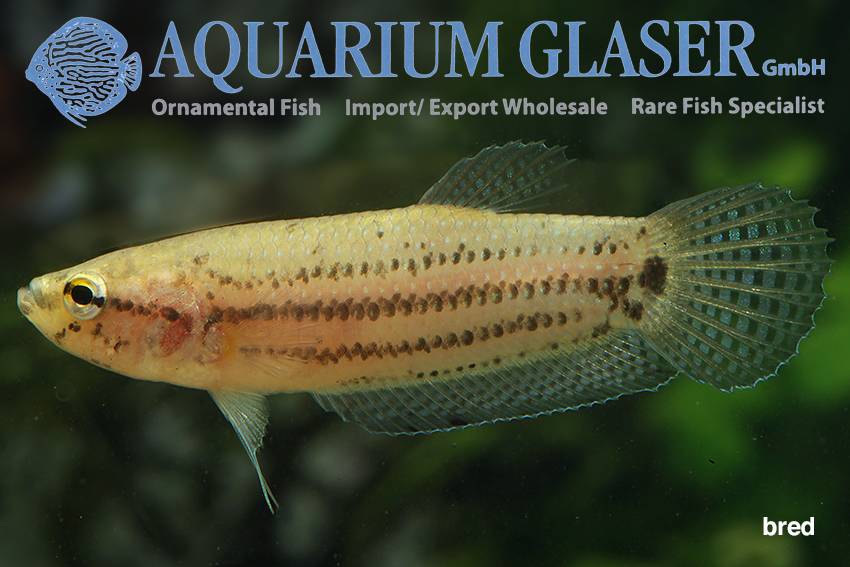
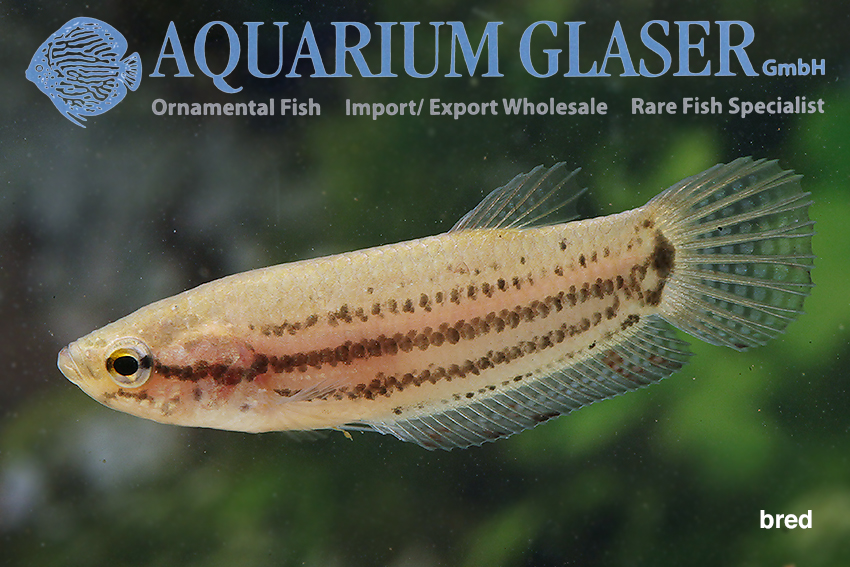
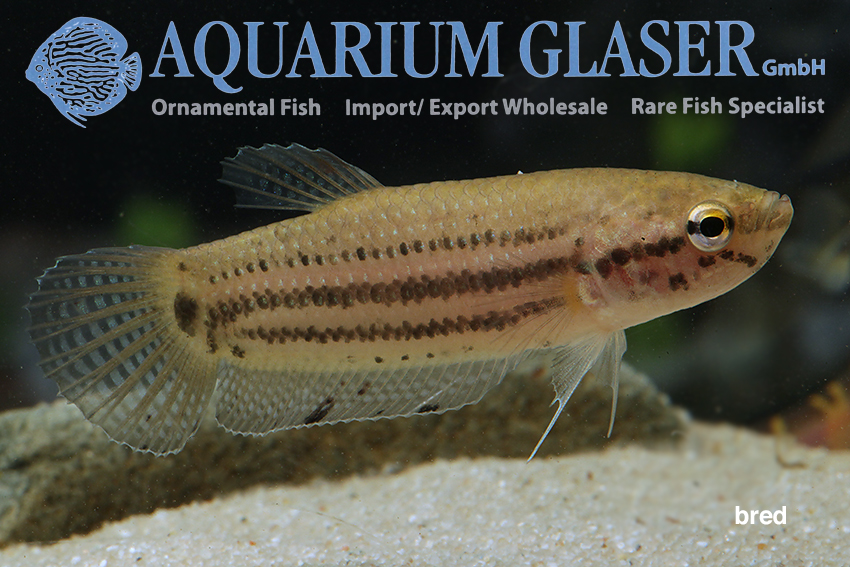
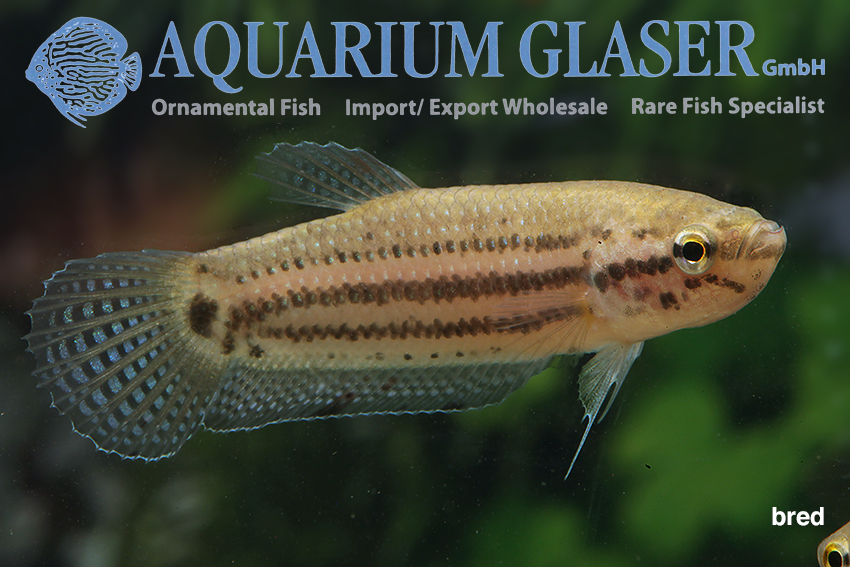
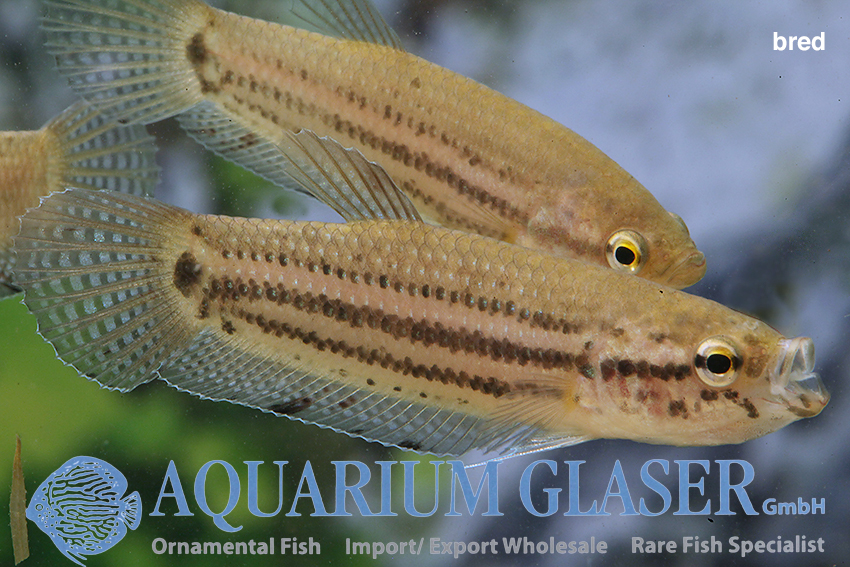
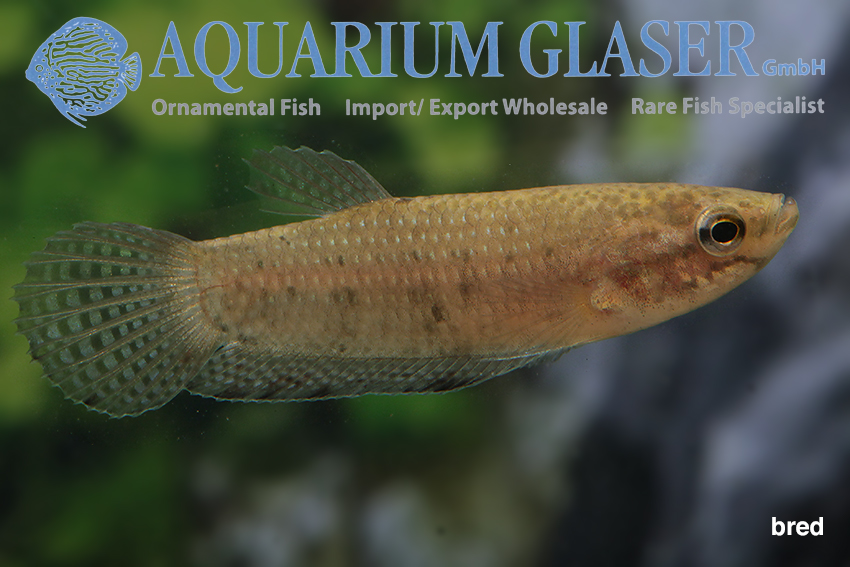
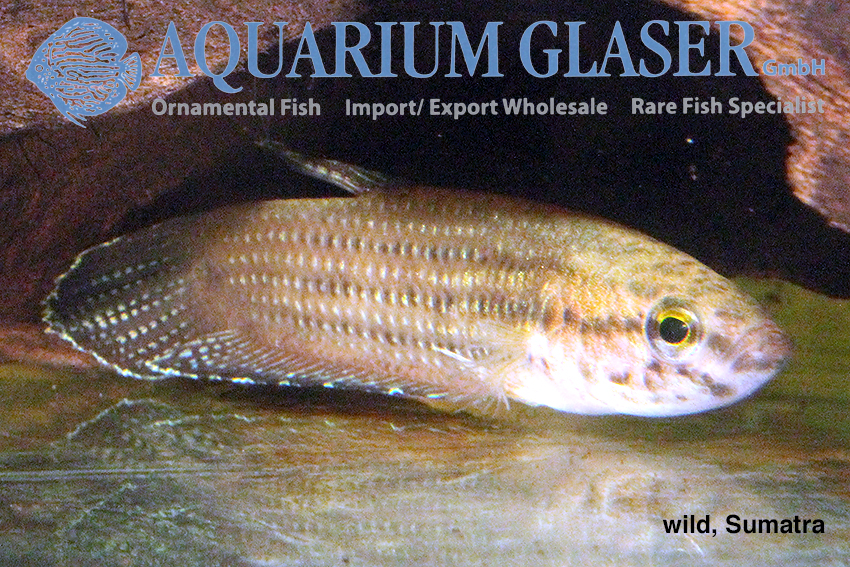
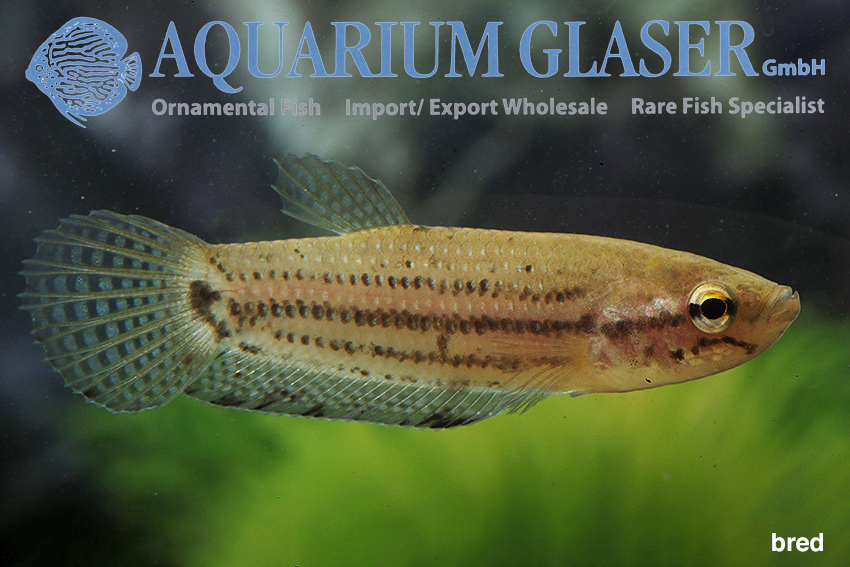
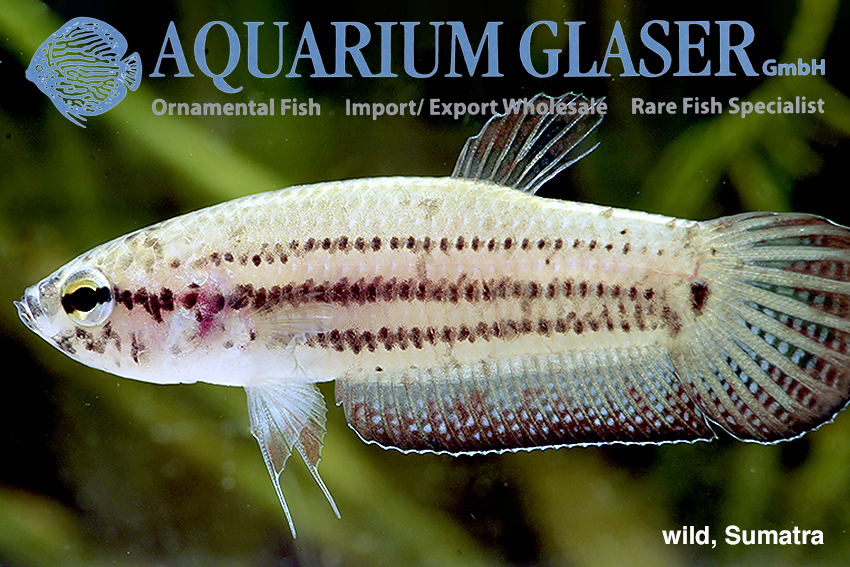
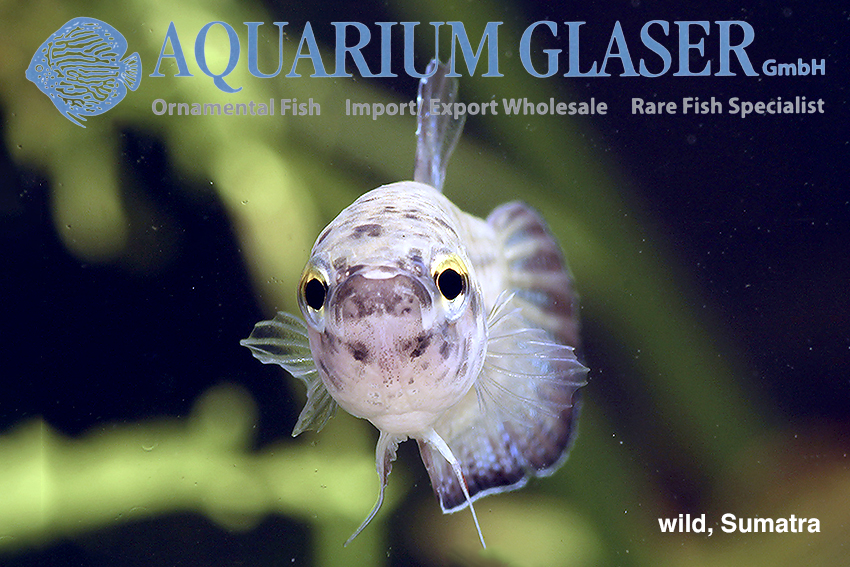
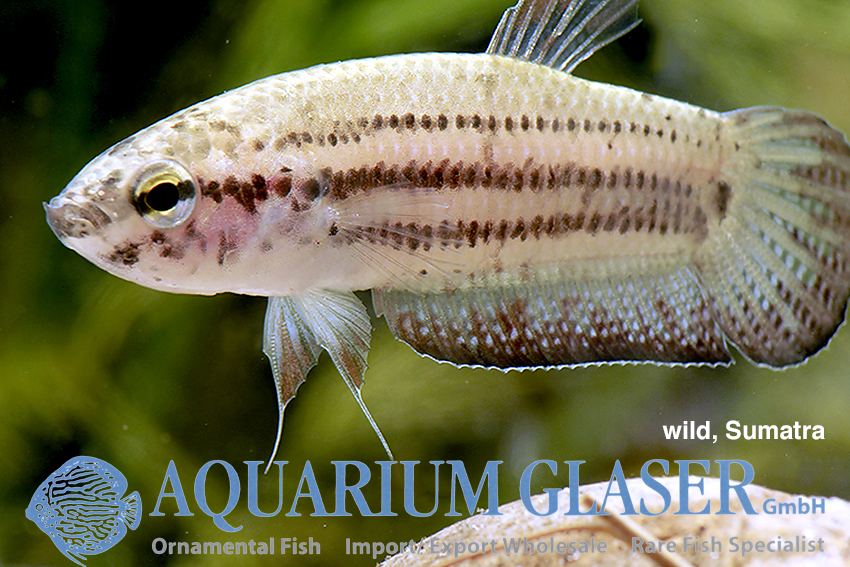
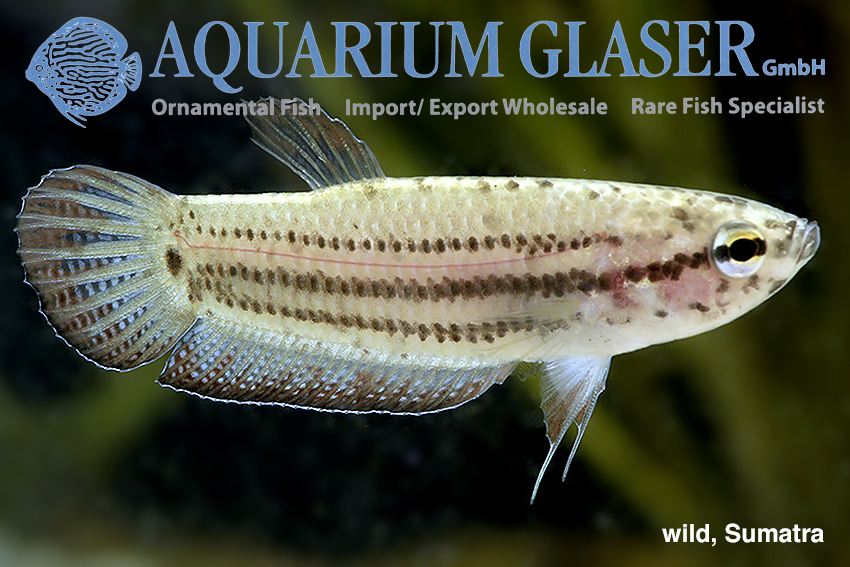
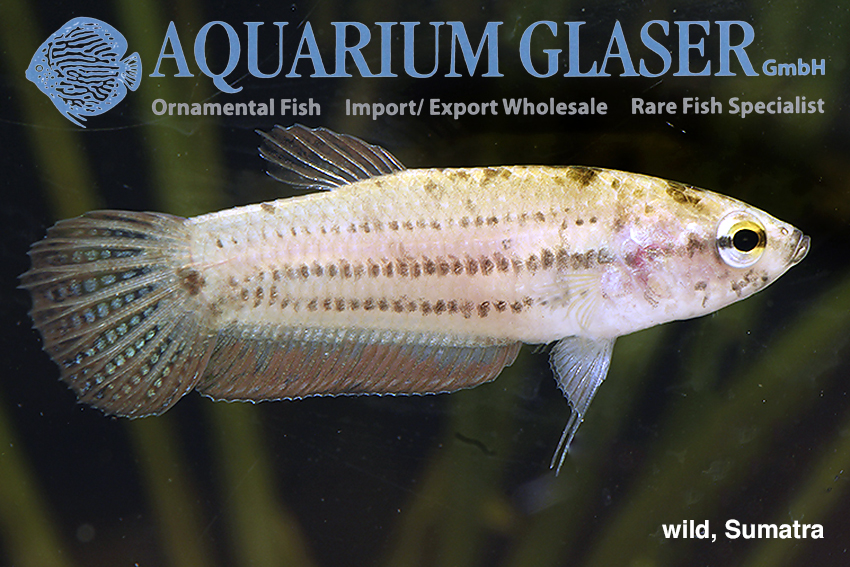
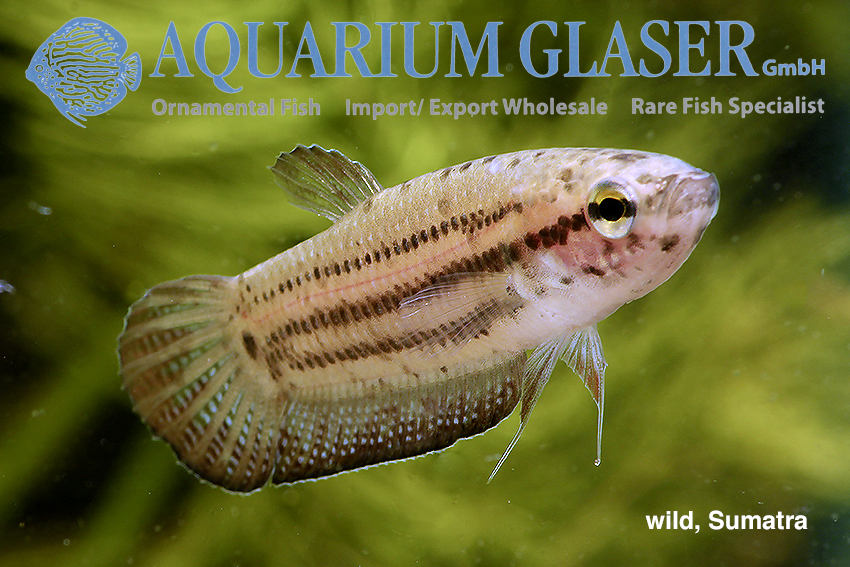
Betta edithae is a very peaceful species. It’s well-suited for community aquariums with small, peaceful, and not overly active fish, such as rasboras, glass catfish, other labyrinth fish, etc. You should provide Betta edithae with plenty of cover near the bottom, such as dense “jungles” of Cryptocoryne plants, as this is where these fighting fish prefer to stay. Males and females differ only slightly in appearance; the surest way to identify males is by their thicker heads and more pronounced light blue fin edges.
In terms of water composition, Betta edithae is fairly undemanding, but soft water with a slightly acidic pH—which is tinged with a light yellow color due to humic substances (dead leaves, alder cones, etc.)—suits this species best. For food, frozen and live foods are preferred, though the fish will also eat dry food. The aquarium must be completely covered; all Betta species are excellent and precise jumpers.
This small fighting fish is a mouthbrooder in the male. After mating, the female initially takes the fertilized eggs into her mouth because she awakens from the spawning stupor before the male does. To transfer the eggs, the female spits them in front of the male’s mouth until he has snapped them up. This is always fascinating to watch, as the female is torn between her instinct to snap the eggs back up herself and the need to transfer the eggs to the male, since she is unable to carry the brood to term. That’s why the female often snaps the eggs back up immediately herself before the male has a chance to do so. Eventually, however, all the eggs end up where they belong—namely, in the male’s throat pouch—from which the fully developed young are released after at least 9 days. Afterward, the male no longer cares for the brood.
Maximum size: approx. 5 cm; Temperature: 22–28°C; pH and hardness: not important for general care (tap water), but soft and acidic water is recommended for breeding; Diet: all types of dry, frozen, and live food; Social behavior: peaceful fish with a social hierarchy.
For our customers: these fish are listed under codes 379983 and 379993 on our inventory list. Please note that we supply exclusively to wholesale customers.
Text & photos: Frank Schäfer
