








Traditionally, only two Chalceus species have been distinguished: one with a shoulder spot (C. erythrurus) and one without (C. macrolepidotus). When sexually mature, the species with a shoulder spot develops yellow pelvic fins—at least the females do. This classification has often led to confusion in the trade, as there are clearly more Chalceus types that can be distinguished by color. In 2004, a scientific revision of the genus was published, which concluded that there are not just two, but five Chalceus species. The three species newly described in that revision are C. spilogyros, C. guaporensis, and C. epakros; the validity of C. erythrurus and C. macrolepidotus remained unchanged. Unfortunately, the scientists had access almost exclusively to preserved specimens. This makes identification based on color characteristics—which is the only method available in the aquarium hobby—quite challenging, especially since the animals change their coloration over the course of their lives. Juveniles are considerably less conspicuous than sexually mature specimens.
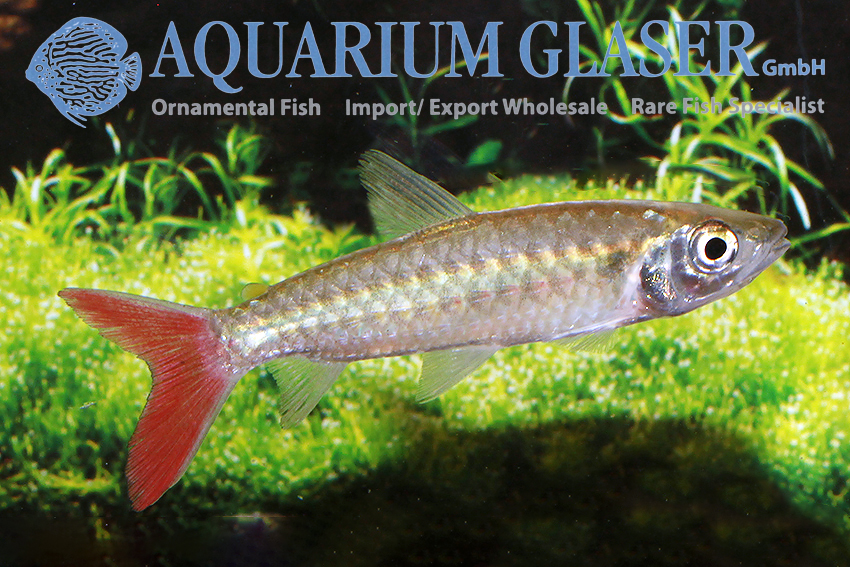
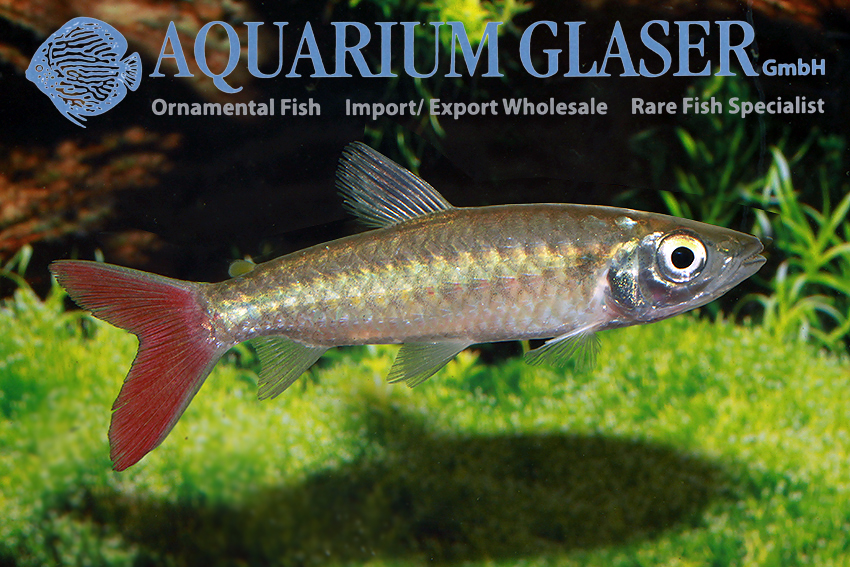
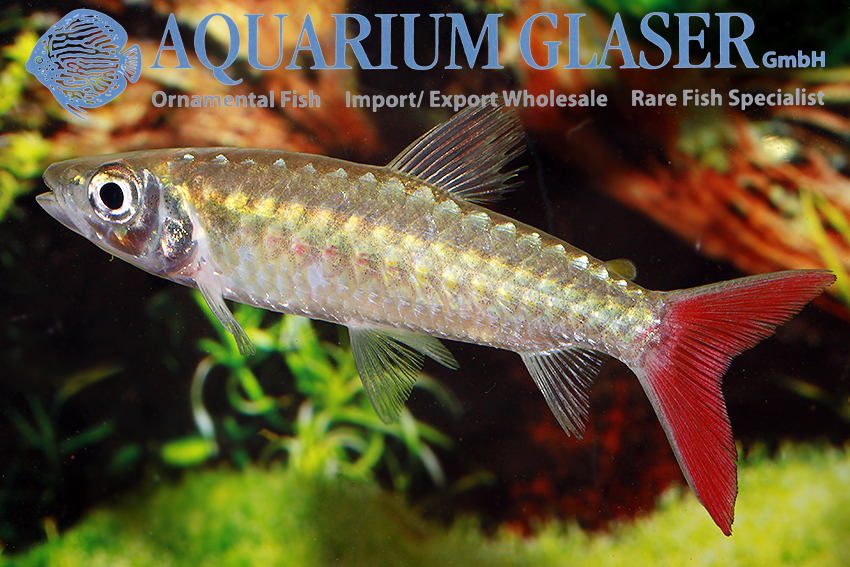
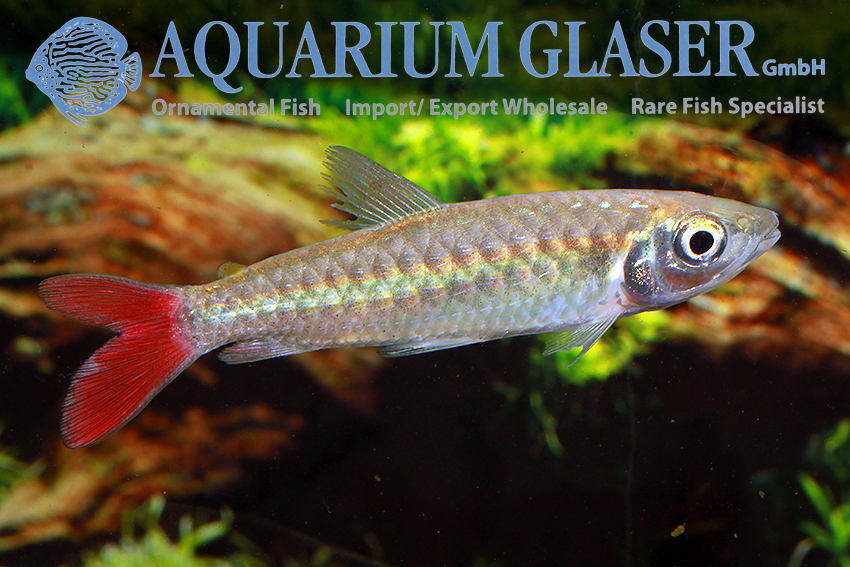
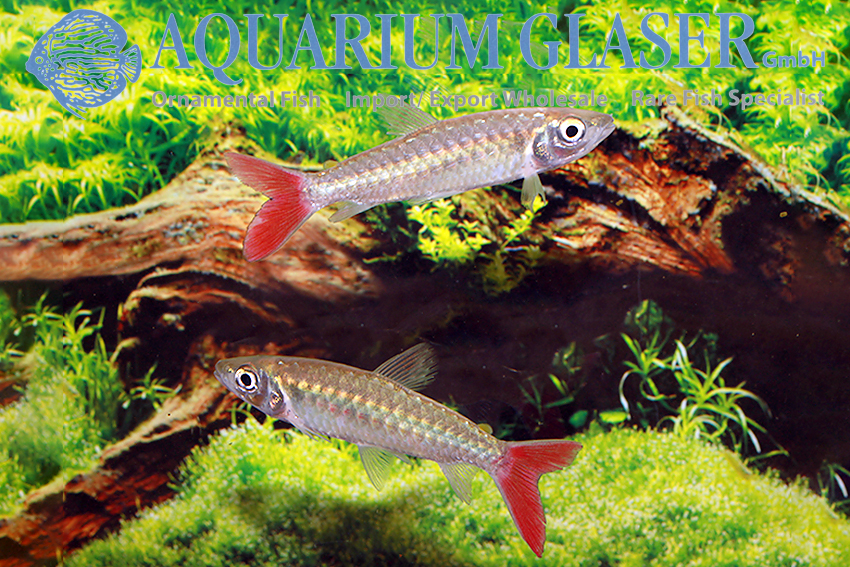
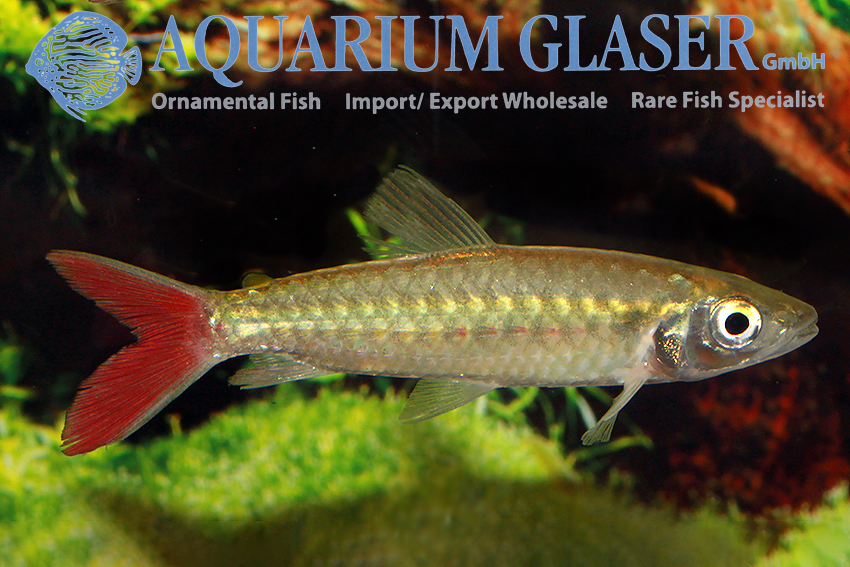
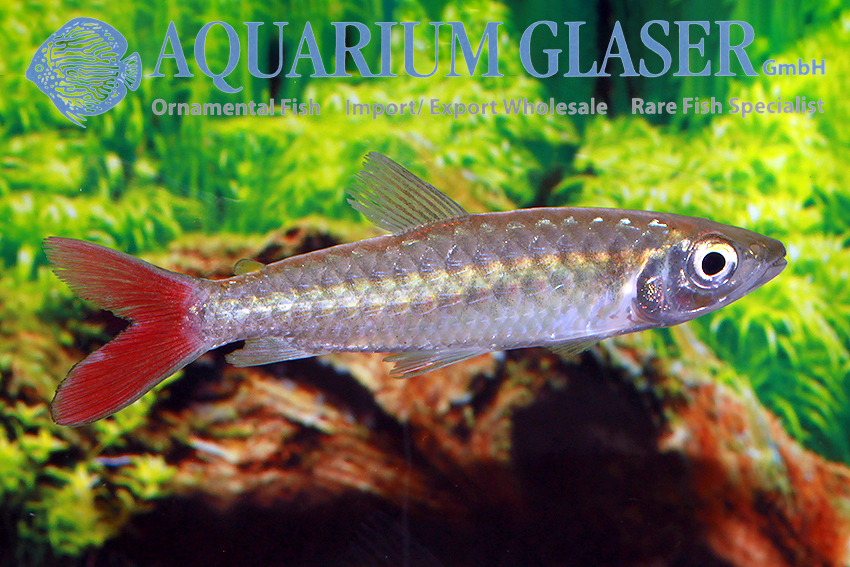
The newly described C. epakros grows to 17.5 cm in length and is found in the Amazon Basin, the Orinoco River basin, and the Essequibo Basin in Guyana. The fish have a faded, indistinct shoulder spot and an equally indistinct longitudinal band extending from the gill cover to the base of the tail; both of these characteristics are much more clearly visible in preserved specimens than in live ones. This is because the color cells (chromatophores) responsible for the shoulder spot and longitudinal band are located deep within the skin in this species.
We occasionally have C. epakros from Colombia in stock. These are very beautiful fish. Members of the genus Chalceus can be compared quite well to our native trout. Similar to trout, Chalceus prefer to feed on surface-falling prey—that is, insects, etc., that fall onto the water’s surface. And—if the information in the literature is to be believed (we don’t eat the fish we keep)—these fish have the most delicious flesh imaginable, even tastier than that of trout.
From an aquarium-keeping perspective, these magnificent creatures need large tanks where they can fully grow to their potential. The fish prefer relatively strong currents, especially in spots that are slightly shaded from above. You should always try to keep 10 or more of them; otherwise, they can become quite quarrelsome with one another.
To other fish, Chalceus are generally peaceful, and they do not bother plants either. Keep in mind that Chalceus are excellent jumpers; therefore, the aquarium must always be securely covered.
For our customers: Chalceus epakros has code 215104 on our stock list. Please note that we supply exclusively to wholesale customers.
Text & photos. Frank Schäfer
