








The genus Crenicichla was once the largest of all cichlid genera, with 139 scientifically described species, 93 of which are generally recognized as valid species. In addition, there are a large number of species that are already known to aquarists but have not yet been scientifically studied. The genus has since been subdivided (see https://www.aquariumglaser.de/en/25-perchlike-fishes/the-crenicichla-have-been-reclassified/). The “Belly Crawler” therefore belongs to the subgenus Batrachops, which currently includes nine accepted species.
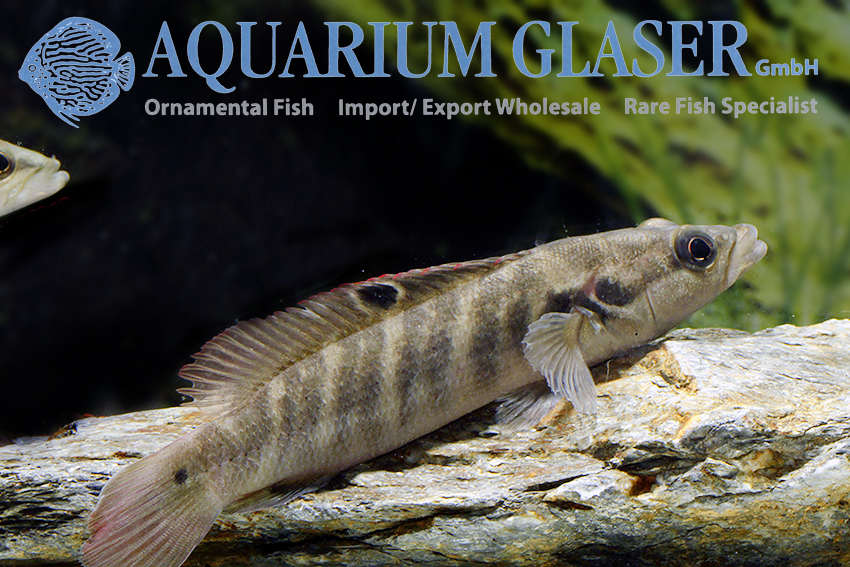
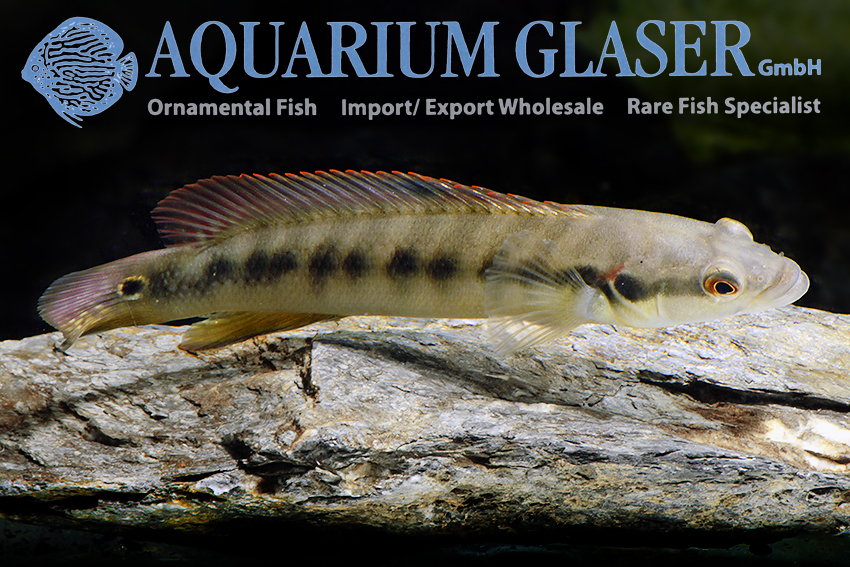
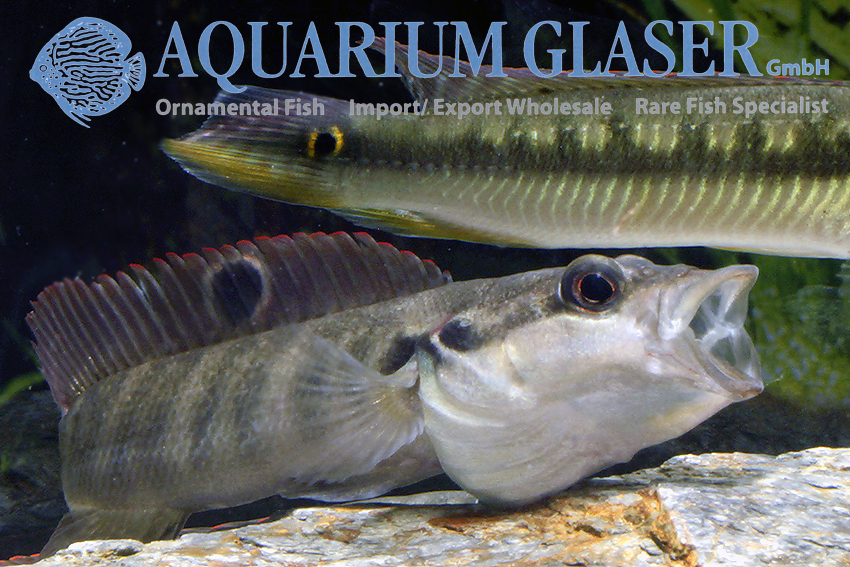
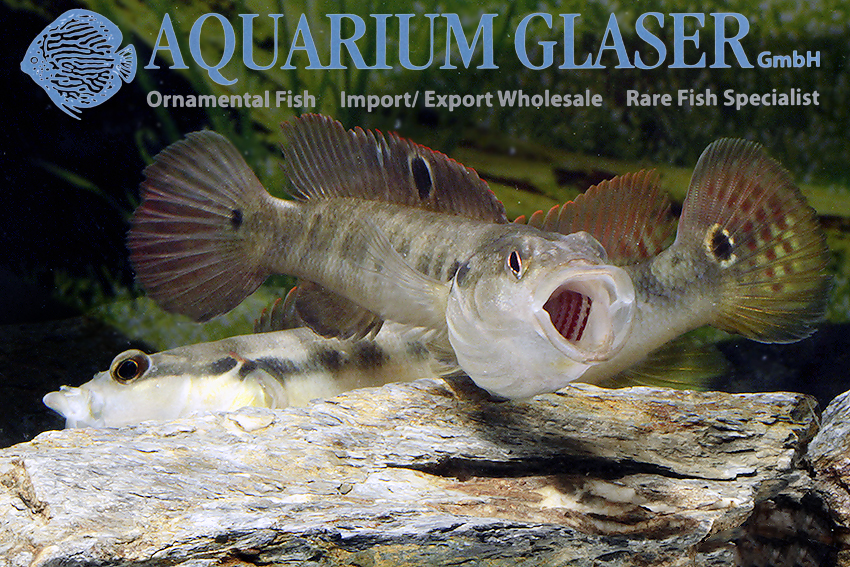
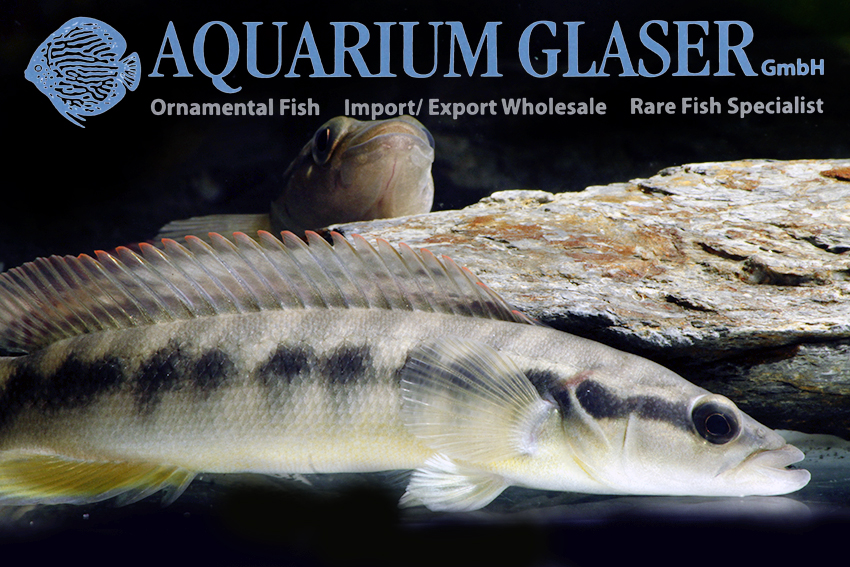
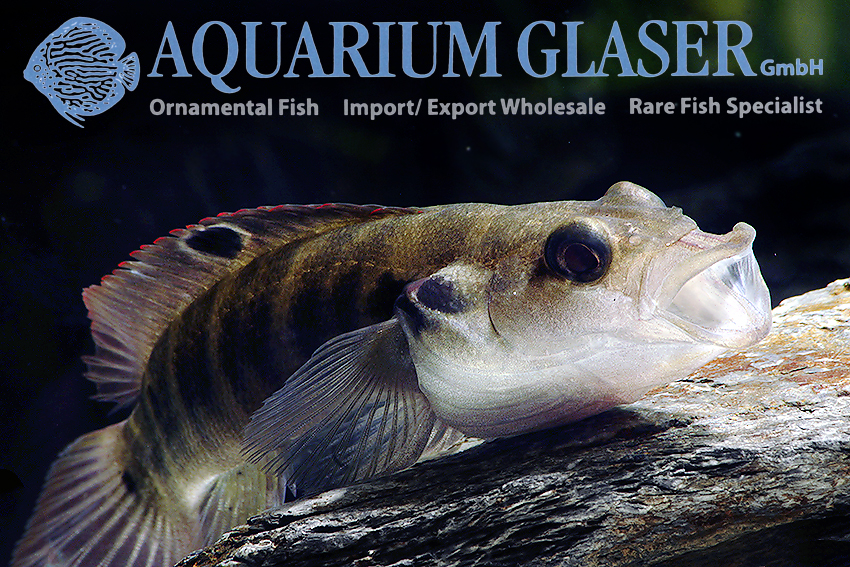
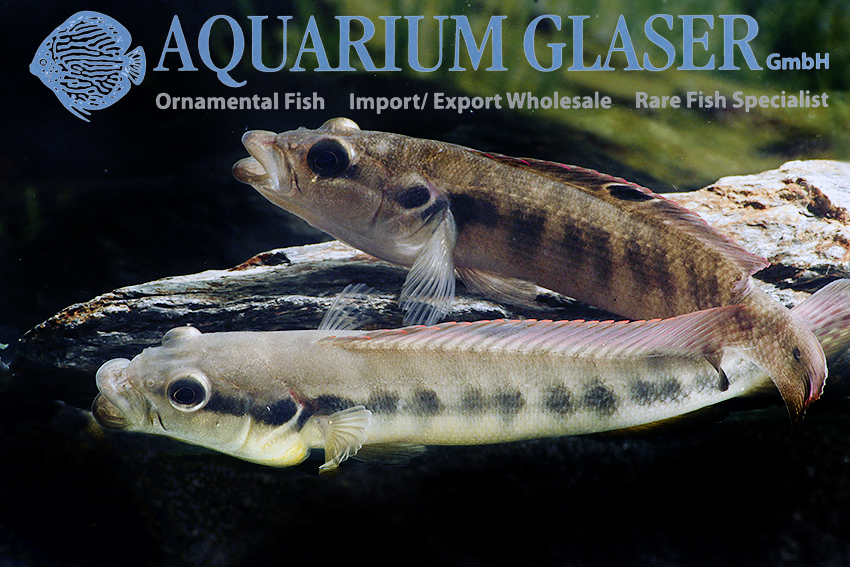
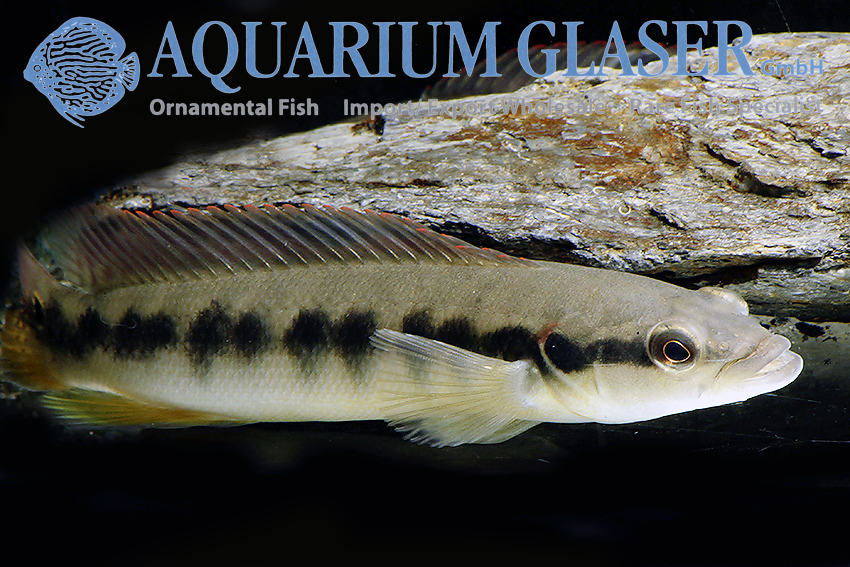
The “Belly Crawler” is a species from fast-flowing areas in the Rio Meta basin in Colombia that has not yet been scientifically recorded. As with so many fast-flowing cichlids, the Belly Crawler’s swim bladder is greatly reduced, making it impossible for the fish to float in open water. But they don’t need to.
Scientifically speaking, the Belly Crawler is closely related to Crenicichla (Batrachops) sedentaria from Peru, which swims normally but looks similar, and C. (B.) geayi from the Orinoco basin in Colombia and Venezuela. The latter lives close to the bottom but can still swim normally.
Crenicichla (B.) sp. “Belly Crawler” grows to a length of approx. 23 cm (males) and 18 cm (females). The sexes can be easily distinguished by the coloration of the dorsal fin, where the female has a round spot that the male lacks. Like almost all Crenicichla, the species can be characterized as relatively quarrelsome, but fighting is usually limited to impressive threats with wide-open mouths and lowered gills. The species is – typical for Crenicichla – a cave breeder with a parental family.
For our customers: the fish have codes 672613 (7-9 cm) and 672614 (10-12 cm) on our stock list. Please note that we only supply wholesale customers.
Text & photos: Frank Schäfer
