








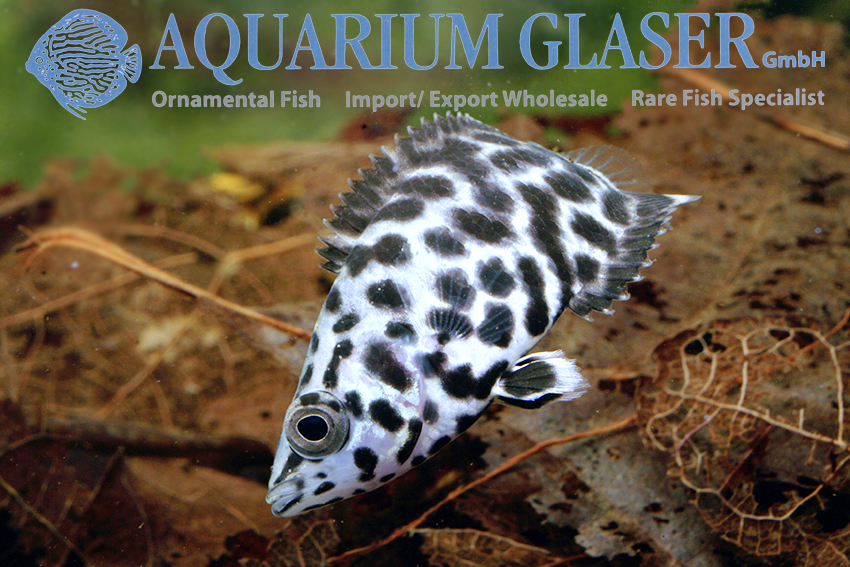
One of the most beautiful African labyrinth fish is the leopard bush fish, Ctenopoma acutirostre, which grows to a length of around 15-20 cm. It is native to the Congo and is usually collected from Stanley Pool for aquariums. There they live during the day under the floating meadows of water hyacinths (Eichhornia crassipes). Occasionally, however, imports also come from the central Congo region (Lac Mai Ndombe) or from Cameroon. The species is apparently widespread throughout the Congo basin. At dusk, they go out hunting. They drift through the water like dead fish, imitating a decaying fish carcass with their spotted pattern. This attracts small fish that want to feed on carrion and now serve as food for the leopard bush fish.
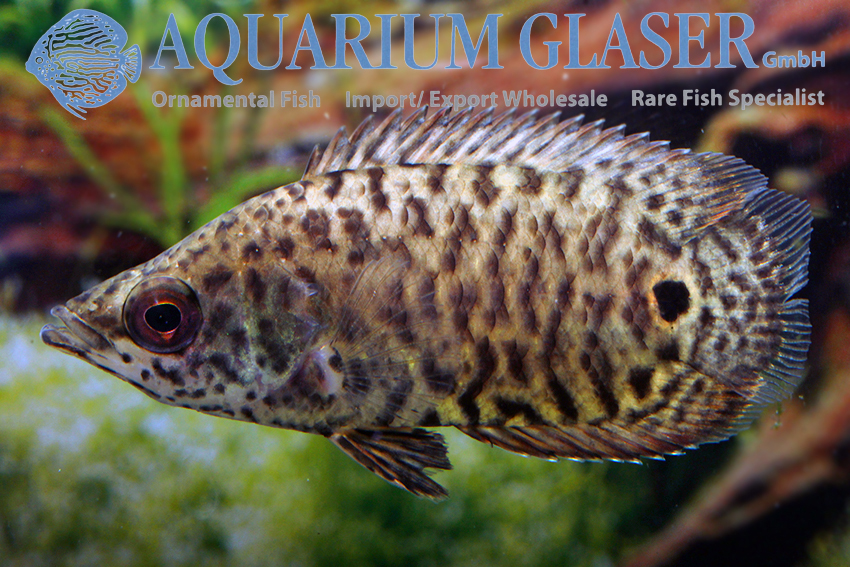
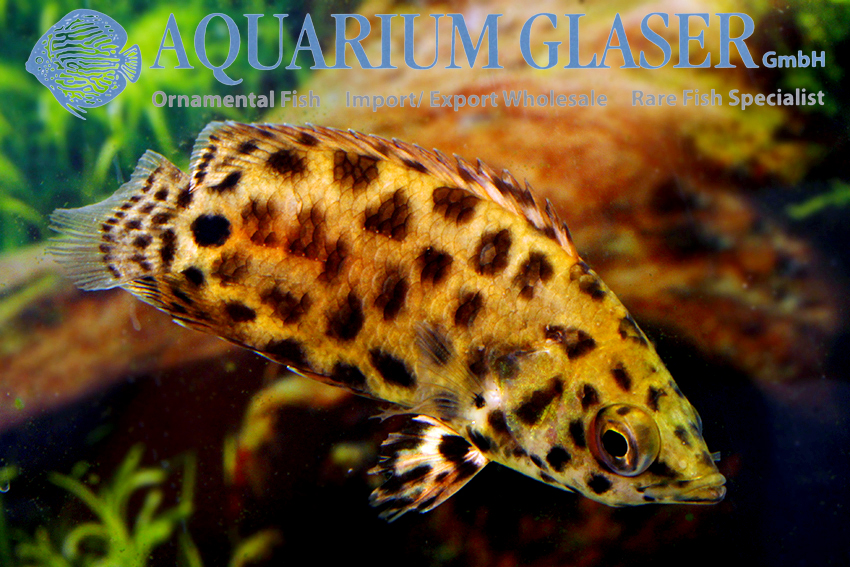
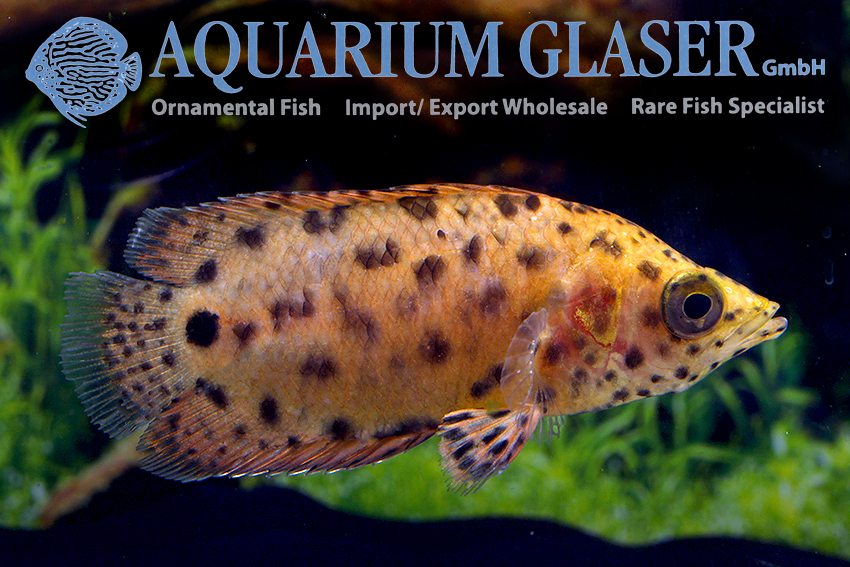
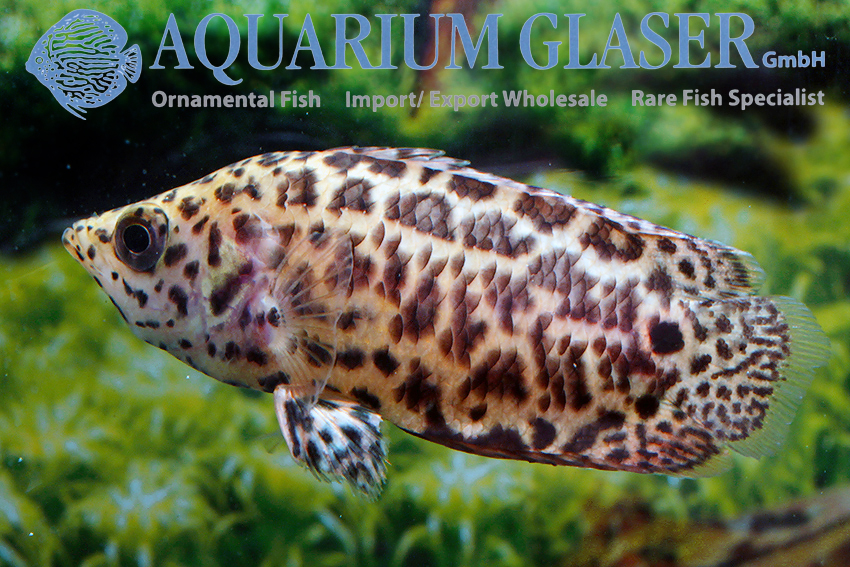
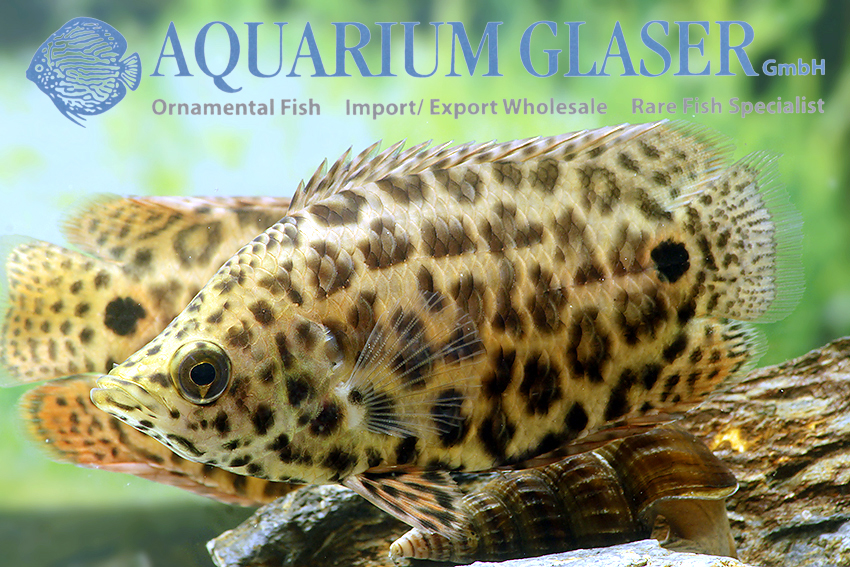
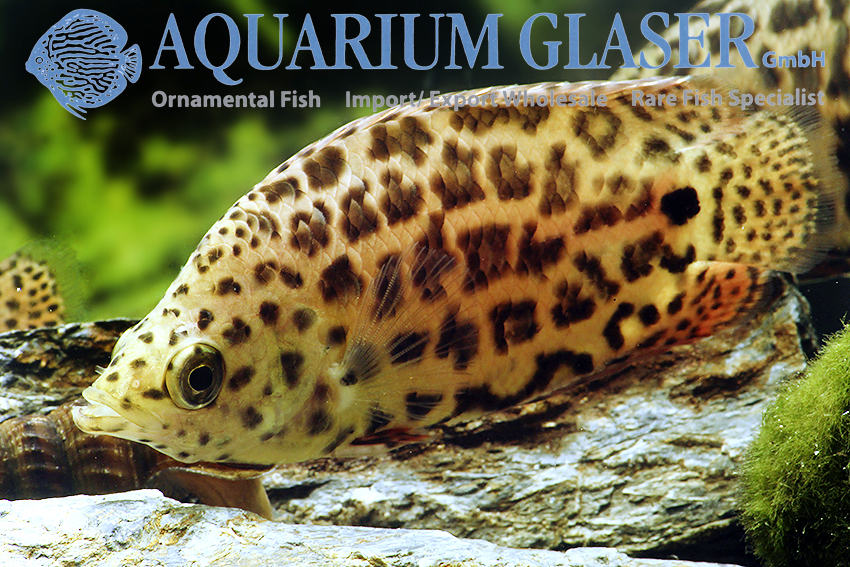
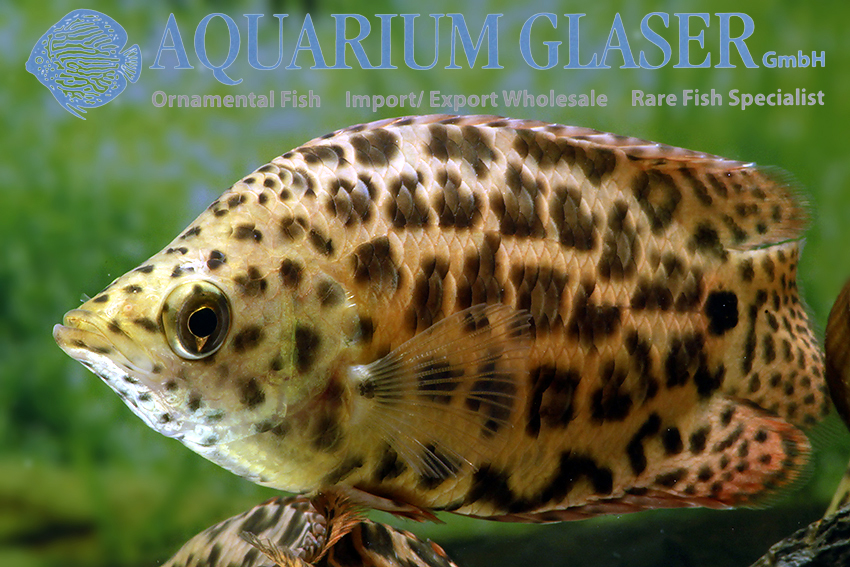
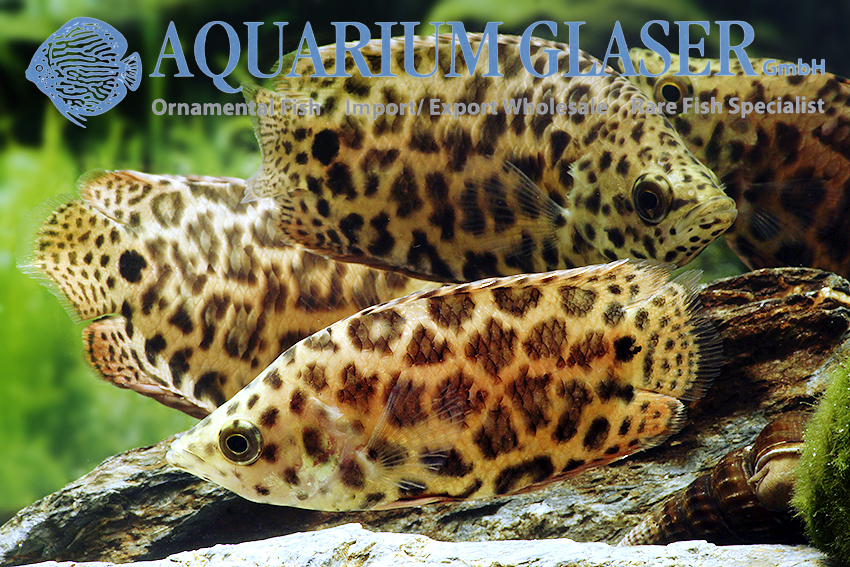
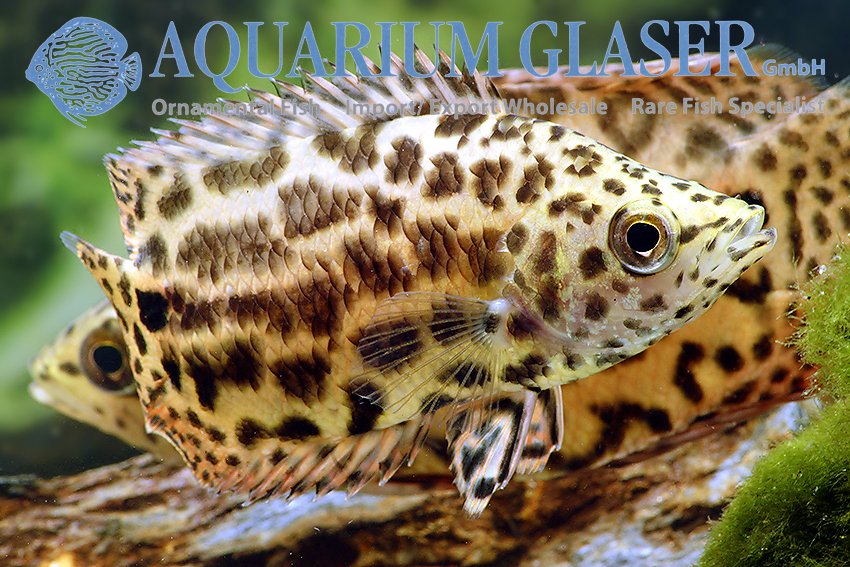
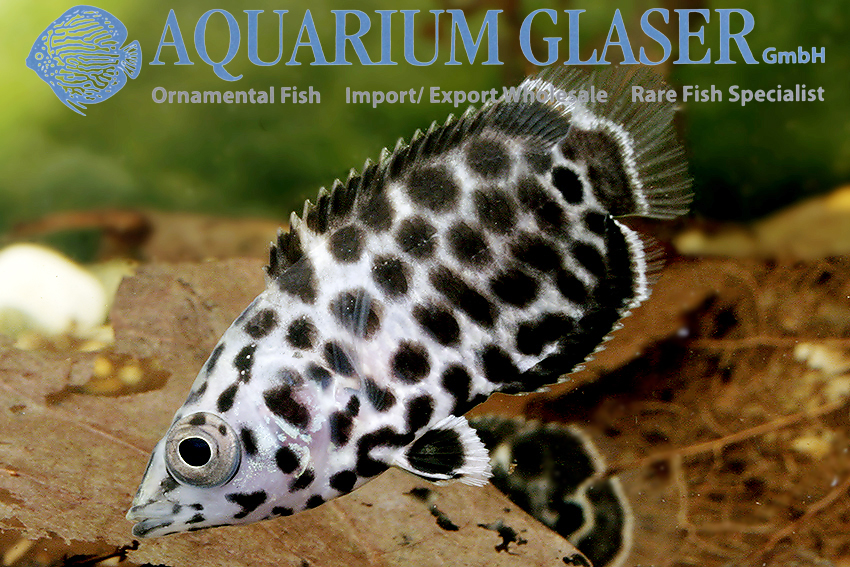
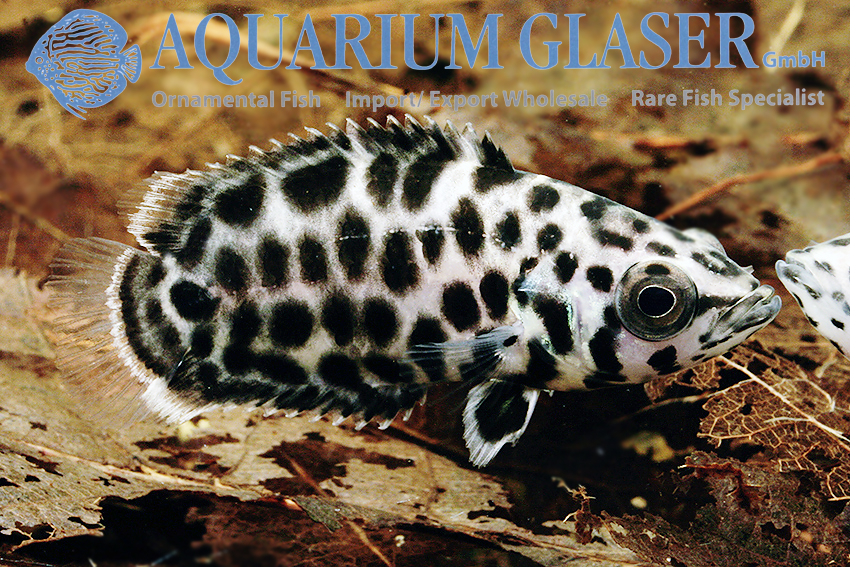
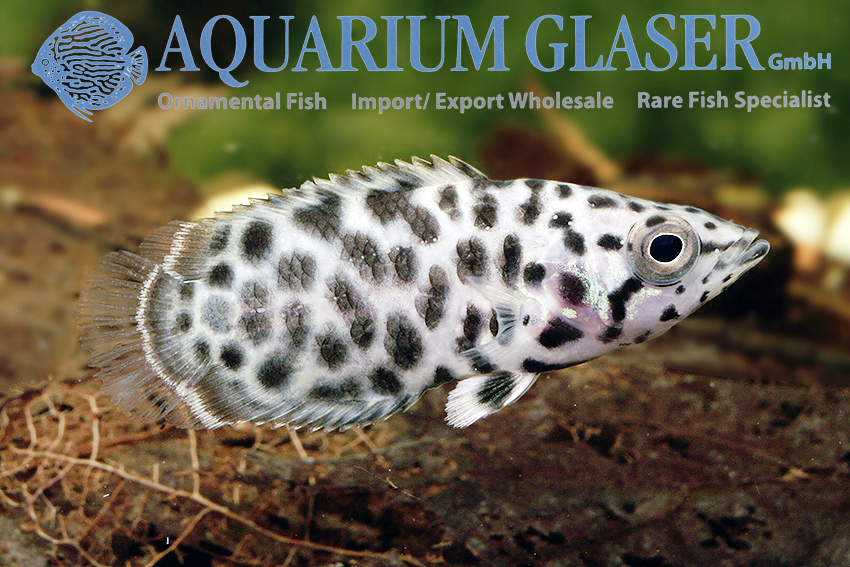
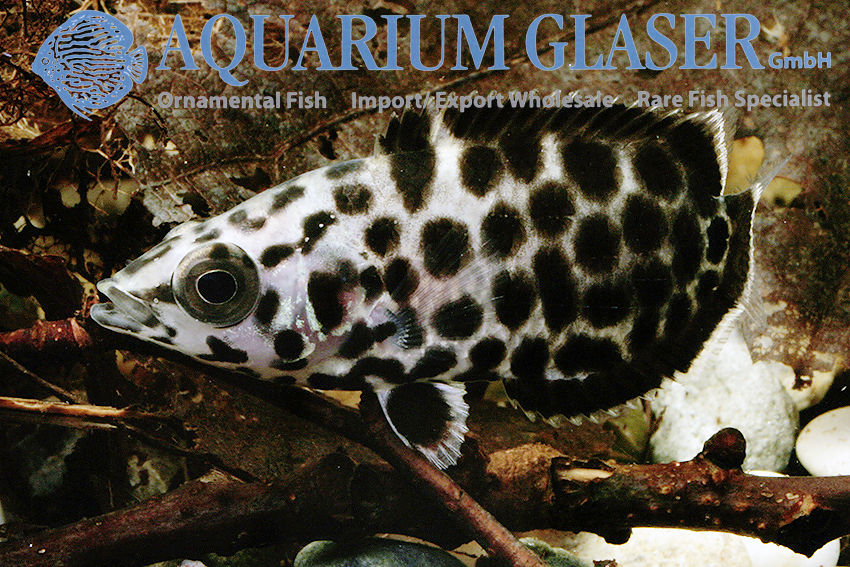
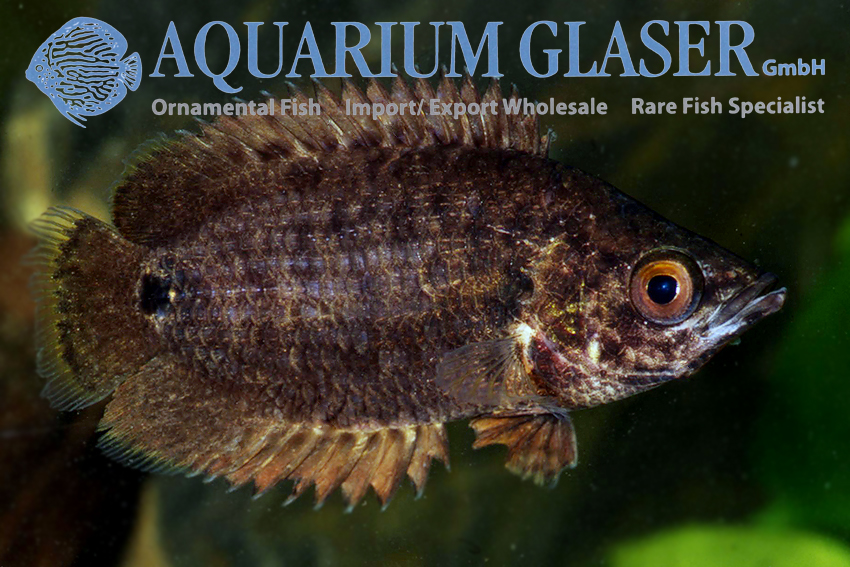
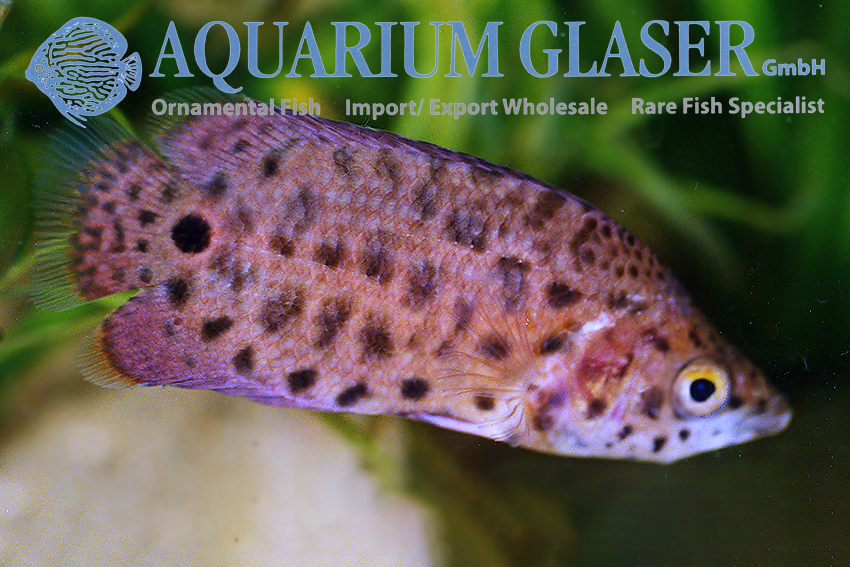
When it comes to breeding, the leopard bush fish has proven to be inaccessible in private hands. Although the animals are completely peaceful among themselves, and it is easy to distinguish between the sexes (sexually mature males have spines behind their eyes and on their flanks, which serve to hold the female during mating). Nevertheless, breeding in aquariums has so far only occurred by chance, with deliberate breeding attempts failing. It should certainly be taken into account that these fish are mainly active at night, mating also takes place at night, and the eggs have usually already been eaten as a tasty treat by the morning, but this only partially explains the failure of aquarists to breed them so far.
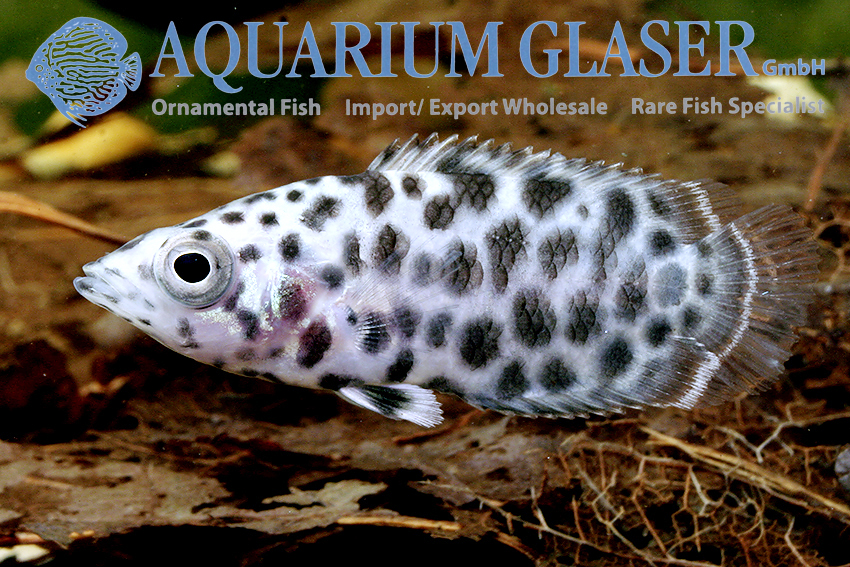
In Southeast Asia, however, the systematic breeding of these beautiful fish has been successful for years, and so we are able to offer adorable leopard babies on a regular basis. Like their parents, they have already mastered the innate hunting technique of playing dead. Fortunately, however, fish are not needed for their diet. Both young and adult leopard bush fish are easy to accustom to frozen food (mosquito larvae, etc.) and, once acclimated, also enjoy eating granules and other dry foods.
C. acutirostre are completely peaceful towards fish that are about half the length of themselves and therefore no longer suitable as food, so they can also be kept well in community aquariums. However, the community should not consist of hectic fish, as leopard bush fish like it quiet and dim.
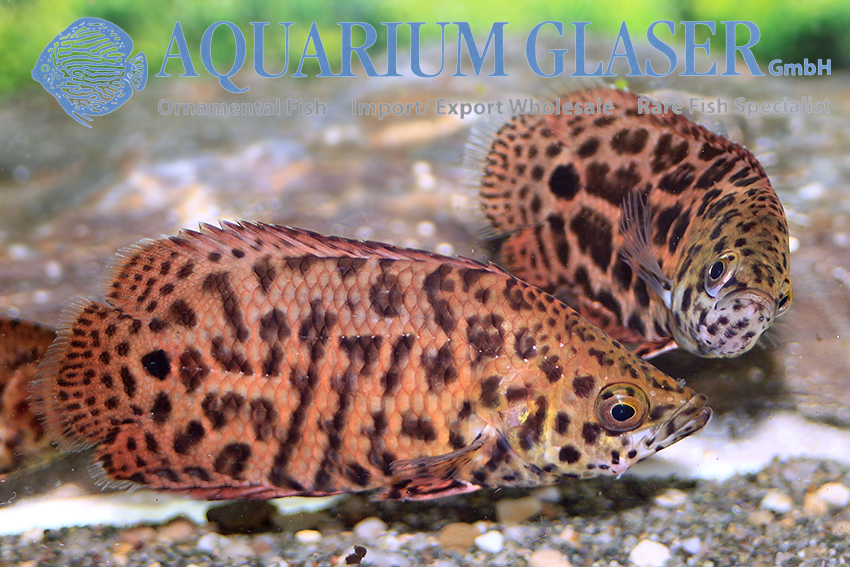
There are hardly two leopard bush fish with exactly the same pattern. However, the offspring all have the familiar leopard pattern. In wild-caught fish, on the other hand, the most unusual color variations occur, from completely monochrome brown to vertical stripes. In the past, this has led to confusion with Ctenopoma ocellatum, which also originates from the Congo. Another phenomenon that has only been observed in wild-caught fish so far is the occurrence of unusual body colors, such as orange or (very rarely) even purple. However, these colors disappear over time in the aquarium and after a few months at the latest, these fish look like almost all other C. acutirostre: beige body color with chocolate-colored spots. Leopard bush fish are long-lived; 10-15 years in the aquarium is completely normal, and anecdotally, there have been reports of animals twice that age.
There is not much to say about care. The water values are completely irrelevant; any drinking water is suitable for care. The water temperature can be between 22 and 30°C. Everything has already been said about feeding and socialization, as well as about tank setup. Just keep in mind that labyrinth fish can catch a cold when they come to the water surface to breathe. So in winter, when you ventilate, make sure that the air space above the aquarium does not cool down too much. But this applies to all labyrinth fish.
For our customers: depending on their size, the offspring have codes 115011 (3 cm) to 115015 (6-8 cm), and the wild-caught fish have codes 115001 (3-4 cm) to 115005 (14-16 cm). Please note that we only supply wholesale customers.
Text & photos: Frank Schäfer
