








The Malawi eyebiter Dimidiochromis compressiceps (formerly: Haplochromis c.) is one of the most unusual cichlid species in Lake Malawi. It is a predatory fish, with males reaching up to 25 cm in length and females up to 20 cm. In 1966, the species was mistakenly considered to be a specialized eye eater. However, this behavior has never been observed in the lake. There, these fish, which grow to a length of about 4 cm, feed mainly on smaller fish, which they swallow whole. The predator’s extremely compressed body makes it almost invisible when it stands among Vallisneria plants with its head tilted slightly downward. Unlike most other predatory fish, Dimidiochromis compressiceps can target its prey with both eyes at the same time due to its narrow head profile.
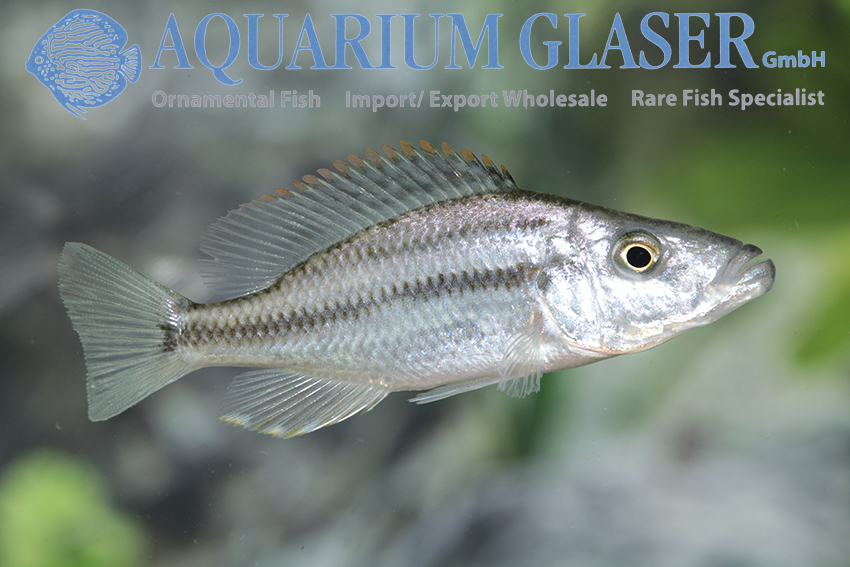
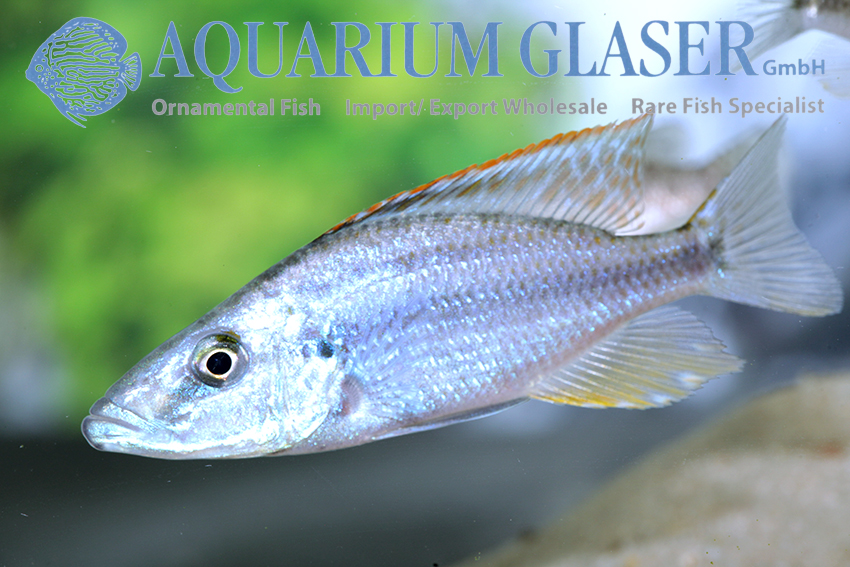
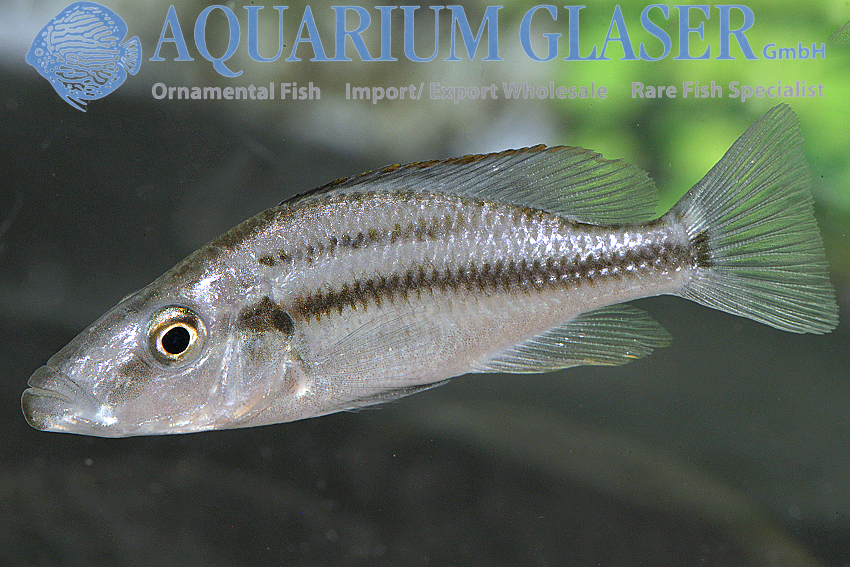
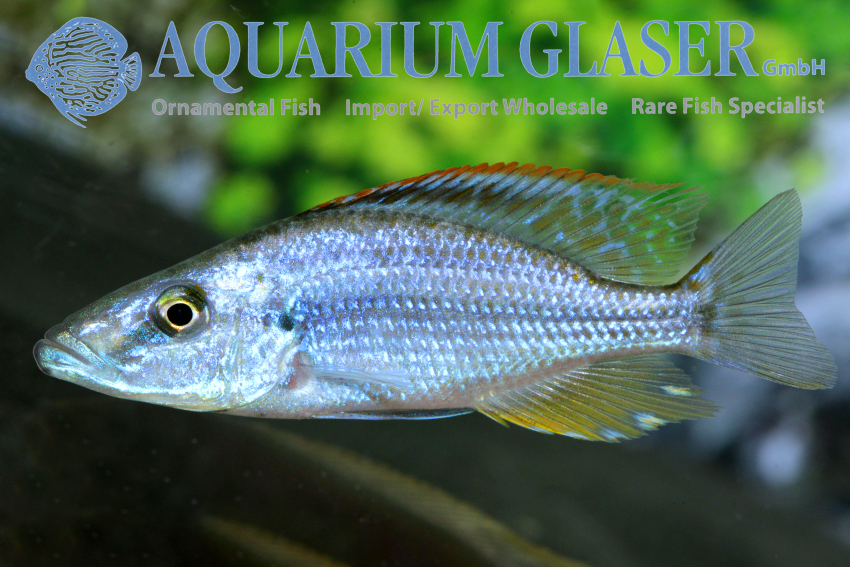
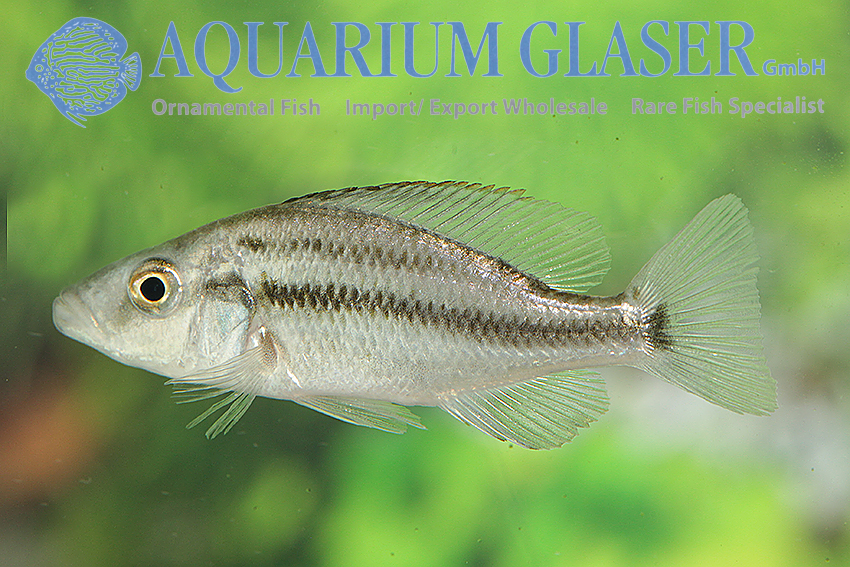
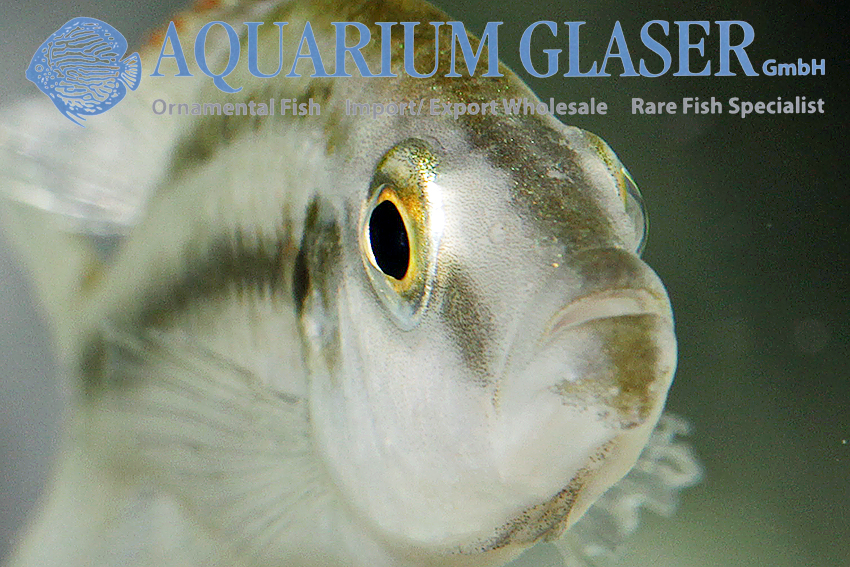
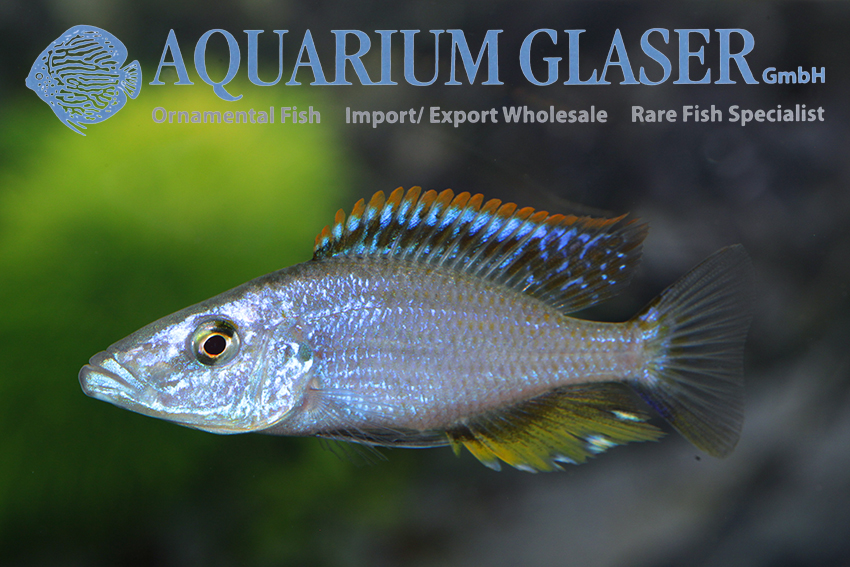
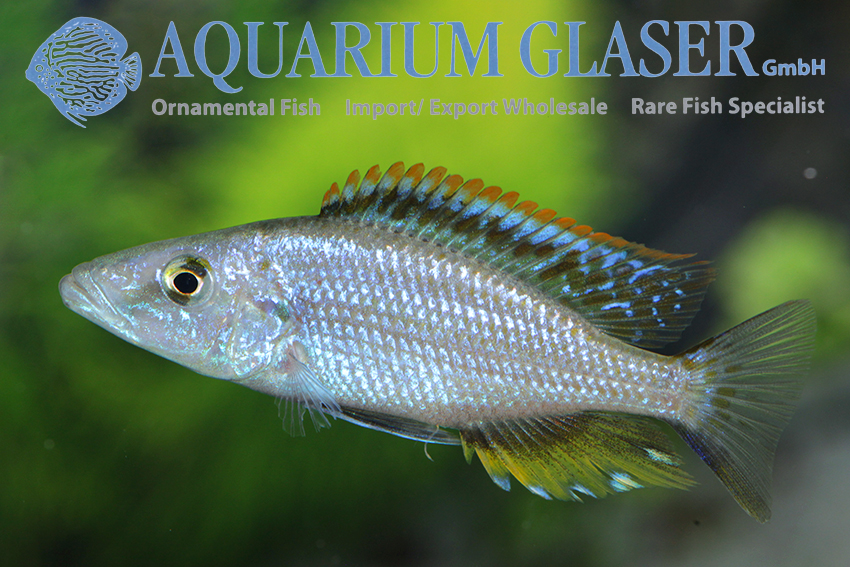
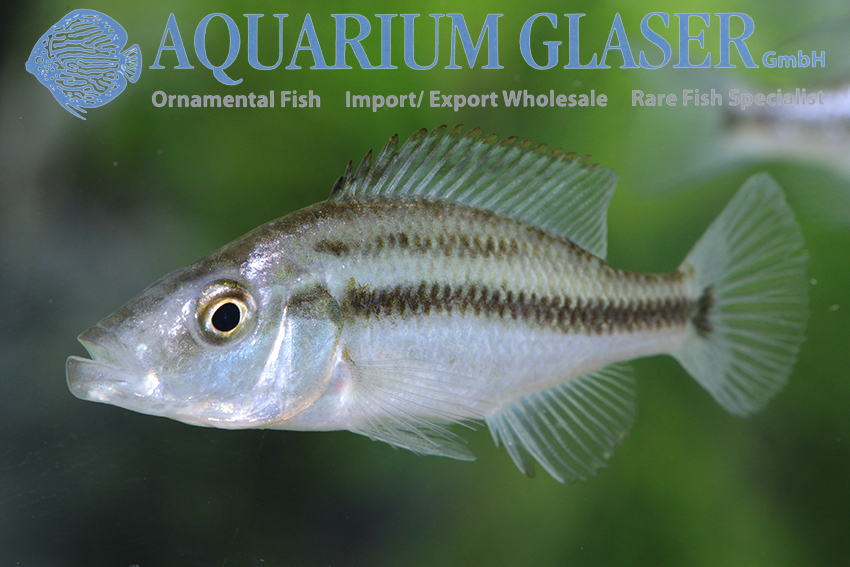
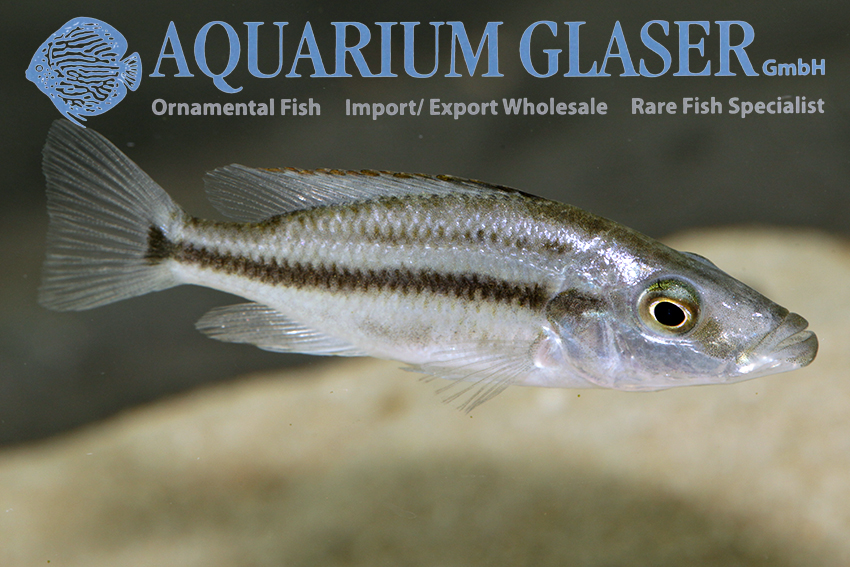
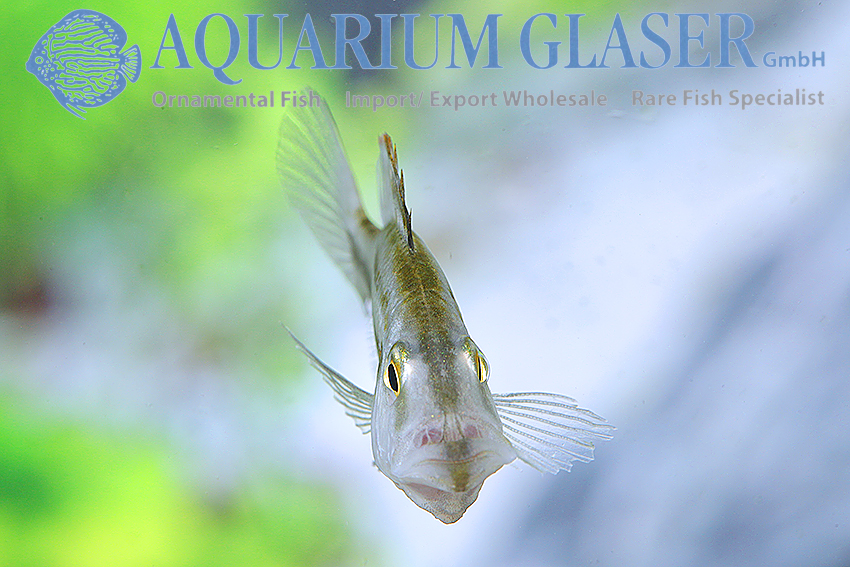
Dimidiochromis compressiceps is found almost throughout the entire lake and also occurs in the outflow of Lake Malawi, the Shire River, and its lake-like extension, Lake Malombe. The animals look the same everywhere, except for those found near Chizumulu Island in Lake Malawi, which have a yellowish base color instead of the usual silver.
Predatory fish are usually not very territorial and relatively peaceful towards conspecifics and other fish that are not considered food. D. compressiceps is no exception. Usually, only one male in a group of these cichlids will turn blue and establish a breeding territory. Such a breeding territory consists of a sand pit, which is preferably created in the preferred habitat, i.e., Vallisneria stands. Vallisneria are—just as a reminder—underwater plants with long and narrow, ribbon-shaped leaves that form large underwater meadows in suitable habitats all over the world. Females from the surrounding area that are ready to spawn come to this nest. After spawning, as is usual with Haplochromis relatives, the males leave the females alone to care for the mouthbrood. Non-breeding males look like females in color and are treated as such by breeding males. The species reaches sexual maturity at a length of around 8 cm (males) and 6 cm (females). Once sexual maturity has been reached, the sexes can be distinguished quite reliably by the shape of the anal fin, which is significantly larger in males and also has egg spots. Males grow faster than females, so in a group of animals of the same age, the larger ones are usually the males.
Care and breeding are easy in an aquarium. However, the aquarium should not be too small, given the possible final size. Do not choose hectic cichlids (Mbunas) as companions, but rather other calm Haplochromis relatives, such as Nimbochromis, Cyrtocara, and the like. The pH value should not fall below 7.5 on a permanent basis, which is easier to achieve in harder water. The water temperature can be between 24 and 28°C. They will eat any standard ornamental fish food, including flake food, but nutritious bites (e.g., cichlid sticks, rich frozen food, etc.) should form the main part of their diet. For the setup, plant a Vallisneria meadow, and the substrate should be at least partially sand. Stones or roots should only be used very sparingly.
For our customers: depending on their size, the animals have codes 520230 (3 cm) to 320235 (11-12 cm) on our stock list. Please note that we only supply wholesale customers.
Text & photos: Frank Schäfer
