








The genus Gymnogeophagus is found in southern South America (Argentina, southeastern Brazil, Paraguay, and Uruguay). There, the 20 currently scientifically recognized species inhabit the river systems of the Rio Uruguay, Rio Paraná, and Rio Paraguay, as well as several more or less isolated coastal rivers. In the aquarium hobby, only one species is truly established: Gymnogeophagus balzanii, the balloon-headed cichlid from Paraguay (https://www.aquariumglaser.de/en/25-perchlike-fishes/gymnogeophagus-balzanii-2/). All species are beautiful but demanding: anyone who is unable or unwilling to provide the fish with a seasonal cycle—which must absolutely include a cool phase (14–16°C) lasting several weeks—will fail in the long run.
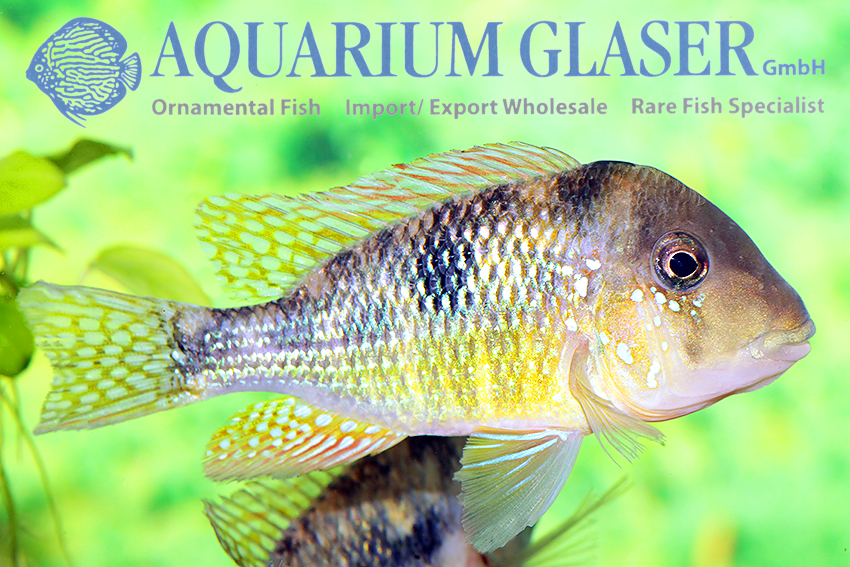
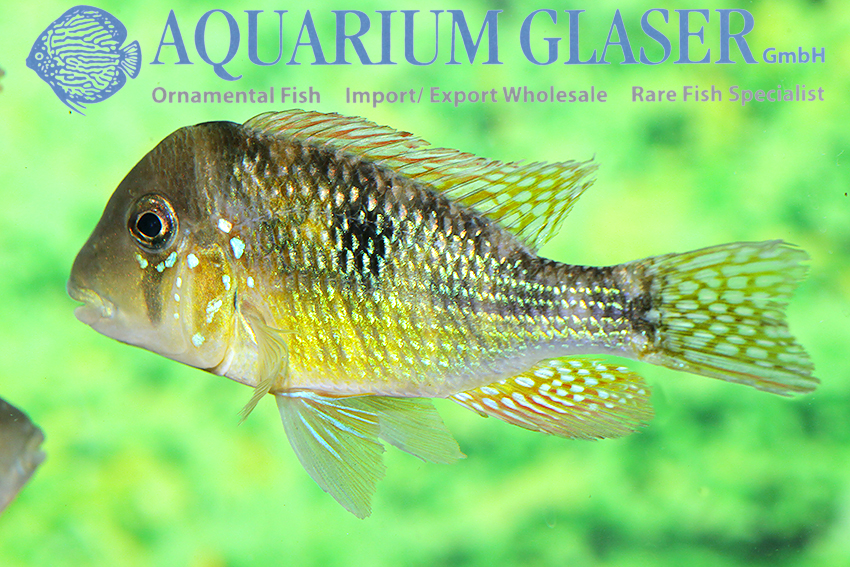
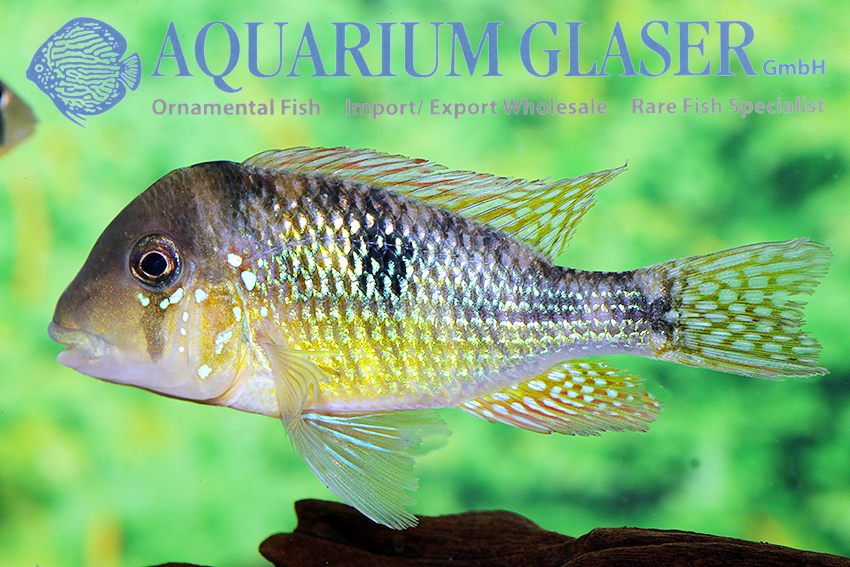
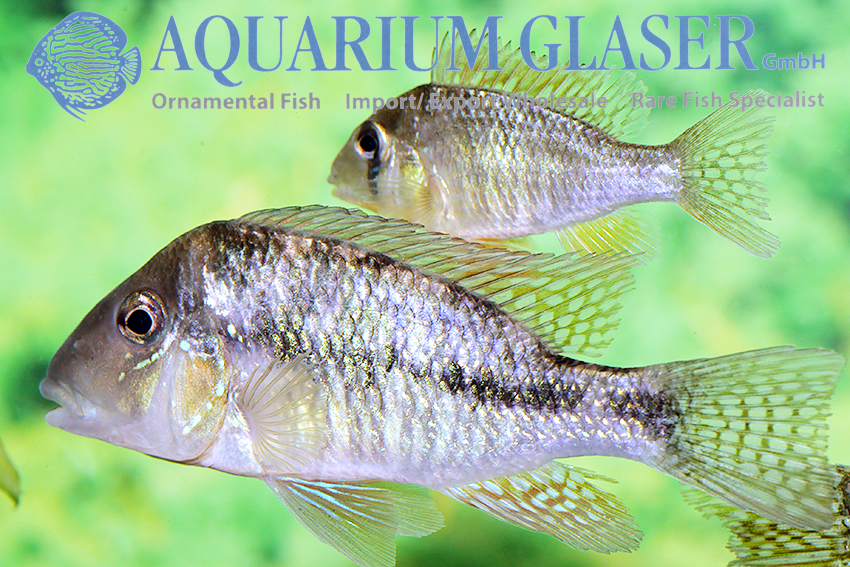
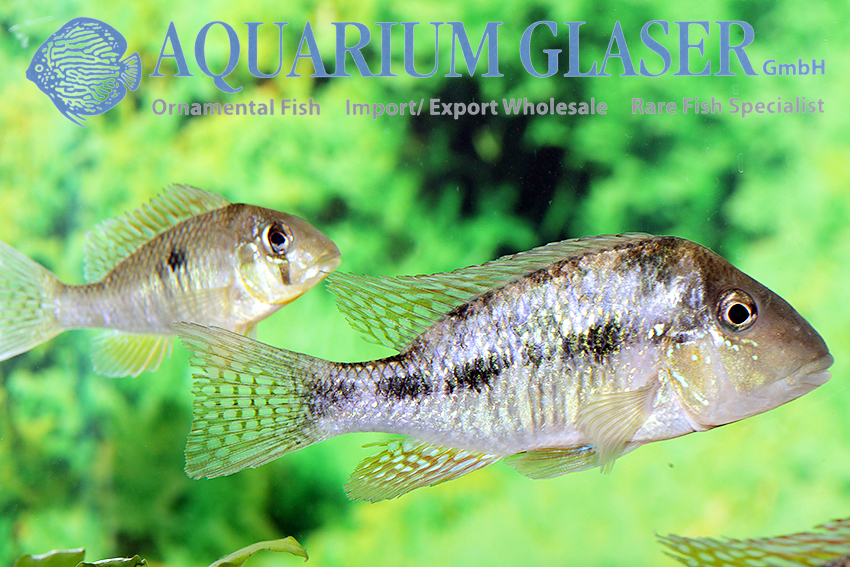
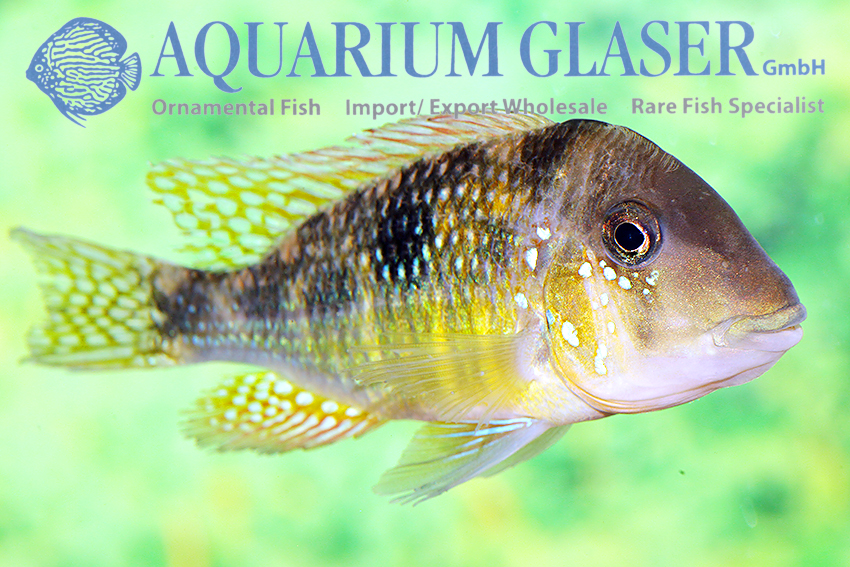
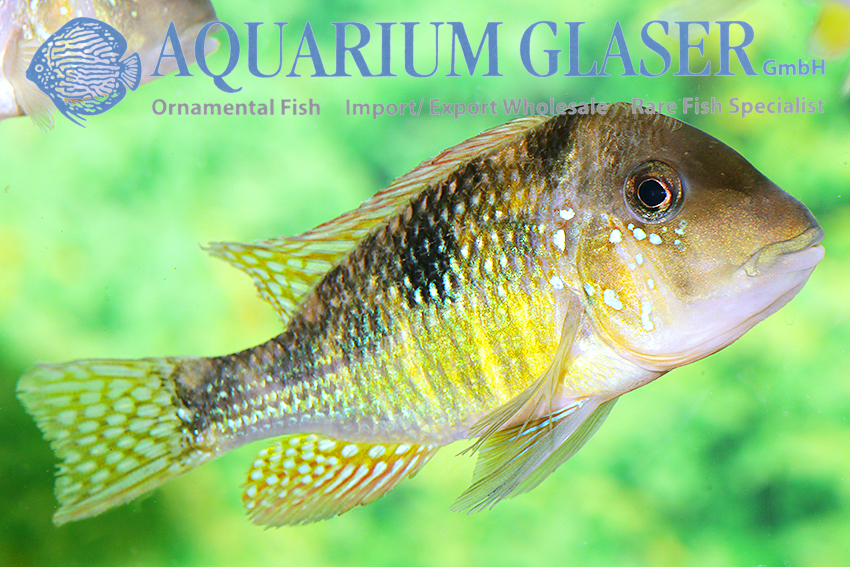
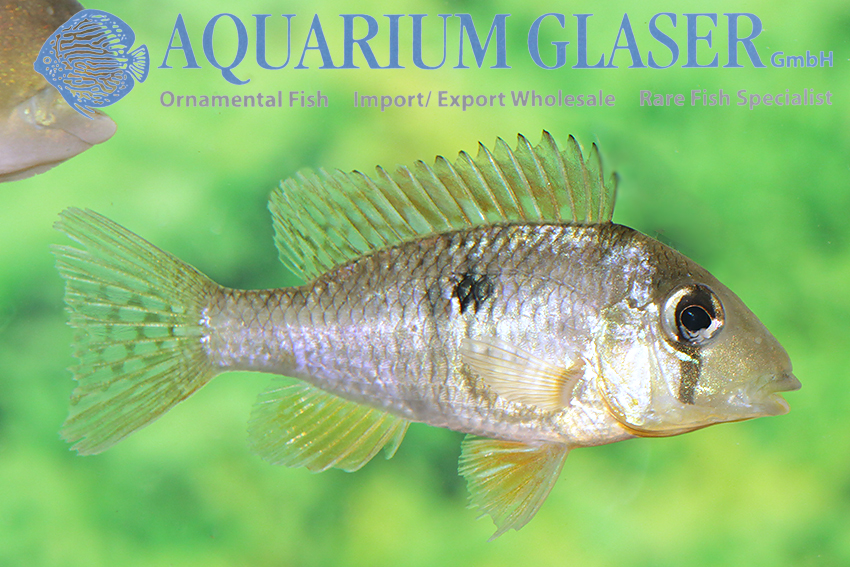
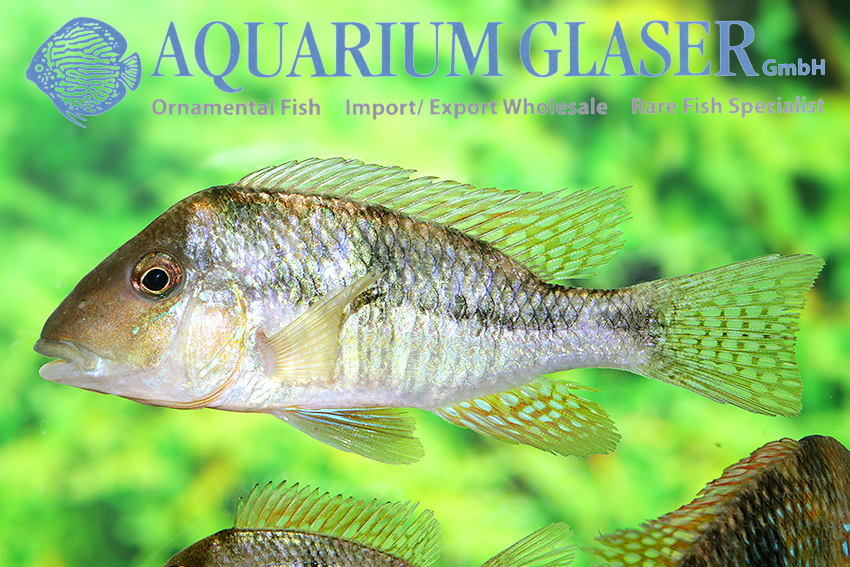
Within the genus, there is a closer group of relatives centered around G. gymnogenys, some of which look very similar, which is why many of the species have only recently been described. Among them is G. lipokarenos from the upper Rio Uruguay basin in Brazil and the province of Misiones in Argentina (lower Rio Uruguay), in which fully grown males (from about 10 cm standard length, i.e., excluding the caudal fin) can develop a massive frontal hump, similar to that seen, for example, in midas cichlids (Amphilophus citrinellum) or humphead cichlids (Steatocranus).
We were recently able to import a species of Gymnogeophagus for the first time; the exporter offered them to us under the name G. lipokarenos. However, even fully grown specimens of this species (10–12 cm) exhibit only a faint frontal hump. This, combined with the inherent uncertainty in identifying species from a complex phylogenetic group—which is always present with initial imports—has led us to initially offer the species as Gymnogeophagus cf. lipokarenos (cf. stands for “compare with”). The color characteristics, however, correspond well with those of G. lipokarenos.
G. lipokarenos is a larvophilous mouthbrooder, meaning the fish lay their eggs as open-brooding species on stones, etc., and only the hatching-ready larvae are taken into the mouth for further incubation. The female is responsible for brood care.
In our experience, fish of all ages have proven to be quite peaceful toward one another. They readily accept any commercially available ornamental fish food of suitable size; water parameters appear to play a minor role; we maintain soft water in the tank with a pH of around 7.
For our customers: these fish are listed under codes 678031 (6–8 cm), 678032 (8–10 cm), and 678033 (10–12 cm) on our stock list. Please note that we supply exclusively to wholesale customers.
References
Casciotta, J. R., A. E. Almirón, Š. Říčanová, K. Dragová, L. Piálek, F. Alonso & O. Říčan (2017): First record of Gymnogeophagus lipokarenos Malabarba, Malabarba & Reis, 2015 (Teleostei: Cichliformes) from Argentina. Ichthyological Contributions of PecesCriollos No. 54: 1-5.
Malabarba, L. R., M. C. Malabarba & R. E. Reis (2015): Descriptions of five new species of the neotropical cichlid genus Gymnogeophagus Miranda Ribeiro, 1918 (Teleostei: Cichliformes) from the rio Uruguay drainage. Neotropical Ichthyology v. 13 (no. 4): 637-662.
Text & photos: Frank Schäfer
