








In old aquarium books, you can still read that the males of the Least Killifish (Heterandria formosa) could claim the title of “smallest fish in the world.” They grow to a maximum length of only about 2 cm, which is significantly smaller than the females, which grow to a length of up to 3.5 cm. But nowadays, 2 cm is no longer really competitive when it comes to records for small fish. With such lengths, you can hardly make it into the top 100!
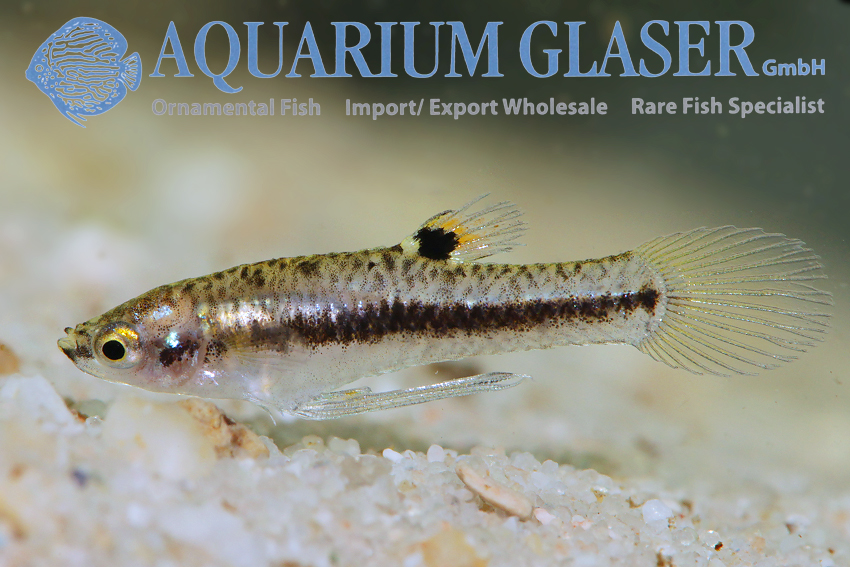
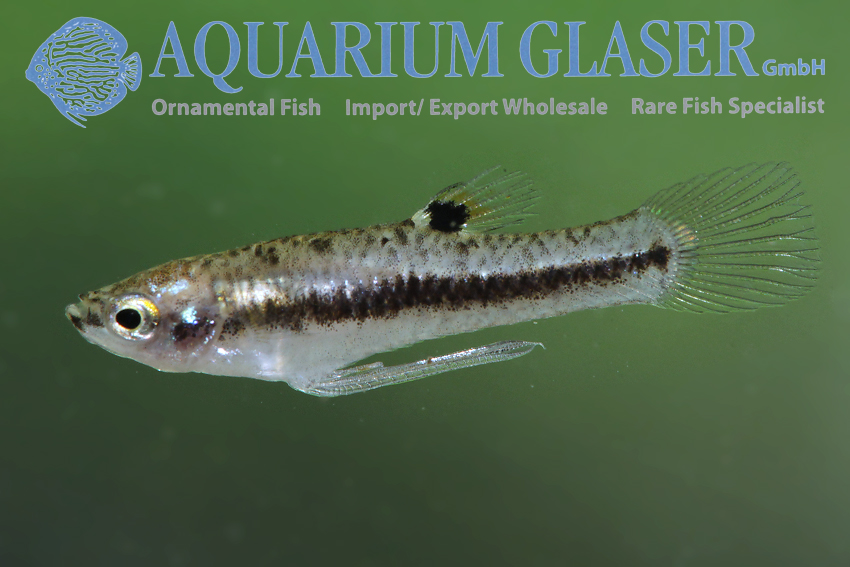
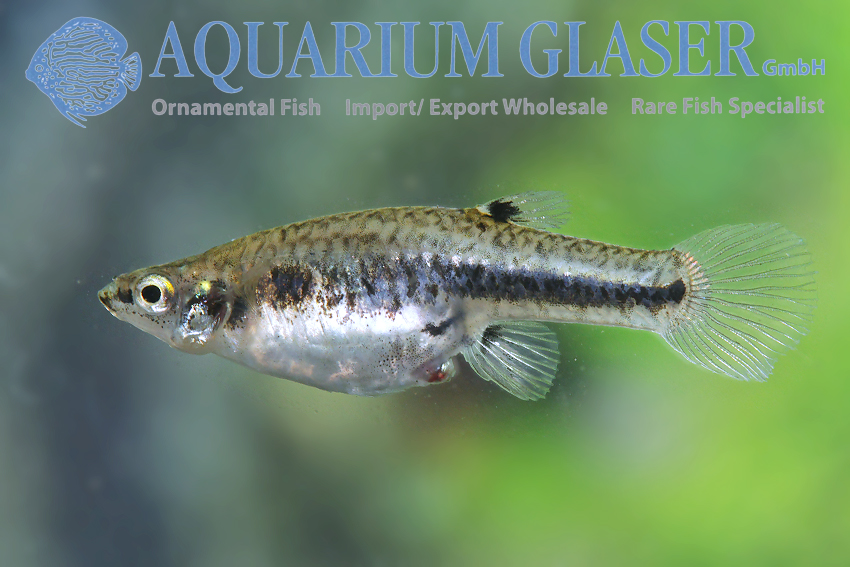
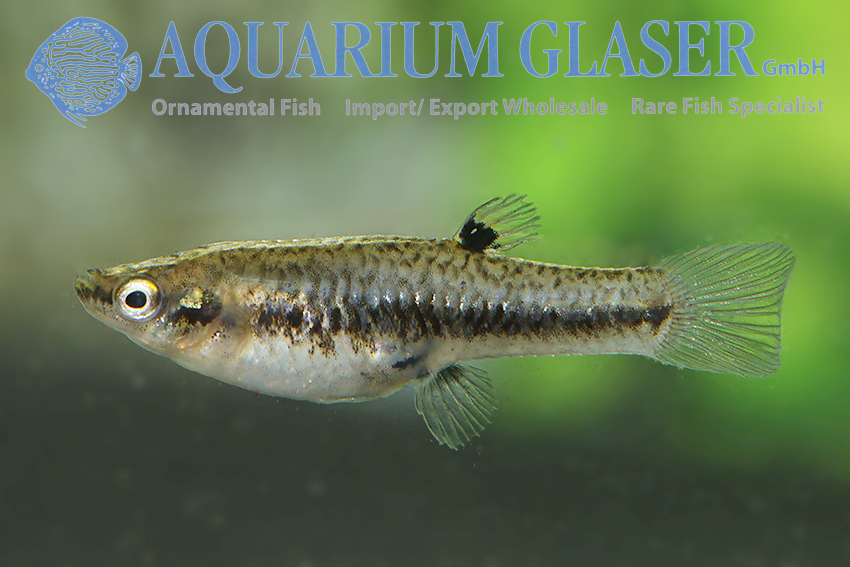
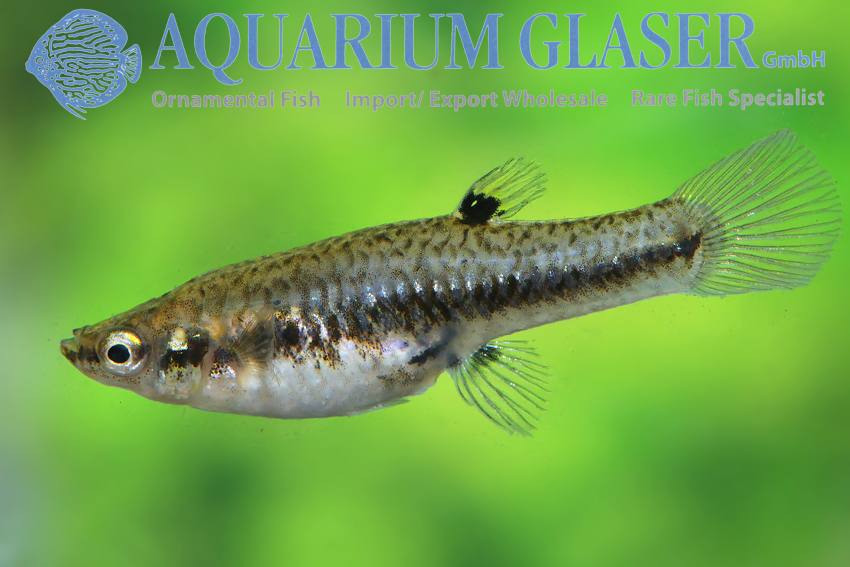
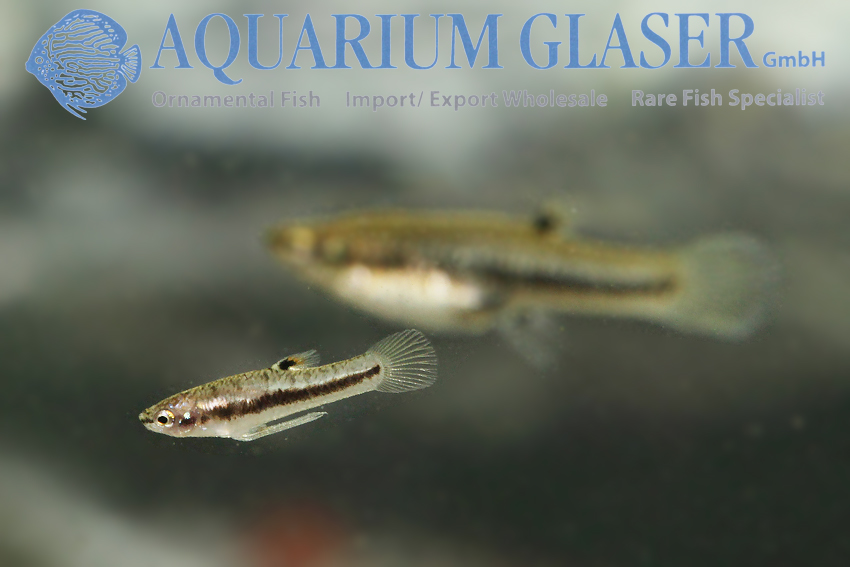
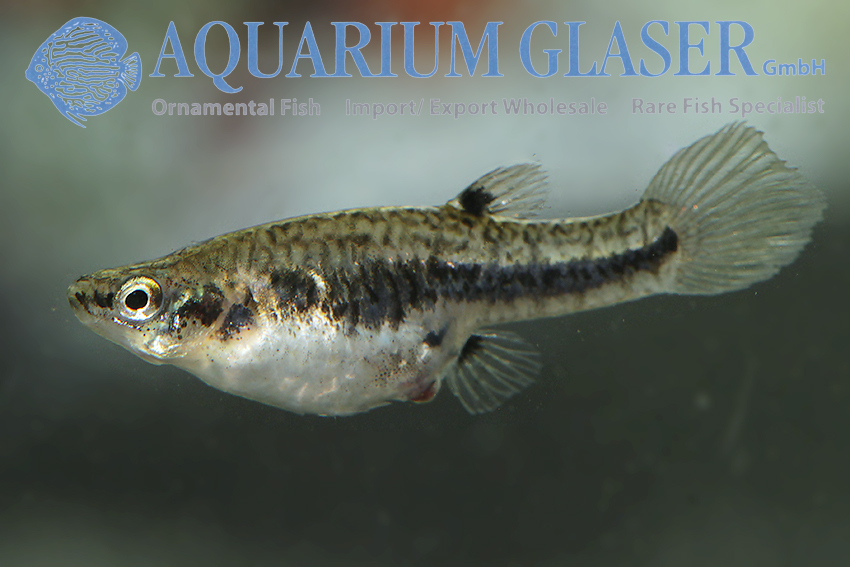
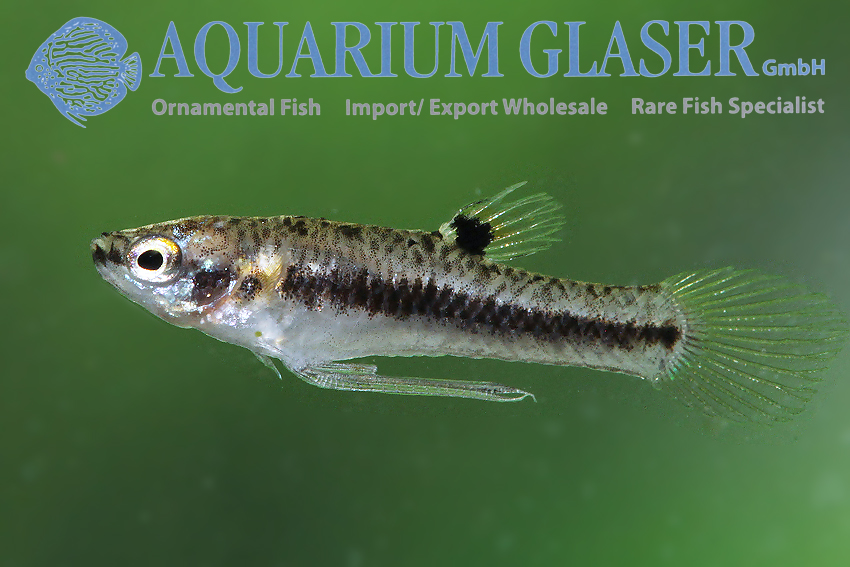
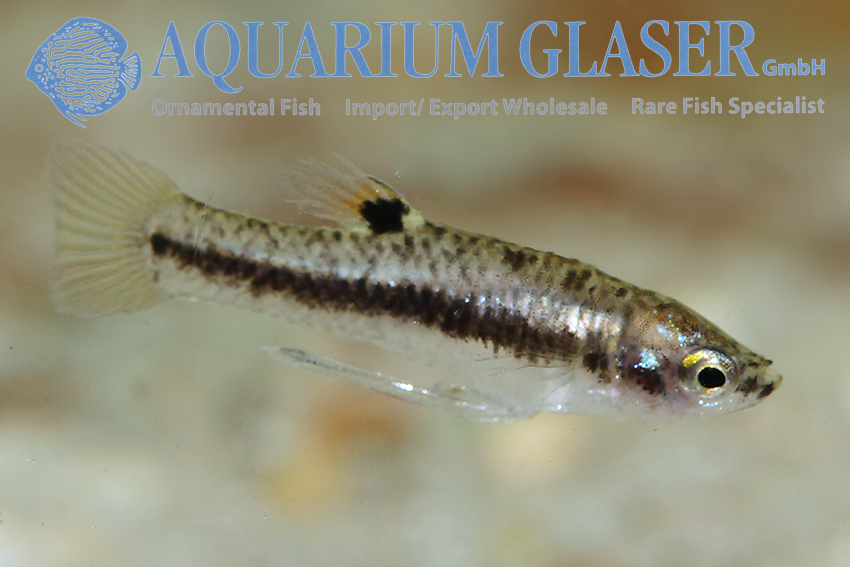
There has been much speculation about what kind of fish is the smallest in the world. It is also not easy to come up with an objective method to find out. Fish grow throughout their lives. This makes it fundamentally difficult to provide reliable size data for fish. As with most livebearers, Least Killifish have both small and large males. This is genetically determined in these animals. In aquarium literature, the total length, i.e., including fins, is usually given. In extreme cases, this can be very misleading, as many fish species have elongated fin rays, such as the swordtail. A male with a sword as long as its body is not uncommon, but specifying the total length, i.e., from the tip of the snout to the end of the sword, as a measure of size makes little sense.
Be that as it may, we have just received a nice number of Least Killifish, including real dwarf males and also really large females. Most specimens are somewhere in between in terms of size.
The females of the Least Killifish only give birth to 1-2 young per day during a breeding period, but this continues over several days. They should therefore not be placed in spawning boxes, but in densely planted, small extra aquariums, from which the young are collected daily and transferred to a rearing aquarium.
The natural distribution of Least Killifish is in the eastern part of the United States. The climate there is not tropical, but subtropical. This should be taken into account when caring for them and the fish should not be kept too warm all year round. Ideally, they should be kept in tubs in the garden or on the balcony during the summer months.
For our customers: the animals have code 421482 on our stock list. Please note that we only supply wholesale customers.
Text & photos: Frank Schäfer
