








Hillstream loaches belong to the loach family. The most beautiful representatives are found in the genus Homaloptera. Until a few years ago, this genus was very broadly defined; 72 species were described as Homaloptera spp. Today, however, the definition of the genus is much narrower and only six species are assigned to the genus Homaloptera: H. bilineata (Nepal, Burma, Thailand), H. confuzona (Mekong basin), H. ocellata (Java), H. ogilviei (Malaysia, Sumatra, Borneo), H. orthogoniata (Borneo), and H. parclitella (Malaysia, southern Thailand). They all look quite similar. In German, they are sometimes referred to as “Sattelfleckschmerlen” (saddle-spotted loaches), while in English they are called “lizard loaches”.
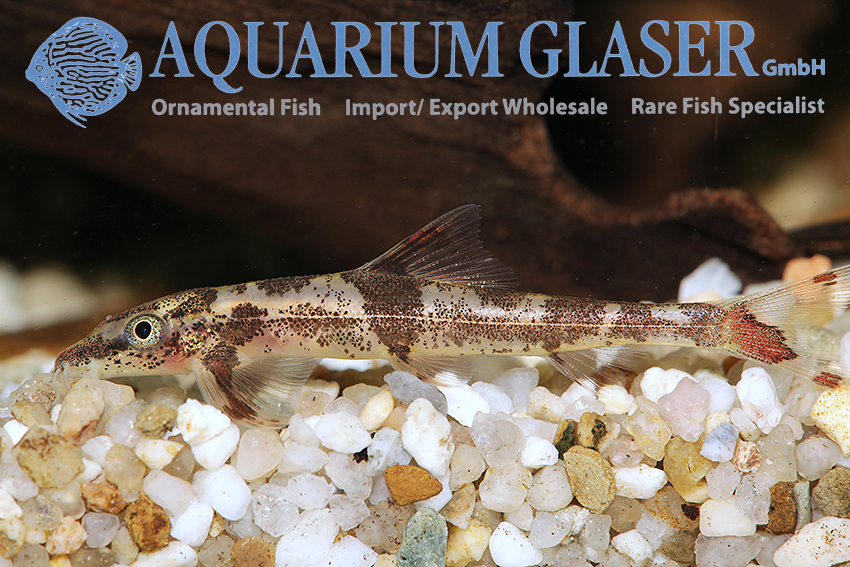
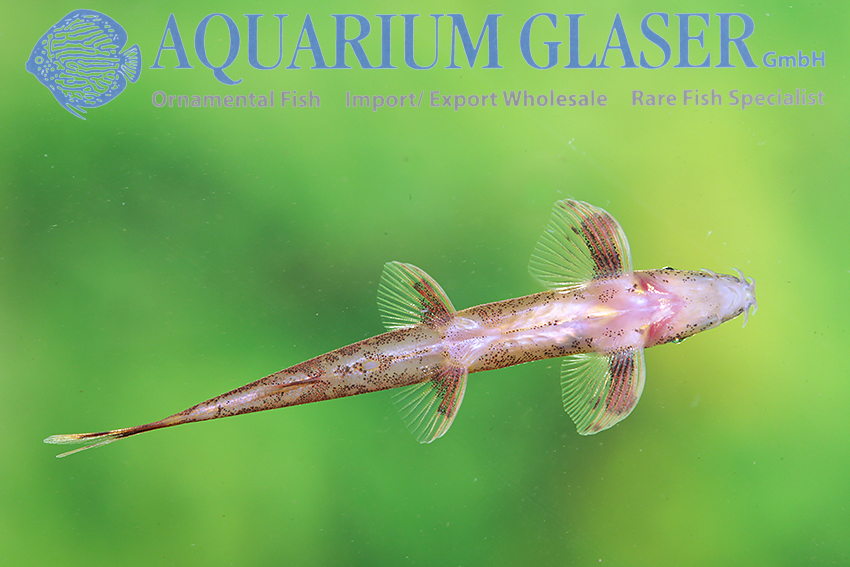
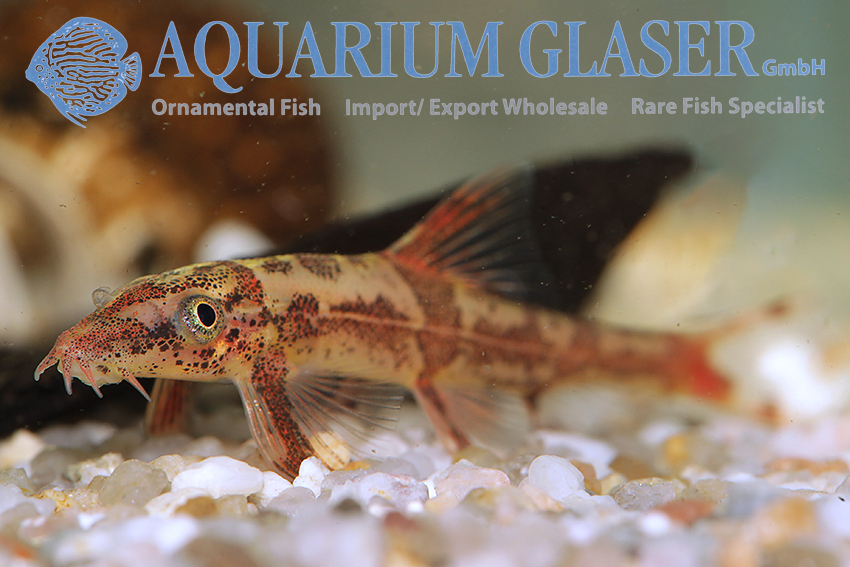
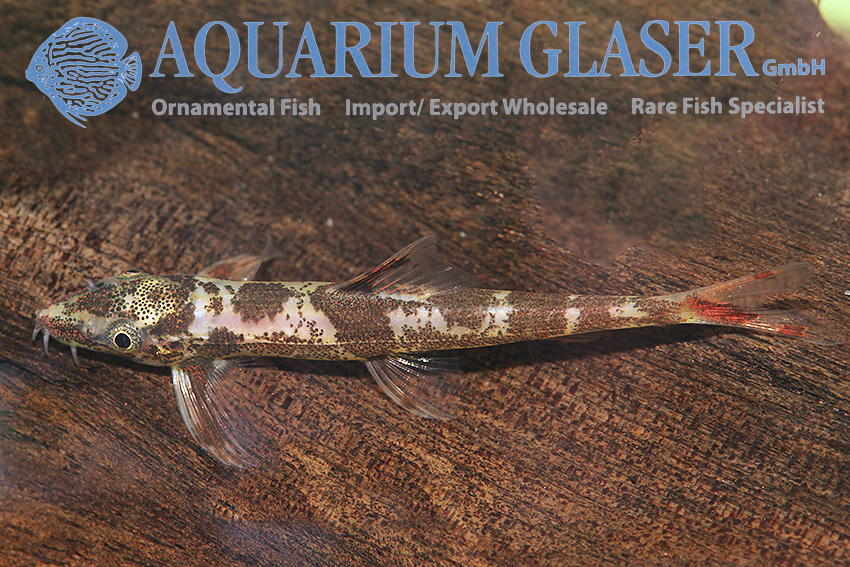
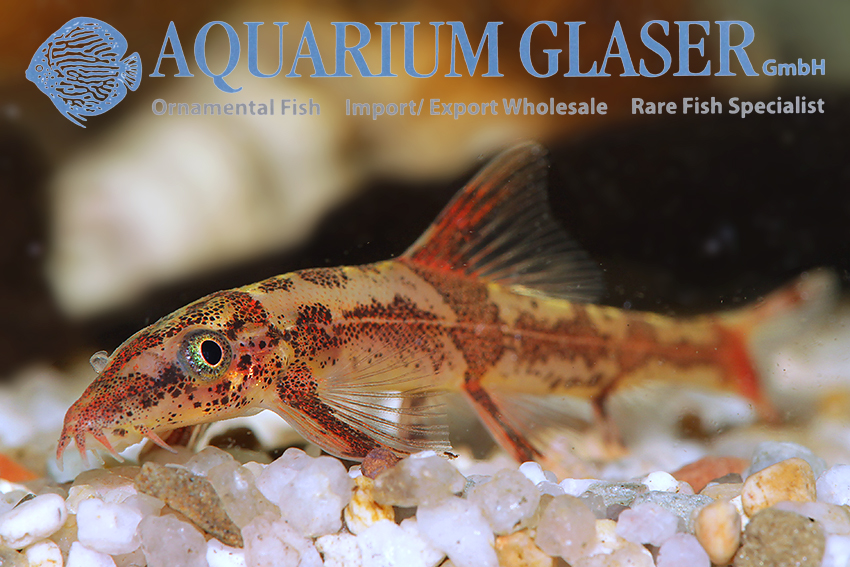
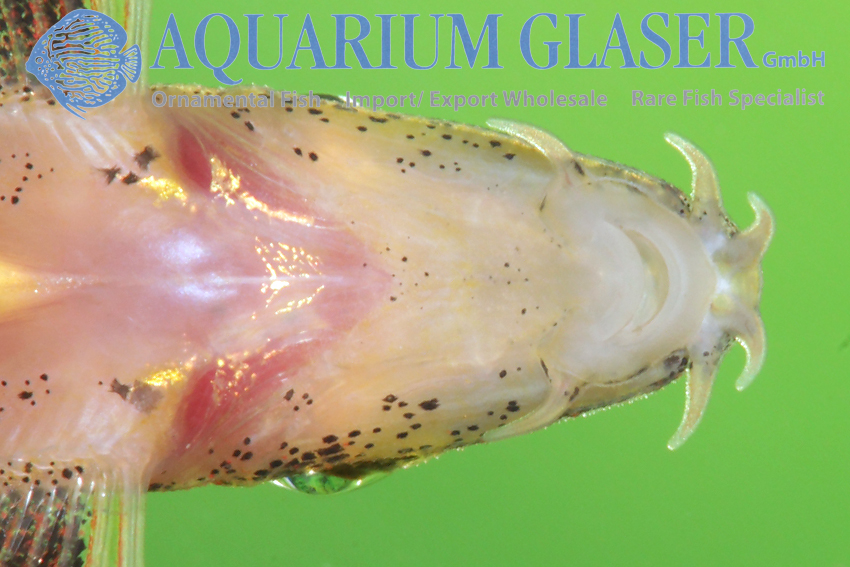
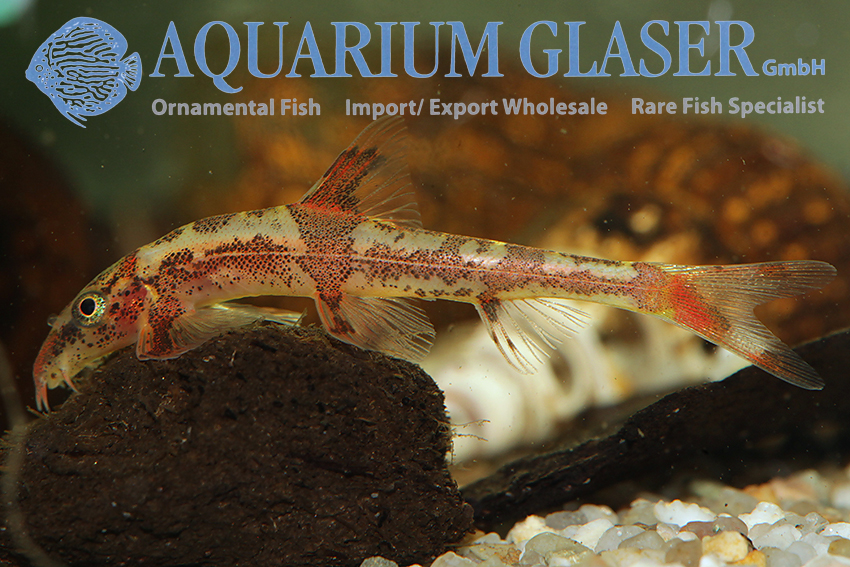
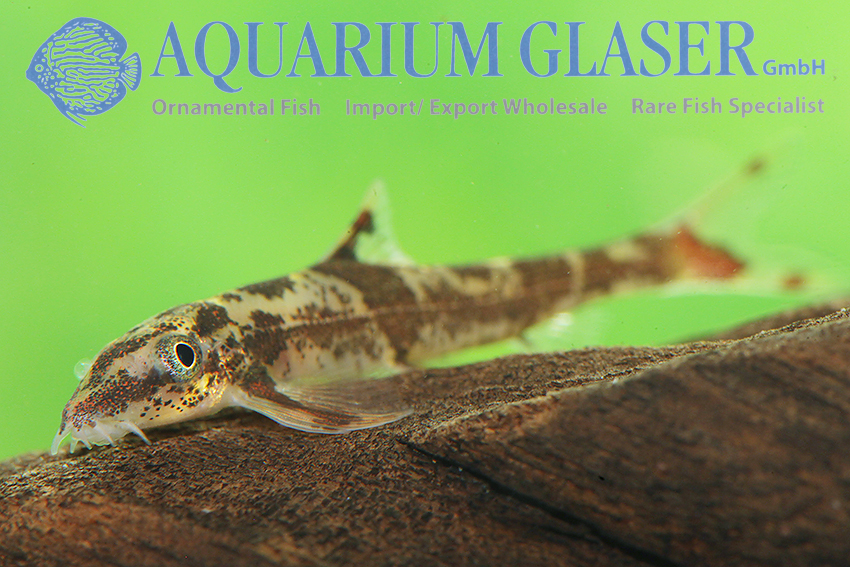
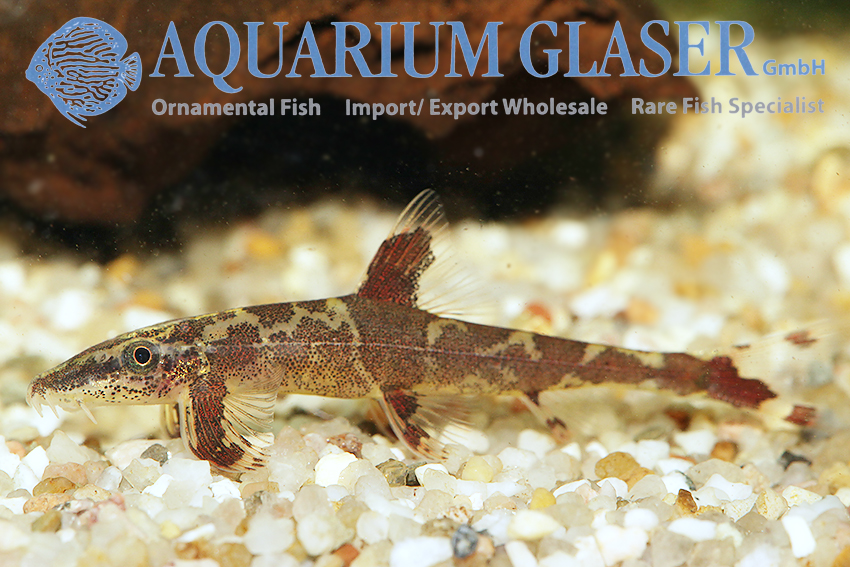
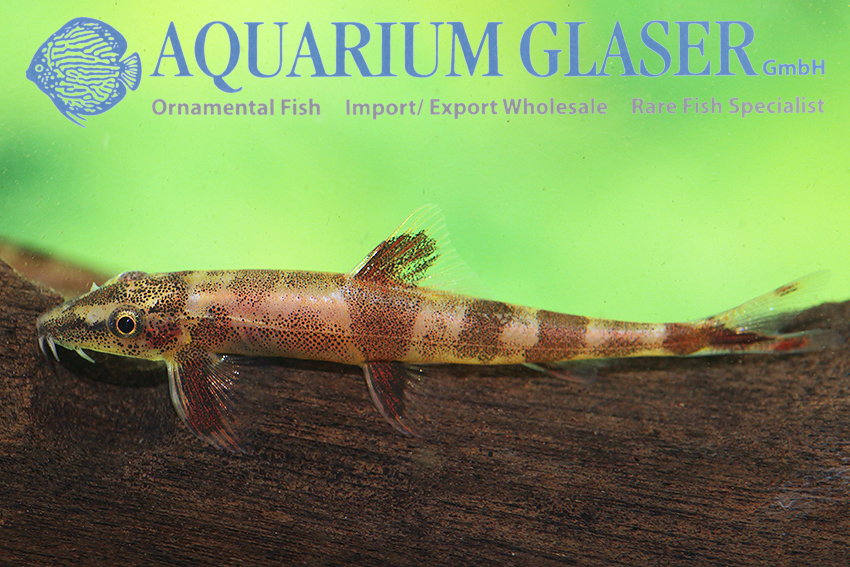
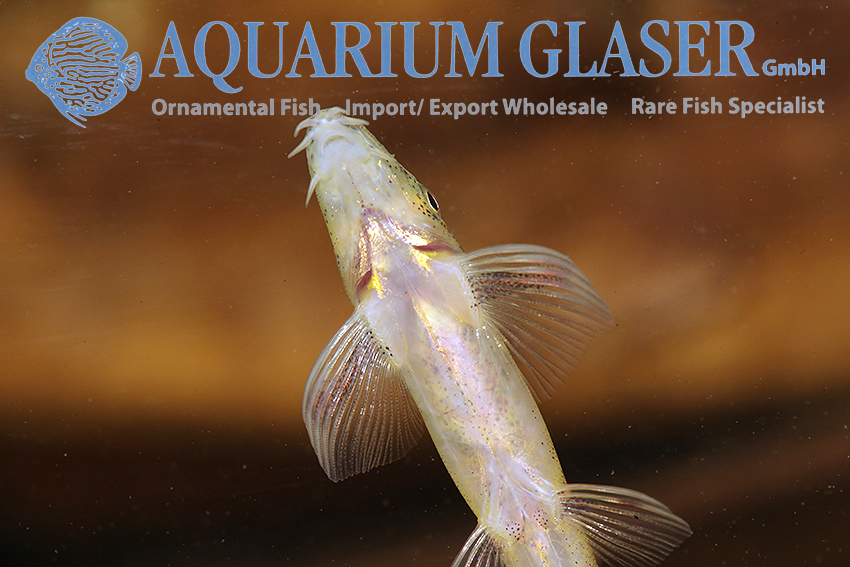
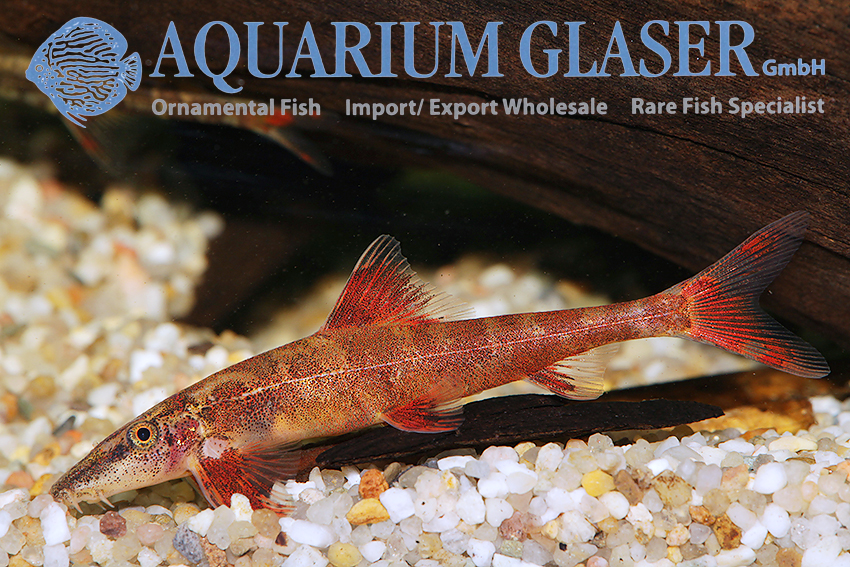
The English common name is quite apt, as these pretty fish glide over solid surfaces just like lizards, always maintaining contact with the ground. When they are at the frontglass of the aquarium, you can clearly see the two different suction apparatus that these fish have developed: one suction apparatus is located in the “armpits,” i.e., adjacent to the pectoral fins, and the other located in the pelvic area, adjacent to the pelvic fins. The existence of suction apparatus already indicates their habitat: flowing waters with solid ground.
We have been able to import Homaloptera ogilviei from Thailand. This small hillstream loach was first described from Malaysia in 1967 and later also found in Sumatra and Borneo. Its occurrence in Thailand has not been scientifically proven, but was to be expected for zoogeographical reasons. It can be safely assumed that the animals were collected in forest streams in the very south of the country.
With a maximum total length of approx. 5 cm, H. ogilviei are the smallest representatives of the genus known to date in the hobby. Their coloration is very variable, ranging from brown to black tones to brick red. However, the basic pattern is fairly similar in all animals.
These animals are demanding to care for: they require a low-germ environment, and the water must be enriched with humic substances from peat, alder cones, or leaves, otherwise the animals are very susceptible to parasites. In addition, as flowing water dwellers, these fish have a high oxygen requirement. The water should therefore not be too warm; 22–25 °C is ideal. Live food is preferred at first, but later the animals will also accept frozen and dry food. These beautiful fish are very peaceful, but like to impress each other in harmless fights for dominance, which are very interesting to watch.
For our customers: the fish have code 421612 on our stock list. Please note that we only supply wholesale customers.
Text & photos: Frank Schäfer
