








Hoplisoma concolor (formerly Corydoras concolor) is a distinctive species from the Orinoco basin in Colombia and Venezuela. Its synonymization with Corydoras esperanzae was long overlooked, but is now completely undisputed. The first person to describe it, Castro, simply overlooked H. concolor in his 1987 work on the armored catfish of Colombia (the species had already been described by Weitzman in 1961), and the illustrations of C. esperanzae in this study clearly show H. concolor.
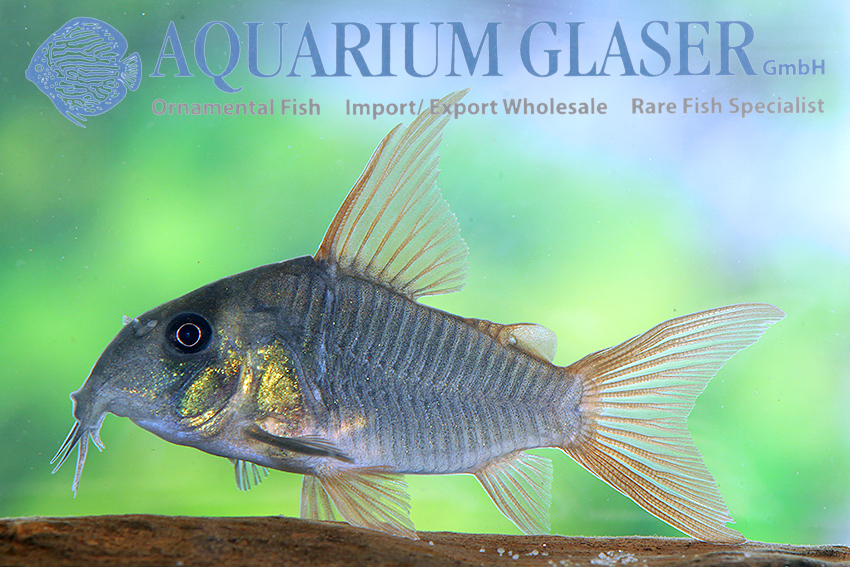
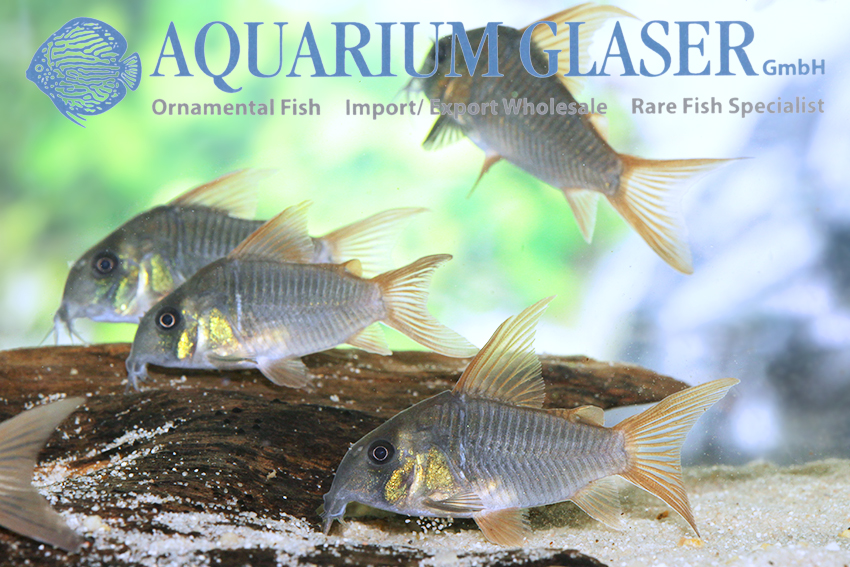
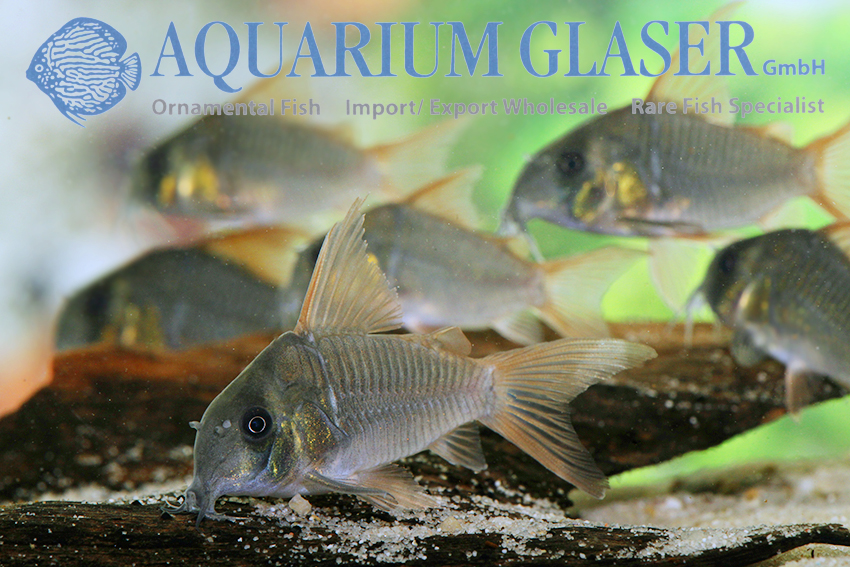
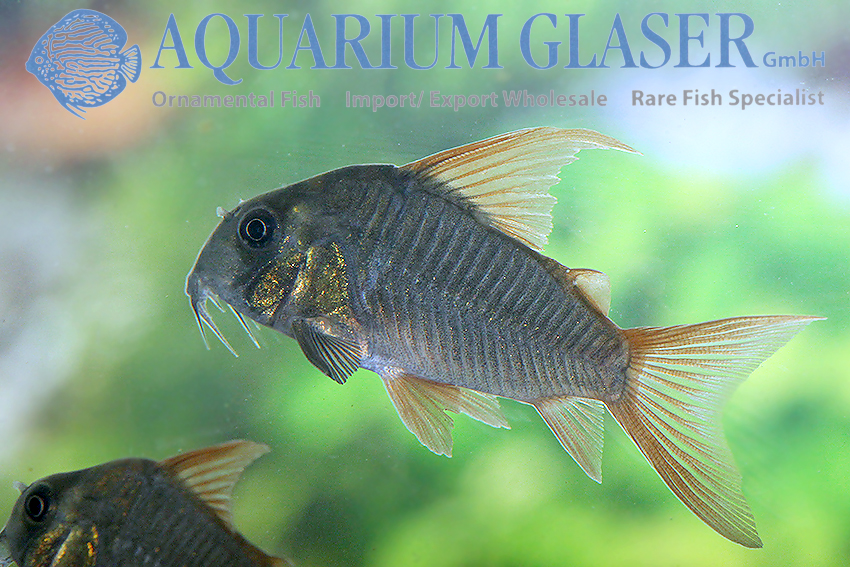
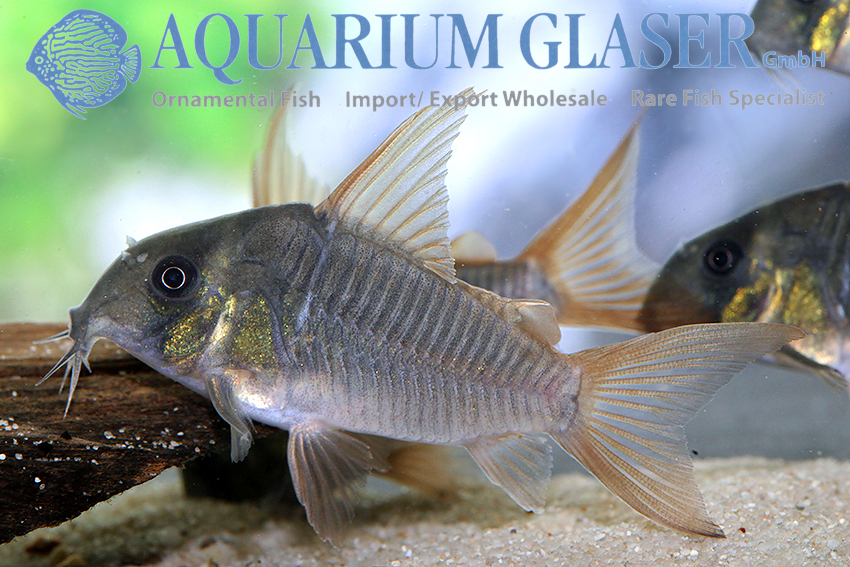
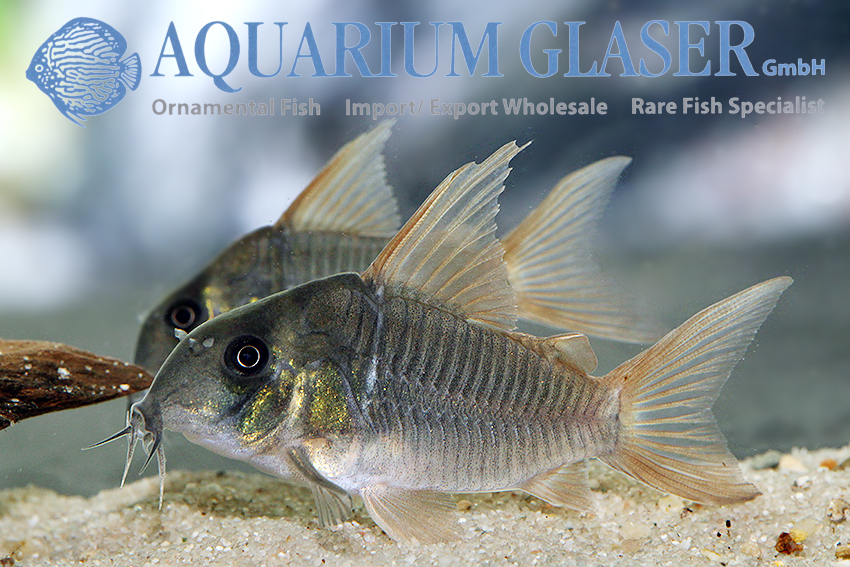
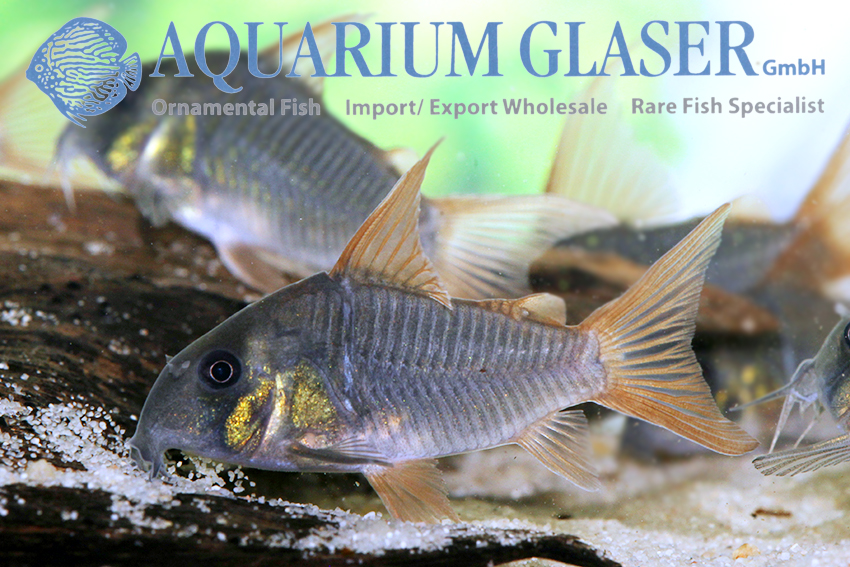
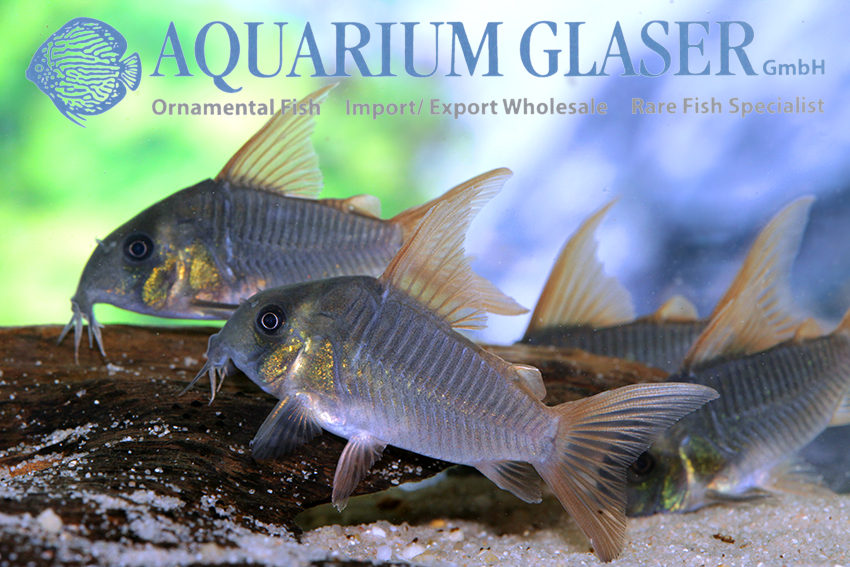
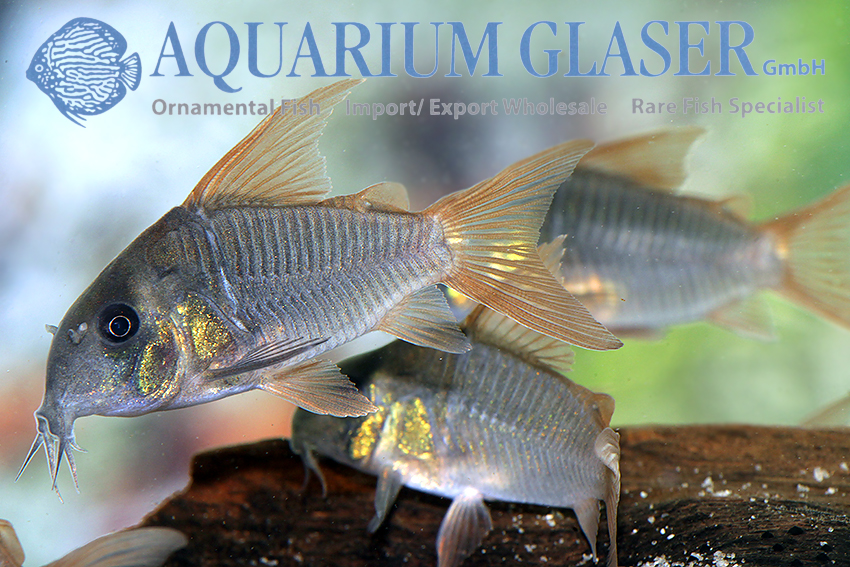
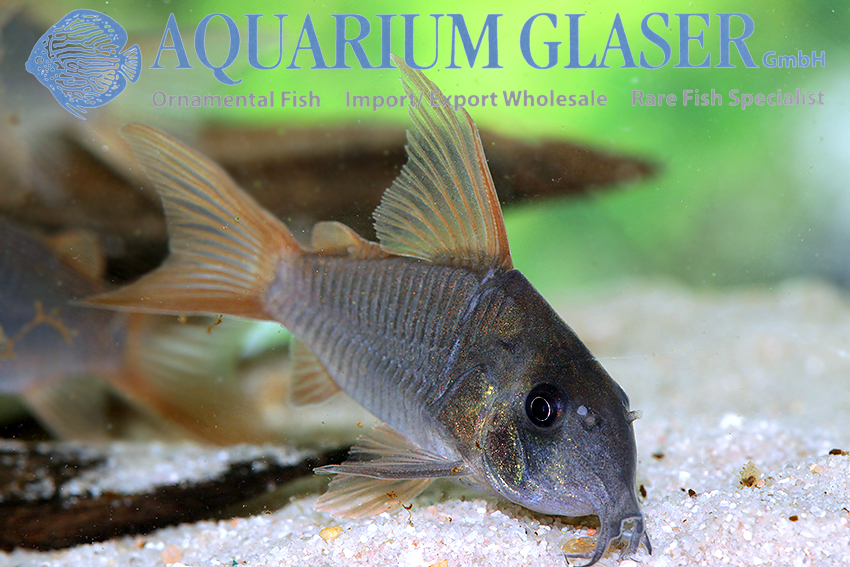
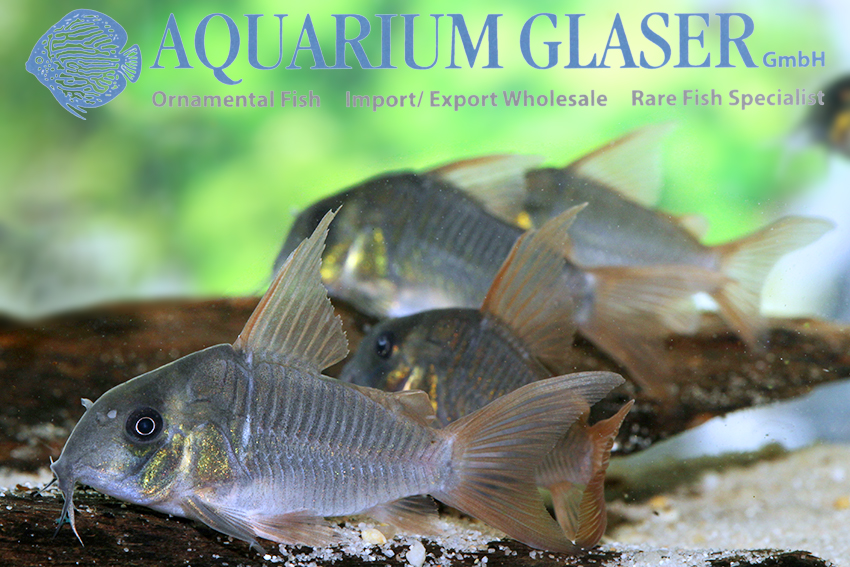
Typical for this species is the extremely steep forehead. The species name “concolor” ( = the monochromatic) essentially means that the species lacks a conspicuous melanophore pattern. However, there is an eye band (sometimes difficult to see, depending on the mood). Small juveniles have a fine dot pattern and can sometimes be confused with H. polystictus, which, however, does not have an eye band. H. polystictus is almost certainly very closely related to H. concolor, but originates from southern South America (Rio Paraguay basin). Adult animals cannot be confused.
The breeding of H. concolor is not diffucult ank possible – apart from major water changes – without any special triggers, similar to H. axelrodi. It is not often practiced because, although adult H. concolor are very beautiful. But young animals are very drab coloured and can therefore only be sold to connoisseurs.
For our customers: the animals have code 226004 on our stock list. Please note that we only supply wholesale customers.
Literature:
Castro, D. M. (1987): The fresh-water fishes of the genus Corydoras from Colombia, including two new species (Pisces, Siluriformes, Callichthyidae). Boletin Ecotrópica. No. 16: 23-57, Pls. 1-11
Text & photos. Frank Schäfer
