








It’s been a very long time since we were last able to import Hoplisoma ehrhardti, formerly known as Corydoras ehrhardti. That’s why, every now and then, one of us stands in front of the aquarium housing these fish with a nostalgic smile. It’s a bit like meeting an old schoolmate. There are many reasons why Hoplisoma ehrhardti is so rare in the trade. For one thing, there were generally no imports from southeastern Brazil for many years because, during the era of the positive export lists (until a few years ago, only species listed on these lists were allowed to be exported), some of the region’s most important commercial fish were simply overlooked. As a result, exporters were forced to shut down their operations. Ornamental fish catchers had to find other jobs. Now that negative export lists are in use (meaning only species whose export is expressly prohibited may not enter the trade), the infrastructure must first be painstakingly rebuilt. And even experienced ornamental fish catchers—who know how to handle and transport small fish gently—are few and far between. In addition, many collection sites have since been forgotten. And finally, the more drab-colored species of the region do not fall into the highest priority category.
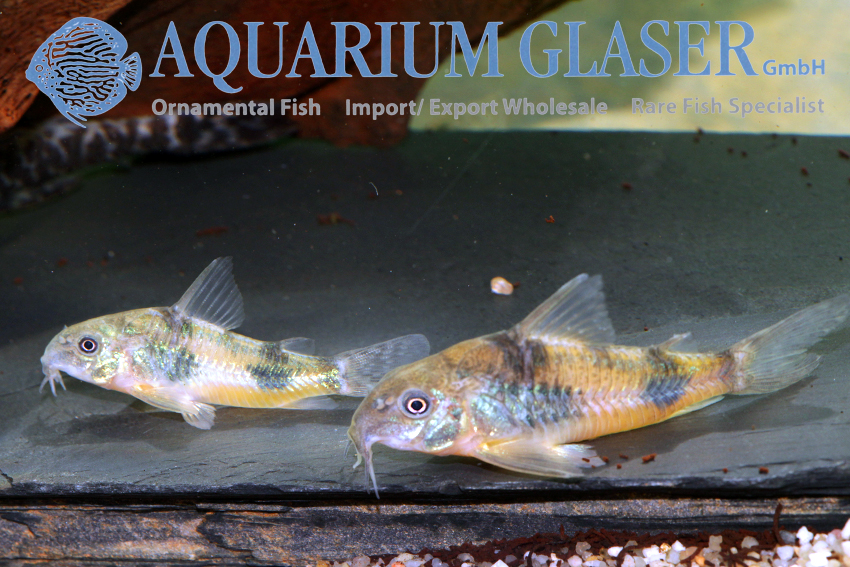
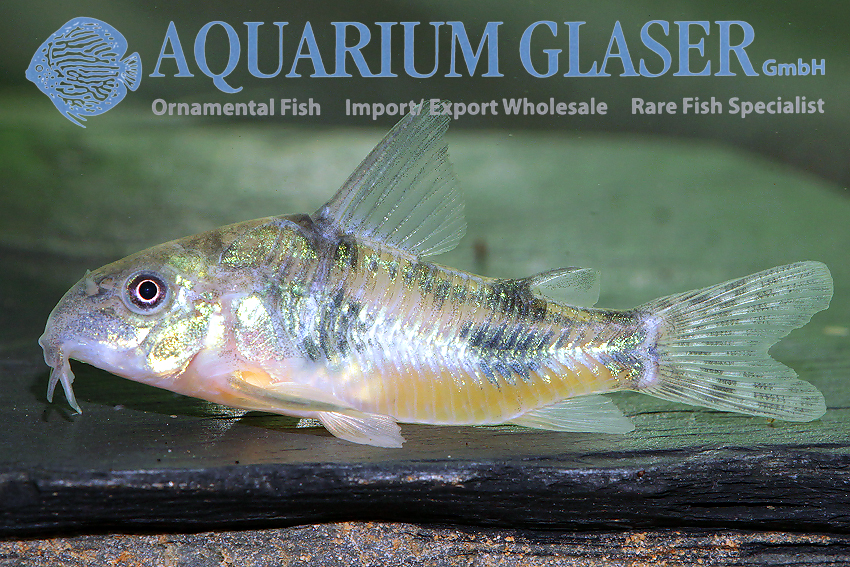
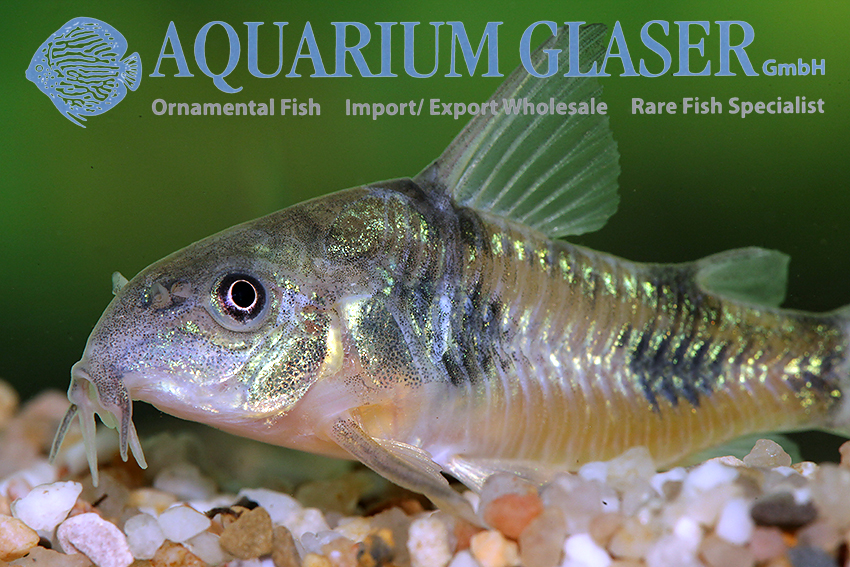
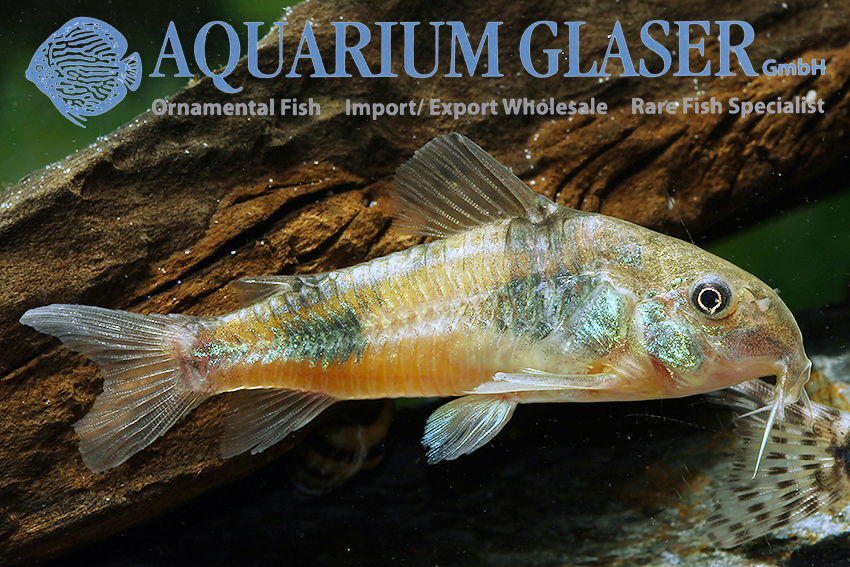
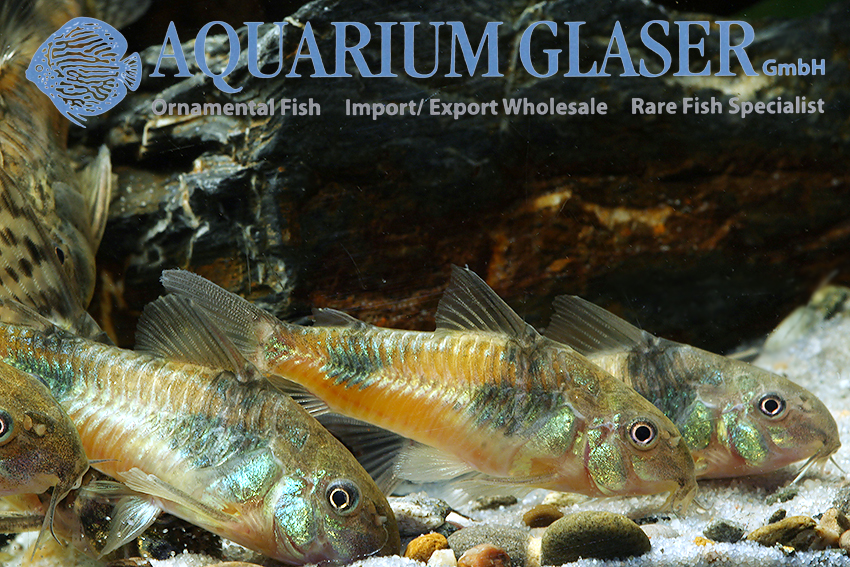
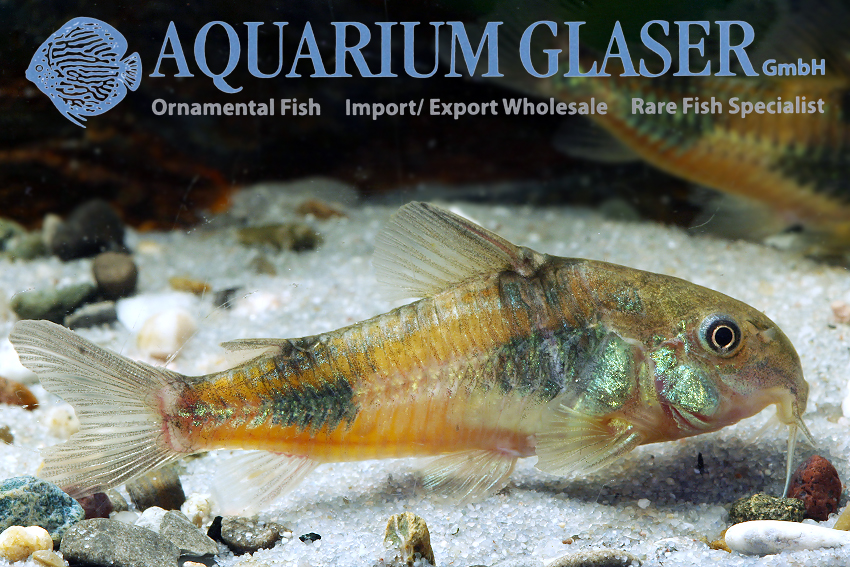
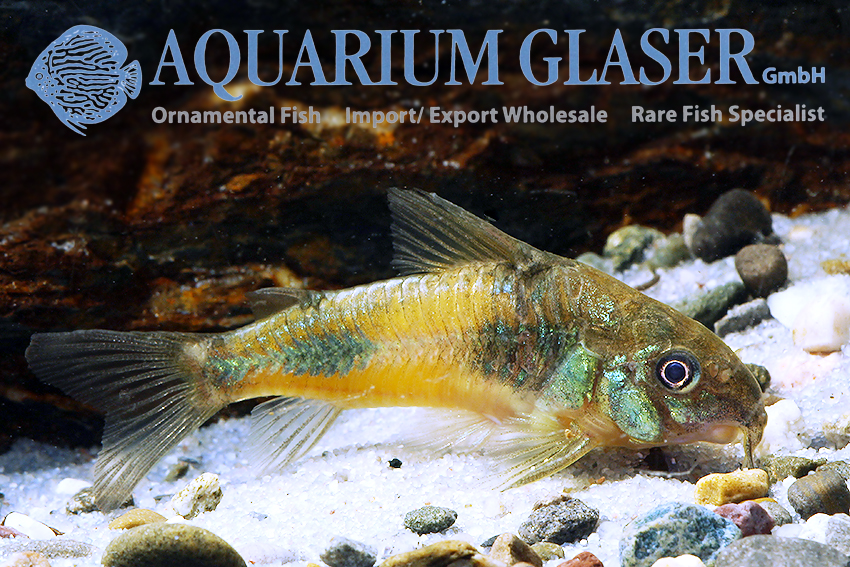
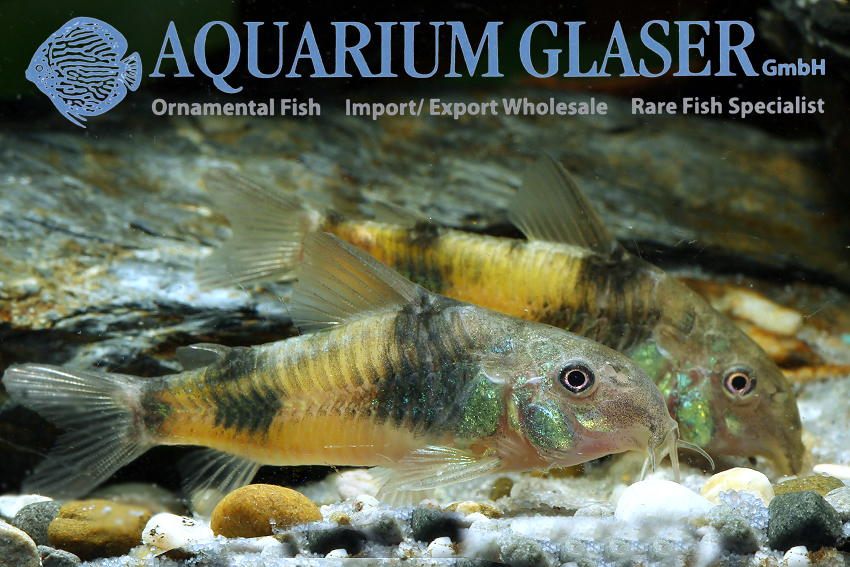
In and of itself, Hoplisoma ehrhardti is an old acquaintance that first appeared in our aquariums as early as around 1970. However, it has always remained a fish for specialists. For the general public, the resemblance to Hoplisoma paleatum, the marbled armored catfish, is too striking. And that species is always available in stores at significantly lower prices. In fact, H. ehrhardti and H. paleatum are likely closely related, and in terms of aquarium care, they are absolutely comparable. As a general rule, H. ehrhardti should be kept in groups. The water should be clean and have a good current. This species is quite susceptible to bacterial diseases. The water temperature can range from 16–22°C. It will eat any commercially available ornamental fish food.
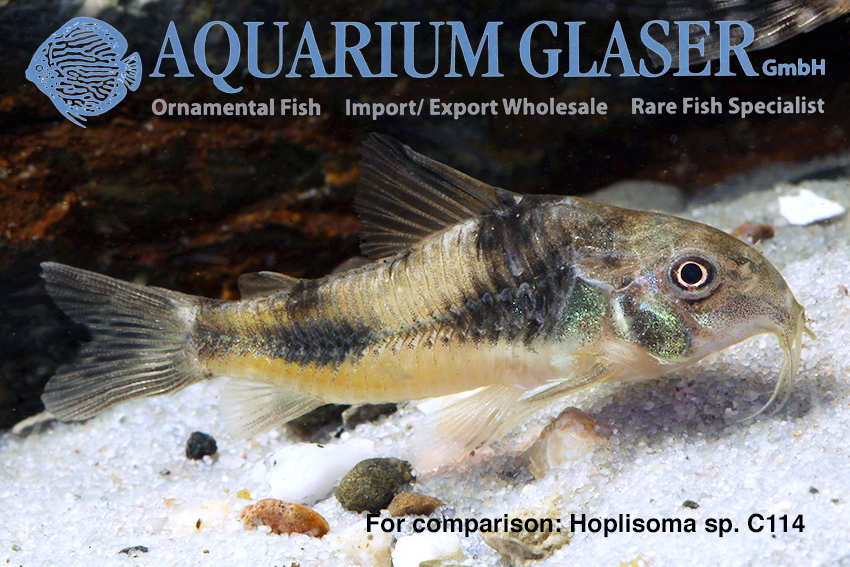
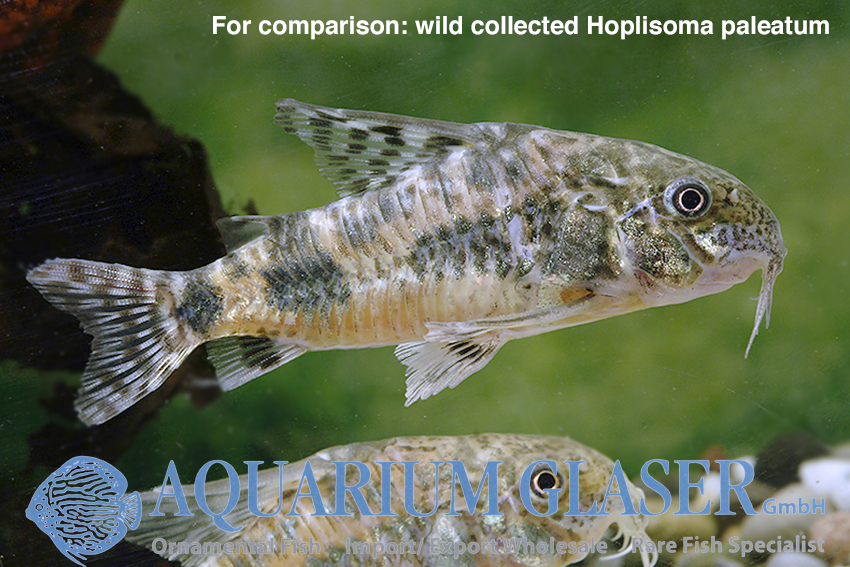
Hoplisoma ehrhardti grows to about 6–7 cm in length and is native to coastal rivers that are part of the Iguaçu drainage (Brazil: Santa Catarina and Paraná; Argentina). It can be confused with H. paleatum, which inhabits the same region and always has distinctly striped caudal and dorsal fins (both of which are colorless or, at most, very faintly striped in H. ehrhardti). In imports of wild H. paleatum, which occasionally contain H. ehrhardti as bycatch, the H. paleatum specimens are usually heavily “speckled,” meaning they have numerous small dots. The flank spots on H. paleatum are wedge-shaped and extend toward the caudal fin, whereas those on H. ehrhardti do not to the same extent. All in all, H. ehrhardti is more delicate and slender than H. paleatum. Finally, there is a third species that can be confused with them, H. sp. C114 from the Curitiba area in the state of Paraná, in which the caudal fin is often distinctly striped, but the dorsal fin is always only faintly striped. Its body shape corresponds to that of H. paleatum. There are also C114 specimens with completely colorless fins, which does not always make identification easy. The particular appeal for specialized armored catfish enthusiasts lies in comparatively studying the differences in behavior and ecological preferences of these species.
For our customers: Hoplisoma ehrhardti are listed on our stock list under codes 228002 (wild, md-lg), 228003 (wild, lg), 228004 (wild, lg-xlg), and 228023 (captive-bred, lg). Please note that we supply exclusively to wholesale customers.
Text & photos: Frank Schäfer
